
Aberdeenshire Coastal Villages
Fishing villages along ninety-one miles of Aberdeenshire coast.
Words by Hidden Scotland
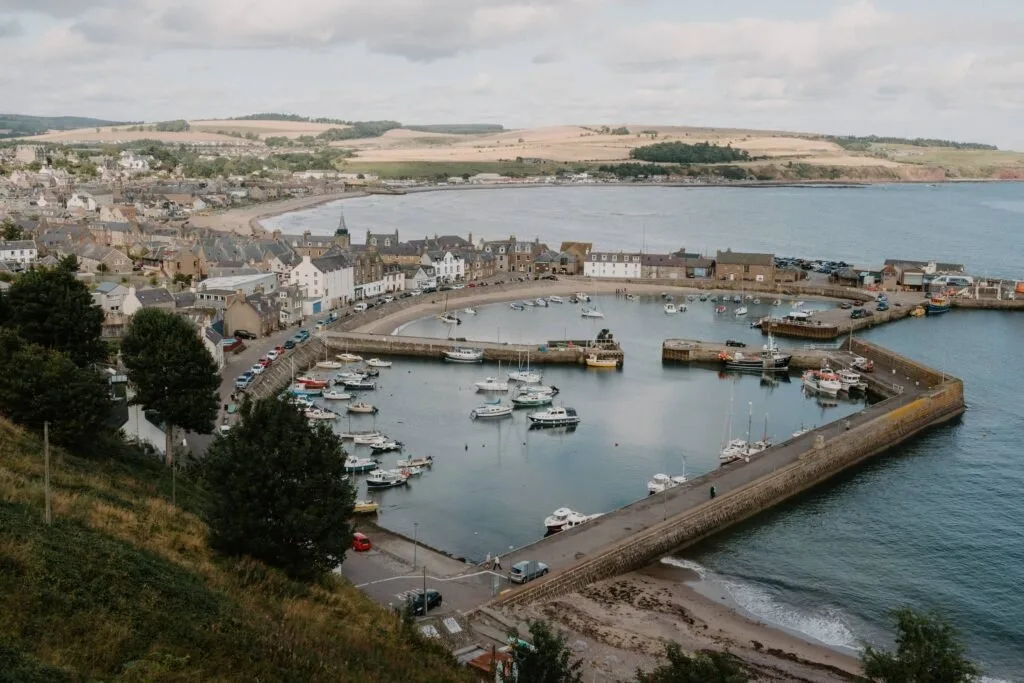
Extending across ninety-one miles from St Cyrus to Logie Head, the Aberdeenshire coastline connects sandy bays with rugged cliffside. The coast has kept the historic harbours that flourished in centuries past, and it is home to many charming villages well worth a visit. Here are our favourites.
-full-1750072670.jpg)
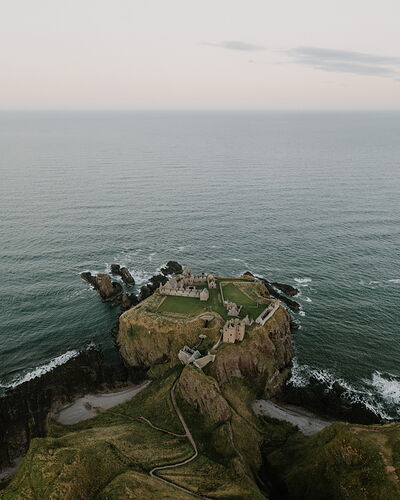
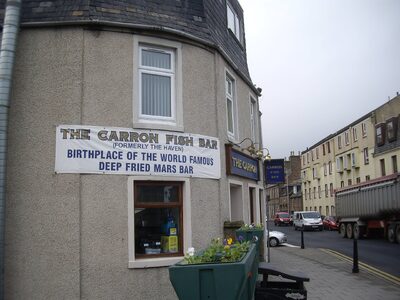
Just south of Aberdeen City, Stonehaven is a charming seaside town that grew out of the iron and fishing trades. The town is overlooked by the ruins of Dunnottar Castle, which sits on a cliff edge above the town. Stonehaven is also believed to be the home of the deep-fried Mars Bar. Its creators, The Carron Fish Bar, have also been named one of the best fish and chip shops in Scotland.
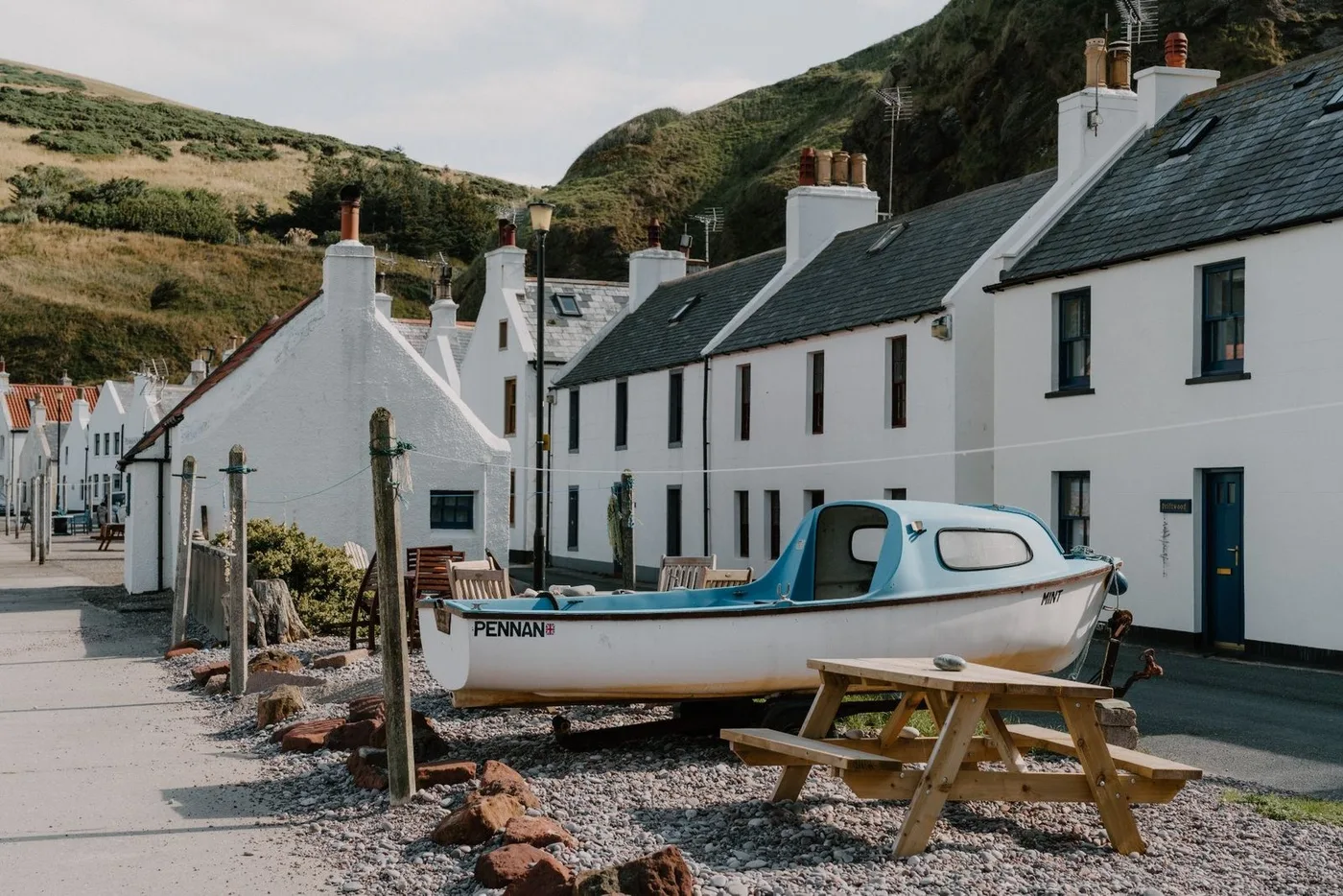
Pennan
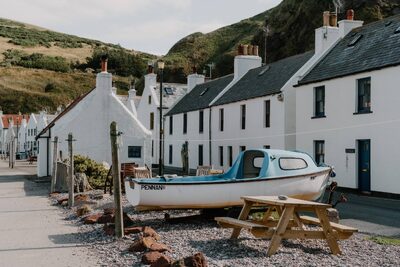
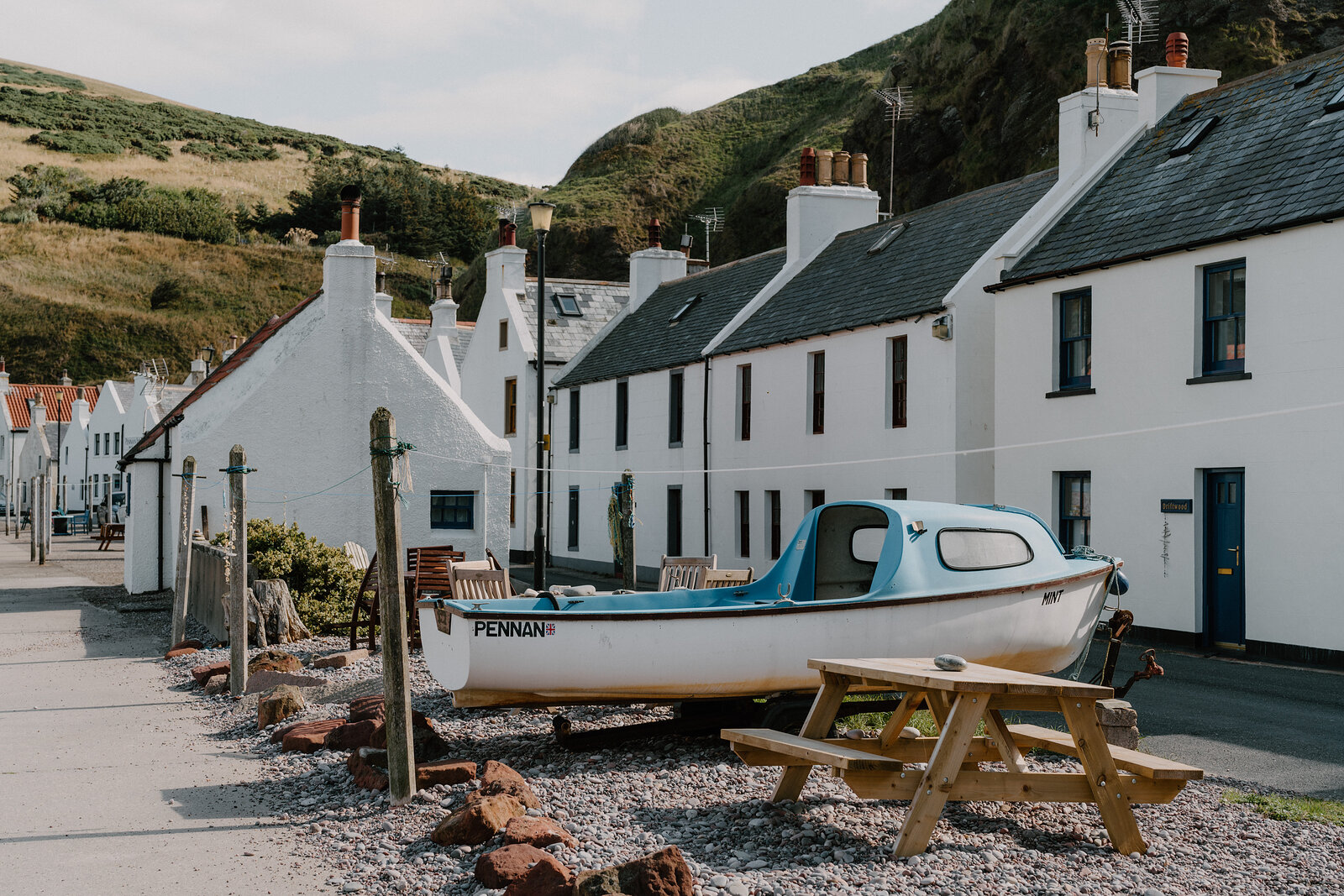
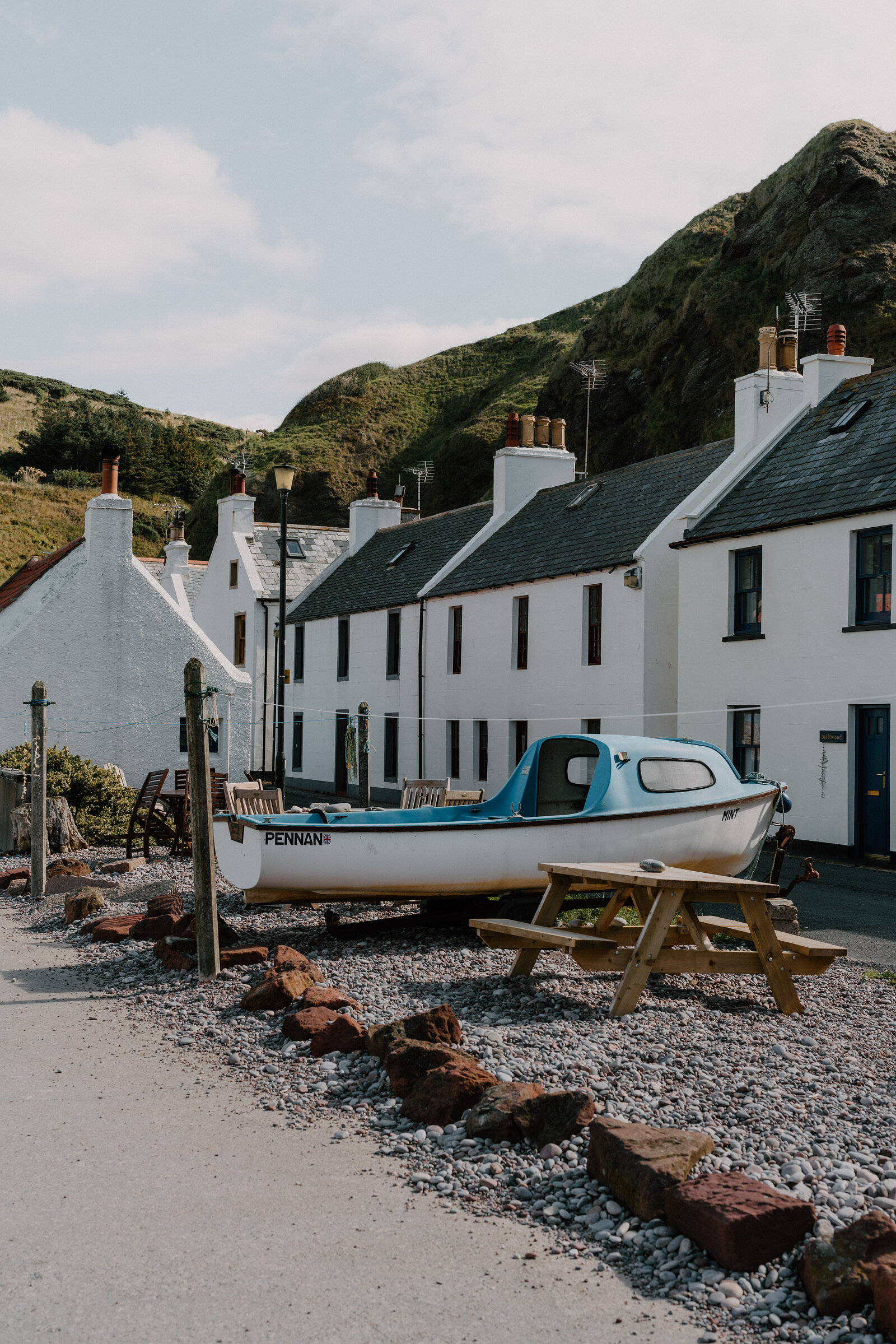
Made up of just a single row of houses and a large harbour, Pennan is a former fishing village that flourished during the 18th and 19th centuries. Many of its cottages are now holiday properties. For a number of years, just three families occupied every property in Pennan. The village was also used as a central location in the 1983 film Local Hero – and film fans still flock to its iconic red telephone box.
Portsoy
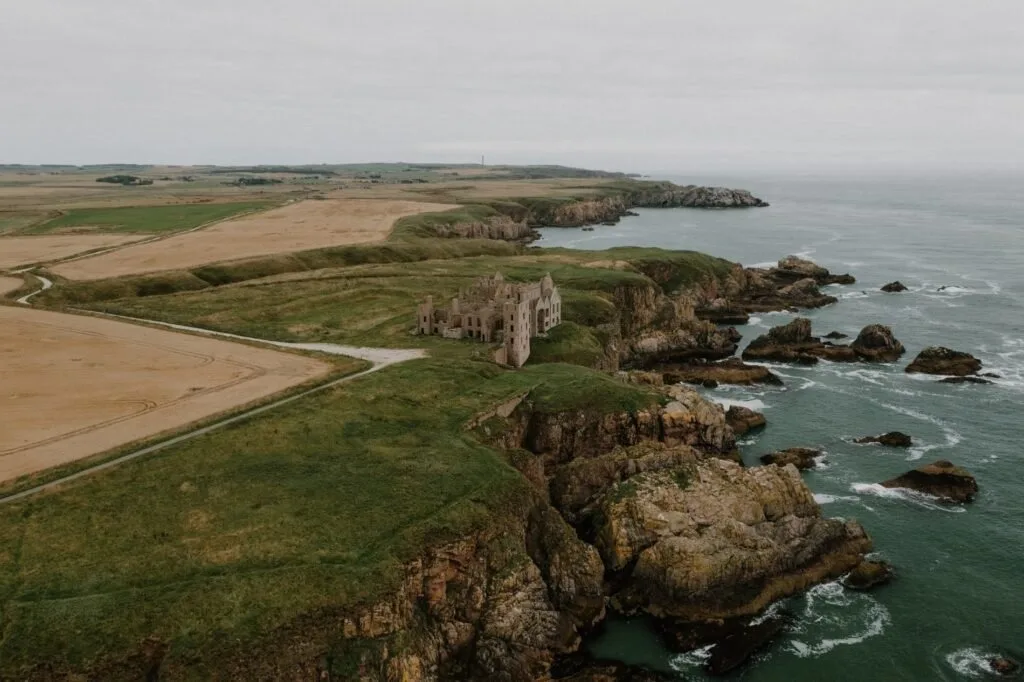
Descended on by 16,000 people every summer for the Scottish Traditional Boat Festival, Portsoy is a popular seaside destination for the summer. The village is also renowned for its marble – which features in the Palace of Versailles – and its ice cream. It’s also been featured as a location in Peaky Blinders and the 2016 film Whisky Galore!
Cruden Bay
Just north of Aberdeen, the little village of Cruden Bay is perhaps best known for its golf course, which is ranked 29th in Scotland. It’s considered something of a literary town: Bram Stoker was a regular visitor, and James Boswell came here too. Cruden Bay’s long stretch of beach was also the location where aviator Tryggve Gran took off before making the first solo flight across the North Sea.
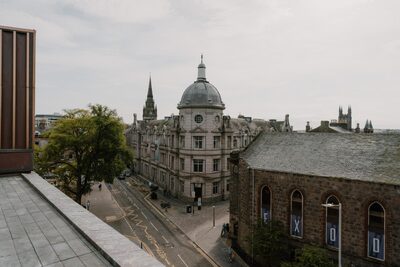
Gourdon
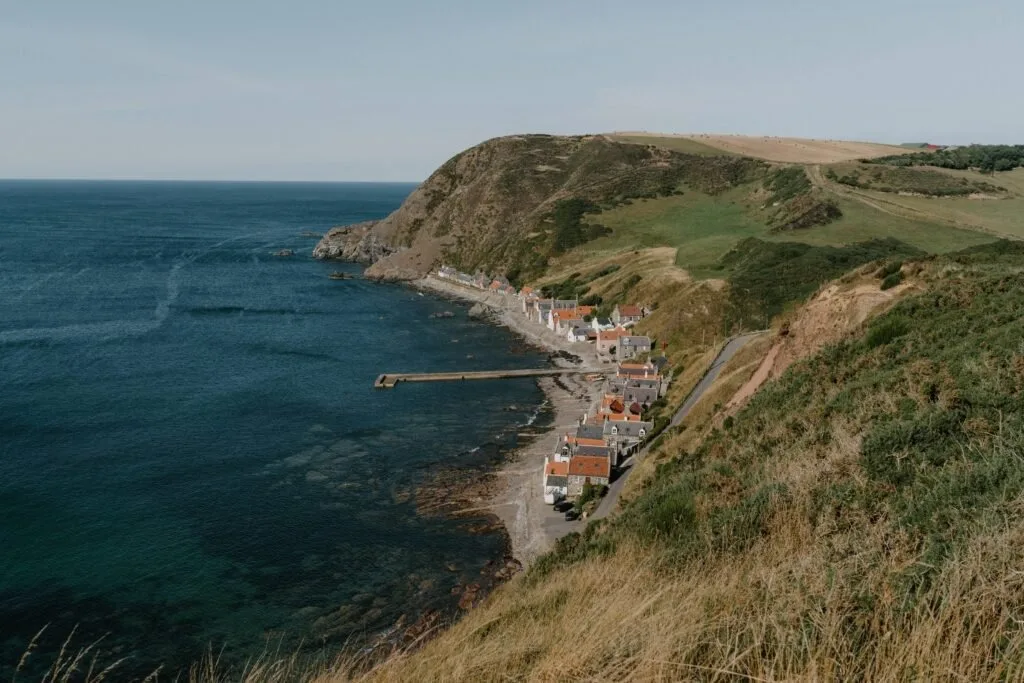
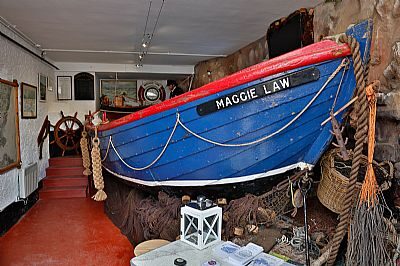
Considered one of Aberdeenshire’s most beautiful locations, this ancient fishing village has been excellently preserved by local volunteers. Popular for its beautiful coastal walks and the unique local dialect, Gourdon is also home to the Maggie Law Maritime Museum and Quayside, the multi-award-winning fish and chip shop which was named a UK winner at the 2019 National Fish and Chip Awards.
Catterline
Just five miles south of Stonehaven, the quiet charm of Catterline makes it well worth a visit during your Aberdeenshire trip. Promising a magnificent view from its harbour, the village sits atop a cliff – allowing for amazing panoramas over the North Sea. Once known for its fishing, Catterline became known for its artists, among them Joan Eardley, who lived here until her death in 1963.
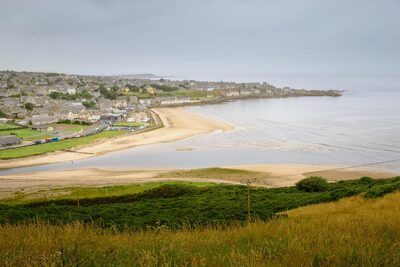
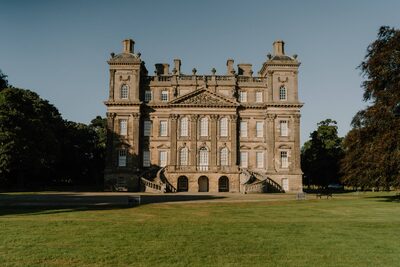
Banff is the county town of the historic Banffshire, with a long history of fishing. Locations like Banff Castle and Duff House were both designed in the classical Georgian style, which has earned the area the nickname ‘mini Edinburgh’. The town was granted its charter by Robert the Bruce.
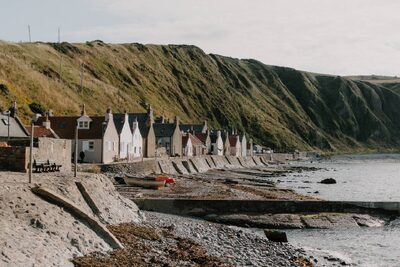
Another petite Scottish village that stretches in one line beside the water, Crovie is the smallest and most remote of Aberdeenshire’s fishing villages. Neighbours with Gardenstown and Pennan, the village is too narrow for cars, which are left at the viewpoint above. Bird-watchers come to see the resident gannet, kittiwake and razorbill colonies.
Boddam
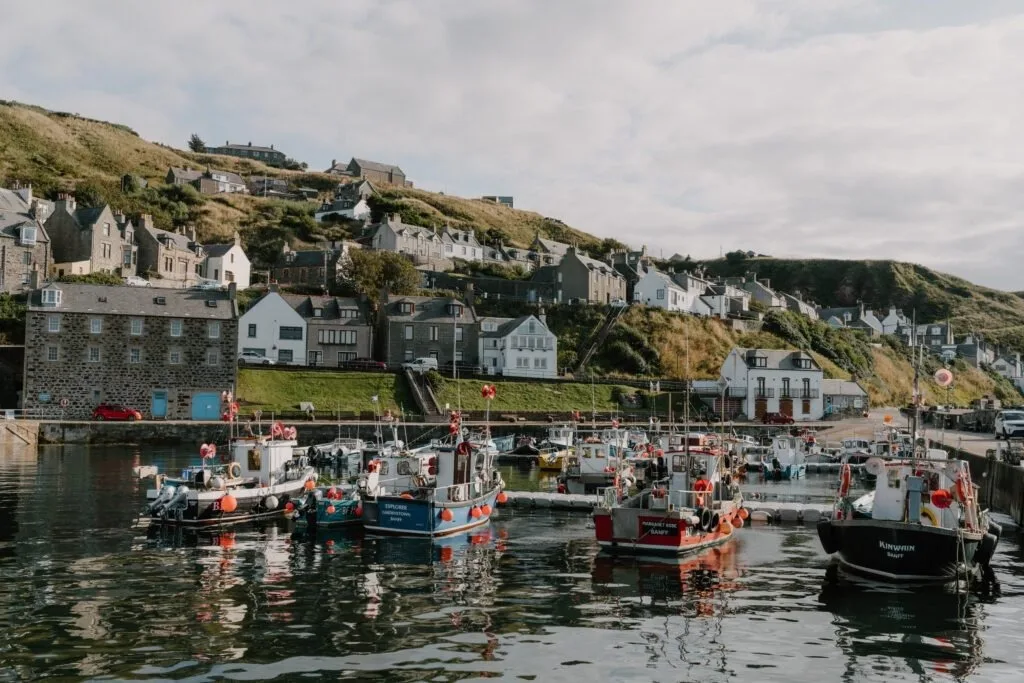
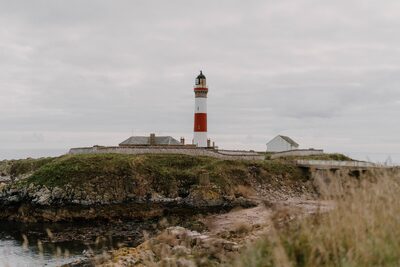
With a population of just under 1500 people, Boddam sits on the outer shoulder of Northeast Scotland. Best known for its fishing during the 19th century, Boddam is still dedicated to catching fish – though on a much smaller scale, particularly lobster. One of the village’s most significant landmarks is the Buchan Ness Lighthouse. Standing at 118 feet high, the lighthouse was one of many to be built by pioneer Robert Stevenson.
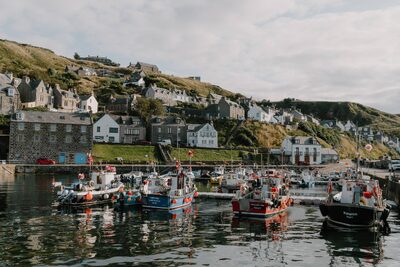
Neighbour to Crovie and Pennan, Gardenstown is east of Banff. Particularly known for its fishing, the line of houses have a mix of holiday locations and permanent residents. Unlike its neighbours, there is a little more to see here – including a pub beside the harbour, a long stretch of beach and a footpath to take you to the other villages on the coast.
Collieston
In the 19th century, Collieston was a busy fishing village with a historical reputation for being the location where a ship of the Spanish Armada sank in the 16th century. Though much quieter today, it is nevertheless a picturesque spot on the coastline, where the natural harbour has been reworked to create a sandy, sheltered beach.
 Out now
Twice a year, to your door
One hundred and sixty pages of Scotland, every photograph commissioned, every word written by someone who went. Members get both issues posted and everything on screen.

 The Last Stop Before Nowhere
 A Weekend Exploring the Isle of Mull
 What's On in Scotland: Autumn and Winter