
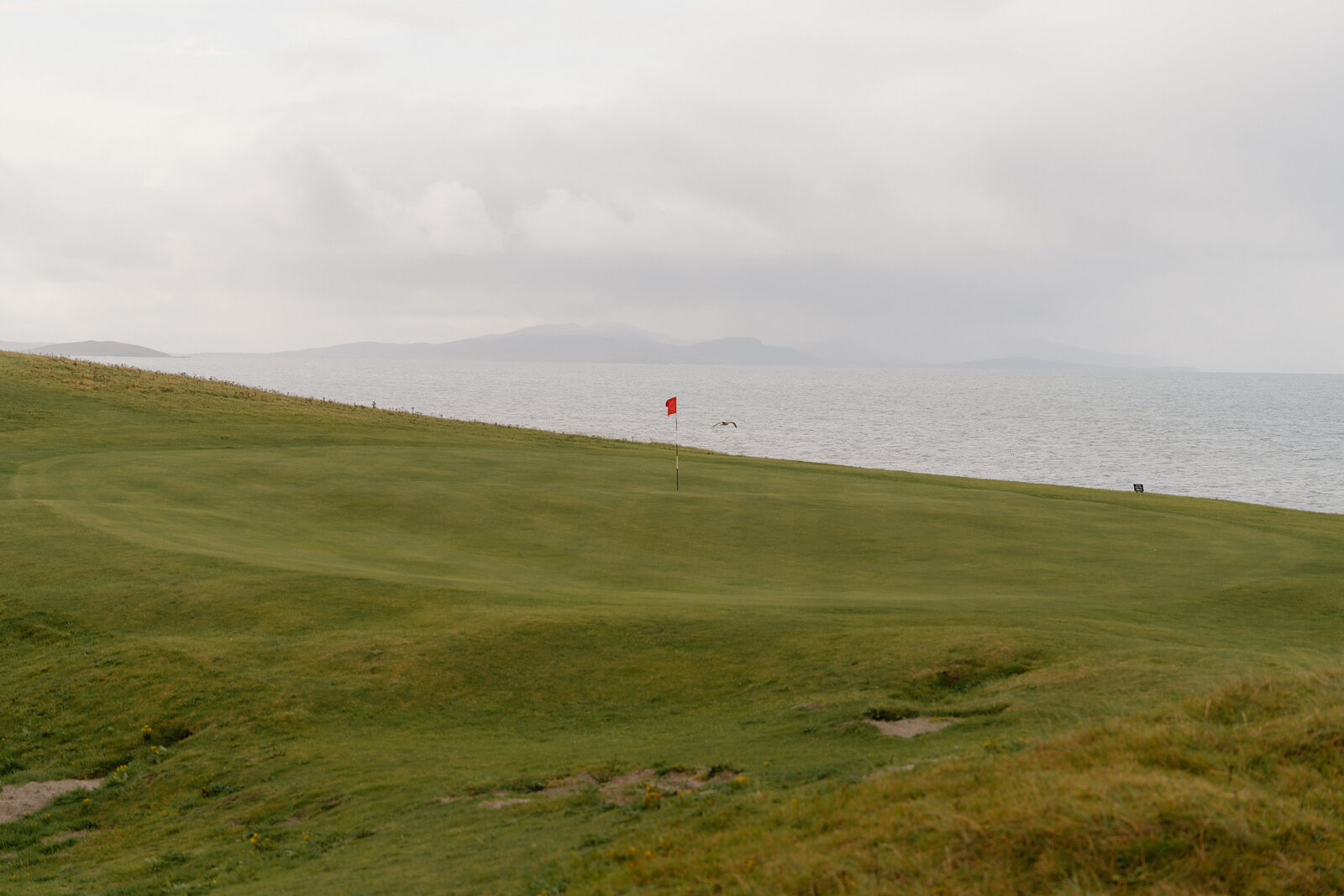
The Wild Coast of the Isle of Lewis
A day by car, from Callanish Alpacas to Whalebone Arch.
 Written by Graeme Johncock
The Isle of Lewis is the largest and most populated island in Scotland; a place you could spend a week in and barely scratch the surface. While there’s a lot of island to cover, it’s the northwest side that packs the biggest punch in my opinion.
The route
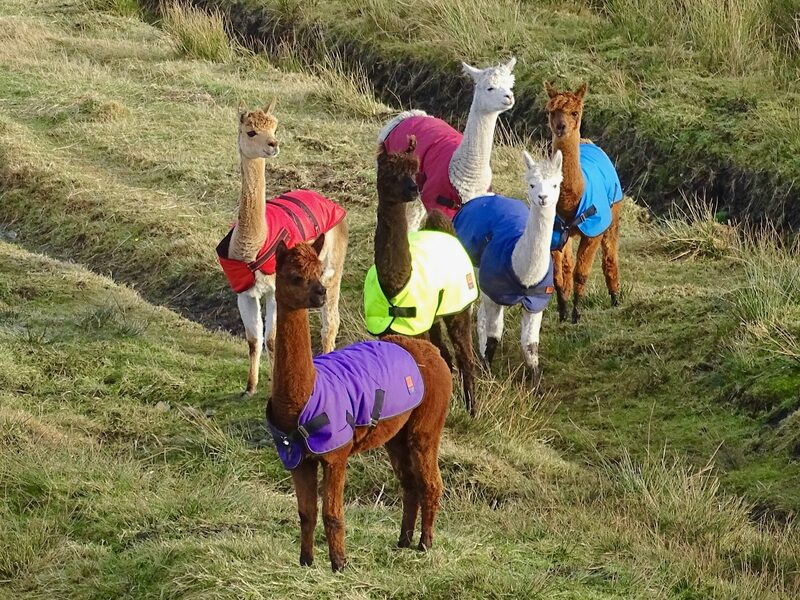
Callanish Alpacas
An attraction
Alpacas might not be what you expect to find on the Isle of Lewis, but this small charity is more than a curiosity. They rescue and care for a wide range of animals including chickens, turkeys, peacocks and pigs – expect a fair bit of noise when you visit! Every animal has a name and you can find out about them all on a guided tour, with snacks and coffees available in the Alpacaccino Café. It’s worth it just to sit in the turquoise double decker bus!
About 5 min by car
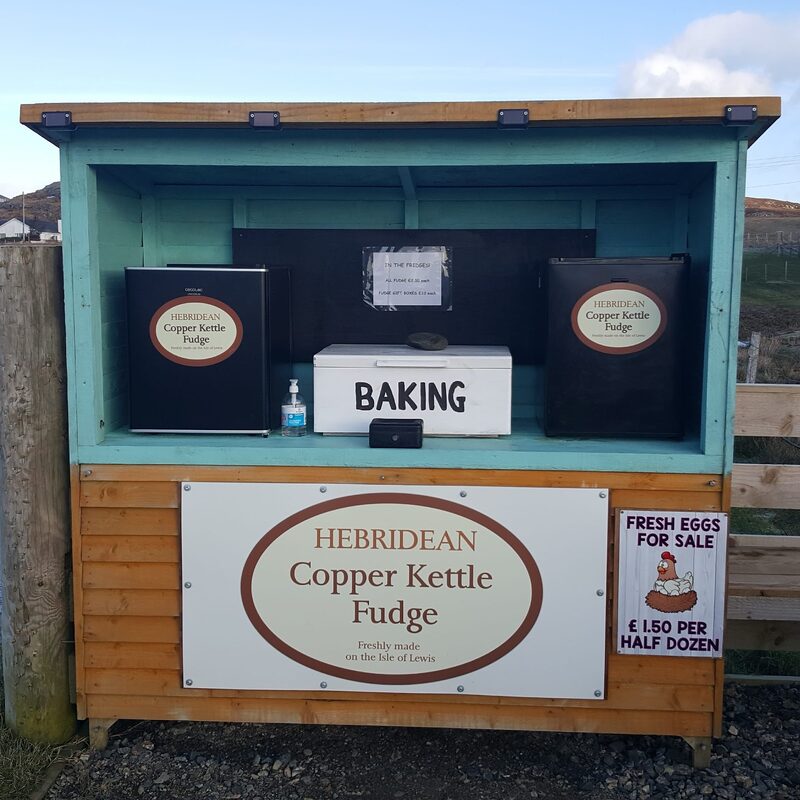
Hebridean Copper Kettle Fudge
An attraction
If you’ve got a sweet tooth, a quick stop at a famous local honesty box might be right up your street. The Hebridean Copper Kettle Fudge box is just alongside the main road and there’s always a wide range of flavours available. I go for Irn Bru, but that might be an acquired taste!
More about Hebridean Copper Kettle FudgeAbout 10 min by car
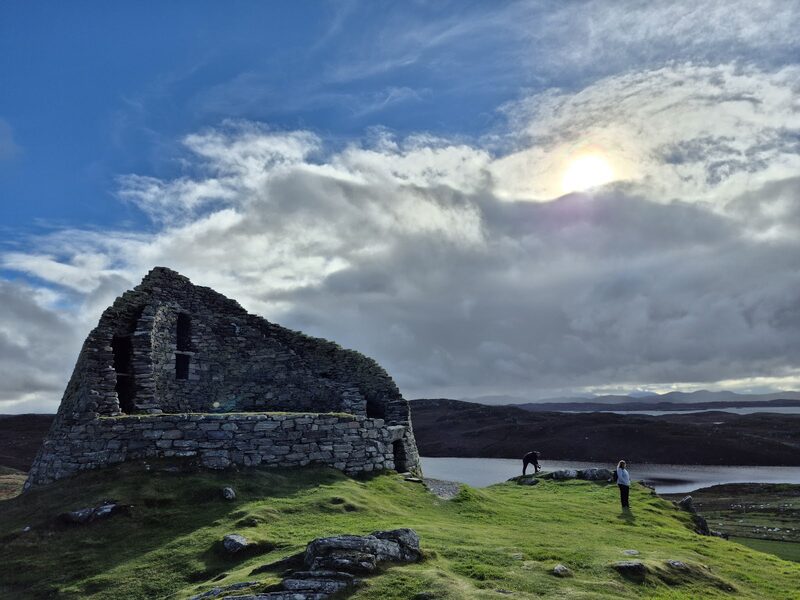
Dun Carloway Broch
An attraction
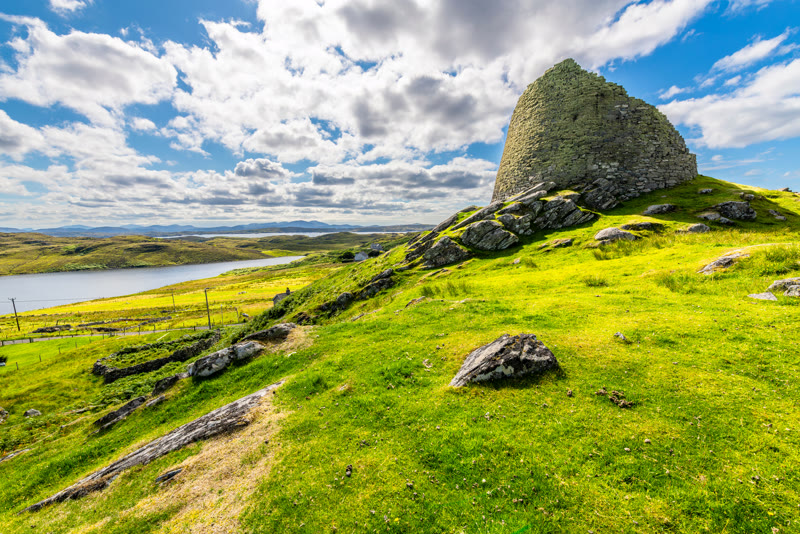
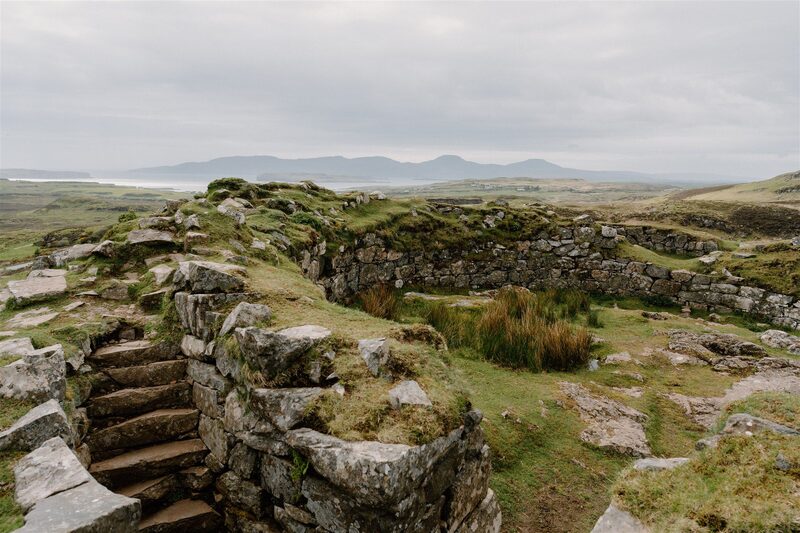
For 2000 years, Dun Carloway Broch has stood on this small hill with spectacular views across the jagged coastline. Built without any mortar, these towers are unique to Scotland, with a staircase spiralling up between two concentric walls. You can actually still climb part of those ancient stairs! In the 16th century, a group of MacAuleys were camping inside Dun Carloway after stealing some cattle from their Morrison rivals. Unfortunately for them, the Morrison Chief caught up with them, climbing the broch’s walls to throw burning heather inside and flush the raiders out!
More about Dun Carloway BrochAbout 5 min by car
Gearranan Blackhouse Village
An attraction
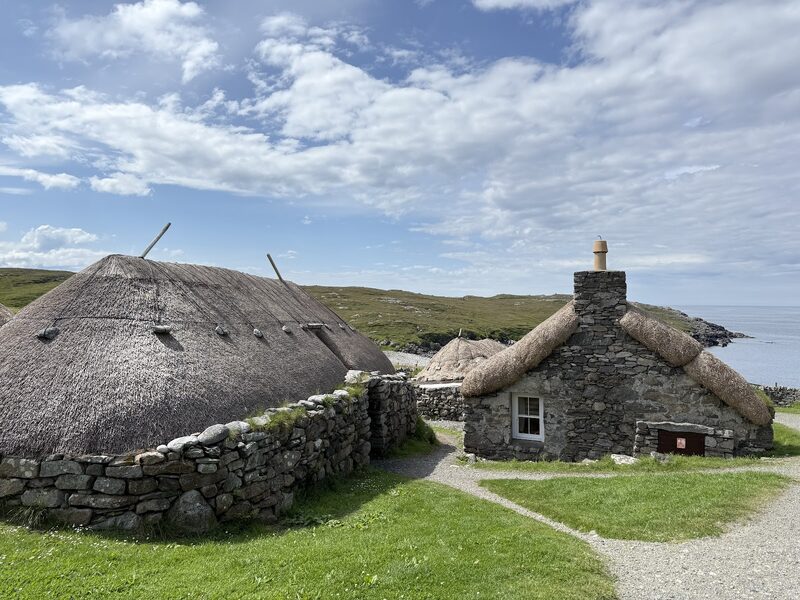
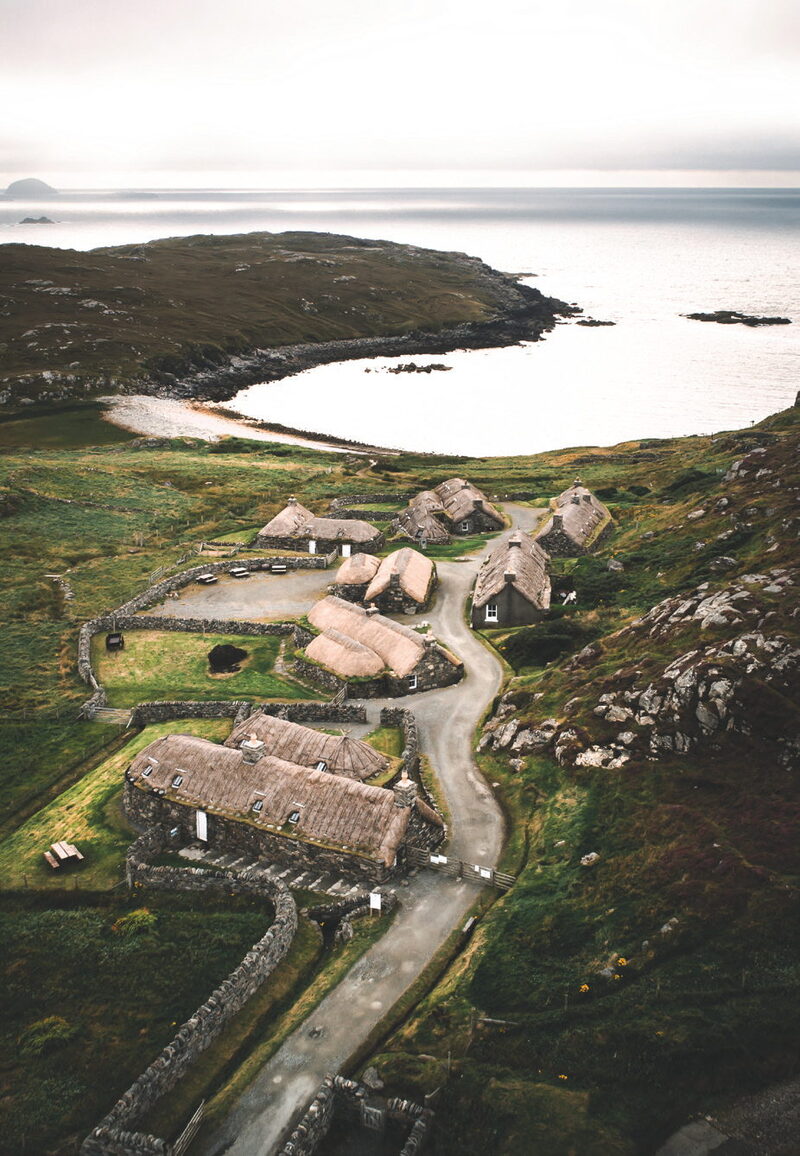
To get an idea of slightly more recent history, make sure to visit the Gearrannan Blackhouse Village. Built in the late 1800s, these thatched-roofed stone buildings are perfectly designed for the wild west coast of Lewis. While many blackhouses were abandoned throughout the 1900s, residents here adapted with electricity and running water. Sadly, this way of life just wasn’t sustainable anymore and the younger generation left. The last inhabitants left in 1974, but thankfully the village was preserved for us to learn what life was like here. Lunch in Gearrannan Blackhouse Village There’s no better place for traditional Scottish food than the café at Gearrannan. Enjoy great soup and, if you’re lucky, some local seafood in rustic surroundings.
About 5 min by car
Dalmore Beach
An attraction
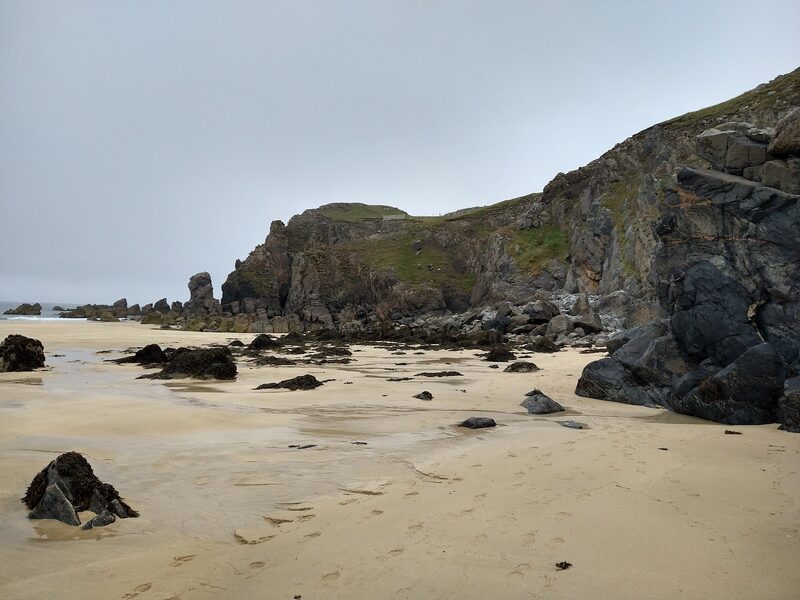
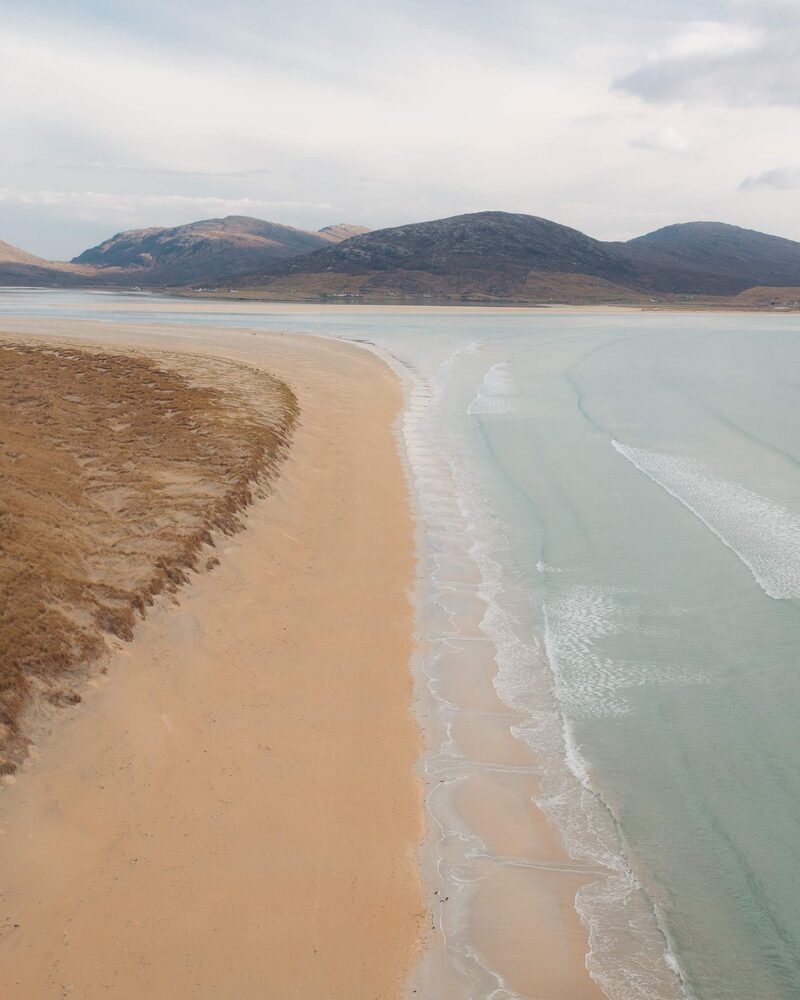
With all of the incredible history on Lewis, sometimes I need to remember to just stop and enjoy the scenery. That’s not a problem at Dalmore Beach, just one of a number of sandy beaches along this coast, with water so stunning that you almost forget how cold it is!
More about Dalmore BeachAbout 10 min by car
Whalebone Arch
An attraction
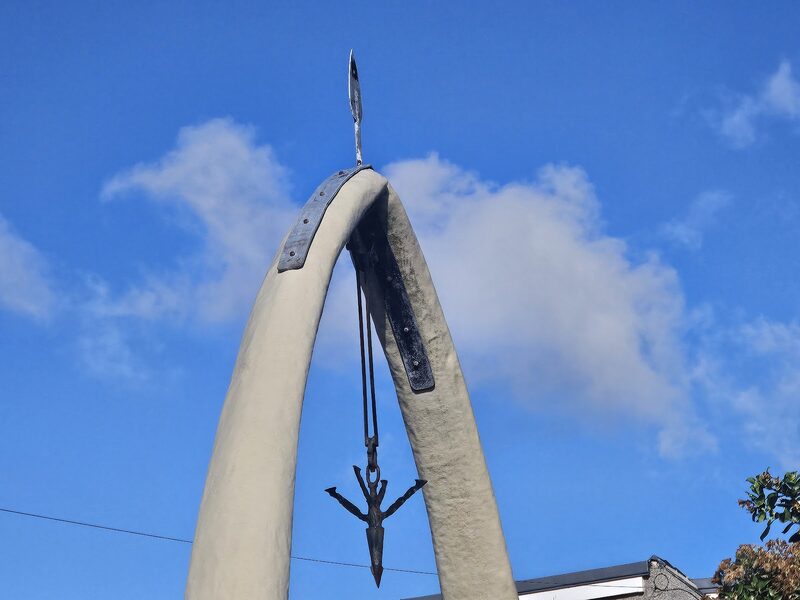
It’s always worth the quick stop to see one of the most unusual gates in Scotland. Standing outside the old postmaster’s house in Bragar is the enormous jawbone of a blue whale! The harpooned beast was washed up in 1920 and while most locals filled up with valuable whale oil, the postmaster Murdo Morrison had his eyes on something bigger. The lower jaw was dragged here on a sledge and erected at his gate, along with the harpoon hanging from the centre! Arnol Blackhouse 5 minutes While Gearrannan might have given you an idea of what traditional Hebridean communities once looked like, to get a real feeling of life in a blackhouse you need to visit Arnol. Make sure you’re prepared for the peat fire burning in the centre of the floor, the smoke often fills the space! Stepping into the dark room is like stepping back in time and to me, it’s a space that screams storytelling. It’s easy to imagine people sitting around this fire on long, dark winter nights to tell tales of giants, monsters and heroes!
More about Whalebone Arch
Make it a weekend
Days that start near Whalebone Arch.
More days by Graeme
Graeme has written these too.
Photographs by Callanish Alpacas, Hebridean Copper Kettle Fudge, Iolanda Perich Romero (Lloguer 3.0), Didi, David Ferguson and Caley Thistle via Google