
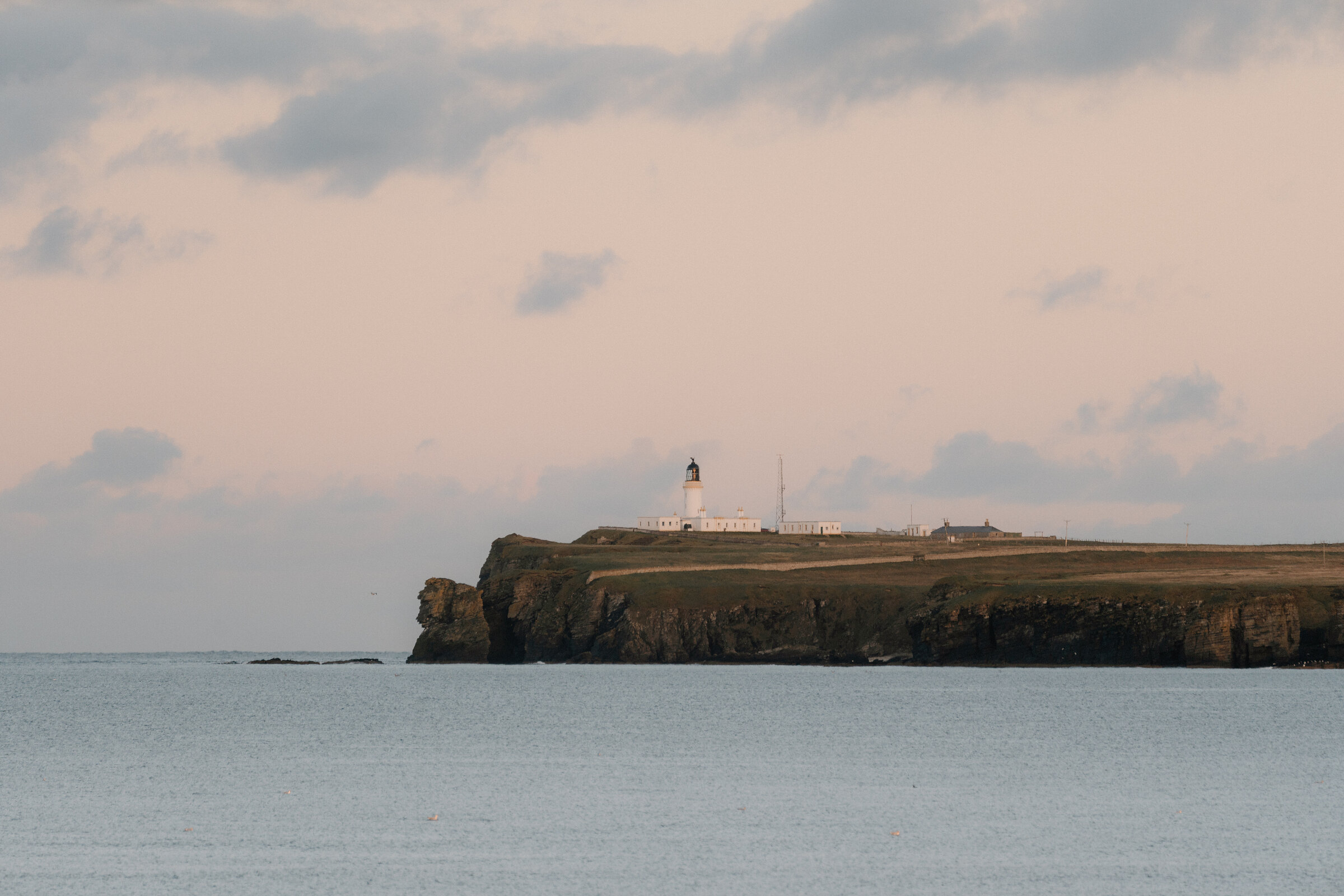
Getting to Caithness and around.
The Far North Line, the A9 and the Orkney boats
The Far North Line connects Caithness to Inverness, with trains stopping at Thurso and Wick, as well as smaller stations like Georgemas Junction and Scotscalder. The journey is scenic but slow – over four hours end to end – and serves more as a lifeline than a commuter link. Stagecoach runs limited bus services between key towns and villages. If you plan to explore beyond Thurso or Wick, a car is almost essential. Roads are generally quiet and well maintained, though single-track routes are common in rural parts. Ferries run from Scrabster to Stromness (Orkney Mainland) and from Gills Bay to St Margaret’s Hope (South Ronaldsay). John o’Groats also sees seasonal ferry crossings for foot passengers and wildlife tours. Cycling the North Coast 500 has brought new attention to the area, though services and accommodation still thin out in places. Walkers will find long stretches of cliff path and hill track, often without signs, and few other people.
By train
The Far North Line runs from Inverness to Thurso and Wick, a slow and beautiful journey of more than four hours.
There are only a few trains a day, so check the times before you set out.
By road
The A9 comes up the east coast from Inverness through Helmsdale to Latheron and Thurso, and the A99 follows the coast to Wick and John o' Groats, about two hours forty minutes from Inverness.
Beyond Wick and Thurso a car is almost essential, though the roads are quiet and mostly good.
Over to Orkney
Ferries run from Scrabster to Stromness and from Gills Bay to St Margaret's Hope on South Ronaldsay, and in summer a foot ferry leaves from John o' Groats.
It's an easy way to add a day or two on the islands.
Caithness experiences a cool, temperate climate shaped by its location on the north coast. Summer temperatures usually reach around 12–15 °C, while wind and sea spray can make evenings feel brisk. Winters are cold, often dipping below zero, with occasional snowfall in inland areas. Rain and mist are common year-round. Visitors should bring waterproof gear, windproof layers, and sturdy shoes suitable for uneven terrain and rugged coastal tracks.
A car is strongly recommended for visiting Caithness, as public transport is infrequent and largely limited to main settlements like Wick and Thurso. Driving allows access to remote sites like the Grey Cairns, Whaligoe Steps, and the Flow Country. Fuel stations are available in Wick, Thurso, and Castletown. For those without a vehicle, guided day tours offer practical alternatives to reach more isolated locations.
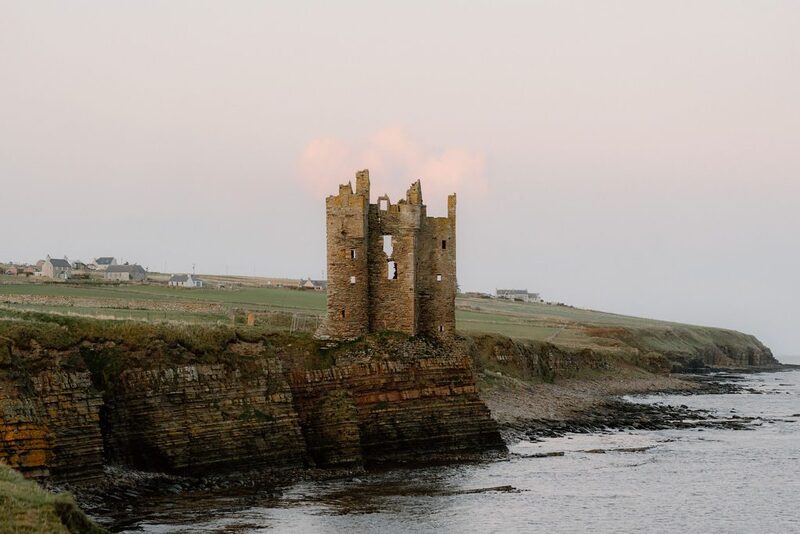
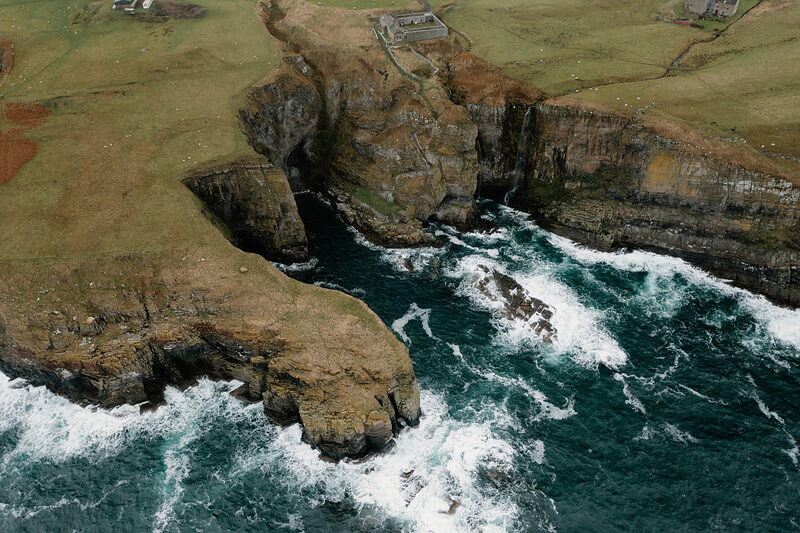
Dunnet Head, the northernmost point of mainland Britain, has clifftop paths with views to Orkney. On the north-east tip, the sea stacks at Duncansby Head rise sharply from the sea, reached by a short path across the grass. South of Wick, the Whaligoe Steps go steeply down the cliff to a small cove. Inland, the Grey Cairns of Camster are Neolithic burial cairns from around 3000 BC, set in peat-covered moorland. The ruin of Castle Sinclair Girnigoe, built over several eras, sits on the coast. And the Flow Country, recently designated as a UNESCO World Heritage peatland, covers a great part of the land with its bogs.
Puffins, kittiwakes, guillemots and fulmars nest on the cliffs in summer. Dolphins, porpoises and seals are sometimes seen offshore. Inland areas support red-throated divers, golden plovers, and rare hen harriers. In the peatlands of the Flow Country, ground-nesting birds flourish, benefiting from the area's protected status.
Places to stay range from coastal inns and family-run B&Bs in Wick and Thurso to hotels such as the Ulbster Arms at Halkirk, a fishing hotel on the River Thurso. Dining options vary from local fish restaurants in harbourside towns, serving crab, scallops, and langoustine, to café-style eateries showcasing local produce. Castle Cook offers hearty meals, and farm shops nearby provide cheese, smoked fish, and peatland honey.
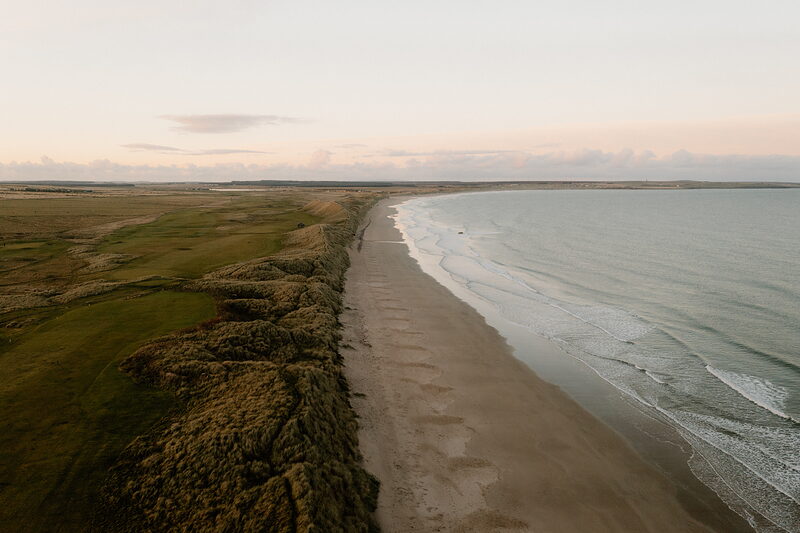
Yes, Caithness caters well to families. The Whaligoe Steps adventure, castle ruins, and scenic coastal drives combine fun and discovery. The Grey Cairns admit children who enjoy exploring the tomb chambers with torches. There are beach days at Dunnet Bay or Berriedale, and wildlife boat trips.
Photographs by Mackays Hotel, Ana Marrie, L.M. de Groot, Forss House Hotel, North Coast Watersports and The View From Bide Hotels via Google
More of Caithness.
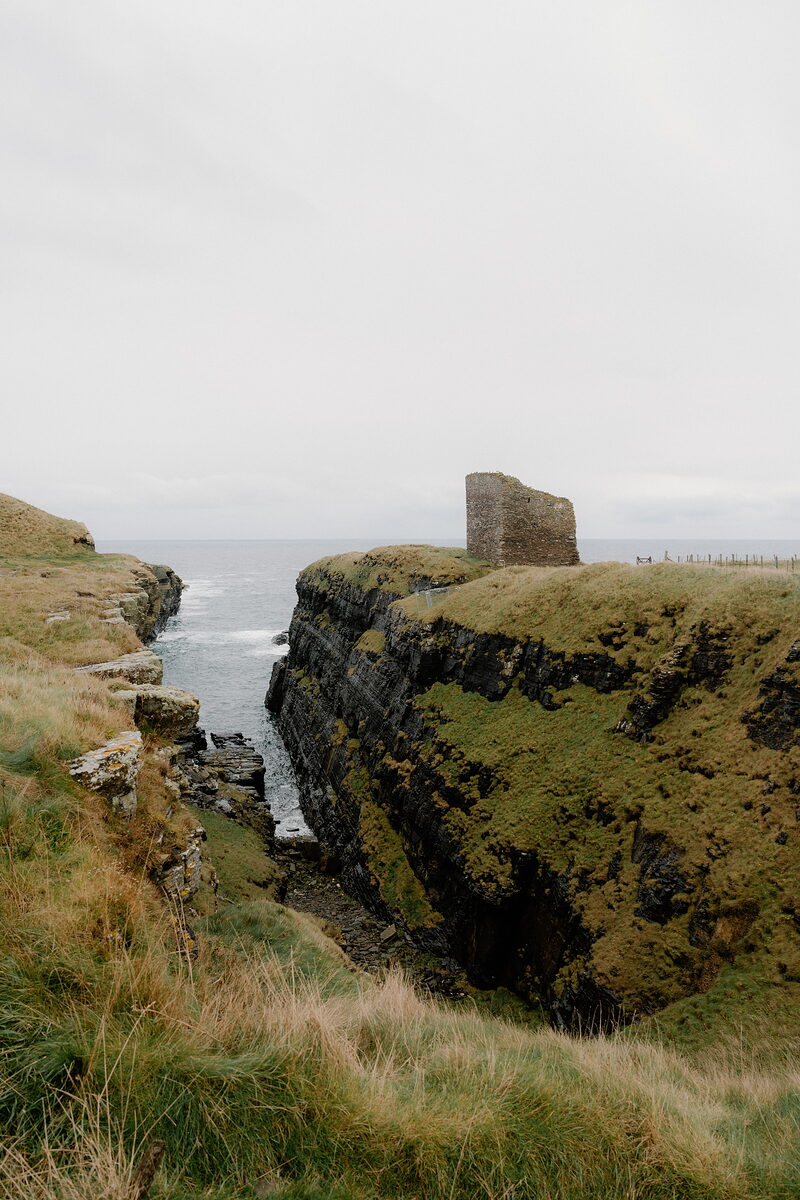 See and doCastles on the cliffs, steps and cairns
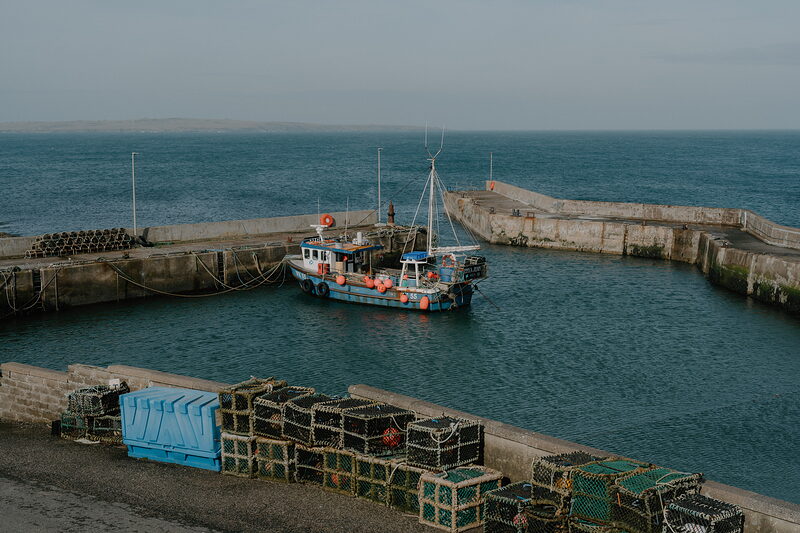 Eat, drink and shopSeafood by the harbour and a French kitchen
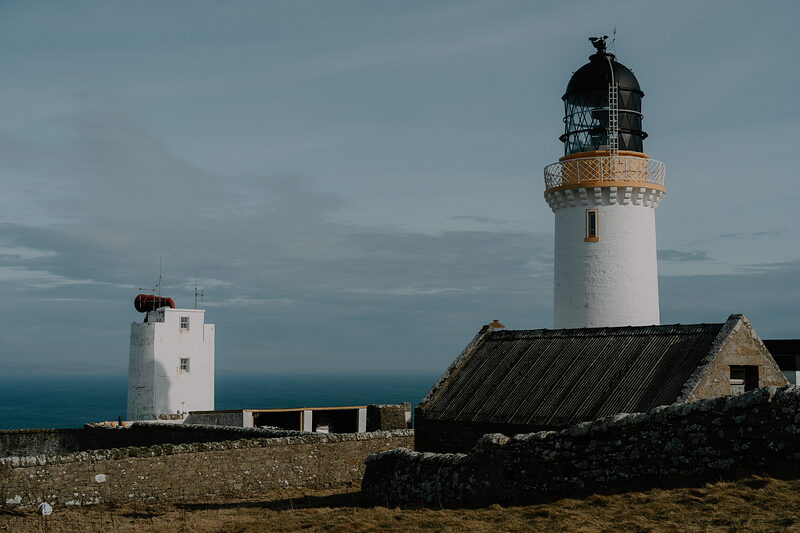 Where to stayLighthouse cottages and rooms by the sea
 History and storiesBrochs, Vikings and the herring boom
 ItinerariesDays we have driven, stop by stop
 What is on in CaithnessSomething new from the region every day