Did you know
A charter of 1314.
A charter was issued at Castlelachlan as early as 1314.
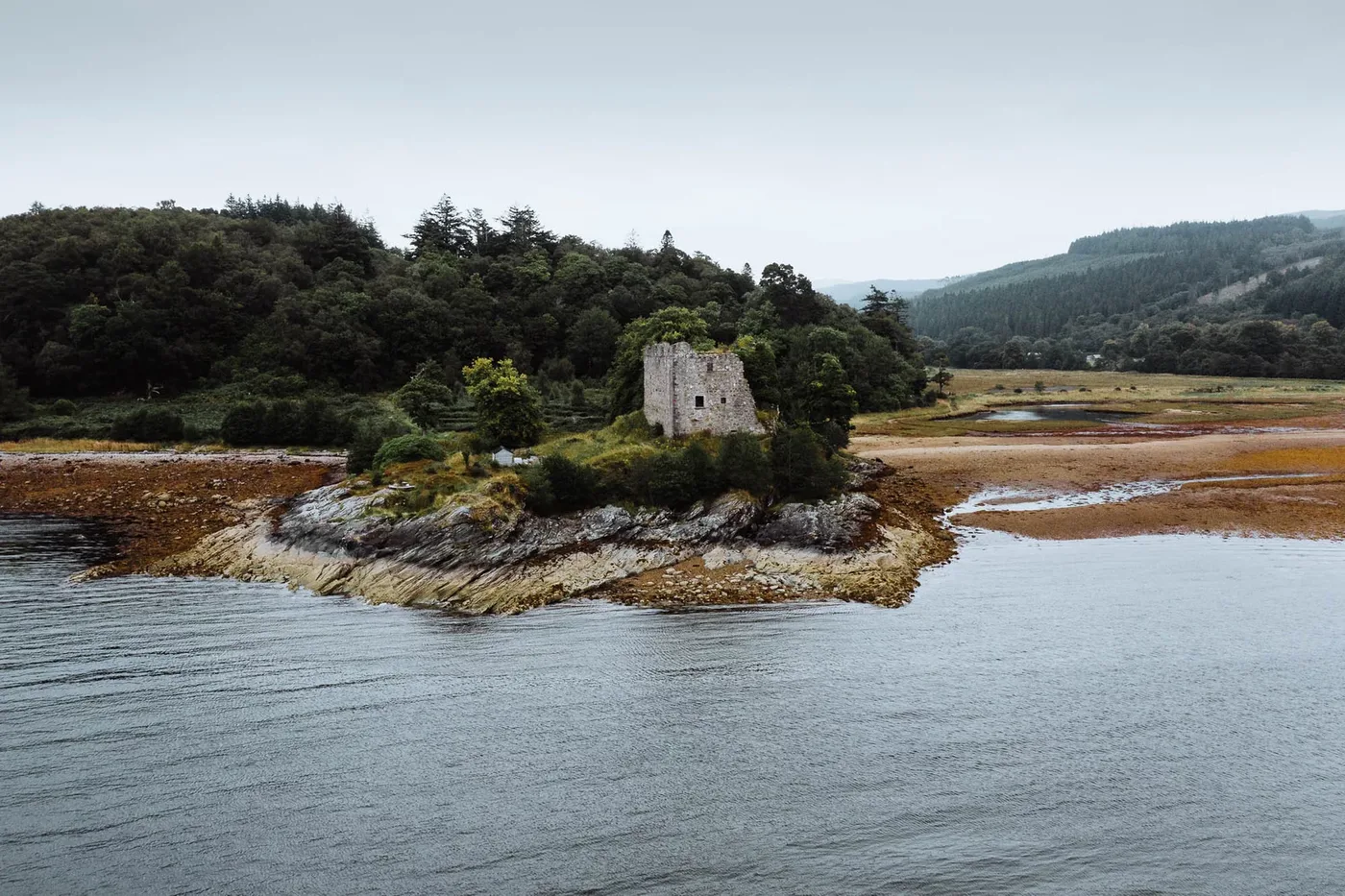
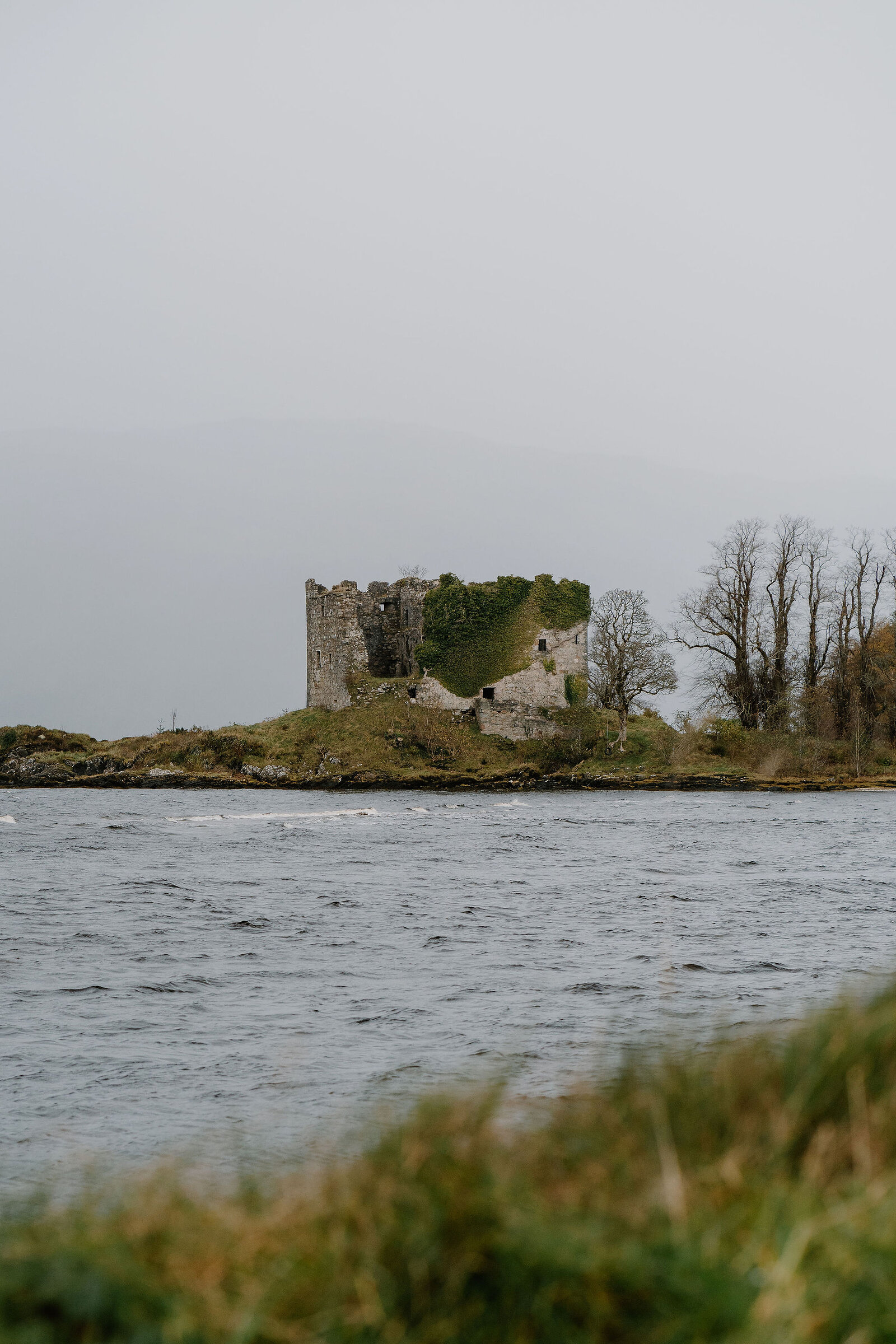
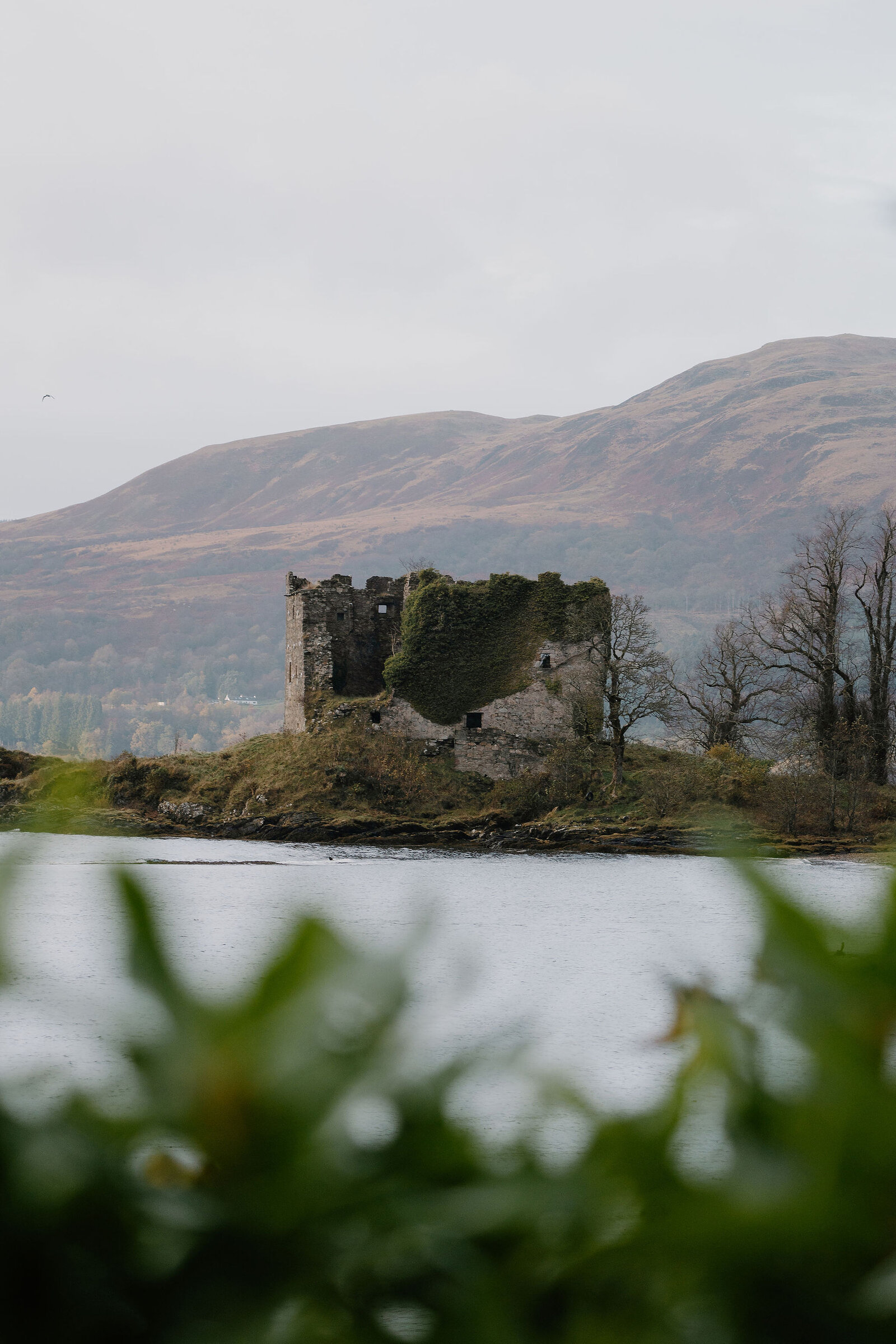
The ivy-hung ruin of the Maclachlans' 15th-century castle on Loch Fyne, bombarded by a government warship in 1746.
Old Castle Lachlan stands on a small headland on the eastern shore of Loch Fyne, on the Cowal peninsula, the ivy-hung ruin of the ancient seat of Clan Maclachlan.
Visited and photographed by Simon Hird
A charter was issued at Castlelachlan as early as 1314, and the fortress that stands today was begun in the early 15th century and finished later in the same century: a rough rectangle of walls about 21 metres by 16, a keep within a curtain wall pierced by a single small doorway, and inside, a courtyard with a well between two tower houses that held the stores, the kitchens, private rooms and a great hall.
The clan chief fell at Culloden in 1746, and in reprisal a government warship sailed up Loch Fyne and bombarded the castle, reducing it to ruin. In 1790 the family built a new house further up the Strathlachlan River. Signed paths lead to the ruin from Kilmorie Chapel, where the Maclachlan chiefs are buried, and from the Inver restaurant on the shore.
The Daily
Arrives at 5am every day.
A free morning email to see what’s on this week, catch up on what’s happening in Scotland and find somewhere new to go.
There is parking at Kilmorie Chapel and at the Inver restaurant on the B8000, about 4.5 km from its junction with the A886, and a signed path to the ruin from each.
Walking leaflets can be downloaded from the Lachlan Trust's site.
Been here? Tell others what you know, and the best go on this page with your name.
Add your reviewA charter was issued at Castlelachlan as early as 1314.
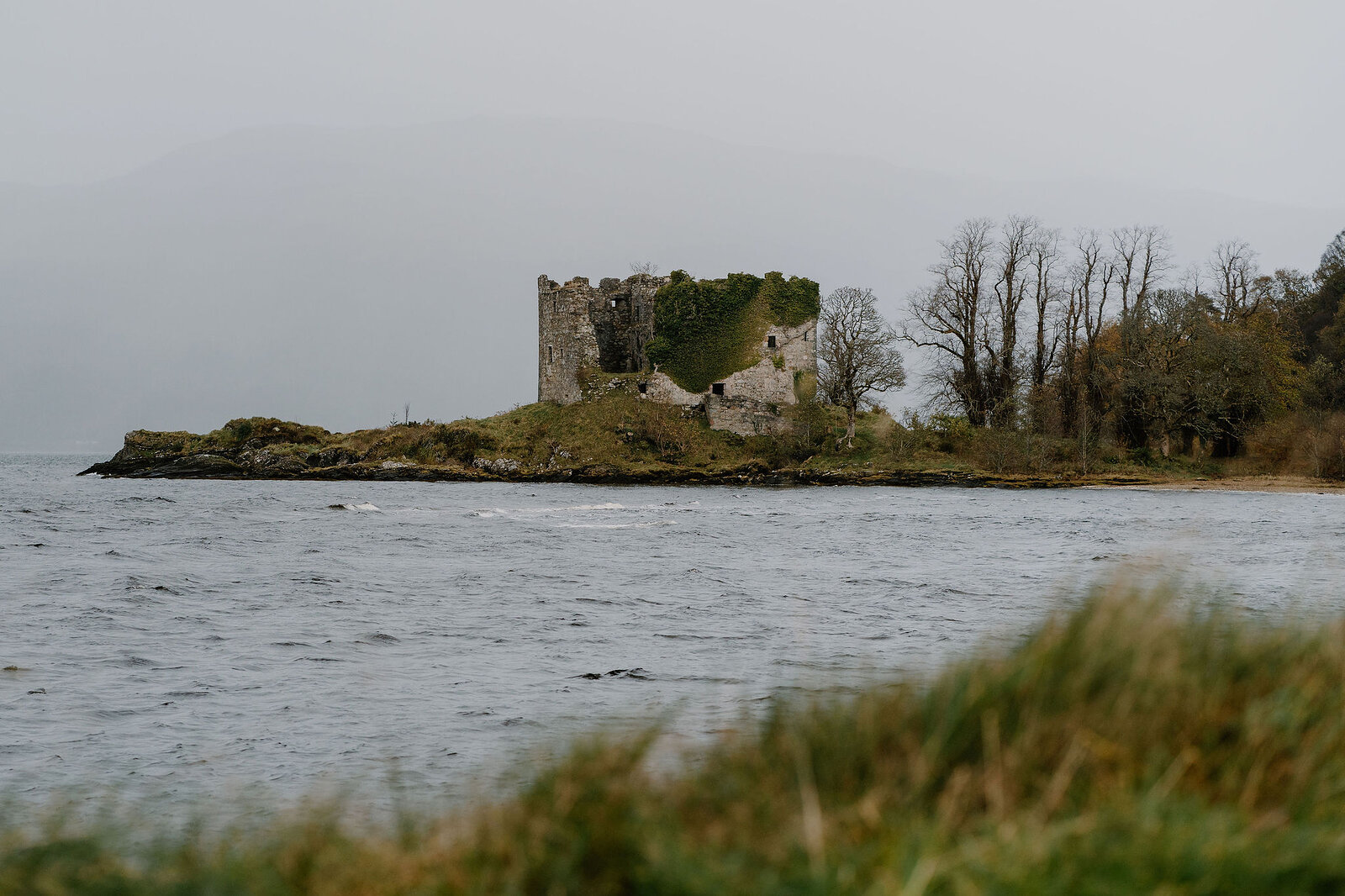
The keep stands within a curtain wall with only one small doorway through it.
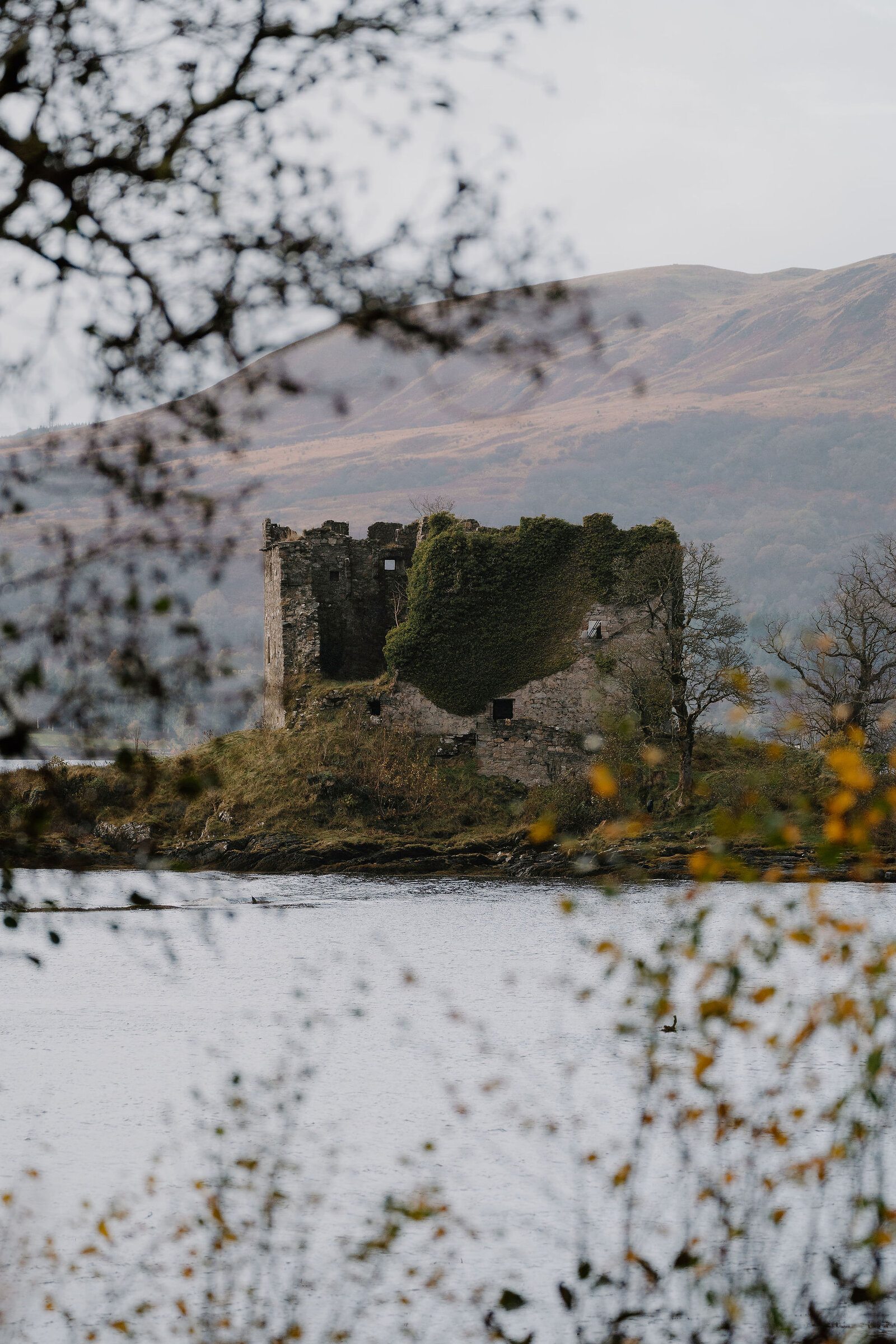
Inside, a courtyard with a well lies between two tower houses that held the stores, the kitchens, private rooms and a great hall.
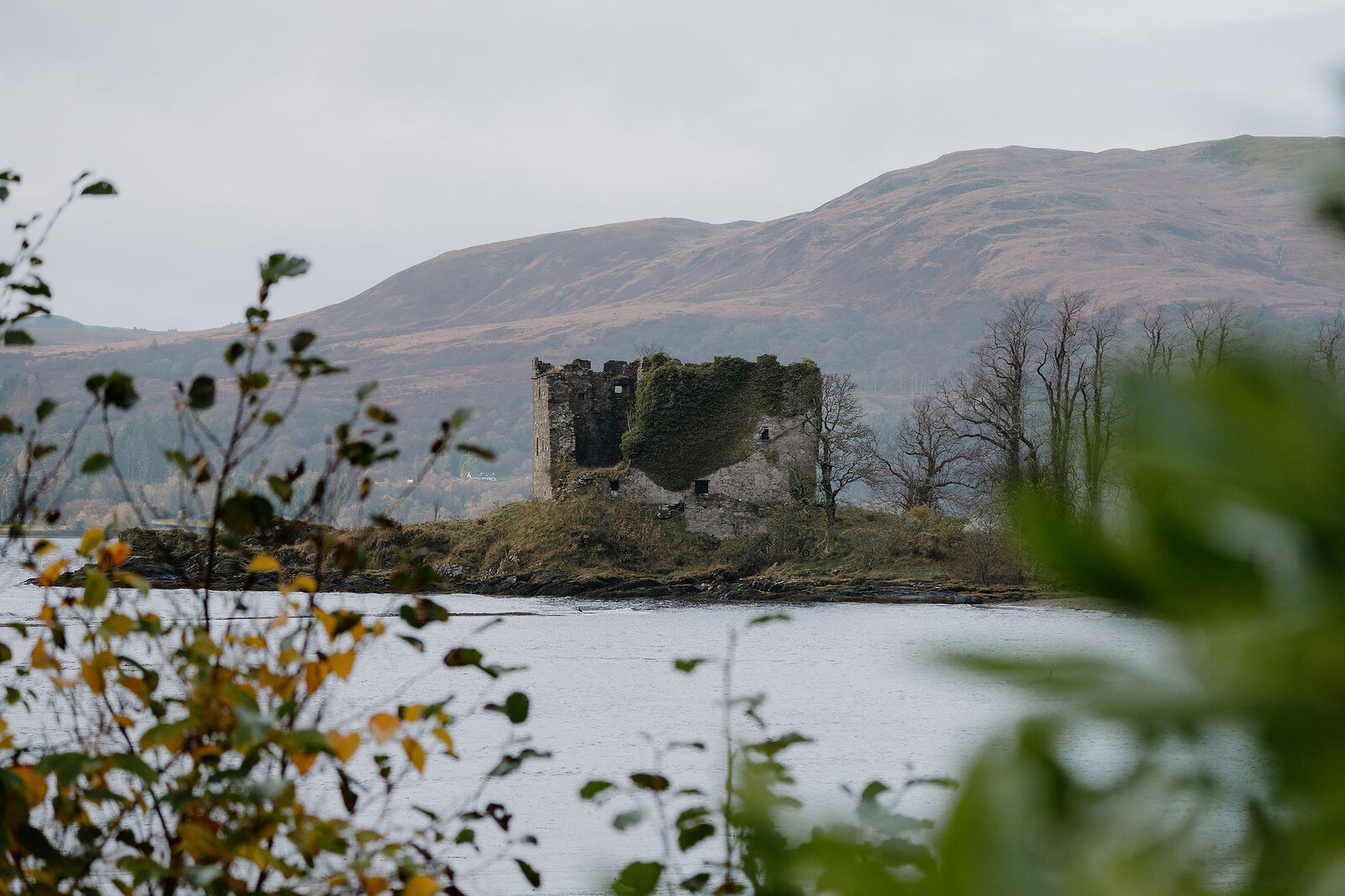
After the chief fell at Culloden in 1746, a government warship sailed up Loch Fyne and bombarded the castle into ruin.
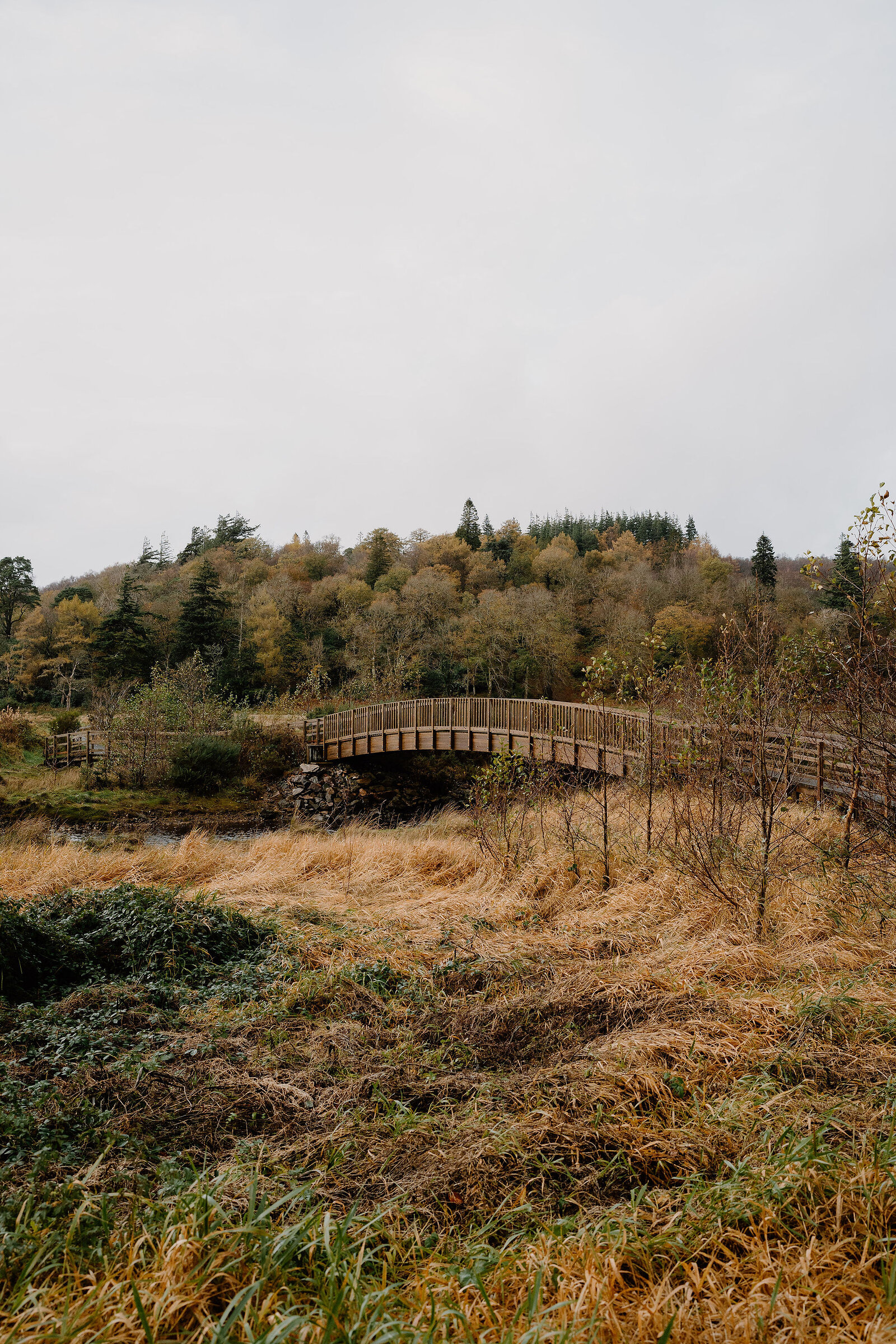
In 1790 Donald Maclachlan built a new house further up the Strathlachlan River.
Kilmorie Chapel, on the path to the castle, is the resting place of the Maclachlan chiefs and one of the few medieval church buildings left in the west of Scotland.
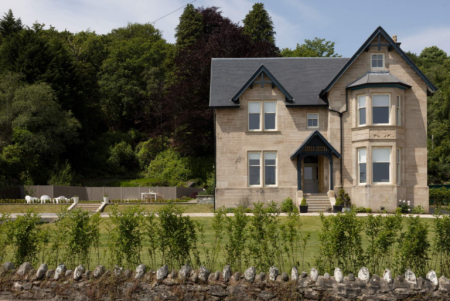
The remains of this 15th-century fortress perch on a headland overlooking Lachlan Bay, east of Loch Fyne, where rambling countryside is crisscrossed by spectacular coastal paths. It’s close to Kilmorie Chapel, one of the few remaining medieval church buildings in the west of Scotland, and the new Castle Lachlan, a Scottish baronial affair that offers self-catering accommodation.
Read more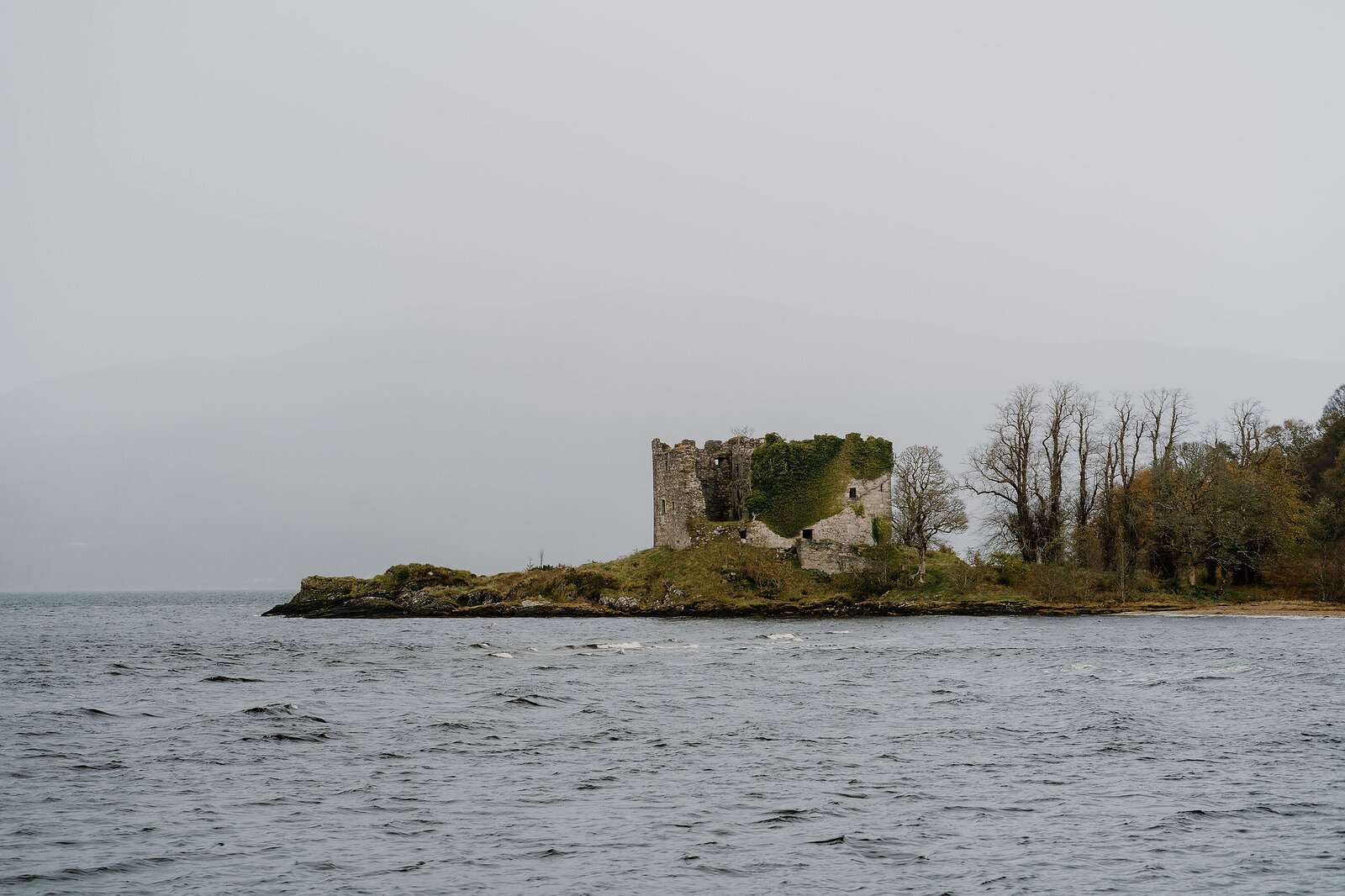
New places, news and stories, as we find them.
What is on in Argyll and ButeStrathlachlan, on the east shore of Loch Fyne.
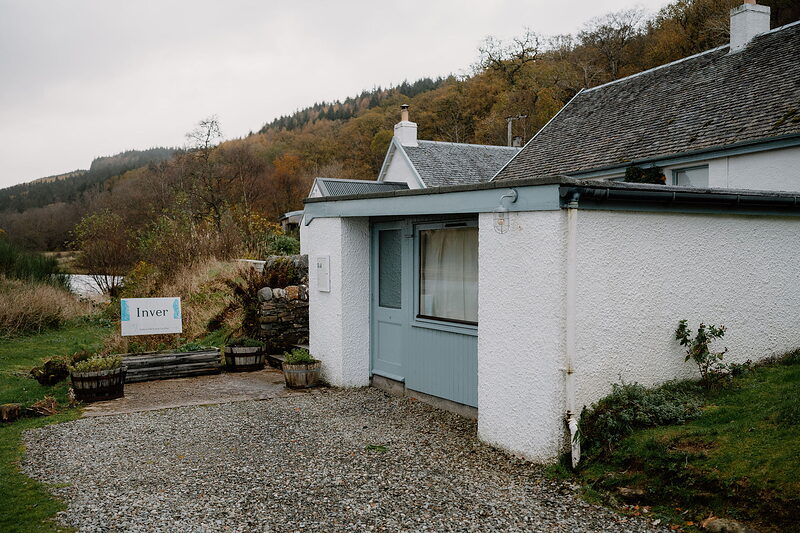 Inver, StrathlachlanUnder a mile 1 min by road
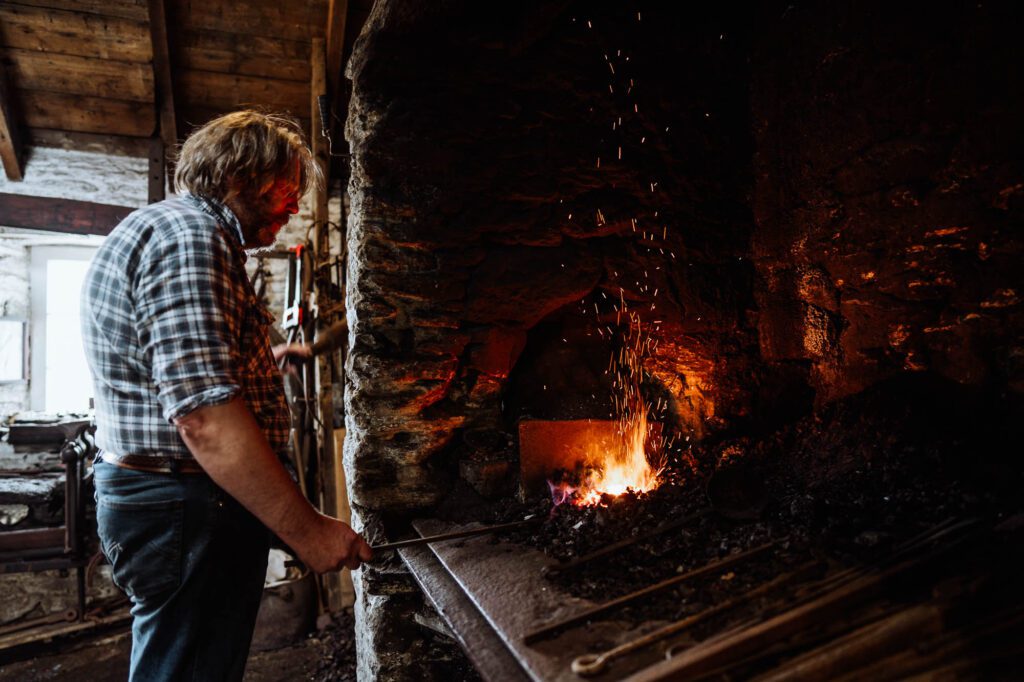 Strachur Smiddy Museum and CraftsA village blacksmith's shop at Strachur, worked by four generations of Montgomerys and kept as a museum with a working forge.7 miles 12 min by road
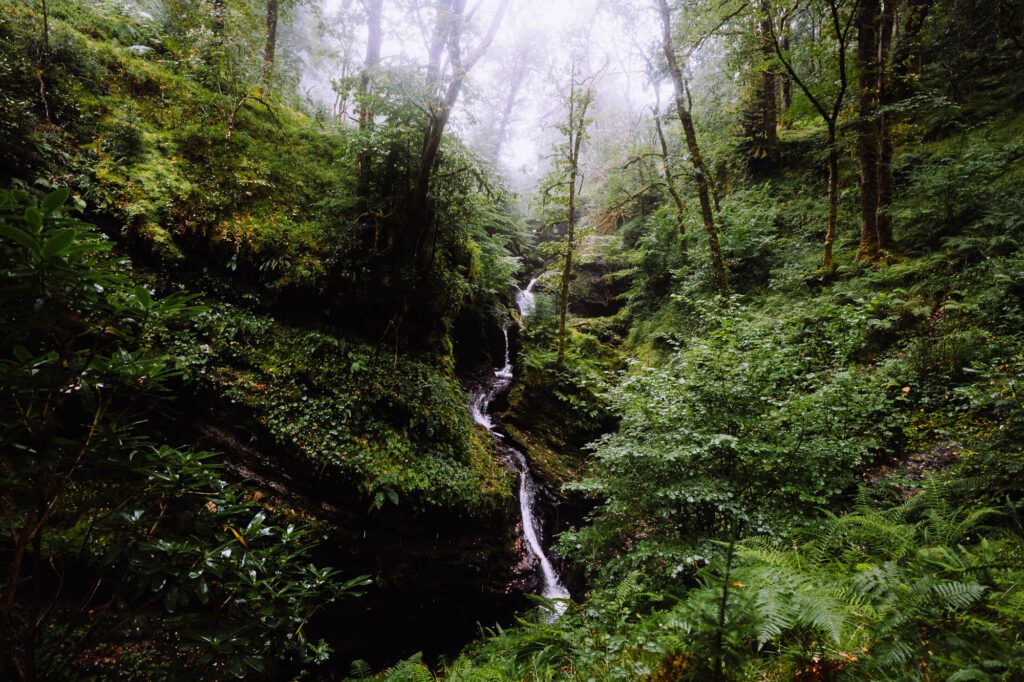 GlenbranterA forest hamlet by Loch Eck in Cowal, once Harry Lauder's estate, with a waterfall gorge walk and a wildlife hide.10 miles 17 min by road
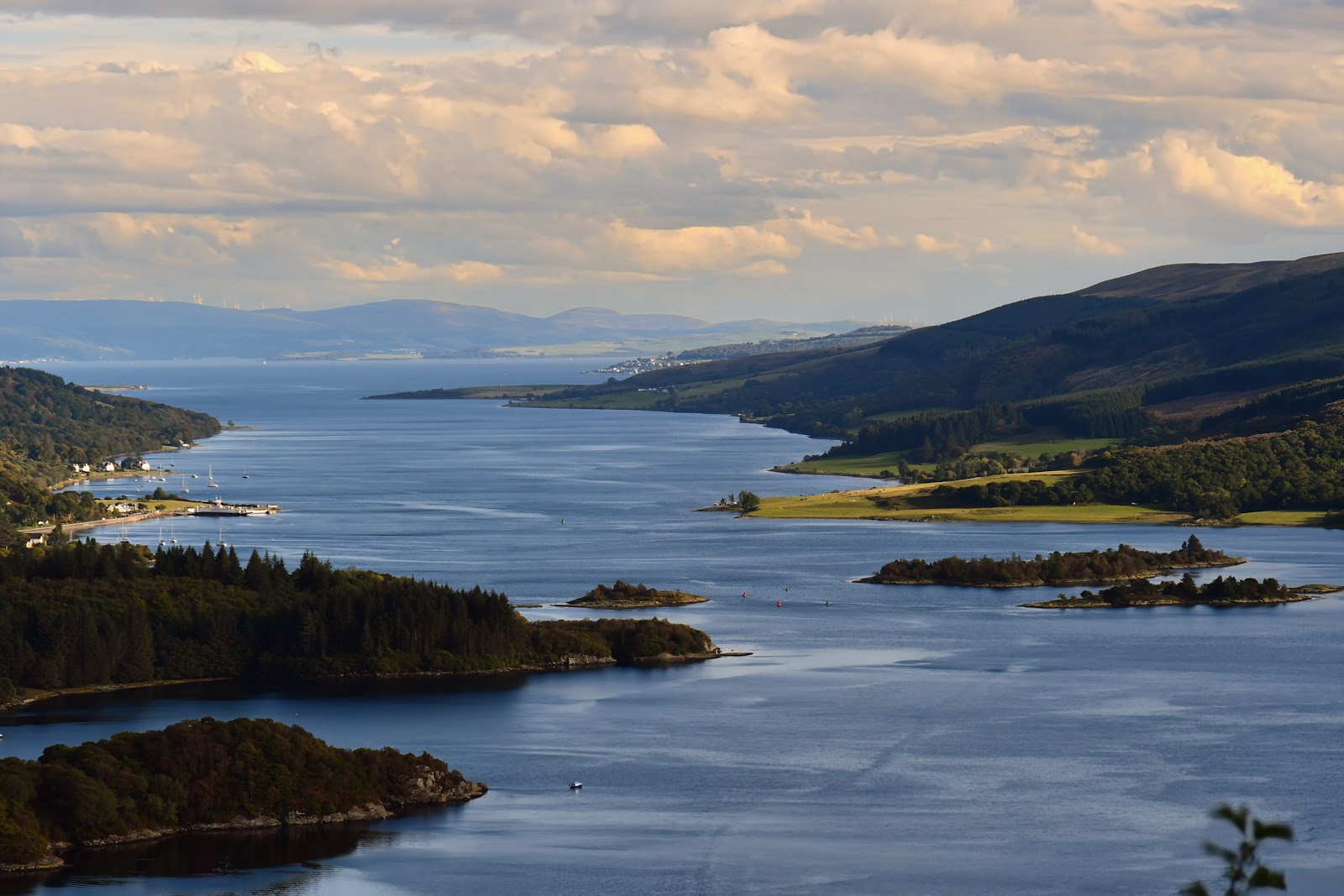 Kyles of Bute ViewpointA roadside layby above Caladh Harbour on the A8003, looking out over the Kyles of Bute.11 miles as the crow flies
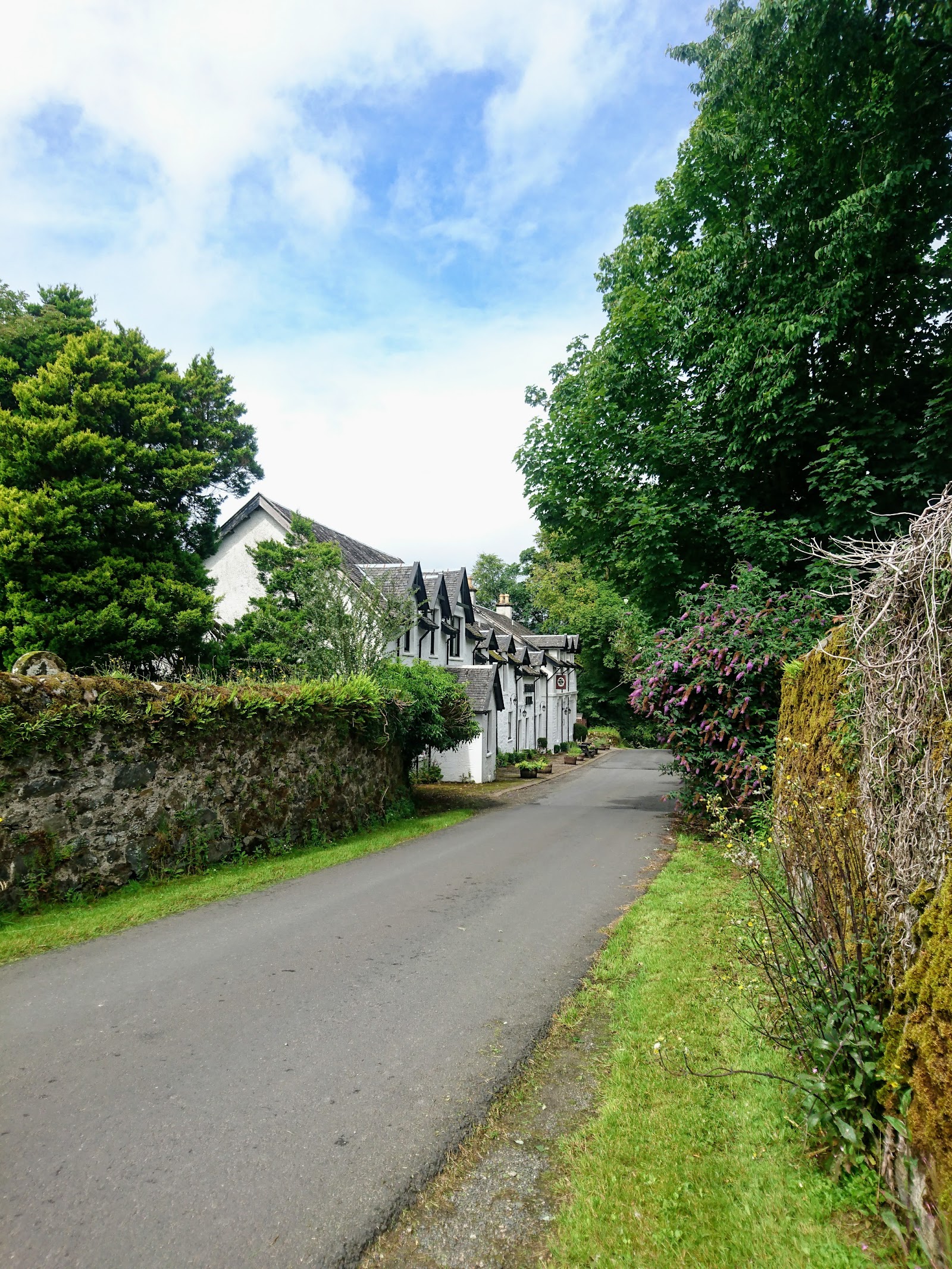 Kilfinan Church and StonesA Cowal village by Loch Fyne whose 17th-century church keeps a vault of carved stones, from early Christian slabs to medieval grave slabs.12 miles 22 min by road
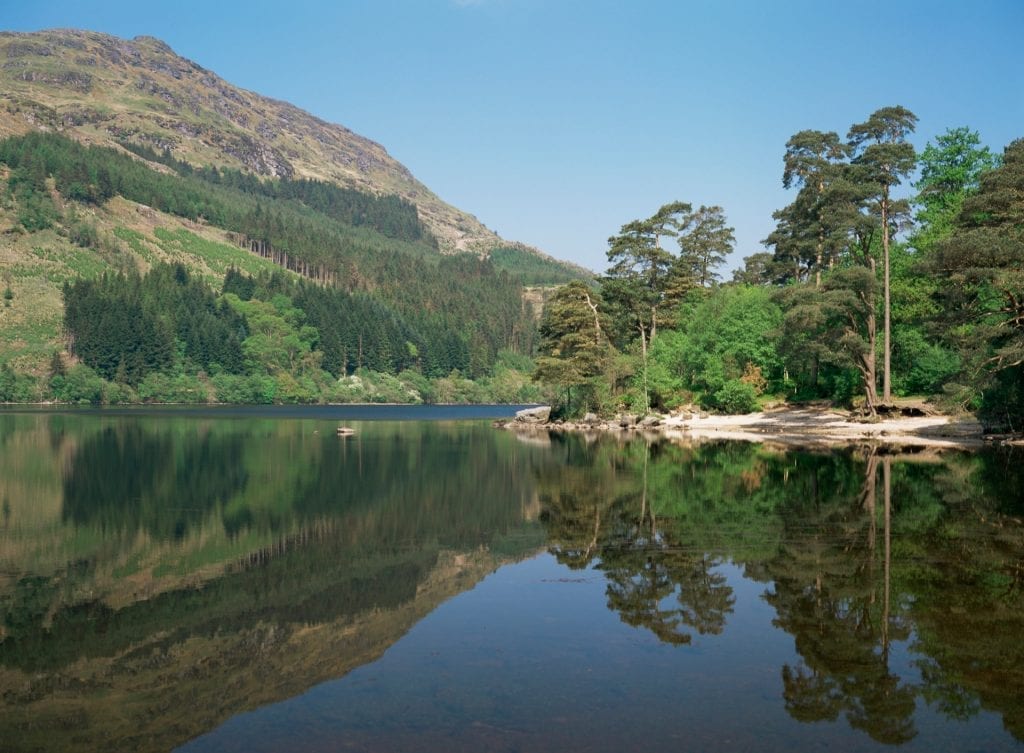 Loch EckA long, quiet loch in the Argyll Forest Park, with red squirrels on its shores and the rare powan in its depths.14 miles 22 min by road
Places to stay near the castle, and when each is next free.
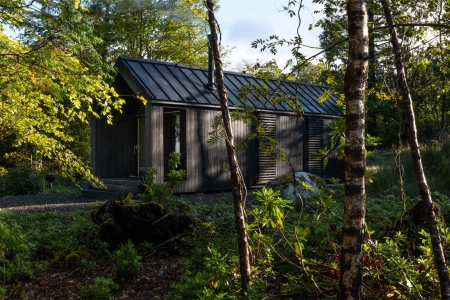
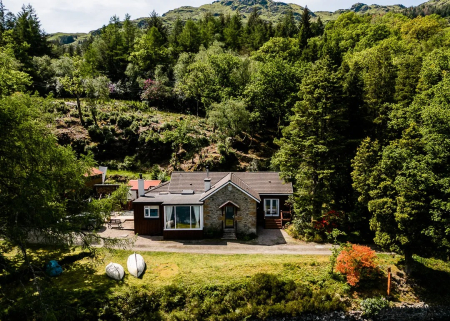
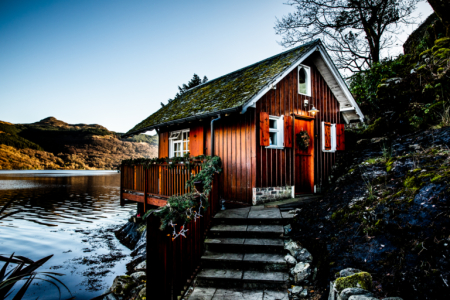
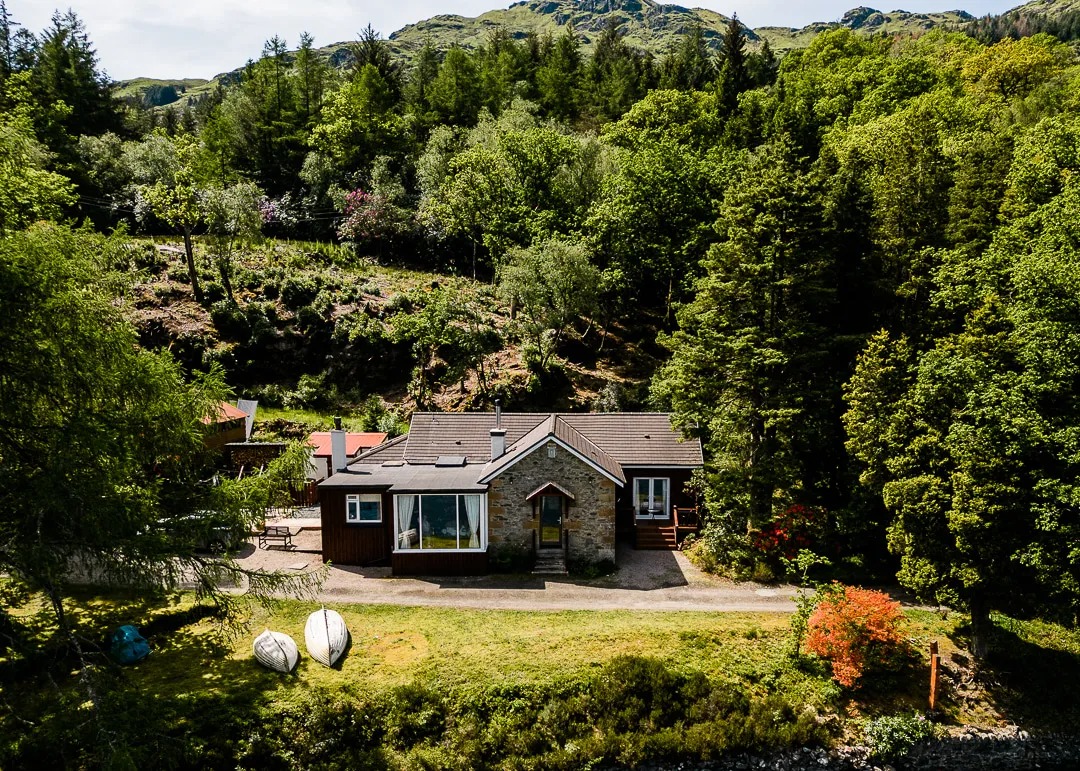 Red Squirrel Cottage
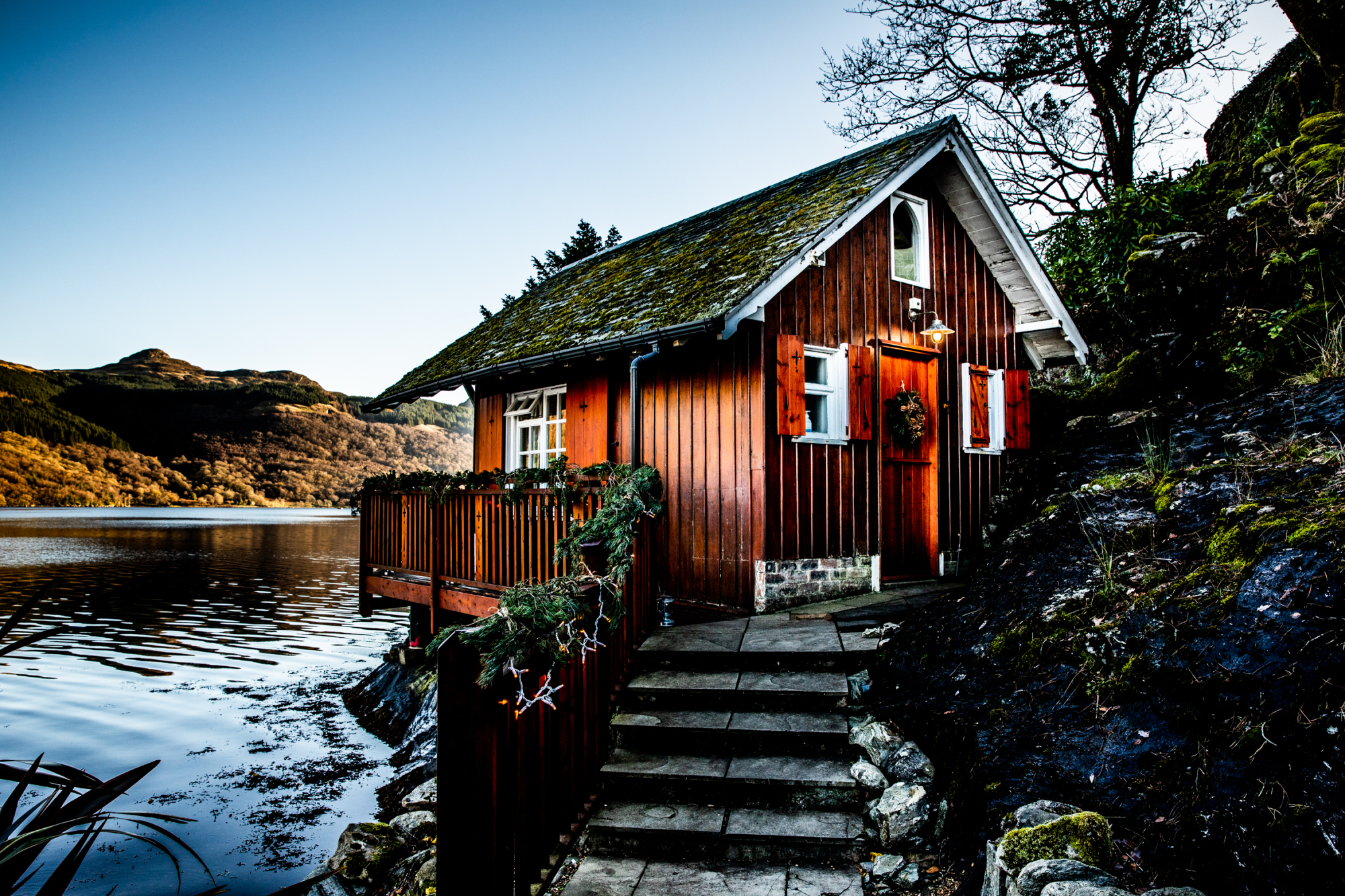 Seal Cabin
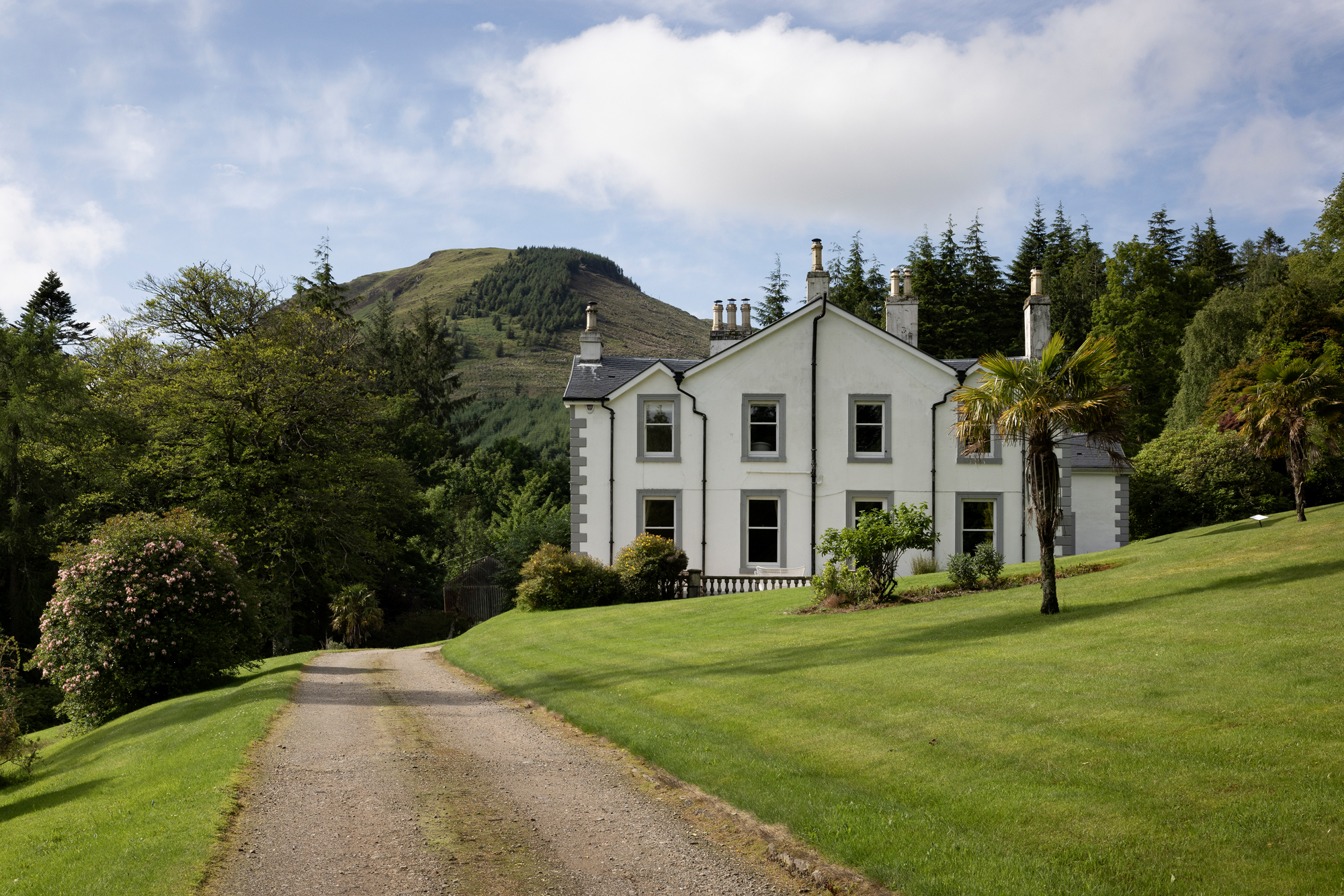 Glenstriven House
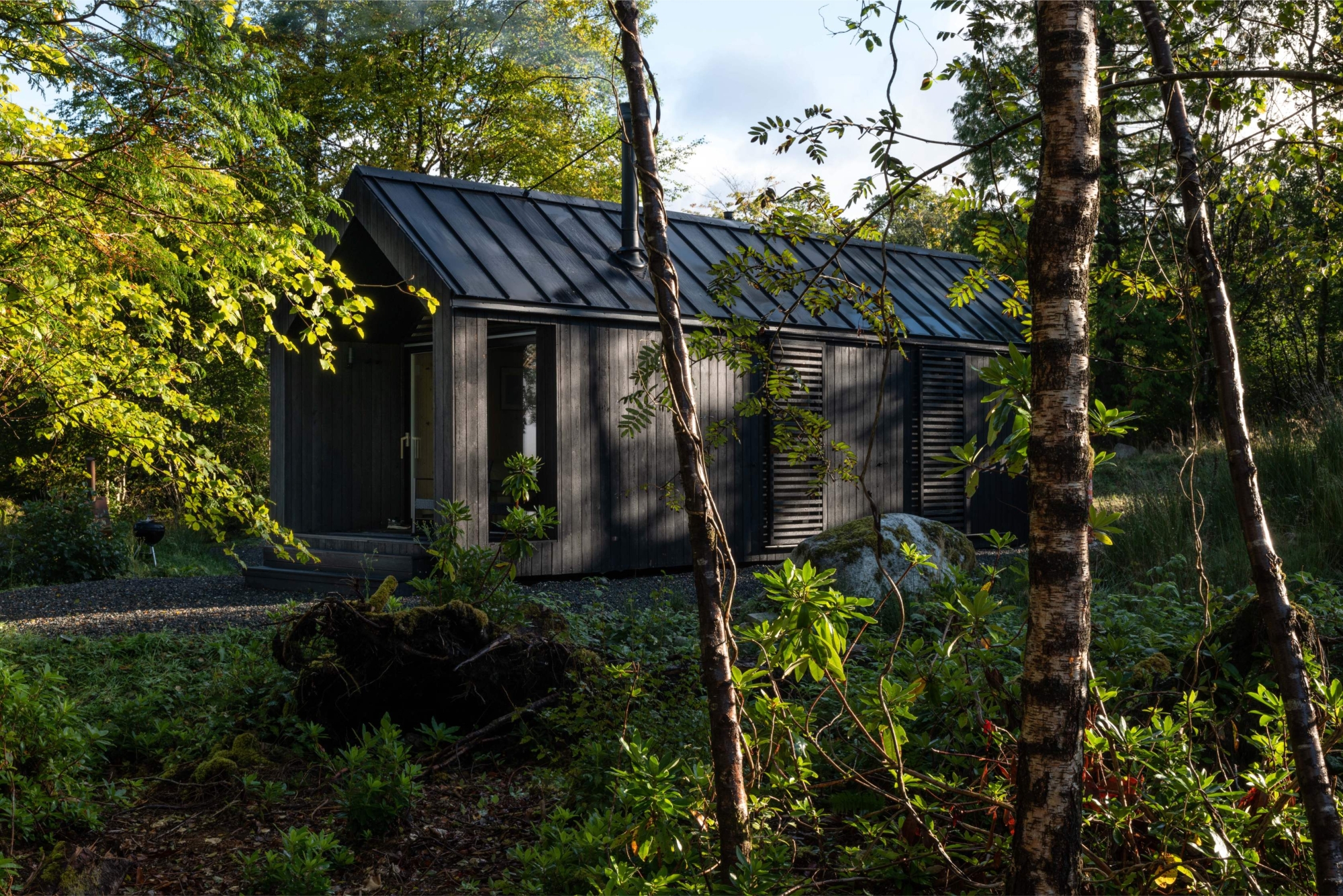 Kabn
We want to show you the best that Scotland has to offer. The makers and the creatives, the enduring experiences, the evocative tales, the concealed corners. The roads less travelled that take you to places that matter. The adventures that gather you up and sweep you away. The blend of the wild and the artistic that makes Scotland what it is. We’d love for you to join us.
What we have written about it and more in Argyll and Bute.
For further reading, before you go. The details on this page were checked on .