
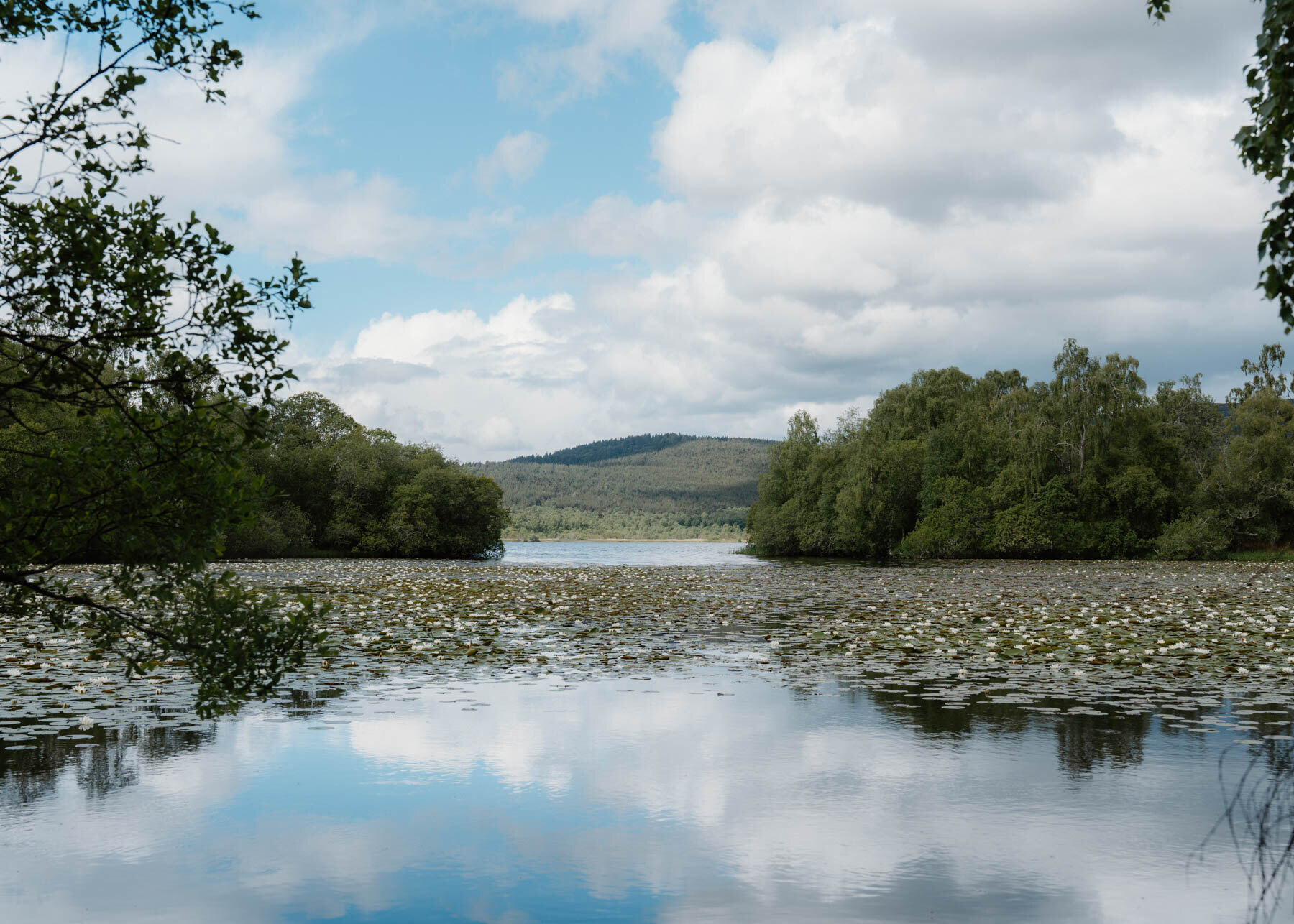
Loch Kinord – Birchwoods, a Crannog and a Pictish Cross
About 2.2 miles on foot.
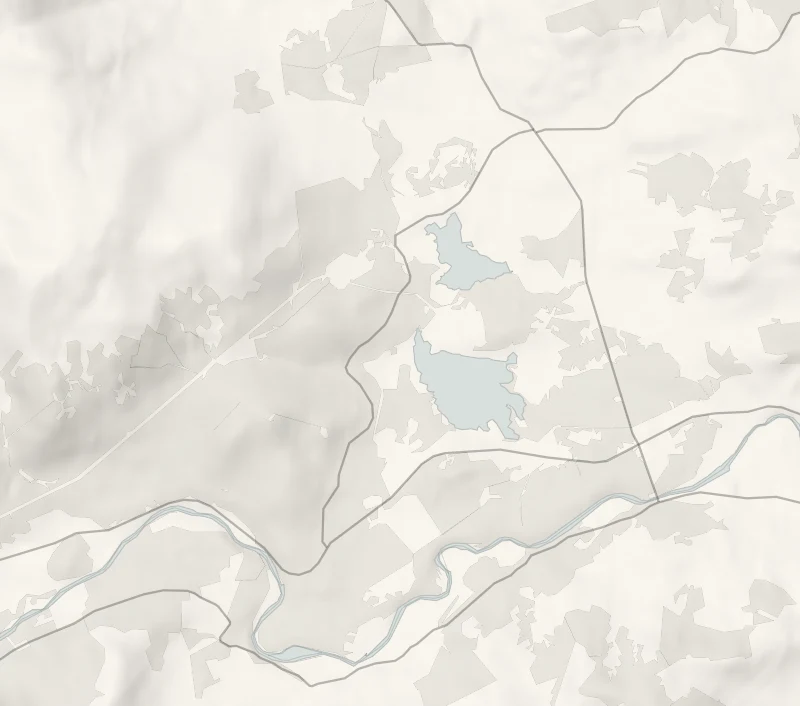
Loch Kinord lies among birch and heather in the Muir of Dinnet nature reserve on Deeside, and a carved cross more than a thousand years old stands on its north shore.
The walk out to it is short and nearly flat, through the trees to the water's edge, with two wooded islands out on the loch. It's about two miles there and back.
- Time
- About an hour and a half: about 2.2 miles to the Kinord Cross and back, measured on the map.
- The path
- Narrow paths with tree roots and short slopes, muddy after rain.
- Where to start
- The Burn o' Vat car park on the B9119, west of Dinnet. A voluntary contribution is asked, by card or RingGo.
- When to go
- All year in daylight. Water lilies cover the bays in summer; dogs on a short lead from April to July.
- Dogs
- On a short lead from April to July, when birds nest on the ground. Cattle may graze the muir.
- Children
- Short and nearly flat. The loch shore is open water, and adders live on the reserve.
- Before you set out
- The paths start across the B9119 from the car park. The toilets by the visitor centre are open all year.
The walk
Park at the Burn o' Vat car park on the B9119, west of Dinnet. The reserve asks for a voluntary contribution, by card or RingGo, and the toilets beside the visitor centre are open all year. The paths to the loch start across the road. It's about 2.2 miles to the Kinord Cross and back, measured on the map, so allow an hour and a half with time by the water. The way is narrow in places, with tree roots and a few short slopes, and it's muddy after rain, so wear boots.
At the shore the water opens up, with two wooded islands out on it. The larger one once held a castle and the smaller is a crannog, a home built out on the water in the Iron Age. The Kinord Cross stands a little back from the north shore inside an iron railing. It's a kite-shaped slab carved with a cross filled with interlace, from the 9th century, and the carving is still sharp. In summer the bays are covered in water lilies.
Adders live on the reserve, so watch where you sit on a warm day. Keep a dog on a short lead from April to July, when birds nest on the ground, and expect cattle grazing on the muir, or moor, at times. Come back the way you went.
If it rains
The birches keep off a light shower, but the paths turn to mud. In heavy rain, save it for a dry day.
Before you go
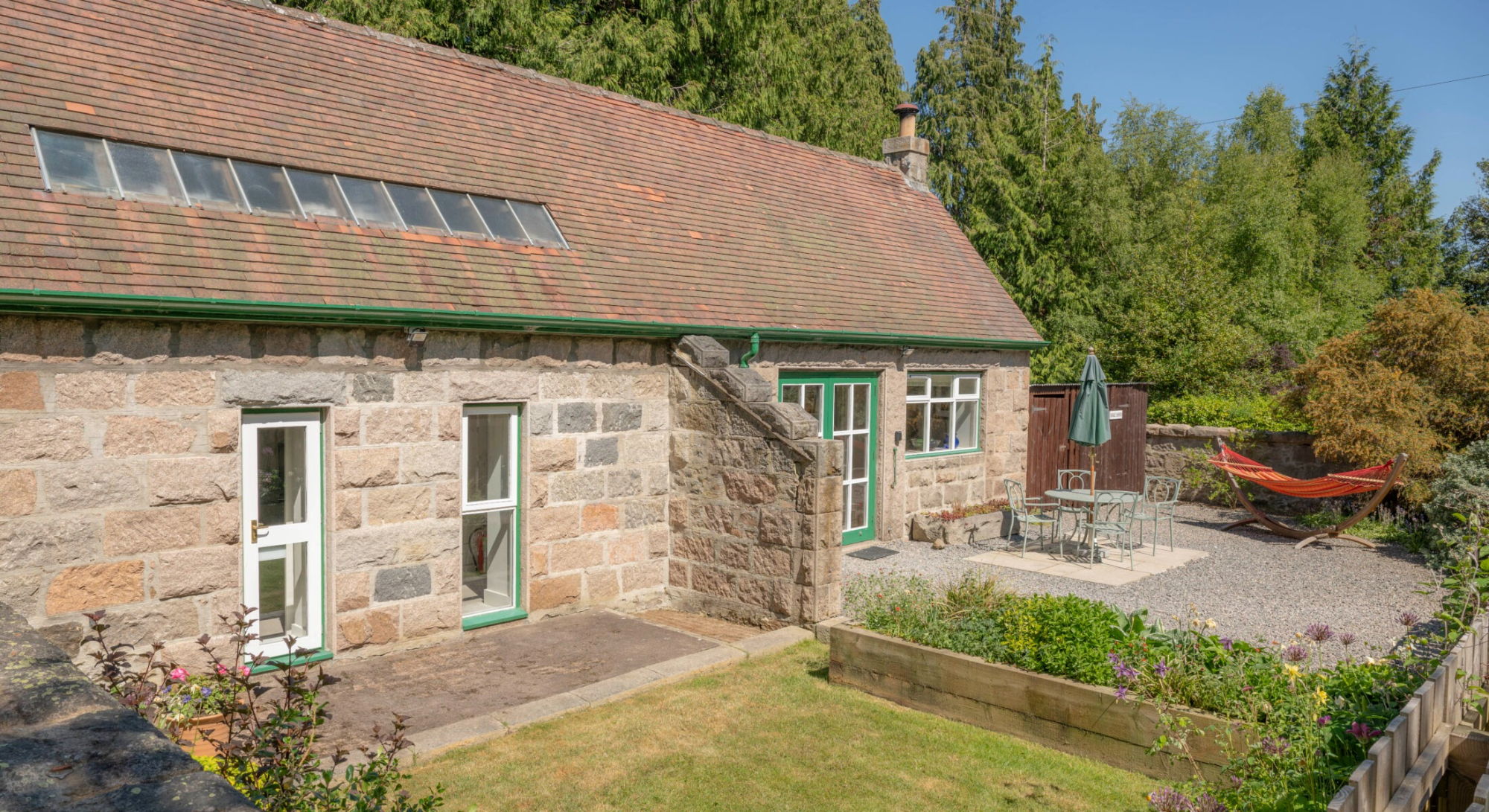
Book accommodation nearby
If you are staying over: here are ours nearest where the day starts and ends.
For further reading, before you go.