
In the Footsteps of Clans and Kings
Written by Hidden Scotland
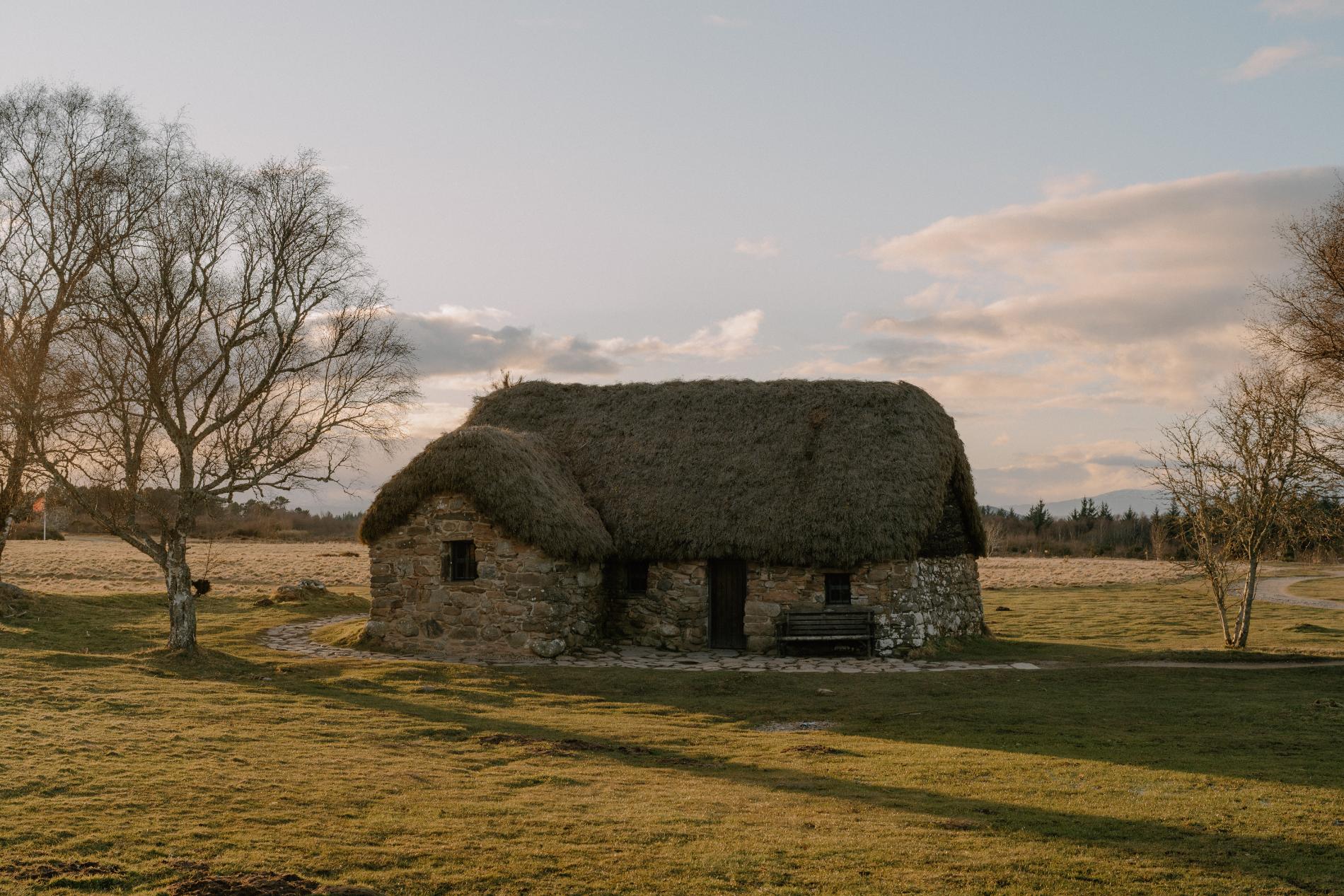
You don’t have to go far from Newhall Mains to feel the layers of Highland history. They are close to the surface in this part of the country. A line of carved symbols on a Pictish slab. A ruined cathedral tucked behind houses. The flat open ground where an entire way of life came to an end. This itinerary moves through it all at a steady pace. It is designed for travellers who want to understand more, not just see the sights and move on.
The day begins with some of the earliest evidence of Christianity in the Highlands. Then it follows the line forward through medieval power and enlightenment thought. Later comes the most famous of Highland battlegrounds. In between there are quiet places, old trees, iron gates, birdsong and sea air. It is not dramatic history. But it stays with you.
Everything is within forty minutes by car from Newhall Mains. The day can stretch or tighten depending on weather, season or mood. There is no need for a guide. The information is there if you want it, and the silence is there if you do not.
It is best taken with time. A few minutes longer at a stone. An extra walk before lunch. Or an hour at Clava Cairns in the afternoon, not speaking much at all. This is not just about facts or figures. It is about standing on the same ground, and noticing what remains.
Newhall Mains
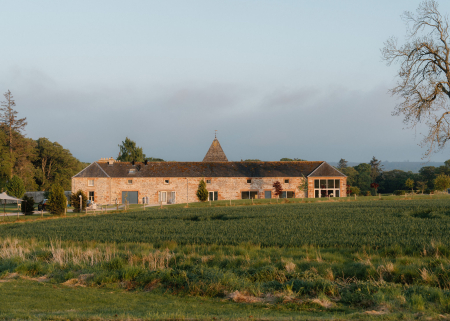
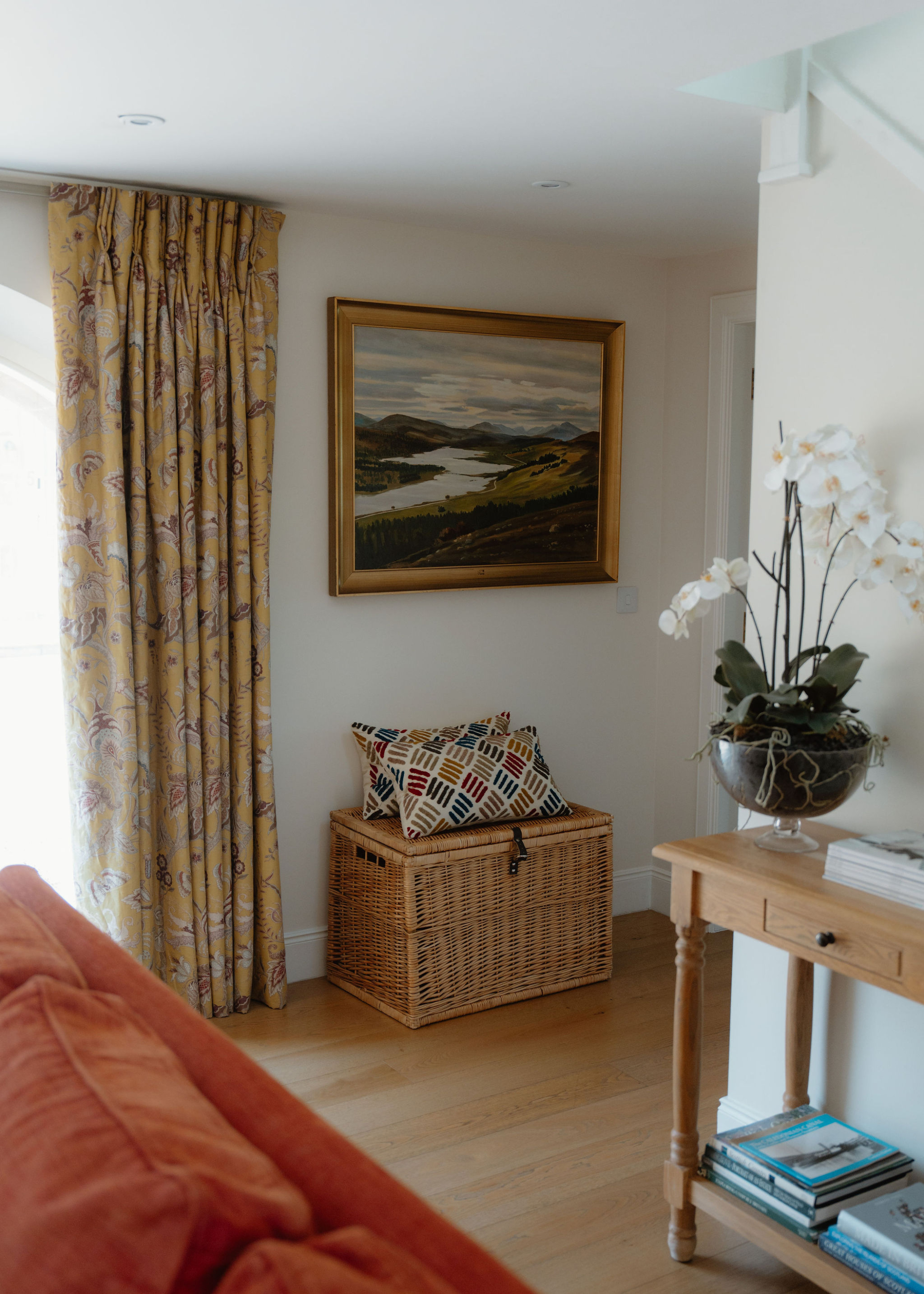
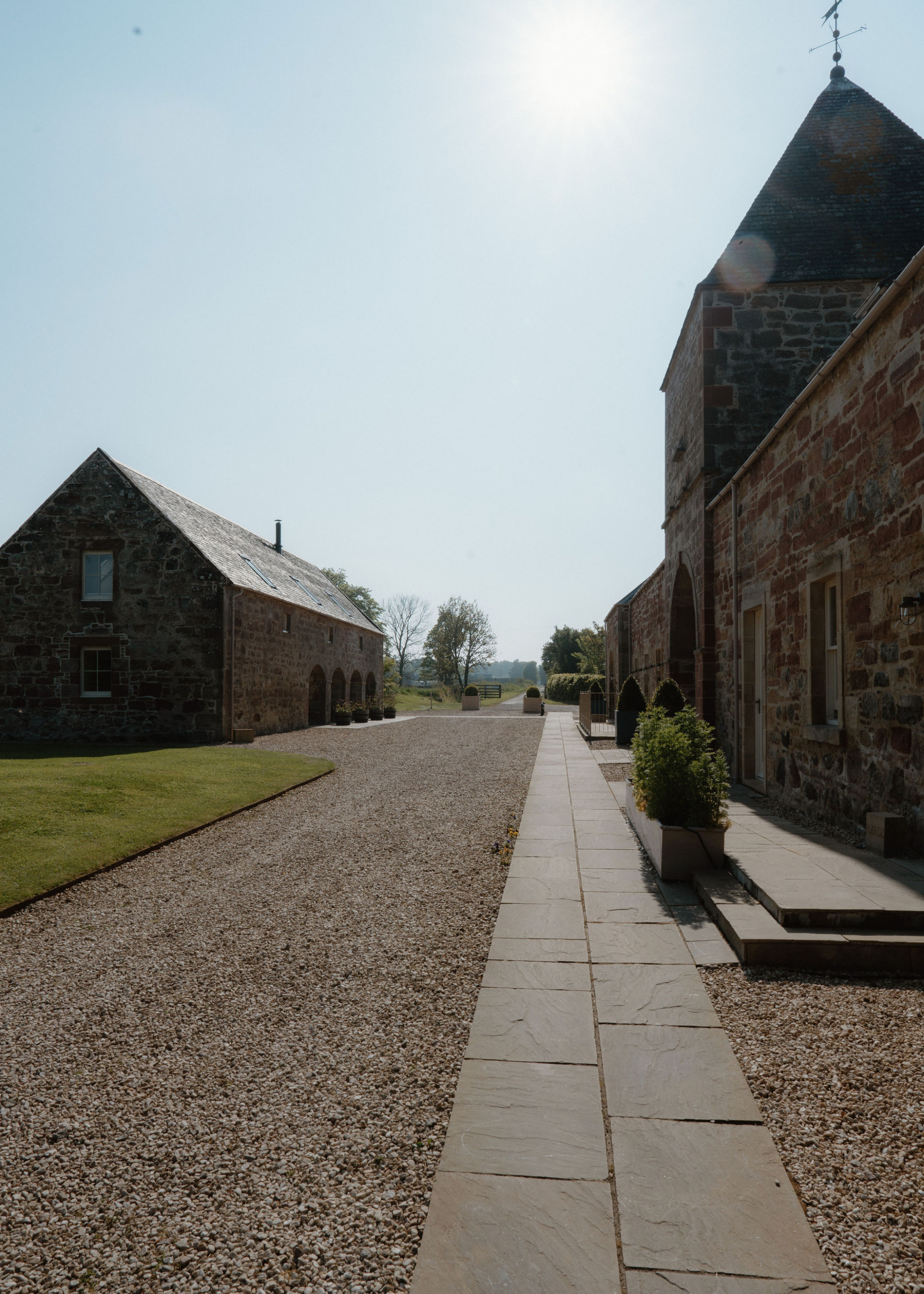
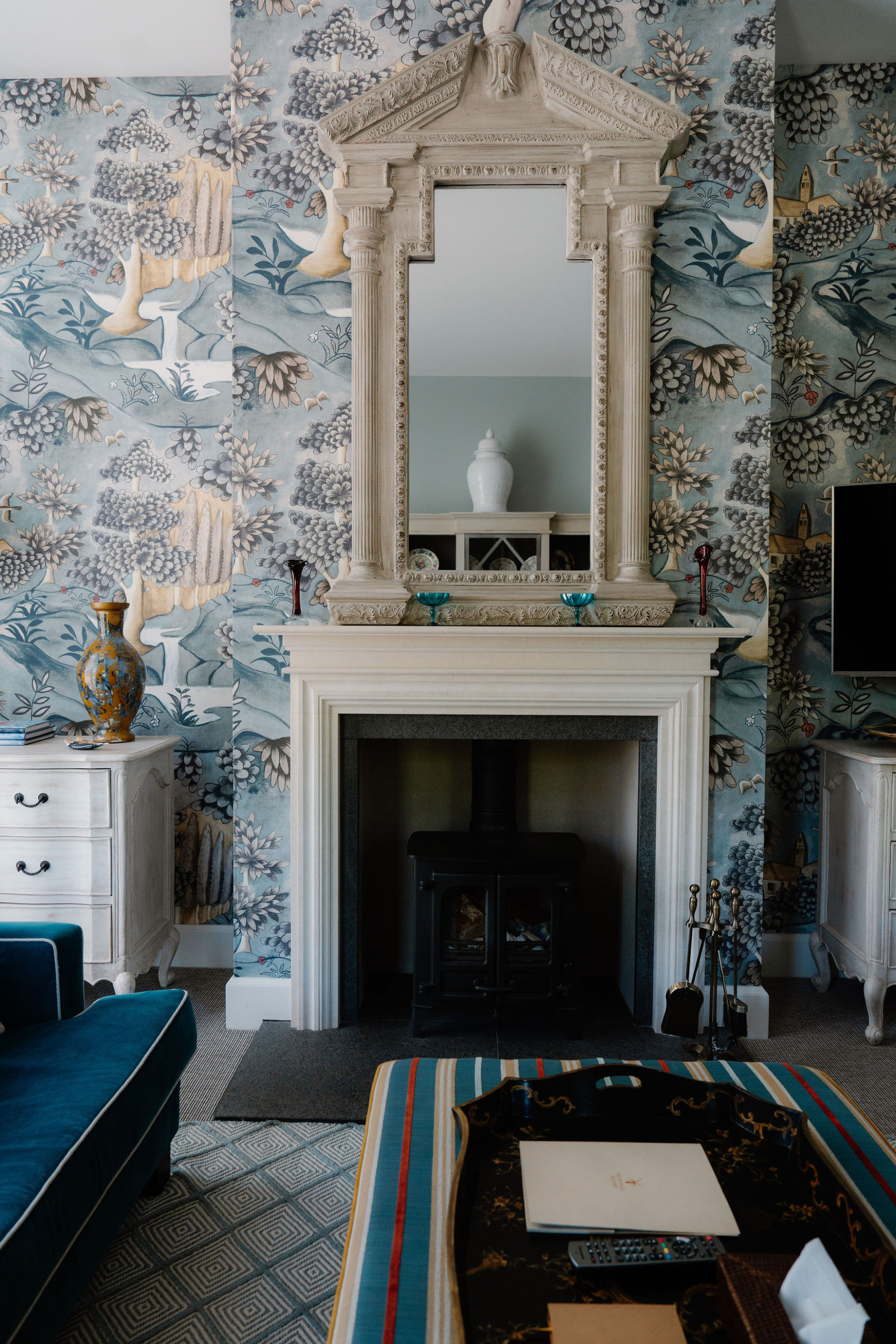
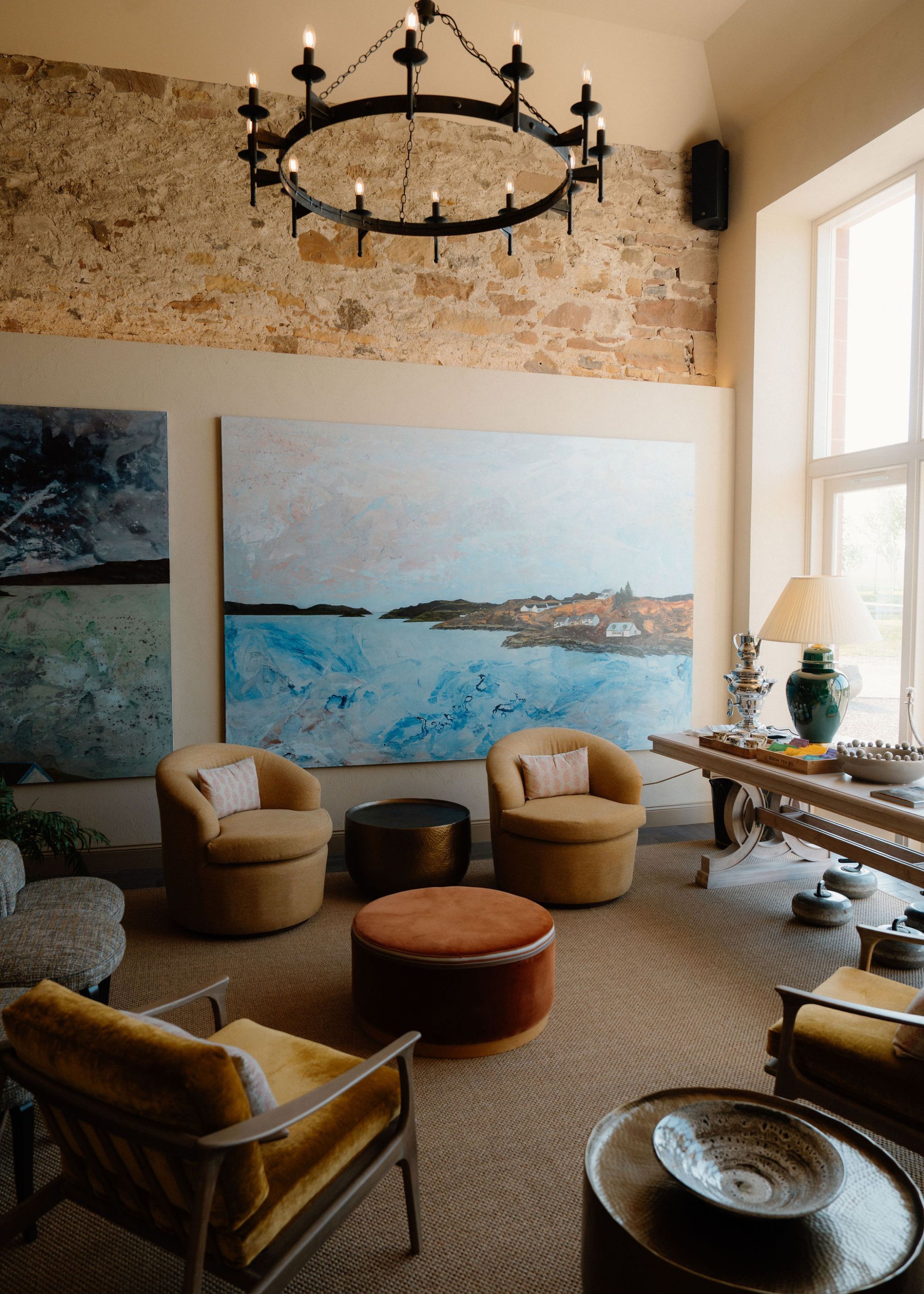
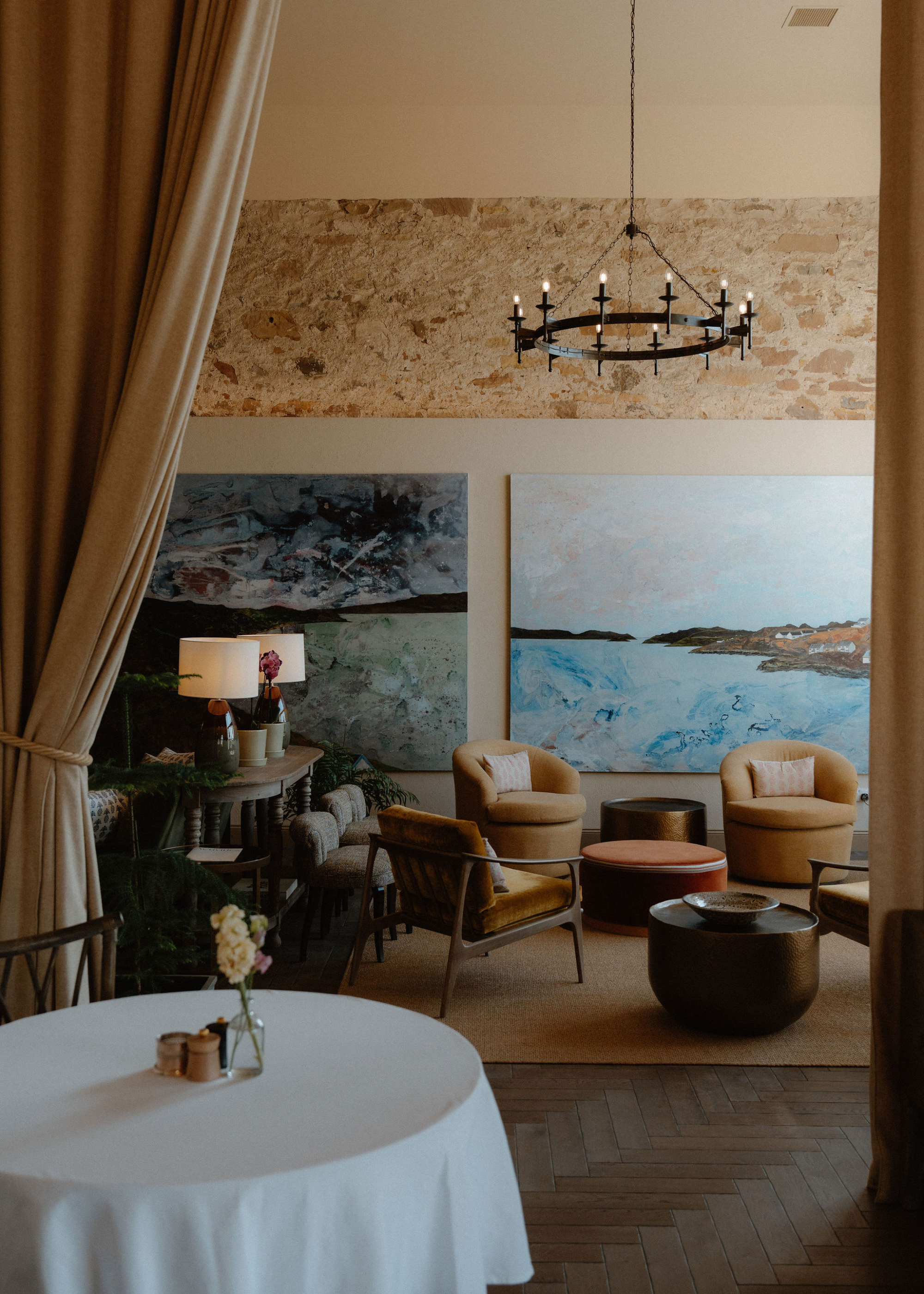
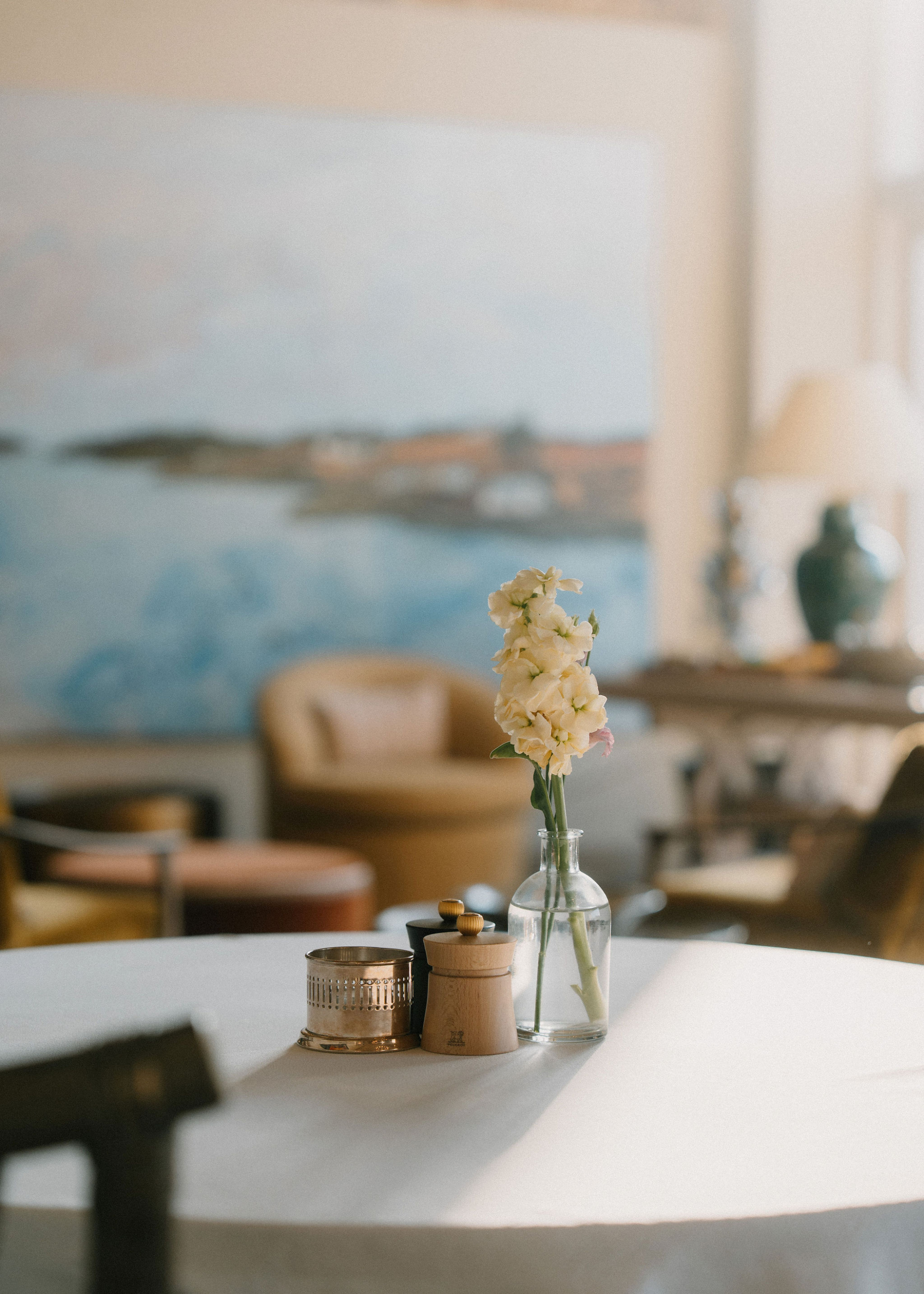
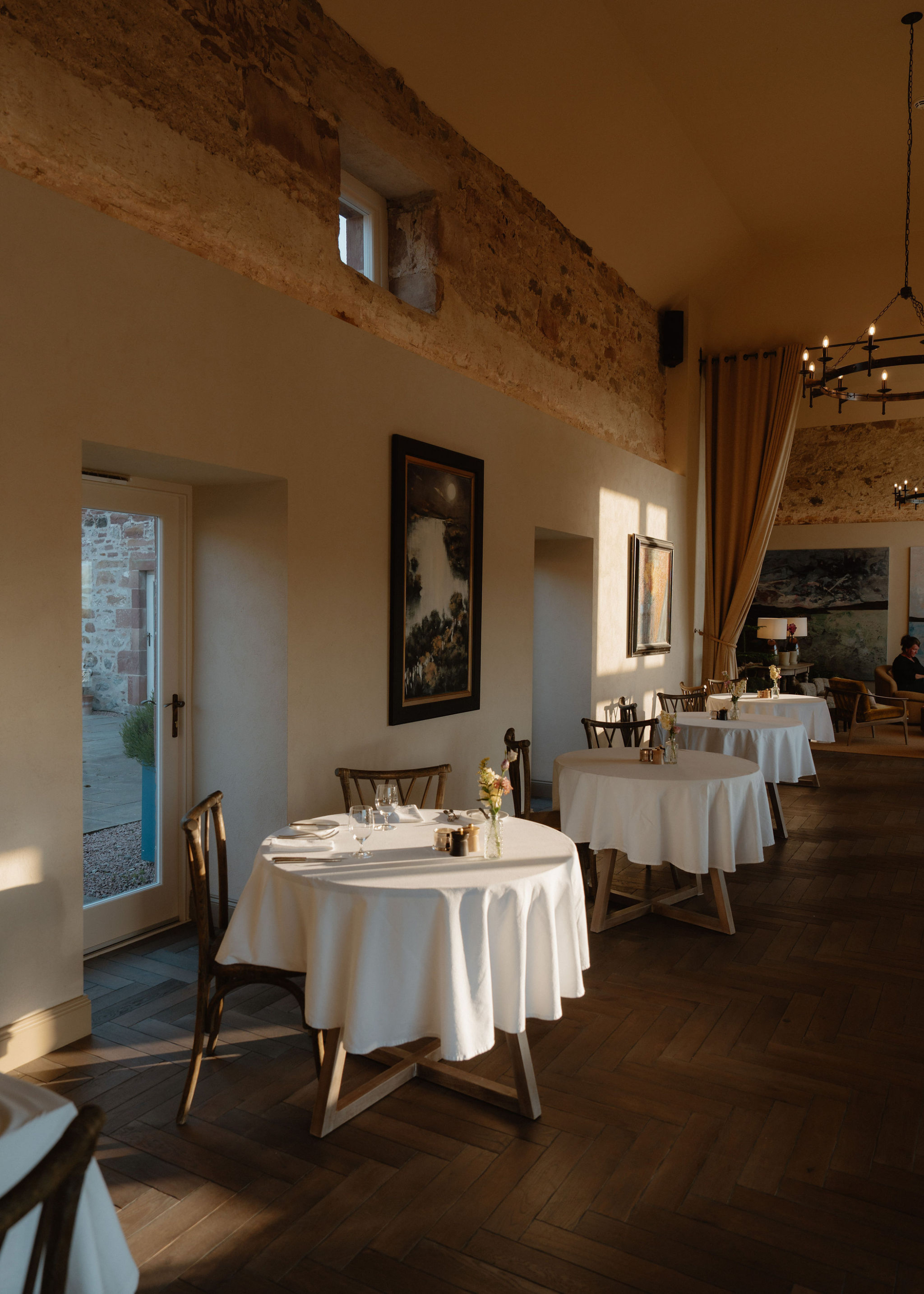
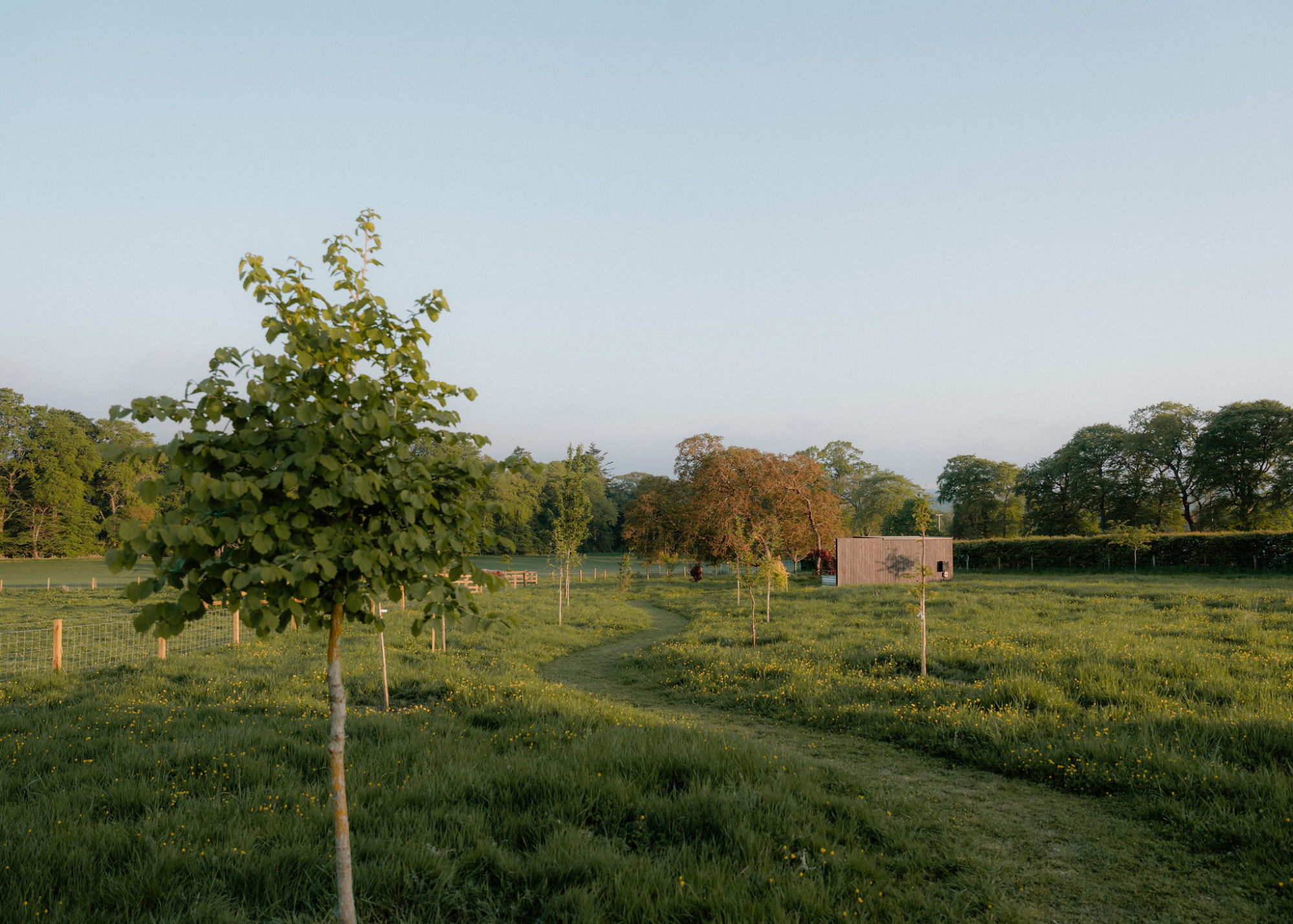
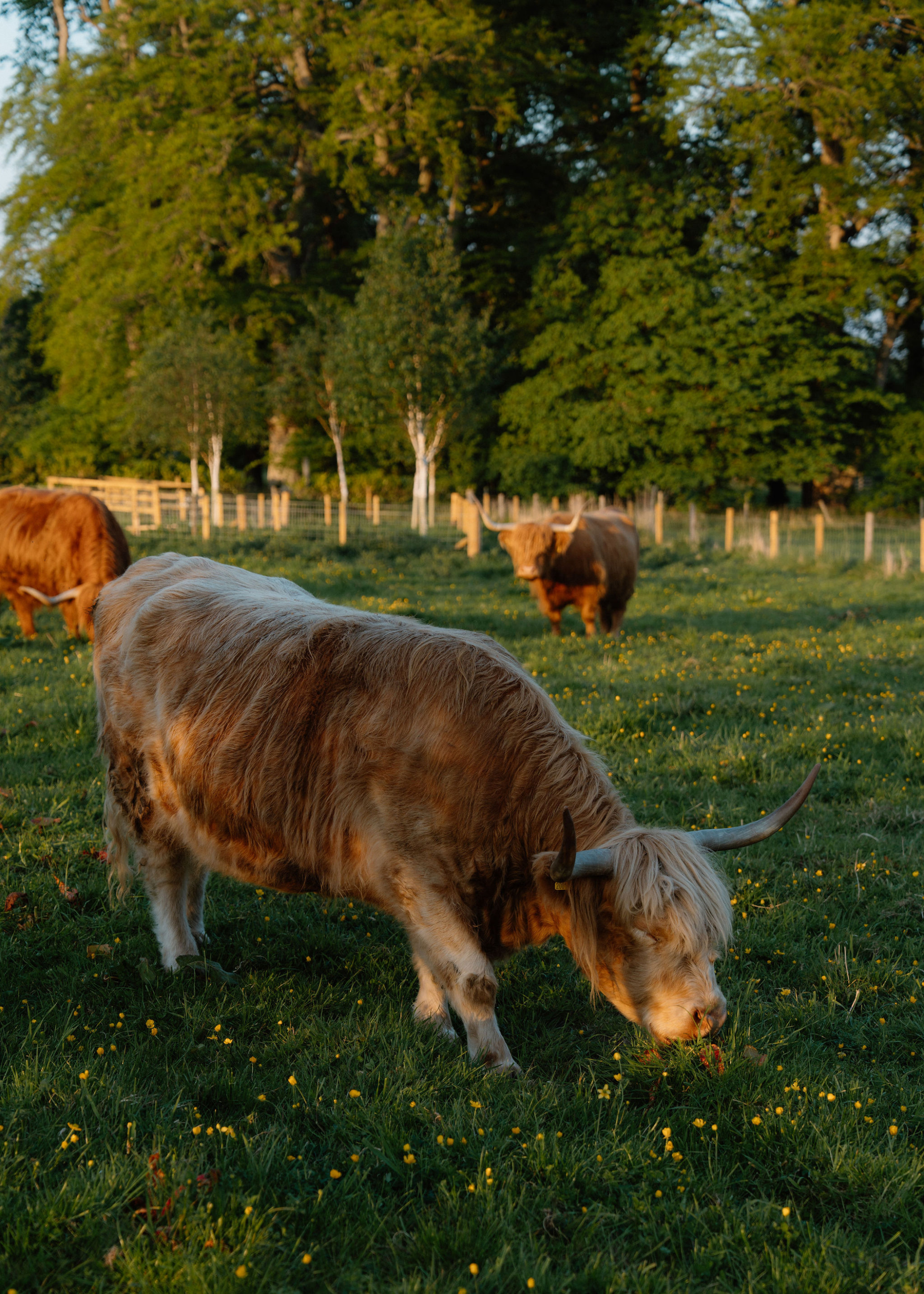
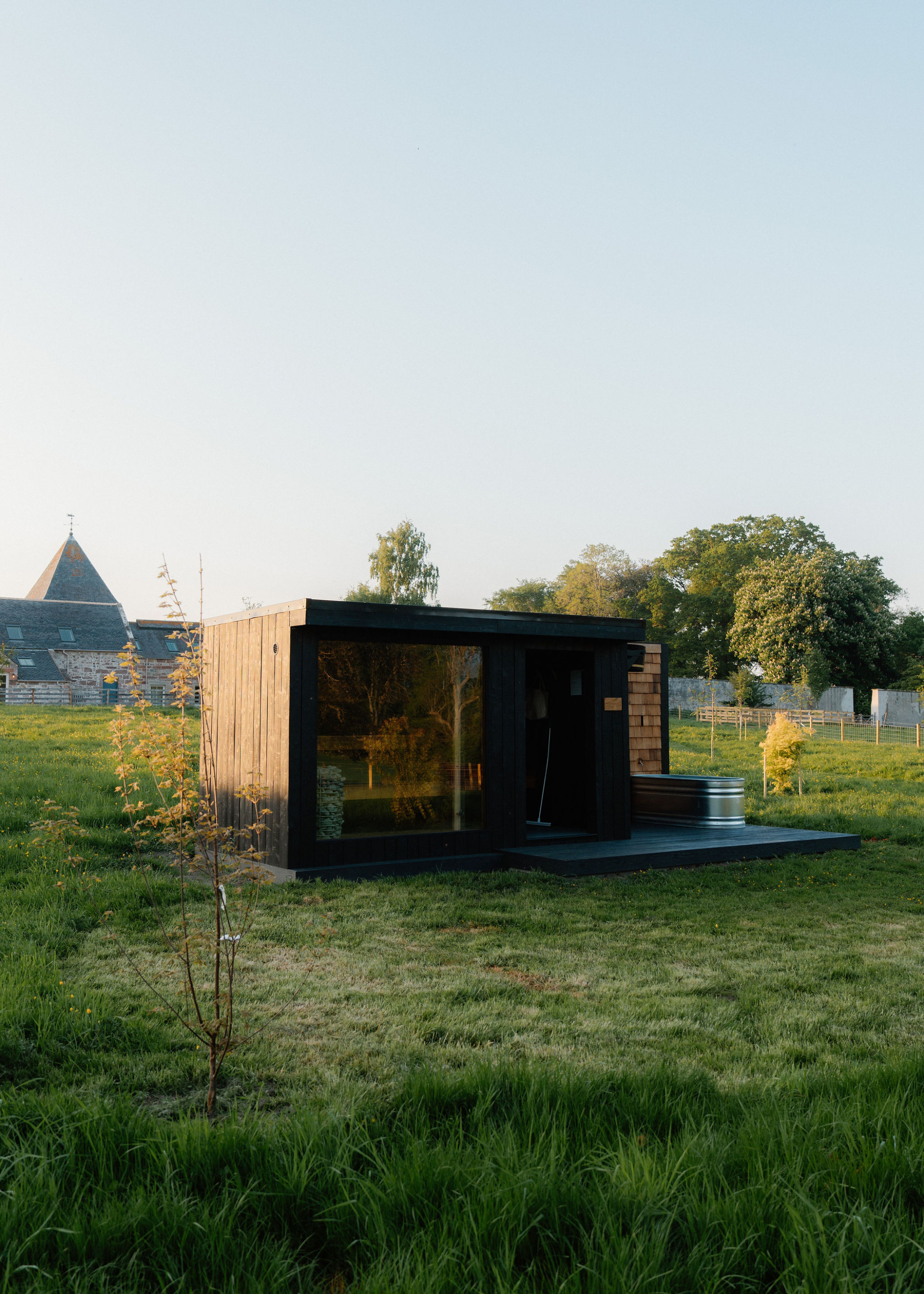
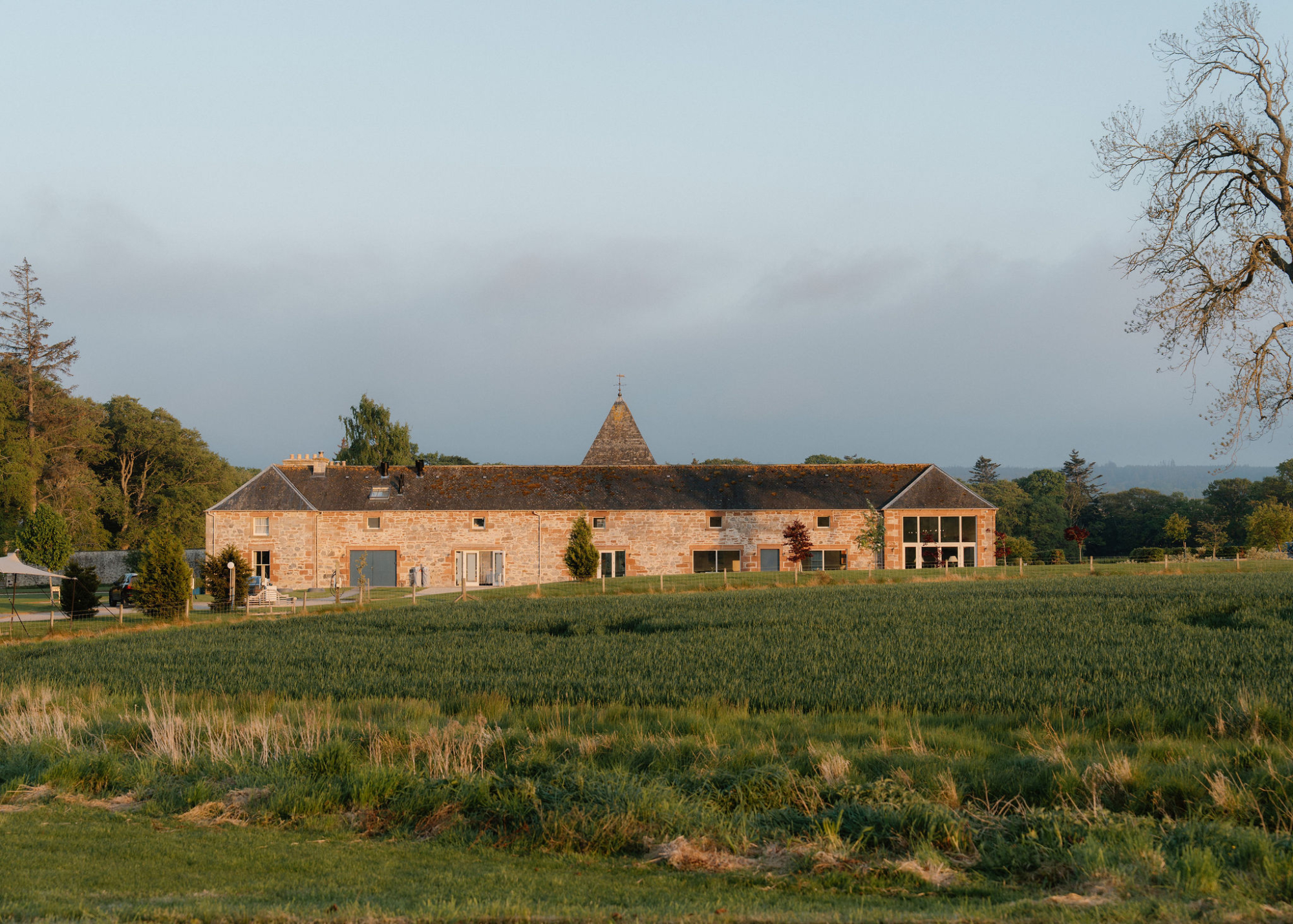
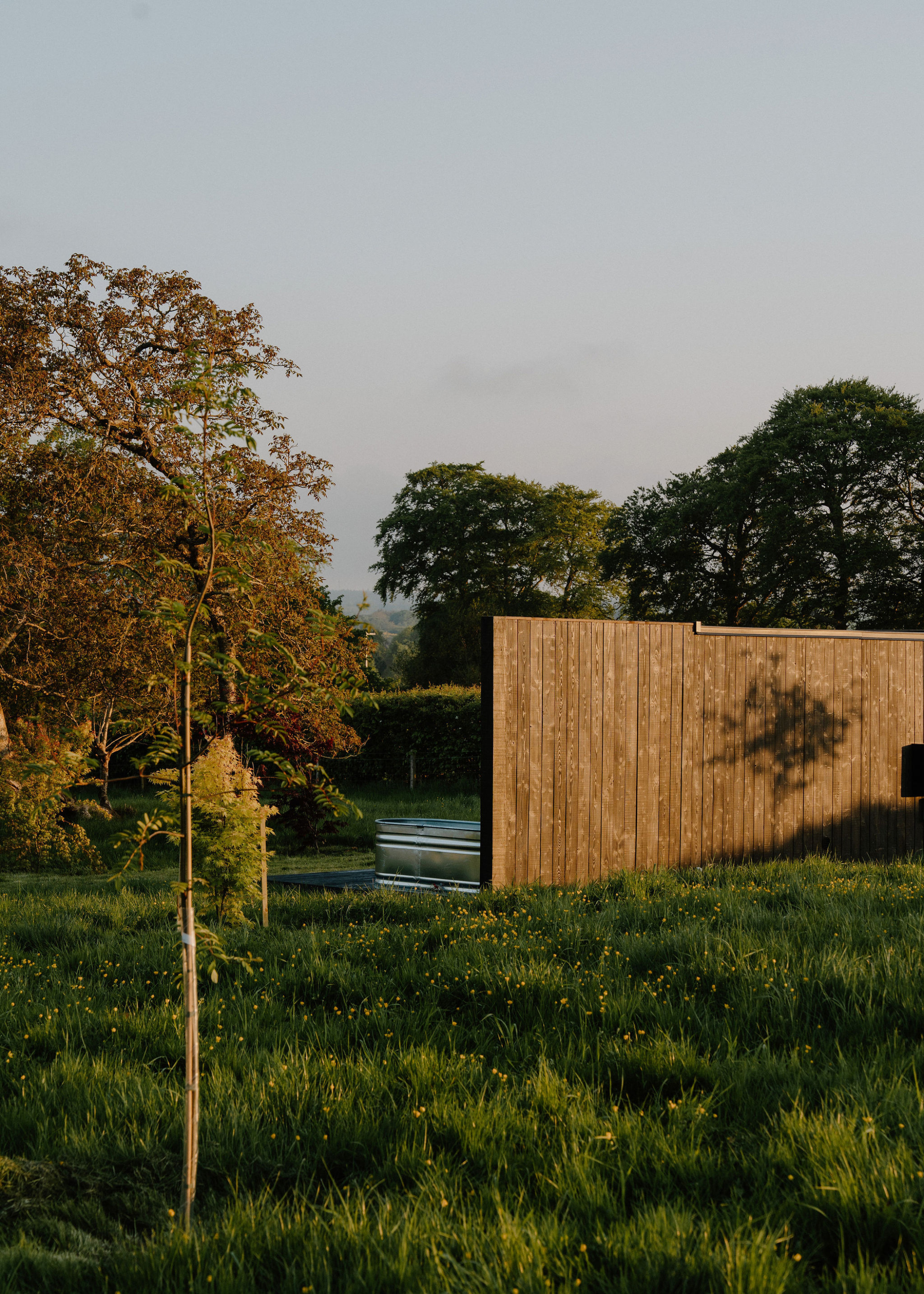
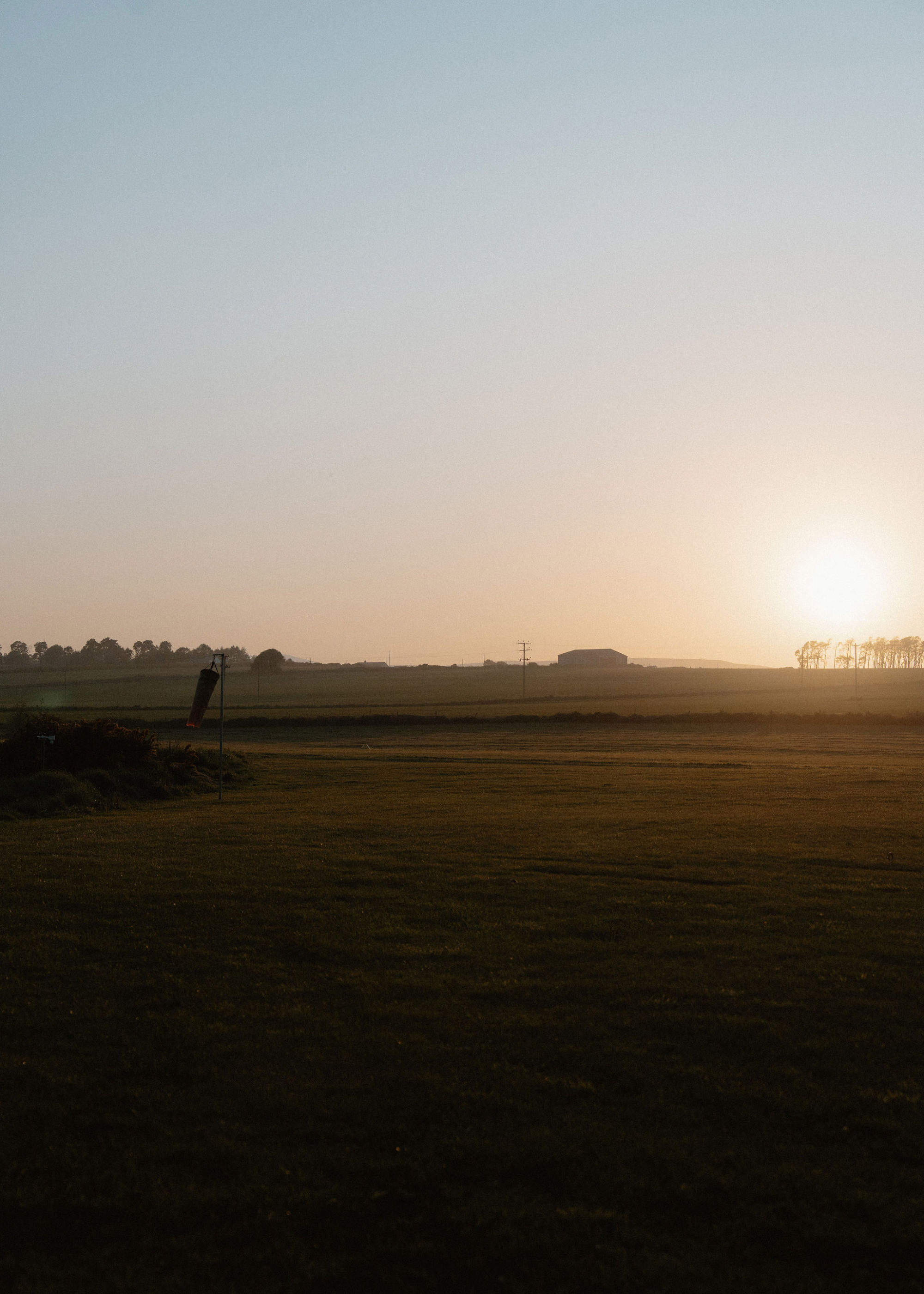
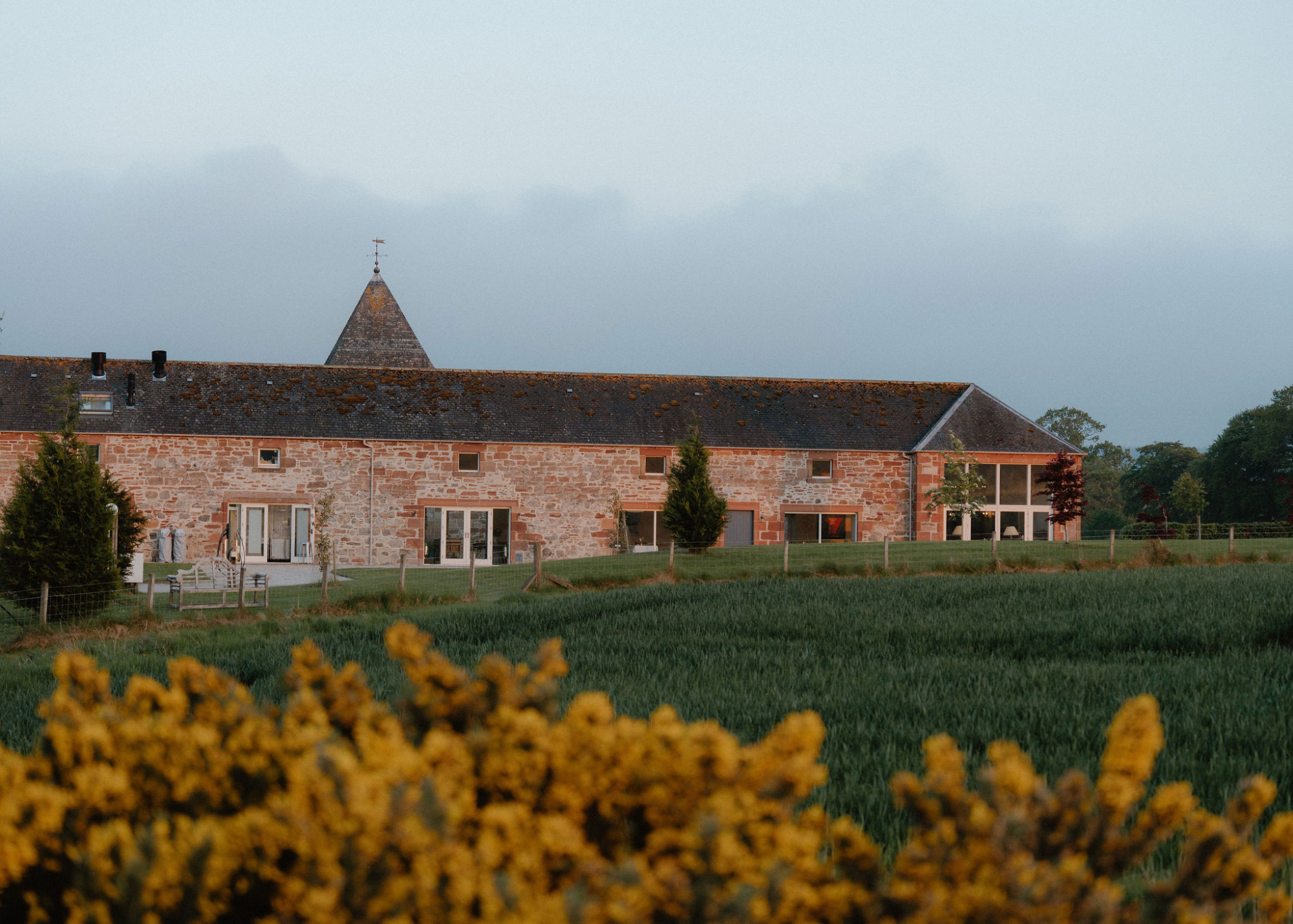
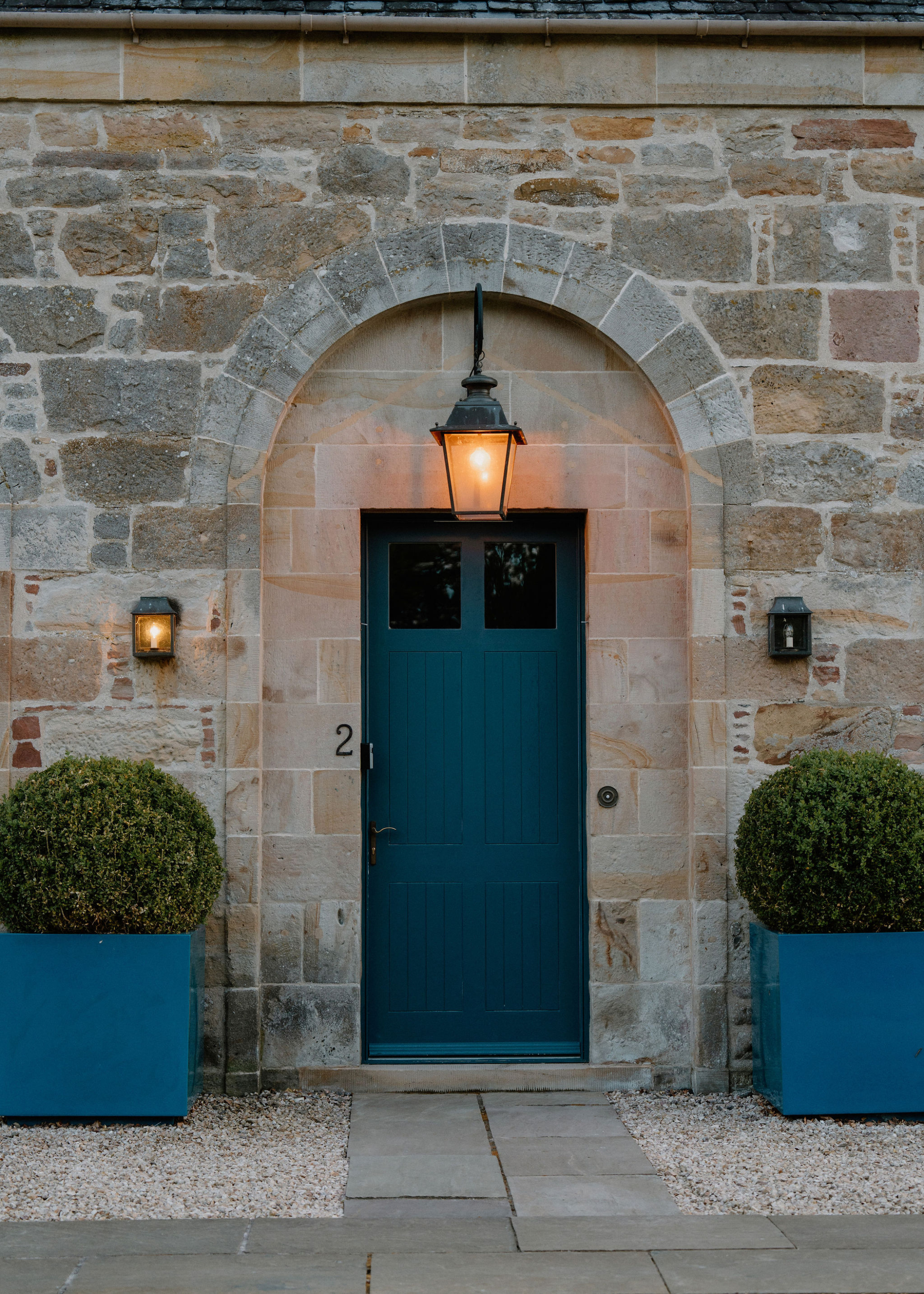
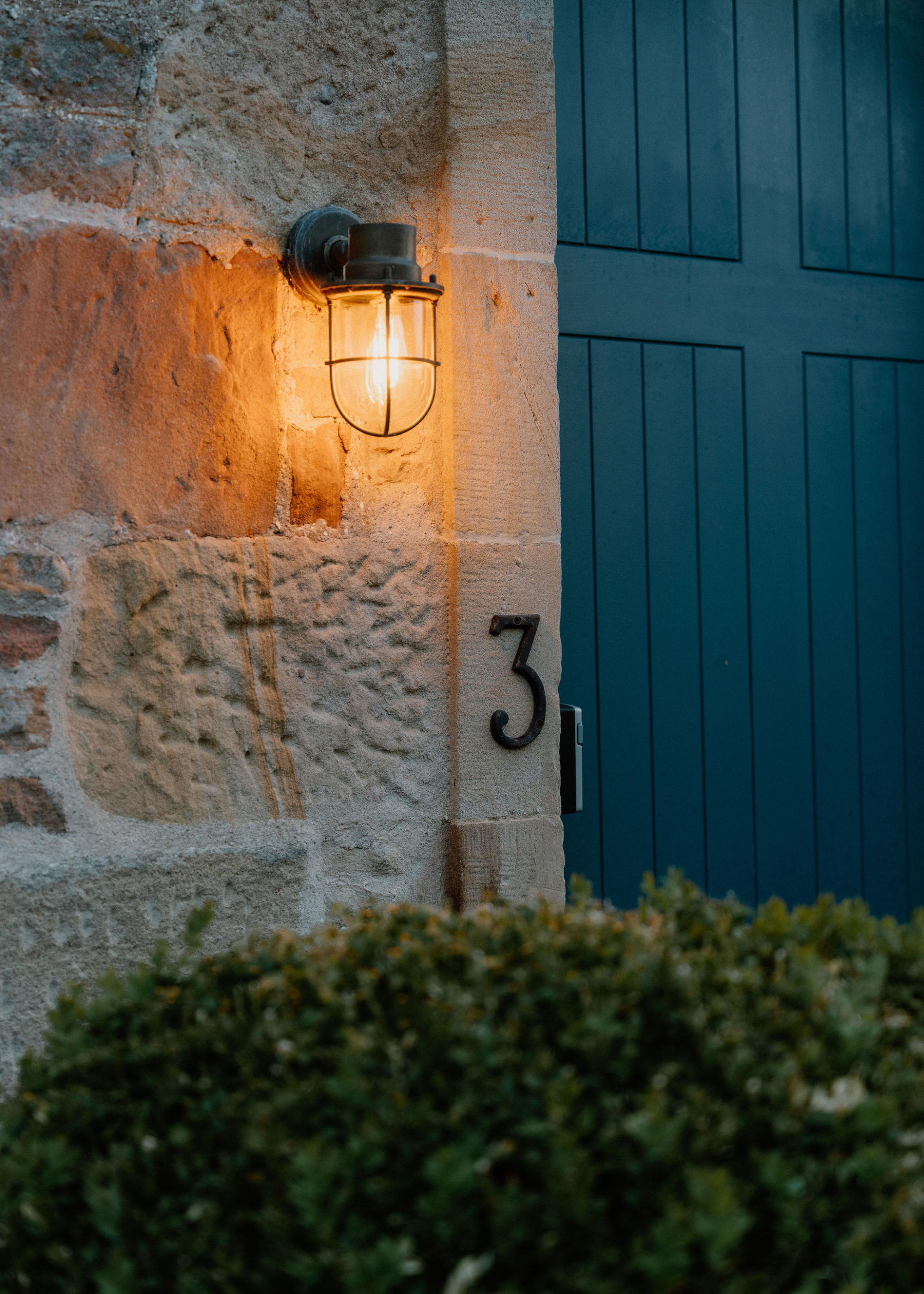
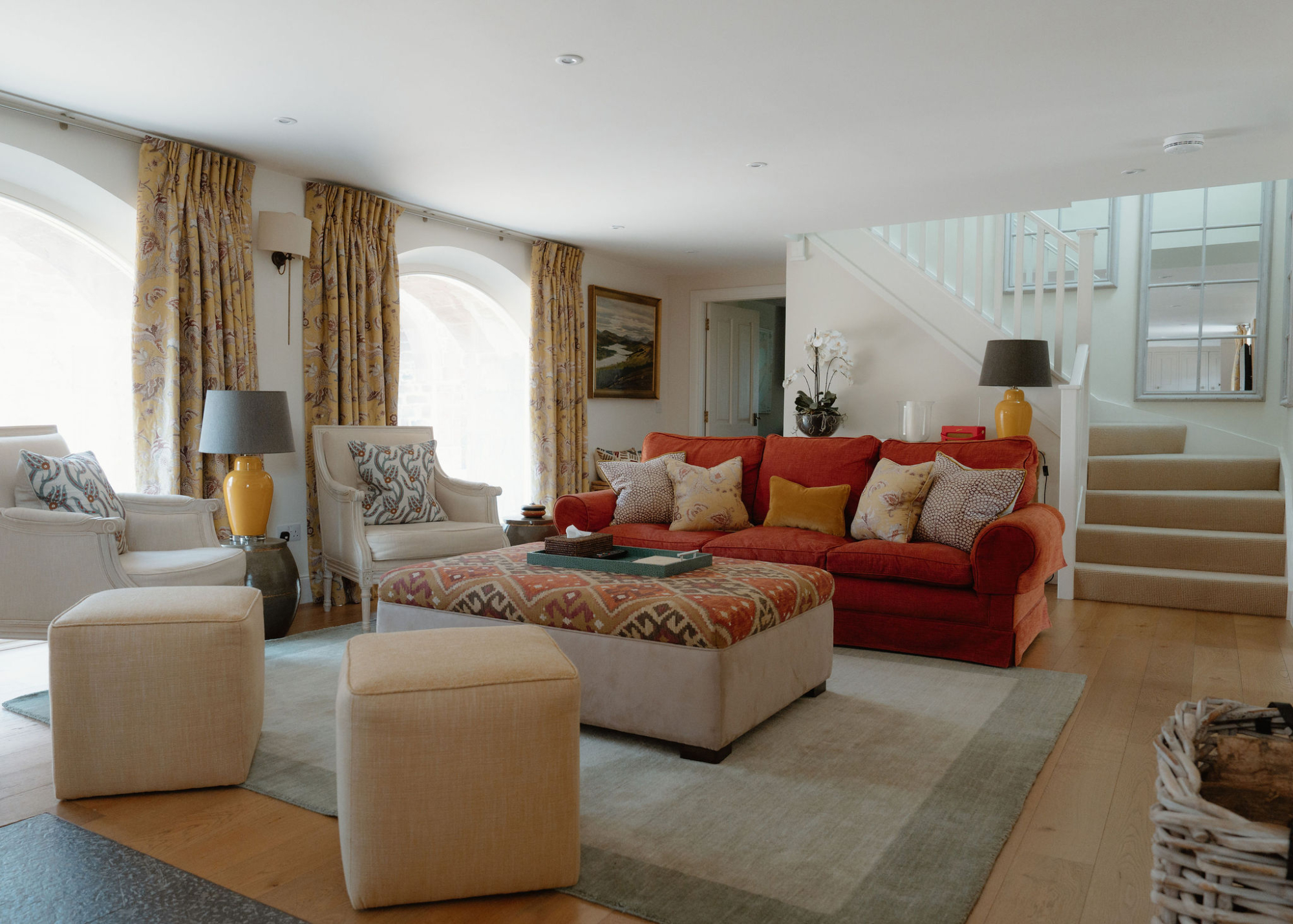
You don’t need to drive anywhere to begin this day. Breakfast is served in the main building at Newhall Mains, often beside the fire or near the tall windows that catch the early light. The ingredients are local, sometimes from the farm itself. Eggs, black pudding, sourdough toast. Filter coffee or a pot of loose-leaf tea. It’s unhurried. Some people linger with the papers. Others take a short walk around the grounds to wake up. The converted farm buildings, with their corrugated iron roofs and neat courtyards, still carry the shape of their working past. But inside, everything is carefully finished. This is a good base for a day of history. You are already surrounded by it. The Black Isle isn’t black, and it isn’t an island, but it has always been set apart. From here, it’s just a fifteen-minute drive to Rosemarkie and the carved stones that begin the route.

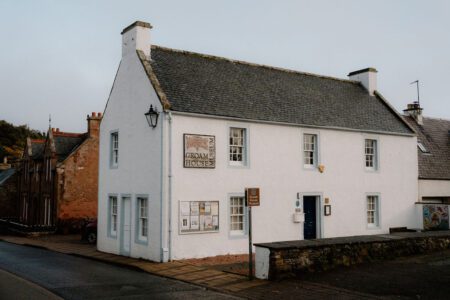
Groam House Museum
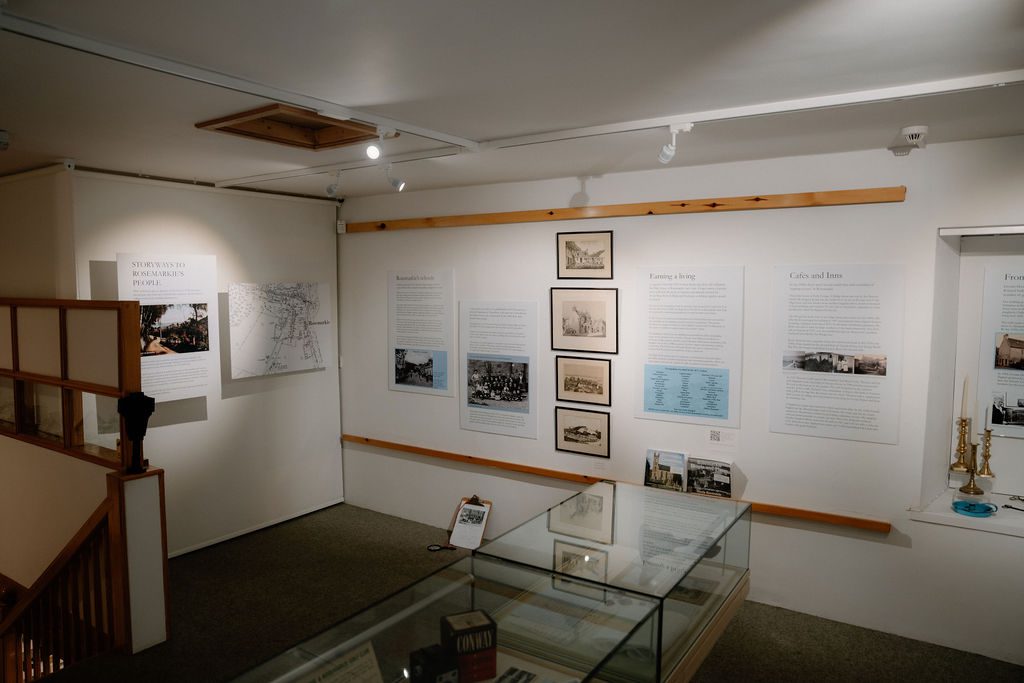
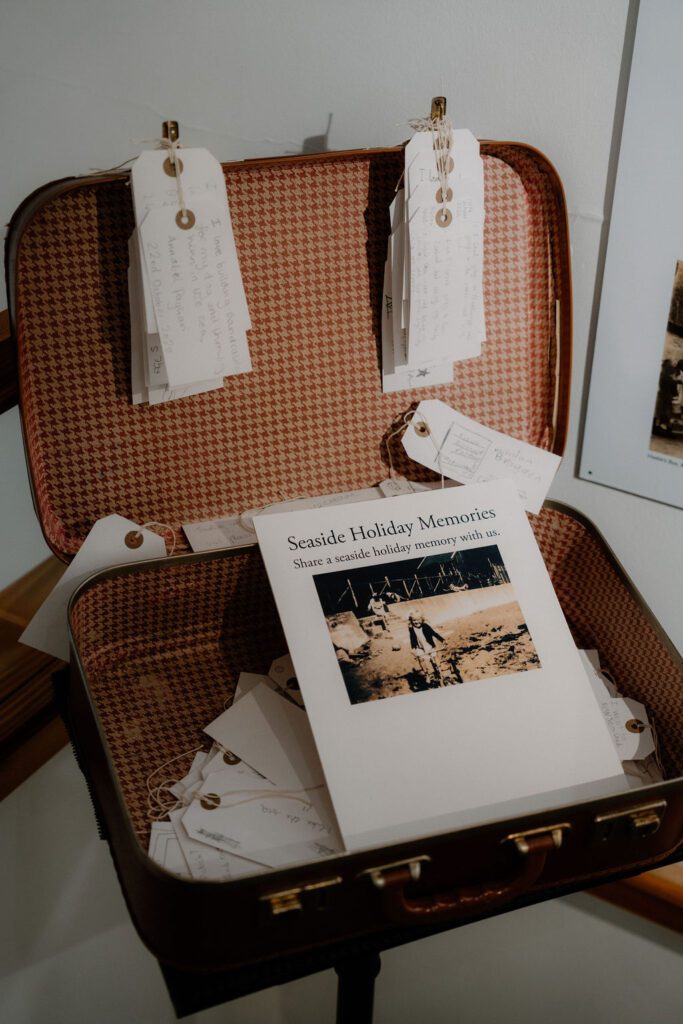
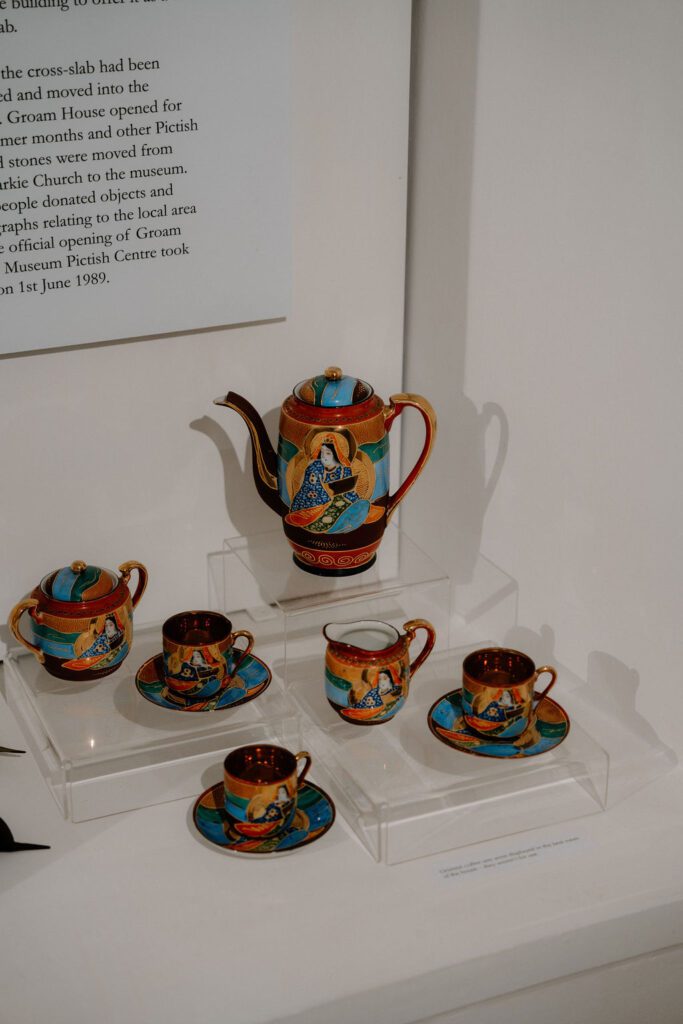
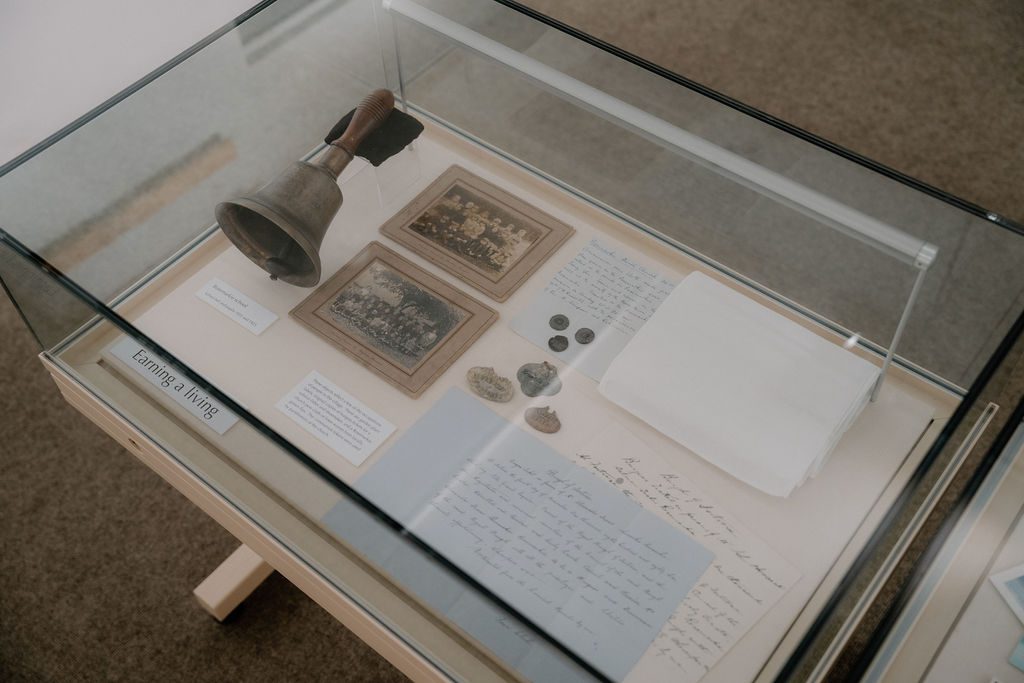
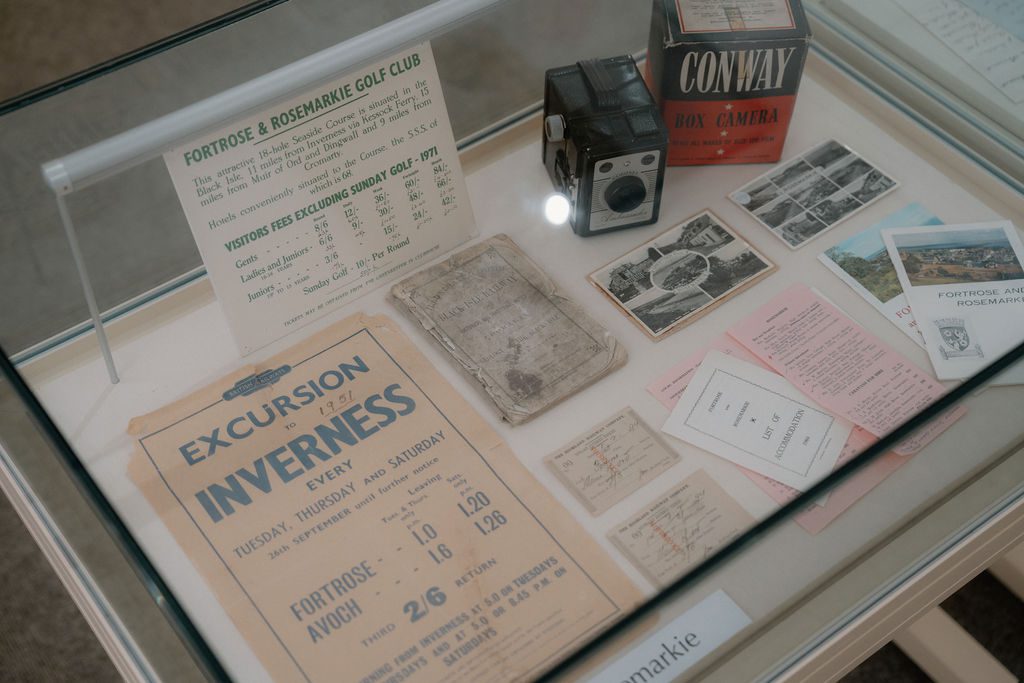
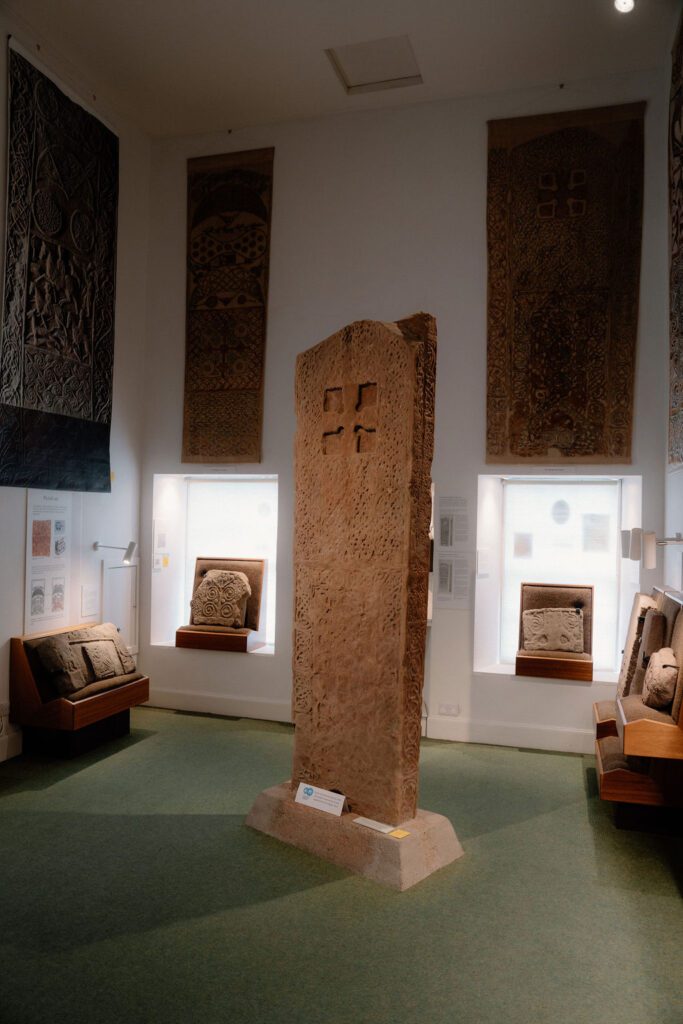
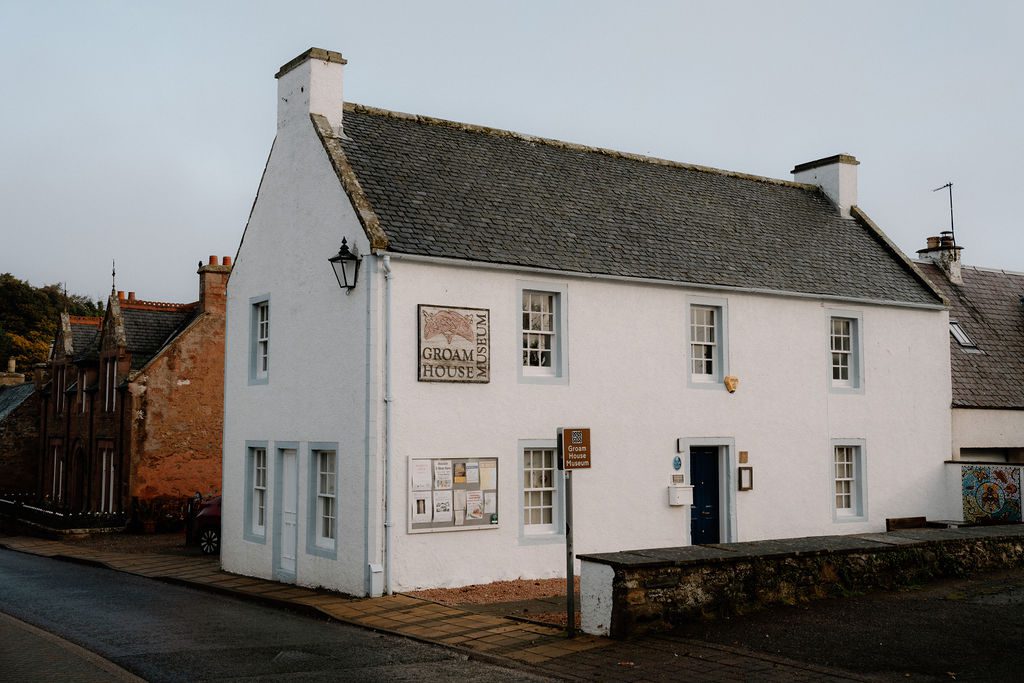
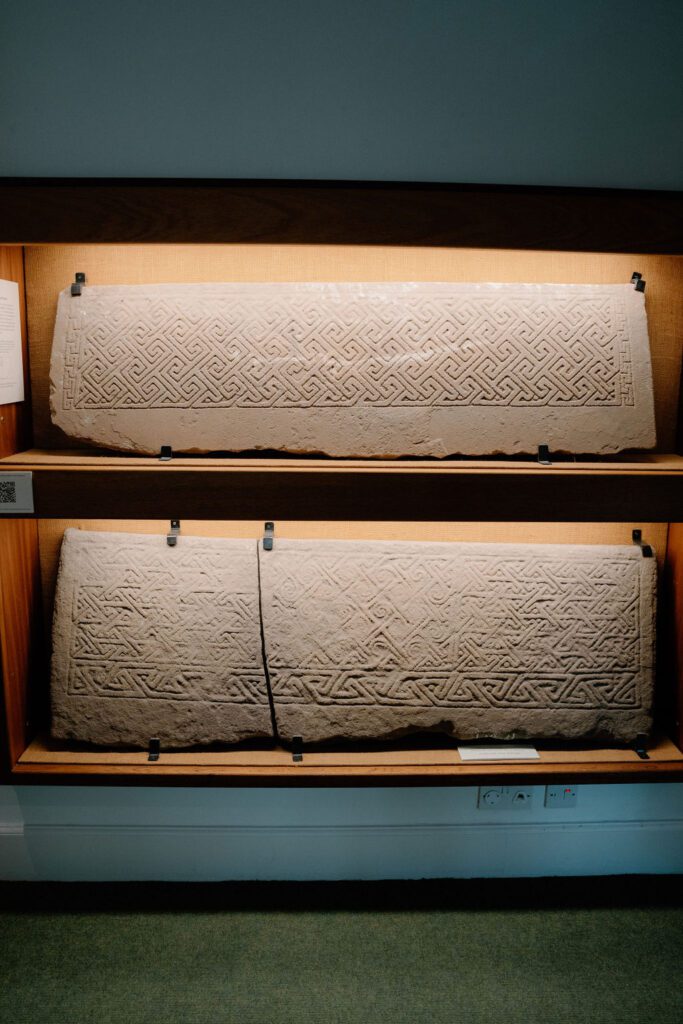
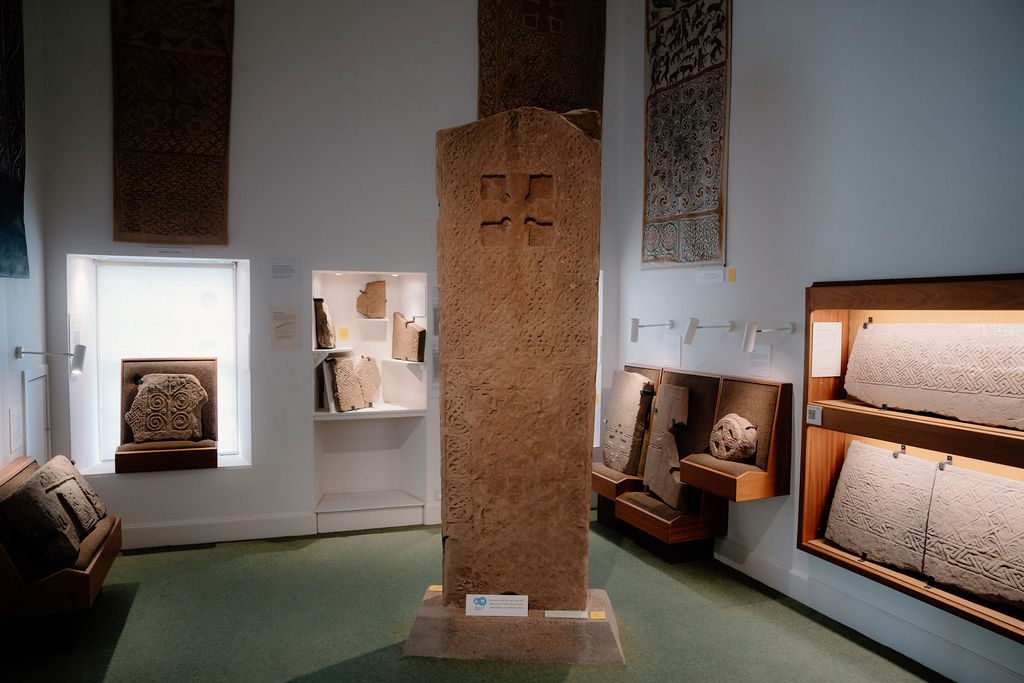
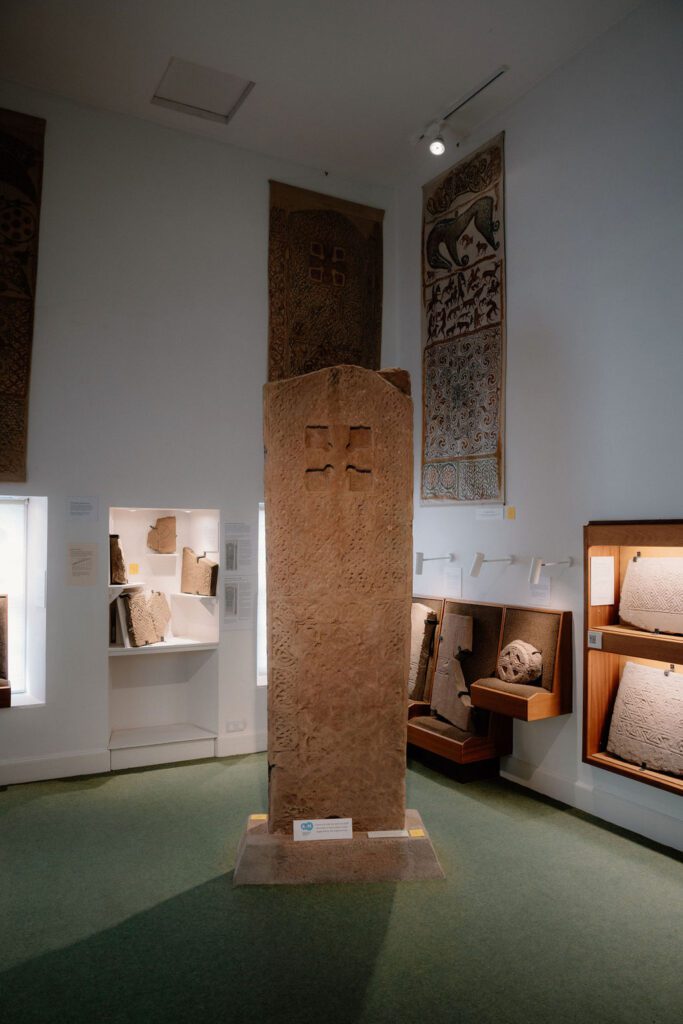
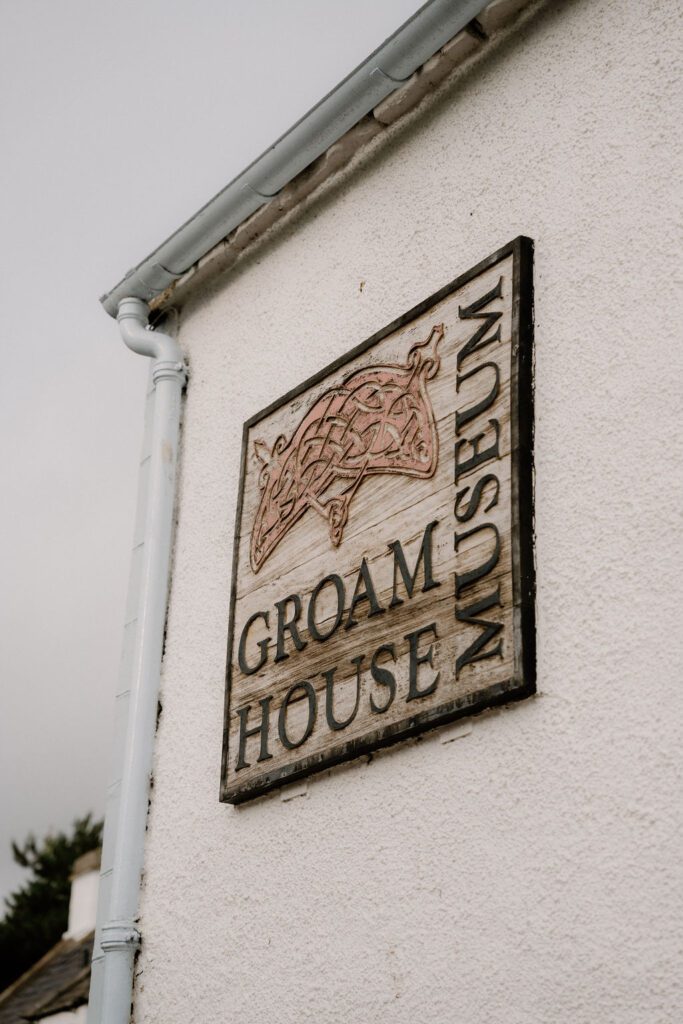
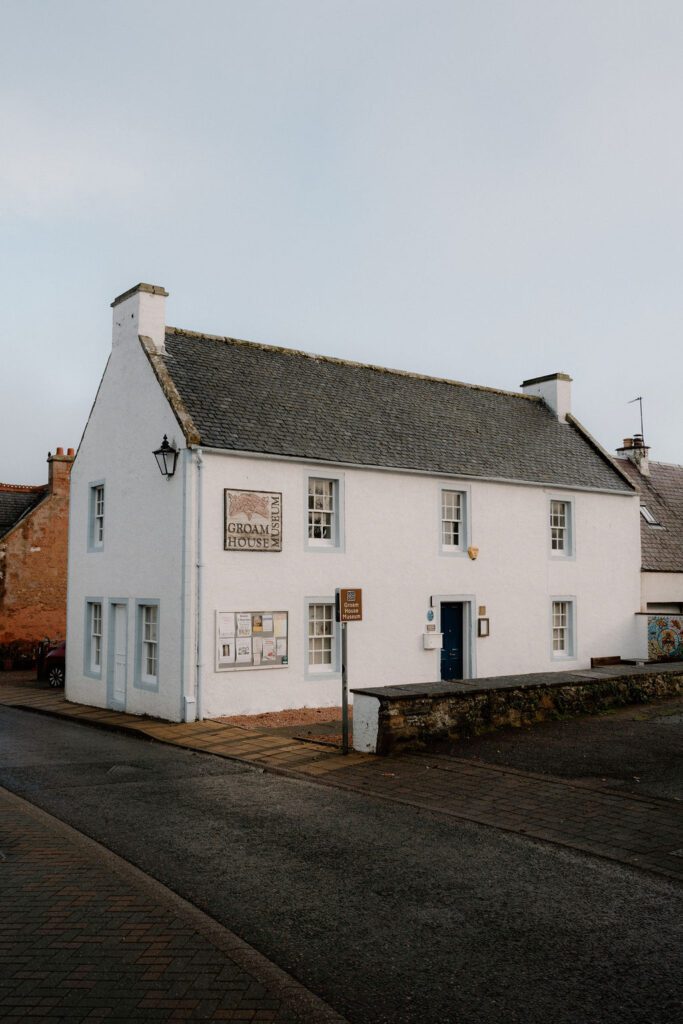
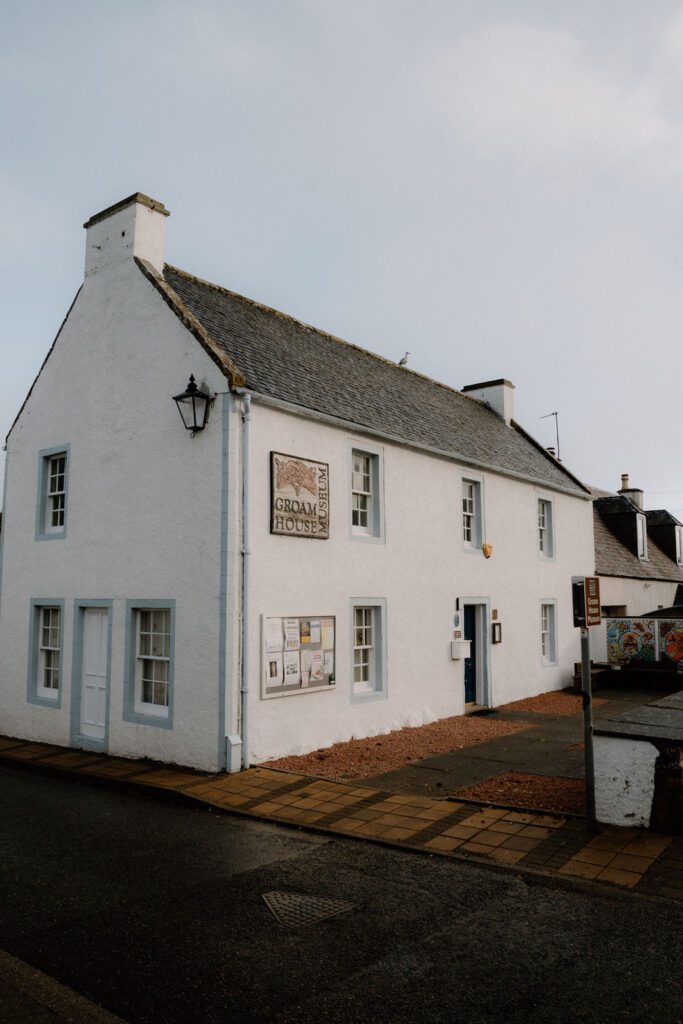
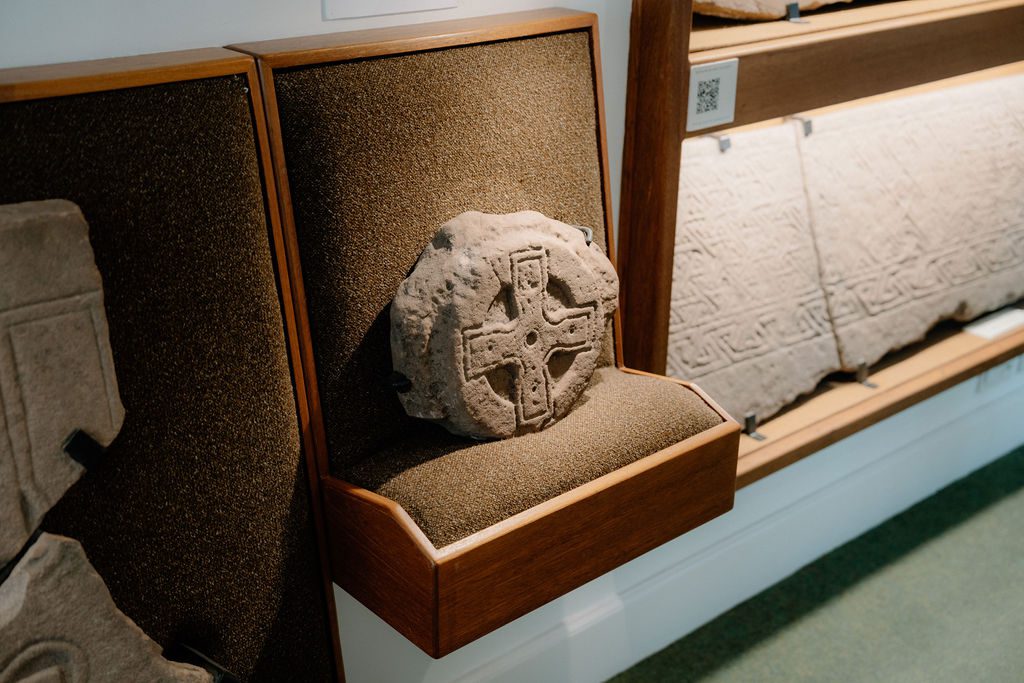
It is a small museum on a quiet corner of Rosemarkie, and most people walk past without knowing what is inside. But Groam House holds one of the most important collections of Pictish carved stones in Scotland. These are not just decorative. They are some of the only records left behind by a culture that vanished more than a thousand years ago.
The Rosemarkie Cross Slab stands at the centre. It is tall, shaped like a doorway, and filled with swirling knotwork and strange figures. Around it are fragments found nearby, each one carved with precision and patience. There is no rush here. No crowd. Just time to look closely.
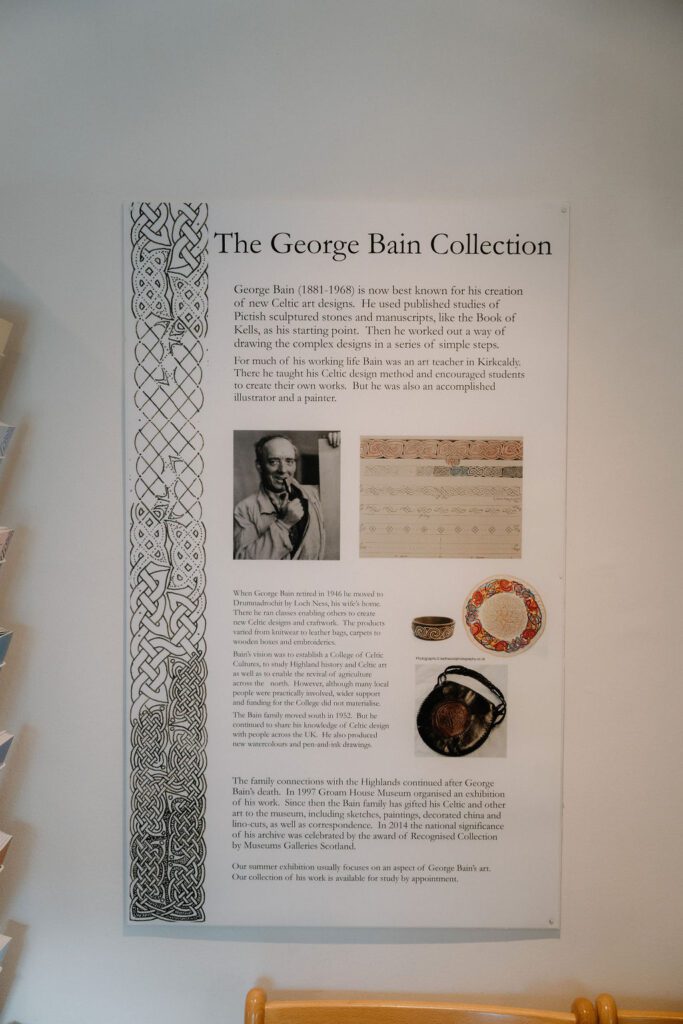
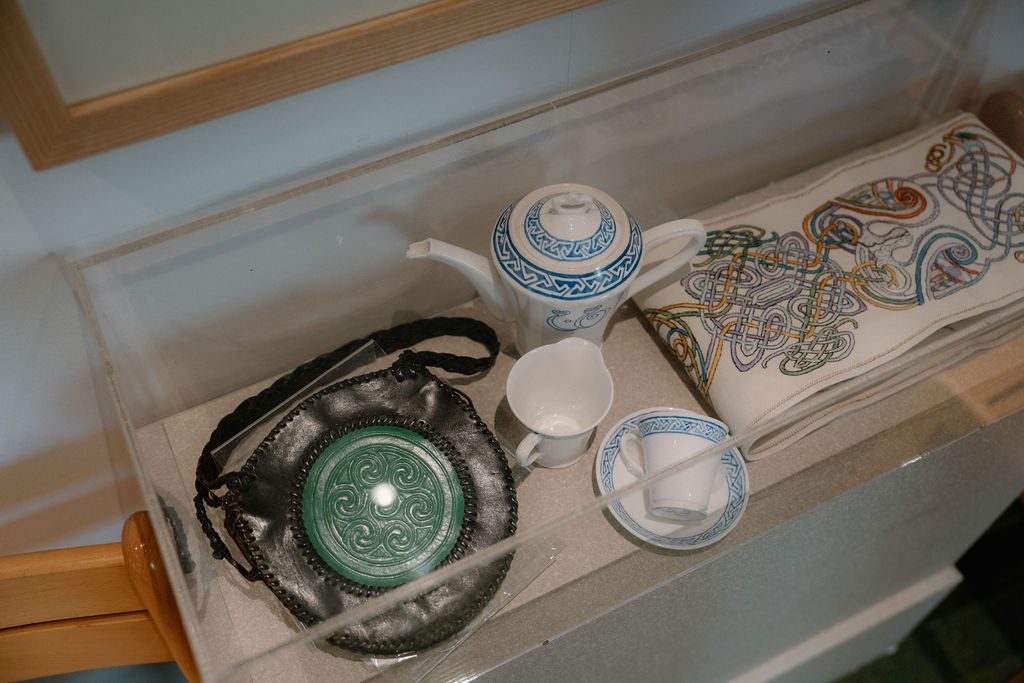
Upstairs is the work of George Bain, a 20th-century artist and teacher who helped revive interest in Celtic design. His work sits easily beside the ancient pieces downstairs. It feels like the kind of place that values detail. Open April to October, with occasional winter hours by request.
Fortrose Cathedral
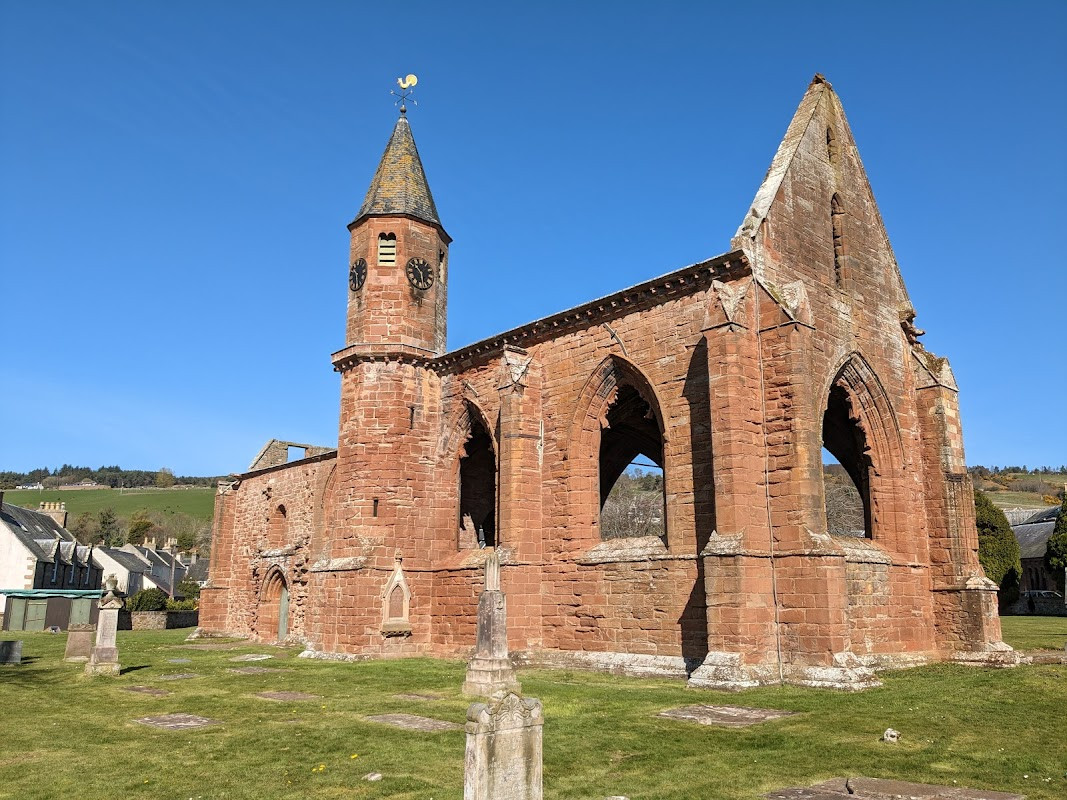
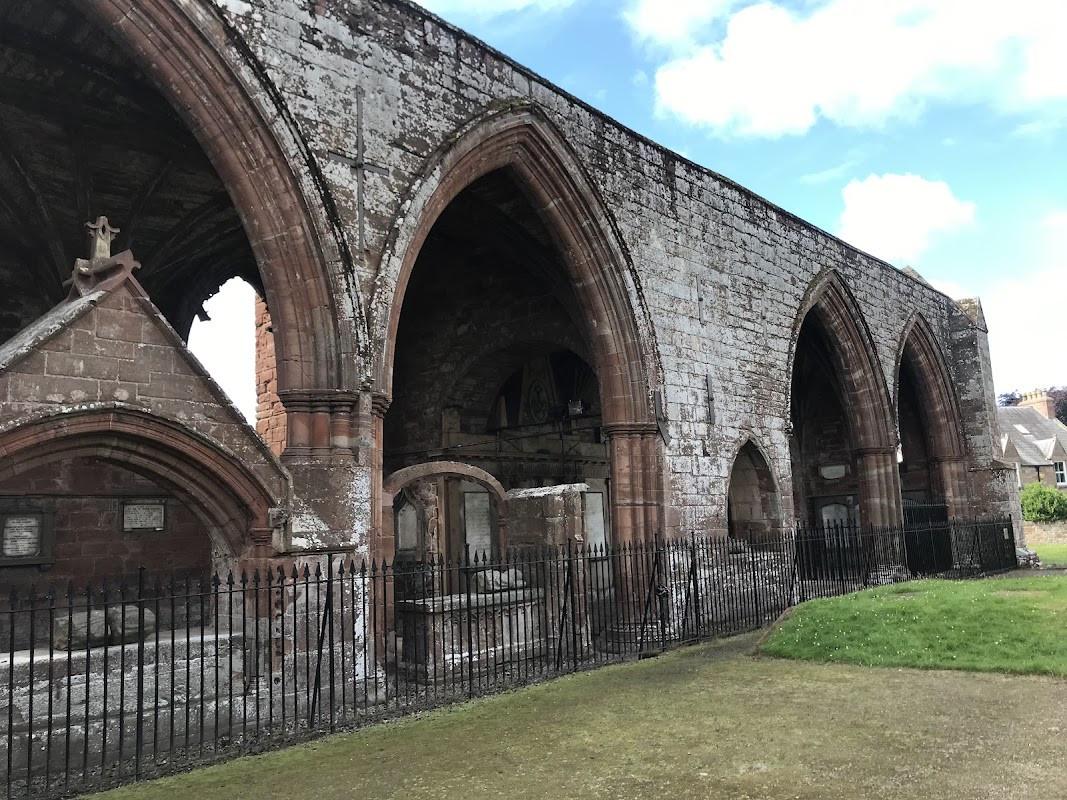
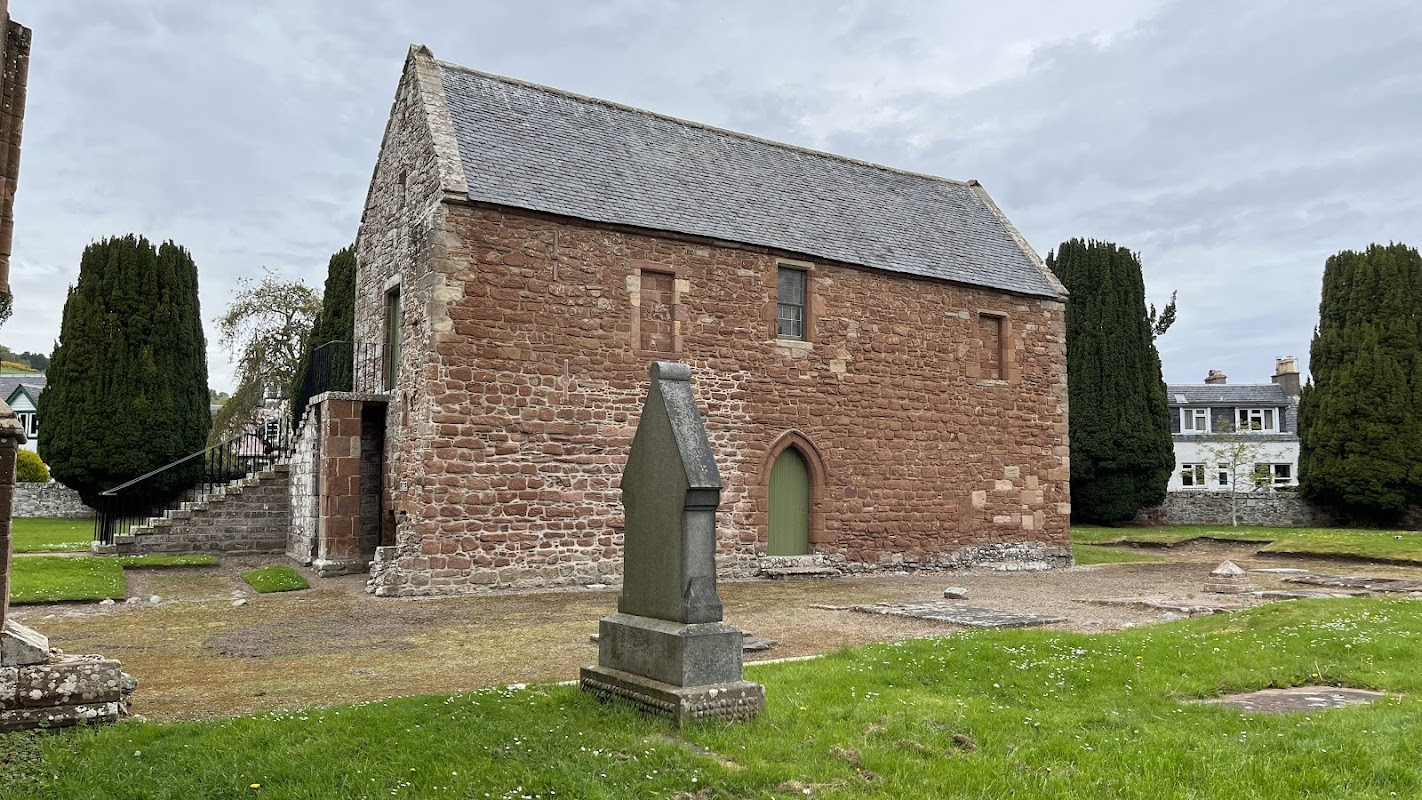
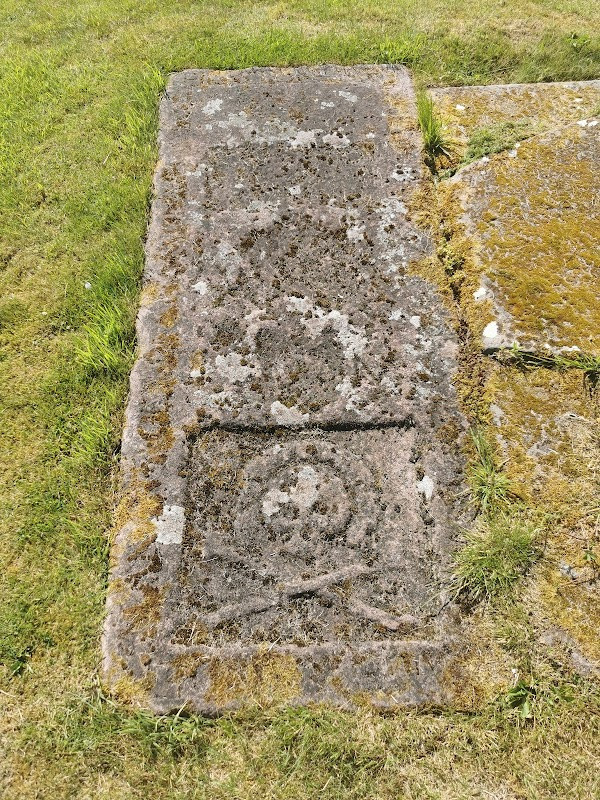
The cathedral is mostly gone. The chapter house still stands, and the eastern walls with their pointed windows, but much of it has fallen. What remains is quiet, and somehow complete in its own way. There are benches among the yew trees. A few well-worn paths through the grass. And still the sense that this was once the centre of something.
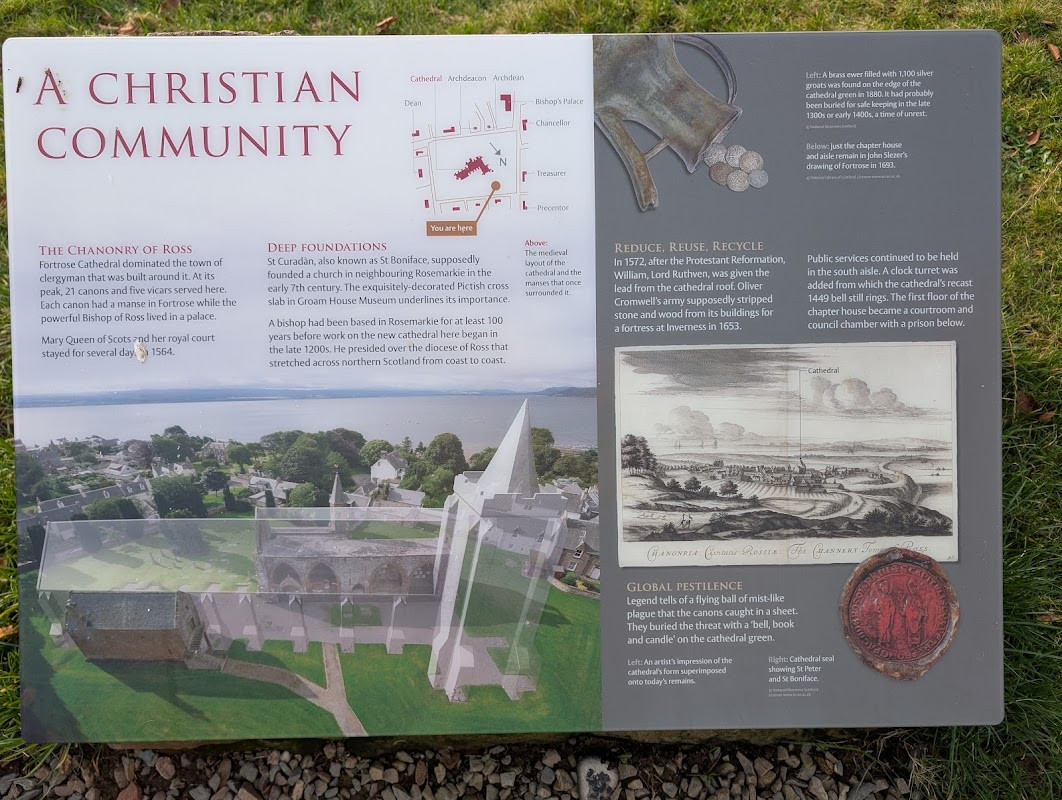
Built in the 13th century, this was the seat of the medieval Bishops of Ross. It would have dominated the Black Isle in its day, a place of authority and ceremony. Now it shares its ground with dog walkers and children cutting through on bikes.
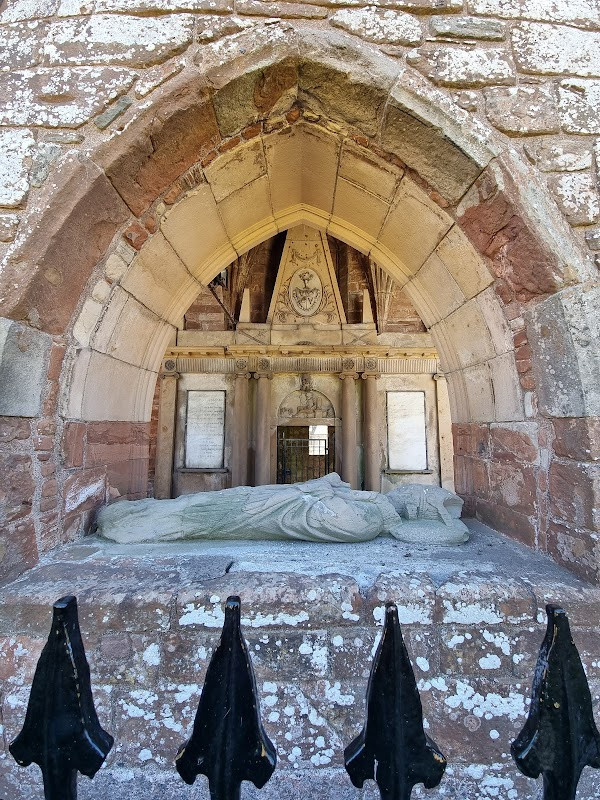
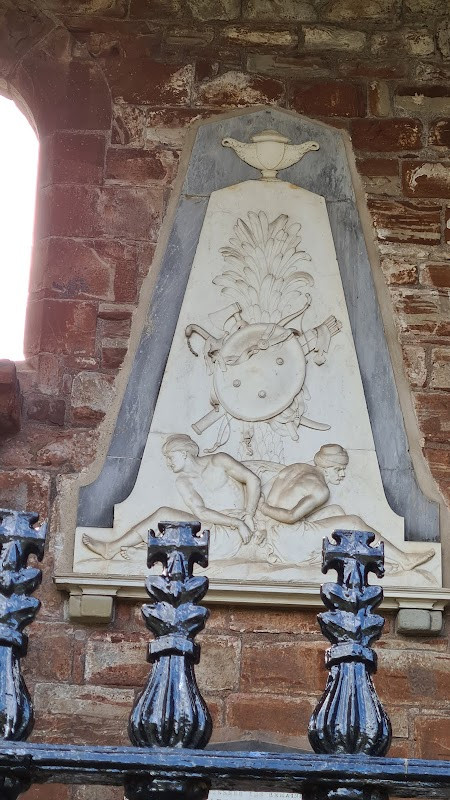
The tomb of Bishop Fraser lies inside the ruins, his figure half-broken but recognisable in its folds and staff. No barrier surrounds it. You can walk right past and not know what you are seeing unless you stop.
It is a good place to begin or end a walk. Or to sit for a moment and think about how long it has been here.
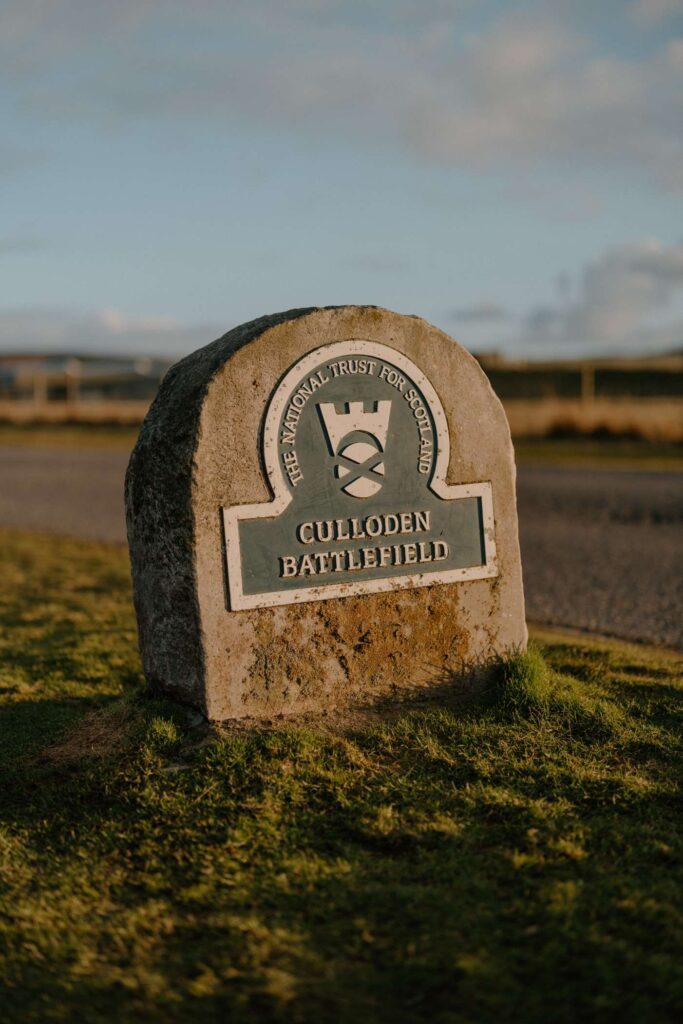
Culloden Visitor Centre
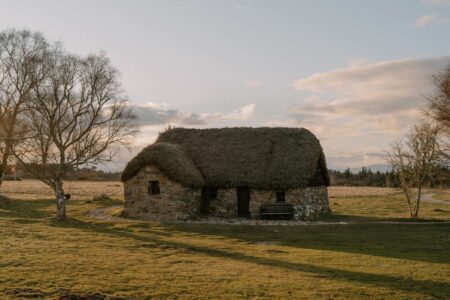
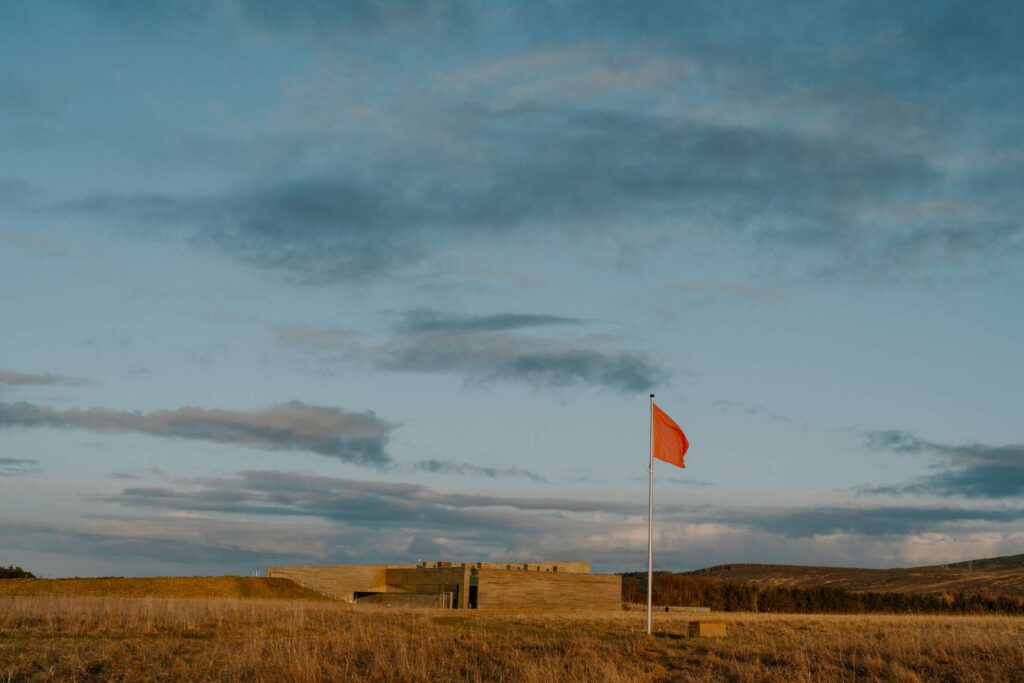
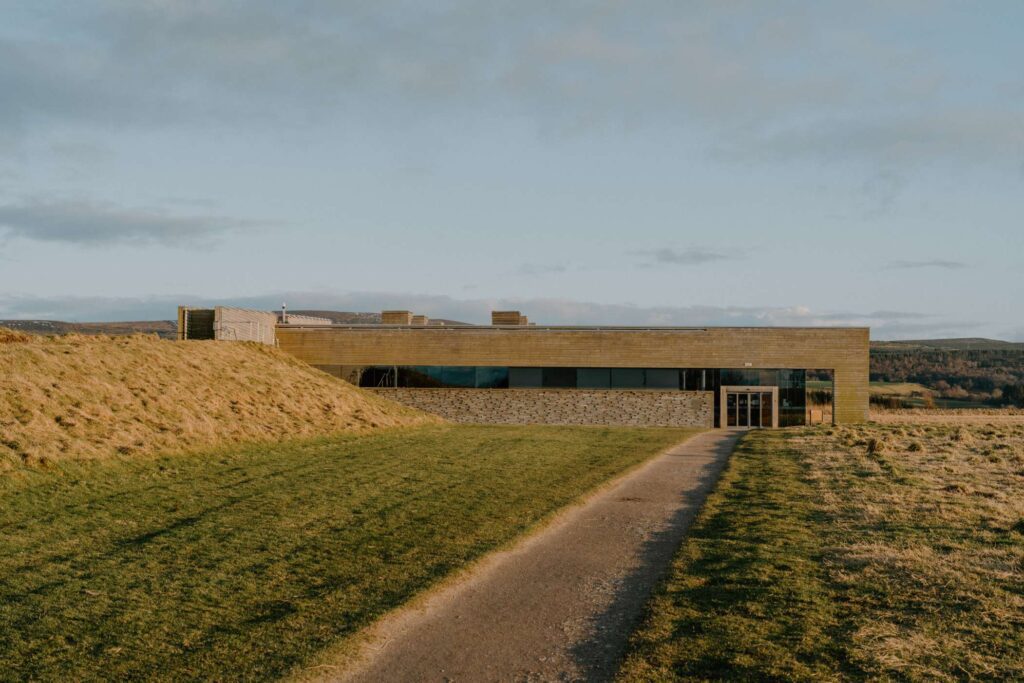
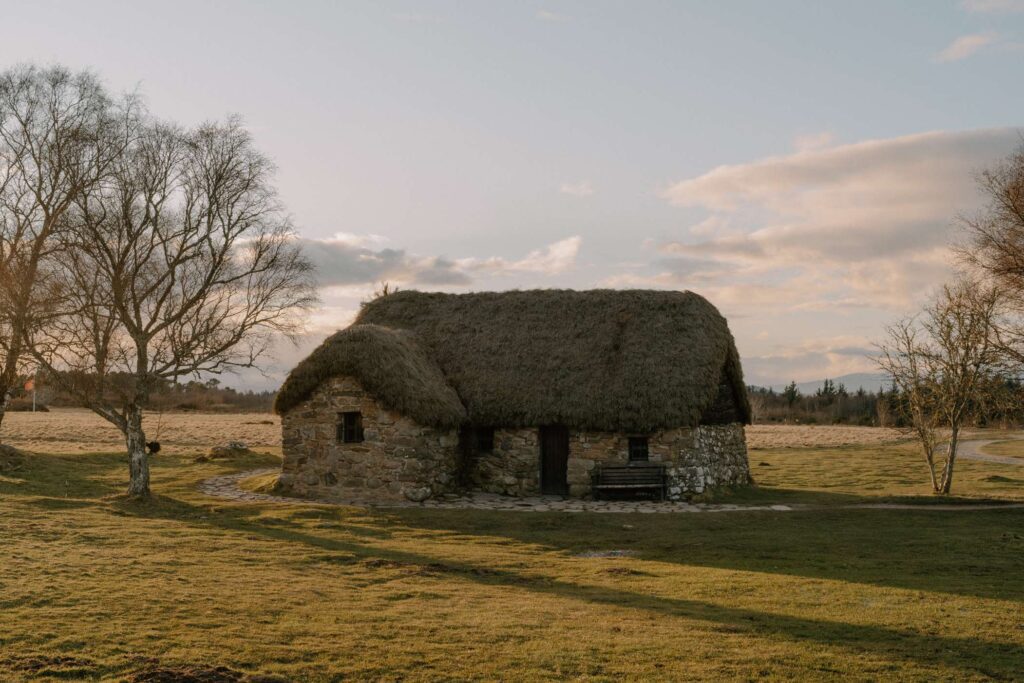
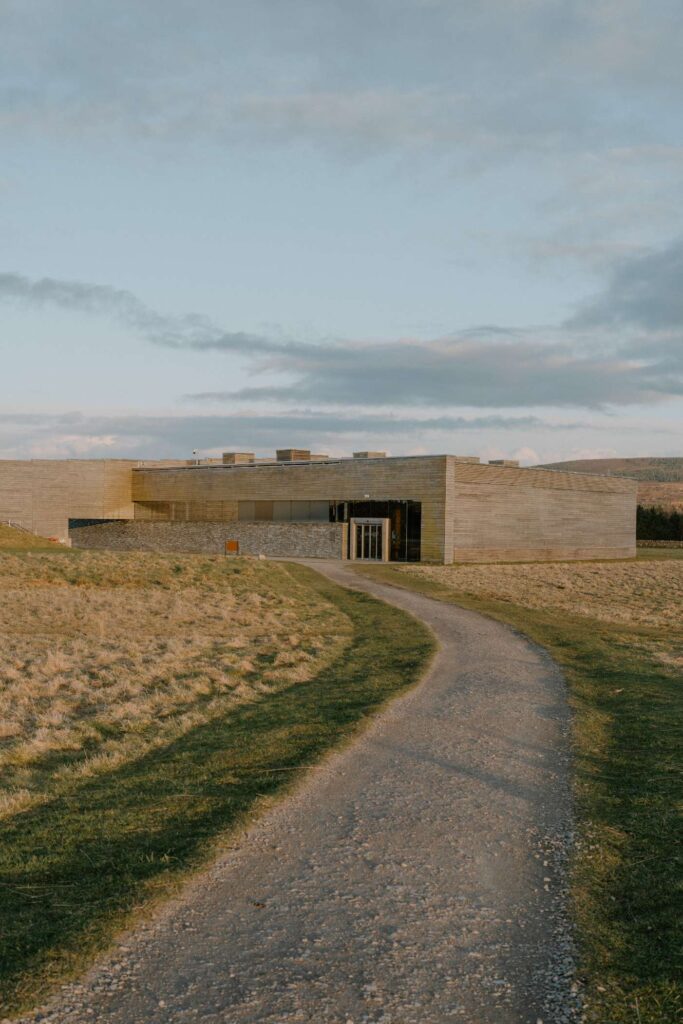
There is a shift in tone at Culloden. This is not a place for light curiosity. You arrive at the visitor centre, modern and well laid out, but everything leads back to the moor. That is where it happened. A clear April morning in 1746. Over a thousand men killed in less than an hour.
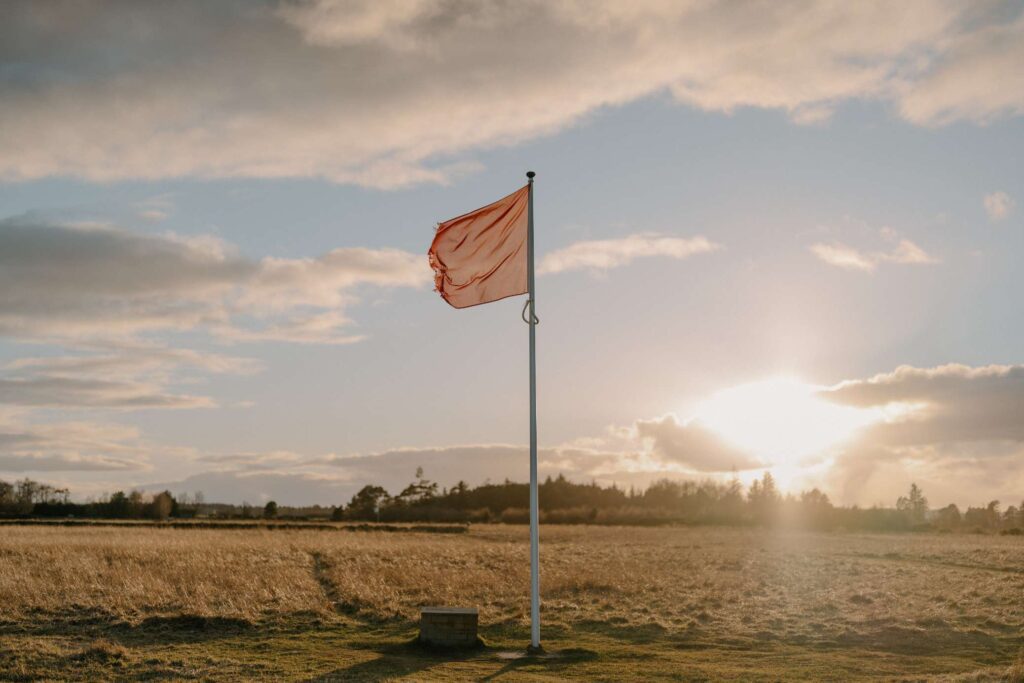
You can walk it with a guide or take the path alone. Flags mark where each line stood. Blue for the Jacobites. Red for the Government troops. Along the path are stone markers for each clan. Most just say Fraser or MacDonald. Some are surrounded by coins or flowers. Others are bare.
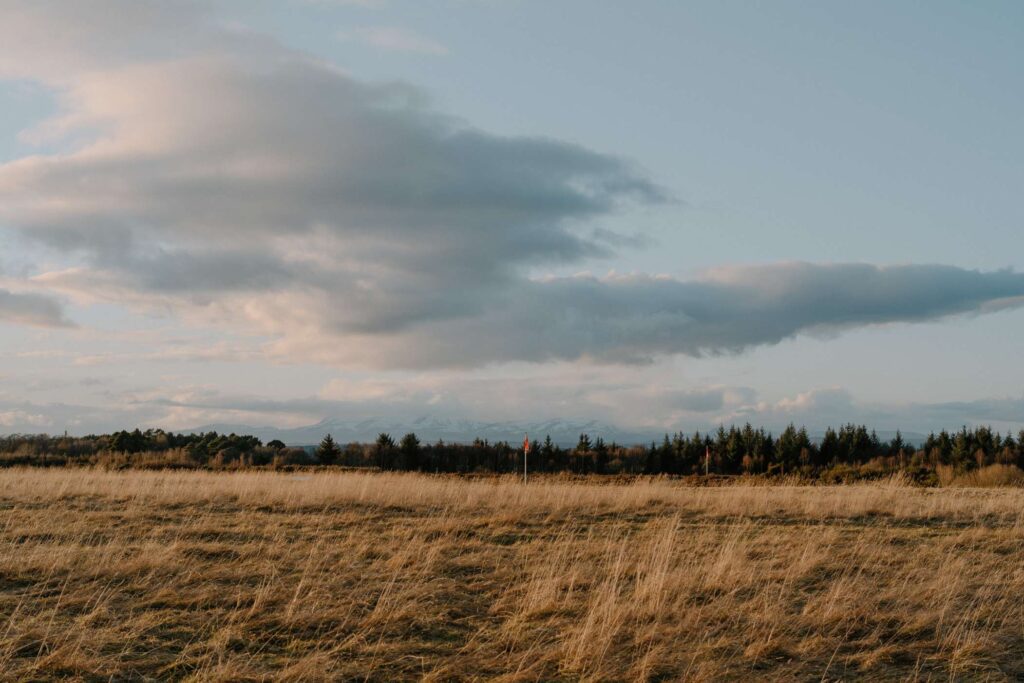
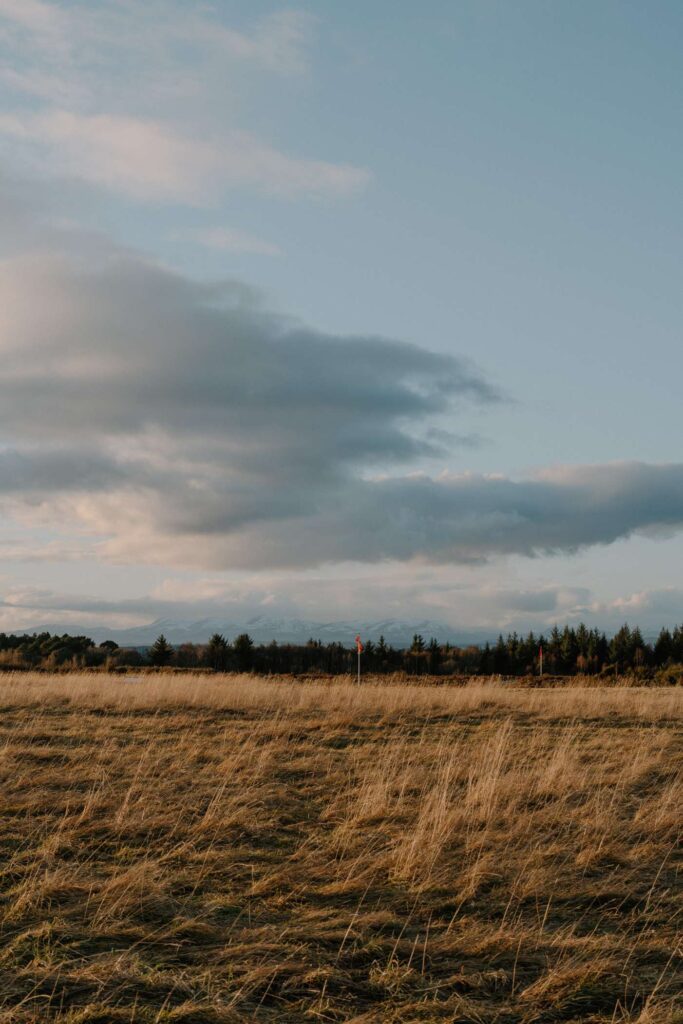
The field is flat, and when the wind is up it moves through fast. You’ll want a coat even in summer. And time to walk slowly. The centre itself is worth an hour. The battlefield asks for a little more.
It is not a dramatic place. But it is one of the most important.
Clava Cairns
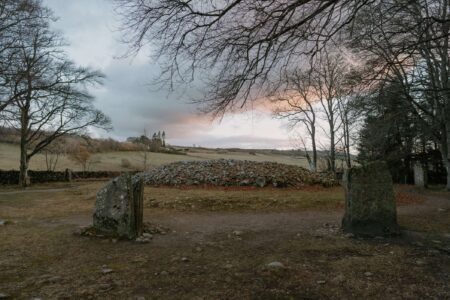
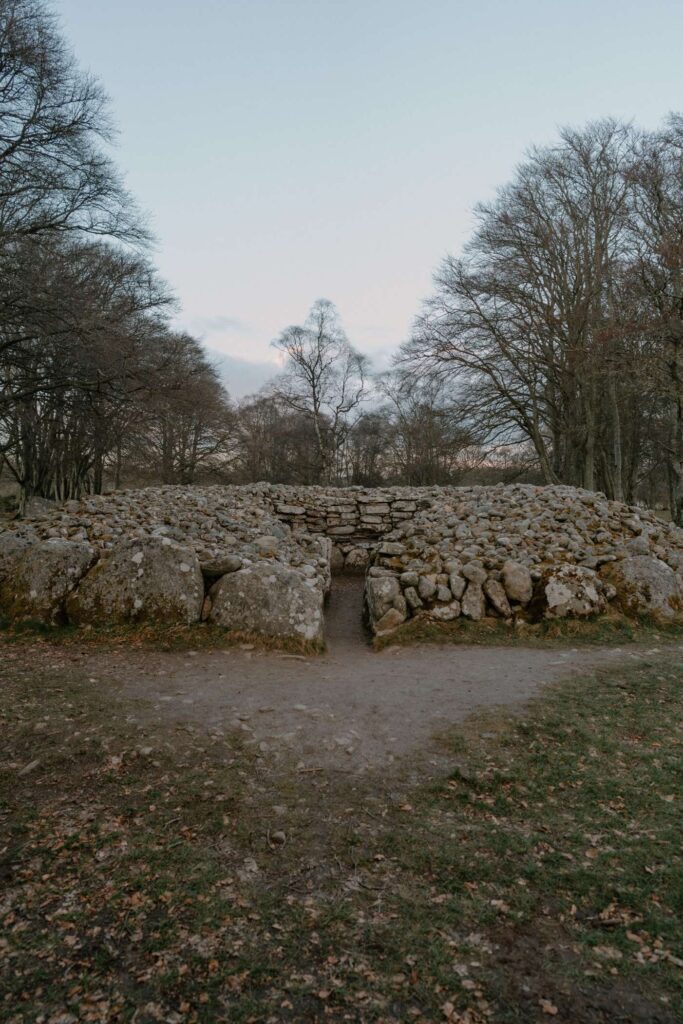
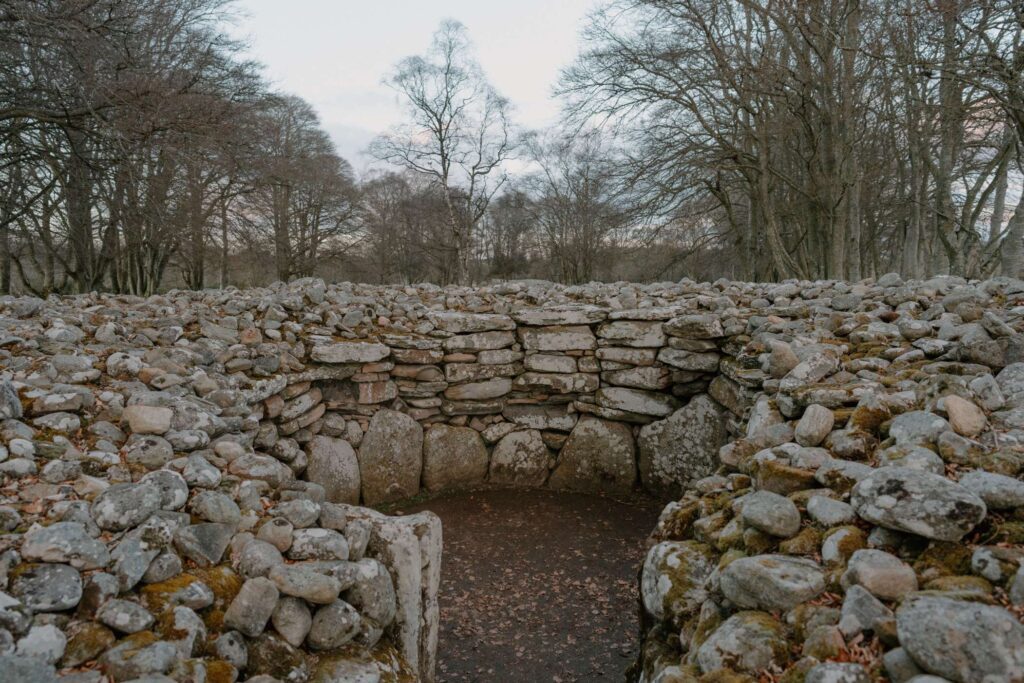
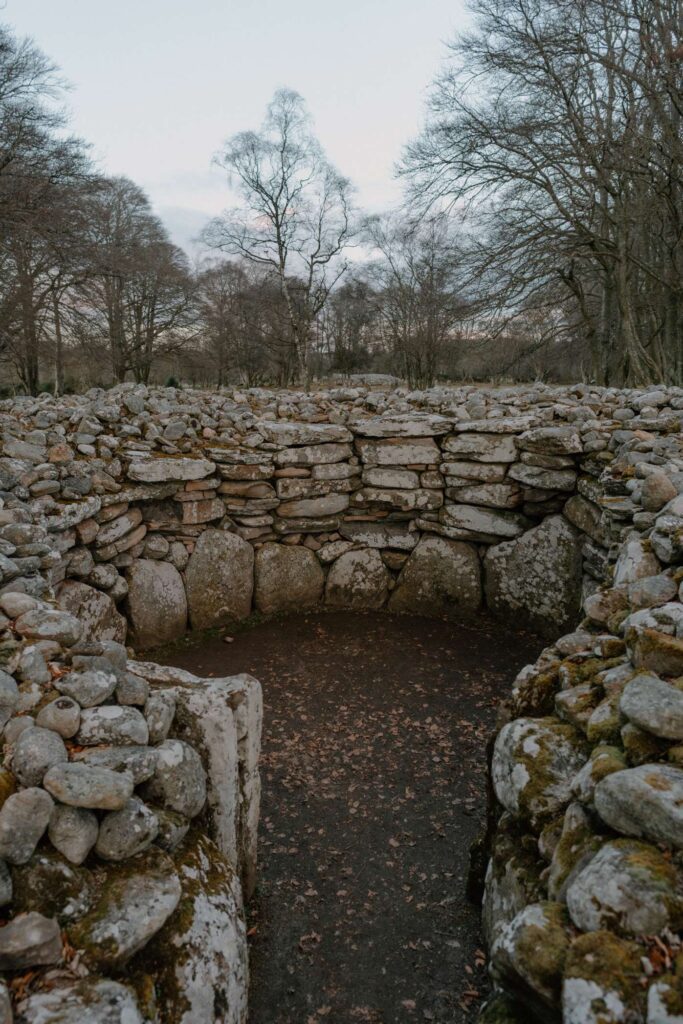
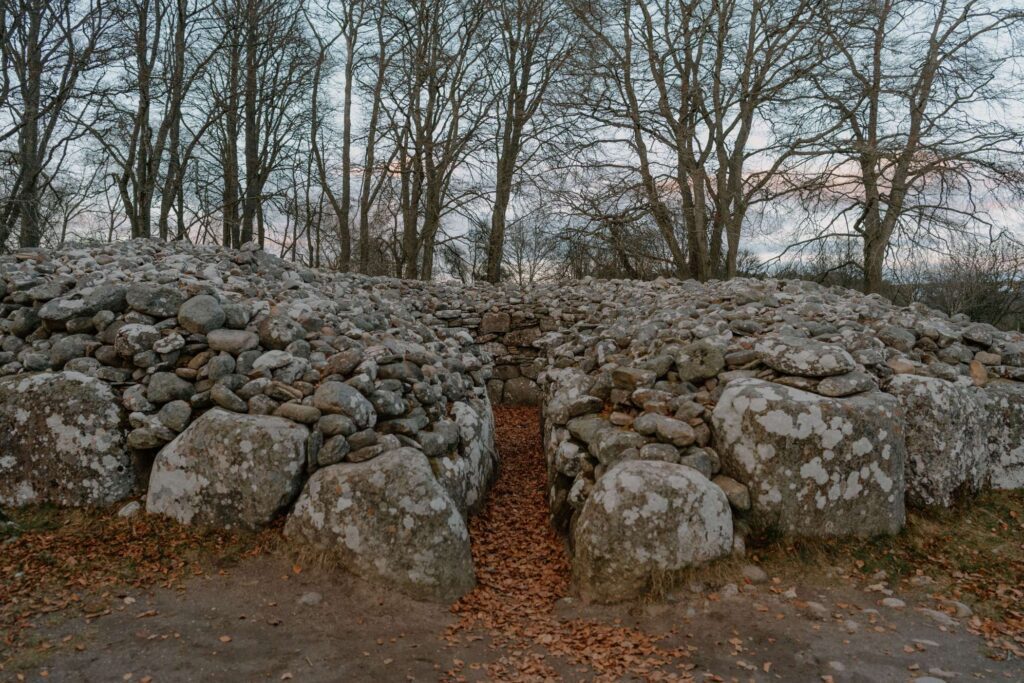
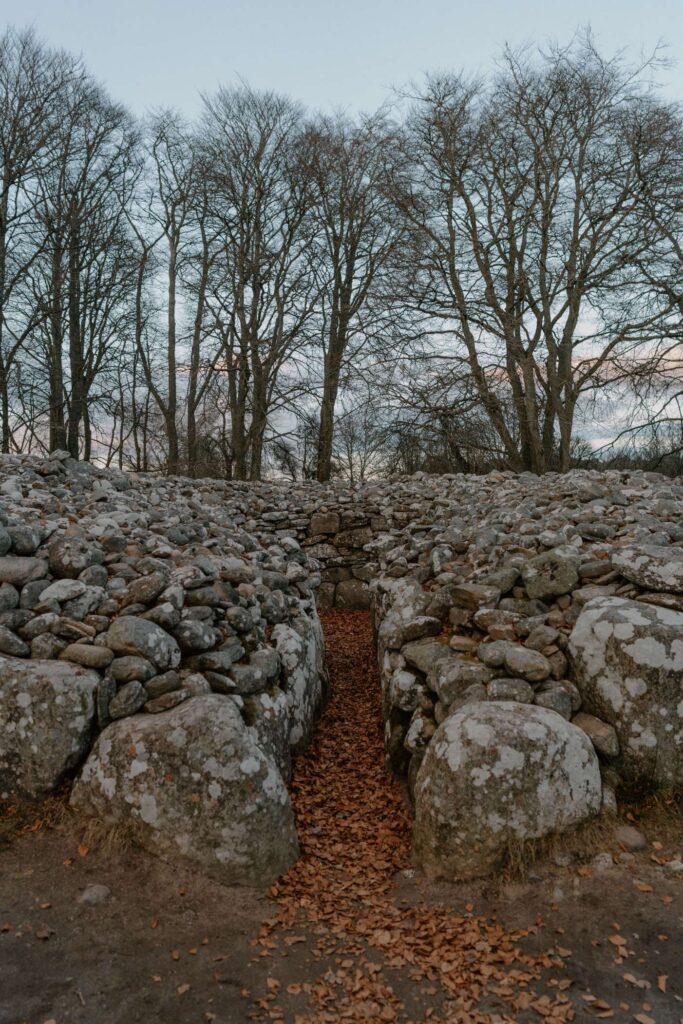
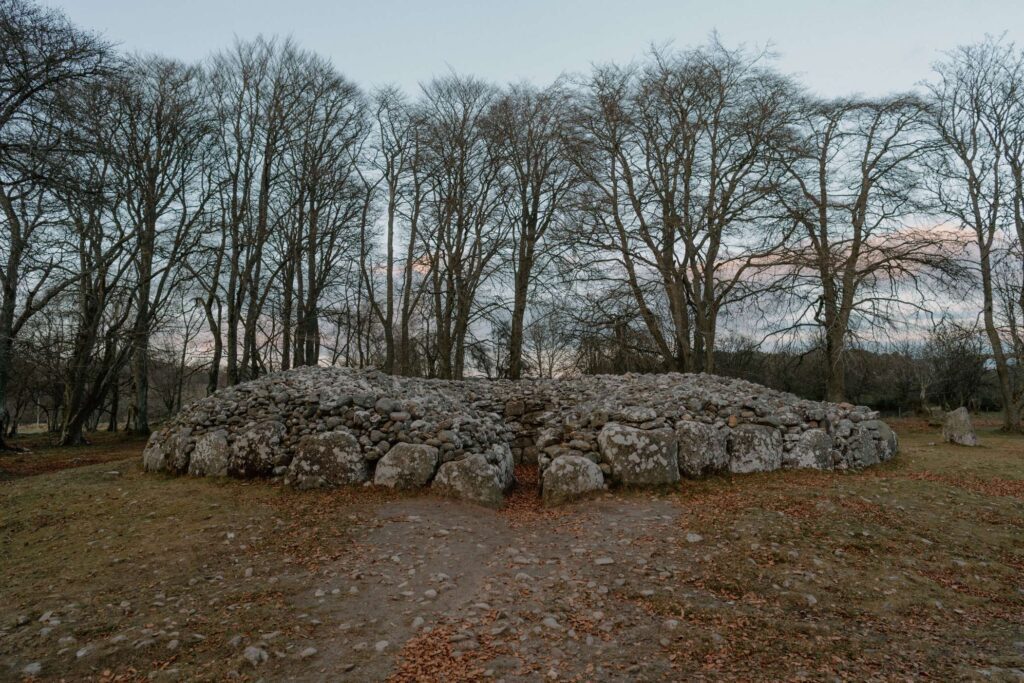
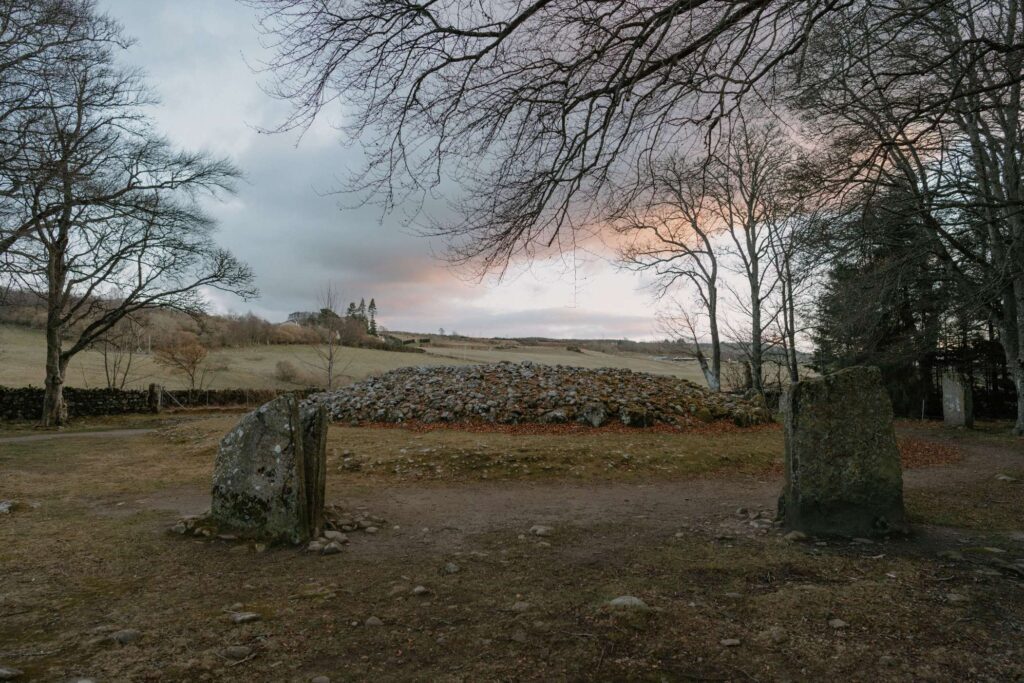
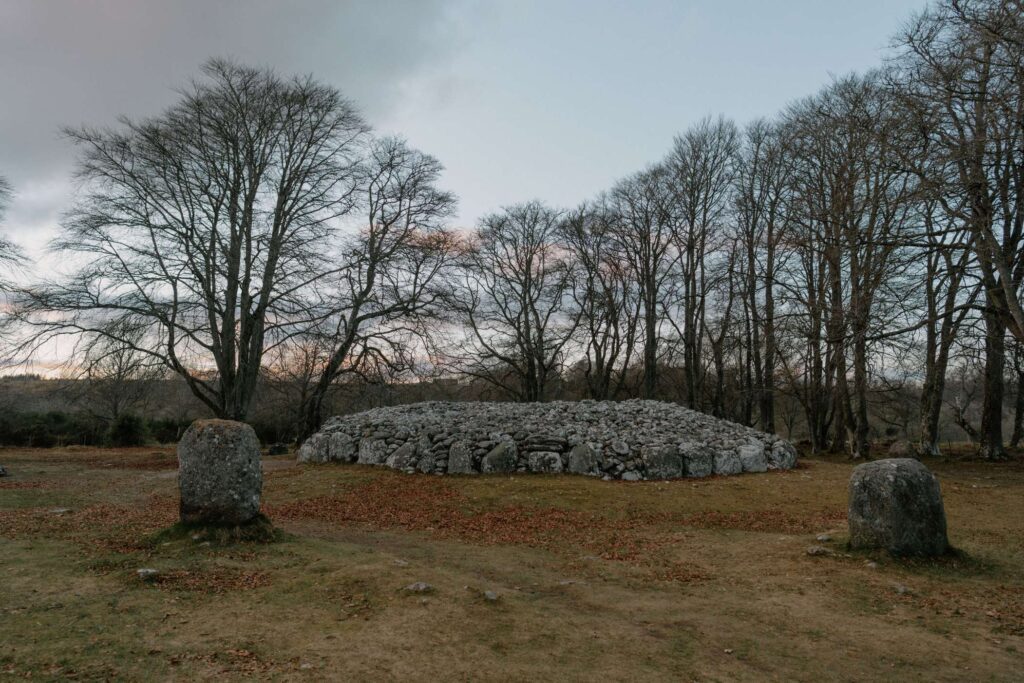
You might not see anyone else here. That is part of the appeal. A simple pull-in from the road leads to a low gate and a short walk into the trees. The Clava Cairns sit in a ring of woodland, older than almost anything else you will visit.
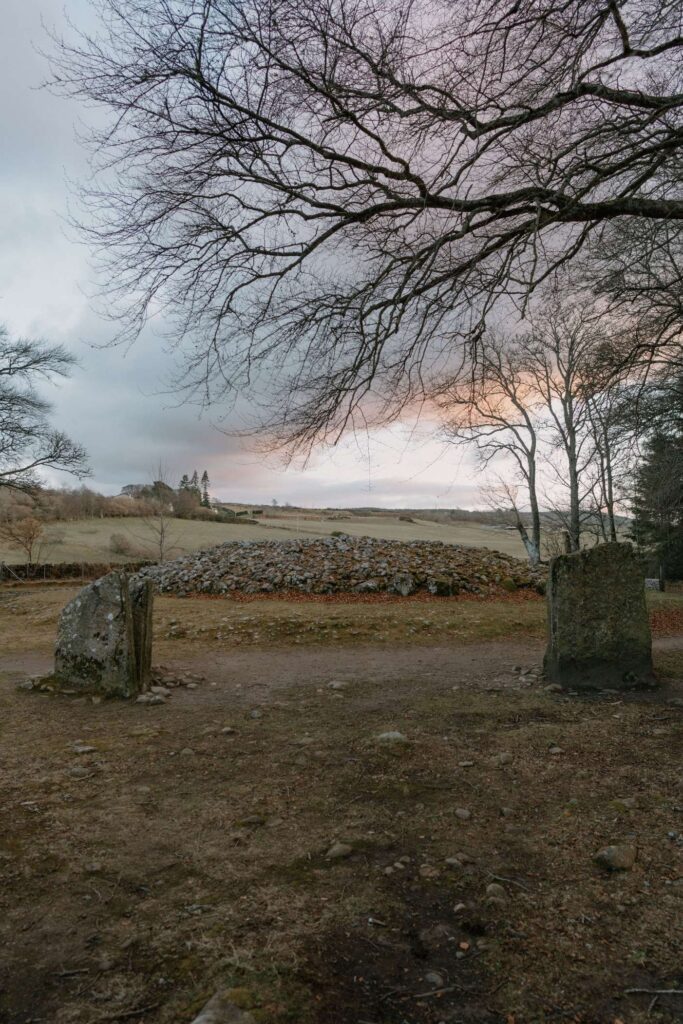
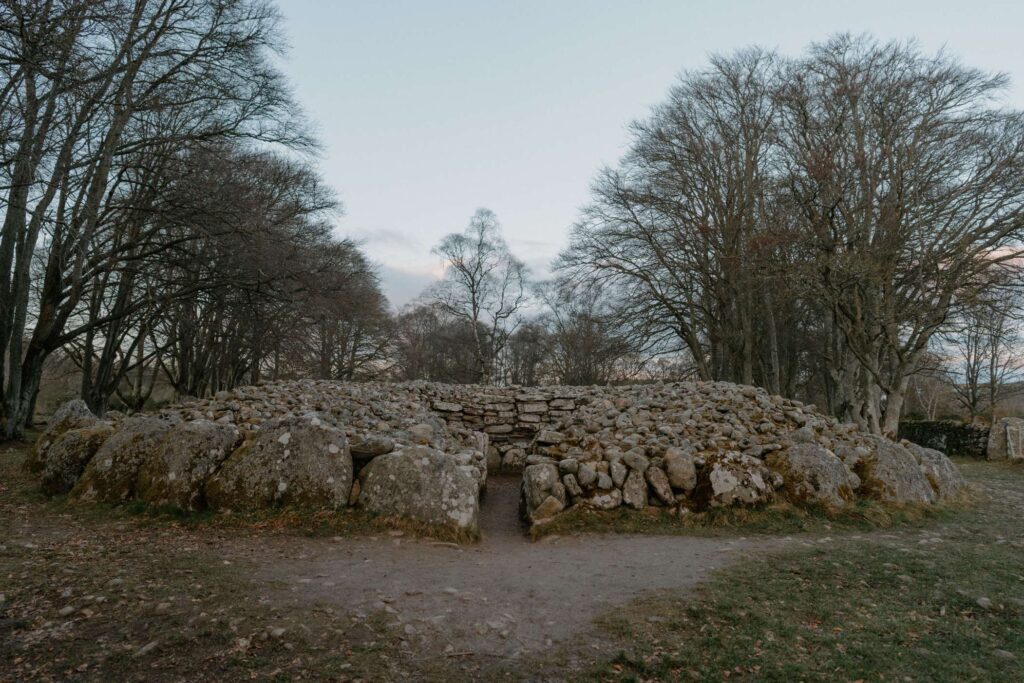
There are three cairns, each with a central chamber, and each surrounded by standing stones. Some people come because of Outlander. Others because they have heard it is peaceful. Most leave quietly.
The stones are not roped off. You can walk into the chambers. Look up at the sky through the open roof. Touch the standing stones, many of which are aligned with the sun at solstice. There are no signs telling you how to feel. Just a few panels at the entrance. And silence.
If you are lucky with the light, the whole place glows. Especially in winter, when the trees are bare and the low sun catches the stones just right. This is a good place to end the day.
Return to Newhall Mains for Dinner
It’s a quiet road home. The route skirts back along the edge of the firth and over farmland before dipping into the lanes near Newhall. After a day walking through stone and silence, there’s something grounding about returning to a warm, well-lit space.
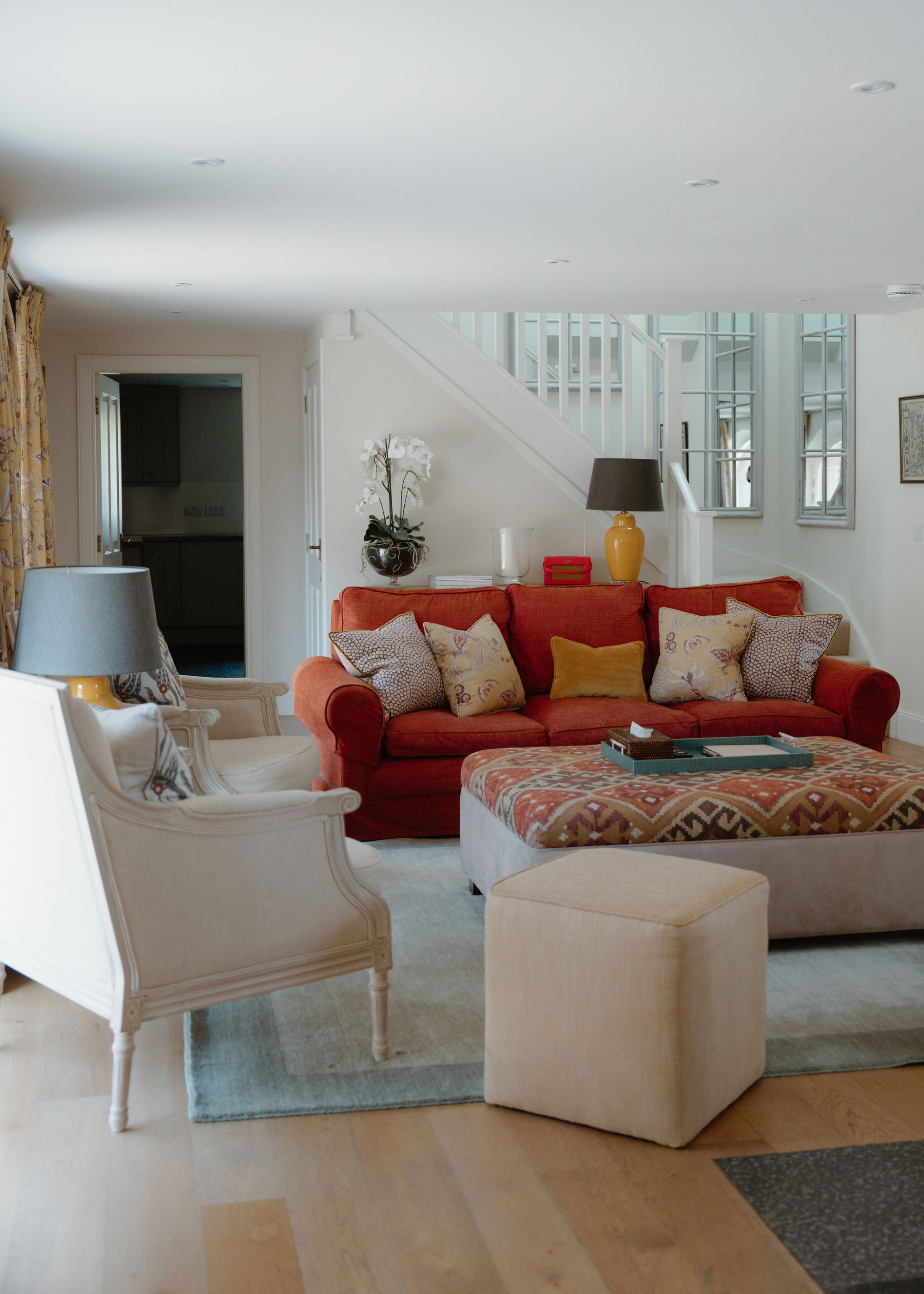
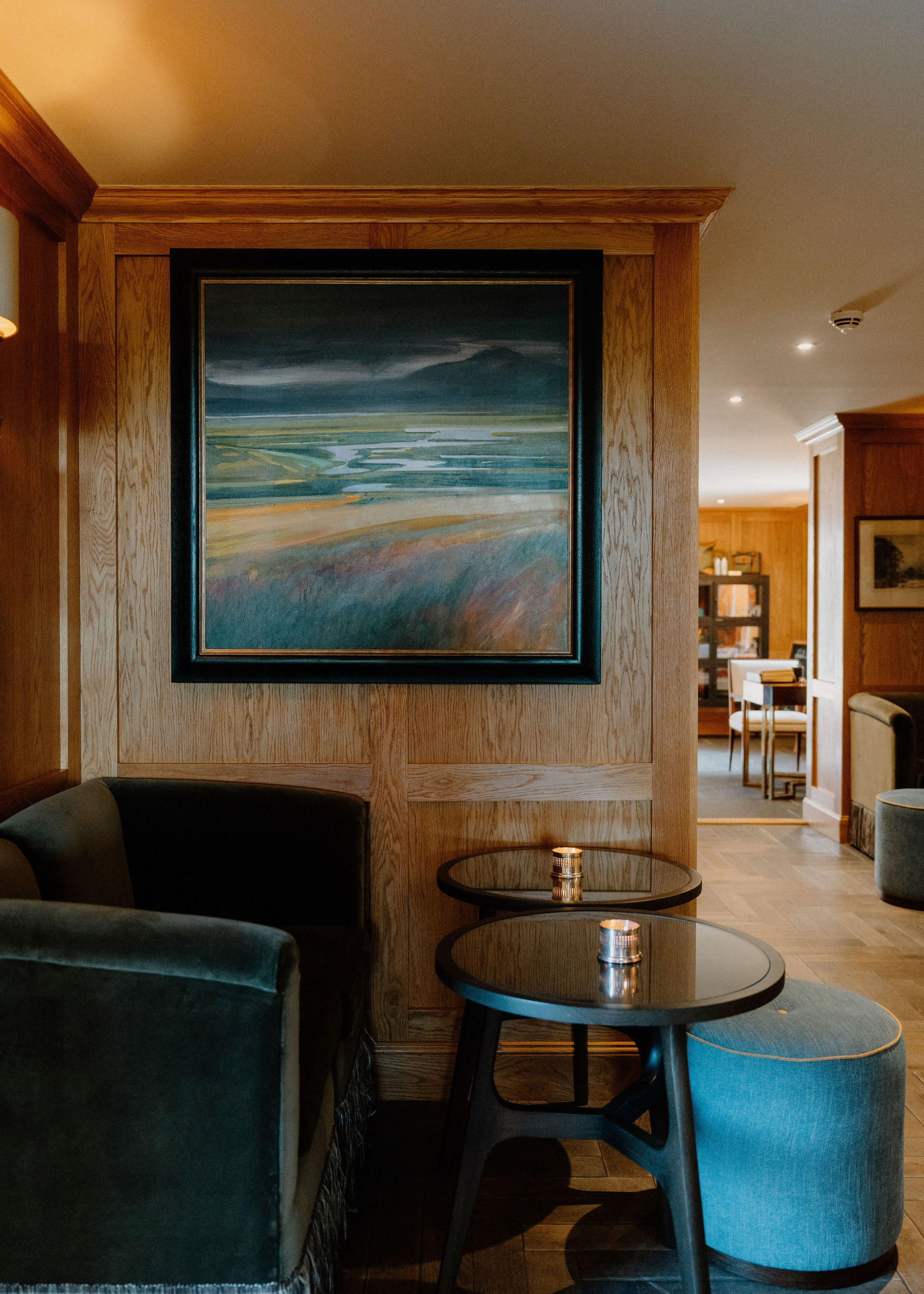
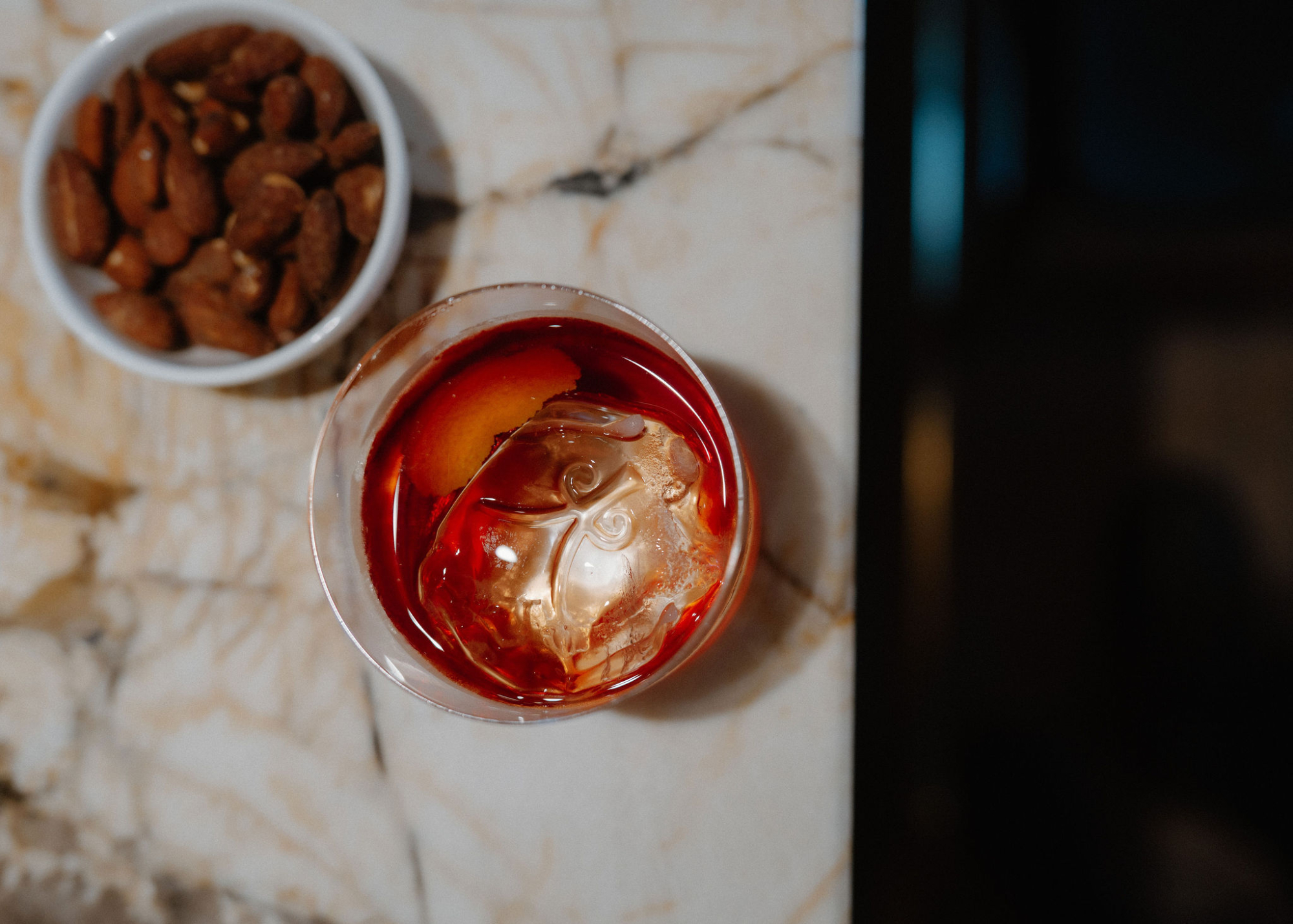
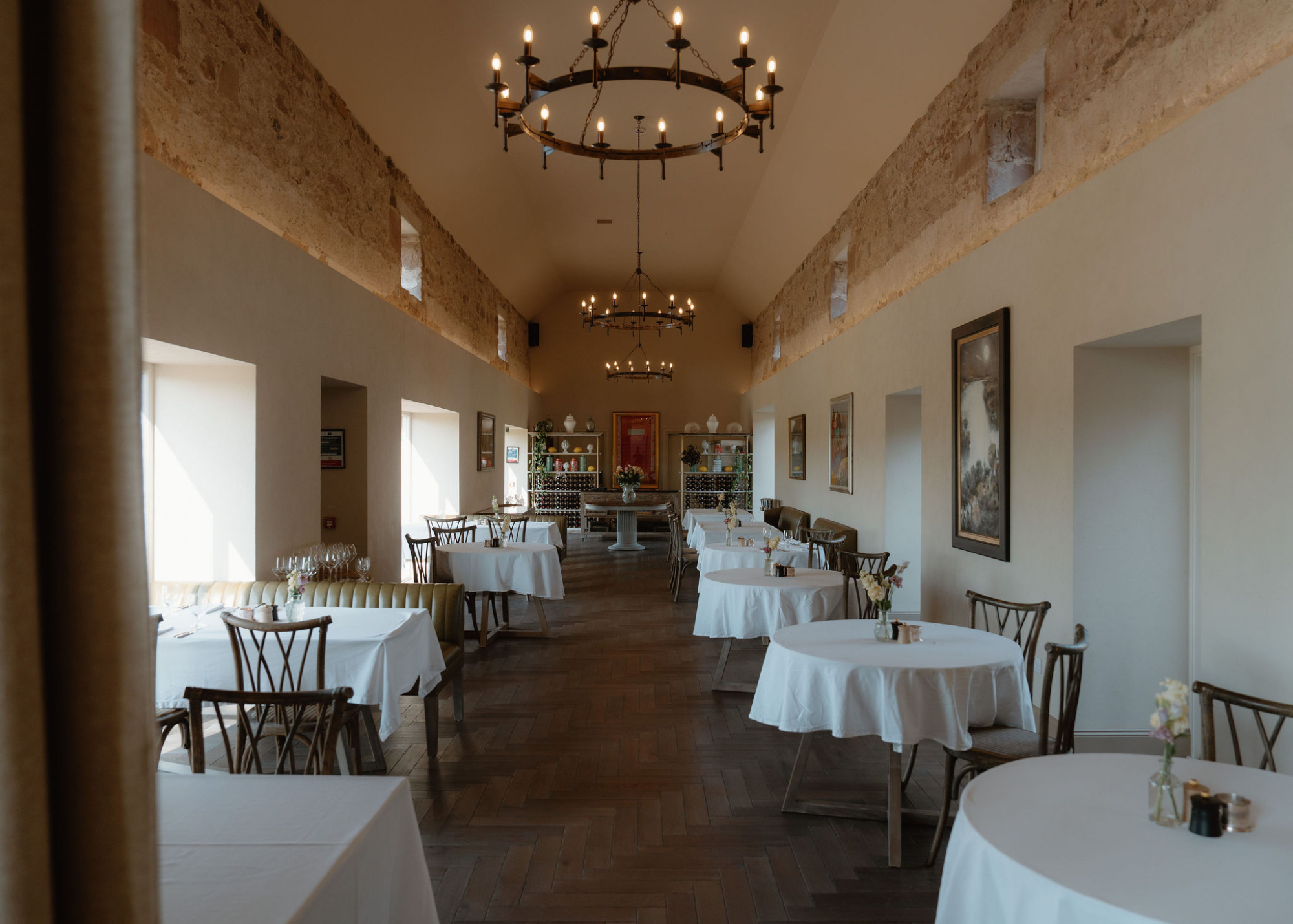
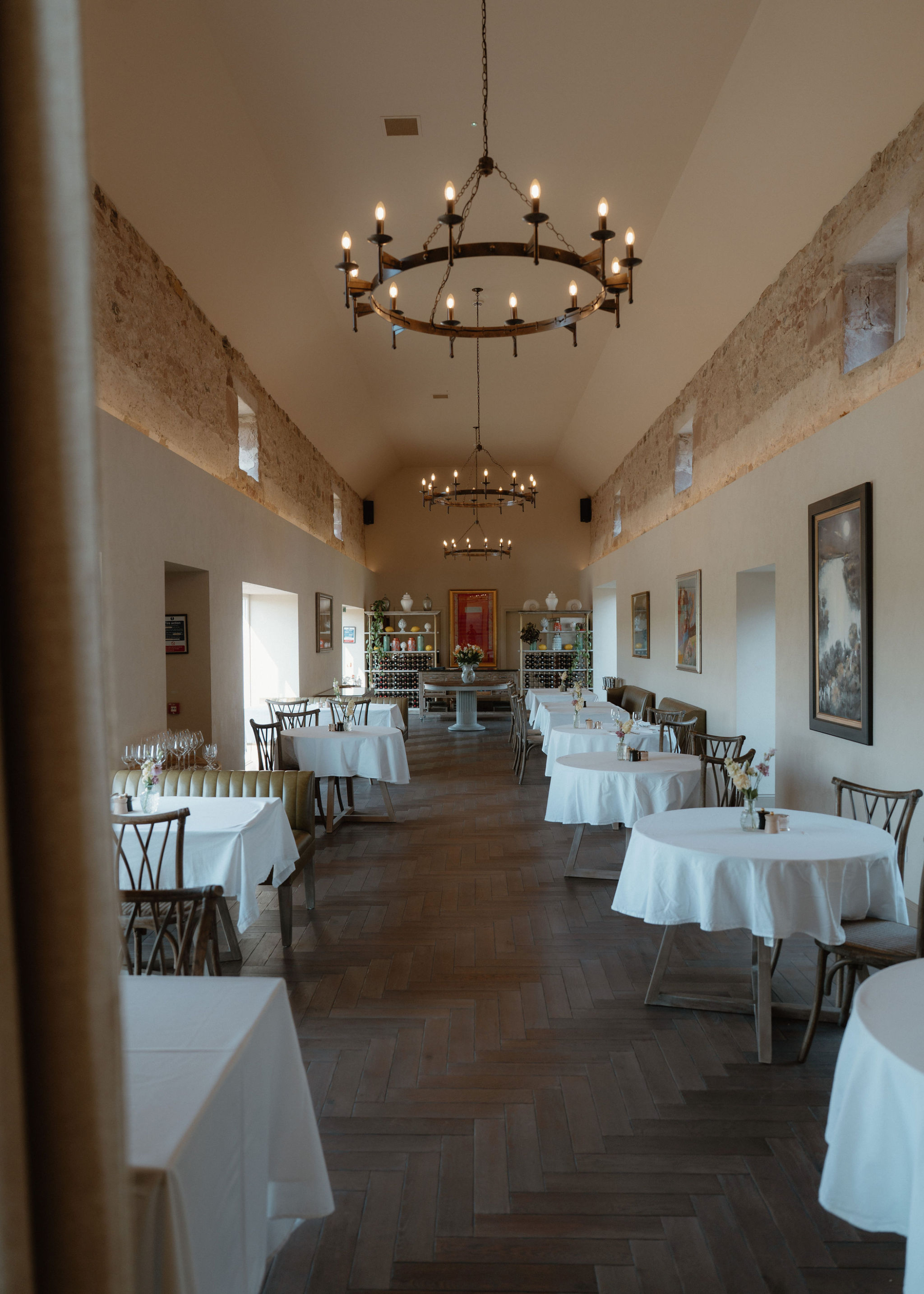
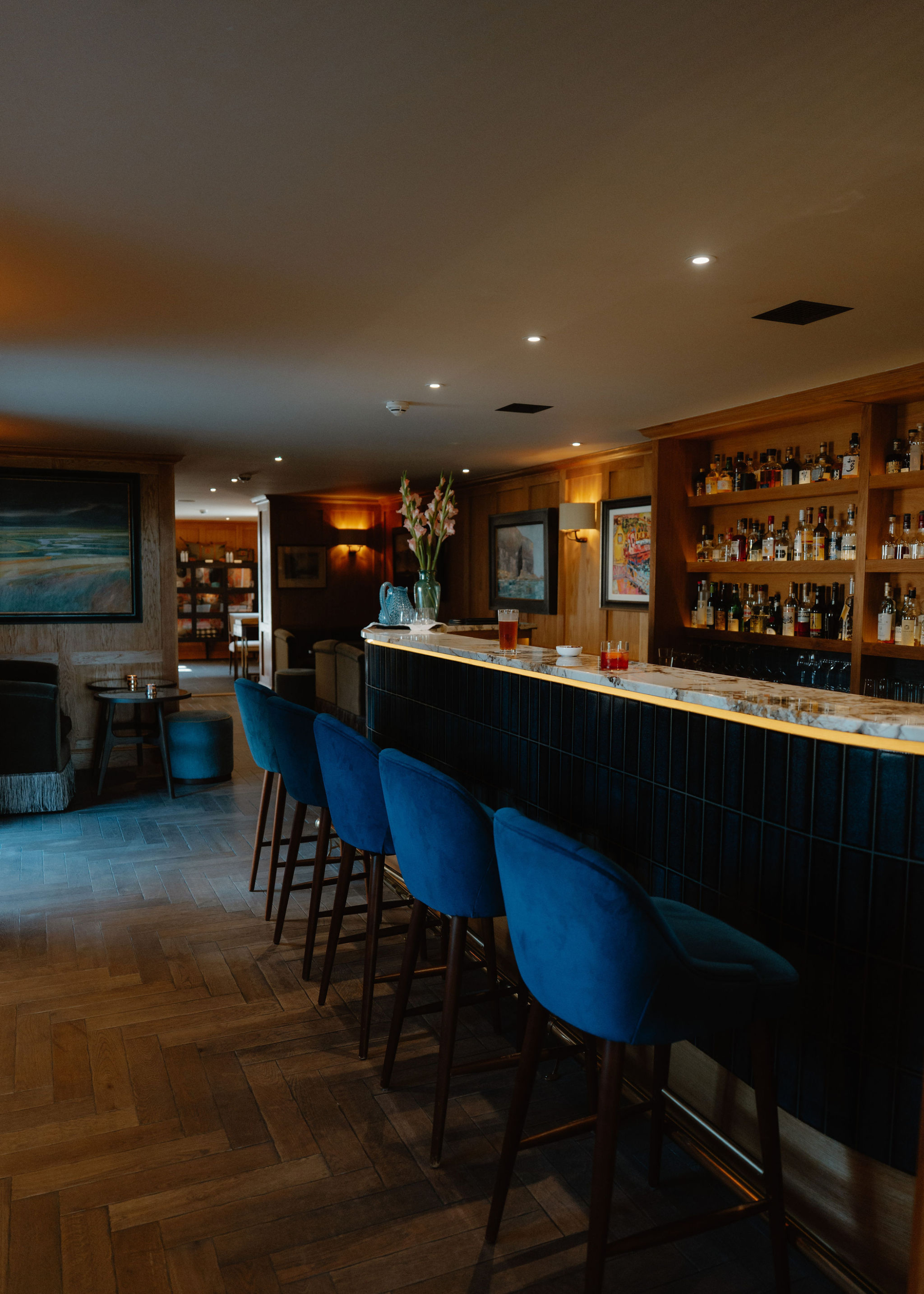
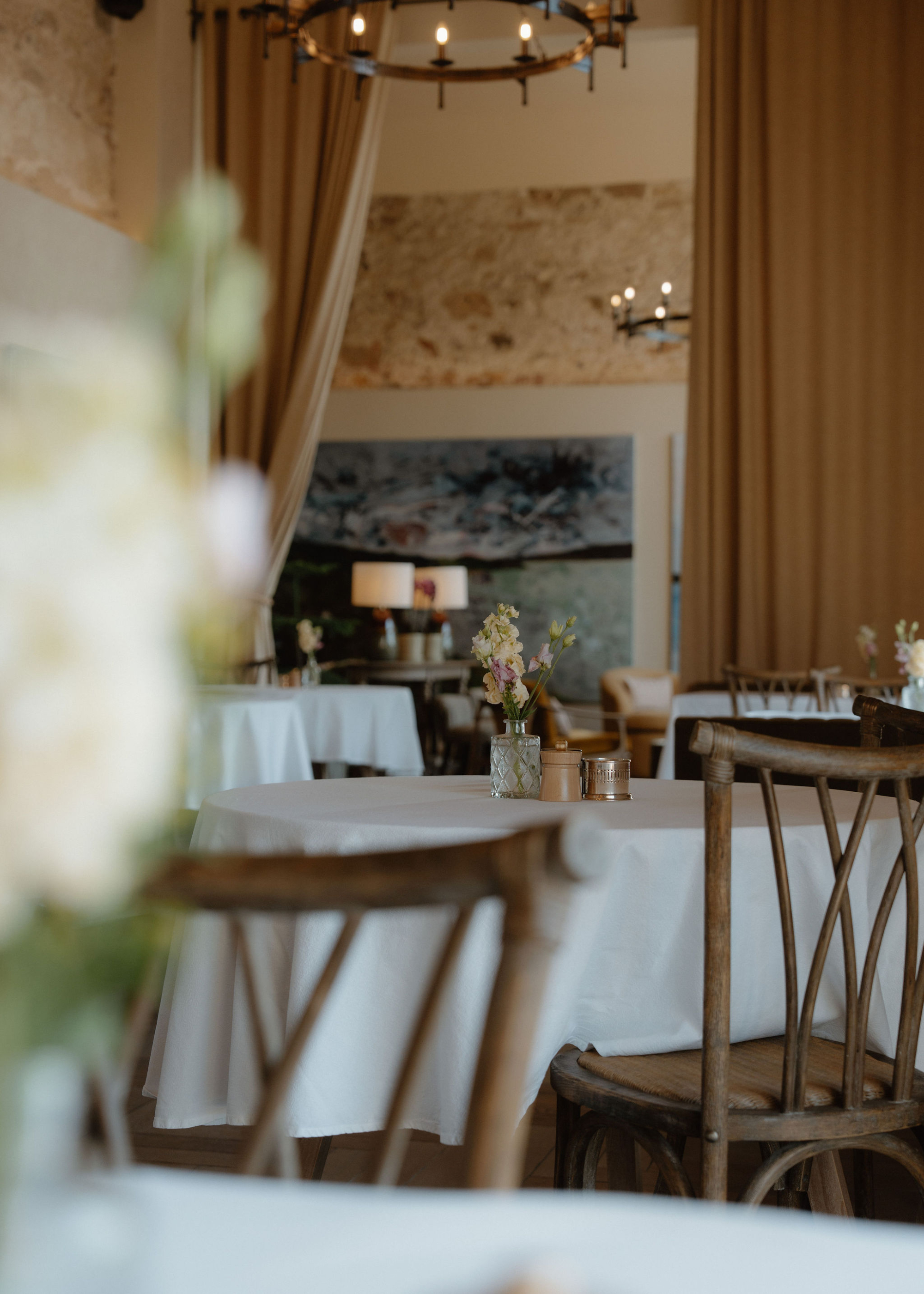
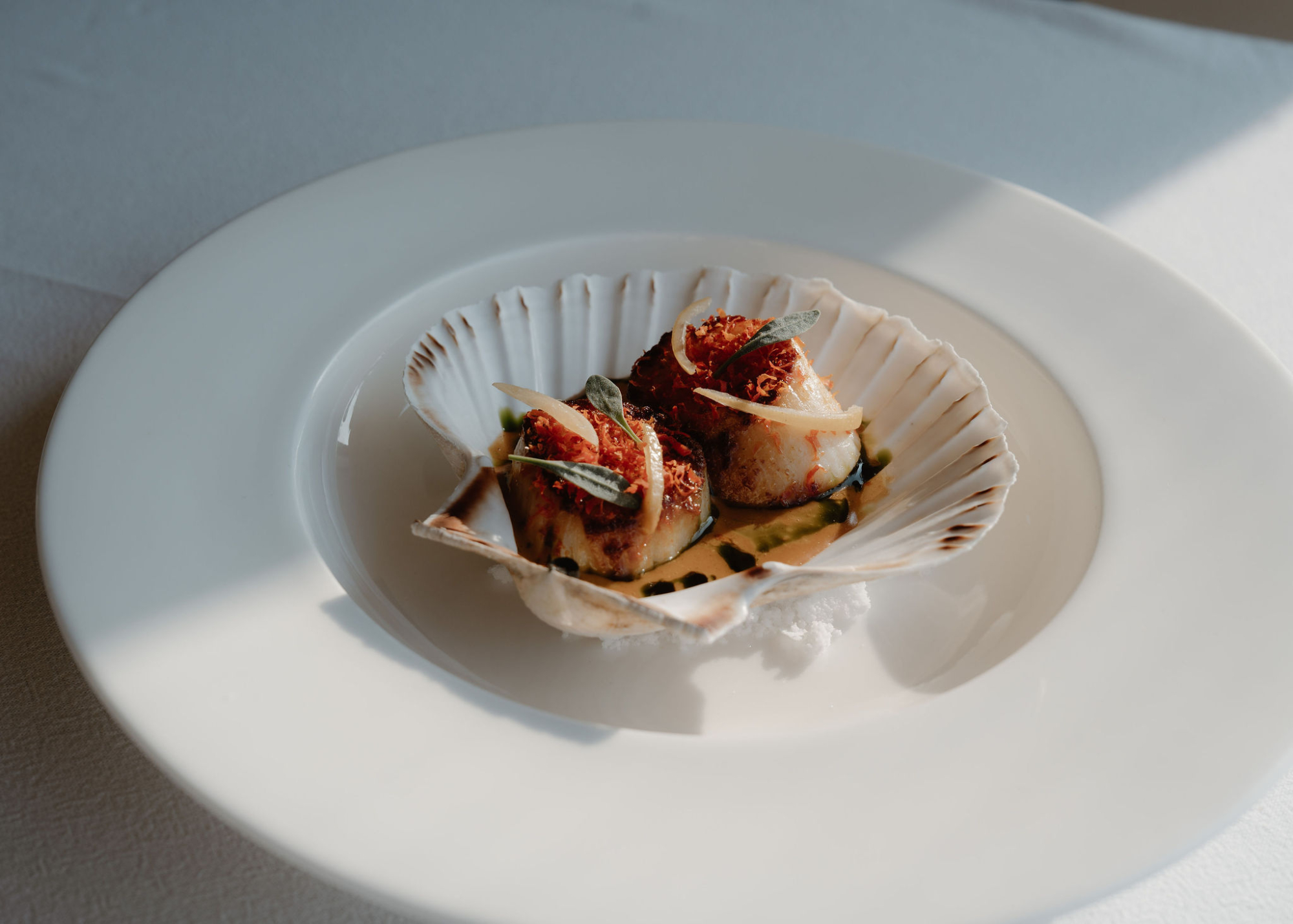
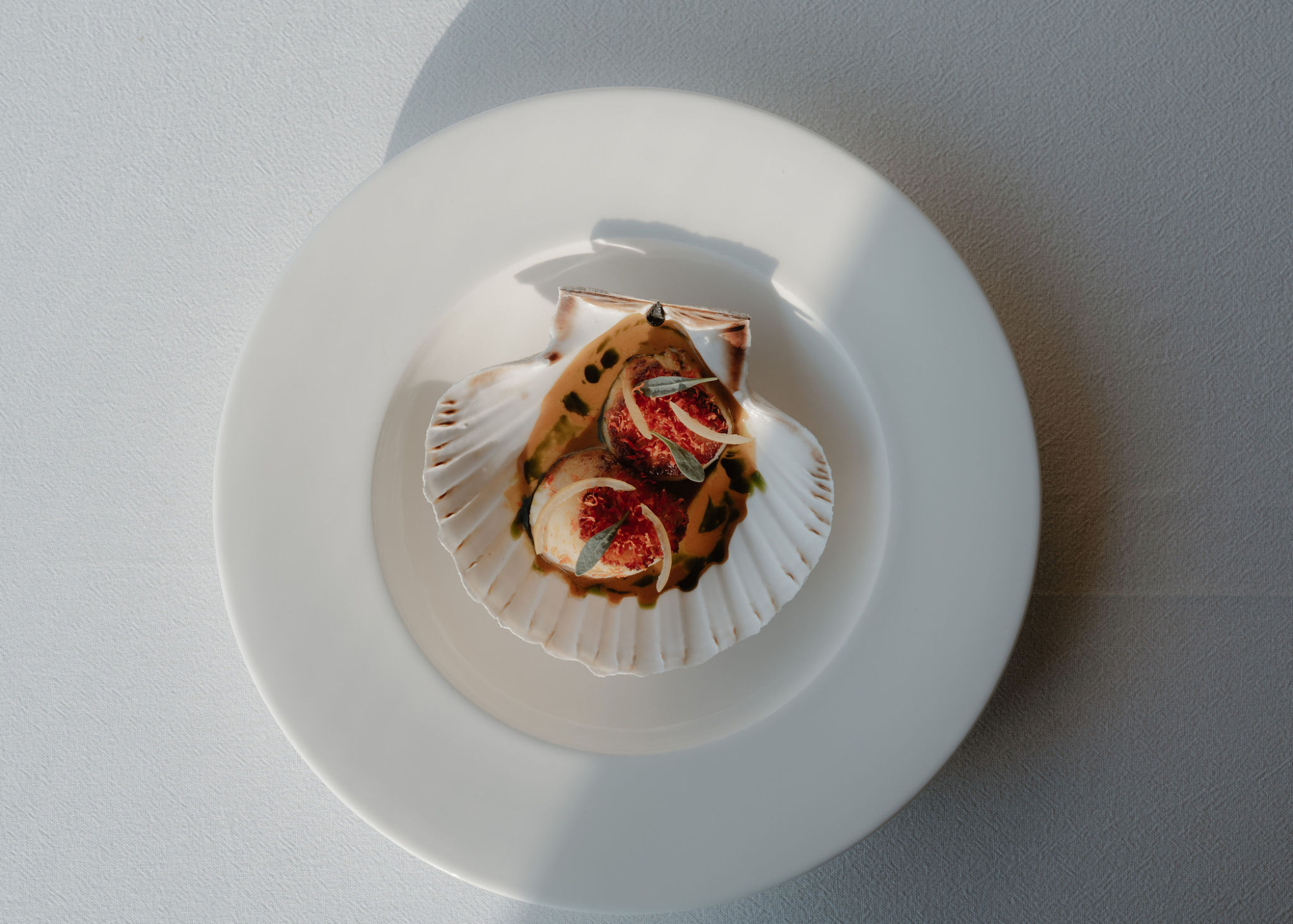
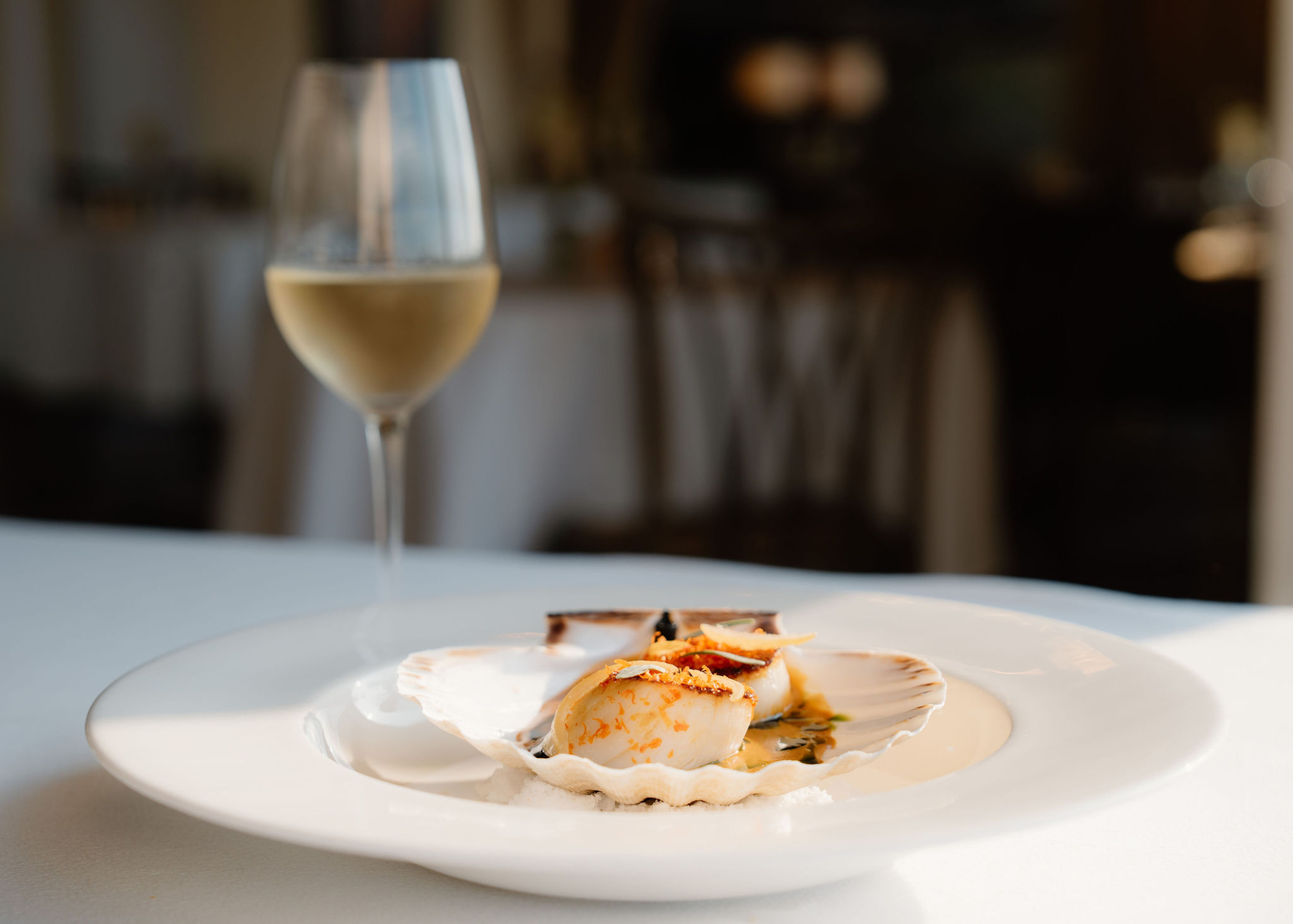
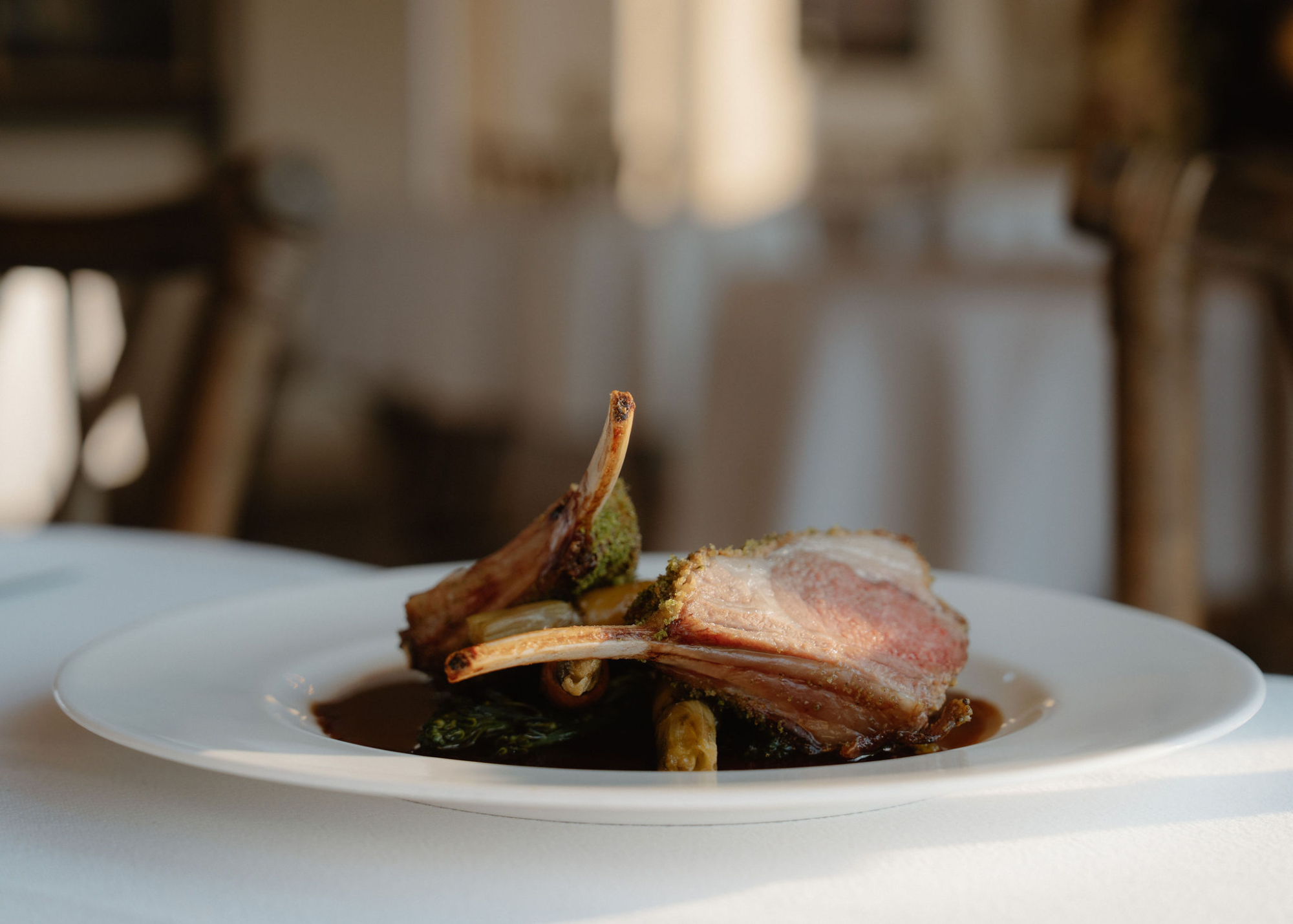
Dinner at Newhall Mains is unpretentious but exact. The menu is seasonal and leans local. You might find venison, fresh shellfish, or Highland beef depending on the time of year. Vegetables come from nearby farms. The kitchen doesn’t shout about it — but the quality shows on the plate. If you’re in earlier, take a drink into the drawing room and sit by the fire. If later, settle into the restaurant and take your time.
You’ve seen a lot today, but none of it rushed. And that’s the point. The day ends where it began, but it feels different now. A little more known. A little more connected to what came before.







 Sign in with Google
 Sign in with Email