
Following The Quiet Road Around Loch Awe
Written by Graeme Johncock
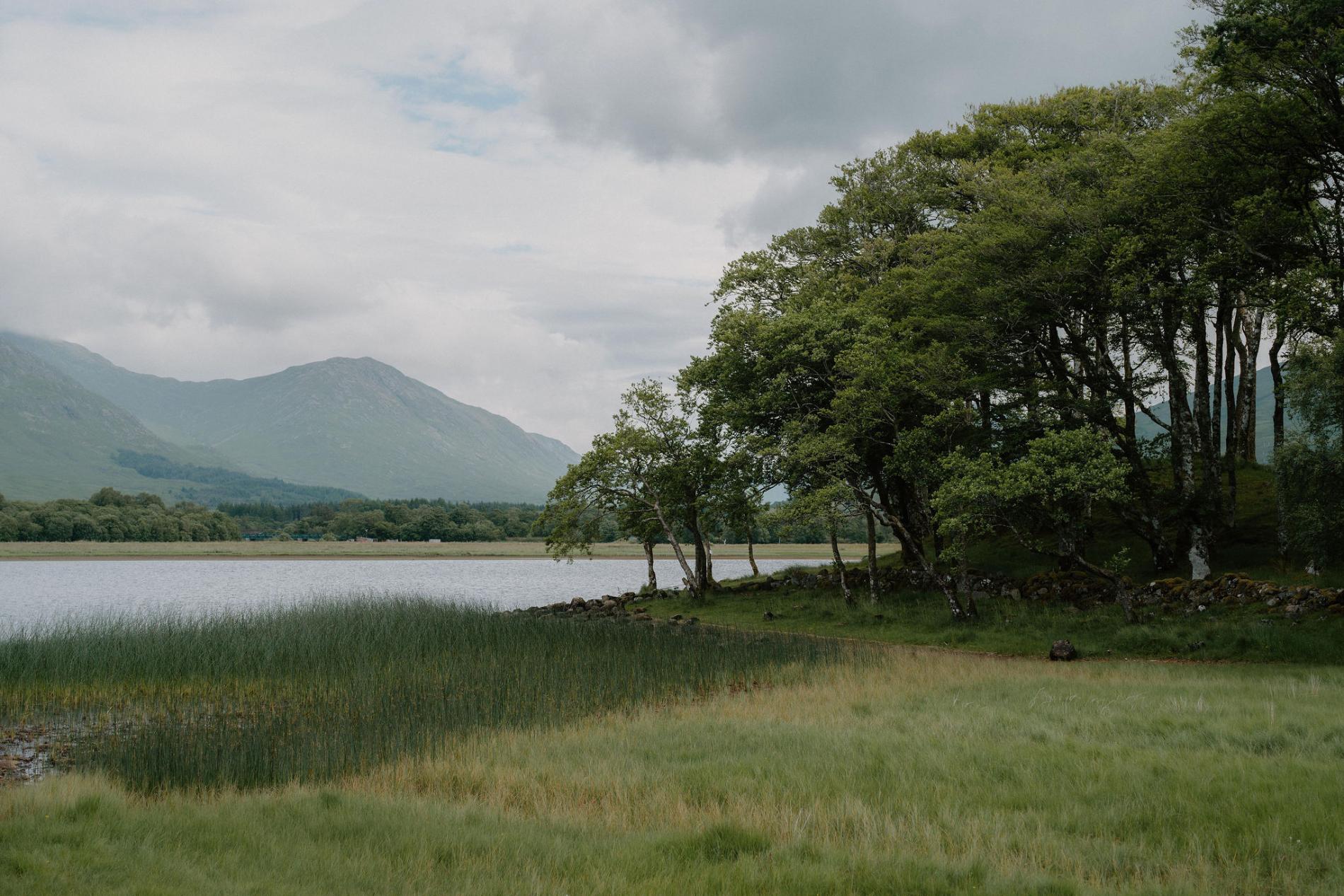
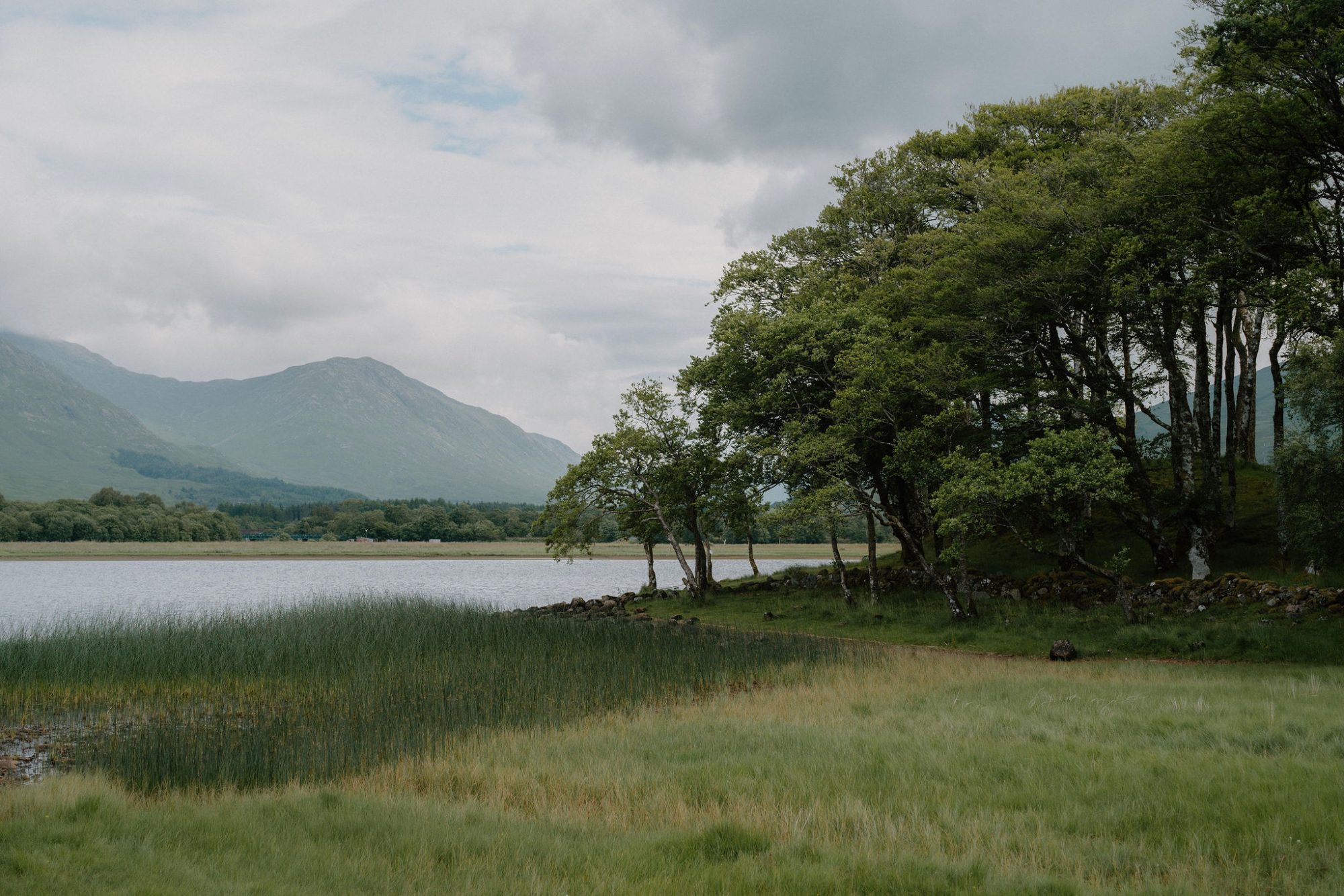
For most people travelling to Oban, Loch Awe will be a familiar sight. There are some popular stops to experience on its banks, but the main road only reveals a tiny portion. This is Scotland’s longest freshwater loch and when I turned onto the road less travelled, I discovered a quiet place with less obvious attractions, but a lot more serenity
Kilchurn Castle
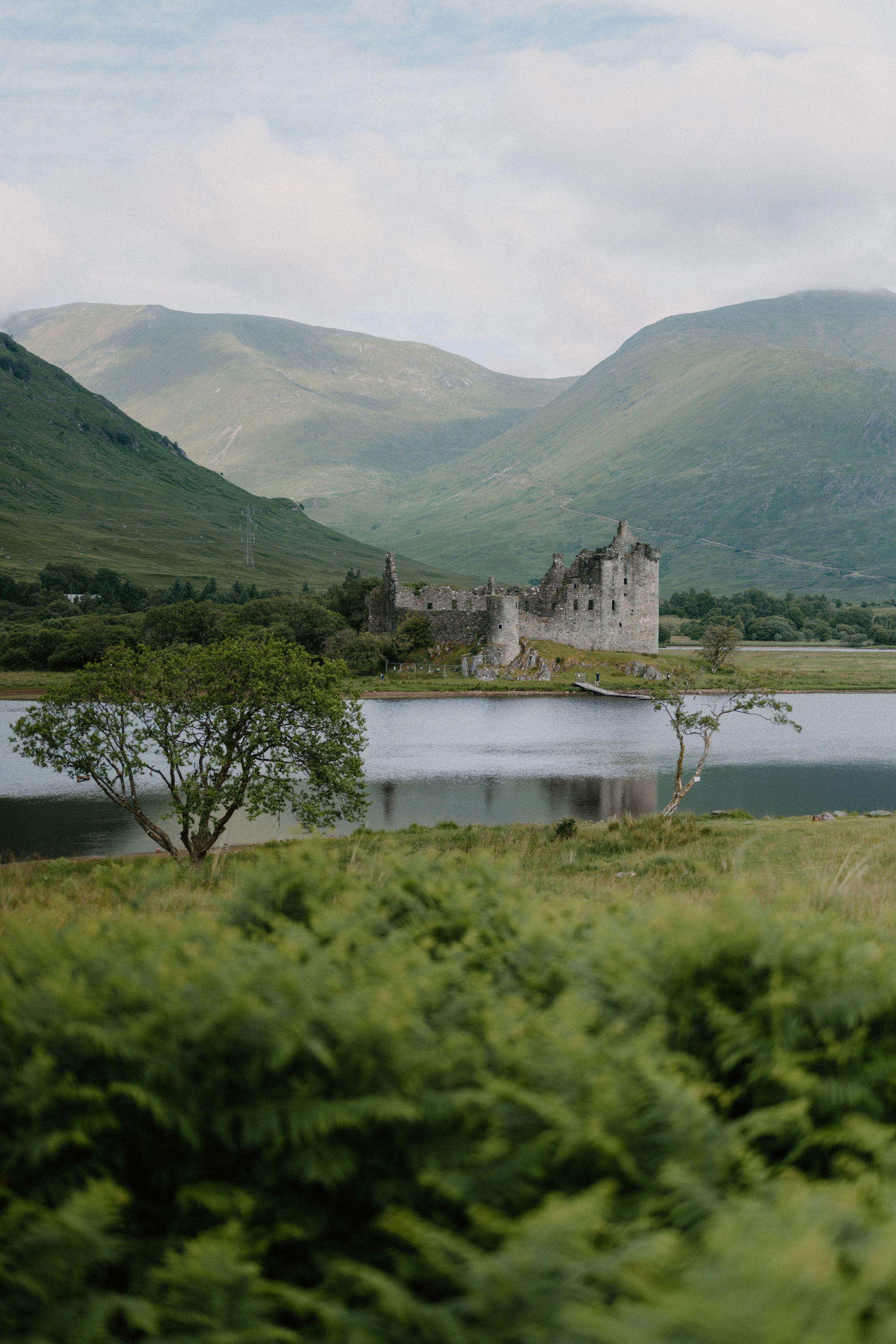
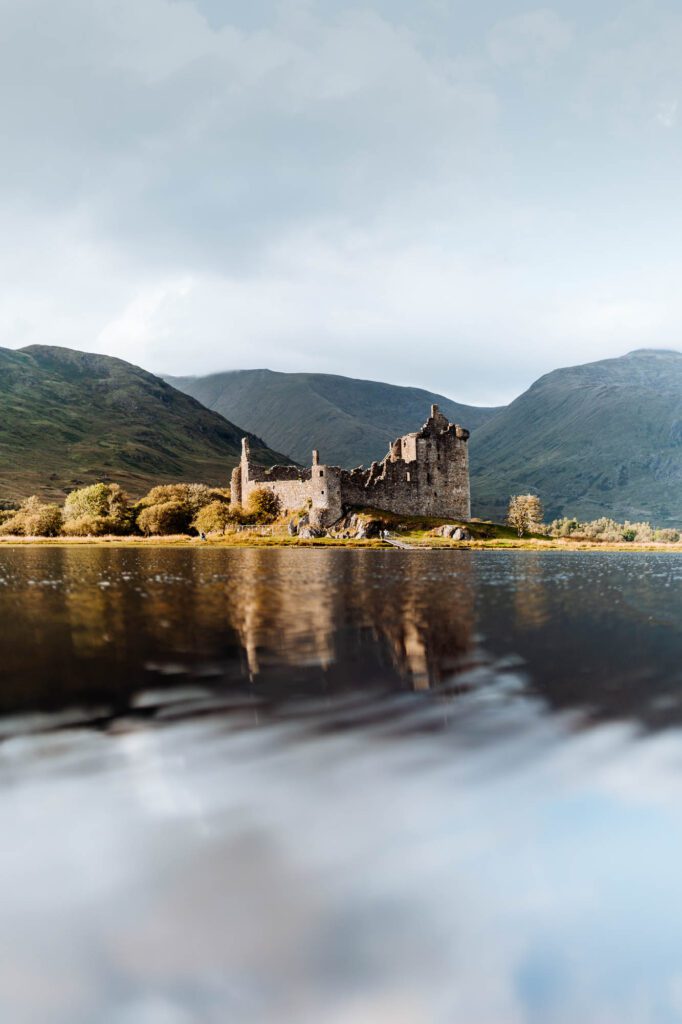
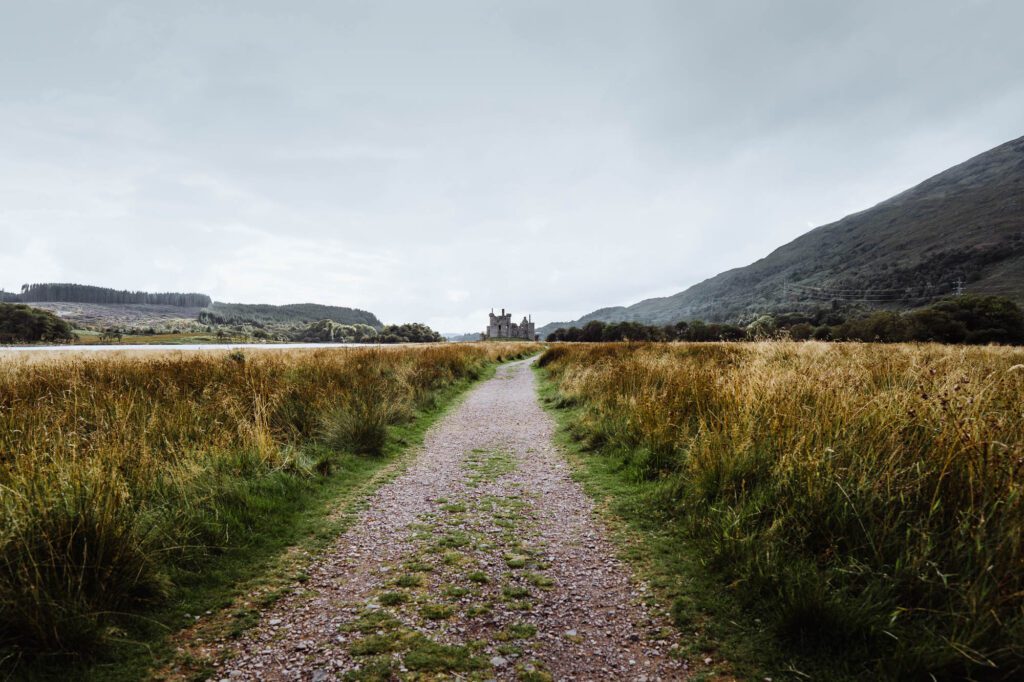
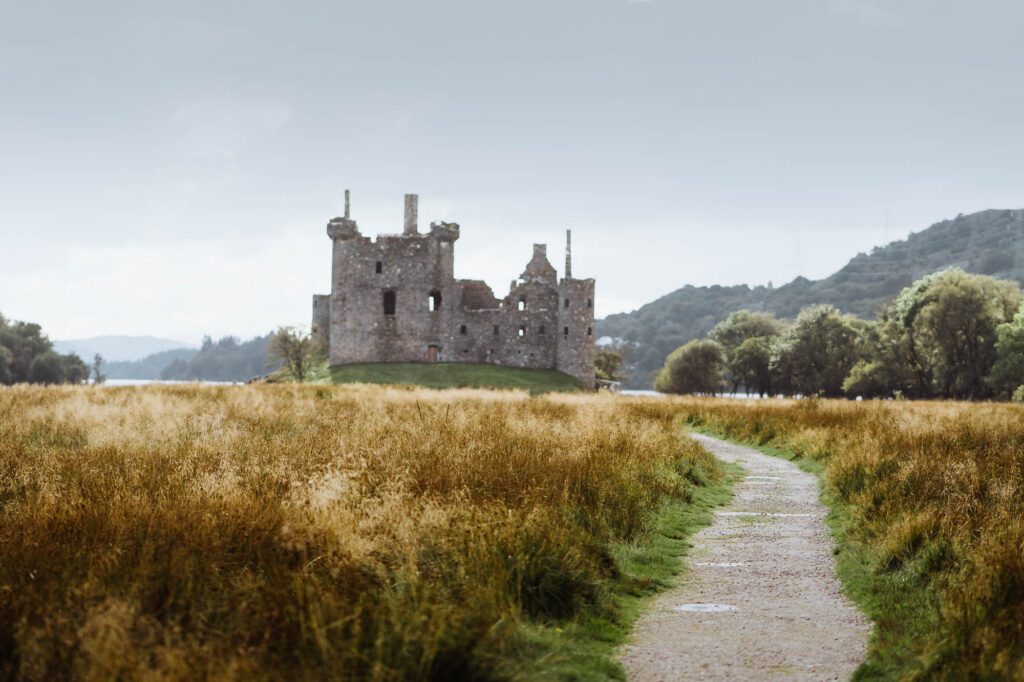
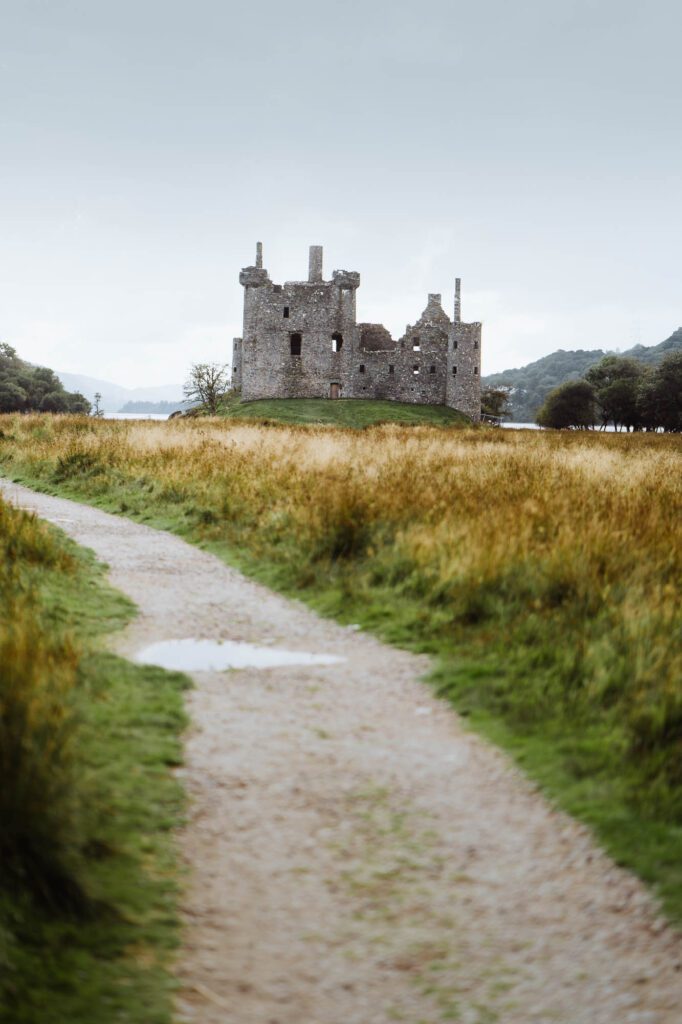
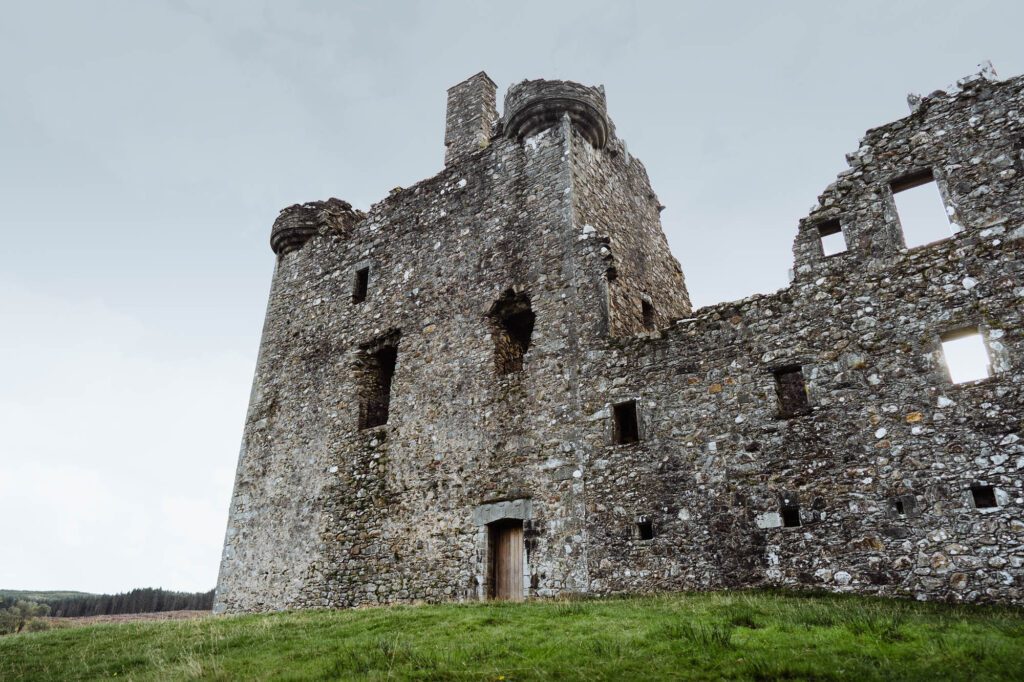
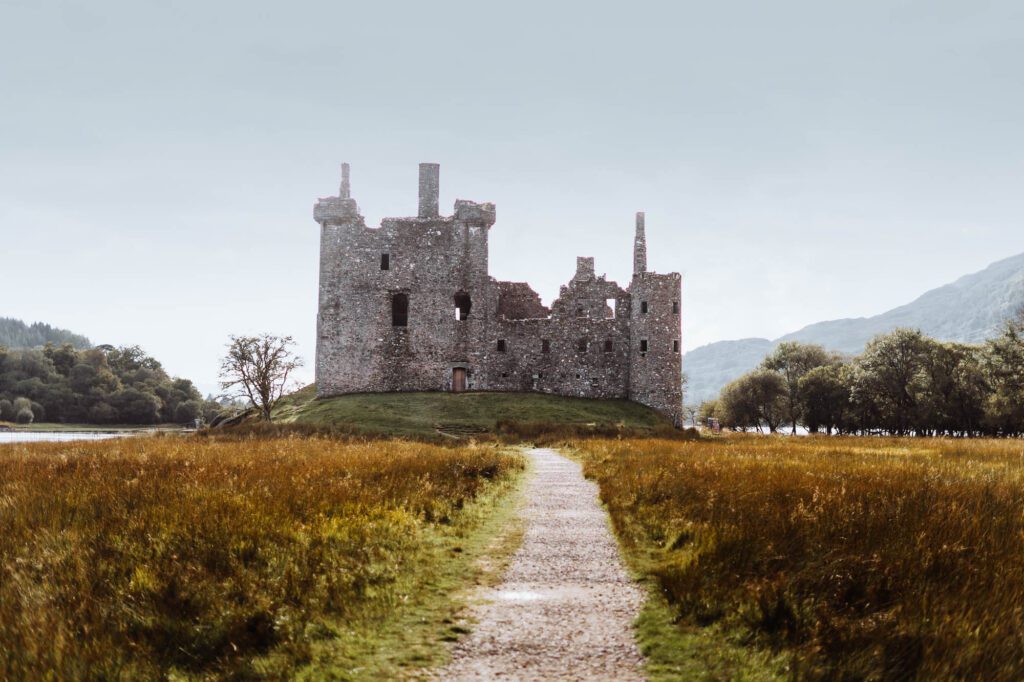
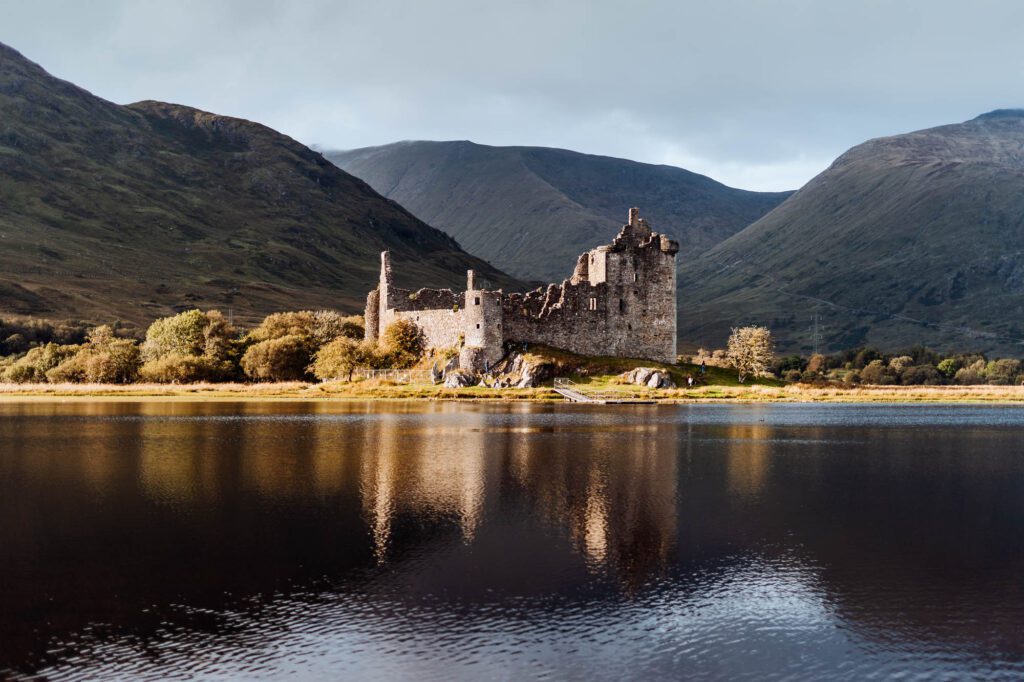
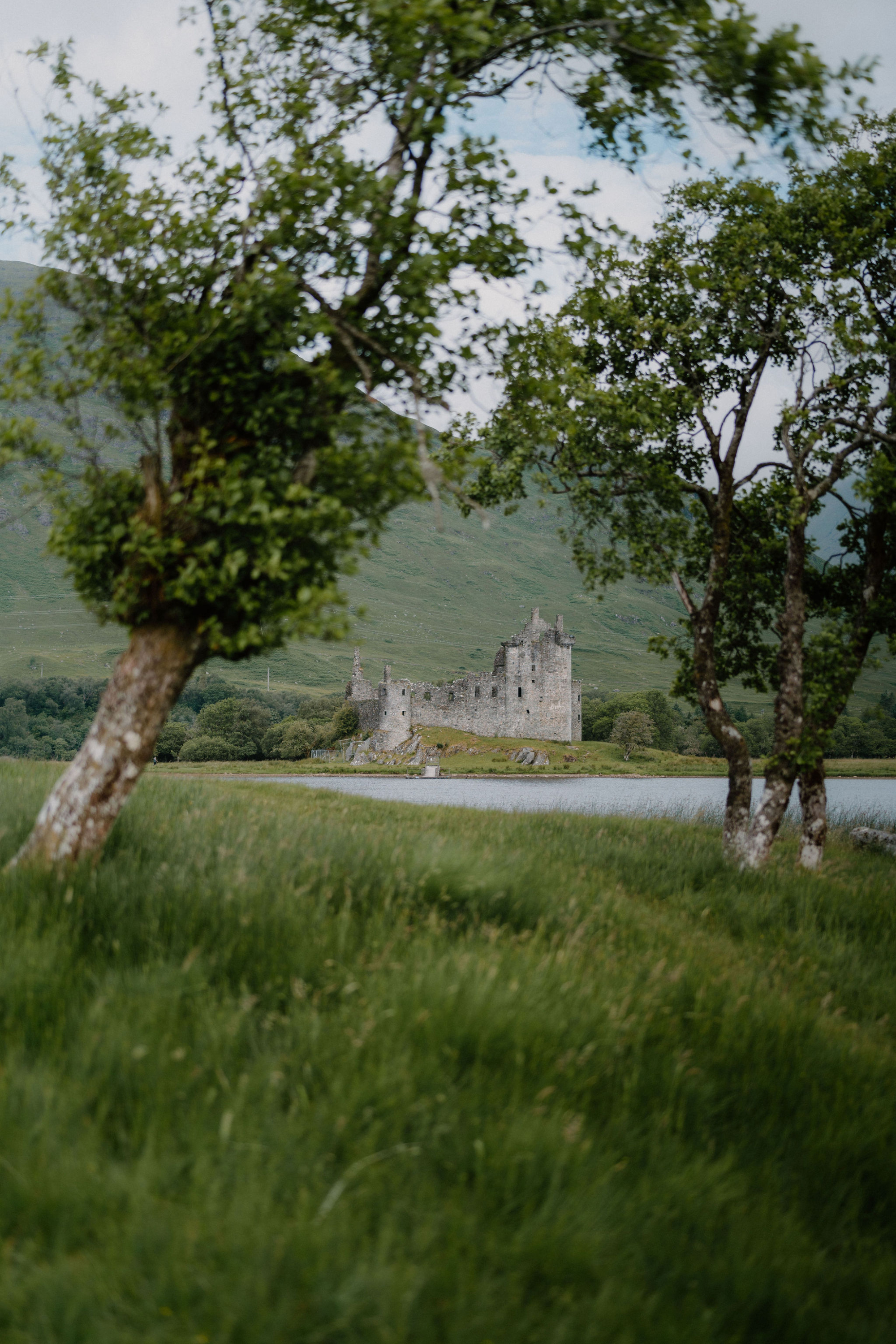
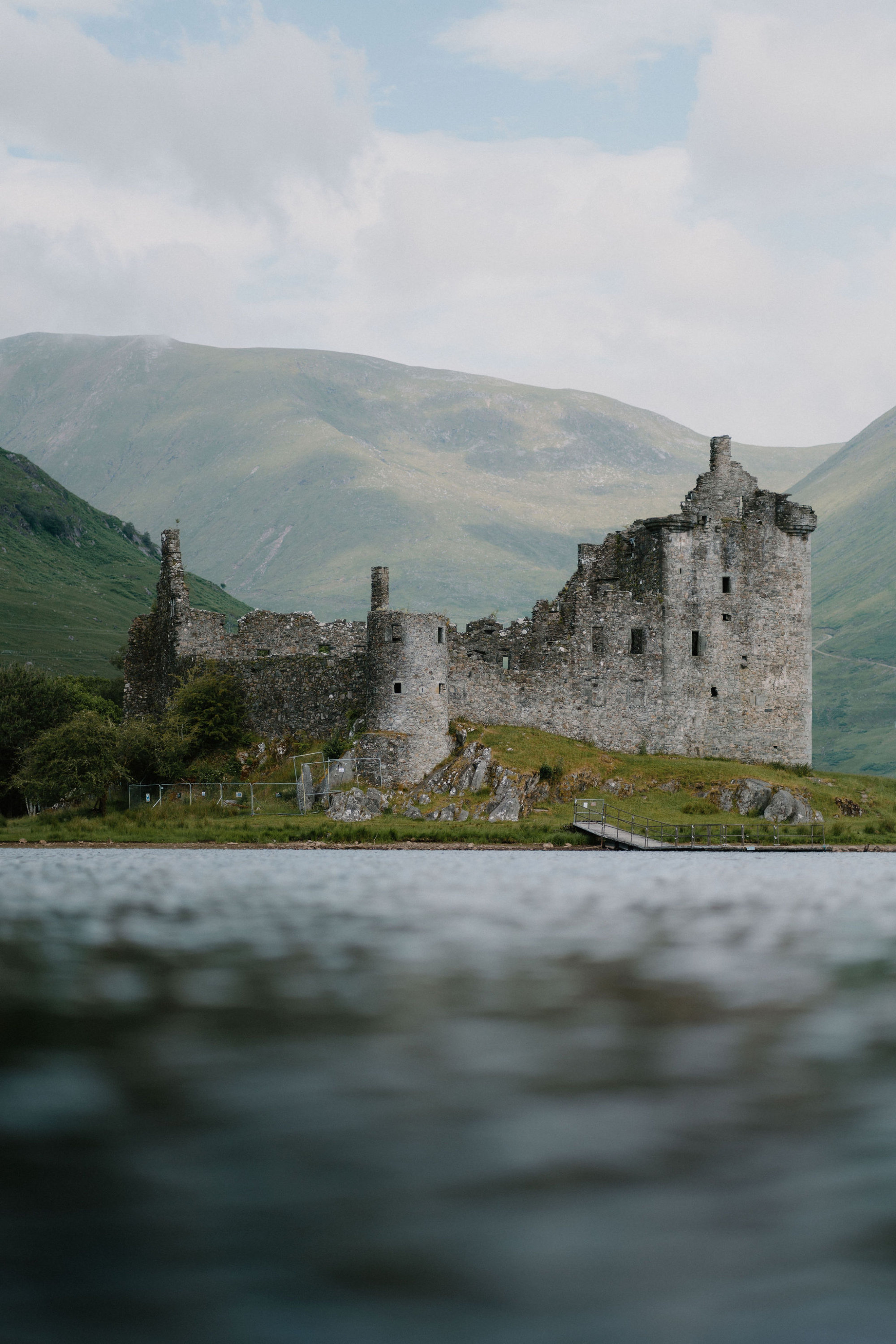
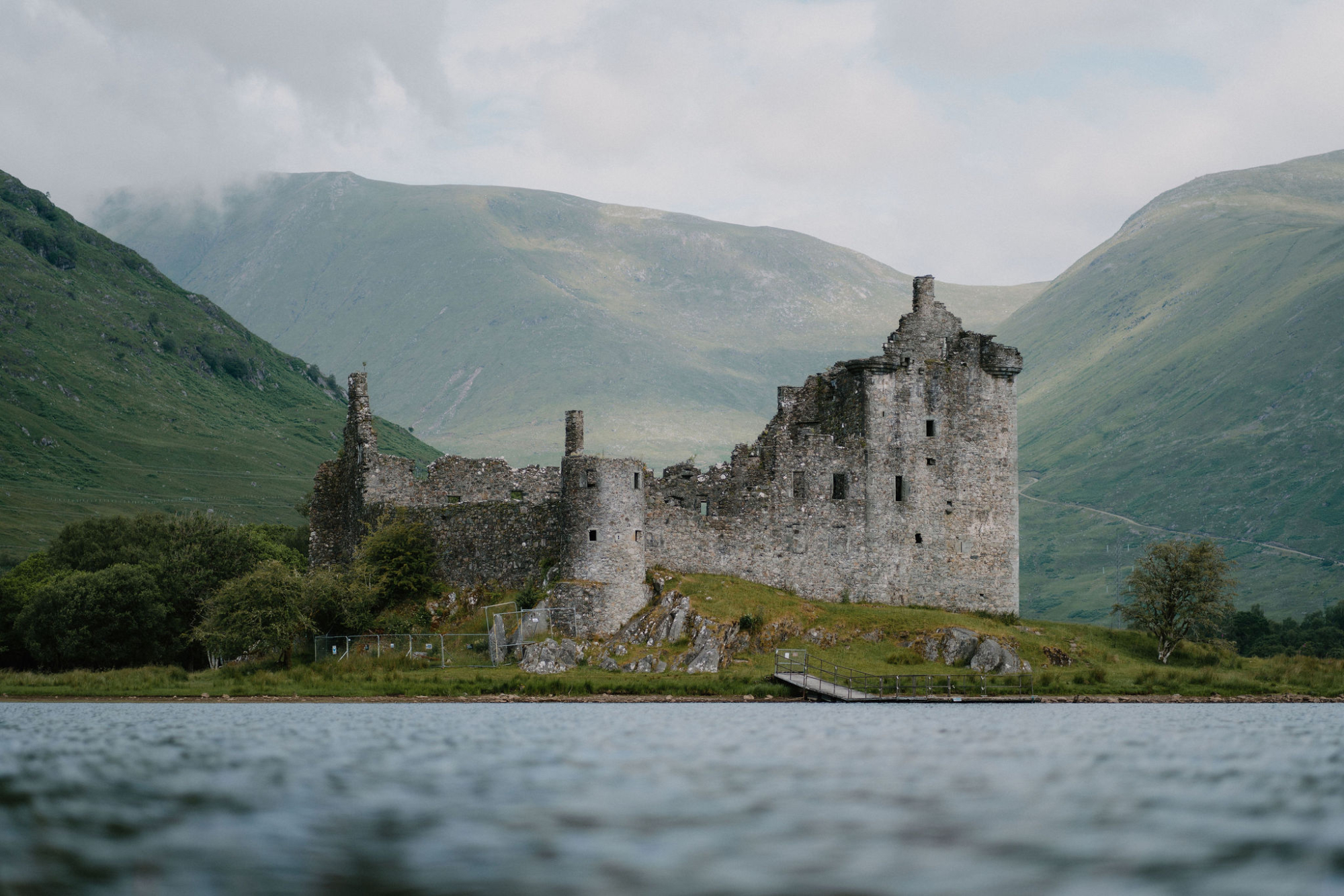
There’s no more iconic view on Loch Awe than the incredible Kilchurn Castle. Built in the 1400s, this was once home to the Campbells of Glenorchy. As their power grew, their territory spread and before long, they had more luxurious castles to call home in Scotland. Kilchurn was abandoned and eventually fell into the dramatic ruin that we see today. Unfortunately, there’s no access inside the castle at the moment due to conservation works, so the best way to visit it is to stop on the A819 road and take a walk across the boggy field to the loch’s edge!
St Conan's Kirk
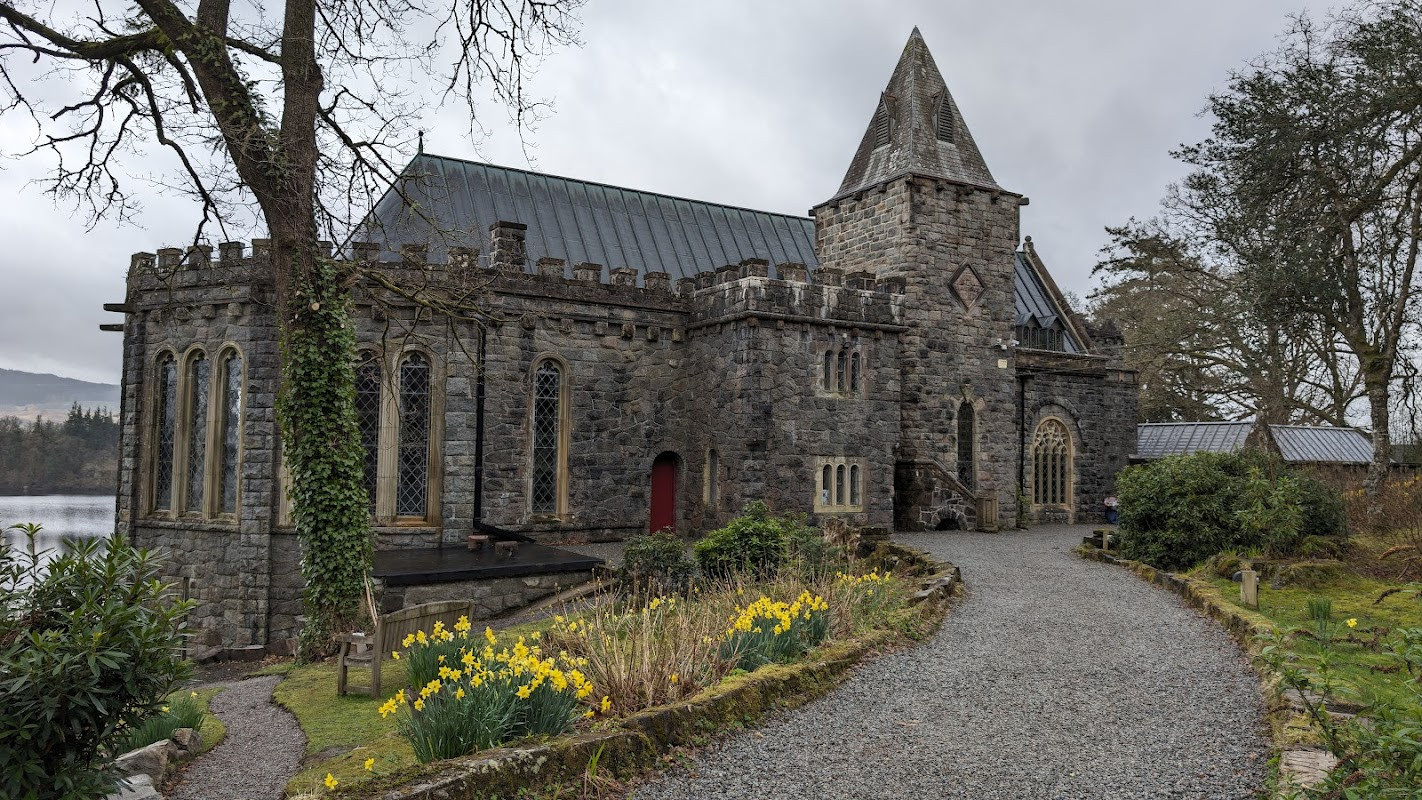
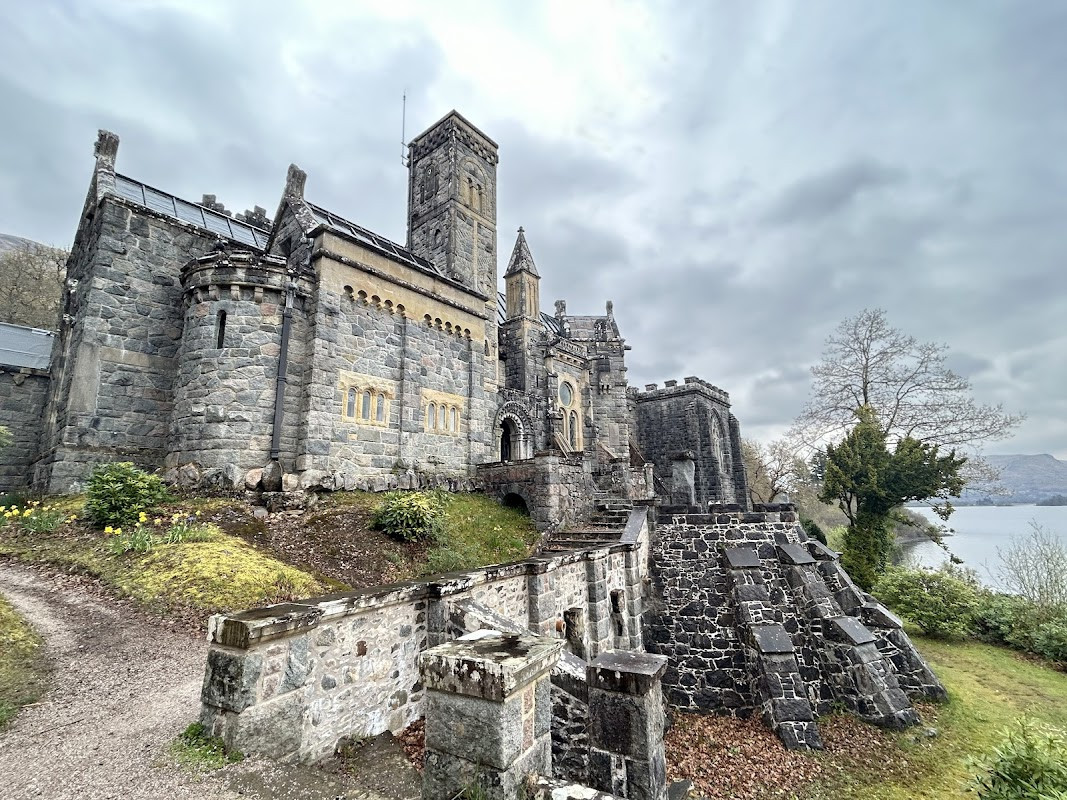
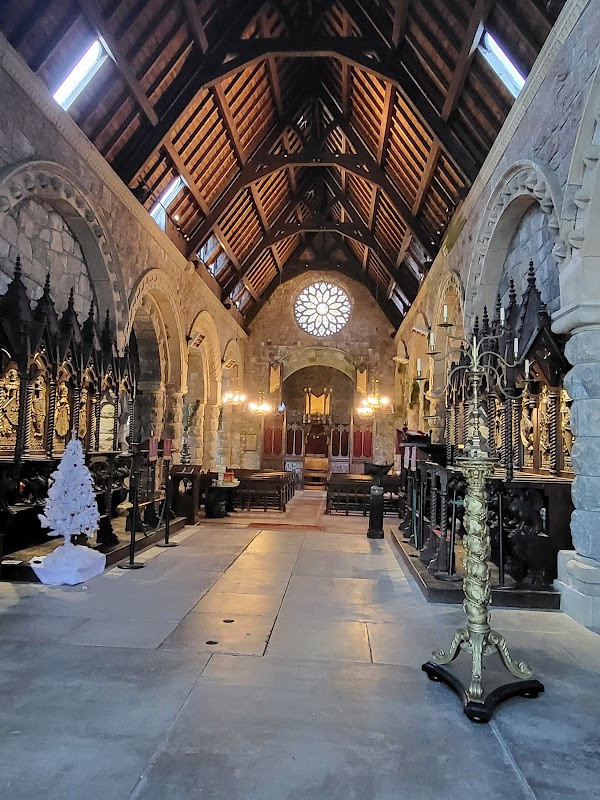
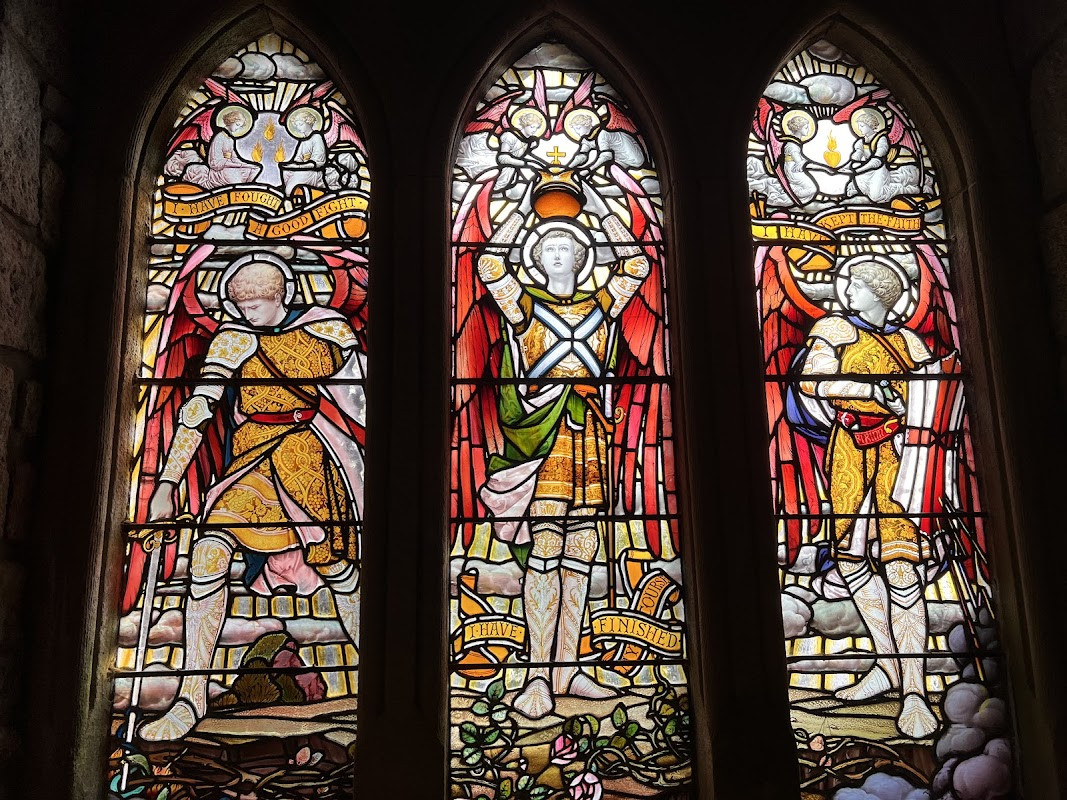
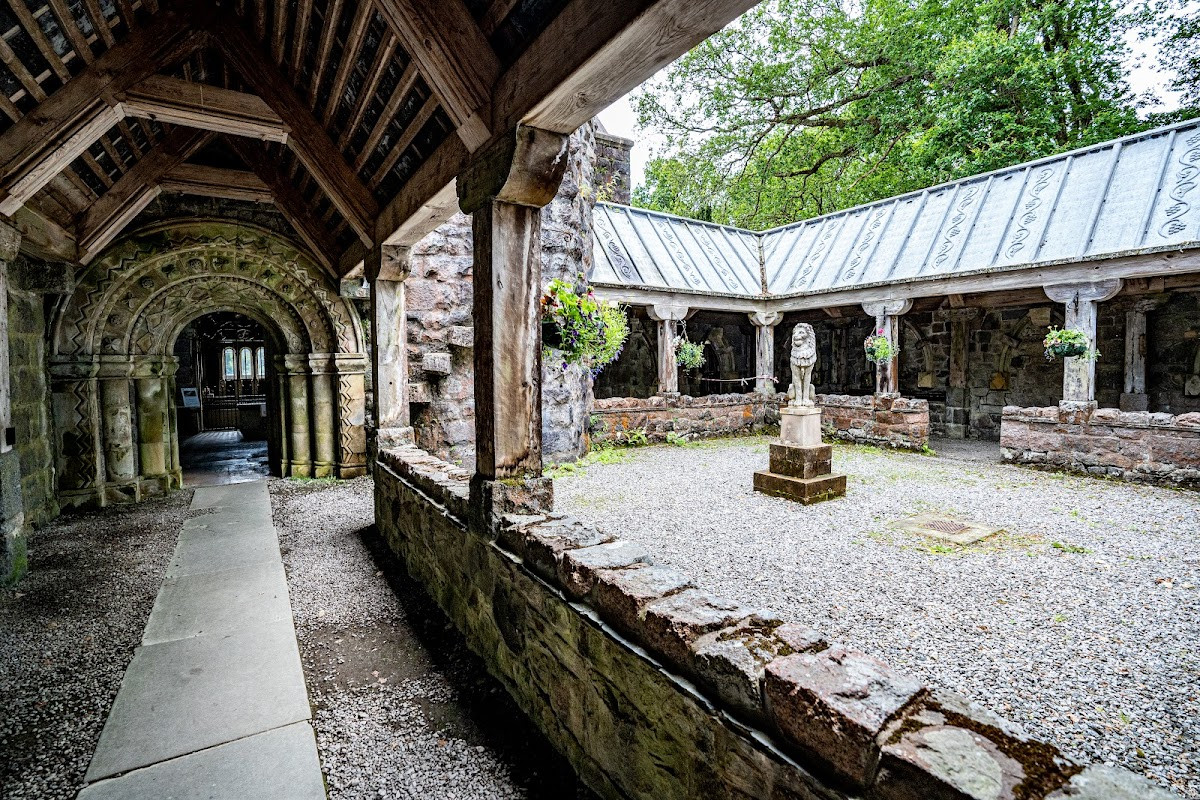
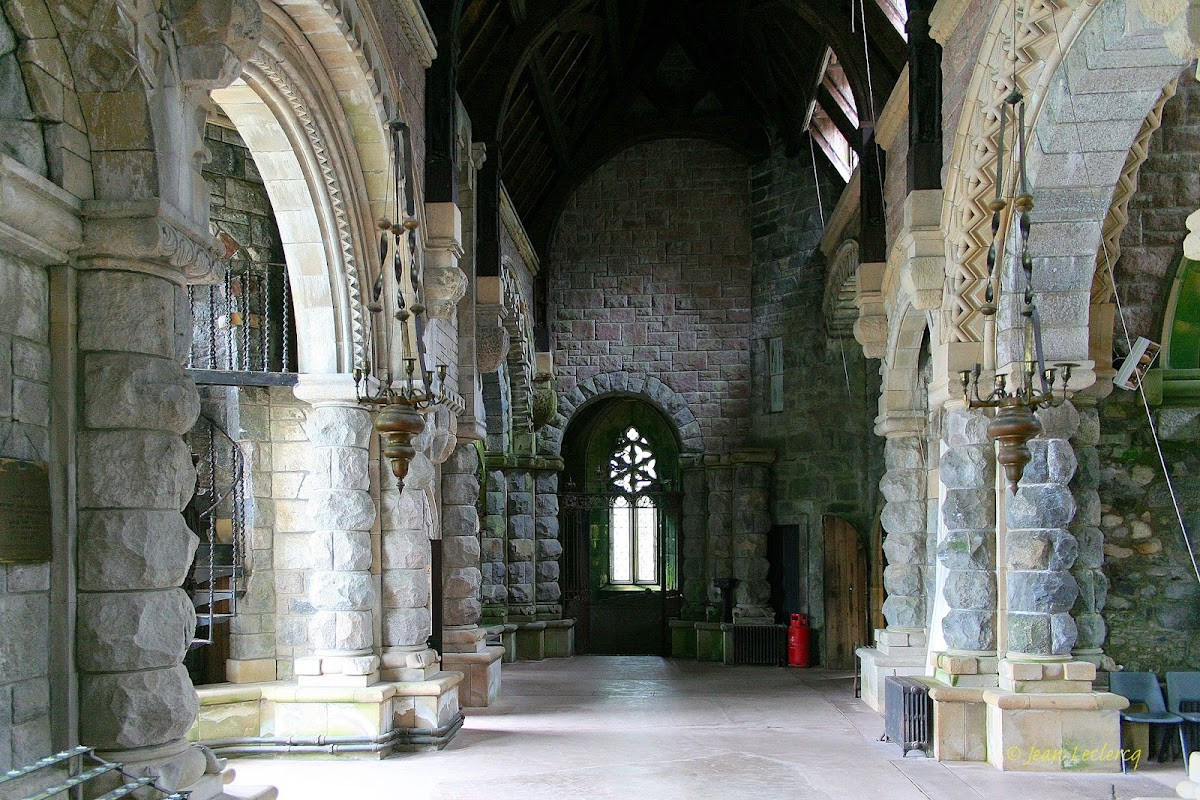
Not far away, the architectural wonder of St Conan’s Kirk is as beautiful as it is bizarre. While it looks centuries old, it was only constructed in the late 19th century! Walter Campbell built it as a chapel of ease for his old mother who struggled with the coach journey every Sunday to the church at Dalmally. Entry is by donation and make sure to admire the effigy of Robert the Bruce as well as the view from the sundial out over the loch.
Pass of Brander
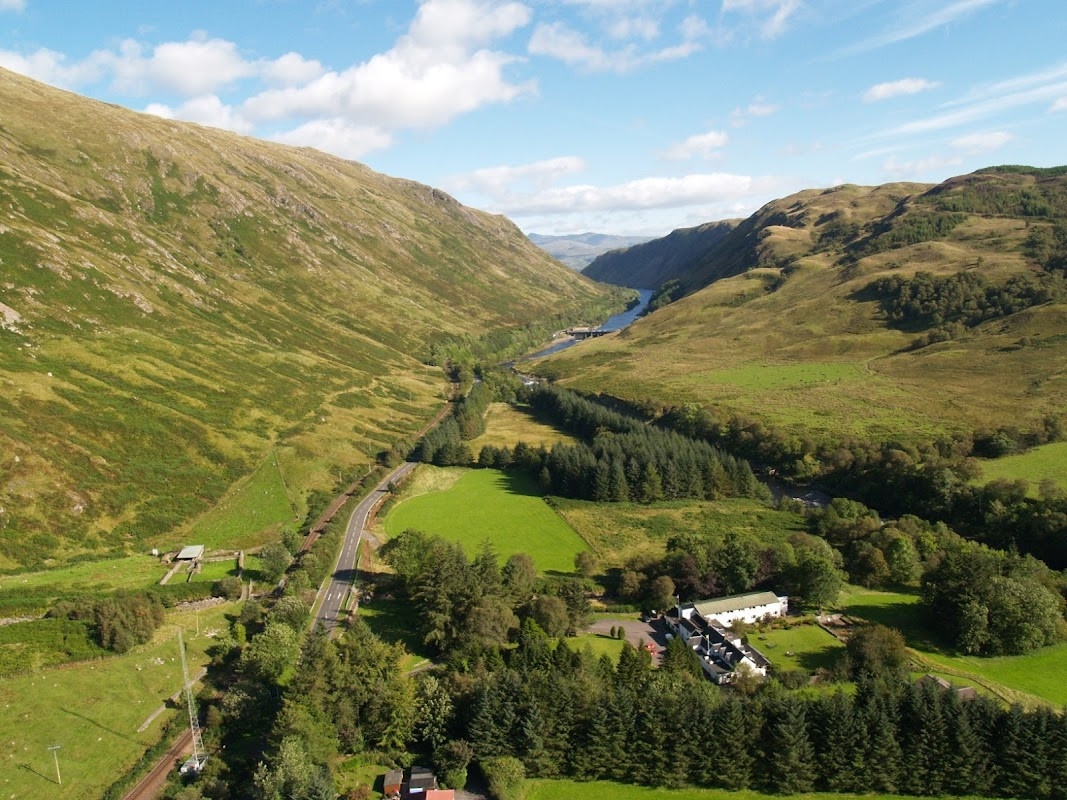
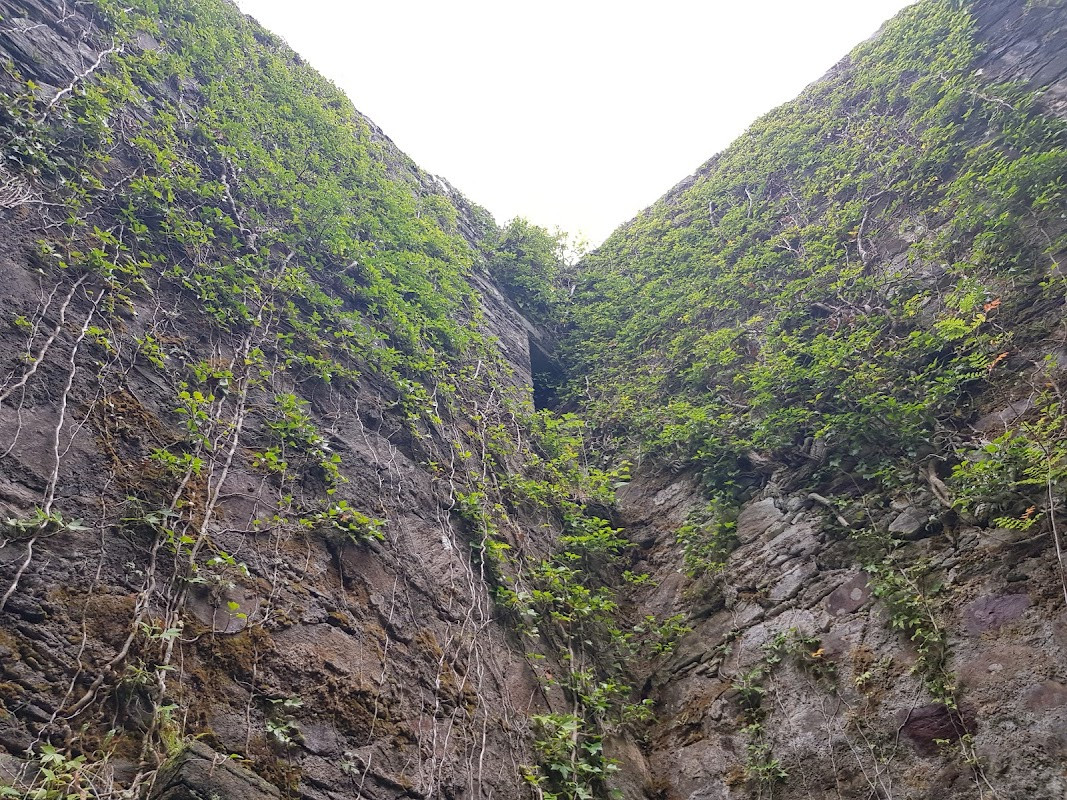
As you carry on driving along the lochside, you’ll soon enter the narrow and dramatic Pass of Brander. This rocky gorge was the site of a historic battle in 1308 when Robert the Bruce ambushed the MacDougalls to get revenge for a defeat two years earlier. While the MacDougalls thought they had the King trapped, they hadn’t expected half of his men to appear above them having climbed right over Ben Cruachan!
Glen Nant National Forest
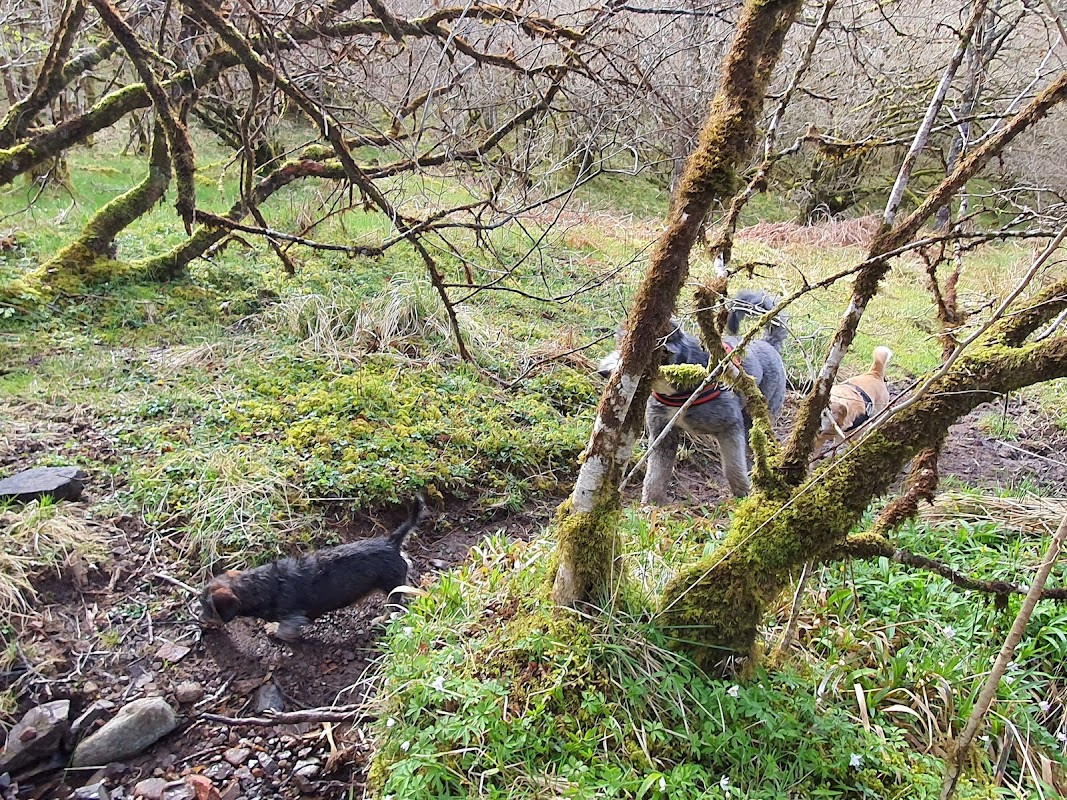
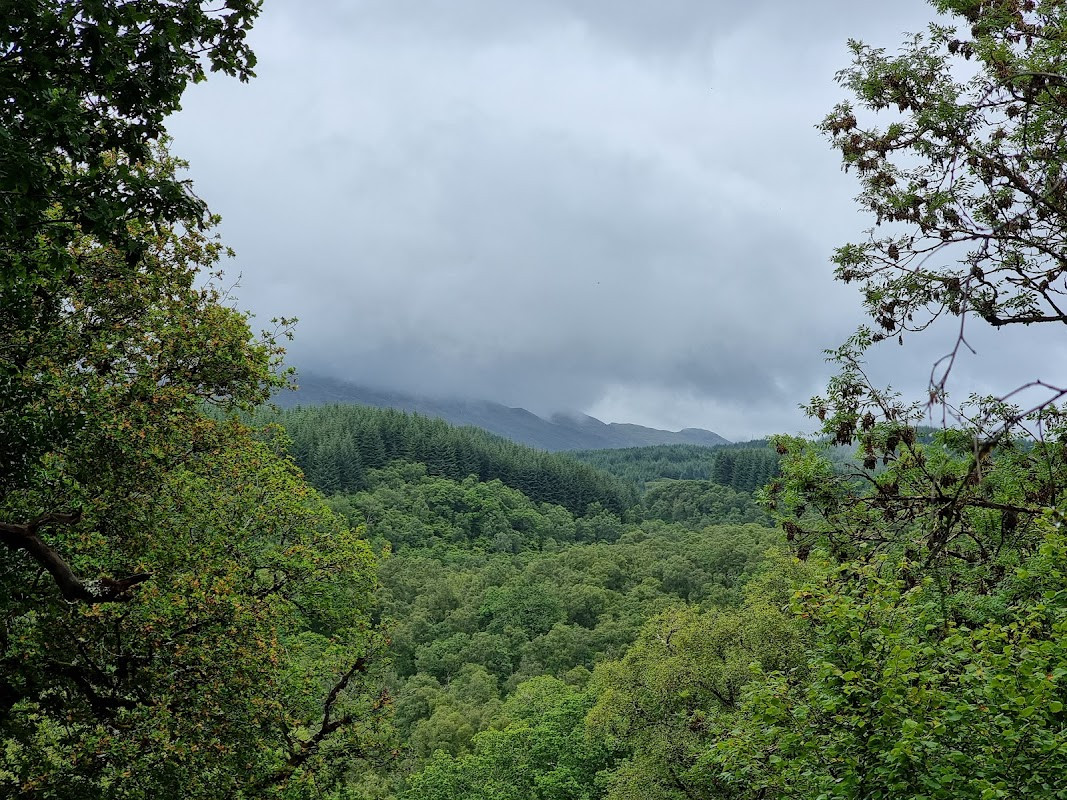
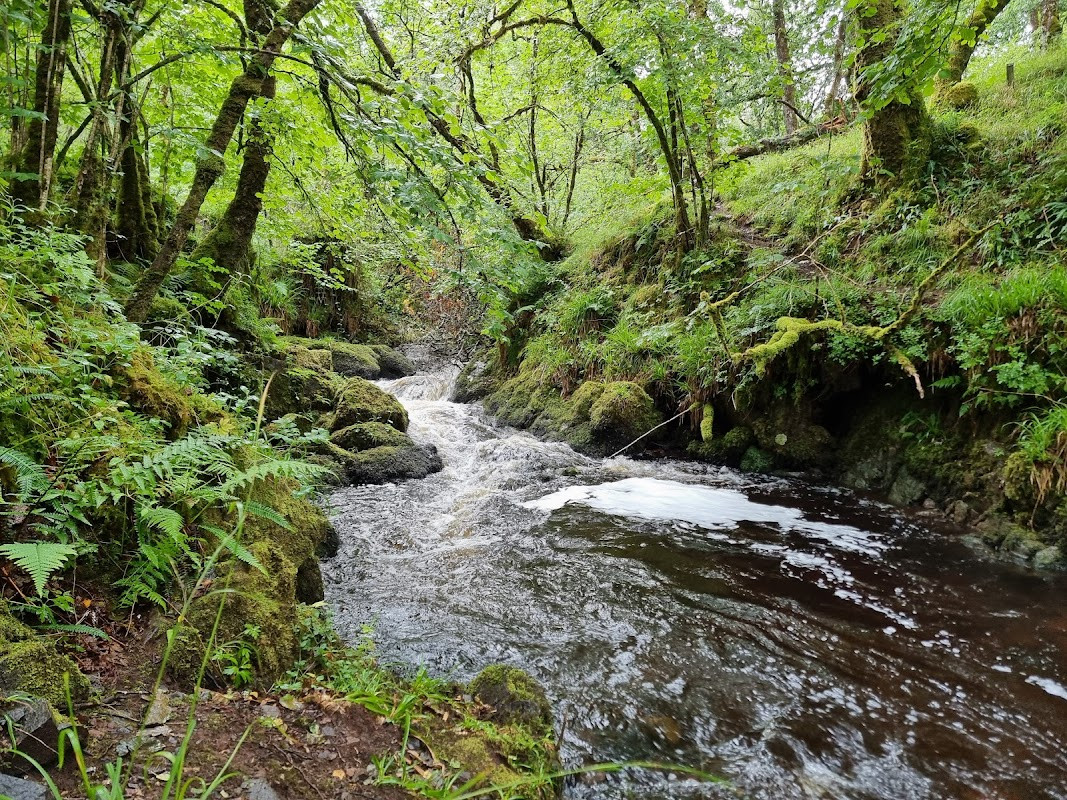
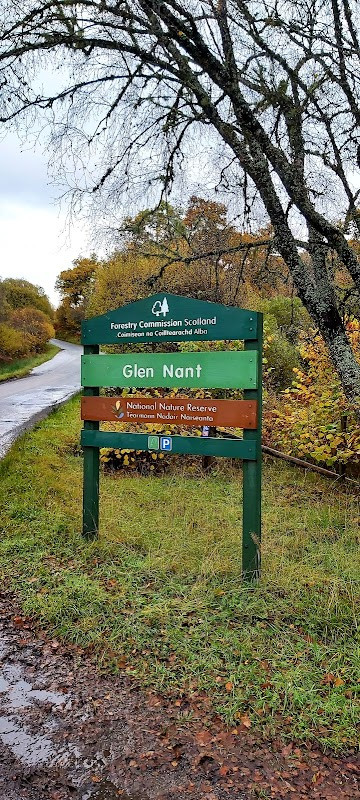
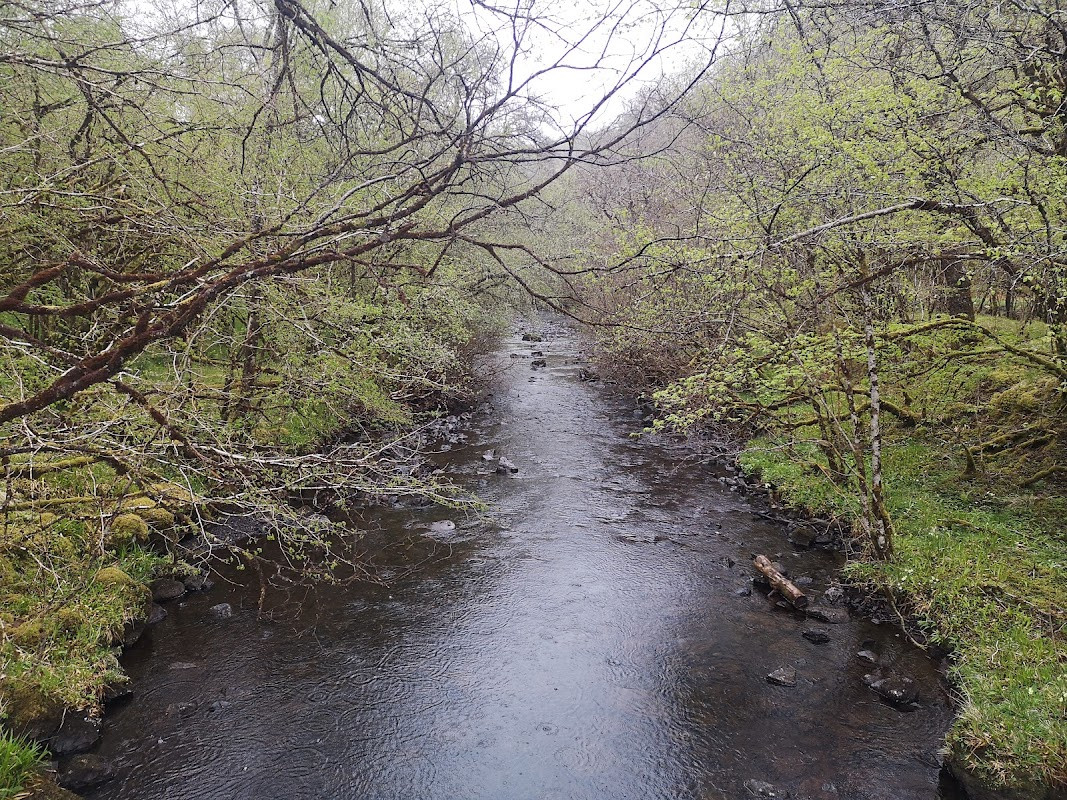
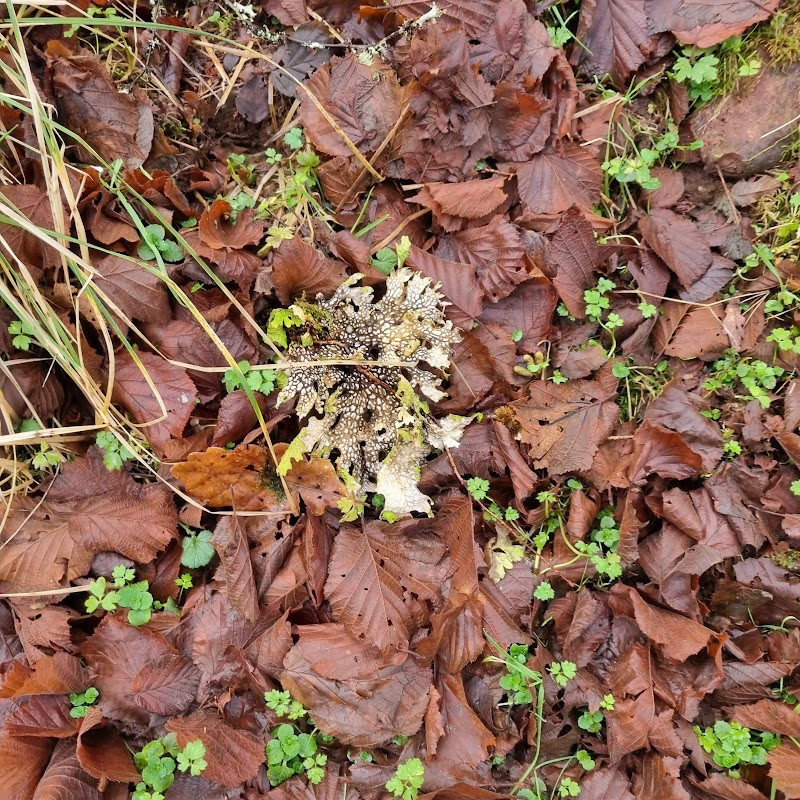
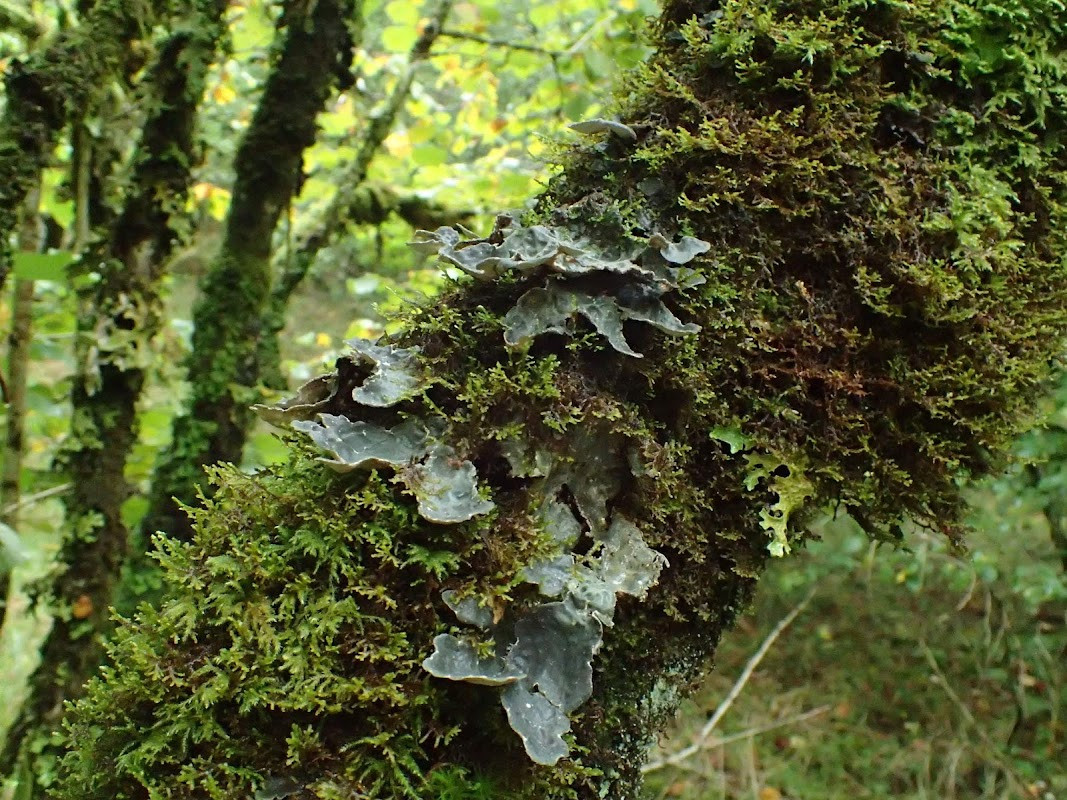
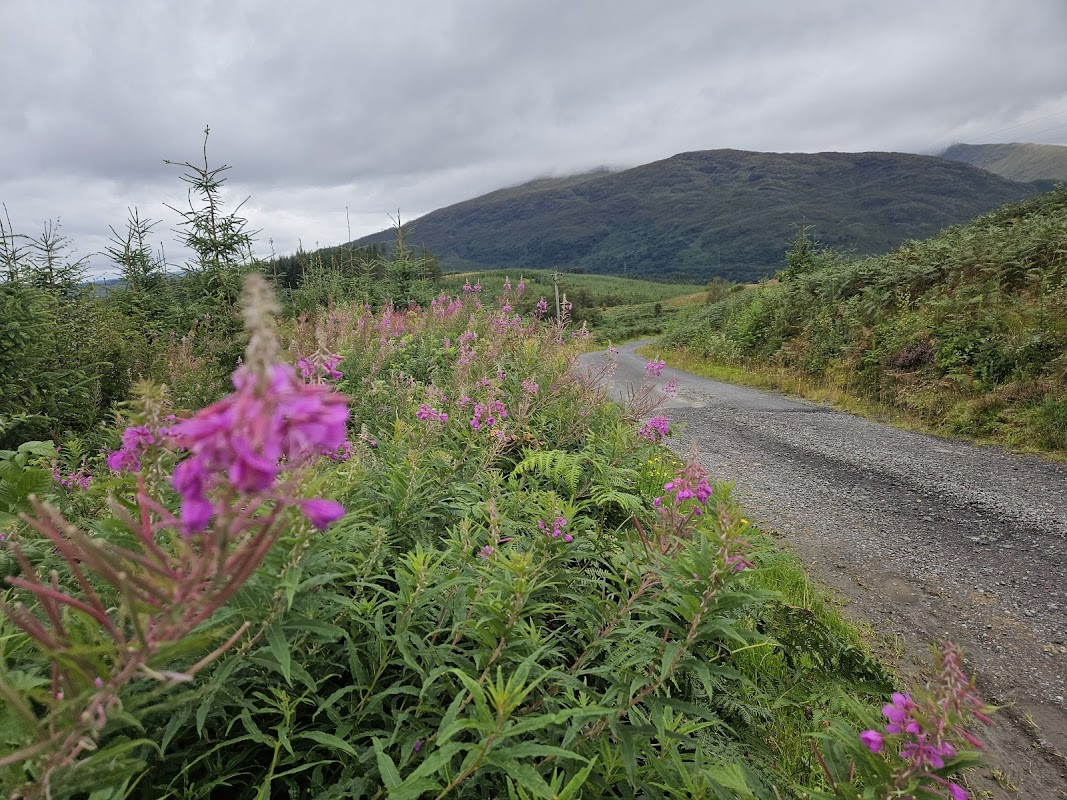
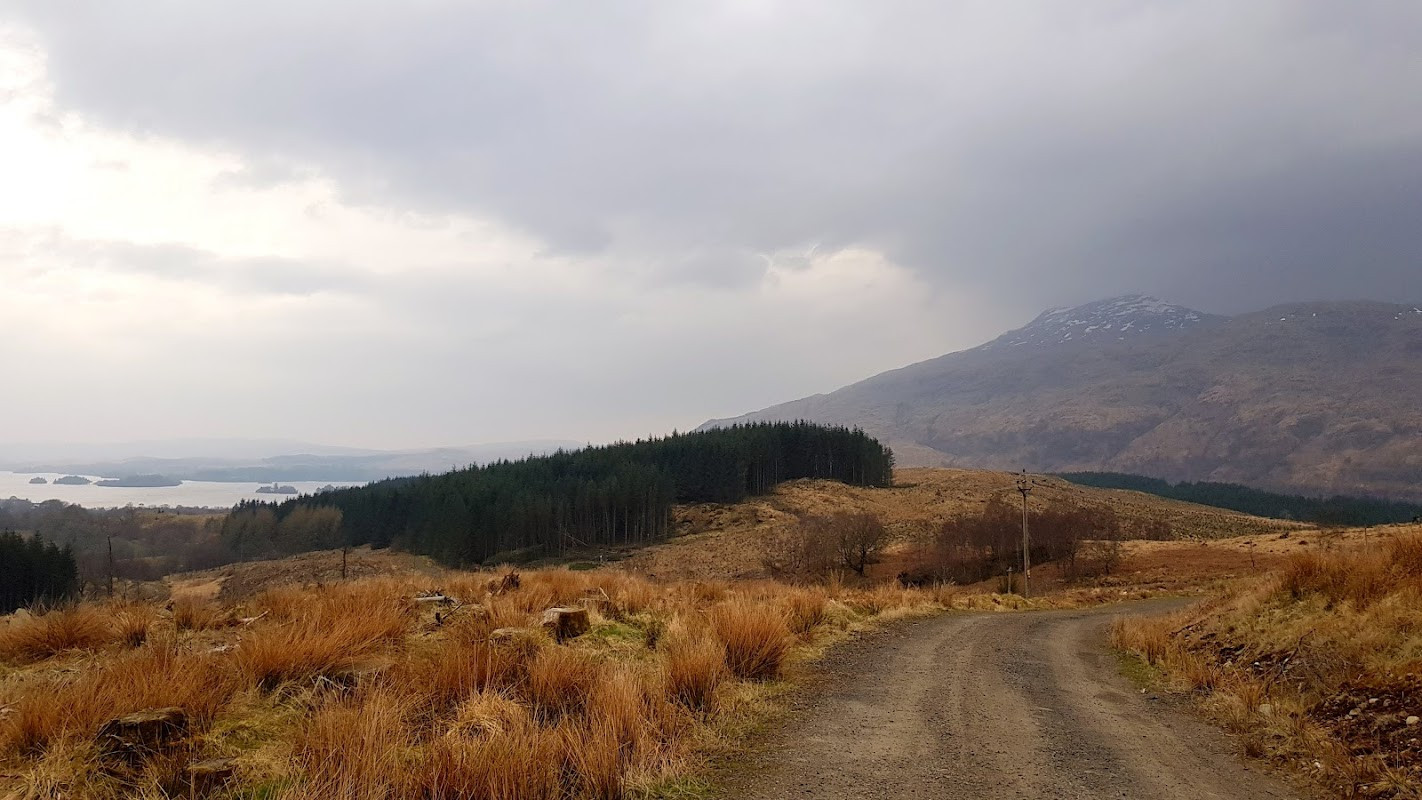
Once you turn off the main road, everything starts to get quieter. There are plenty of woodland walks to choose from, but my pick is Glen Nant NNR. You have the choice between an easy, low level walk or slightly more strenuous route giving amazing viewpoints through the trees. Keep a look out for signs of a past life amongst the trees, it’s not obvious unless you know what you’re looking for. 200 years ago, when Bonawe Iron Works was still in full operation, the oak trees here were coppiced to encourage new growth that could be burned for charcoal and the old stumps are still very visible!
Lunch at Dalavich Village Shop
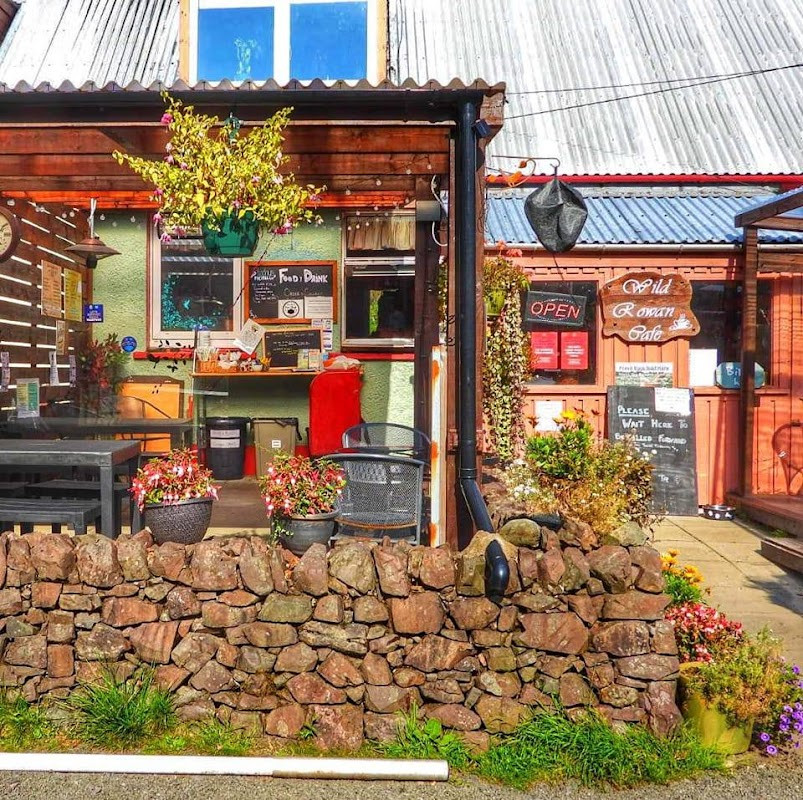
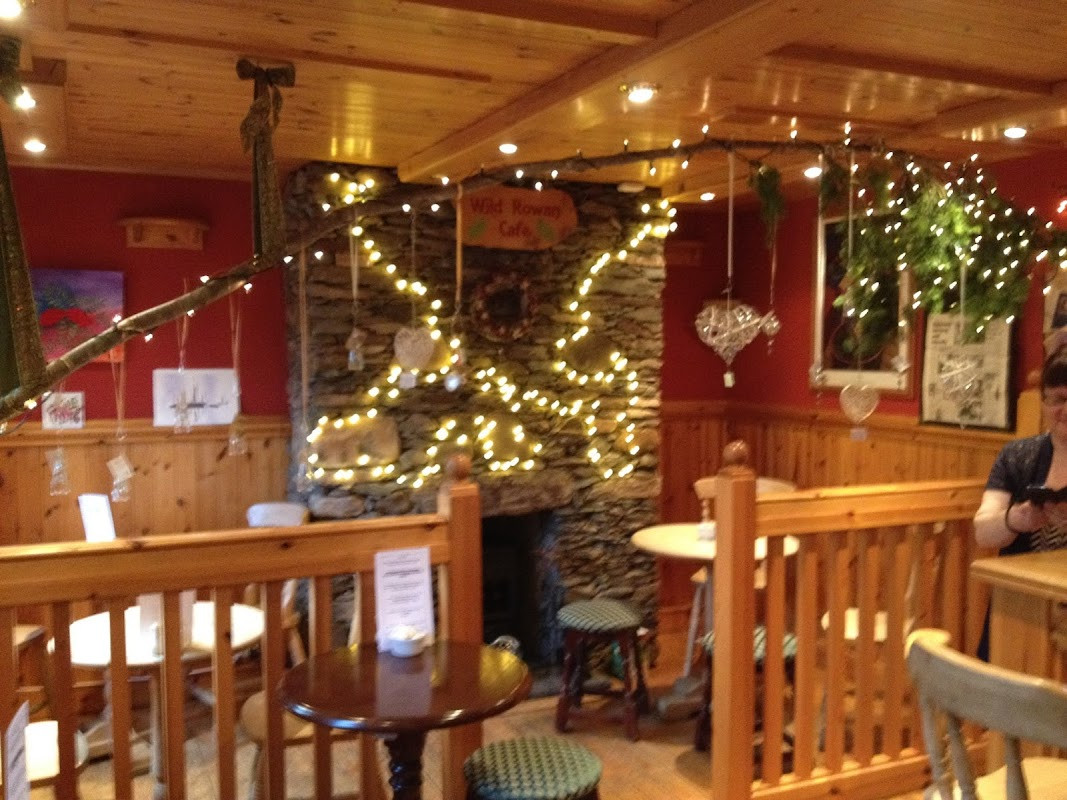
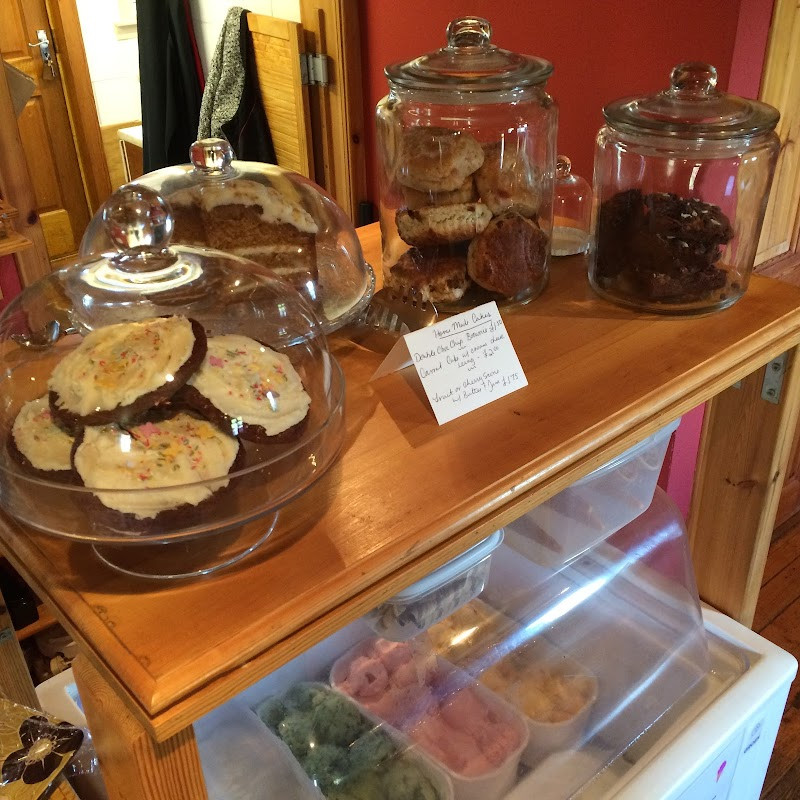
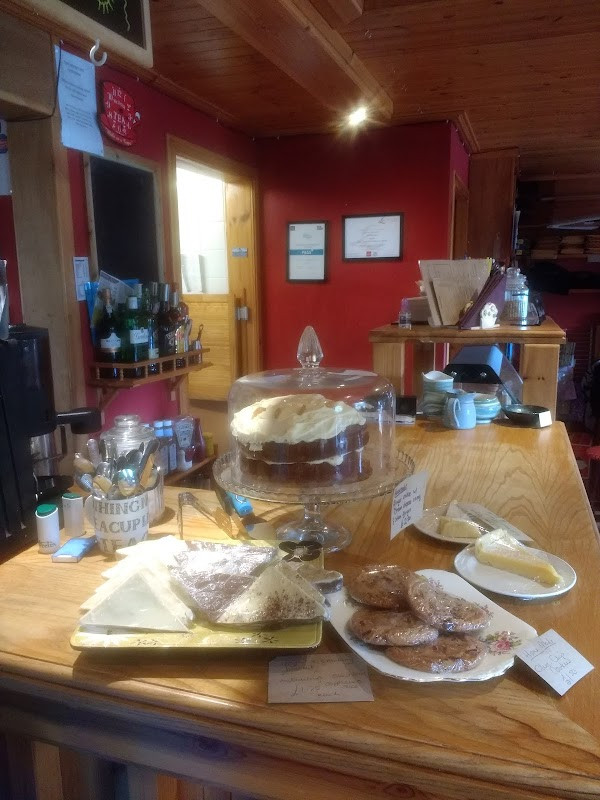
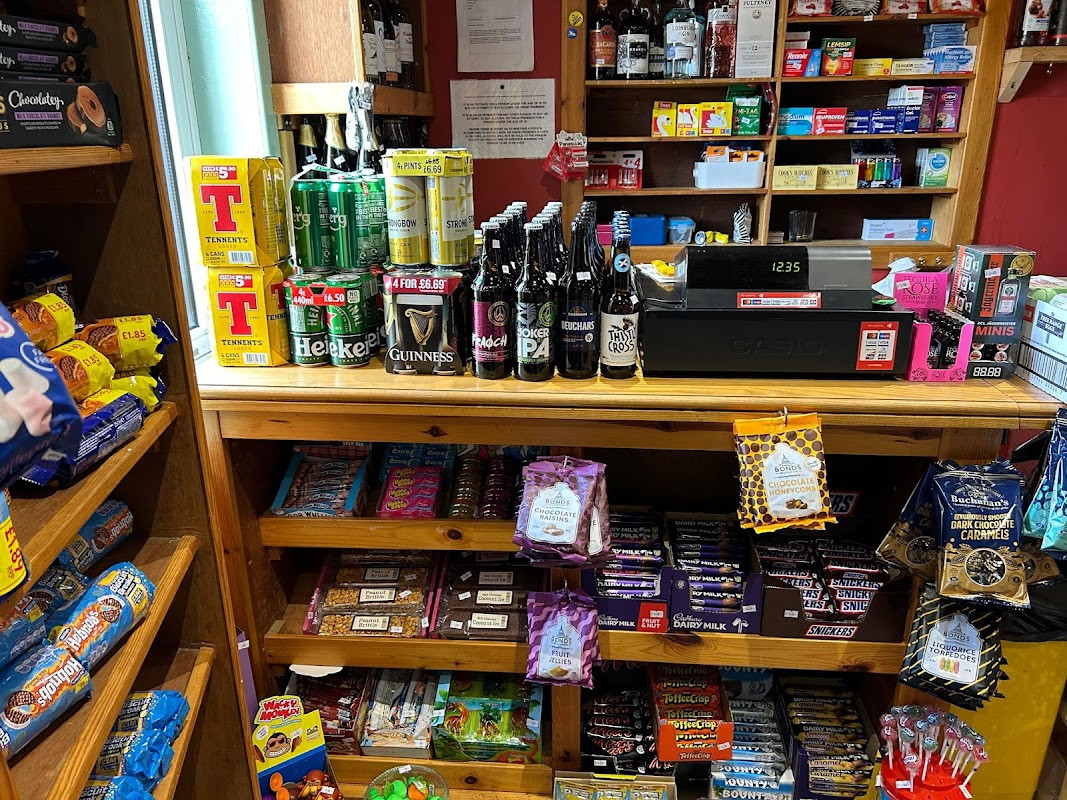
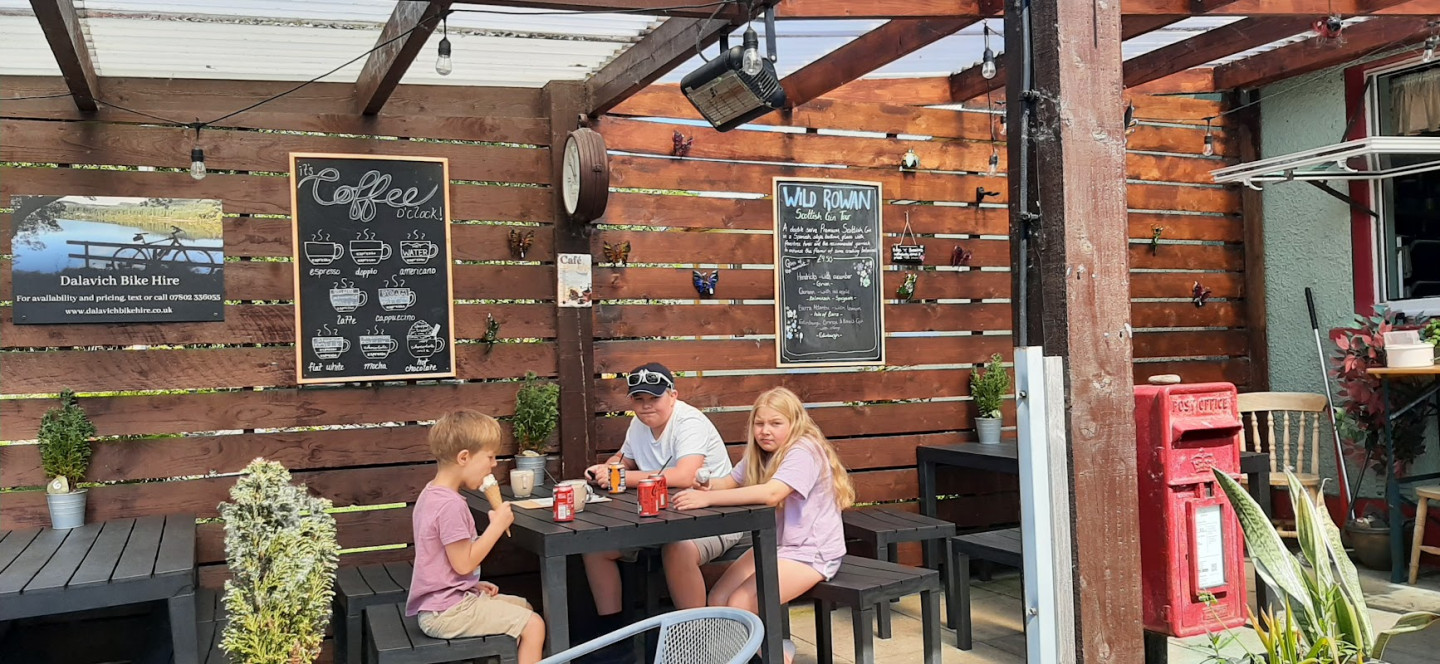
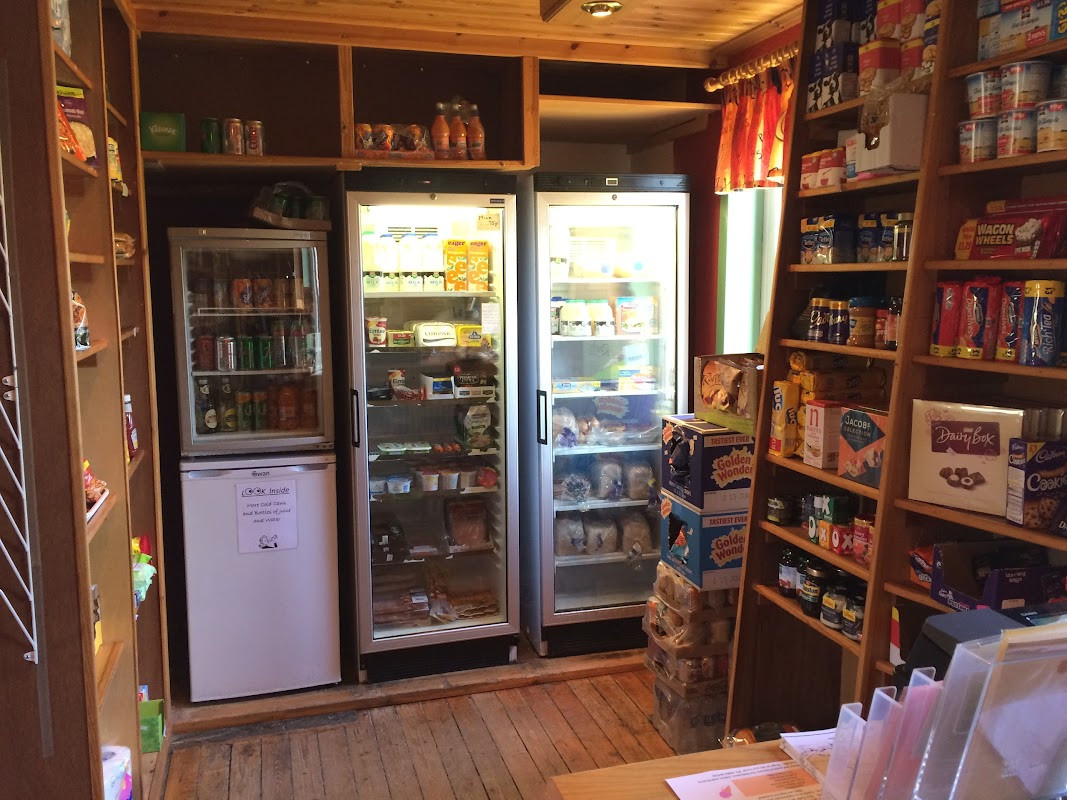
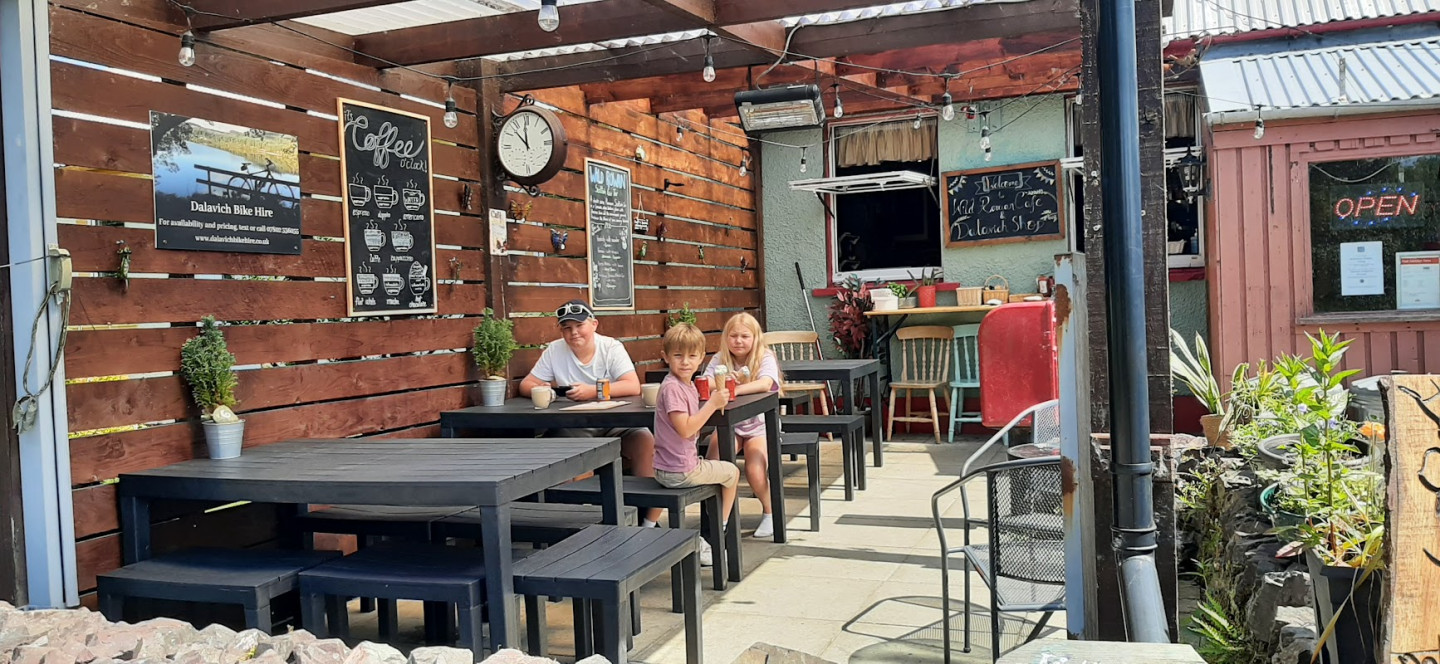
As the sign outside says this is a village shop, post office, cafe and takeaway all rolled into one! The Wild Rowan Café is a great spot for a lunch of toasties or burgers to keep you fuelled as you explore.
Innis Chonnell
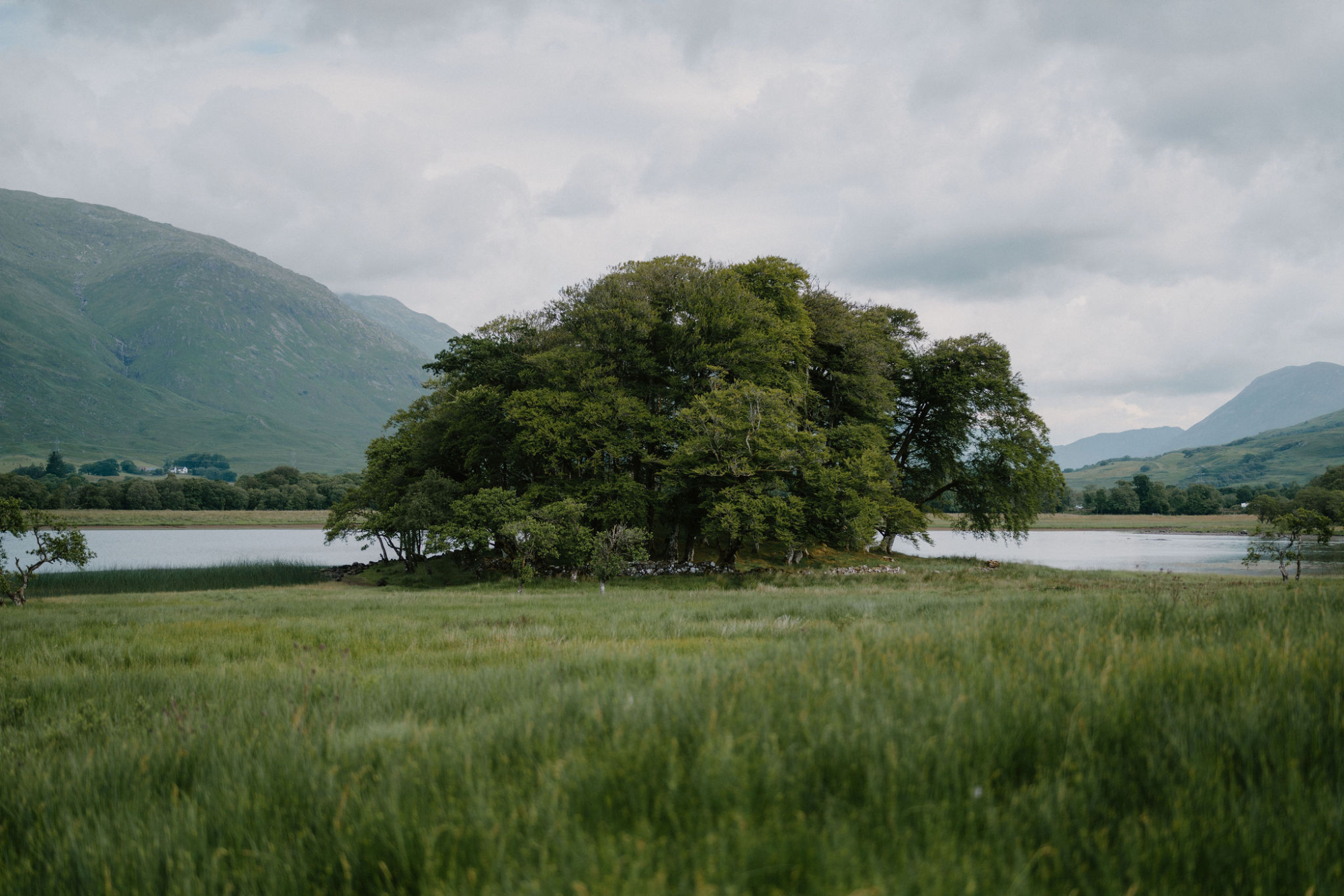
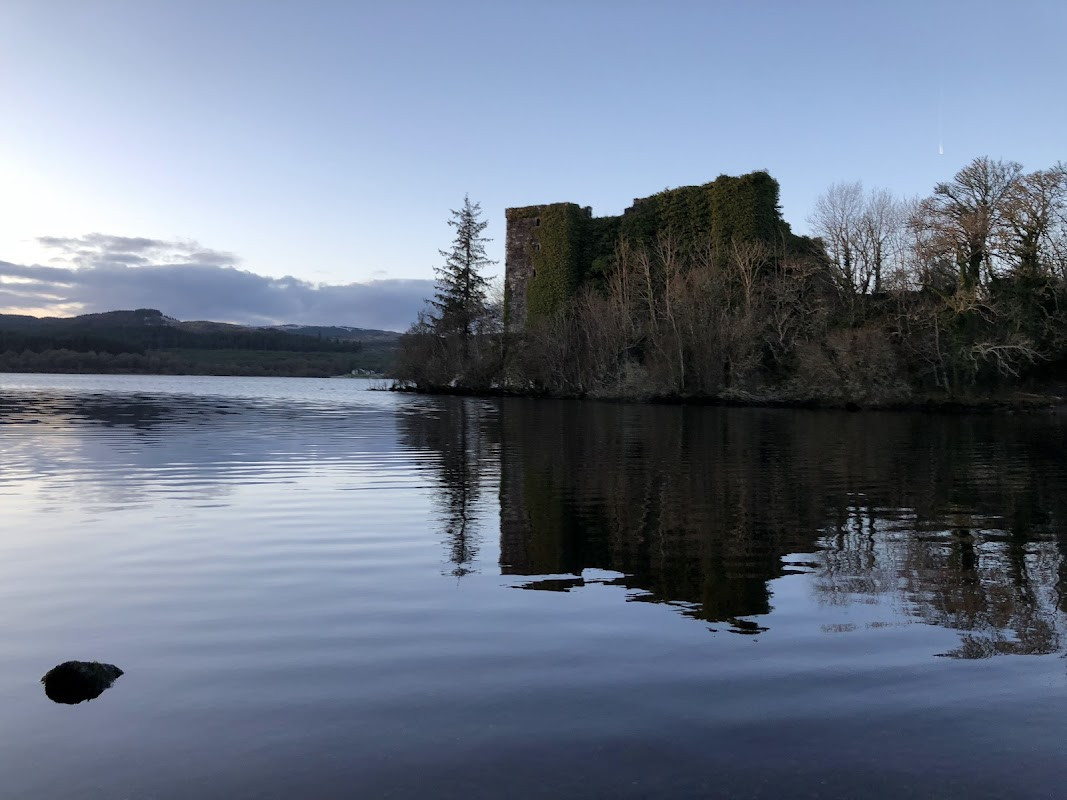
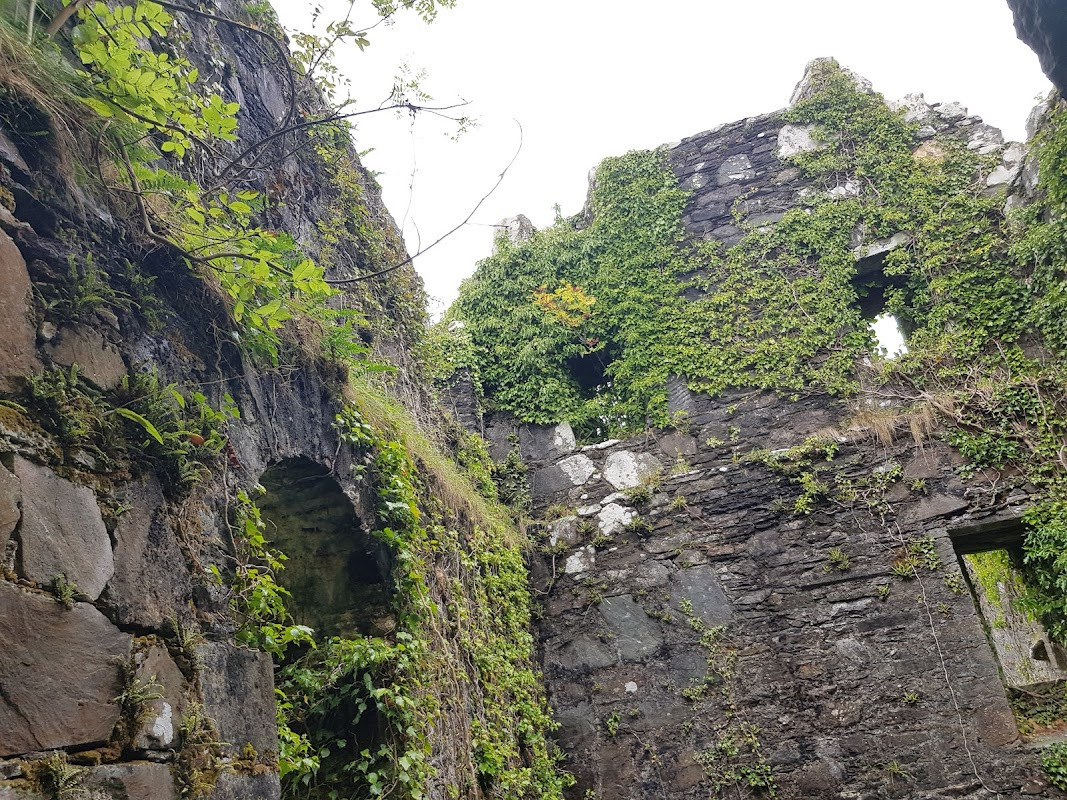
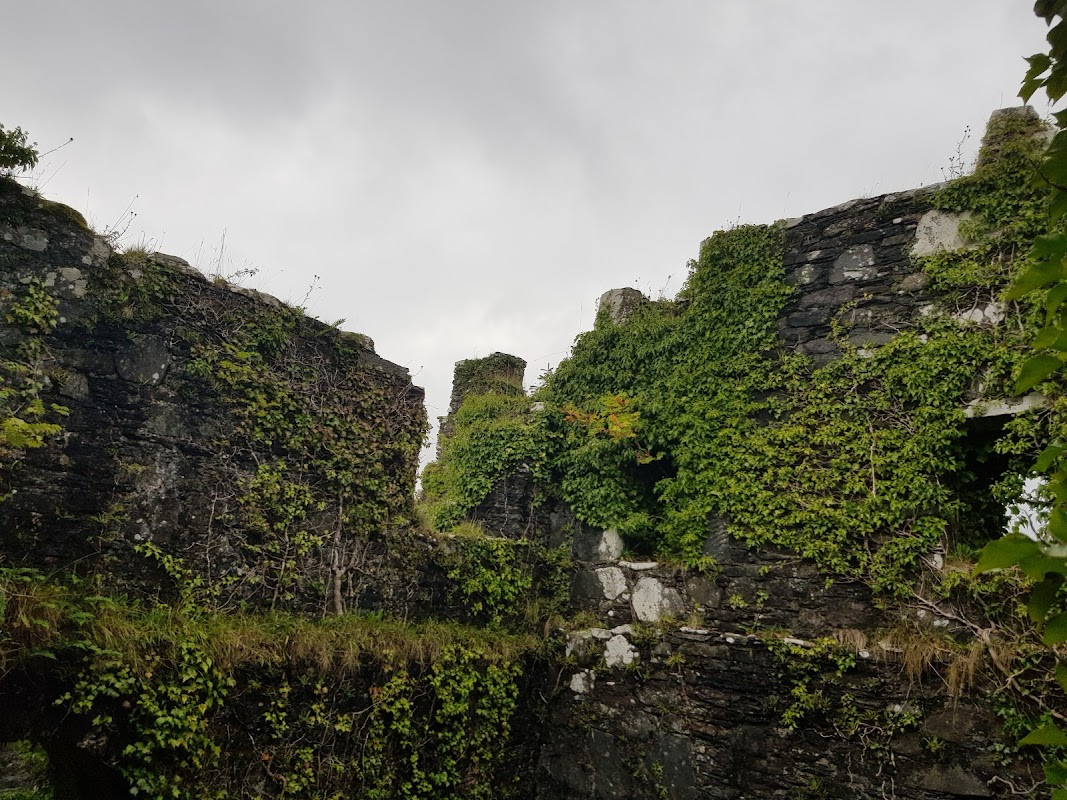
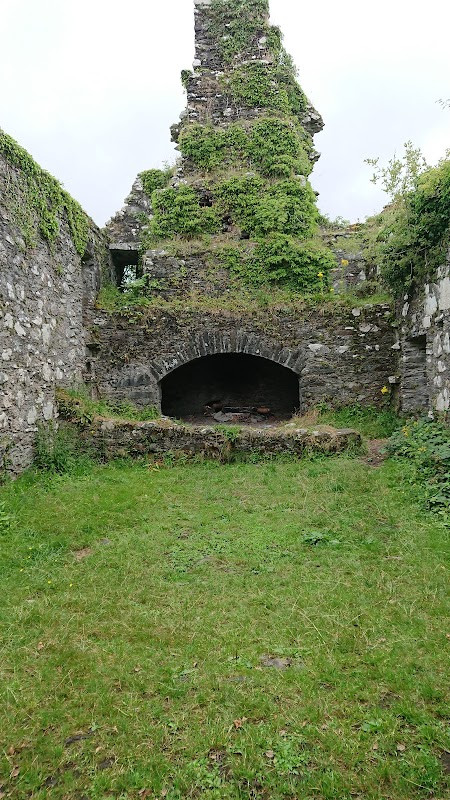
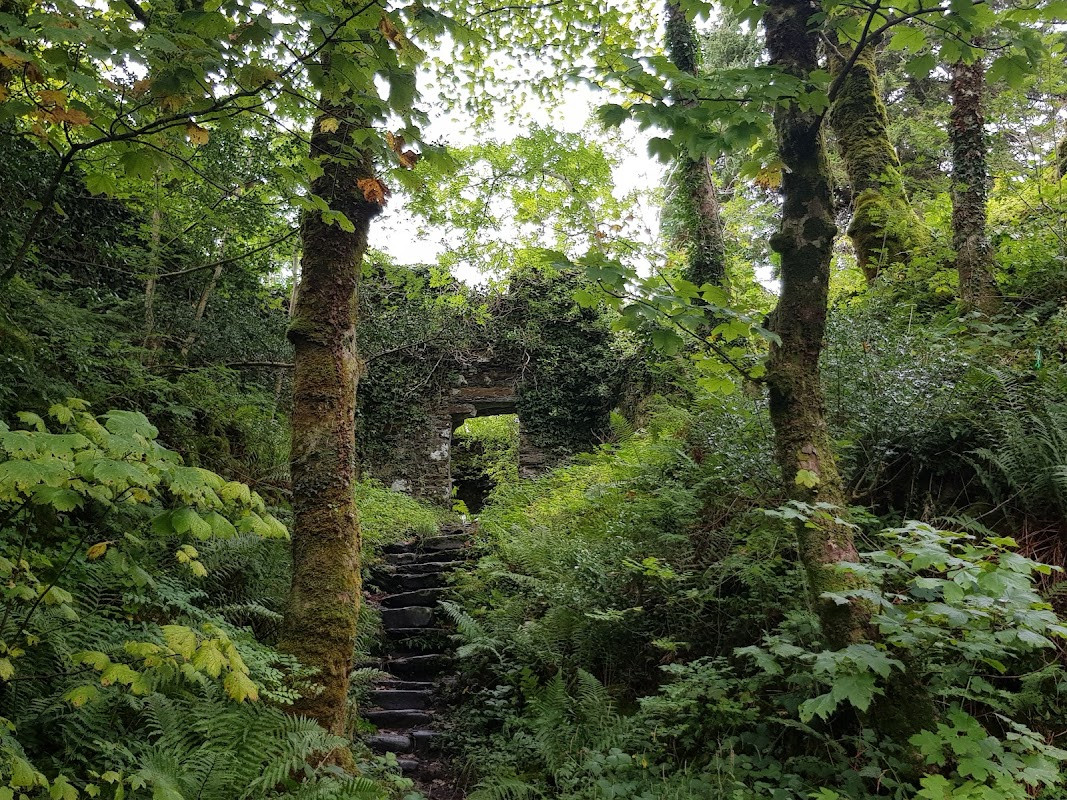
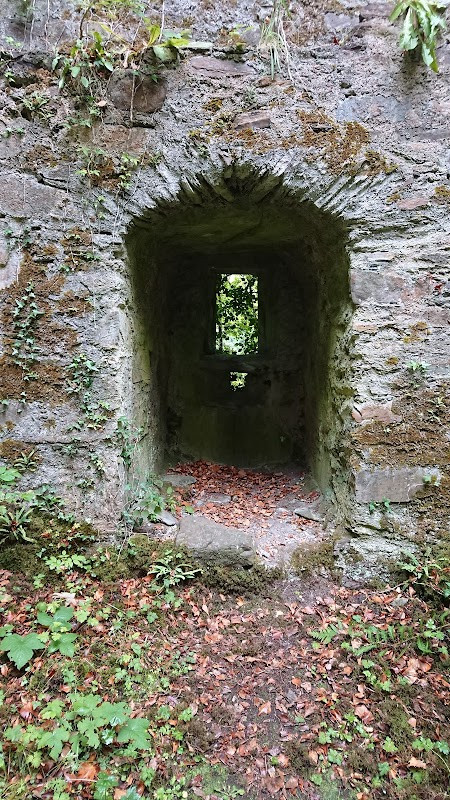
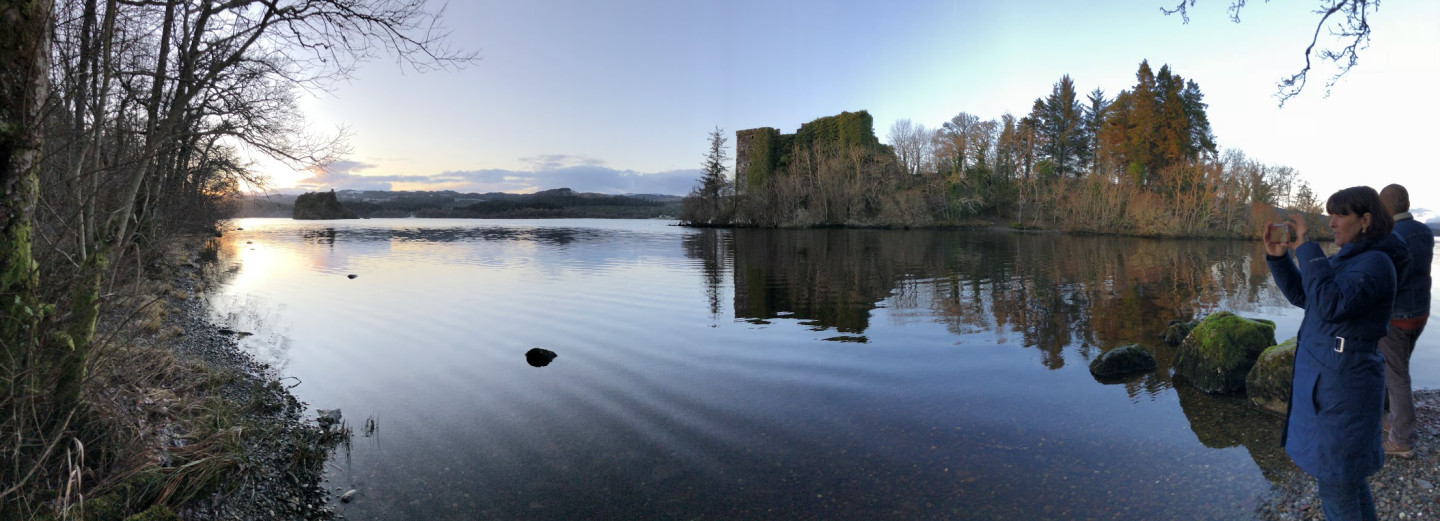
You’ll turn the corner to head up the other side of Loch Awe at a place called Ford and immediately notice a difference. The road is narrower and more winding but even quieter than before. It’s somewhere to slow down, take your time and keep your eyes peeled. Eventually, you’ll reach a layby above a heavily wooded island, accessed down a short but steep slope. That island is home to Innis Chonnel Castle, once the main stronghold of Clan Campbell but now overgrown and ruined. You’ll need either a kayak or short swim to reach the castle itself, but it looks impressive enough to enjoy from the shore!
View Of Ben Cruachan
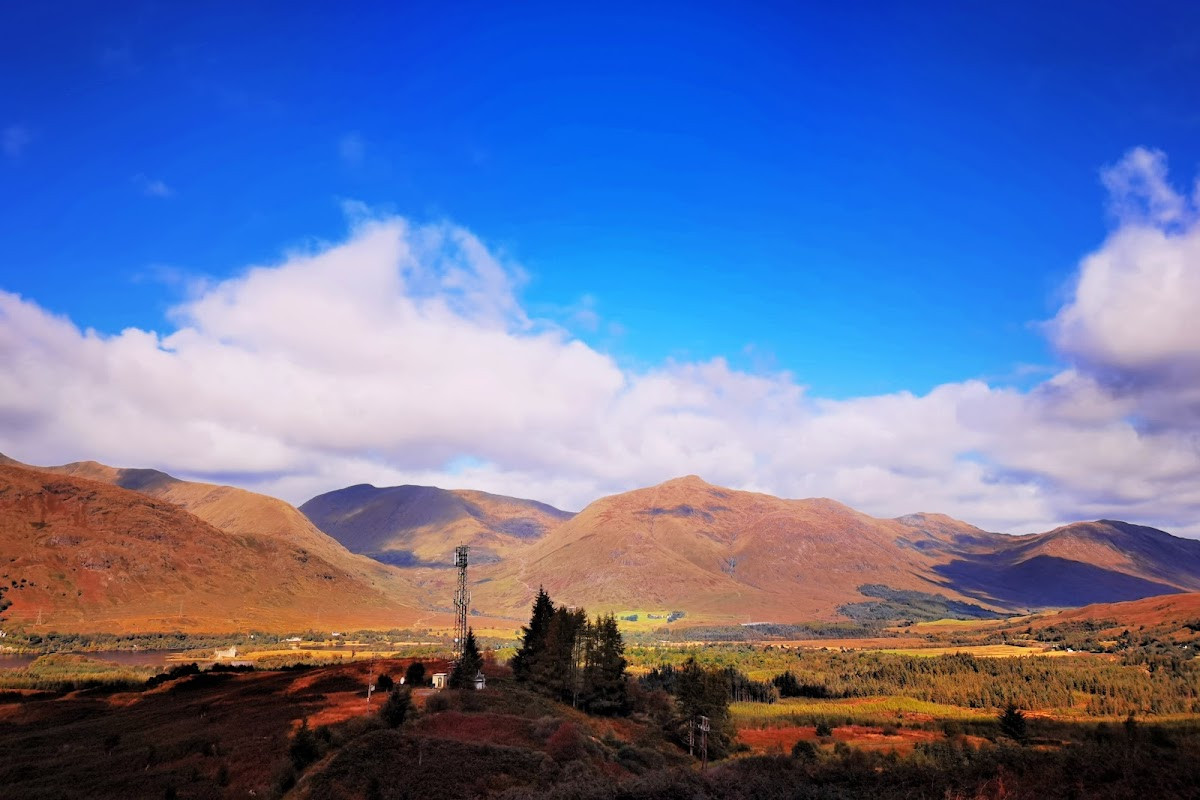
While you have the option to hike Ben Cruachan on the northwest side of Loch Awe, that’s a whole day activity. As you travel along the quiet, winding road on the east side of the loch, enjoy the view across the water of this impressive mountain. From this angle, you can easily see the enormous hydro-electric dam that gives Ben Cruachan the nickname – “Hollow Mountain”!
Duncan Ban MacIntyre Monument
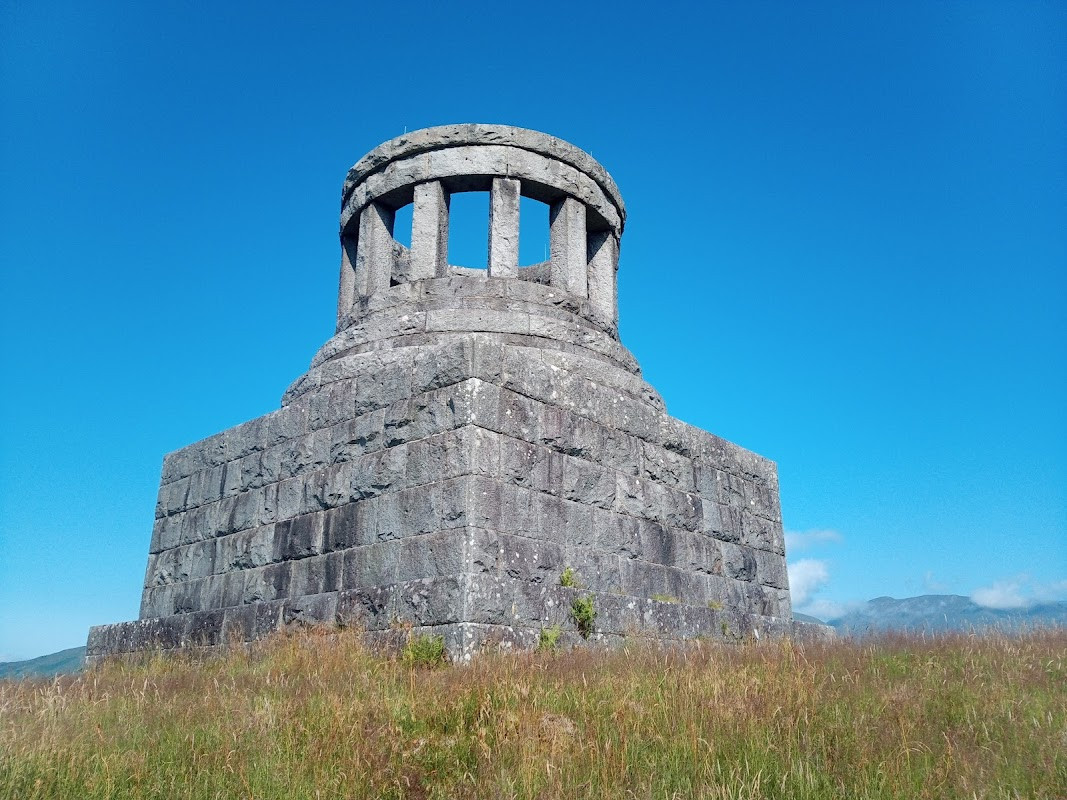
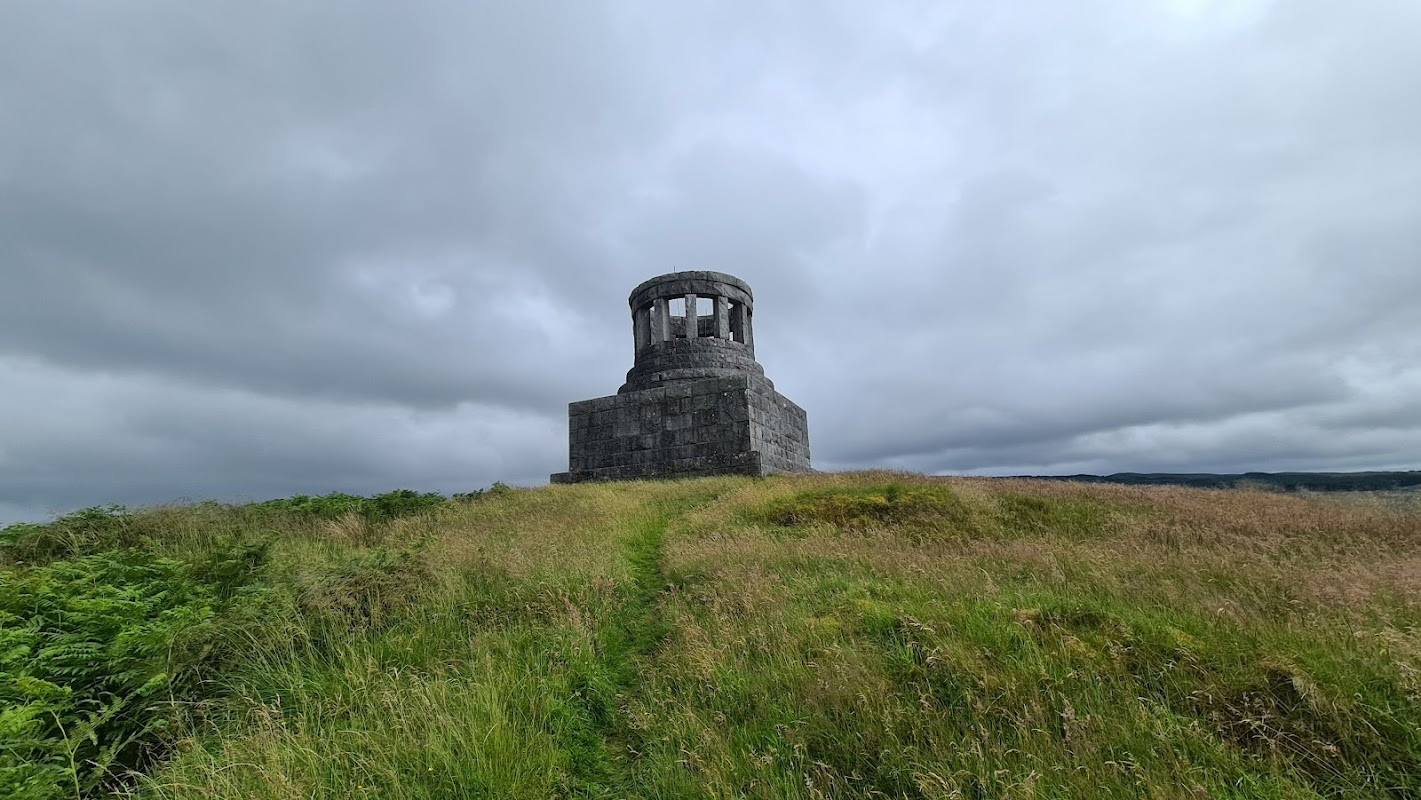
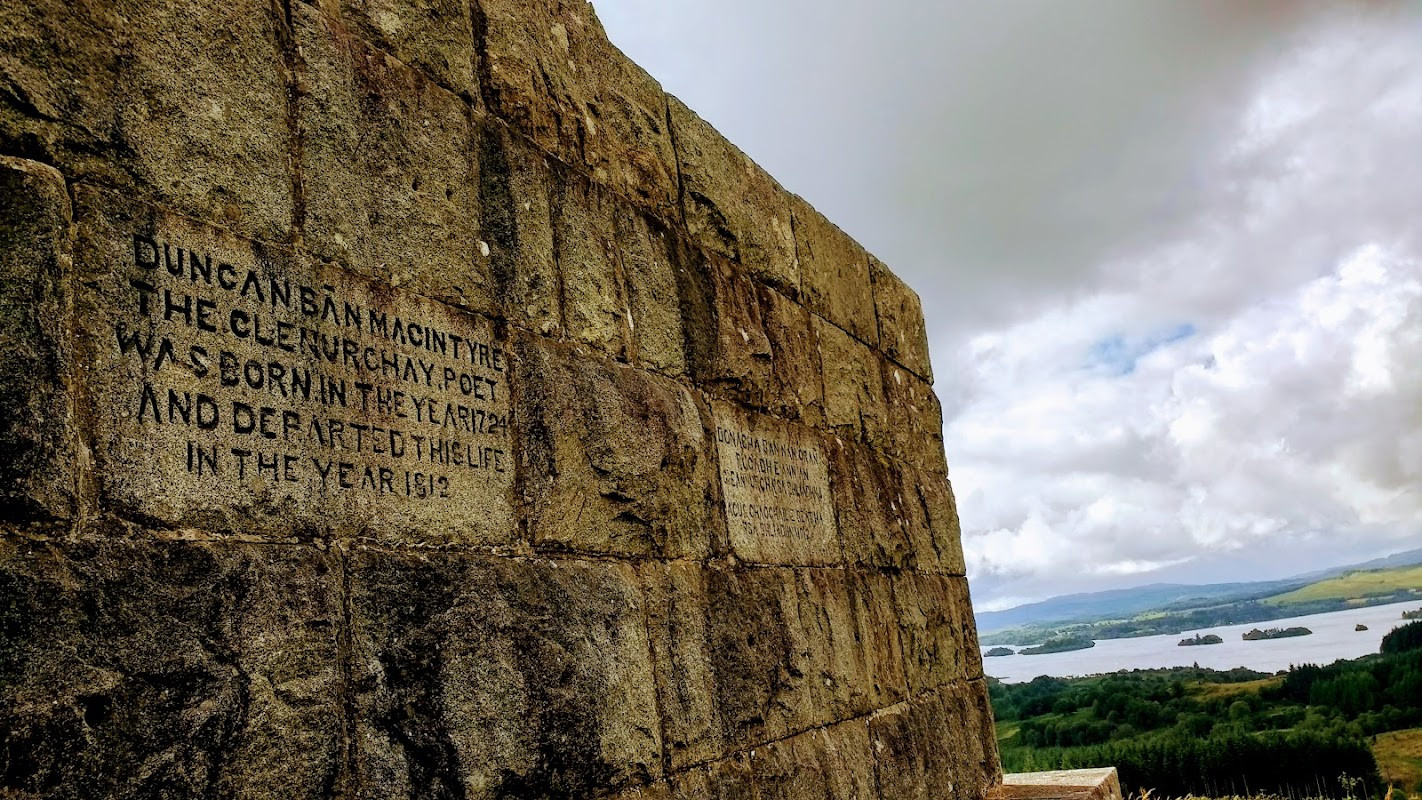
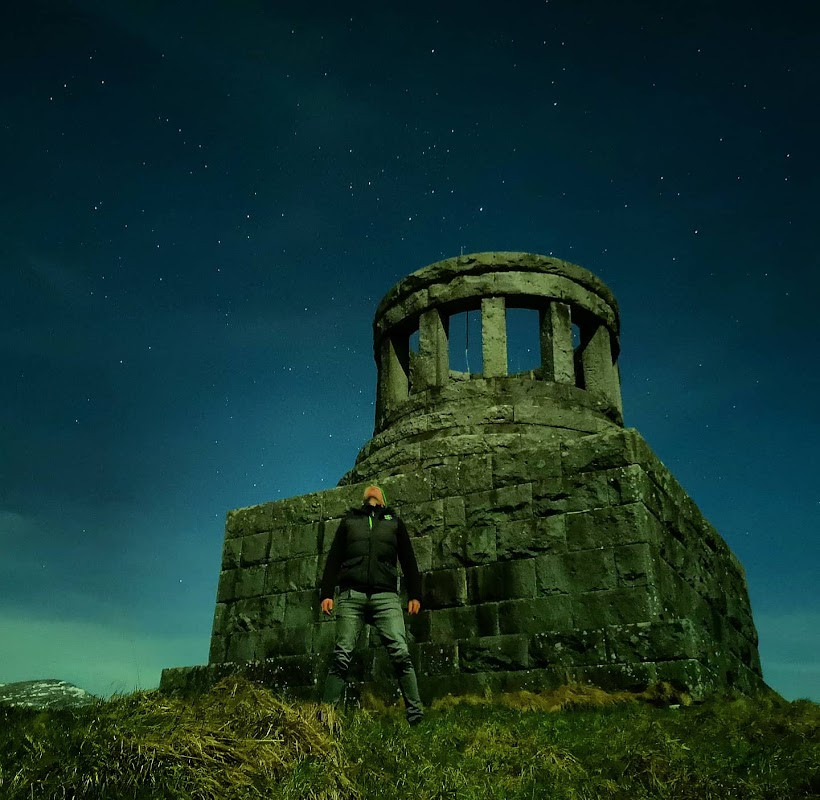
To finish your day around Loch Awe, take a climb to a monument that’s often missed, dedicated to an unsung local hero. Duncan Ban MacIntyre was a Gaelic poet, born near here in the 18th century and spent most of his days as a forester and gamekeeper. His poetry gives us a snapshot of what mattered to people in that place and time. Duncan wrote about the mountains, his beloved gun and how much he hated the sheep he saw displacing his friends and family. He lived through a time of great change in the Highlands and while the scenery around Loch Awe is very different to what Duncan would have known, this monument ensures the locals will never forget him or his work.






 Sign in with Google
 Sign in with Email