
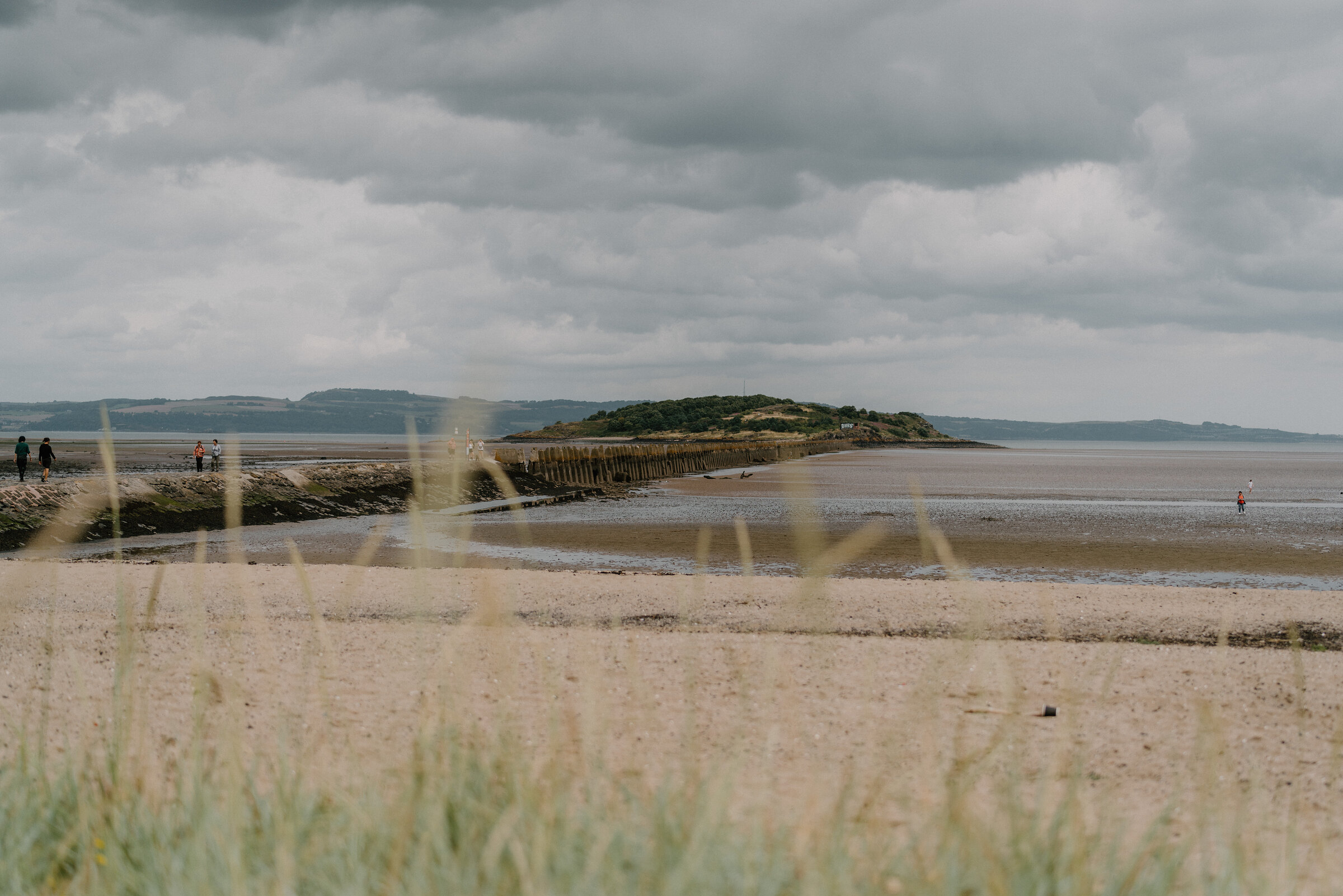
Cramond – The Forth Shore and the River Almond to Cramond Brig
About 2.7 miles on foot.
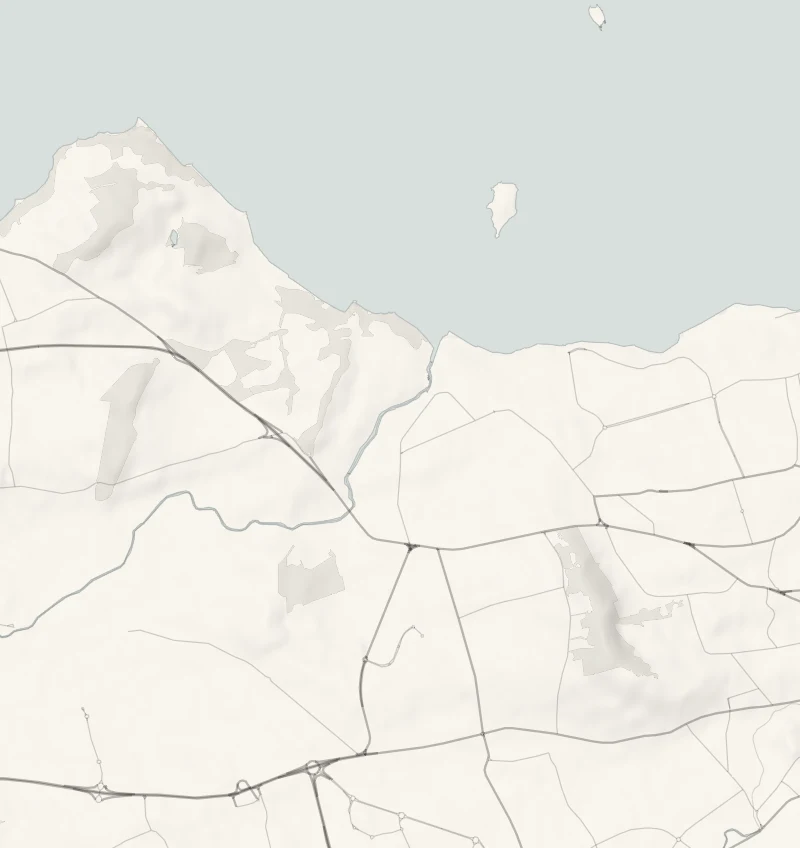
Cramond is where the River Almond runs out into the Forth, on the north-west edge of Edinburgh.
The Romans kept a harbour and a fort here, and for centuries the river drove a string of mills. This walk starts on the sand, with Cramond Island out at the end of its causeway, then turns inland along the wooded riverbank to the old stone arches of Cramond Brig.
- Time
- About two hours: 4.4 km (2.7 miles) there and back along the River Almond Walkway between Cramond's foreshore and Cramond Brig. Longer with a walk along the promenade.
- The path
- The promenade is wide, flat and surfaced. The riverside path has steps and some wet ground.
- Where to start
- The free car park beside the shore in Cramond village.
- When to go
- All year in daylight. The riverside path is wet underfoot after rain.
- Dogs
- Under close control. The riverbank is steep in places.
- Children
- The beach and the weirs are the draw. The riverbank is steep in places and the island's causeway floods.
- Toilets
- Public toilets in Cramond village, by the foreshore.
- Before you set out
- The causeway to Cramond Island floods with the tide and is not part of this walk.
The walk
Park in the free car park beside the shore in Cramond village. There are public toilets close by. Start with the beach, where a wide, flat promenade runs east along the Forth towards Silverknowes and Cramond Island sits out at the end of its causeway. The causeway floods with the tide, and this walk stays on the shore.
The River Almond Walkway runs inland from the river's mouth. The council measures it at about 2.2 km from the foreshore to Cramond Brig, so allow an hour each way. The path keeps to the bank under trees, with steps and some wet ground. It passes the weirs and ruins of the old mills at Fairafar, Peggy's Mill and Dowie's Mill, which made spades, hoops, nails and paper in their time.
The Romans built a harbour at the river mouth and a fort above it around AD 140, as an outpost of the Antonine Wall, and stayed for some seventy years. Cramond Brig stands on the site of a 15th-century bridge, and Sir Walter Scott tied it to the tale of Jock Howieson, who is said to have rescued King James V from robbers here. The riverbank is steep in places, so keep children and dogs close.
If it rains
The trees along the river give some shelter, but the path has steps and gets muddy, and the shore is open to the wind off the Forth.
Before you go
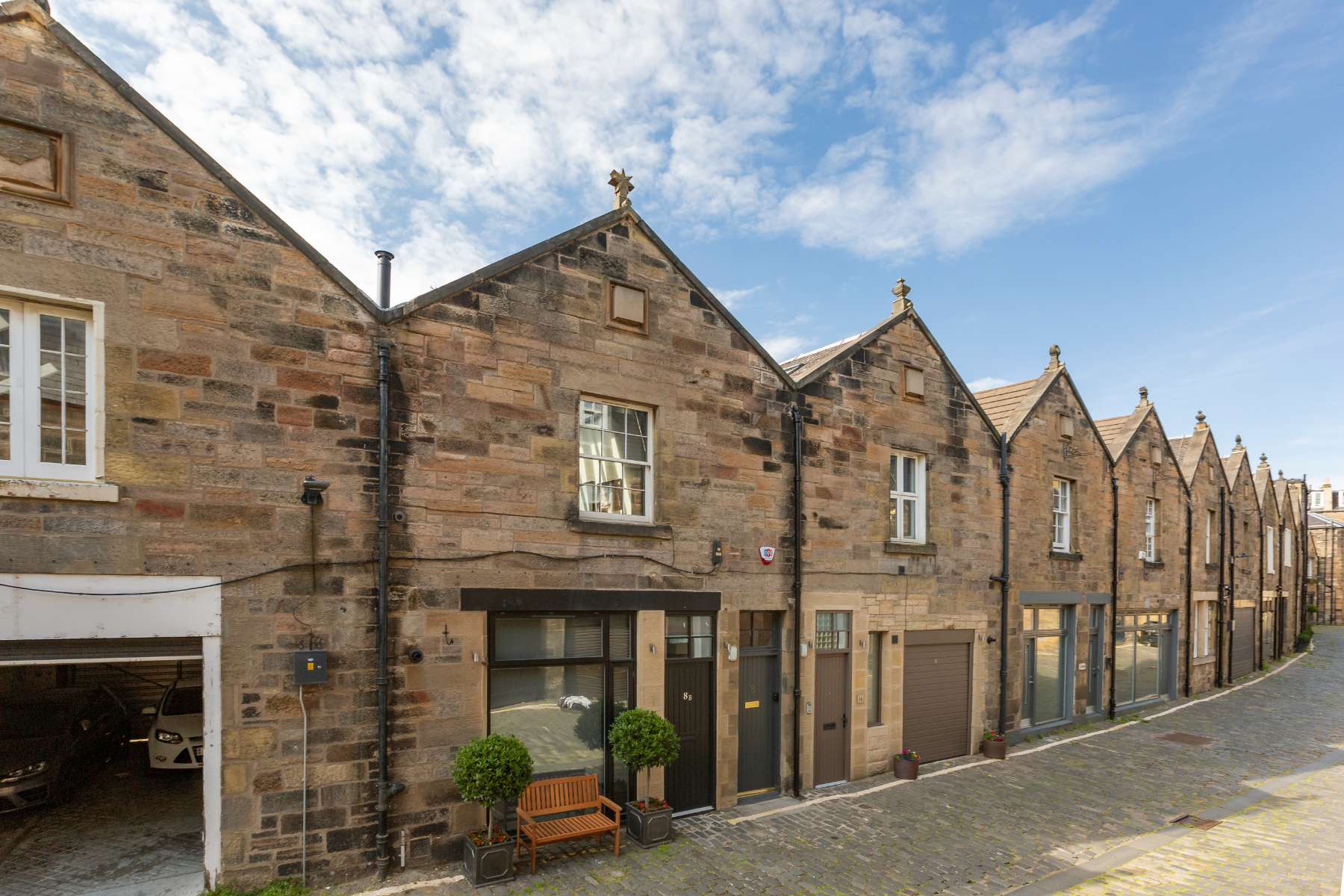
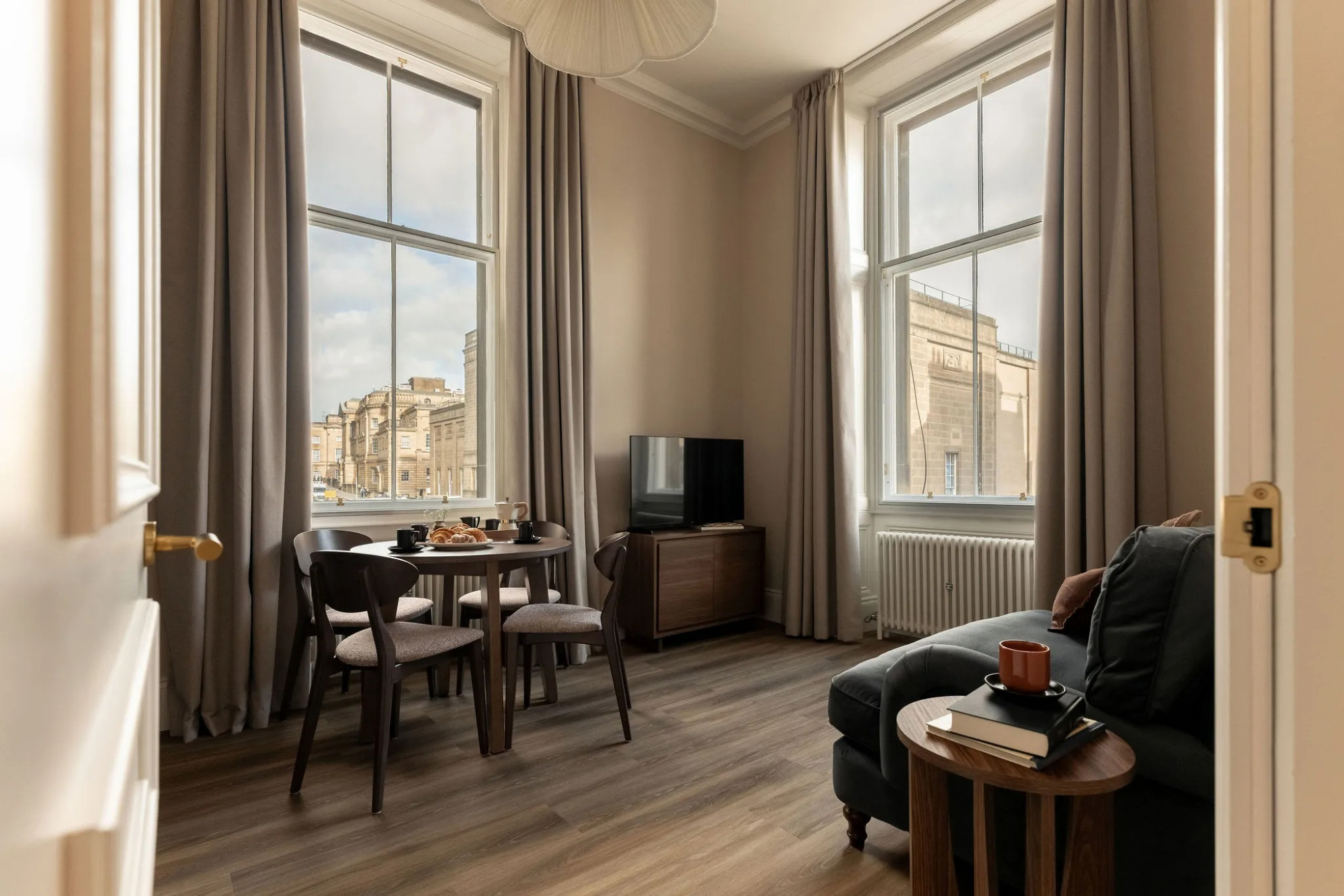
Book accommodation nearby
If you are staying over: here are ours nearest where the day starts and ends.

(1)-large-1778448485.jpg)
For further reading, before you go.