
Camperdown, Templeton Woods and Clatto – Dundee's Green Edge
About 5.9 miles on foot.
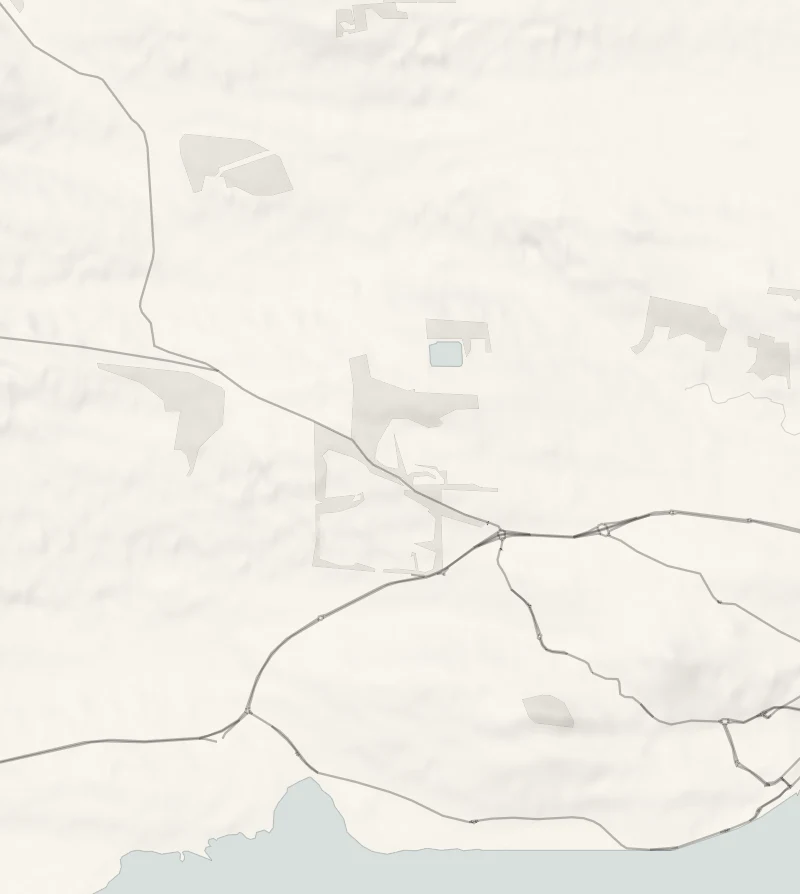
Three green spaces run together along Dundee's north-west edge: the parkland of Camperdown, the tall trees of Templeton Woods and the still water of Clatto Reservoir.
Walked as one round they make about 6 miles and a good half day, and you might see a red squirrel on the way.
- Time
- Two and a half to three and a half hours' walking: about 9.5 km (5.9 miles) round the three, on park and woodland paths.
- The path
- Park roads and paths in Camperdown and a level path round Clatto Reservoir; woodland paths between.
- Where to start
- The free car park beside the Wildlife Centre, about a mile into Camperdown Country Park from the main entrance on the Coupar Angus Road.
- When to go
- All year in daylight, and good in late October when the park's old trees turn. From November to January set off by 11.30am.
- Dogs
- Under close control or on a short lead at all times in Camperdown.
- Children
- A big play area near the Wildlife Centre and another at Clatto. The full round is long for small children.
- Toilets
- Free public toilets on Coupar Angus Road, by the park's main entrance.
- Before you set out
- Camperdown House is closed to the public. Blue-green algae is sometimes found in Clatto Reservoir, and its ice is never safe to walk on.
The walk
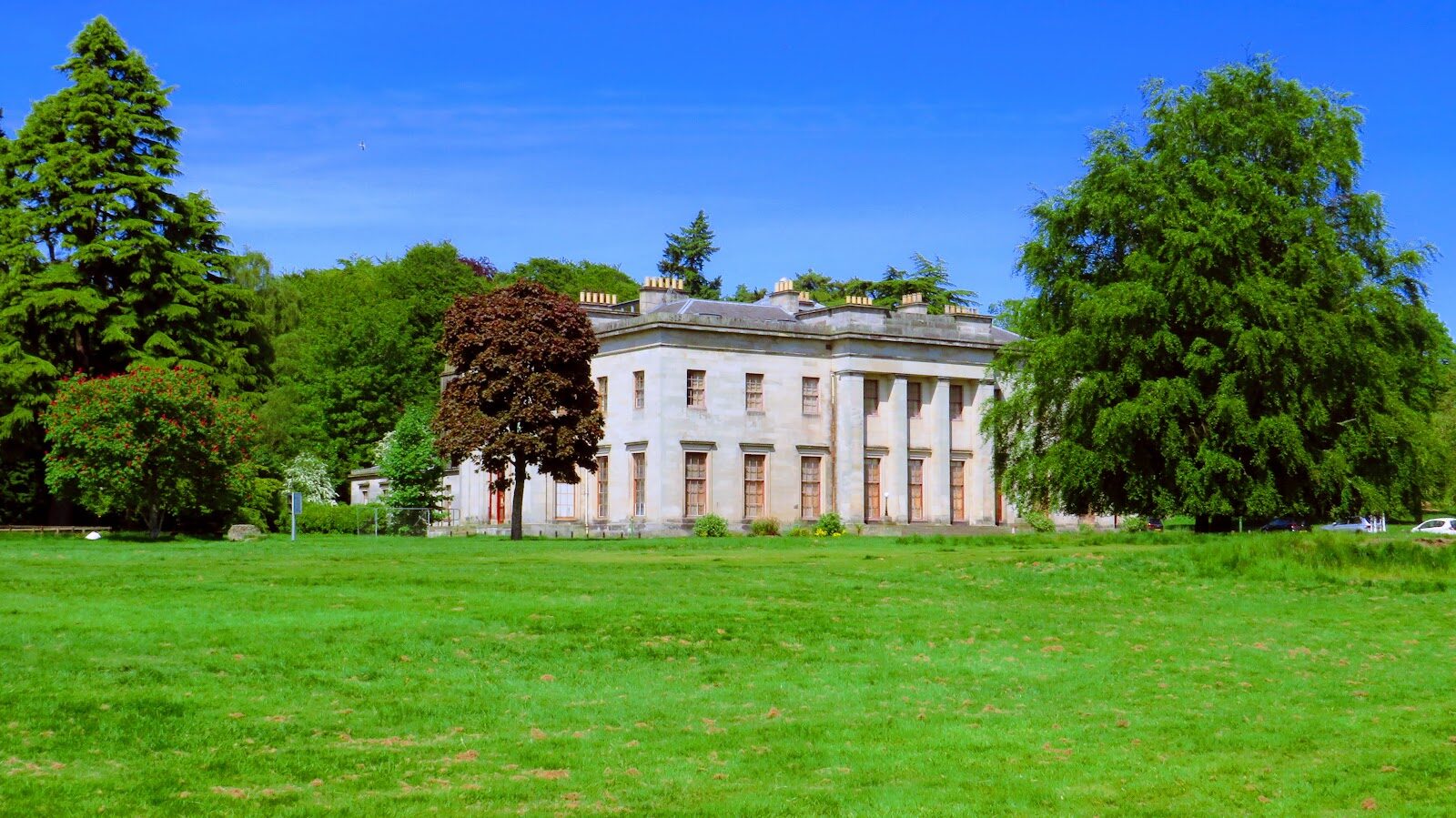
Park in the free car park beside the Wildlife Centre, about a mile into Camperdown Country Park from its main entrance on the Coupar Angus Road. Three green spaces run together along this edge of Dundee, and the Green Circular walking and cycling route links them. Walkhighlands measures the round of all three at 9.5 km, about 6 miles, and gives it two and a half to three and a half hours. Camperdown is the city's largest park, laid out round a house of 1828 that William Burn designed for the Duncan family. It's named after the Battle of Camperdown of 1797, won by the Dundee-born Admiral Adam Duncan.
The house is closed, but the parkland round it has 190 kinds of tree and is part of the National Tree Collections of Scotland, with a lime avenue at the entrance that was planted after Waterloo. Templeton Woods are to the north, 150 acres planted in the 1800s by the Earl of Camperdown's head forester. Roe deer, buzzards, jays and red squirrels live in them, and Dundee is one of the few cities in Britain with red squirrels. An art trail through the trees has a totem pole carved by volunteers in 2003 and a wooden xylophone. Beyond the woods is Clatto Reservoir, made in 1874 for the city's water and no longer part of the supply, with a level path round its edge and a play area on its west side.
The council warns of blue-green algae in the water at times, and never to walk on the ice. Dogs must be under close control or on a short lead in Camperdown. The Wildlife Centre by the car park has a café for sandwiches and cakes, where dogs are allowed. From November to January, set off by 11.30am.
If it rains
The woods give shelter and the park has hard paths, so it works in showers. On a wet day keep to Camperdown's parkland and the trees round the house, about an hour.
Before you go
Book accommodation nearby
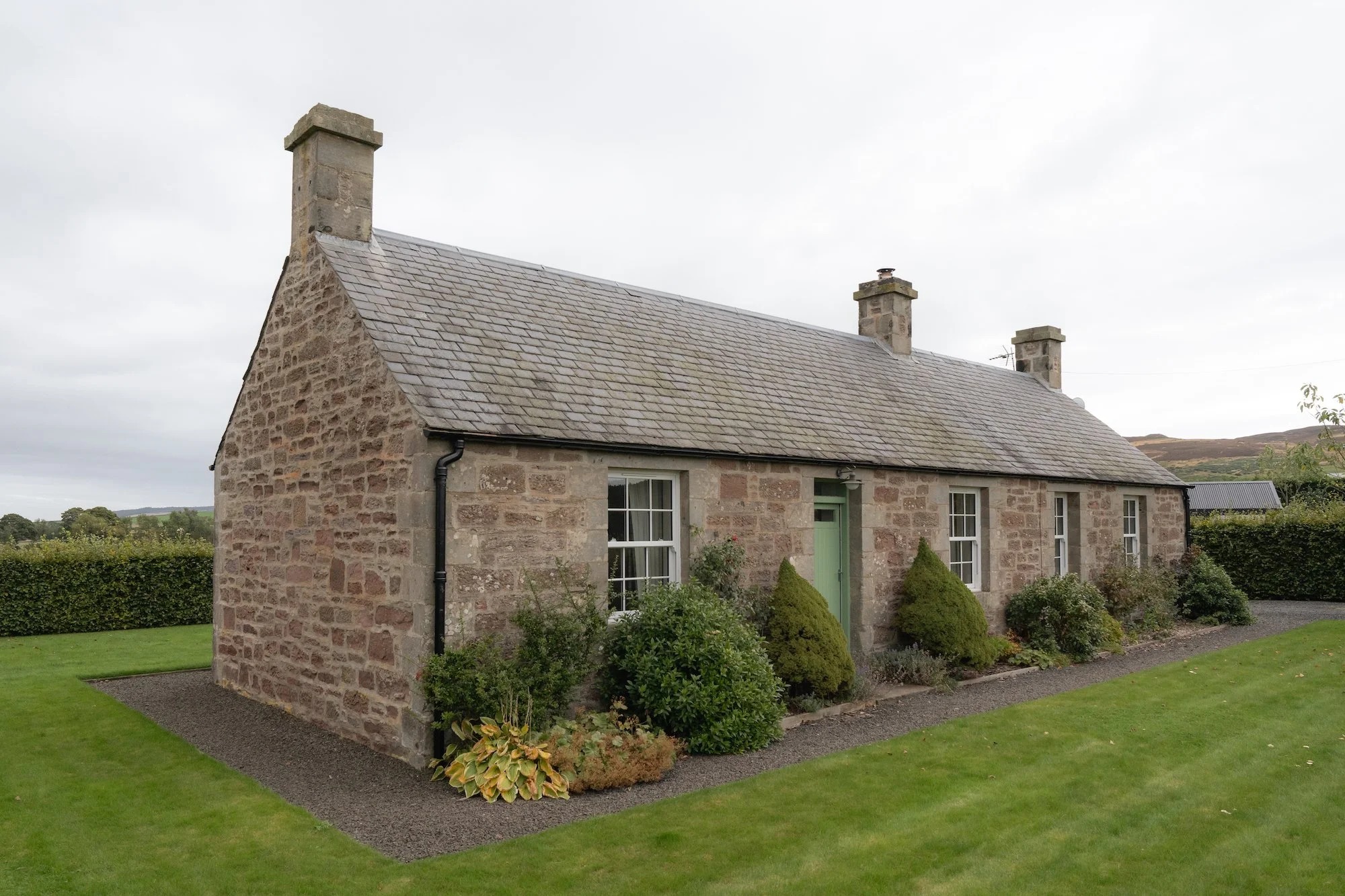
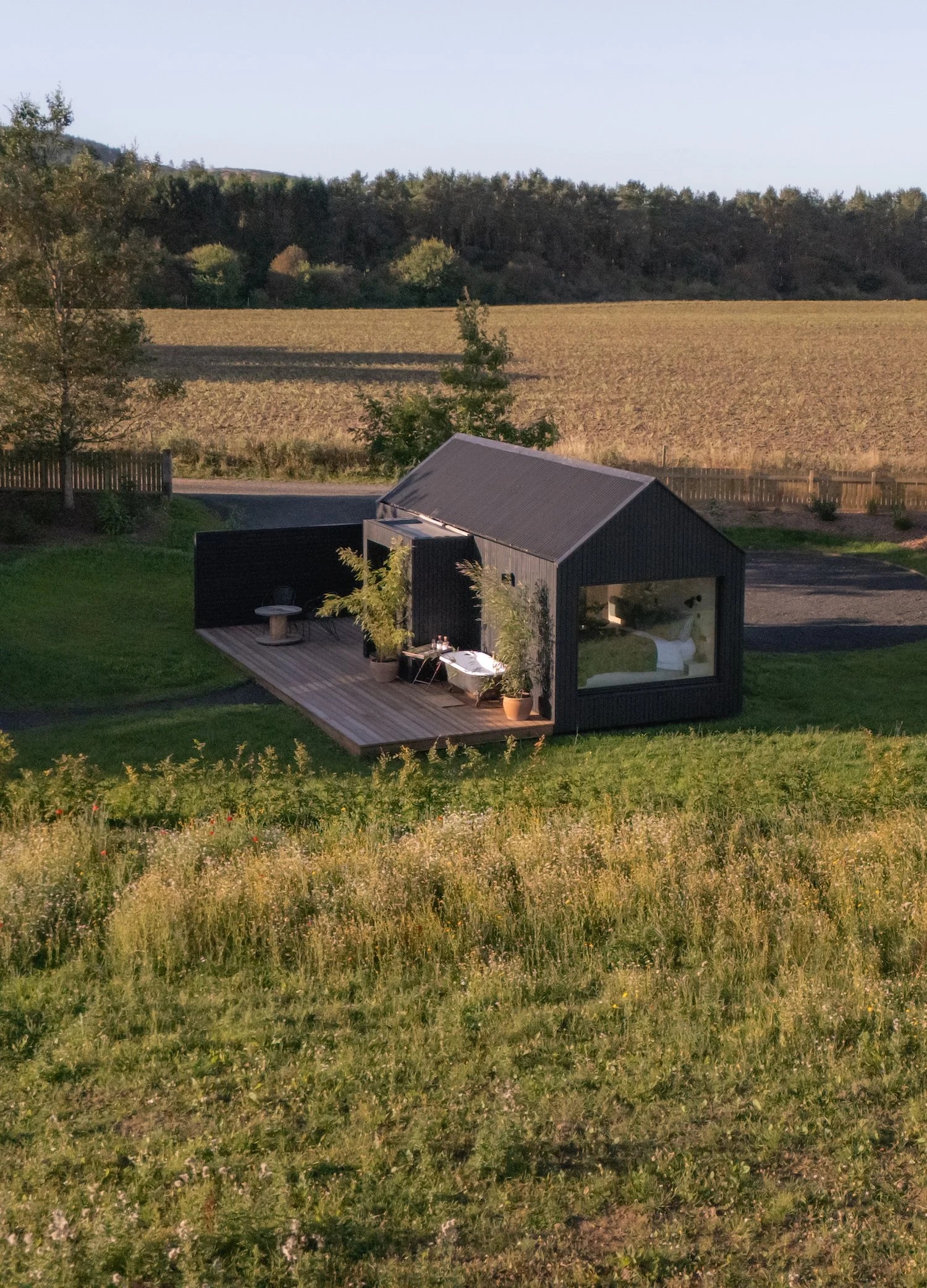
If you are staying over: here are ours nearest where the day starts and ends.
For further reading, before you go.
Photograph by Hamid Rasheed via Google