A Full-Day Itinerary for Exploring Iona on Foot

Written by Hidden Scotland
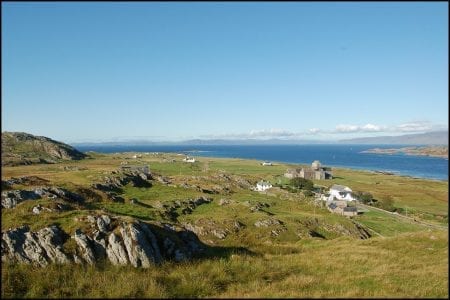
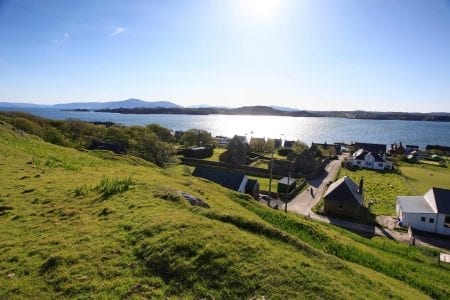
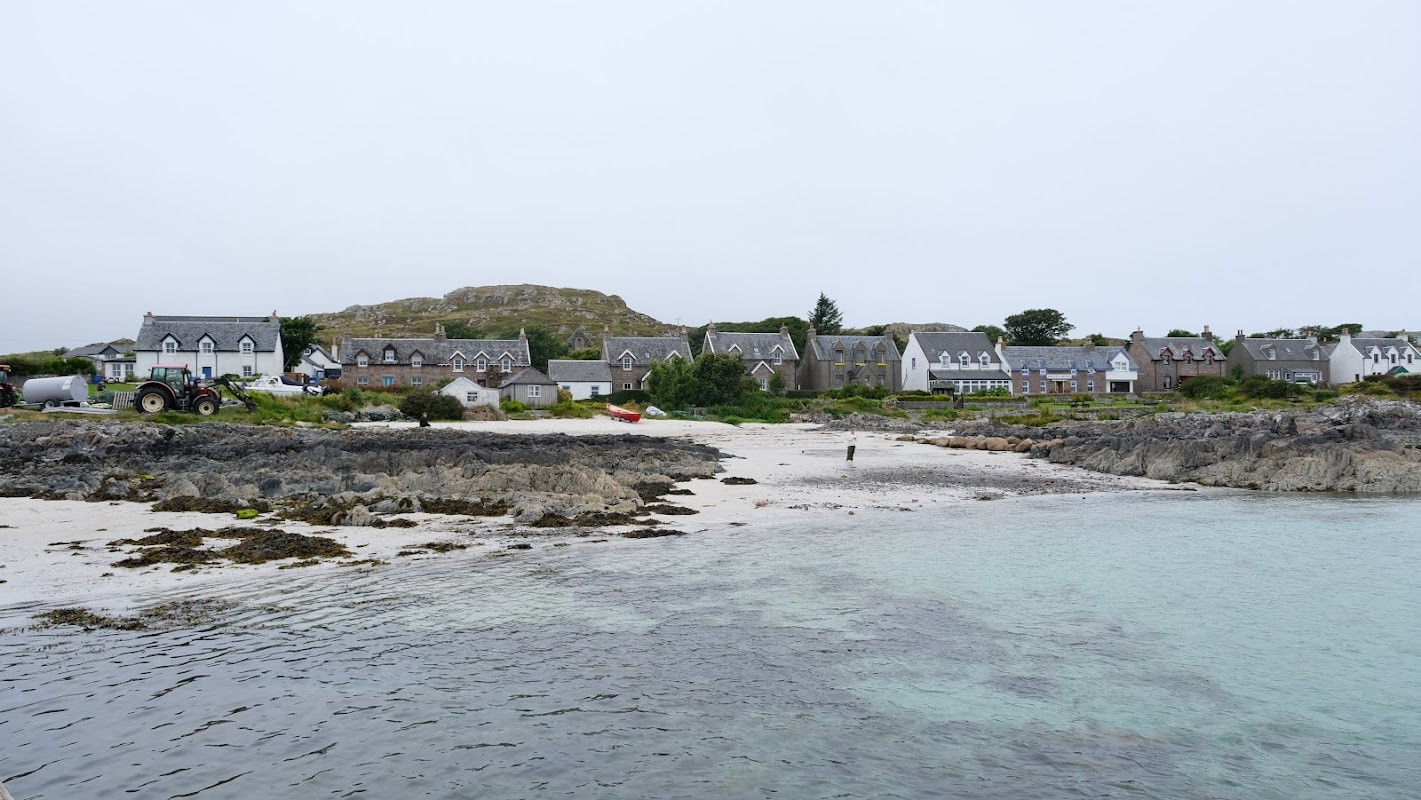
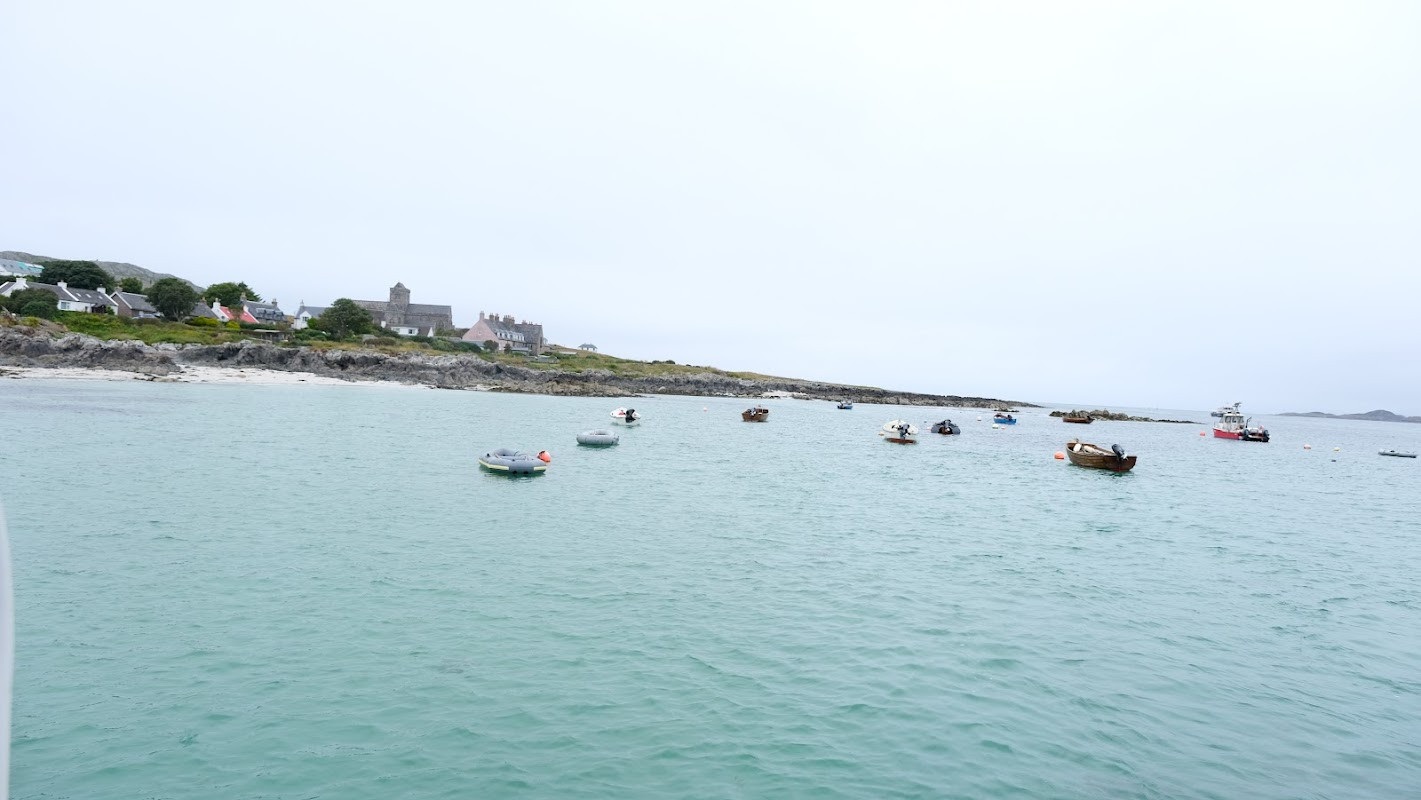
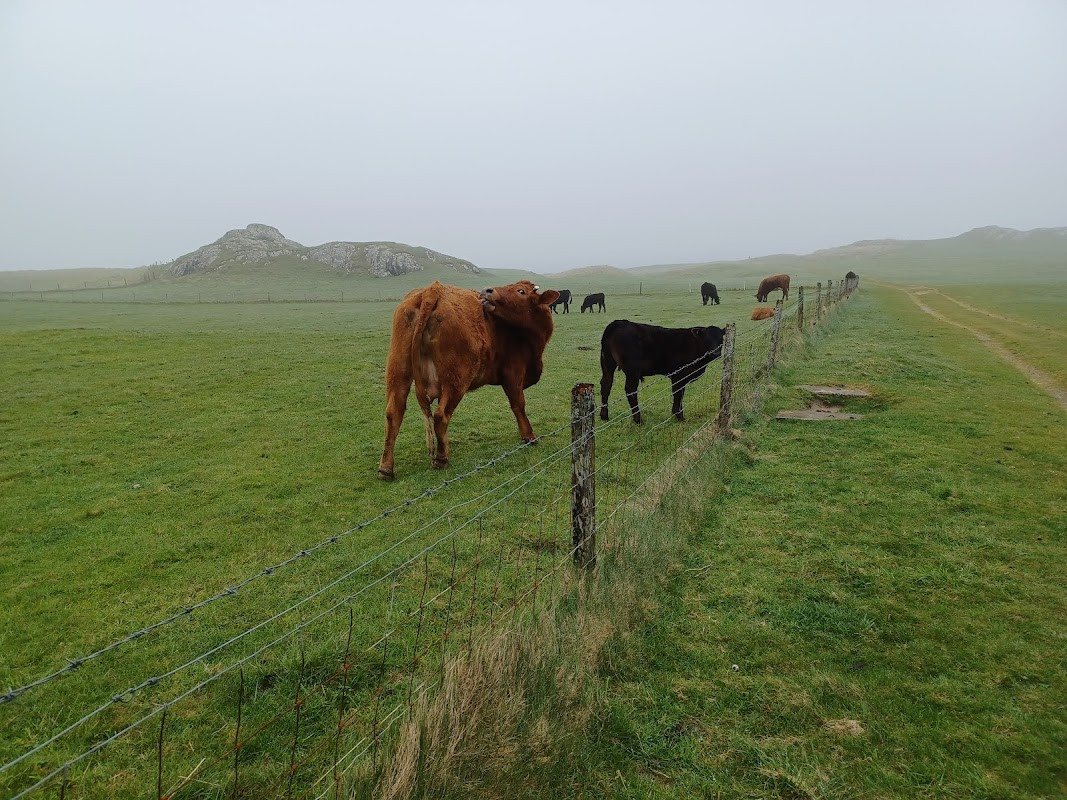
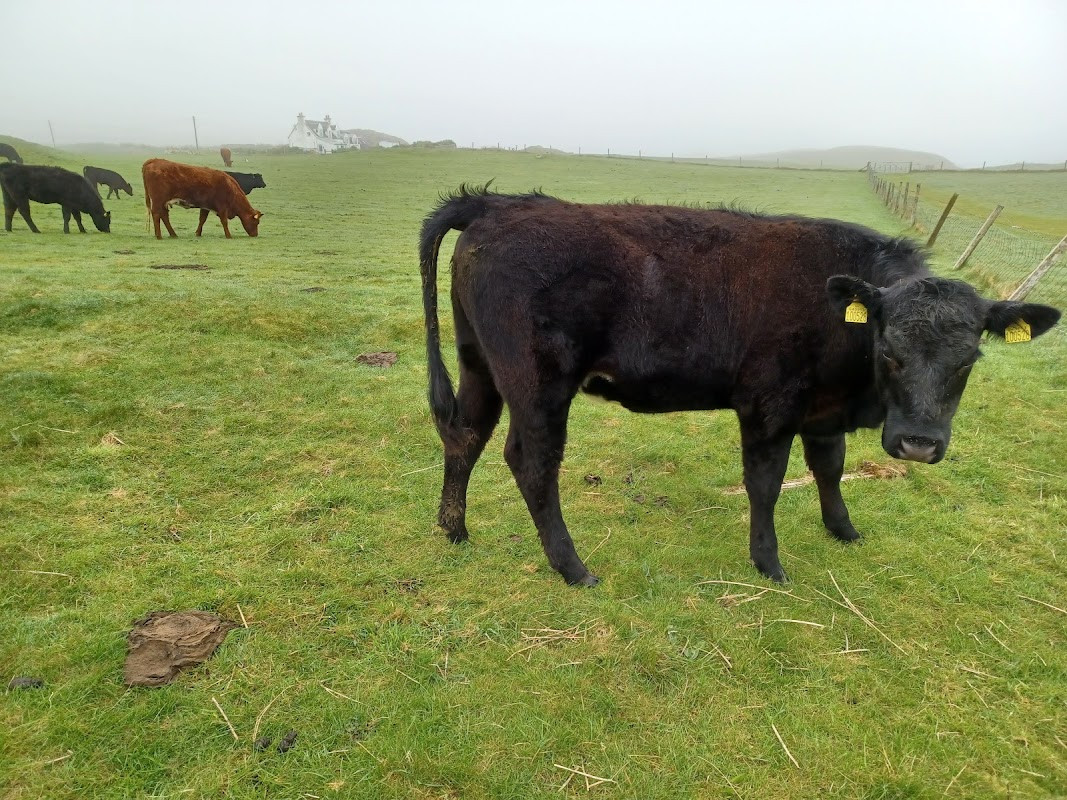
Iona lies just off the southwest coast of Mull, across a narrow stretch of sea. It’s a small island, low and green, with wide fields, quiet paths, and weathered stone buildings. You can walk across it in under an hour, but its history runs deep. For centuries, people have come here to reflect, explore, or just to slow down. Even on a short visit, it leaves a mark.
In the 500s, Columba and a small group of monks sailed from Ireland and landed here. They built a settlement close to where the Abbey now stands. From this base, they travelled through the Highlands and nearby islands, sharing their beliefs and setting up Christian communities. The monastery became known as a place of learning and art. Craftsmen, scribes, and students came to Iona, and its influence spread far beyond the island.
Over time, the site expanded. Later, after raids and decline, it was rebuilt during the medieval period as a Benedictine Abbey. Some parts of the early monastic ground still remain, and you can trace that longer story as you walk. What makes Iona feel different isn’t just its age, but the way the past sits alongside daily life. Shops and galleries sit near ruins. A beach path might lead you to a carved stone. You notice things as you go.
This itinerary is made for a full day on foot, starting at the harbour and working through the village, the historic core, the beaches, and the open southern end of the island. It’s designed to avoid backtracking and give space between stops. Some places are close together, others take a little longer to reach. But nothing is rushed. Iona suits a slower pace, and this route gives you a way to see its layers without having to plan too much.
Iona Craft Shop
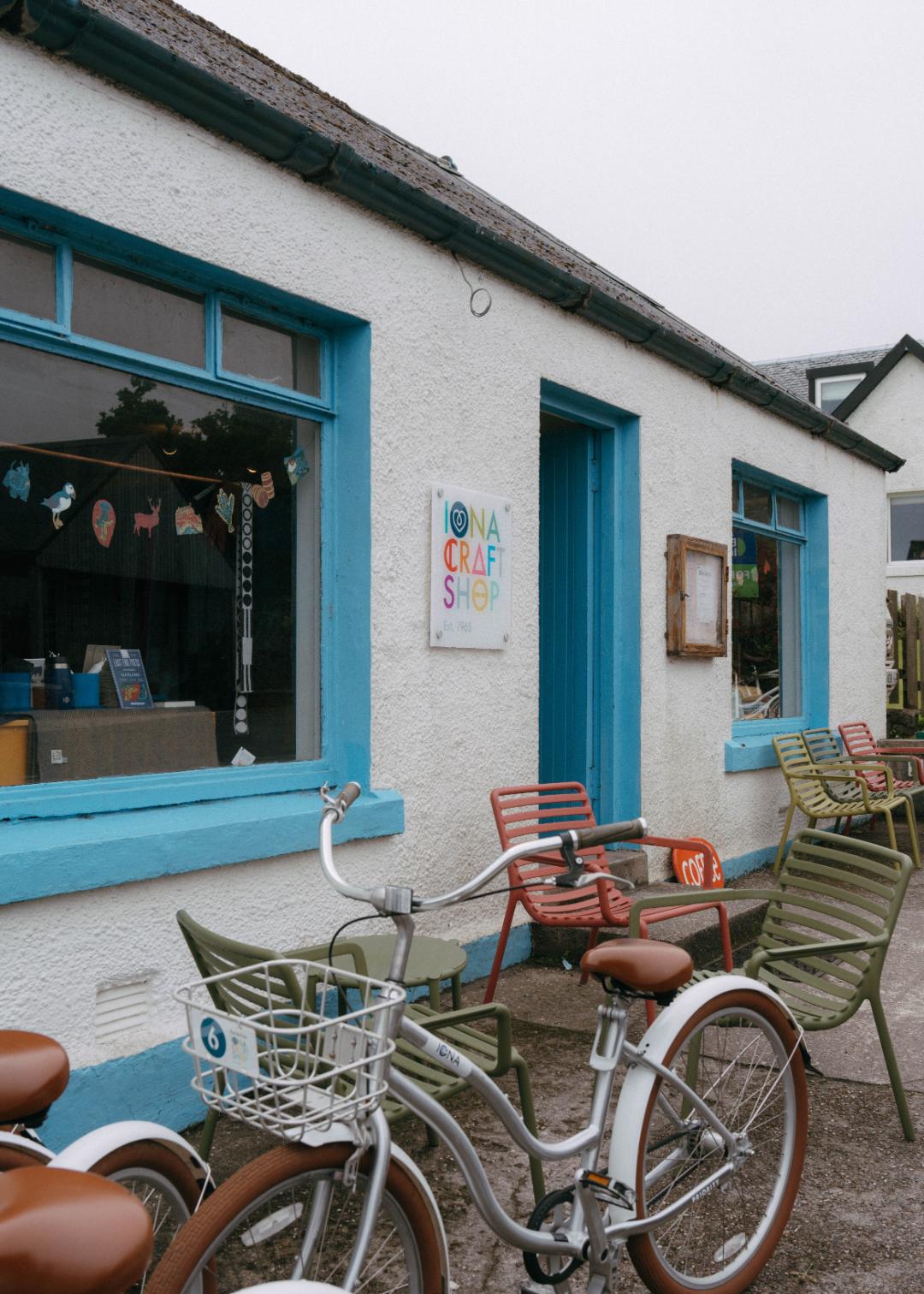
Just beyond the ferry slipway, the Iona Craft Shop is the first place to stop. Set in a whitewashed building just before the Nunnery ruins, it feels part gallery, part café, and part local hub. Inside, you’ll find books, knitwear made from Iona wool, well-designed textiles, and small-batch ceramics. Everything...
Iona Nunnery Ruins
After the craft shop, keep going along the road and you’ll reach the Nunnery almost immediately. The site is open, quiet, and sits right beside the pavement. You don’t need a ticket. Just walk in.
Built in the early 1200s, this was once a Benedictine convent, established by Reginald of the...
Iona Abbey
From the Nunnery, keep walking north along the road. In less than ten minutes, the Abbey appears ahead, built in grey stone and set slightly above the surrounding fields. Just before you reach the entrance, stop at MacLean’s Cross on the left — a 15th-century cross still standing where it...
St Oran’s Chapel & Reilig Odhráin
Head round the back of the Abbey and you’ll come to a small stone building surrounded by a graveyard. That’s St Oran’s Chapel. It’s the oldest structure still standing on Iona, built in the 1100s. No fuss, no decoration, just thick walls and narrow windows that have held up over...
North End Beaches
Head north from the Abbey and keep following the road. You’ll pass the hostel and a few scattered houses, then the landscape opens up. The road narrows to a single track, with wide fields on either side and glimpses of the sea ahead. After about 20 minutes on foot, you’ll...
St Columba's Bay
Once you’ve finished the loop from the north end, either by retracing the road or taking the quiet track across the machair, you’ll find yourself back near the village. This is a good moment to pause. There’s still a fair walk ahead, and St Columba’s Bay is a more remote,...
Iona Marble Quarry
From St Columba’s Bay, look inland and slightly uphill. A short path climbs towards the old marble quarry, once the centre of a brief industrial chapter in Iona’s history. It only takes a few minutes to reach, but the ground can be muddy and uneven in places, so take it...
Ailidh Pizza
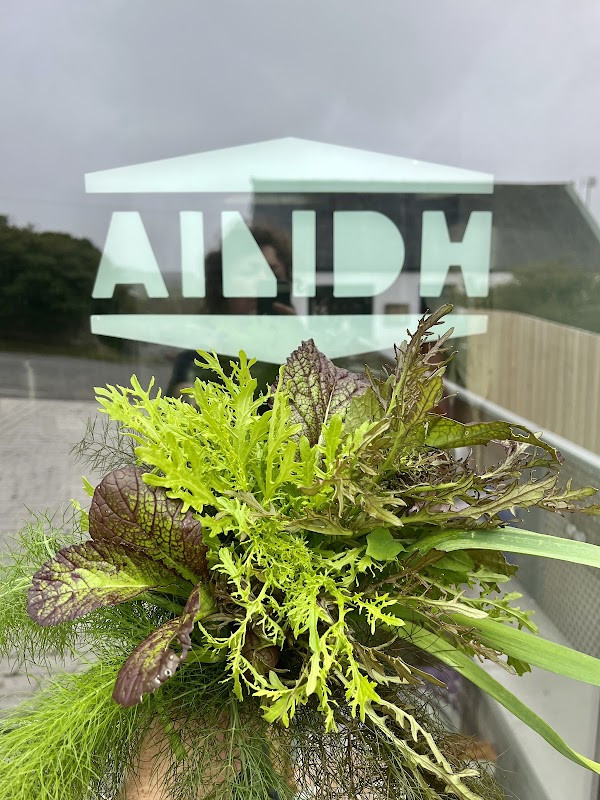
Back at the harbour, with the walking done and the ferry not far off, there’s one more stop worth making. Ailidh Pizza sits right beside the pier in a small converted trailer, serving hand-stretched wood-fired pizzas with generous toppings and a loyal following. You’ll probably smell it before you see...
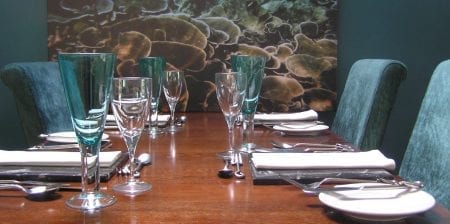
Restaurants on the route
Attraction nearby
Iona Craft Shop


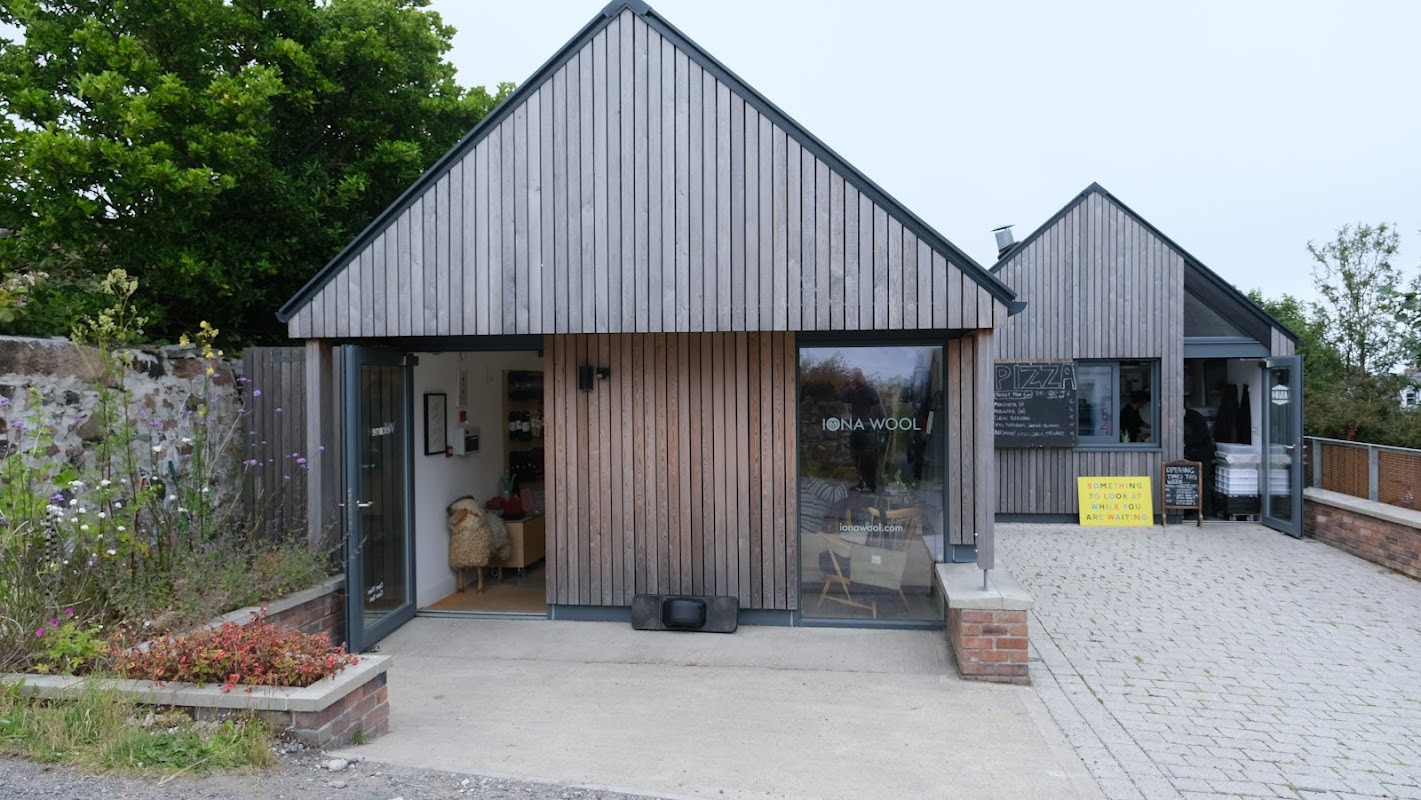
Just beyond the ferry slipway, the Iona Craft Shop is the first place to stop. Set in a whitewashed building just before the Nunnery ruins, it feels part gallery, part café, and part local hub. Inside, you’ll find books, knitwear made from Iona wool, well-designed textiles, and small-batch ceramics. Everything here is curated with care, with a focus on island-made and well-made.
They also serve takeaway coffee, which you can enjoy on the bench outside with a view toward the Abbey. It’s a quiet place to pause and get your bearings before heading into the rest of the day. If you’re interested in covering more ground, they offer bike hire too, although the route in this itinerary is best done on foot.
It’s worth going in early. Most shops on Iona close by late afternoon, so waiting until the end of the day might mean missing it altogether.


Iona Nunnery Ruins


After the craft shop, keep going along the road and you’ll reach the Nunnery almost immediately. The site is open, quiet, and sits right beside the pavement. You don’t need a ticket. Just walk in.
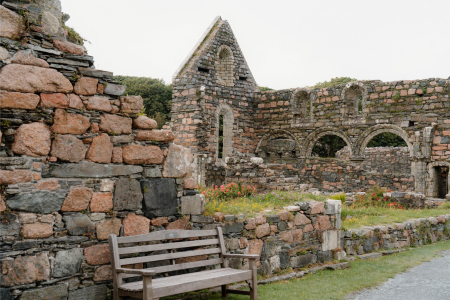
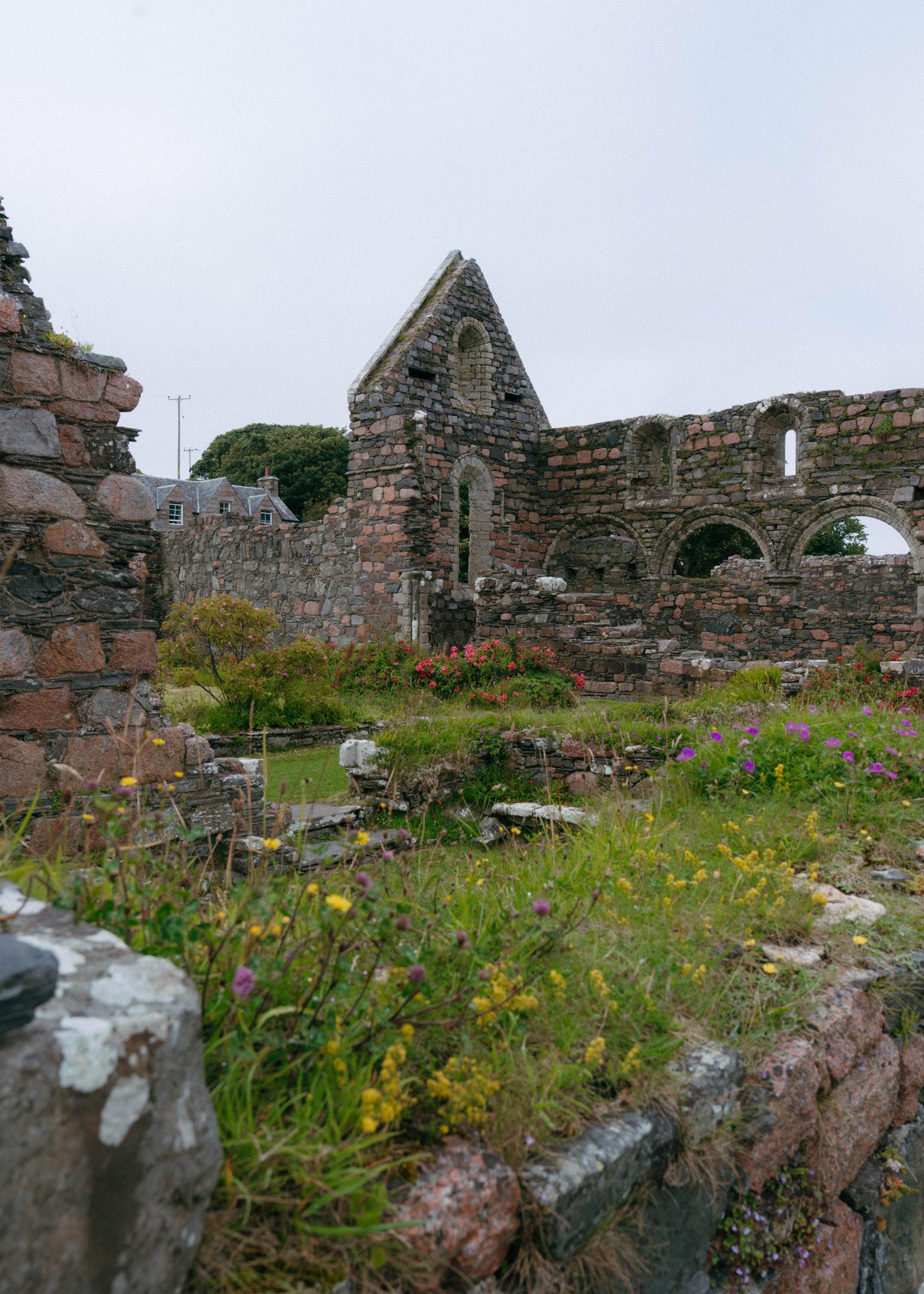
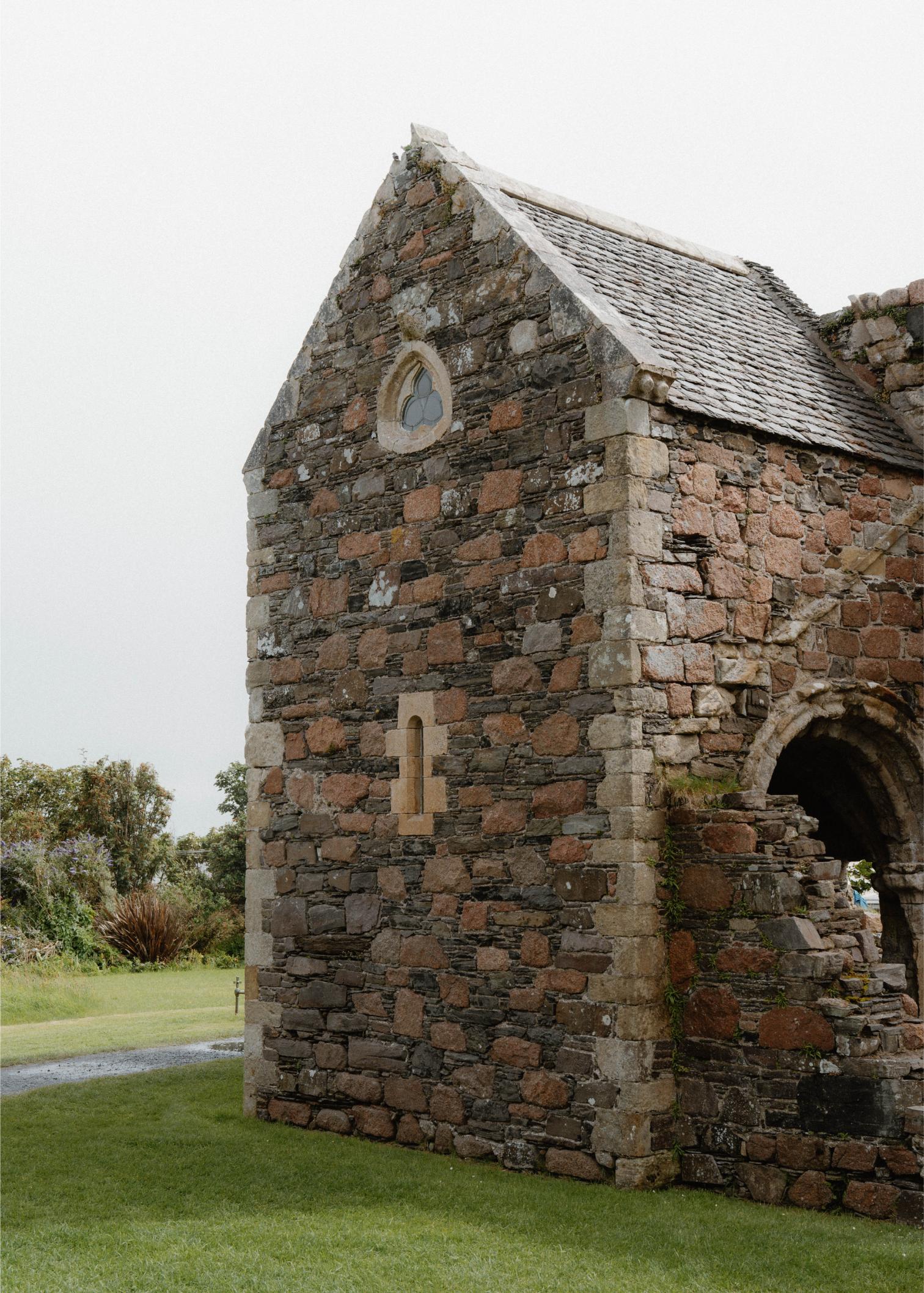
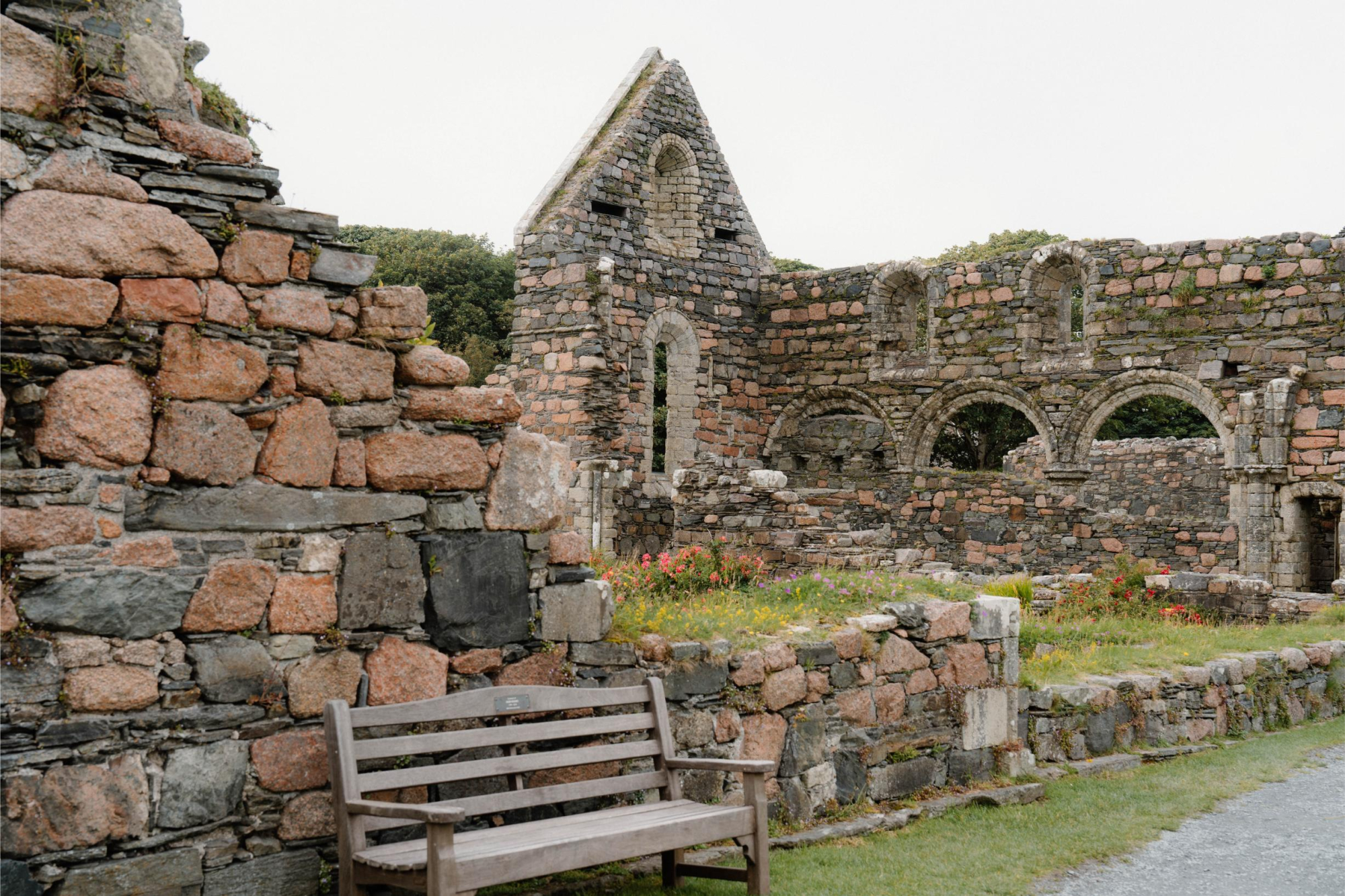
Built in the early 1200s, this was once a Benedictine convent, established by Reginald of the Isles and run by his sister Beathag. It likely held a small group of nuns, separate from the Abbey but closely linked.
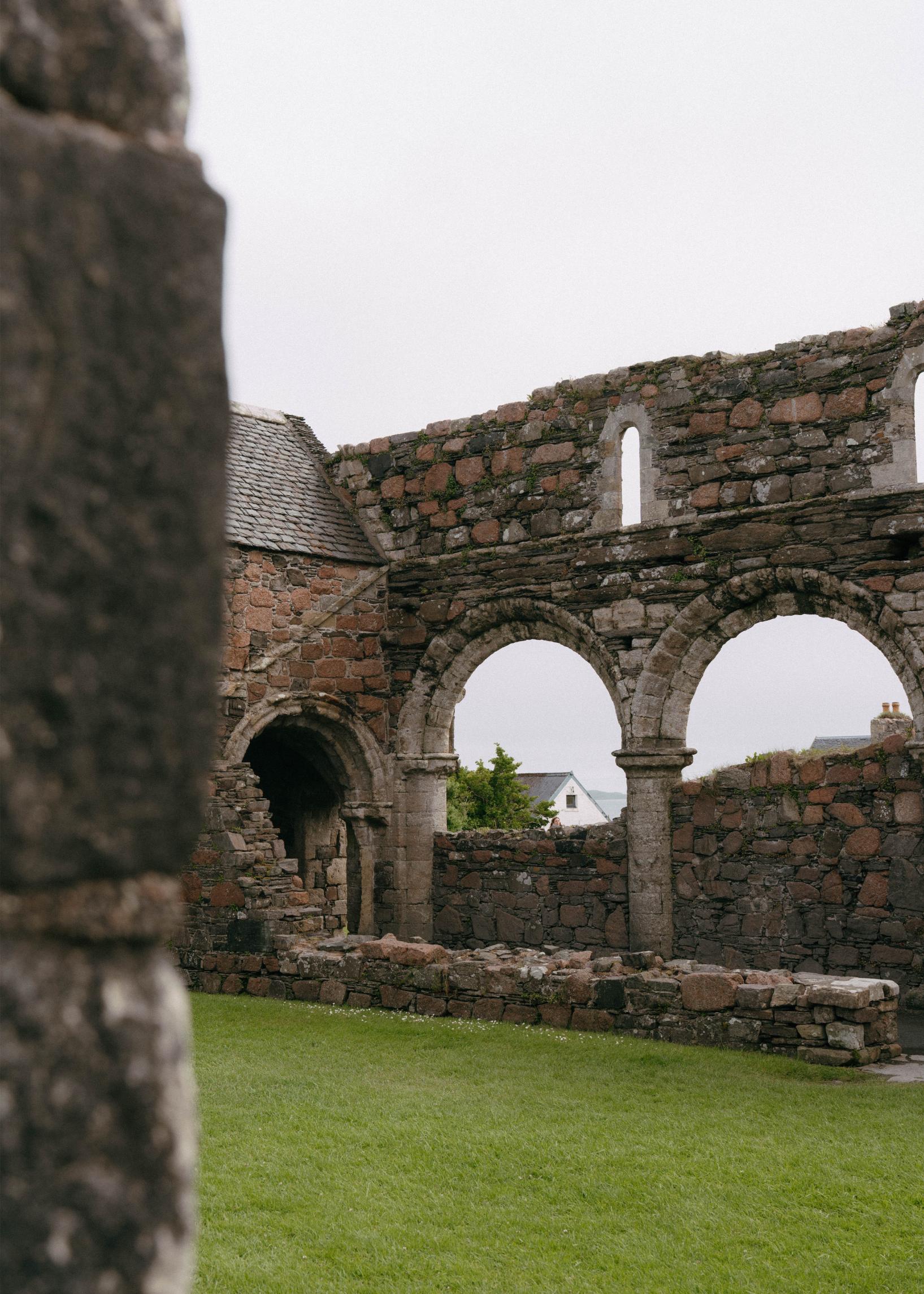
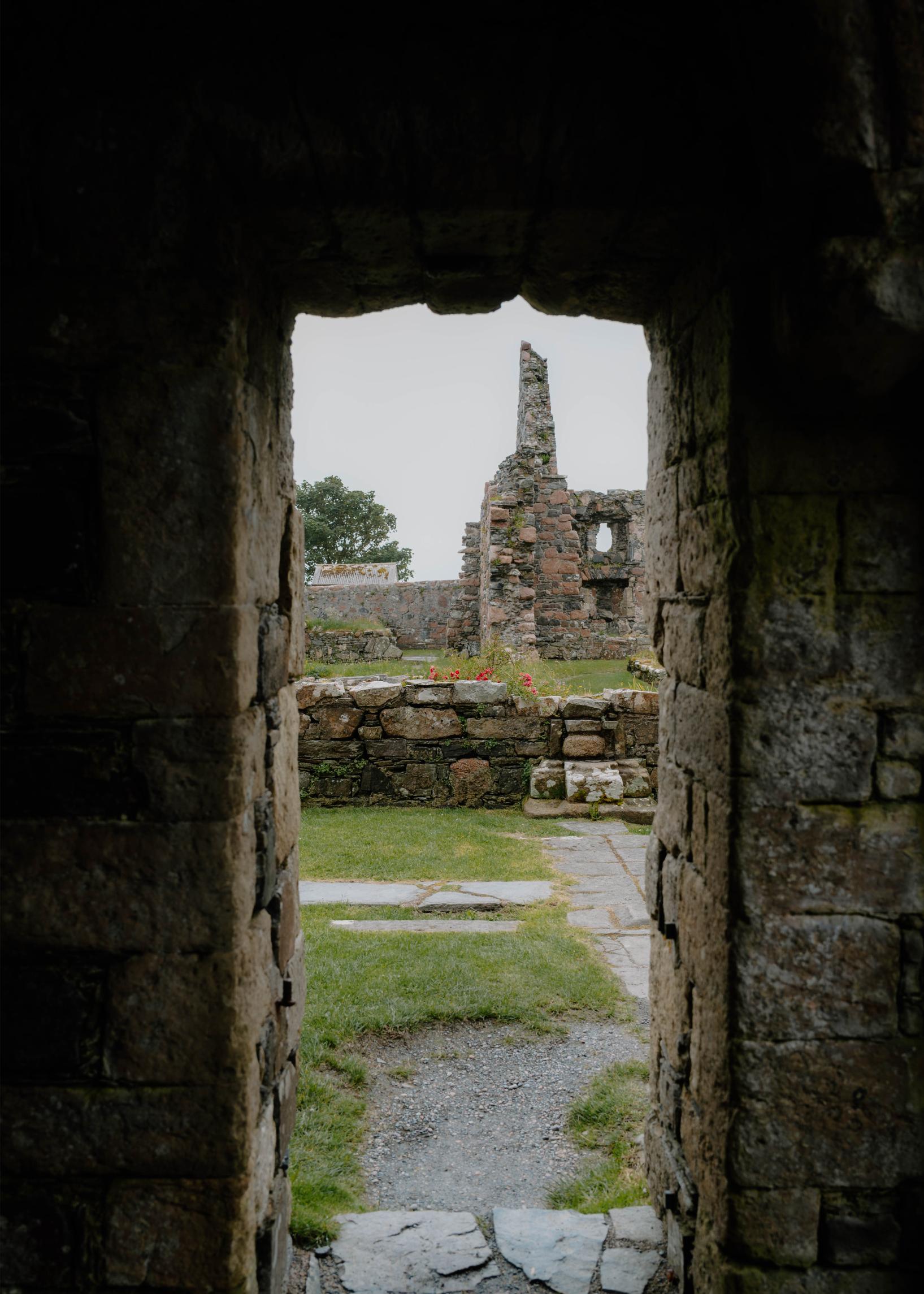
The ruins are in surprisingly good condition. You can still see the layout clearly — the chapel with its tall east-facing windows, the cloister garden, and the outlines of living quarters.
There’s no signage, so it helps to know what you’re looking at. But even without background, the structure makes sense. Wildflowers grow through the stonework in summer. It’s a peaceful space and takes only 10 or 15 minutes to explore before continuing toward the Abbey.


Iona Abbey


From the Nunnery, keep walking north along the road. In less than ten minutes, the Abbey appears ahead, built in grey stone and set slightly above the surrounding fields. Just before you reach the entrance, stop at MacLean’s Cross on the left — a 15th-century cross still standing where it was first placed.
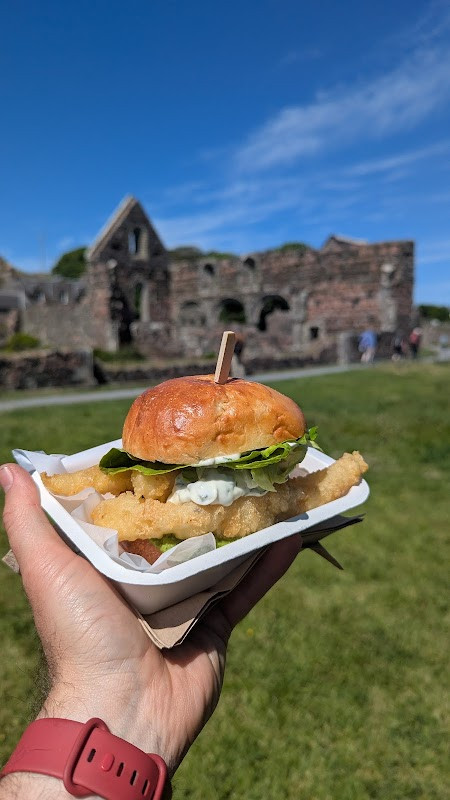
The Abbey was founded in 563 by Columba, an Irish monk who came to Iona with a small group of companions. His original wooden monastery is long gone, but the site remained important for centuries. It was rebuilt in stone by Benedictine monks in the 1200s, then carefully restored in the 20th century. Today it functions both as a historic site and an active place of worship.
There’s a lot to see. The main church is open daily and still used for services. Beside it is a cloister with restored columns, giving a strong sense of the original monastic layout. St Martin’s Cross, carved in the 700s, stands just outside the main doorway.
The on-site museum is easy to miss but worth visiting. It holds carved grave slabs, crosses, and medieval stonework from the site. If you're arriving later in the day, consider starting with the museum — it often closes earlier than the church.
Entry is ticketed through Historic Environment Scotland. Allow at least an hour to explore properly, longer if you want to walk through the nearby burial ground too.
Tip: Photography may be limited during services. Opening times vary slightly by season, so check ahead if you're visiting late in the day.


St Oran’s Chapel & Reilig Odhráin


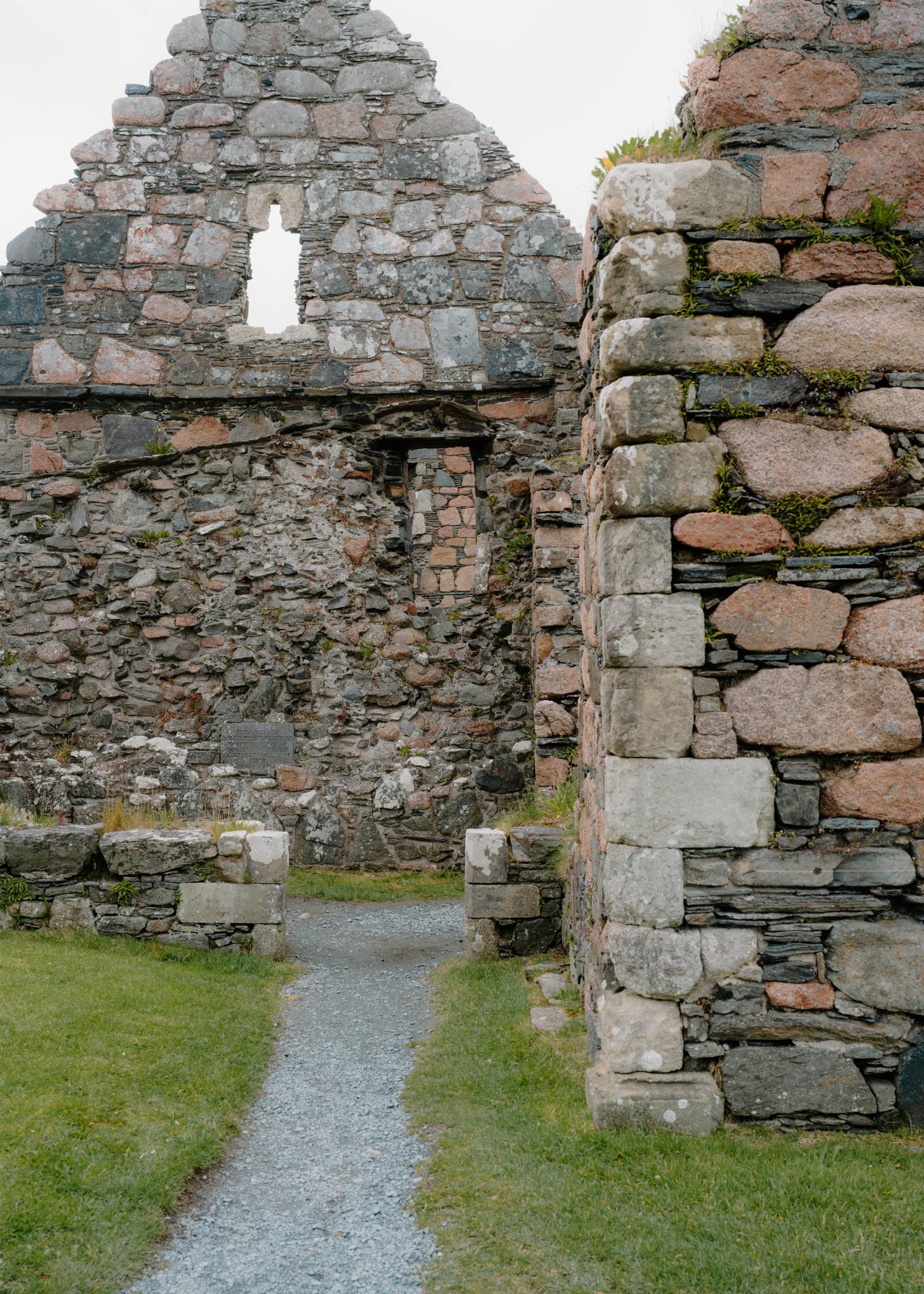
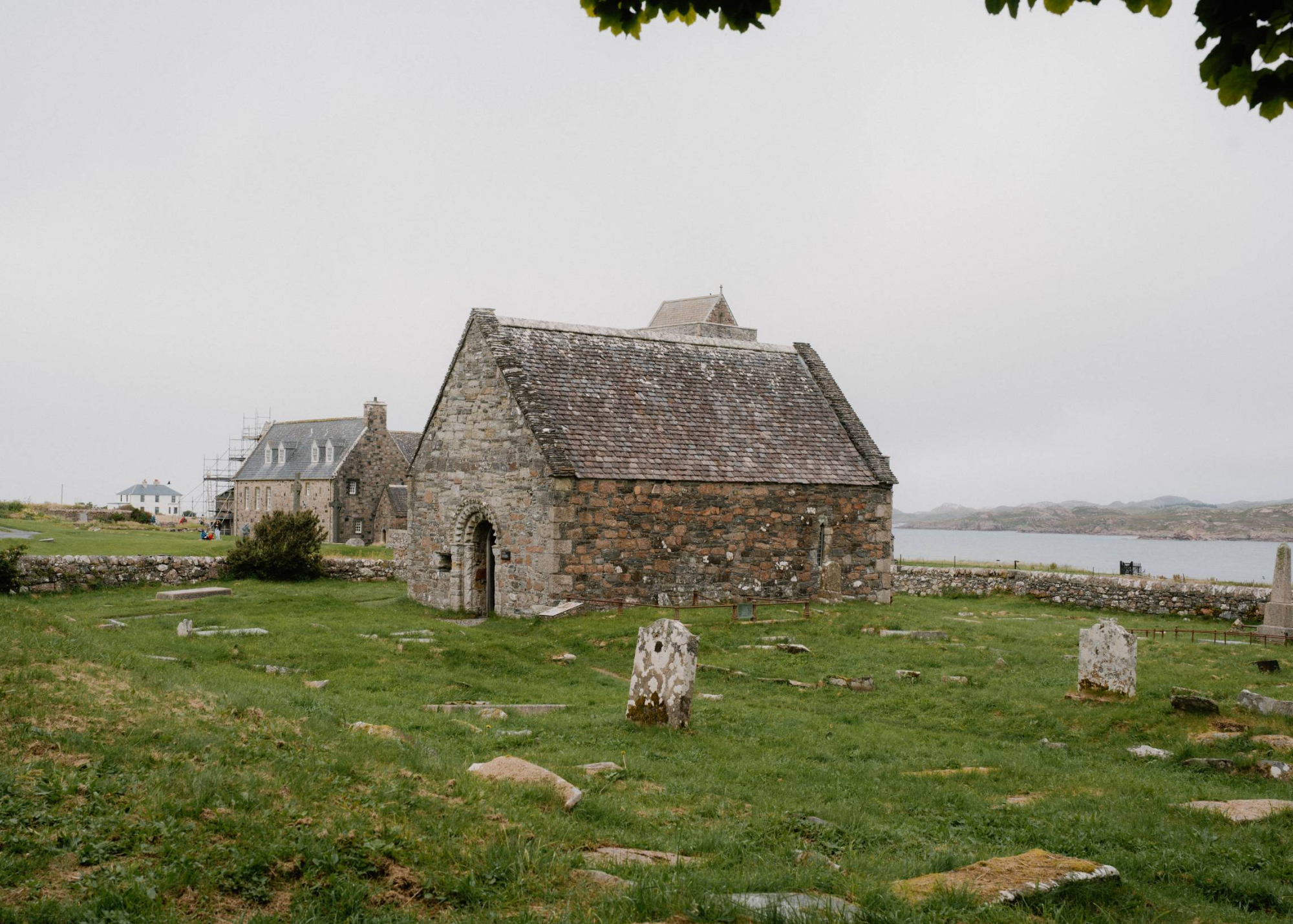
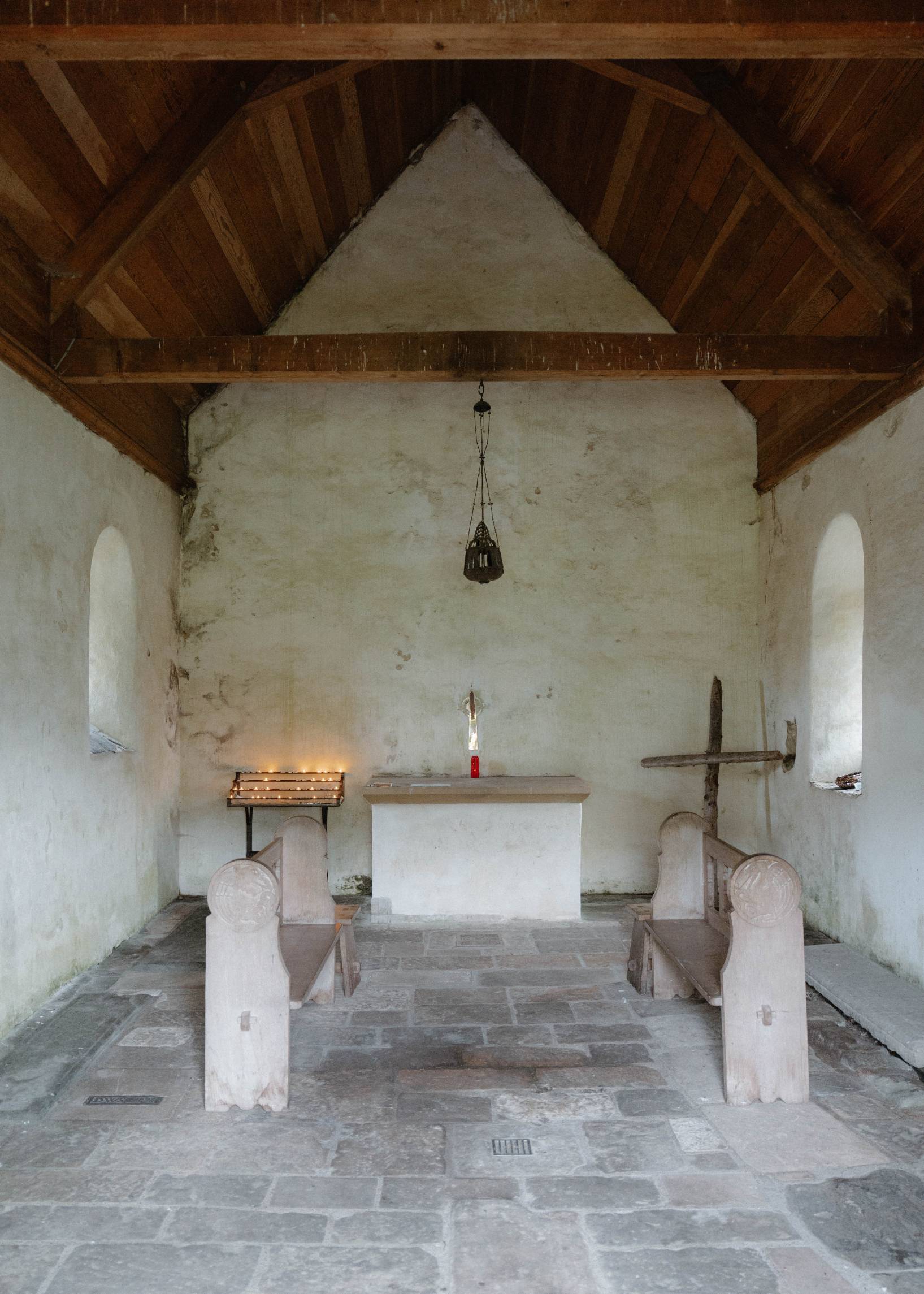
Head round the back of the Abbey and you’ll come to a small stone building surrounded by a graveyard. That’s St Oran’s Chapel. It’s the oldest structure still standing on Iona, built in the 1100s. No fuss, no decoration, just thick walls and narrow windows that have held up over time.
Reilig Odhráin is the name of the graveyard around it. Burials here go back a long way, and it’s been considered a sacred site since the early days of Christianity on the island. It’s said that early Scottish kings, including Macbeth and Kenneth MacAlpin, were laid to rest in this ground, along with Irish and Norse leaders. Whether that’s true or not is hard to prove, but the place carries weight.
The chapel is usually open. It’s empty inside, just stone and light, but worth stepping into for a look. The paths through the graveyard are a bit uneven, but nothing difficult. You’ll spot carved stones here and there. One newer grave belongs to John Smith, the former Labour leader.
You don’t need a separate ticket — it’s all part of the Abbey visit. Give it 15 to 30 minutes before moving on.


North End Beaches


Head north from the Abbey and keep following the road. You’ll pass the hostel and a few scattered houses, then the landscape opens up. The road narrows to a single track, with wide fields on either side and glimpses of the sea ahead. After about 20 minutes on foot, you’ll reach the coast.
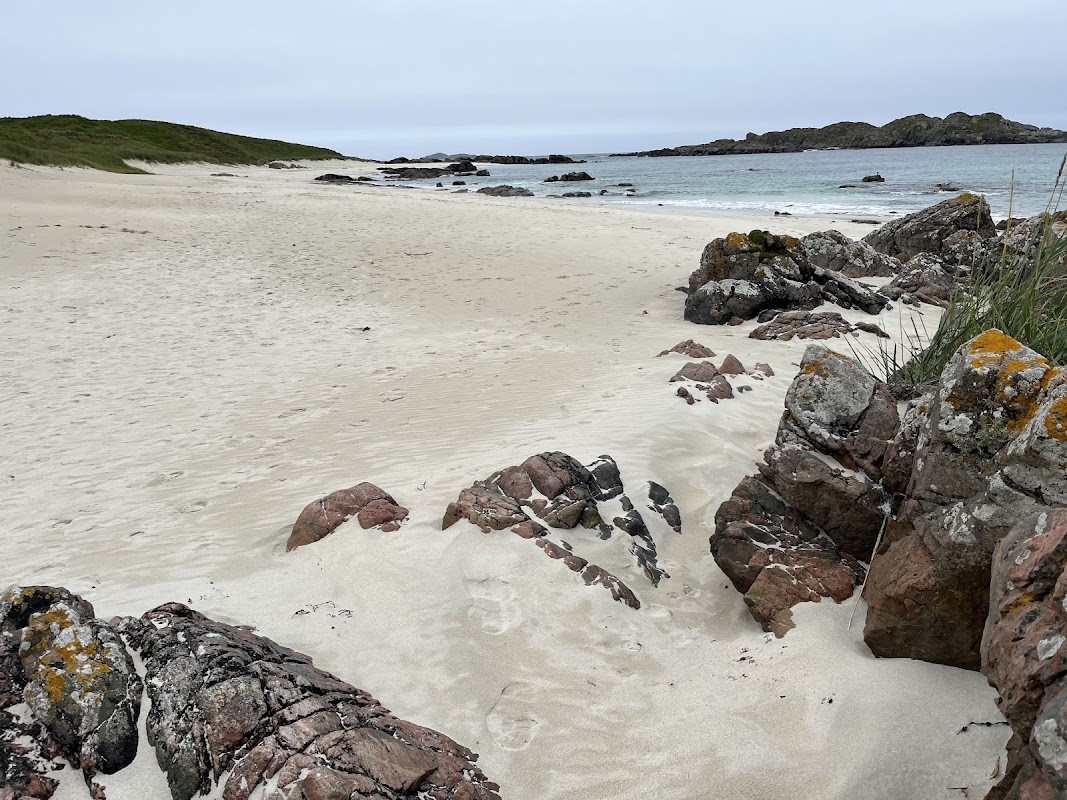
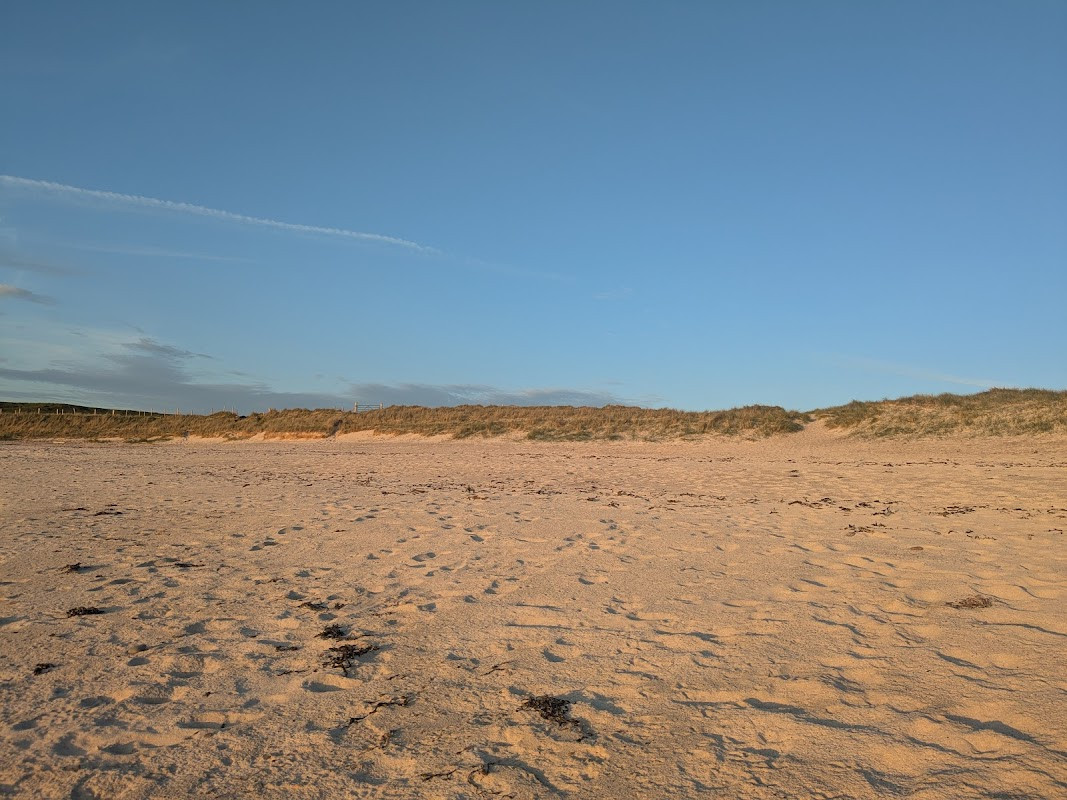
The first beach is Traigh Ban nam Monach, or the White Strand of the Monks. It’s a long, open stretch of pale sand with low dunes behind it and views across to Mull. It’s quiet, even in summer, and there’s usually room to sit for a while or eat lunch. If the tide’s out, the shoreline’s good for wandering.
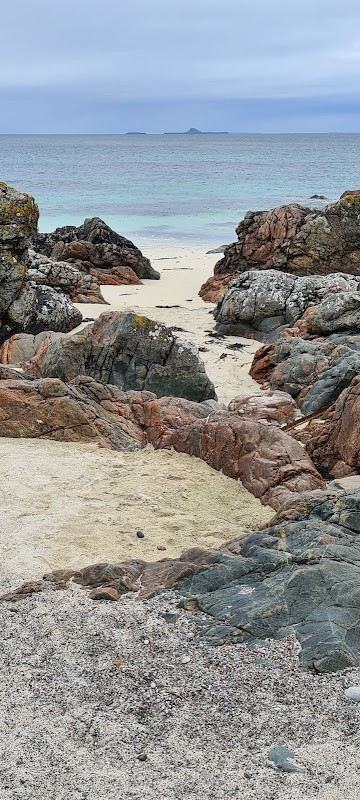
A little further on is Traigh an t-Suidhe, smaller and more sheltered. It’s tucked into the rocks and backed by grass. From here, you can climb a short headland for a view back across the bays. It’s a peaceful spot with nothing built around it.
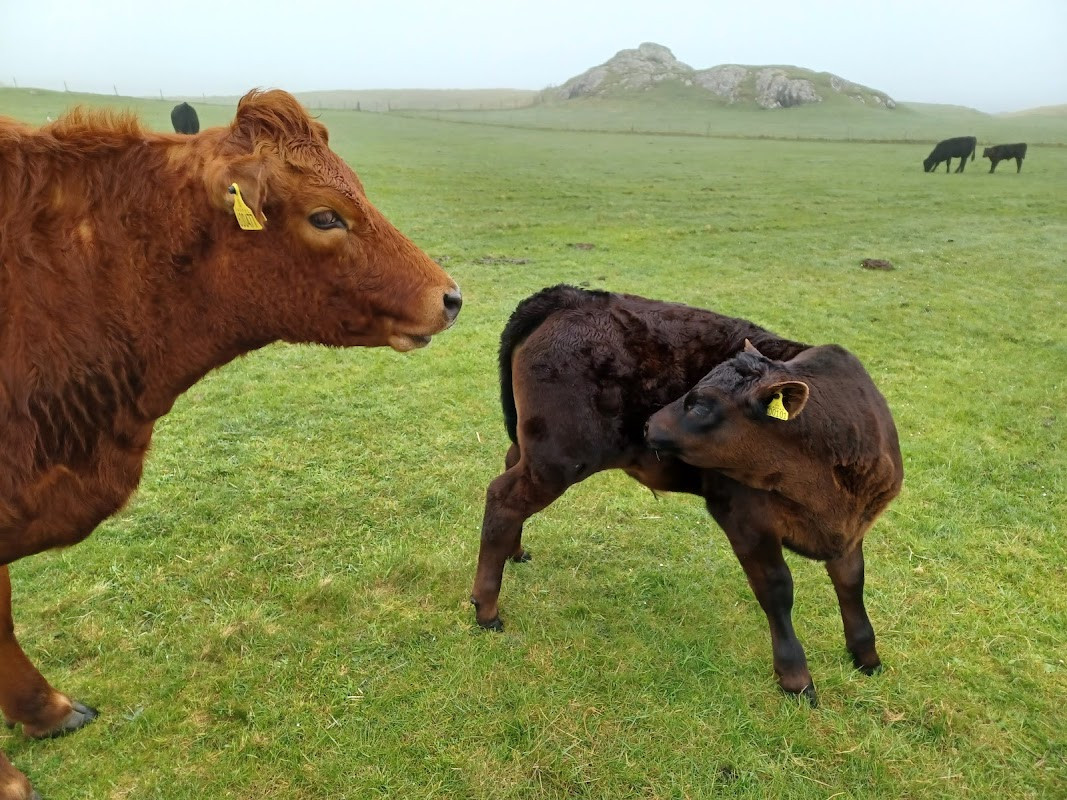
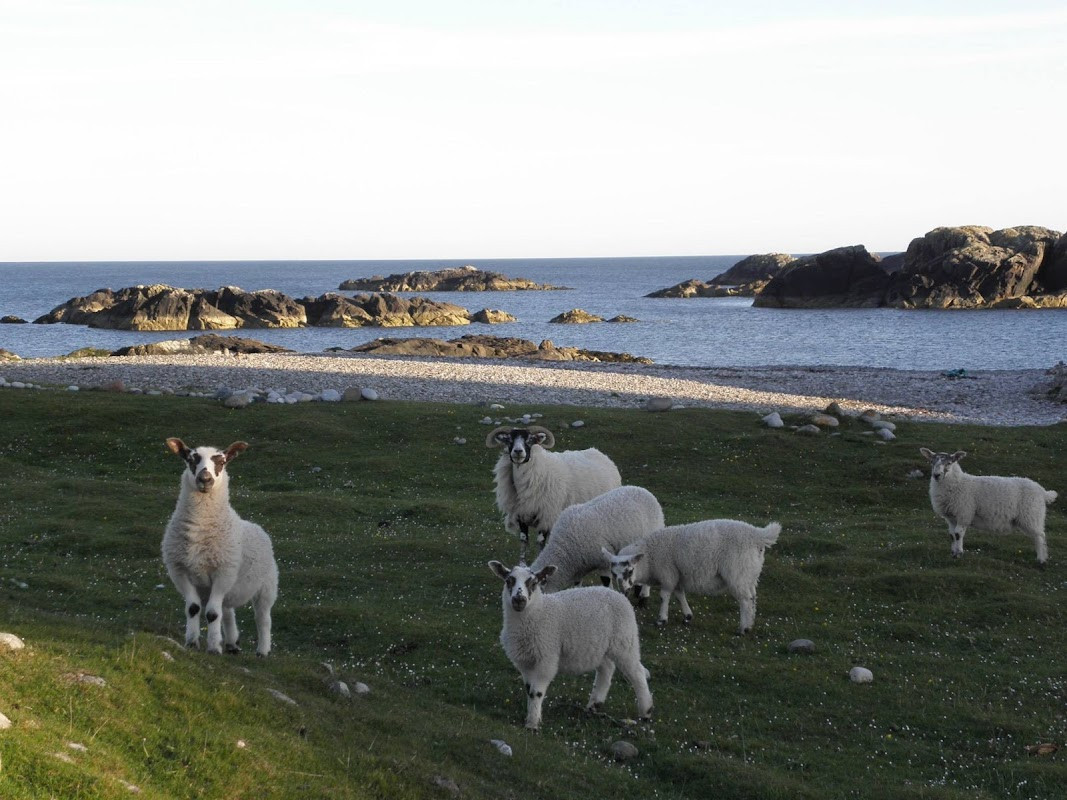
There are no signs or fences and nothing to buy here. Just space, salt air, and the occasional sheep watching from a distance. You can either return the same way or loop west along the Machair trail, which brings you back toward the middle of the island.


St Columba's Bay


Once you’ve finished the loop from the north end, either by retracing the road or taking the quiet track across the machair, you’ll find yourself back near the village. This is a good moment to pause. There’s still a fair walk ahead, and St Columba’s Bay is a more remote, rugged destination. If you’re planning to do it, now’s the time.
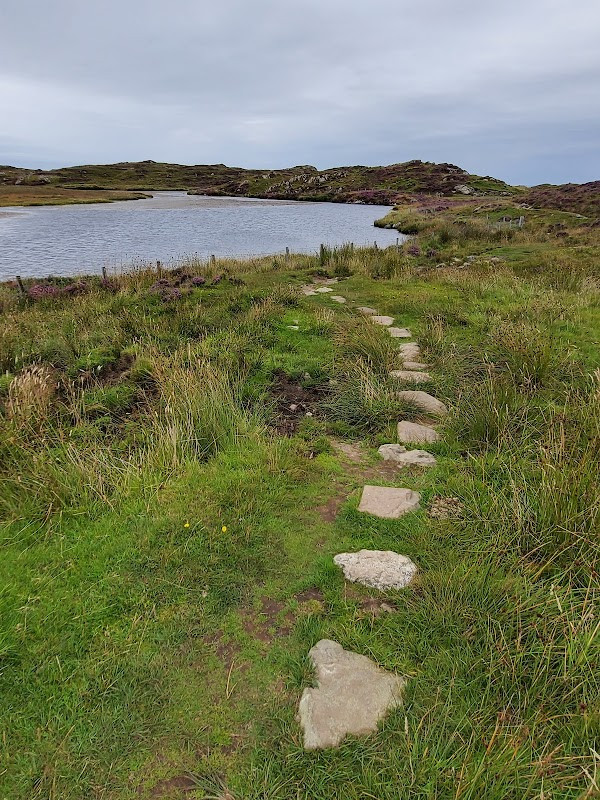
The route starts just behind the Heritage Centre, heading south on a rough footpath that cuts across the island’s interior. It’s marked by occasional stones, but it’s not always obvious underfoot. Expect uneven ground, some climbs, and stretches that can turn boggy in wet weather. Allow at least 45 minutes each way, longer if you’re stopping along the way or heading out at a gentler pace.
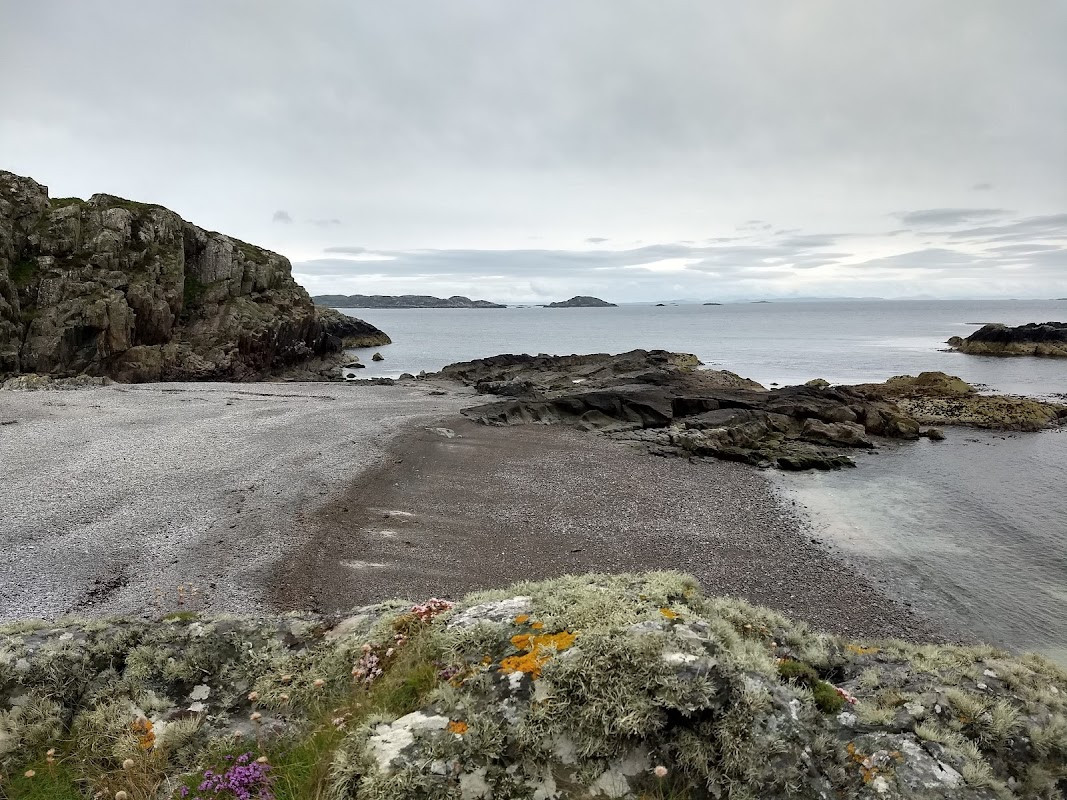
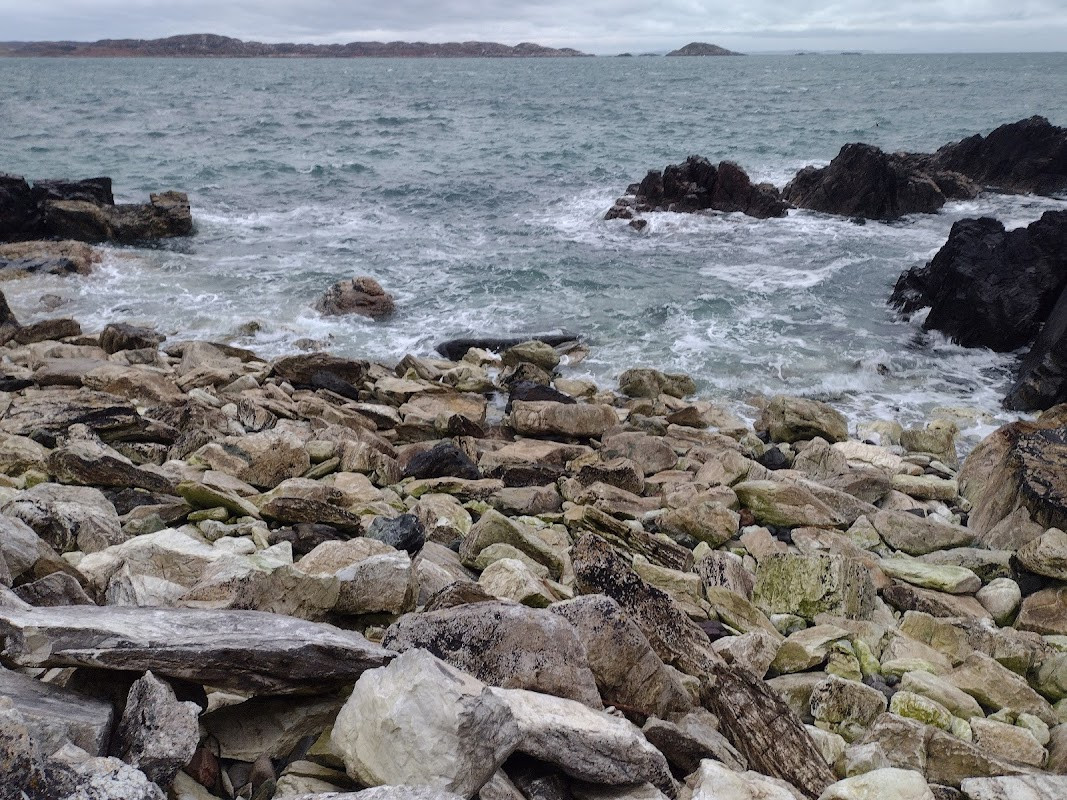
Eventually, the land drops and the sea appears again. St Columba’s Bay is a wide, curved stretch of shingle and rock, backed by heather-covered hills. The story goes that Columba and his companions landed here from Ireland in 563, choosing Iona as their base for spreading Christianity. Whether or not it was his first step ashore, the setting fits the legend. It’s one of the quietest parts of the island, and if you’ve walked all this way, there’s a good chance you’ll have it to yourself.
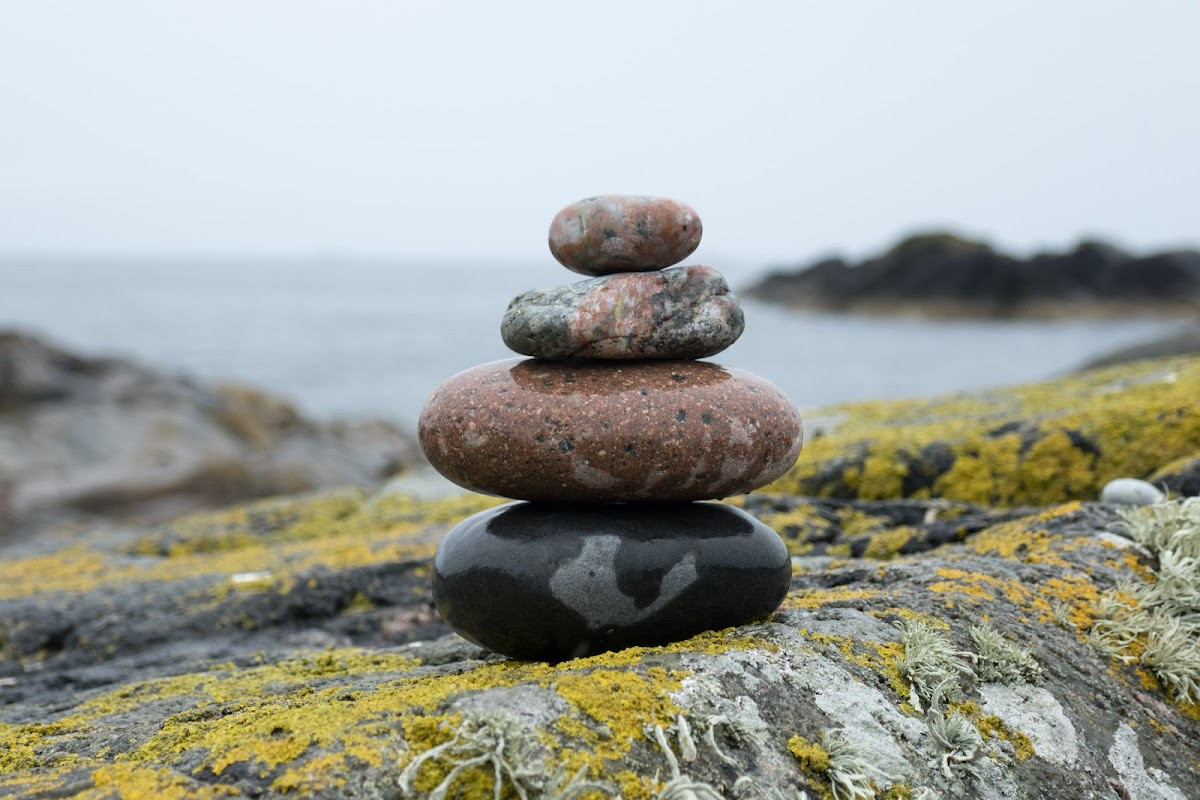
The beach is known for its smooth, green-hued stones, Iona marble, rounded by centuries of wave action. You’ll find people scanning the shore for them, though taking them home isn’t permitted. There’s no shelter or facilities, so bring water and something to eat if you plan to stay a while. On a good day, you can see the outline of Jura across the sea.
If you have time before heading back, you can follow a short path inland to the Iona Marble Quarry. It’s just a few minutes from the bay, tucked into the hillside above. That visit now continues in the next stop.


Iona Marble Quarry


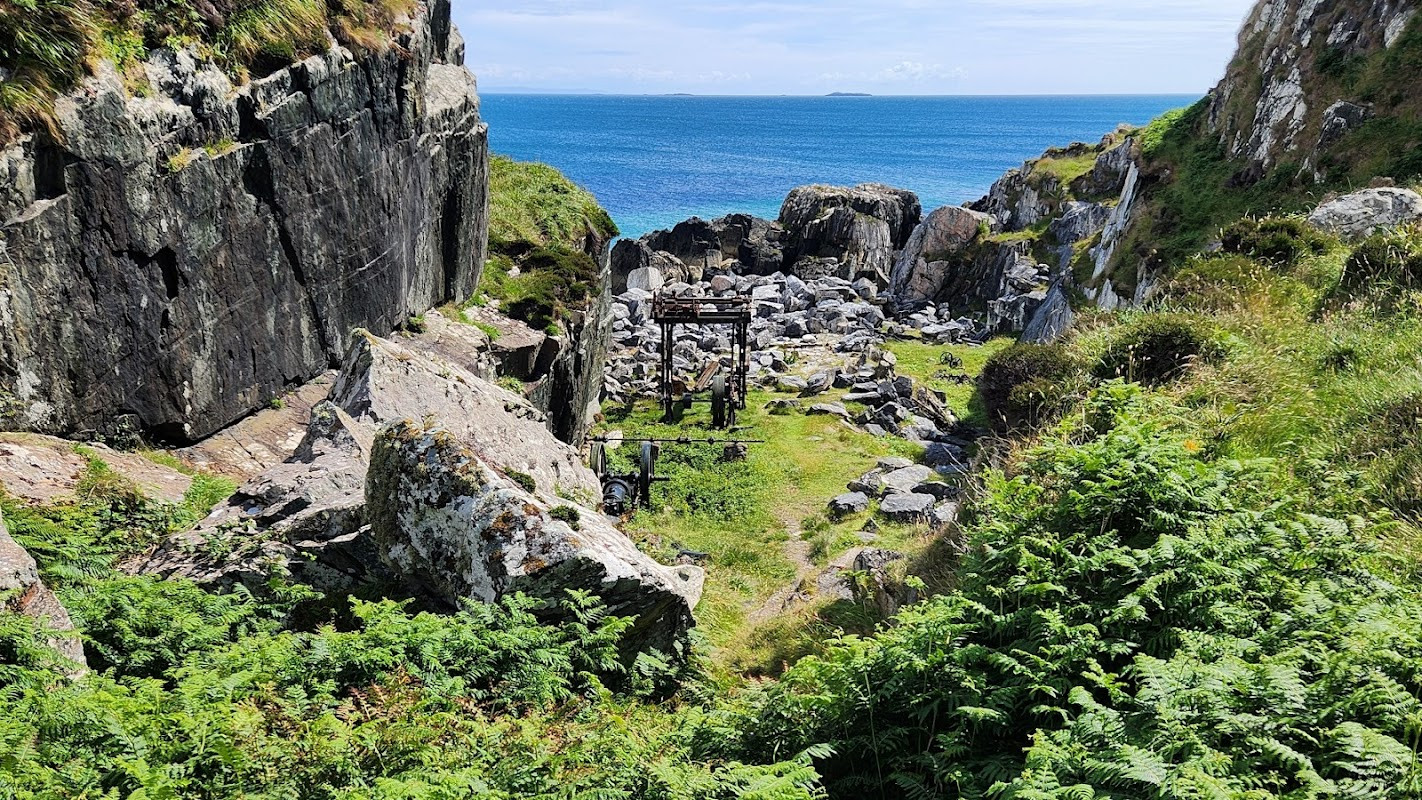
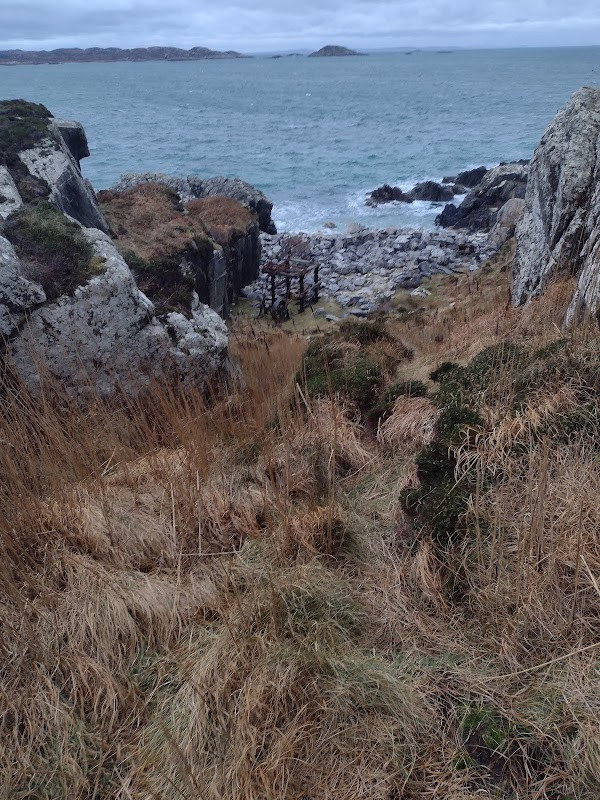
From St Columba’s Bay, look inland and slightly uphill. A short path climbs towards the old marble quarry, once the centre of a brief industrial chapter in Iona’s history. It only takes a few minutes to reach, but the ground can be muddy and uneven in places, so take it slow.
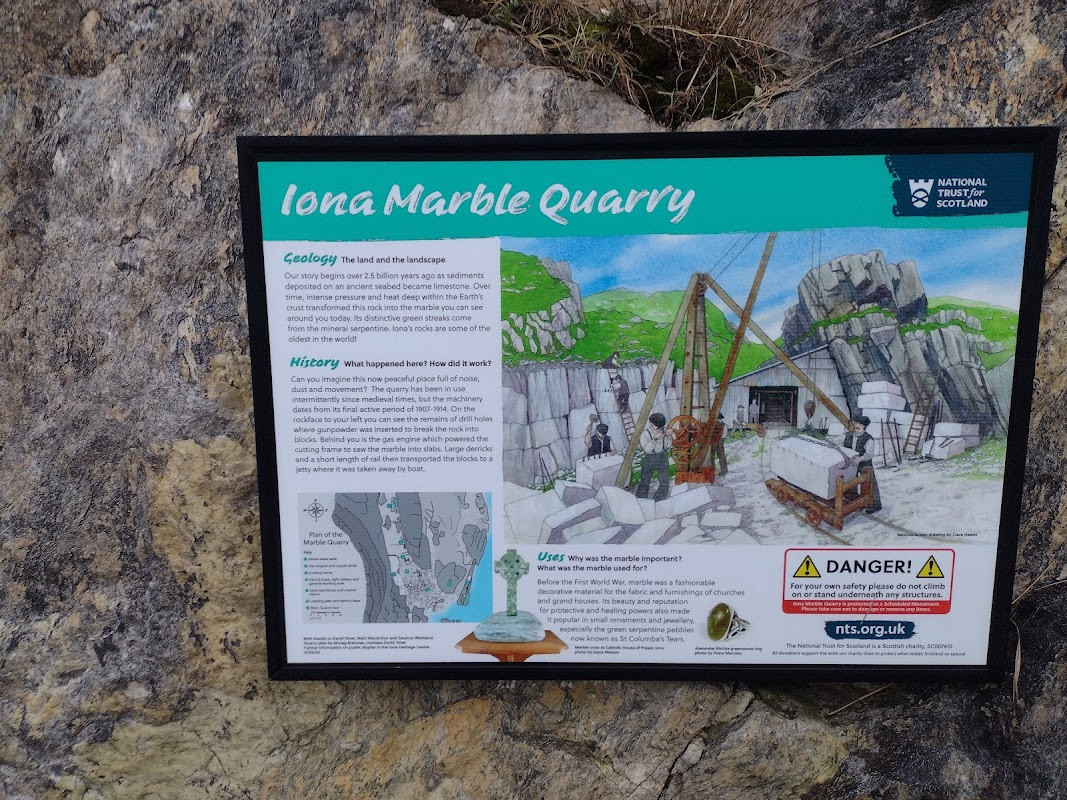
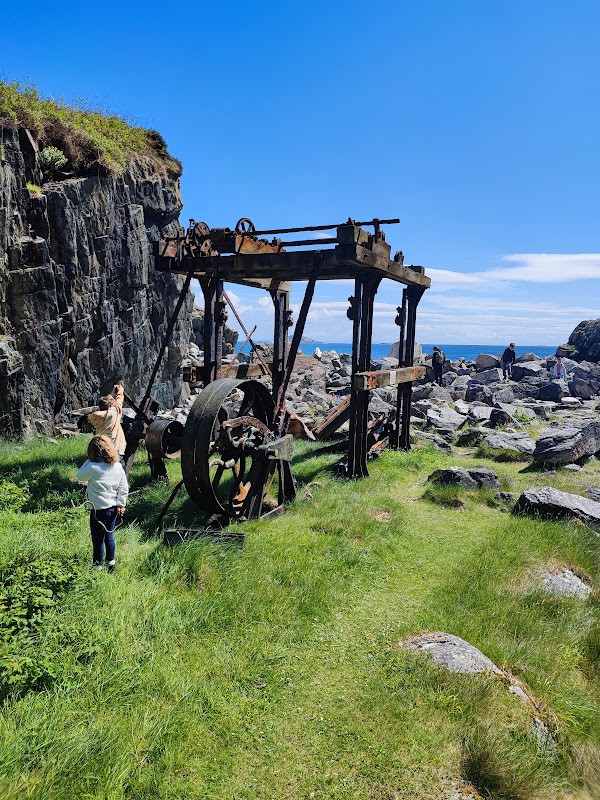
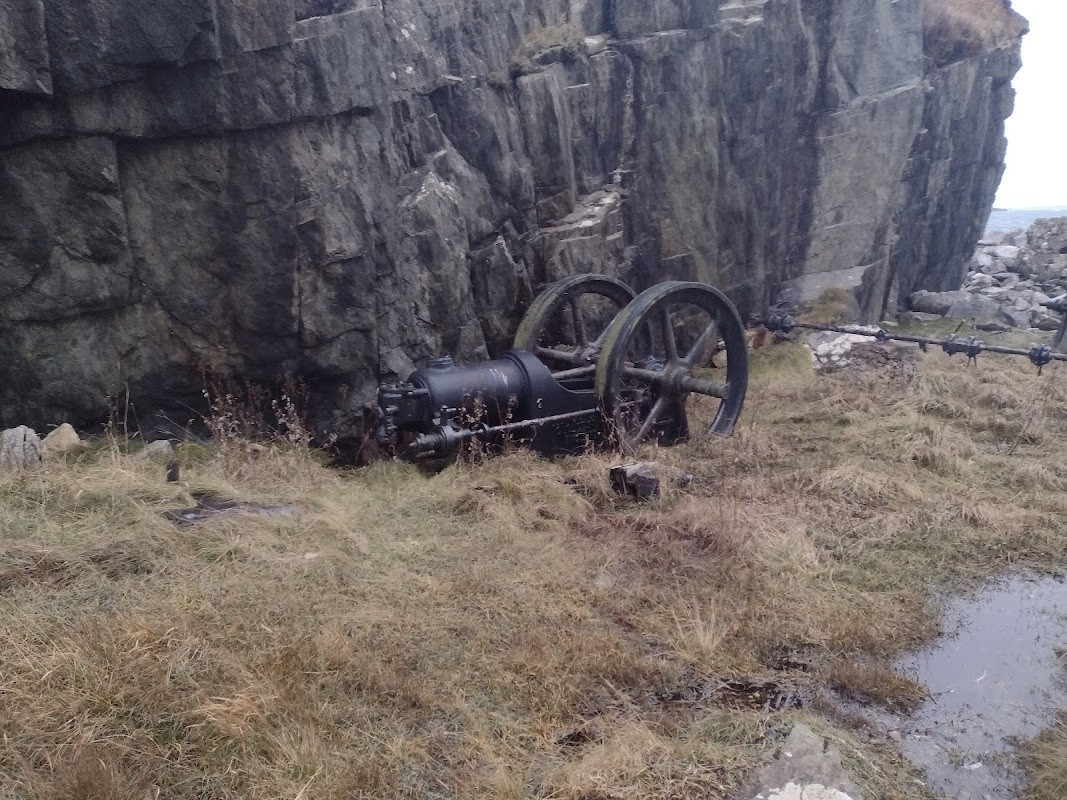
The quarry operated in the late 19th and early 20th centuries, extracting the island’s distinctive green-veined marble. It was used for everything from memorial plaques to chapel fittings and was shipped out by boat, often loaded from the beach you’ve just left. At its peak, small-scale blasting and cutting took place here, though the work was hard and the costs high. Transport was awkward, and the project never really turned a profit. By the 1910s, operations had ceased.
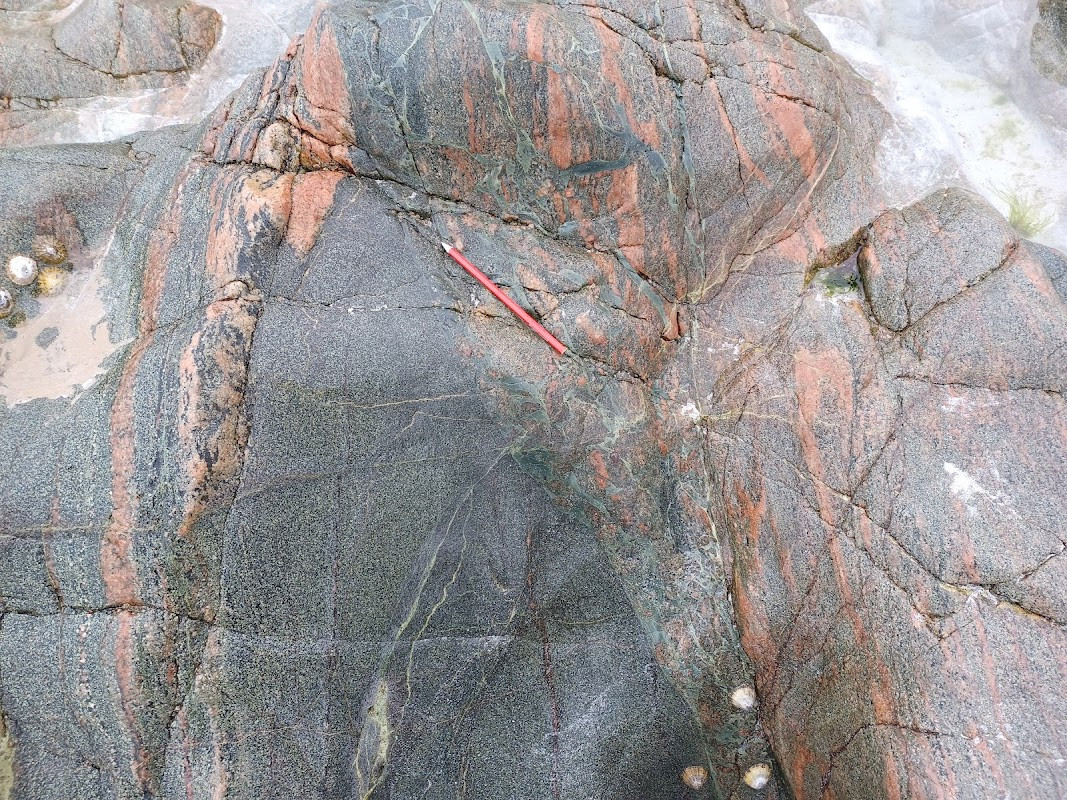
What remains is subtle. You’ll see angled cut marks in the exposed stone face, a few metal fragments, and piles of rough marble left behind when better pieces were taken. The site is quiet now, half reclaimed by nature. It doesn’t feel like a tourist stop, more like a place left to settle back into the landscape.
From here, you can retrace your route back to the village the way you came. The walk down gives you wide views across the south of the island and out to sea. Once you’re back at the harbour, there’s time for something to eat before the ferry. You’ve earned it.


Ailidh Pizza


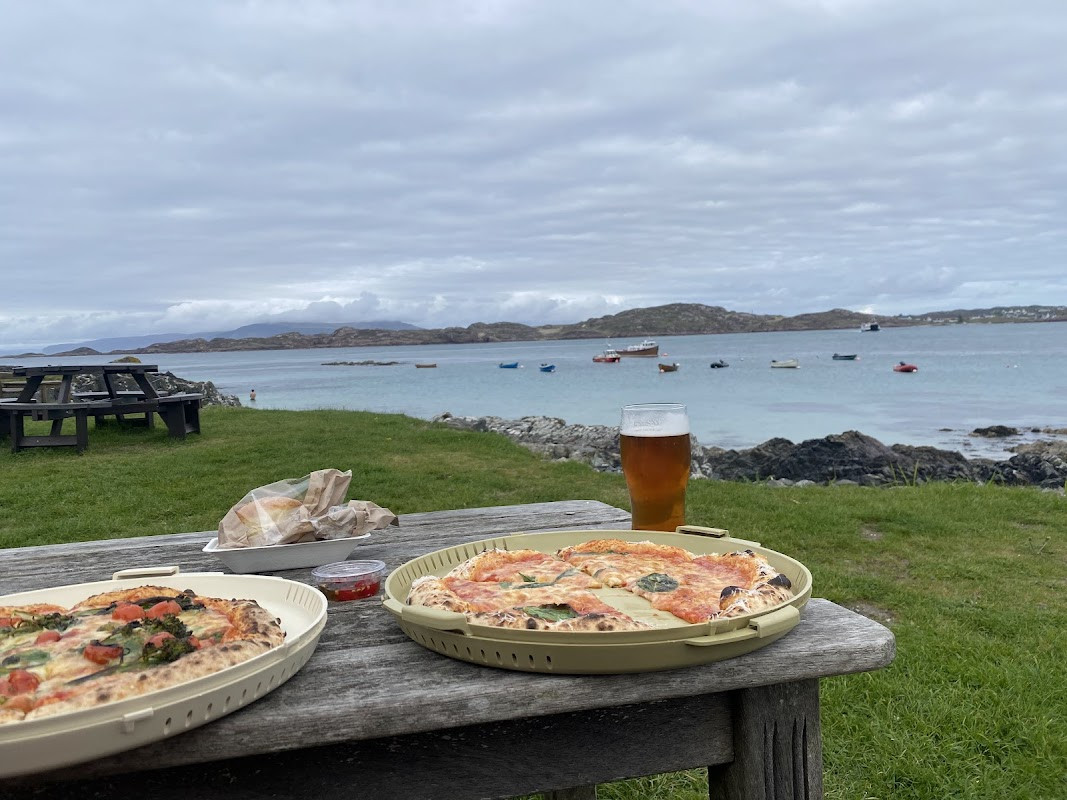
Back at the harbour, with the walking done and the ferry not far off, there’s one more stop worth making. Ailidh Pizza sits right beside the pier in a small converted trailer, serving hand-stretched wood-fired pizzas with generous toppings and a loyal following. You’ll probably smell it before you see it.
It’s a relaxed setup. There’s no fuss, just a short menu and a steady flow of people ordering at the hatch. On busy days, they sometimes ask you to text a number shown on the board outside. You’ll get the menu sent over and a collection time, so you don’t need to queue or hang around. It keeps things moving and works well during peak season.
Pizzas are made fresh while you wait, using local ingredients where possible. There are often specials, and if the weather’s good, you can sit on one of the benches outside and eat with a view across the Sound of Iona.
If it’s late in the day and the last ferry is still a while off, this is the perfect way to wind down. The team are friendly, and it’s clear they know what they’re doing. Expect a bit of a wait during rush hours, but the food is worth it.
If you’re heading back to Fionnphort, this is your final stop. If you’re staying the night, even better, you can take your time, finish your pizza, and watch the light shift across the water.


Add to a List
Name your list
Add to a trip
By continuing, you agree to our Terms of Service Read our Privacy Policy
Sign in
By continuing, you agree to our Terms of Service Read our Privacy Policy
Reset Password
By continuing, you agree to our Terms of Service Read our Privacy Policy


Sign in with Google
Sign in with Email