
Woodside Lodge: The Jewel of Loch Goil
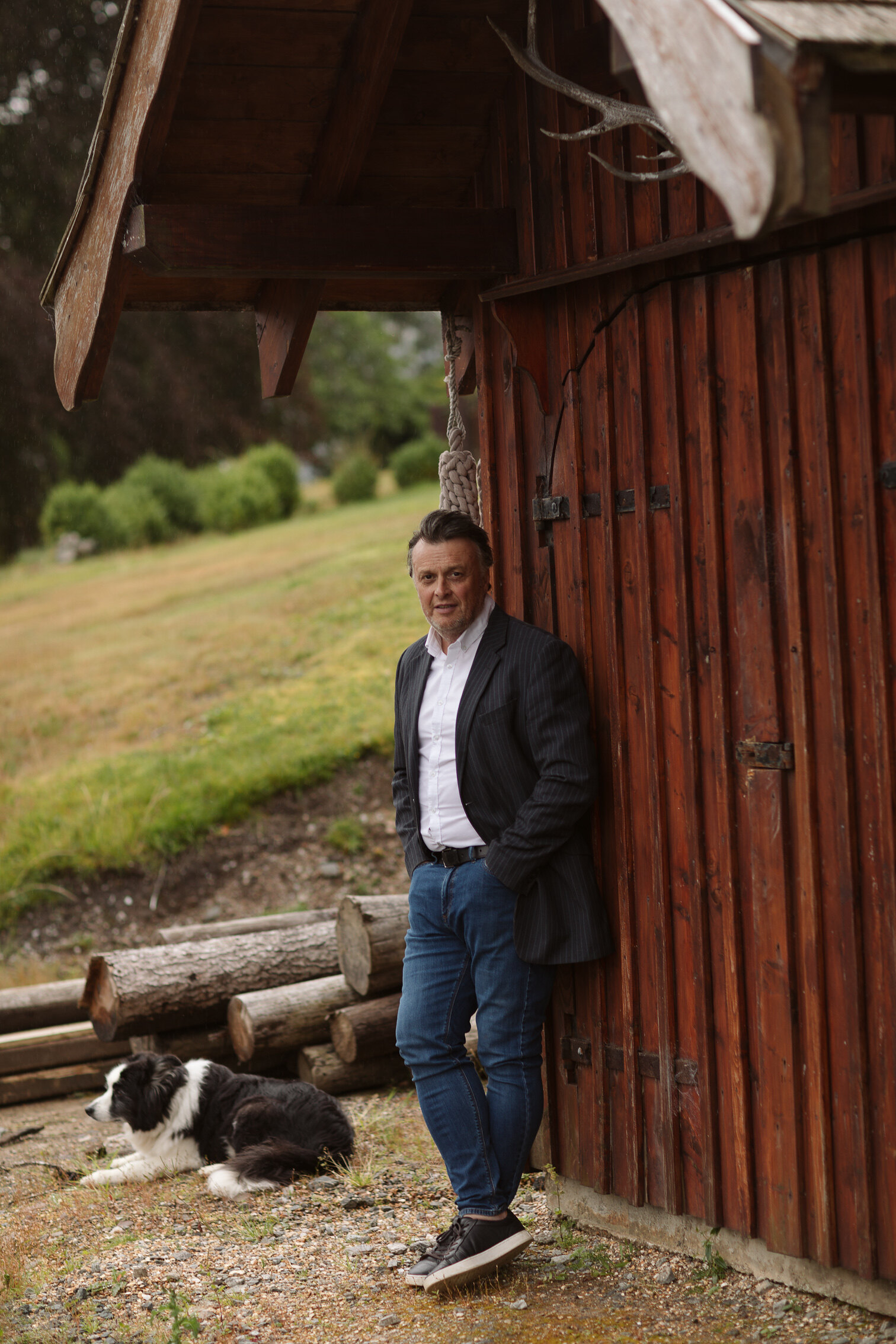
In 1996, Iain Hopkins, then a model living in London, spotted a tired Victorian house for sale in the Glasgow Herald. Thirty years on, he has made Woodside Lodge, on the wooded shore of Loch Goil, a base for fashion shoots, a wedding venue with two AA Rosettes and, now, a quiet place to elope, with guests staying in Seal Cabin and Red Squirrel Cottage. He tells us how it all happened, and where he would send you on the loch.
For anyone discovering it for the first time, can you introduce Woodside Lodge?
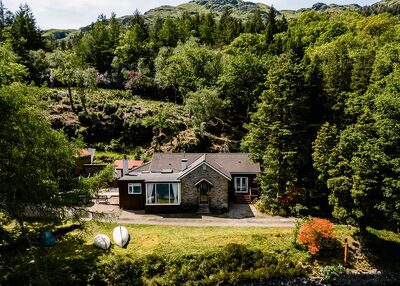
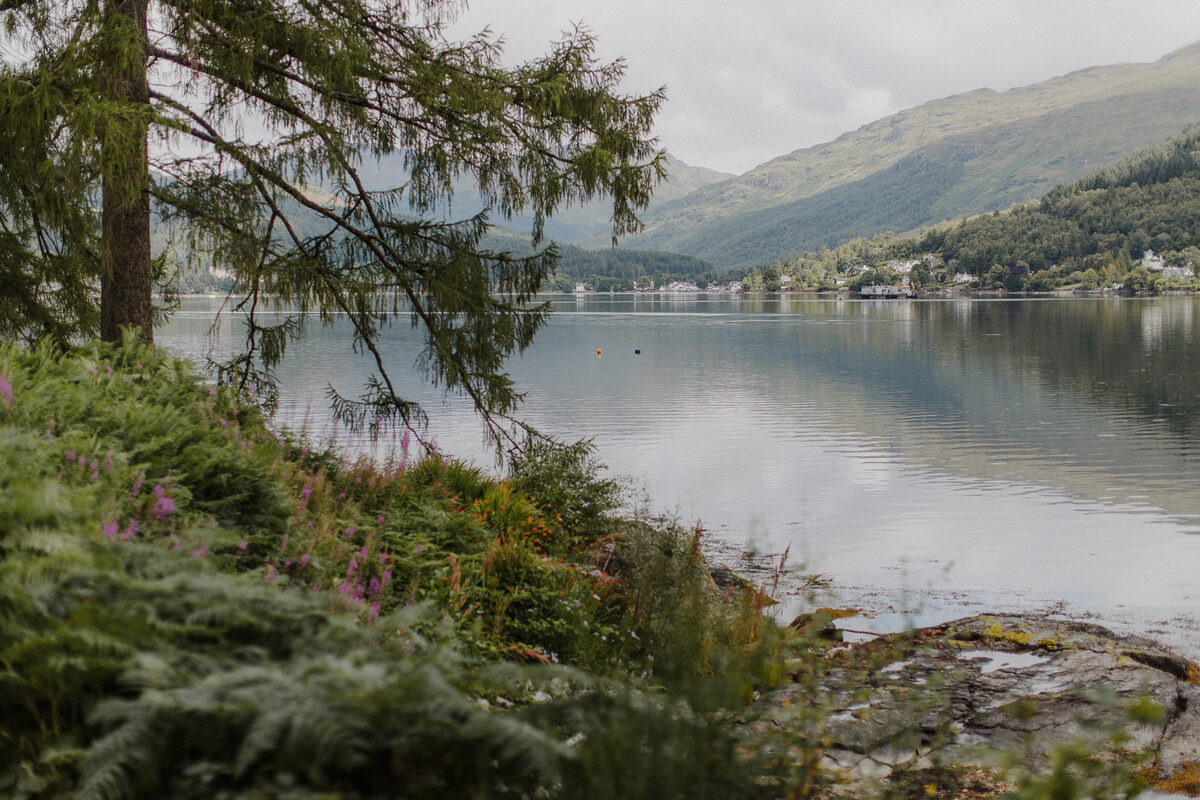
Woodside Lodge is a private Victorian estate on the wooded western shore of Loch Goil, surrounded by mountains, forest and water. I often describe it as “The Jewel in the Scottish Highlands”, not because I want it to sound grand, but because even after thirty years I still think the setting is extraordinary.
The house dates from 1863–64. It began as a much more modest holiday cottage and, around 1874, was acquired by Alexander Fergusson, a Glasgow merchant and lead manufacturer, when the previous owner ran into financial difficulties. Fergusson commissioned the architect William Leiper to enlarge and remodel it. Leiper added the second storey, veranda and service wing, creating much of the character people recognise today. The house also contains important decorative glass by Daniel Cottier.
(1)-full-1749388268.jpg)
What fascinates me is that Fergusson was already using this place in the nineteenth century for essentially the same reason people come here now: to escape the city, breathe, enjoy the loch and landscape, and spend meaningful time with family and friends. My ambition has always been to reinterpret that idea for a modern guest — a private Highland retreat where the setting, the welcome and the experience all feel personal.
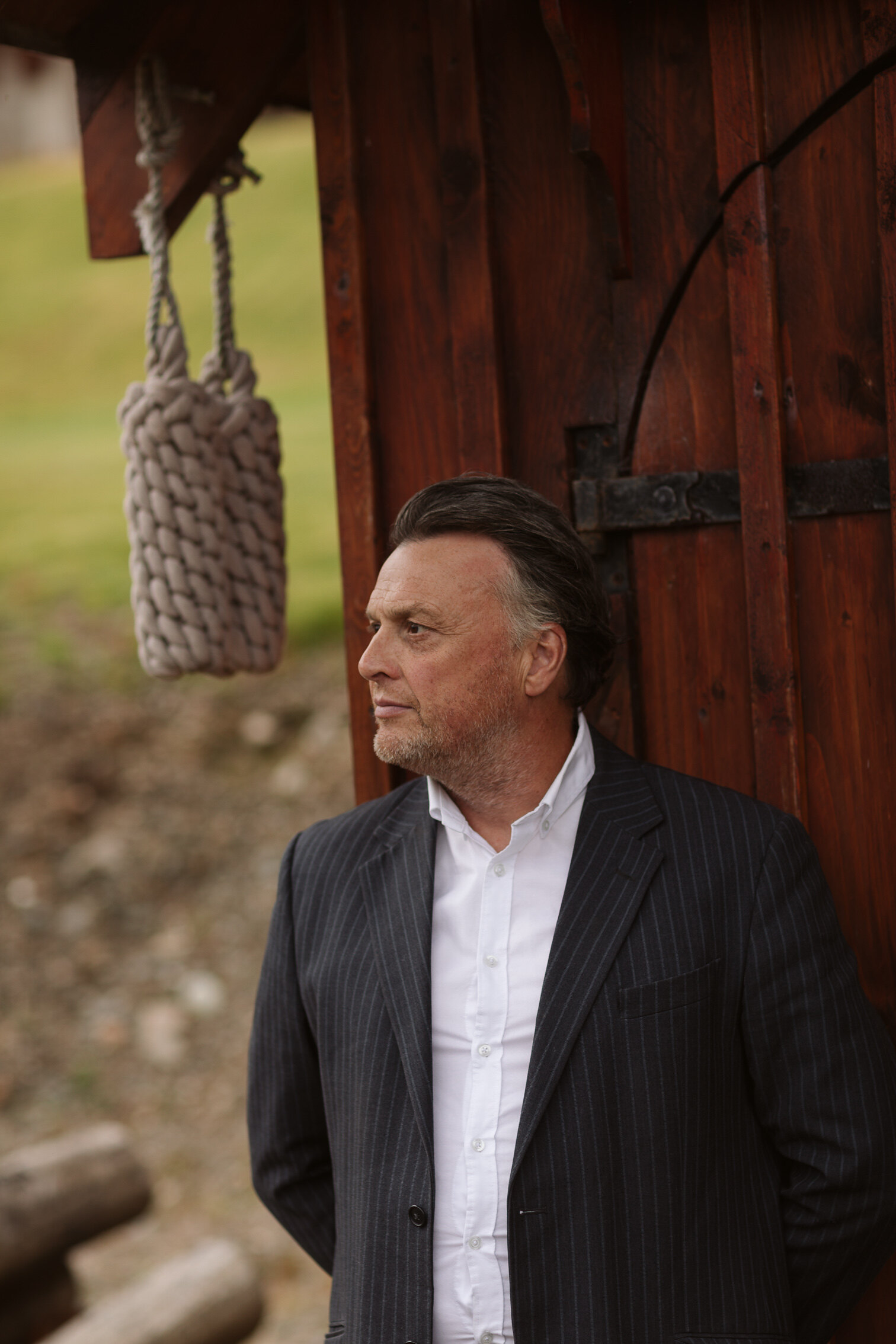
You took the place on in the mid-nineties, after ten years modelling internationally. What drew you to it, and what did that earlier career give you that you still use here?
I first saw Woodside Lodge advertised in the Glasgow Herald in 1996 while I was living in London and working with Models 1. By that point I had spent around ten years travelling internationally as a model, living out of suitcases and hotel rooms and working across Europe and further afield. I had always known that, at some point, I wanted to come home to Scotland and build something of my own.
The moment I saw the advertisement I was intrigued. When I came to Loch Goil, I saw a tired house, but I also saw the landscape, the privacy and the possibilities. My modelling years gave me an education I could never have learned in a classroom. I had experienced great hotels, fashion houses, magazines, photographers, stylists and production teams at close quarters. I learned that luxury is rarely about showing off — it is about atmosphere, detail, discretion, timing and how someone makes you feel.
Those lessons still influence everything I do at Woodside Lodge. I notice the small things. I think visually. I understand how to create an experience and how to tell a story around a place. Most importantly, I learned that people remember how they were treated long after they forget what something cost.
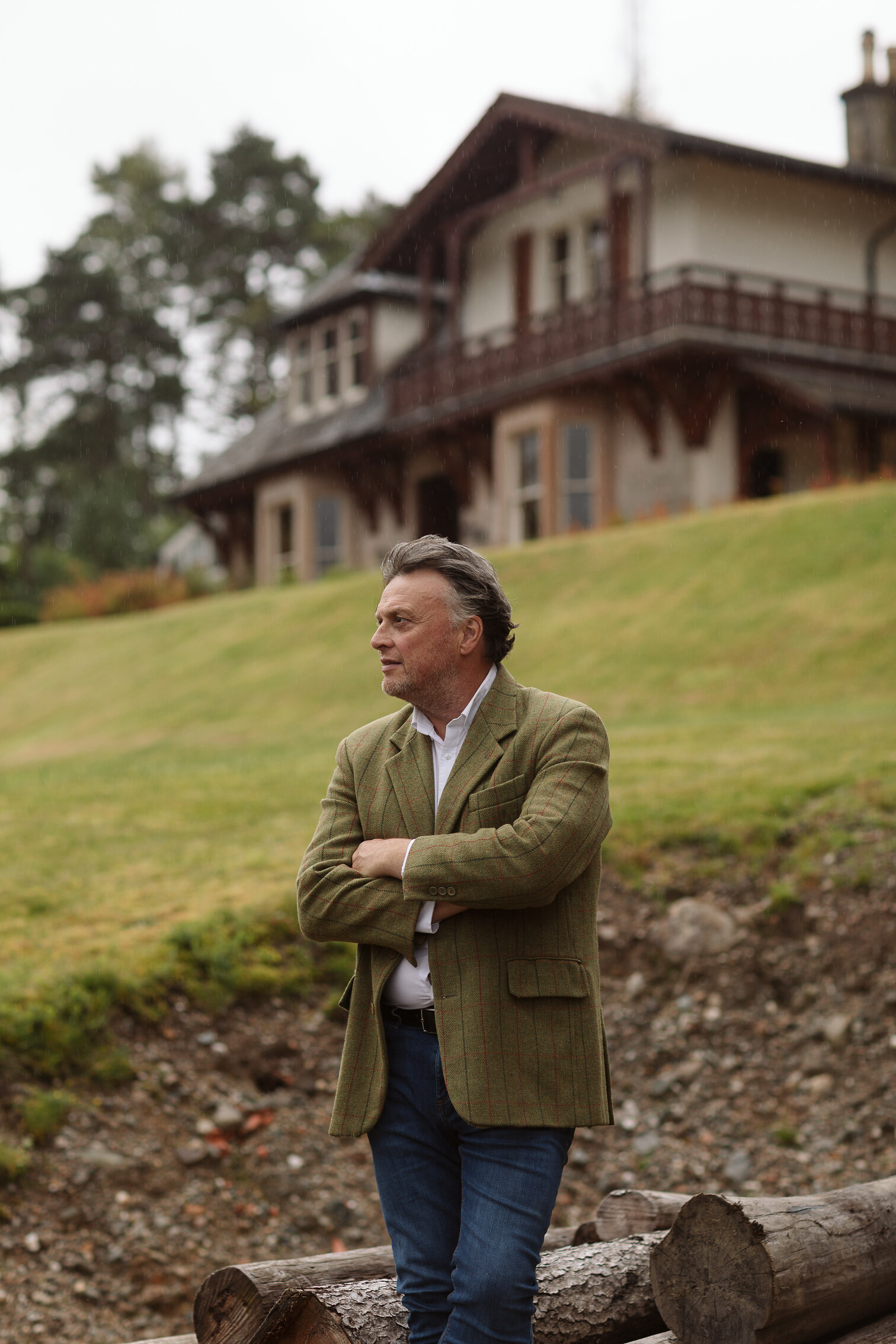
The house dates back to 1863, and it's had quite a life since. Can you take us through some of its history? What layers have previous owners left behind?
The official listing dates the house to 1863–64, with the major William Leiper alterations around 1874. By the time I arrived, however, much of that original character had been obscured by decades of alterations. The house was tired, neglected and, internally, had become rather more 1970s than Victorian. There were surprisingly few obvious original features left to guide me.
Fortunately, I had practical foundations. Before modelling, I had completed a four-year electrical apprenticeship in our family business, R&J Hopkins Electrical Contractors in Alloa. That training gave me the confidence to take on work that might otherwise have felt impossible. My uncle Gordon, who was a joiner, became invaluable, and friends from my early years in Clackmannan and at Lornshill Academy also came to help.
We stripped out rotten timber, repaired roofs, rewired the property and rebuilt room by room. I taught myself bricklaying, plastering and plumbing as the project developed. There was no Instagram, Pinterest or YouTube. I relied on books and magazines — often collected from the mobile library van that visited Lochgoilhead — and spent countless hours in salvage yards looking for materials and details that felt right for the house.
It was less like ‘doing up a hotel’ and more like bringing an elderly relative back to life. I wanted to respect what Leiper and the earlier owners had created, while giving the building enough personality to begin another chapter.
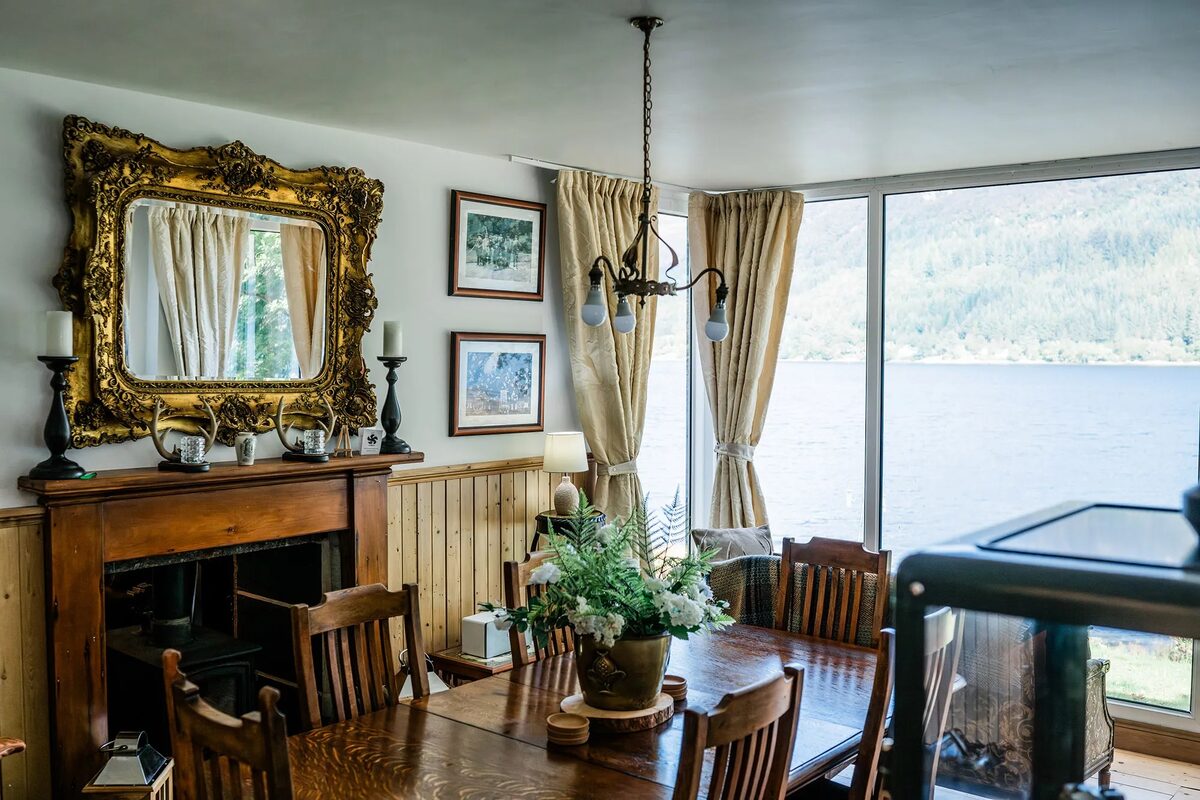
The original idea was a "Shoot & Stay" location for magazines and production crews. How did that turn into a wedding venue?
The original Shoot & Stay concept worked better than I could ever have expected. The idea was simple: creative teams could come to Scotland, stay together at Woodside Lodge and use the estate as a base while shooting here and around the Highlands. An early Country Living production helped prove the idea and word travelled through the fashion and advertising world. Eventually I created 1759 Productions to support larger shoots, finding locations, props, vehicles, cast and whatever else a production needed.
Over the years we welcomed an extraordinary mix of fashion, advertising, television and film work. One later highlight was the 2018 filming of the romantic comedy Then Came You. Kathie Lee Gifford and Elizabeth Hurley stayed at The Lodge, and the Treehouse was ultimately written into the film’s ending.
The wedding chapter began almost by accident. In 2001 I was asked to host my sister’s wedding here. I had never run a wedding before, but production is really about organisation, timing, logistics, people and making the impossible look effortless — exactly the same disciplines a wedding needs. We hosted around 120 guests, with live music, chefs and a complete weekend experience. It was a great success and enquiries followed.
Alice Elizabeth Gill joined the business in 2001 and became absolutely central to the wedding operation. With a dedicated team, Woodside Lodge grew from around thirty weddings a year to as many as sixty or seventy in our busiest years. The format was always destination-led: guests stayed for several nights, with relaxed dining before the wedding, the ceremony and celebration itself, and brunch the following day. It was never simply a room hire business; it was an experience.
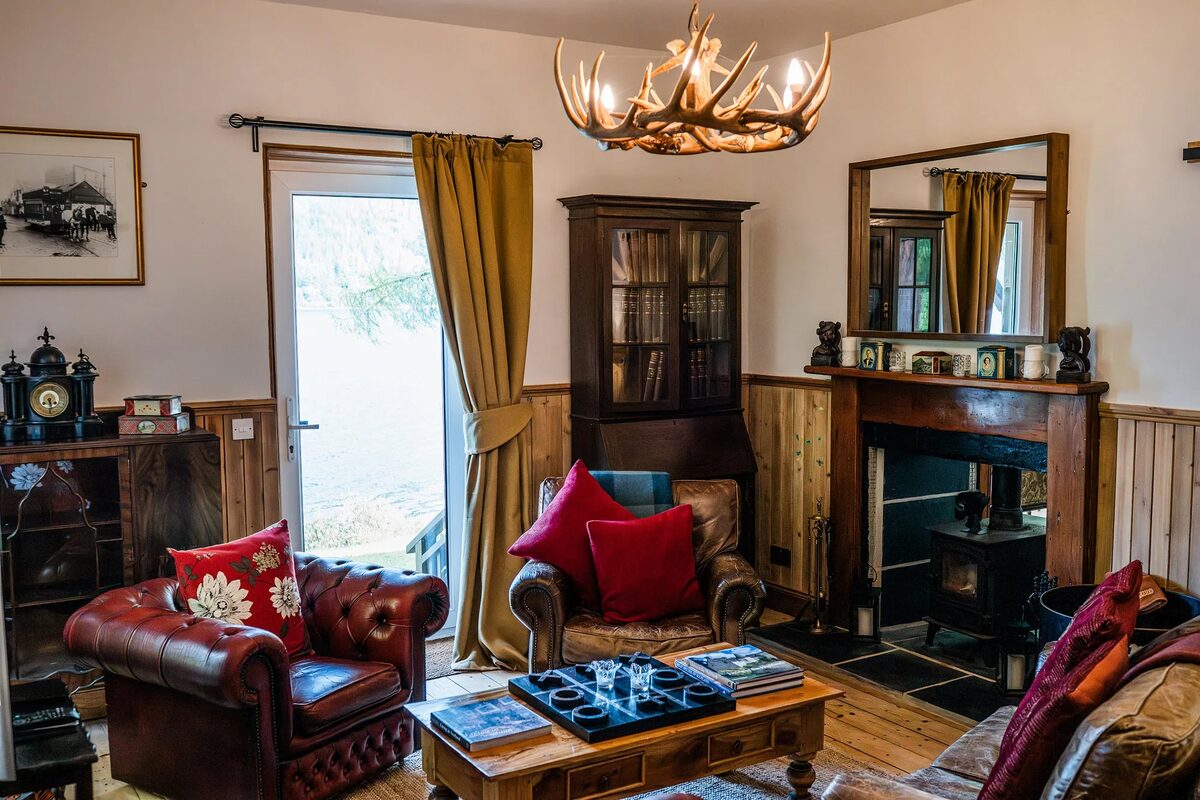
Over the years you've hosted more than 1,500 weddings and celebrations, and the kitchen earned an AA award and two rosettes. What are you proudest of?
There are so many moments that I am proud of, but the one that remains particularly emotional was winning Scotland’s Most Stylish Hotel at the Scottish Style Awards in 2015. To stand in Kelvingrove in Glasgow and hear Woodside Lodge announced was extraordinary. For a small, independent family business in Argyll, it felt like recognition of years of taking risks, making mistakes, learning and refusing to become ordinary.
The culinary recognition mattered greatly too. Leiper achieved two AA Rosettes and Woodside Lodge received the AA Restaurant with Rooms Award for 2019–20. Food had become another expression of the same philosophy: generosity, detail and a sense of occasion.
But the award in 2015 also carries a very personal memory. My father, Bobby Hopkins, died only weeks beforehand. He was my mentor, my friend and the person who gave me the practical foundations that made the restoration of Woodside Lodge possible. He never discouraged me from taking a different path. Without the opportunity he gave me to train in the family electrical business, I genuinely do not think I could have taken on this house. So when I look back on that award, I think of him as much as I think of myself.
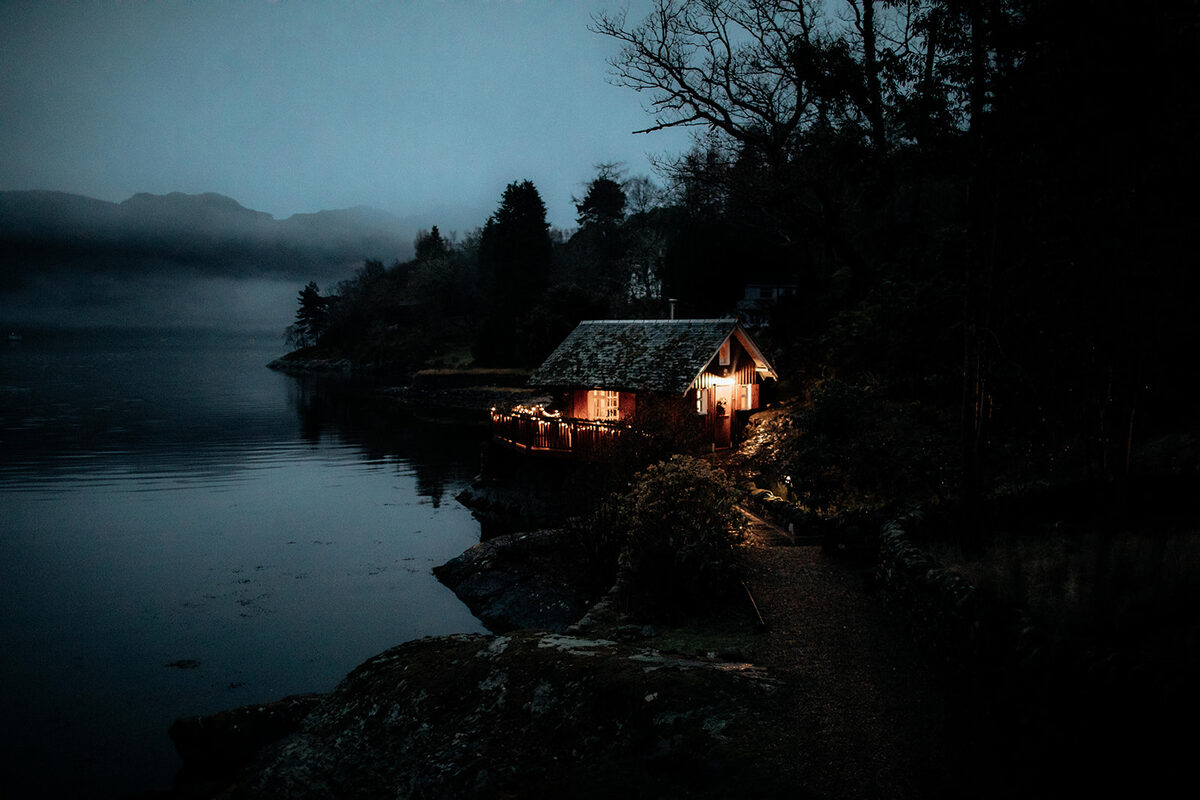
The treehouse, built in 2004, was one of the first of its kind in UK hospitality, and a much-loved one before Storm Arwen brought it down in 2021. How did you come back from losing something like that?
The Treehouse began with one of those ideas that sounds slightly ridiculous until you actually build it. In 2004 I saw a treehouse in Condé Nast Traveller and thought: we have this extraordinary Scots pine on the shore of Loch Goil — why not create something here? Within about six months, just before my youngest son Luke was born, the Treehouse was finished.
It became far bigger than I ever imagined. It was used for fashion shoots, television commercials, music videos, meetings, proposals, anniversaries and, of course, weddings. It became the visual signature of Woodside Lodge and the place many couples associated with us before they had even visited.
Then Storm Arwen arrived in November 2021. The Scots pine was fatally damaged and the Treehouse was lost. It was genuinely heartbreaking because it was not just timber and glass — it carried nearly two decades of memories.
But Woodside Lodge has always survived by evolving. I made a conscious decision not to build a replica and pretend nothing had happened. The loss forced me to ask what the next chapter should be. The answer was smaller, quieter and more personal: intimate weddings, elopements and romantic stays where the whole estate becomes part of the experience rather than one building being the attraction. The Treehouse will always be part of our story — but it does not have to be the final chapter.
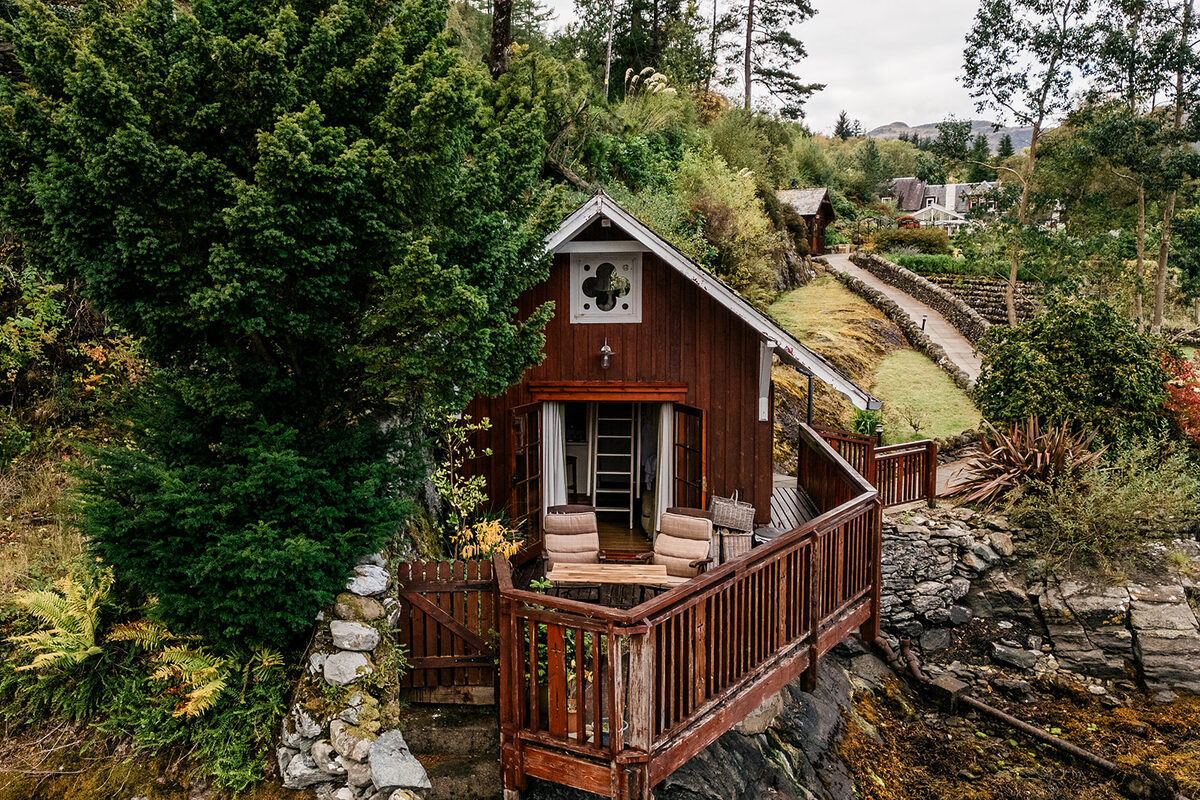
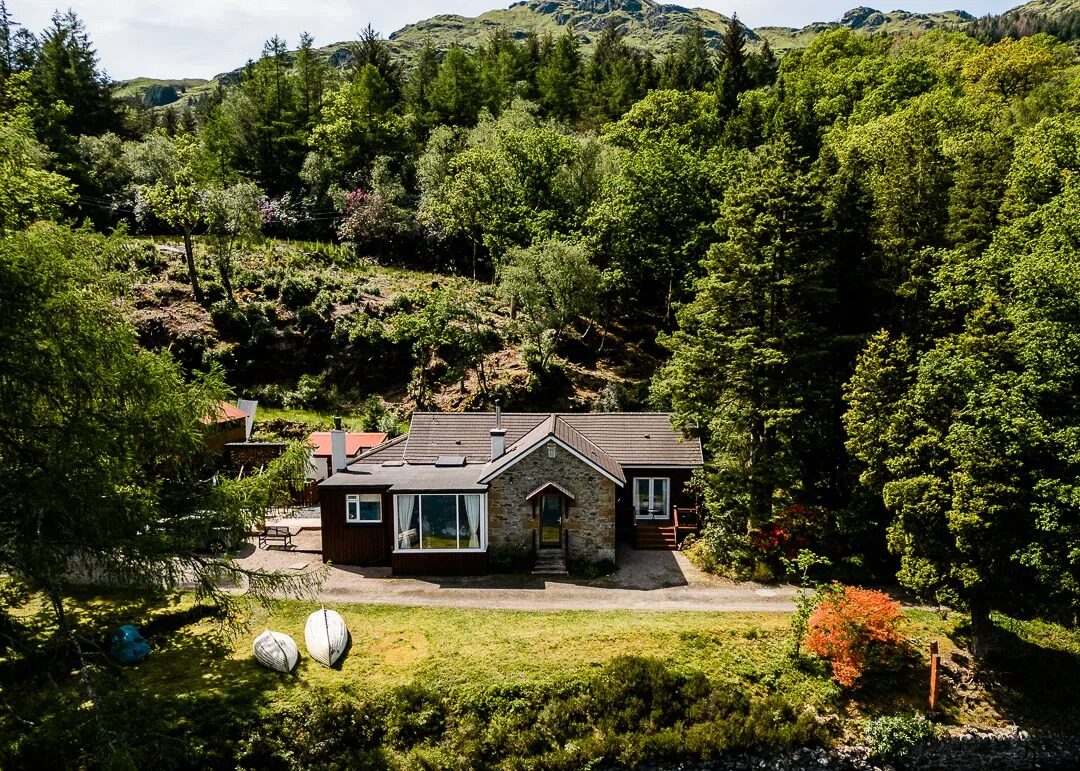
The main lodge, once the heart of the venue, is now a private family home, with guests staying in the cabins around the estate. Was that a deliberate move towards something smaller and more personal?
Yes, very much so. Over thirty years Woodside Lodge has been several businesses in one place: a Shoot & Stay location, a production base, a large wedding and events venue, a restaurant with rooms and a luxury holiday destination. The common thread through every version has been the owner-led, hands-on approach.
As I became older, I realised I was less interested in volume and more interested in quality of experience. I did not want Woodside Lodge to become a machine. Making the main Lodge our family home again allowed us to protect the soul of the estate while concentrating guest accommodation in places such as Seal Cabin and Red Squirrel Cabin.
It means we can welcome fewer people, know who is arriving and why the trip matters to them, and give them far more personal attention. For me, that is a much more modern definition of luxury than simply having more bedrooms.
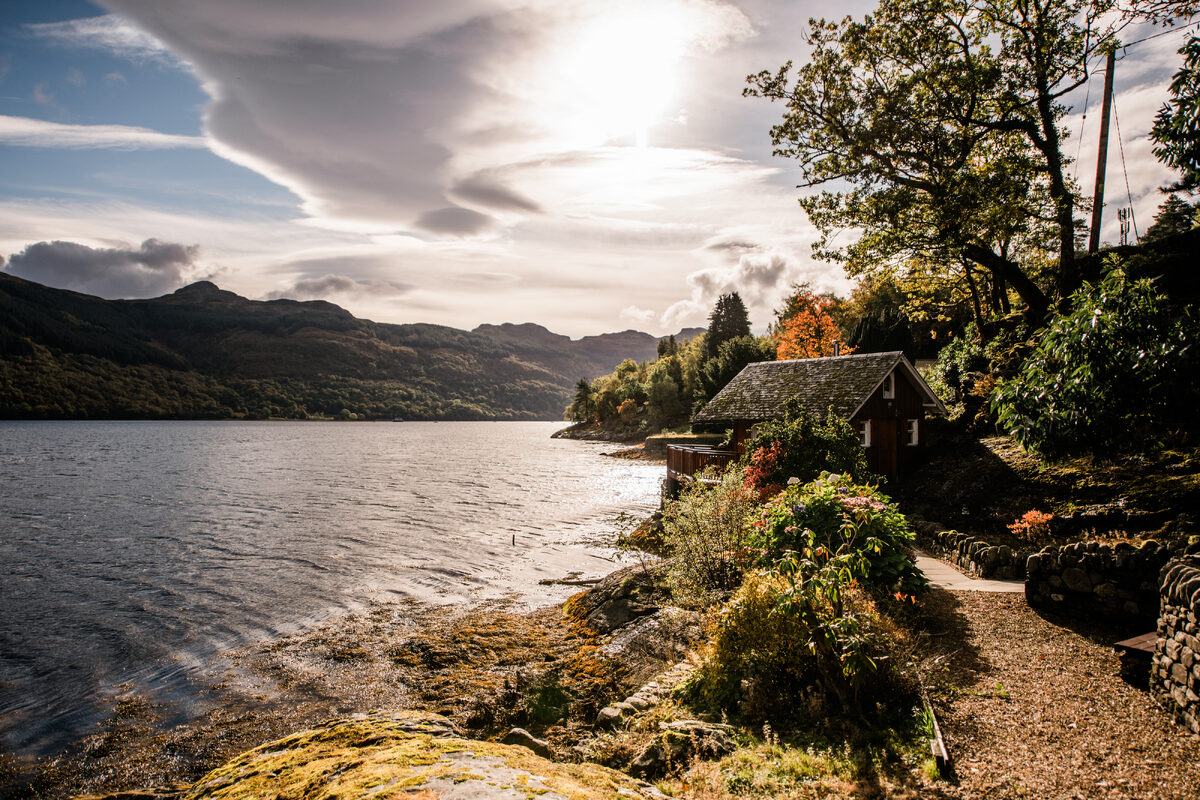
Woodside Lodge has become a real destination for elopements. What makes the setting so special for couples wanting that kind of day?
Elopements have changed enormously. They are no longer seen as running away or doing something second-best. For many modern couples, an elopement is a positive decision to remove the pressure, expense and expectations of a large wedding and put the focus back on the two people getting married.
Woodside Lodge suits that perfectly because it is private, dramatic and flexible. A couple can stay beside the loch, prepare for the ceremony in their cabin, marry with mountains and woodland around them, drink Champagne afterwards, have photographs taken around the estate and then sit down to a private dinner without ever feeling that they are part of a wedding production line.
We also take away as much stress as possible. The couple can tell us the kind of day they want and we help coordinate the practical details around them. I think that combination — privacy, landscape, service and simplicity — is why elopements feel so natural here.
Scotland makes eloping wonderfully easy, and couples come to you from all over the world. What does a day at Woodside Lodge look like for them?
No two elopements are identical, and that is important, but there is a rhythm to the day that I love. The couple will usually already have spent a night at the estate, so the morning is calm rather than rushed. They get ready in their cabin while hair, make-up, flowers and photography come together around them.
The ceremony might be beside the loch or within the woodland, depending on the weather and what feels right for the couple. Afterwards there is Champagne and canapés, time for photographs through the estate and, where appropriate, cake and a toast in the Victorian greenhouse. Dinner can then become a very intimate affair — candlelight, a wood-burning stove and a beautifully set table in the Potting Shed rather than a ballroom full of hundreds of people.
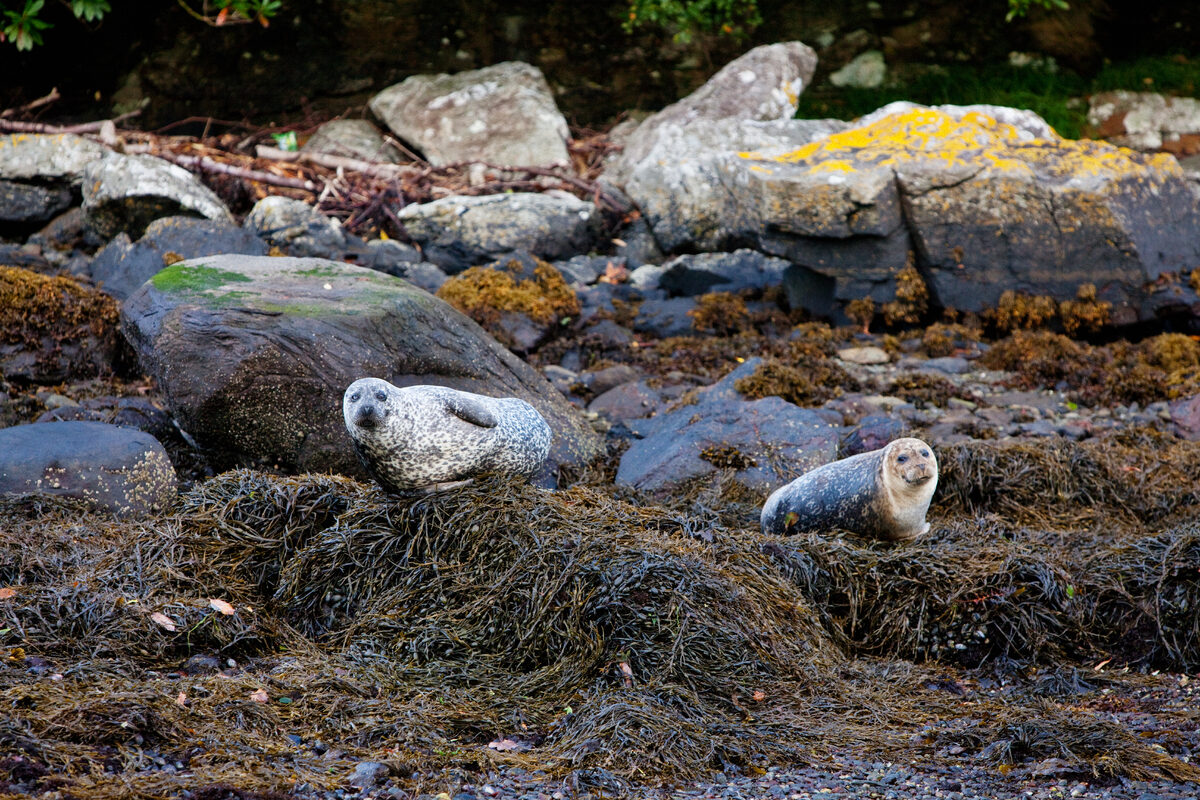
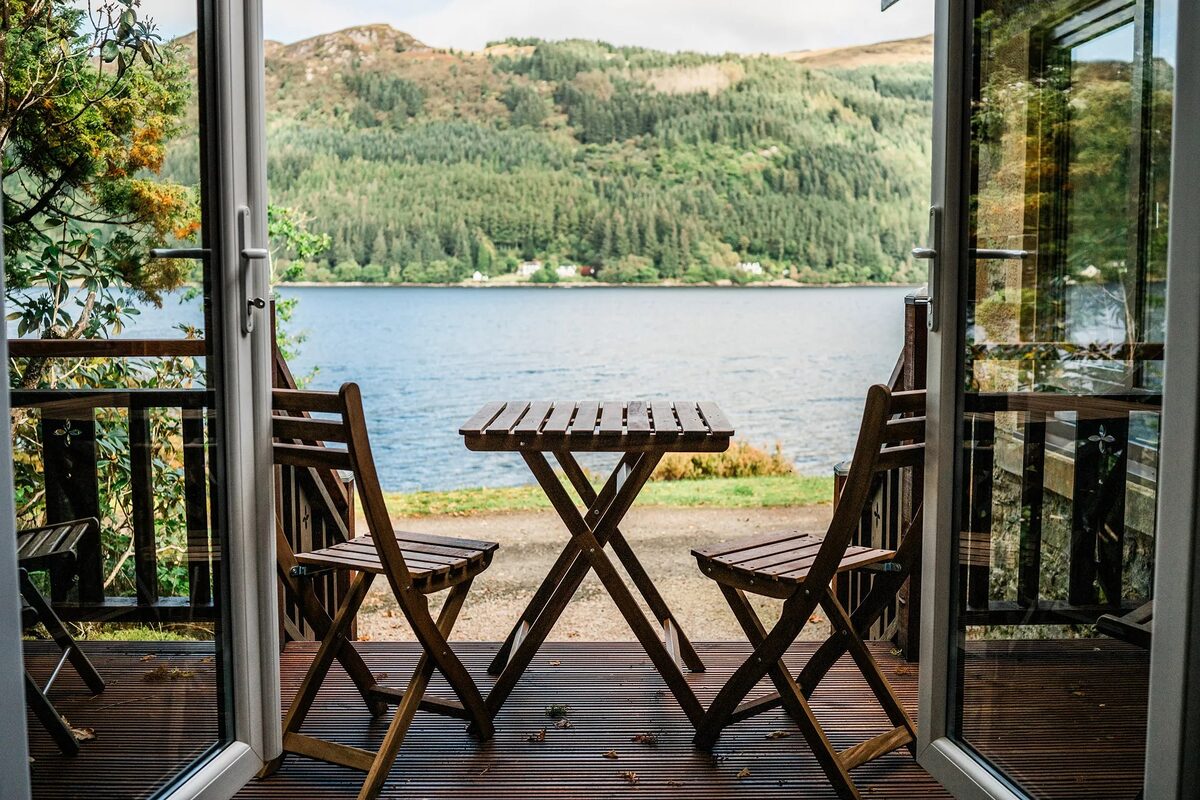
The following morning might be breakfast on the deck at Seal Cabin looking over Loch Goil, hopefully with a seal making an appearance. That is the whole point: the wedding is not a six-hour event. It becomes part of a two- or three-day Highland experience.
You call yourself Your Highland Concierge. What does that mean in practice for a couple staying with you?
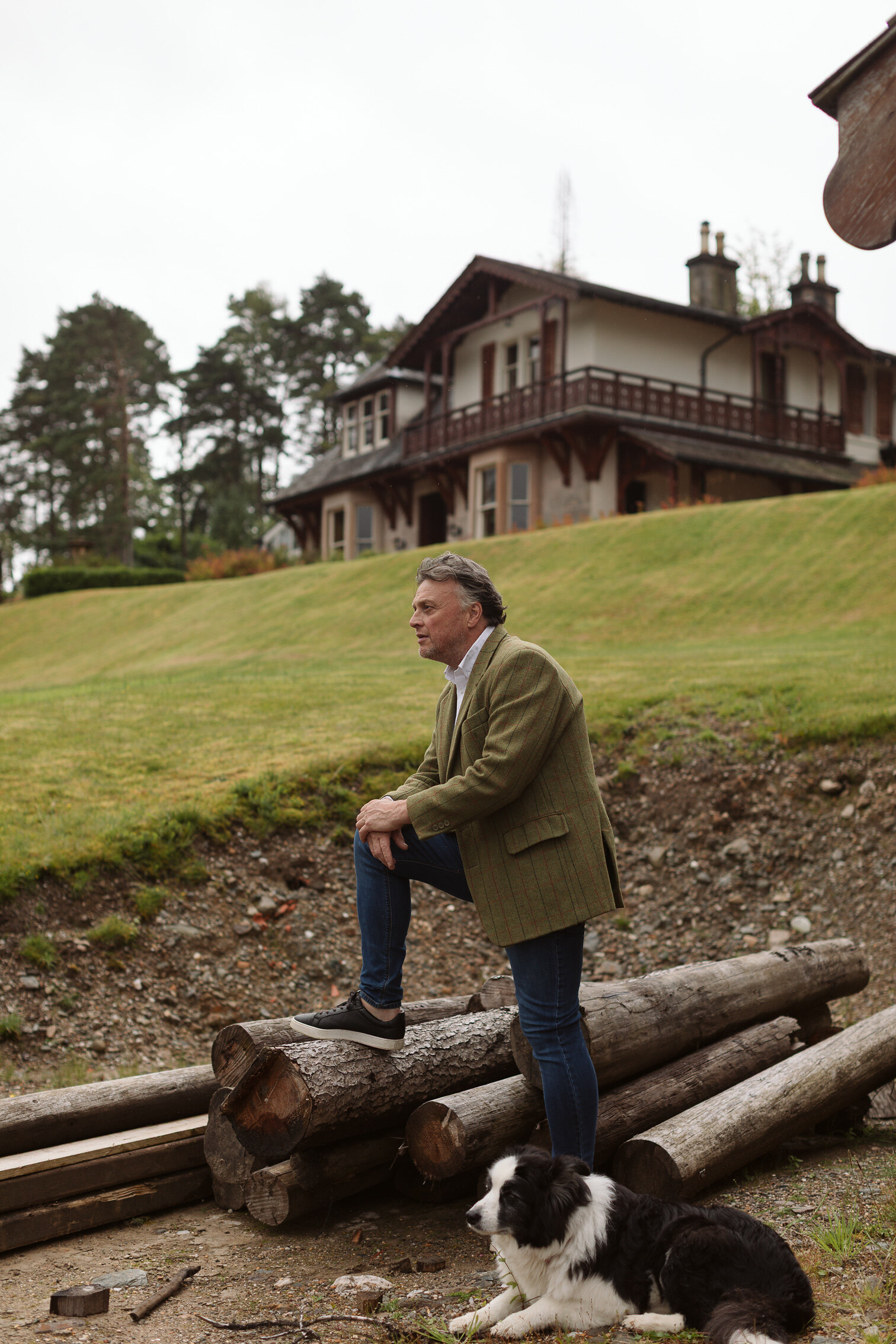
Your Highland Concierge is really just me putting a name to the way I have always hosted people. I meet and greet guests personally, check them in and make sure they understand not only the accommodation but what they can do with their time here.
I have spent much of my life travelling — first as a model, later in photographic, television and production work, and through hospitality — so I know the difference between being handed a tourist leaflet and having someone say, ‘Tell me what you love and I’ll help you build a day around it.’
I can recommend and reserve restaurants, organise transfers from airports or Arrochar & Tarbet station, suggest castles, distilleries and scenic drives, arrange special experiences, or help an elopement couple coordinate the many small pieces that make their stay memorable. My old production-manager instinct has never gone away: I like making sure everything happens when it should, without the guest seeing the effort behind it.
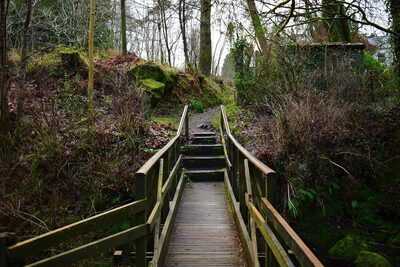
I may be a little more silver-haired than I was in my modelling days, but the job is still essentially the same — understand the brief, know Scotland, solve problems and make people feel looked after.
If a couple staying with you asked for one thing to do locally that isn't in any guidebook, where would you send them?
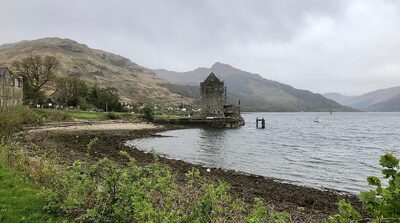
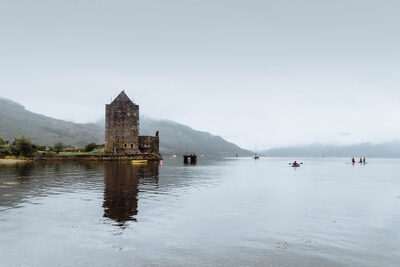
I would probably keep them close to home and put them on Loch Goil itself. I would arrange a picnic hamper with a proper Scottish lunch and Champagne and send them out by boat to see the seal colony and Carrick Castle from the water. Seeing the mountains and shoreline from the loch changes your understanding of the place completely. It feels private, elemental and a little bit magical — exactly the kind of experience people remember years later.
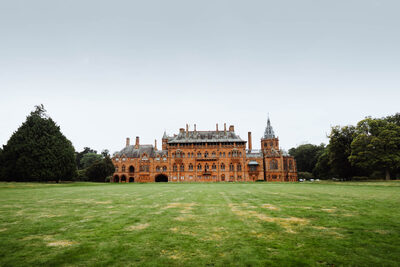
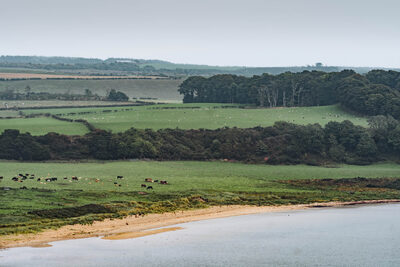
If they had a full extra day, my other favourite is the Isle of Bute, which I often call ‘Scotland in miniature’. From Woodside Lodge it is a beautiful drive to Colintraive and then a tiny ferry crossing onto the island. I would send them to Mount Stuart — the extraordinary neo-Gothic home of the Bute family, set within 300 acres of gardens — and then on to Scalpsie Bay with a picnic. It is a wonderful example of the kind of Scotland visitors can miss if they only follow the obvious routes.
What's next for Woodside Lodge?
The next chapter is to make Woodside Lodge one of the most complete and personal Highland elopement experiences in Scotland. I want the process to feel beautifully simple: choose your dates, choose Seal Cabin or Red Squirrel Cabin, choose the style of elopement you want, and then let us help coordinate the rest.
There will always be legal requirements that the couple must complete — in Scotland, marriage notice normally needs to be lodged with the registrar with at least 29 clear days’ notice, and I always encourage couples, especially those travelling internationally, to allow considerably more time — but once the paperwork is in hand, the experience itself should feel effortless.
My ambition is that a couple arrives knowing they are in safe hands. From the welcome and the accommodation to the ceremony, photography, flowers, food, Champagne, local experiences and the beginning of their honeymoon, the whole stay should feel connected.
After thirty years, I am not interested in making Woodside Lodge bigger for the sake of it. I want to make it better, more personal and more memorable. That, for me, is the future.
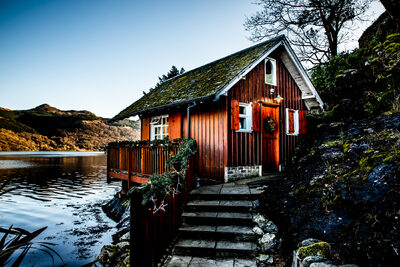
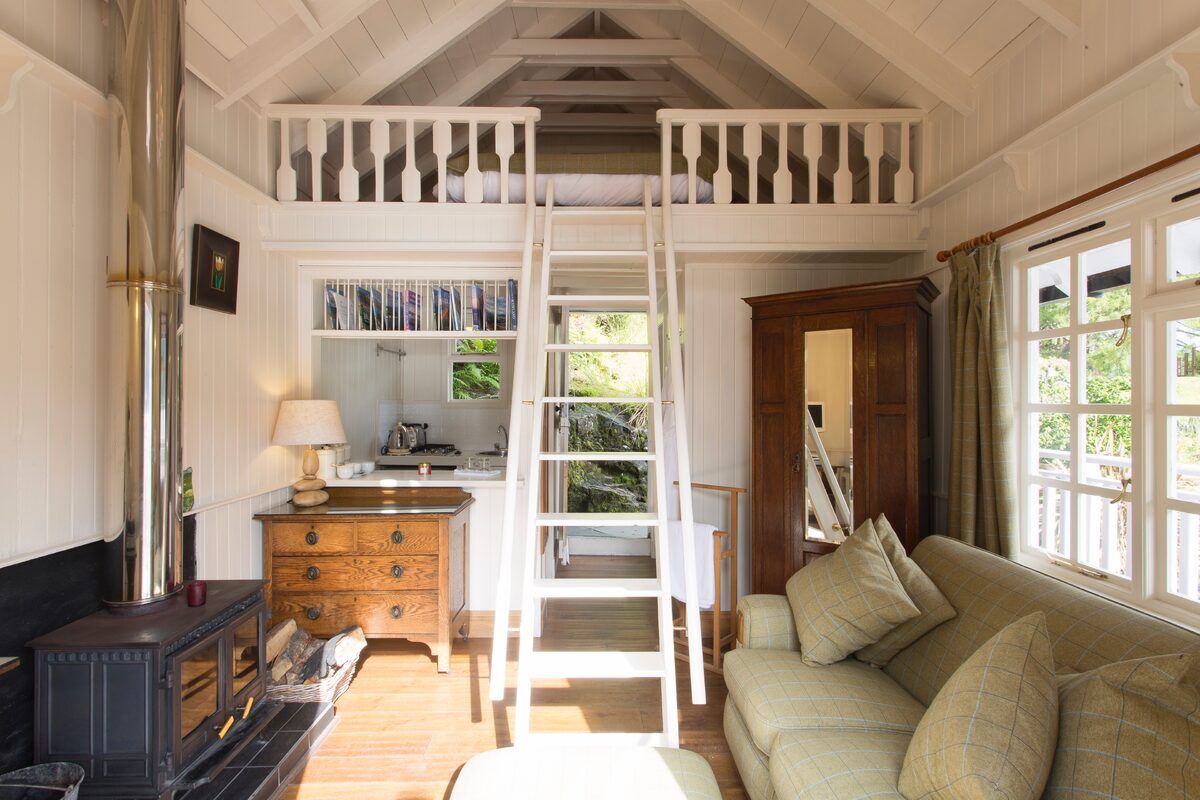
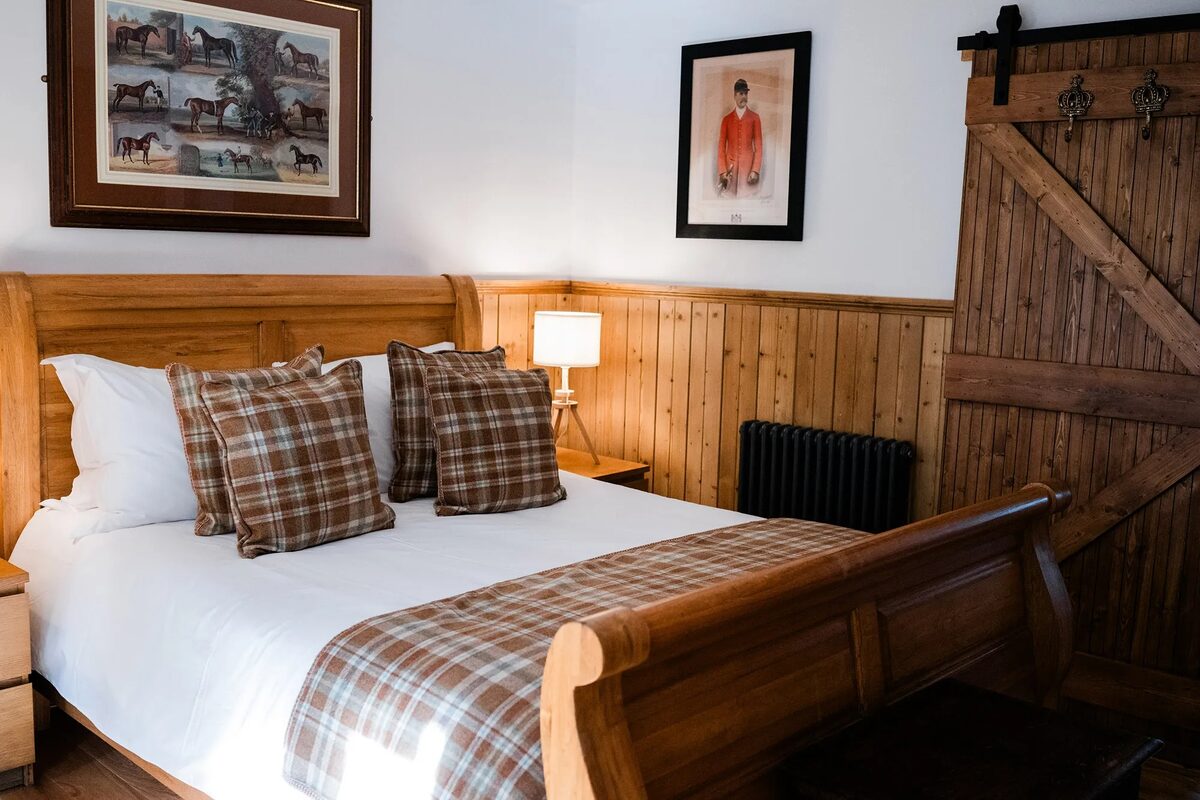
Seal Cabin, the estate’s old Victorian boathouse on the rocks above the loch, sleeps two, with breakfast on the deck and the seals for company. Red Squirrel Cottage, once the Lodge’s stables, sleeps six among the pines, or closes off into a hideaway for two. A third, Glennie Cottage, the old staff cottage beside the burn that runs down to the loch, is being made ready for couples. Wherever you stay, Iain meets every guest himself.
Stay at Woodside Lodge
Stay at Woodside Lodge
Our places to stay, nearest by road
 Out now
Twice a year, to your door
One hundred and sixty pages of Scotland, every photograph commissioned, every word written by someone who went. Members get both issues posted and everything on screen.
The Daily
Arrives at 5am every day.
A free morning email to see what’s on this week, catch up on what’s happening in Scotland and find somewhere new to go.

 The Unsung Corner
 Gretna Green, Where Sparks Fly
 Recycled Decorations