
Turning Point - Traveller’s Tales to Cape Wrath
Photographer Richard Gaston recounts his 240-mile self-supported trek from Fort William to Cape Wrath. The route—one of the UK’s toughest—took him through wild glens, remote beaches, and endless bogs. Along the way, moments of hardship gave way to clarity, connection, and an unforgettable ending at Scotland’s northwestern edge.
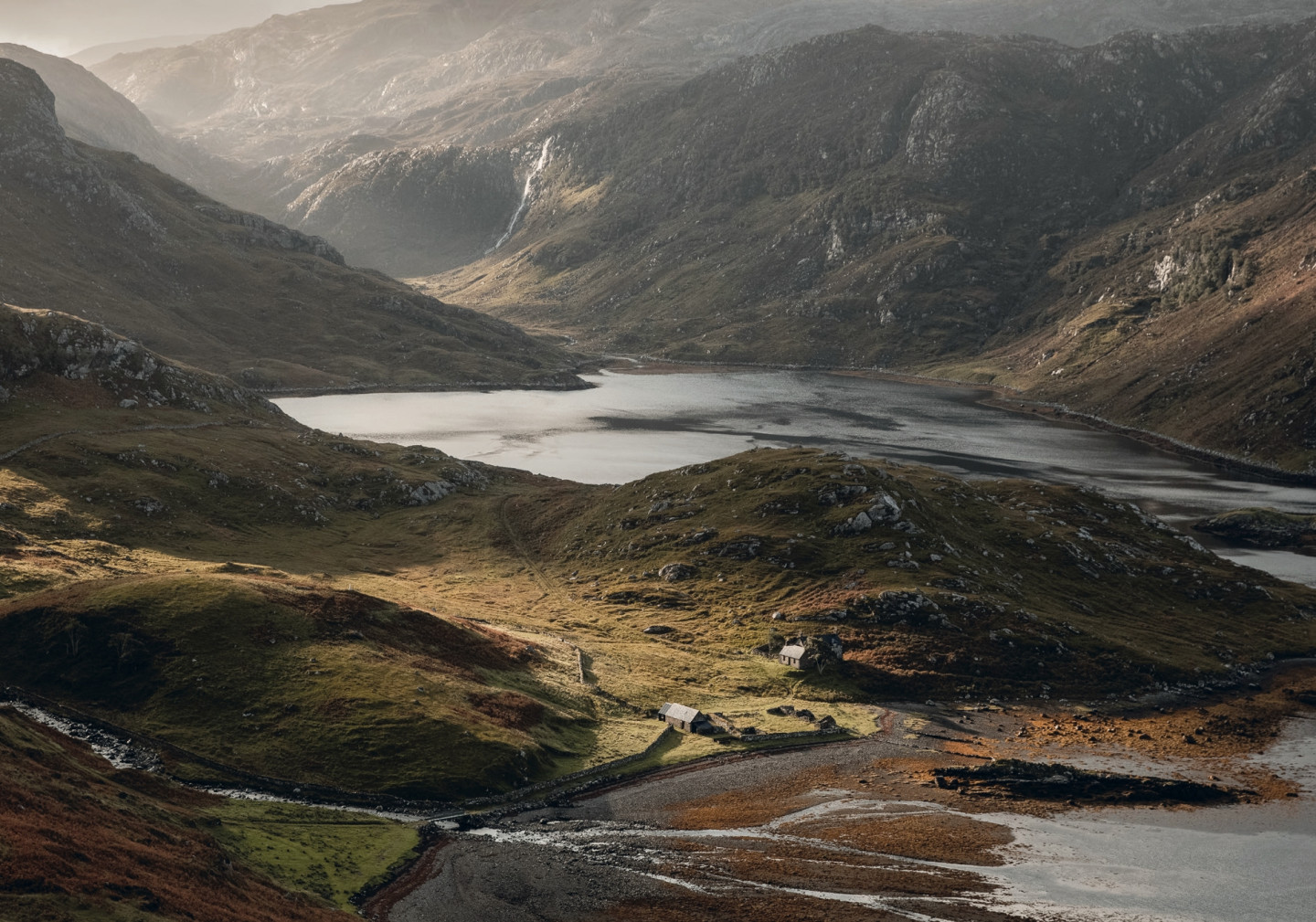
Cape Wrath has been on my radar ever since my love for the Highlands emerged. The appeal was the idea of pushing north until you can’t physically go any further; in other words “The Turning Point.” To get there would require a 240-mile self-sufficient journey from Fort William in the heart of the Highlands to Cape Wrath, the most northwesterly point of mainland Britain. The route would span over two-and-a-half weeks and is regarded as one of the most challenging long distance walks in the country, encountering Scotland’s finest wilderness, grandest mountains, loneliest glens, highest waterfalls and most remote beaches.
The elements were deeply embedded in my consciousness. Water determined everything. Forming the way of our route, flowing down beside us along every glen we walked up, pooled at the top of every bealach we crossed and lurking in bogs - endless bogs we grew to curse, loathe and dread. Following the yellow weather warnings on day one - a respectable introduction to the wrath - we bashed our way through the lush green glens of Knoydart. Supposedly one of the wettest regions of the UK - it certainly felt like it that day. The rain washed us in sideways sheets in Cona Glen and soaked us in downpours as we passed over the featureless moorland above Inverlael. It influenced our decision making, our kit choice - head-to-toe in GoreTex Pro but that wasn’t enough to keep us dry - or how and when we declared our campsite and utilised our negotiation tactics to cross rivers. It always played on my mind; knowing there was a river crossing later on in the day, or the approaching rain that was forecast. I became so fixated on keeping my boots dry. All my efforts to dry them out over the night were immediately dampened as we began the morning fighting through the boggy terrain surrounding Maol Bhuidhe bothy. A bootless errand you might say. Mentally and physically it wasn’t easy. Moments of frustration developed by the impact the wet weather had on me (which don’t seem so bad now I’m sitting in the comforts of my home). However we considered ourselves lucky, having two near perfect (for Scotland) weeks of weather bookended by rain meant it could always be worse.
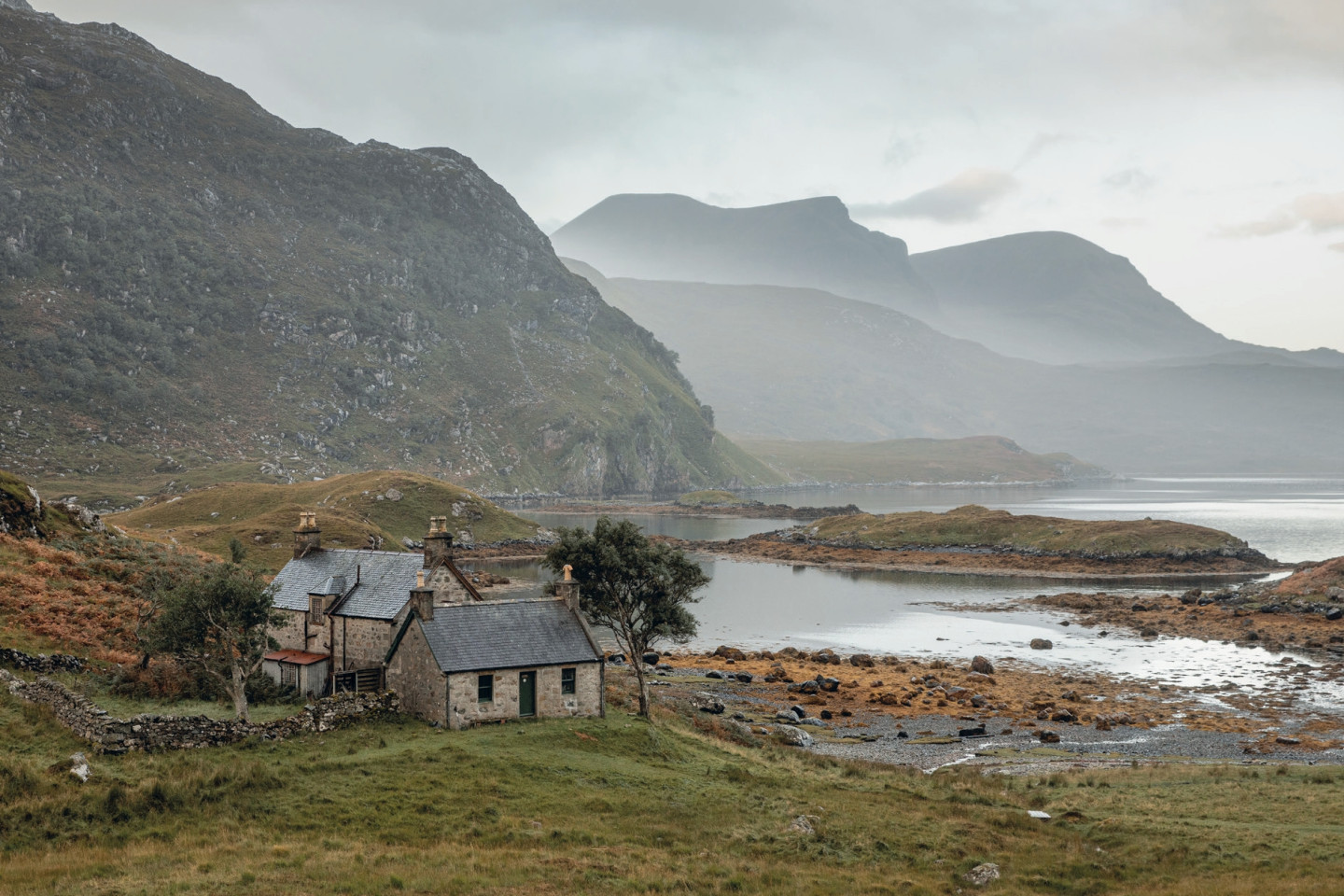
Through the struggles certainly came rewards as the water works in wonderful ways. The mist rolling in from the Sutherland hills and hovering above Loch Stack at sunrise and the trout launching out of water to catch the insects at sunset. The rivers lazily making their way down through Glen Oykel, the warmth of the morning sun bursting through a sheet of rain and illuminating Eas a’ Chual Aluinn waterfall (the highest in the U.K) and the sunset over the Atlantic at Sandwood Bay. These were the first sounds of the ocean during our journey and signified us nearing the end with only eight miles to go to Cape Wrath. On reflection the entrance to Sandwood Bay provided the real moment of concluding euphoria - the waves crashing in from the Atlantic Ocean and lapping the mile-long white sands with the evening sun drawing down cinematically behind the Am Buachaille sea stack.
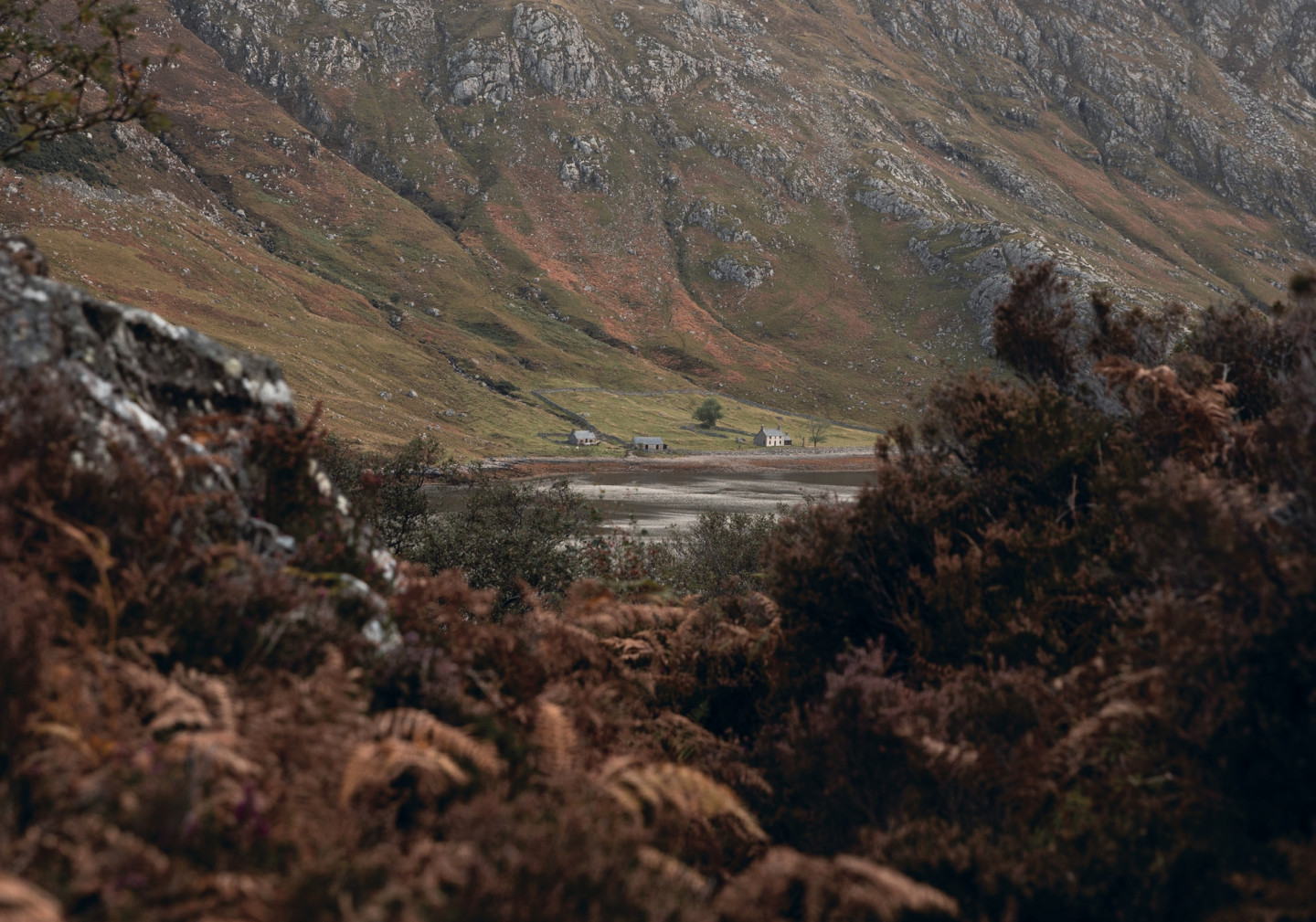
How simple a trip like his becomes. We were in our daily methodical groove of walking 13 miles and experienced ecstatic emotions when the perfect camp spot was declared between 4pm and 5pm each night. Repeatedly packing and unpacking our bags and tent. Each morning we’d fire up the jetboils to make a green tea and porridge, in the evenings deciding which freeze-dried meal took our fancy, followed by the same dessert. A rhythm that would inevitably be broken by the turning point. We could venture no further north as we had reached the Cape Wrath lighthouse. It was time to make our way back to civilisation. I’ve visited the Highlands countless times, however waking up and going to sleep in the elements for days on end allowed a connection to the land I hadn’t experienced before. Nearing the end, I sat at Glencoul watching the sunset over Kylesku and heard the mournful call of the rutting stags echo in the glen - a sound that followed us throughout, broken only by silence and rivers rushing. I knew the reality was fading, but the memories would live strong.
words & photography // Richard Gaston
Promoted Post
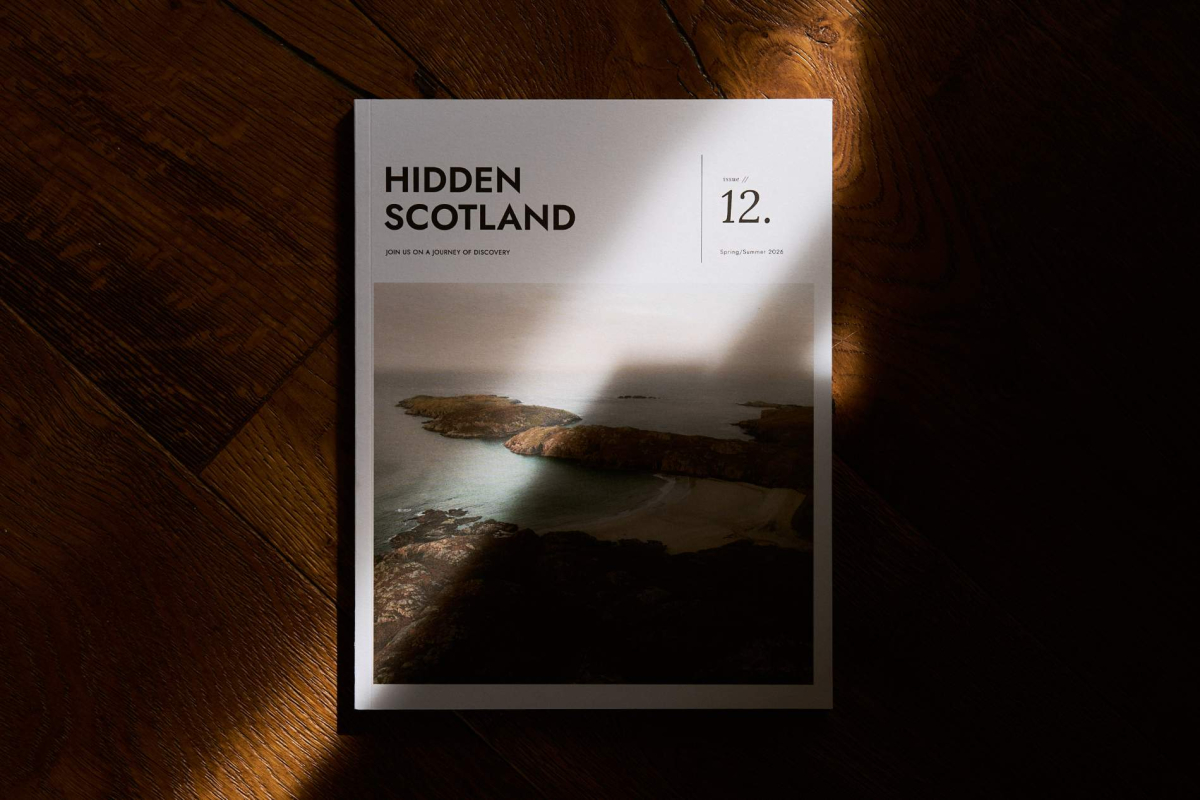
Issue 12 is now shipping worldwide from Scotland.
Issue 12 is now shipping worldwide from Scotland.






 Sign in with Google
 Sign in with Email