
The House Built for Slowing Down
Ana and her husband Mo left Brighton looking for a bit more space, and the stable building that came with the land slowly turned into something else. That something is Talli House, a design-led, dog-friendly stay in the countryside about half an hour from Glasgow.
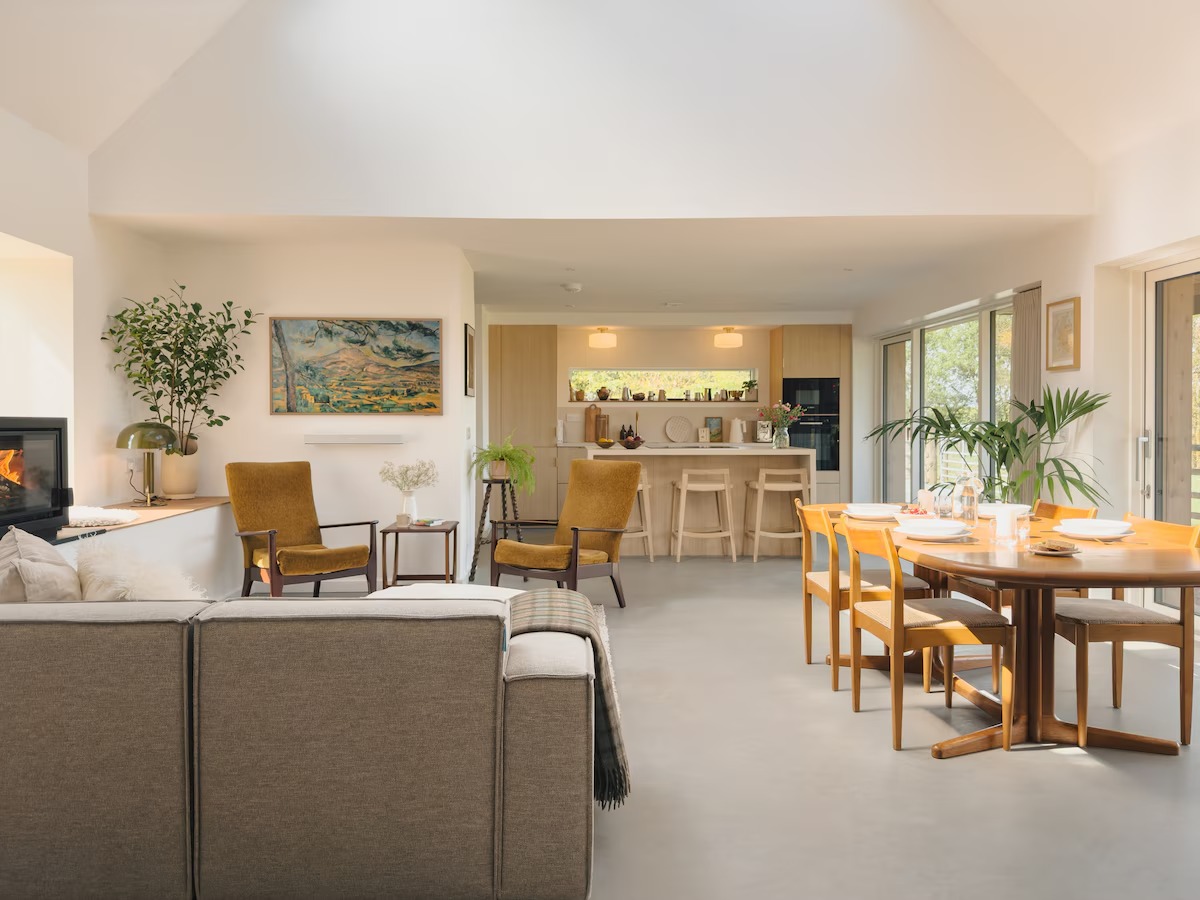
The build was hard. They kept the shell of the old stable and rebuilt everything inside, working through delays, unreliable trades and a stretch of real personal loss along the way. A year on from opening, the idea behind the place is a simple one: somewhere that asks very little of you, where you can sleep properly and let your shoulders drop. The interiors lean Scandinavian and Japanese, all soft lighting and natural materials, with the fields and the changing light left to do most of the talking. We spoke to Ana about the renovation, what she learned about how a space actually feels to live in, and why she takes cancelled dinner reservations as a compliment.
For anyone discovering it for the first time, what is Talli House?
Talli House is a design-led, dog-friendly countryside stay in rural Scotland, created as a place where people can properly slow down and feel looked after without things feeling complicated.
At its core, it was designed around the idea that rest becomes easier when a space asks less of you. When things feel intuitive, no friction. Comfortable. Calm. I wanted to create somewhere that felt beautiful and inspiring, but also easy to immediately settle into.
The house sits quietly surrounded by fields and open skies, intentionally positioned so that once guests are inside, it feels private and separate from everything else. A lot of people arrive expecting to spend most of their trip exploring Scotland, and end up spending far more time at the house than they planned. Some guests tell us they’ve slept properly for the first time in months. Others spend entire mornings watching the weather move across the fields with a coffee in hand. Honestly, hearing things like that means more to me than being described as luxurious.
The idea for Talli House came from a very personal place. I’ve moved countries several times throughout my life, and for years travel became a form of escape for me. Over time, I realised the places I remembered most weren’t necessarily the grandest or most extravagant. They were the ones that made life feel softer somehow. Places where I slept deeply, read more, thought more clearly, and felt less overstimulated by everything around me.
That feeling shaped almost every decision inside the space. There’s a reason the bath faces the view. A reason the lighting is soft in the evenings. A reason the kitchen was designed to feel intuitive to use rather than purely aesthetic. I became incredibly focused on how the house would actually feel to exist in day-to-day, not just how it would photograph.
Of course design is a huge part of the experience. I care deeply about atmosphere, textures, natural materials, and creating spaces that feel visually calming. But I never wanted Talli House to feel cold, untouchable, or overly curated. The goal was always “beautiful enough to inspire you, comfortable enough to immediately relax into”.
More than anything, I wanted to create a place that gives people permission to pause a little. Somewhere that feels grounding, welcoming, and quietly restorative in a world that often feels very loud.
Can you tell us a bit about the renovation process?
The renovation process was honestly far more intense than I ever expected it to be, emotionally, mentally, financially, all of it.
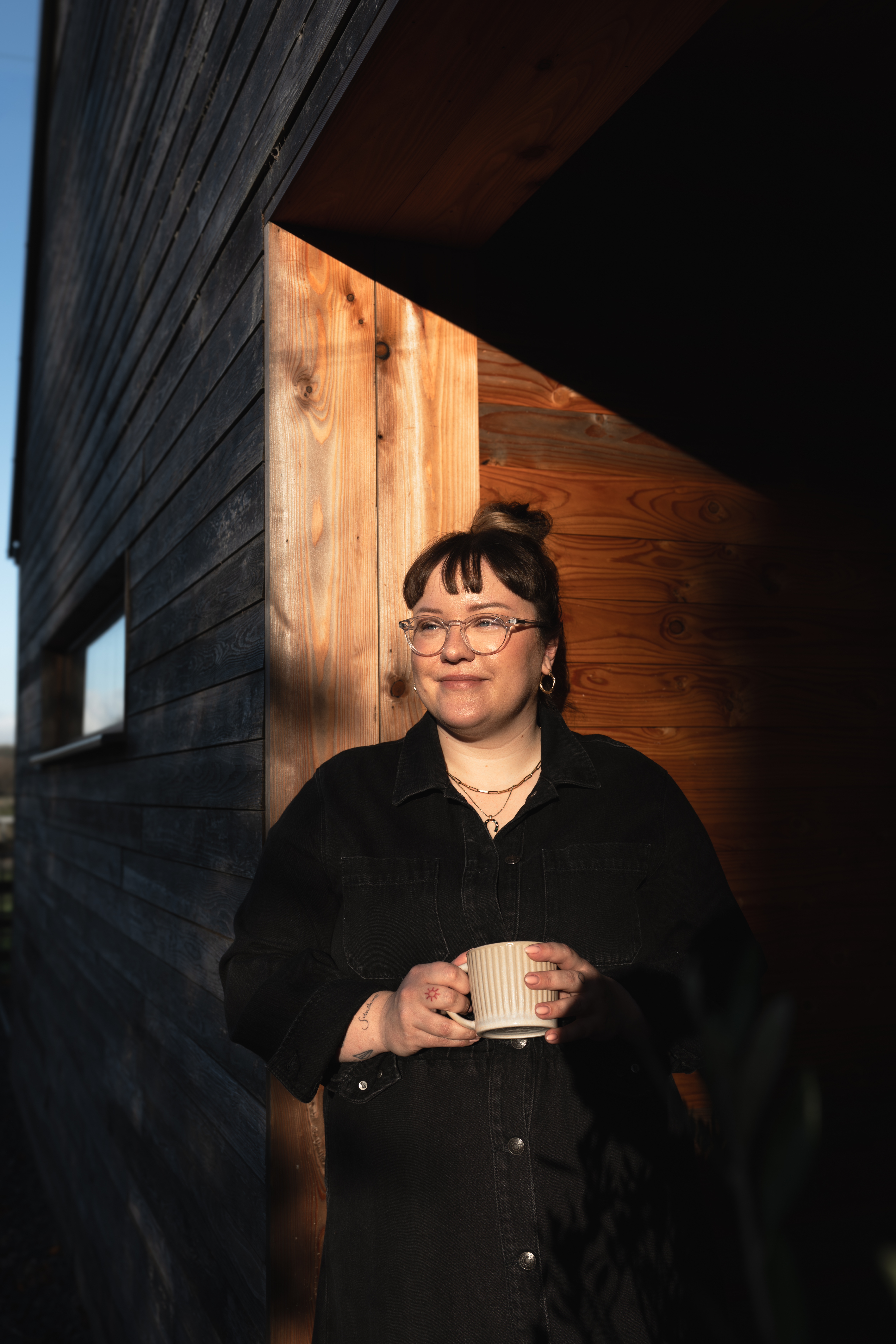
After moving to Scotland from Brighton in search of a different pace of life, Talli House became my project, something I poured myself into completely, while going through the entire rollercoaster of building it with the unwavering support of my husband, Mo.
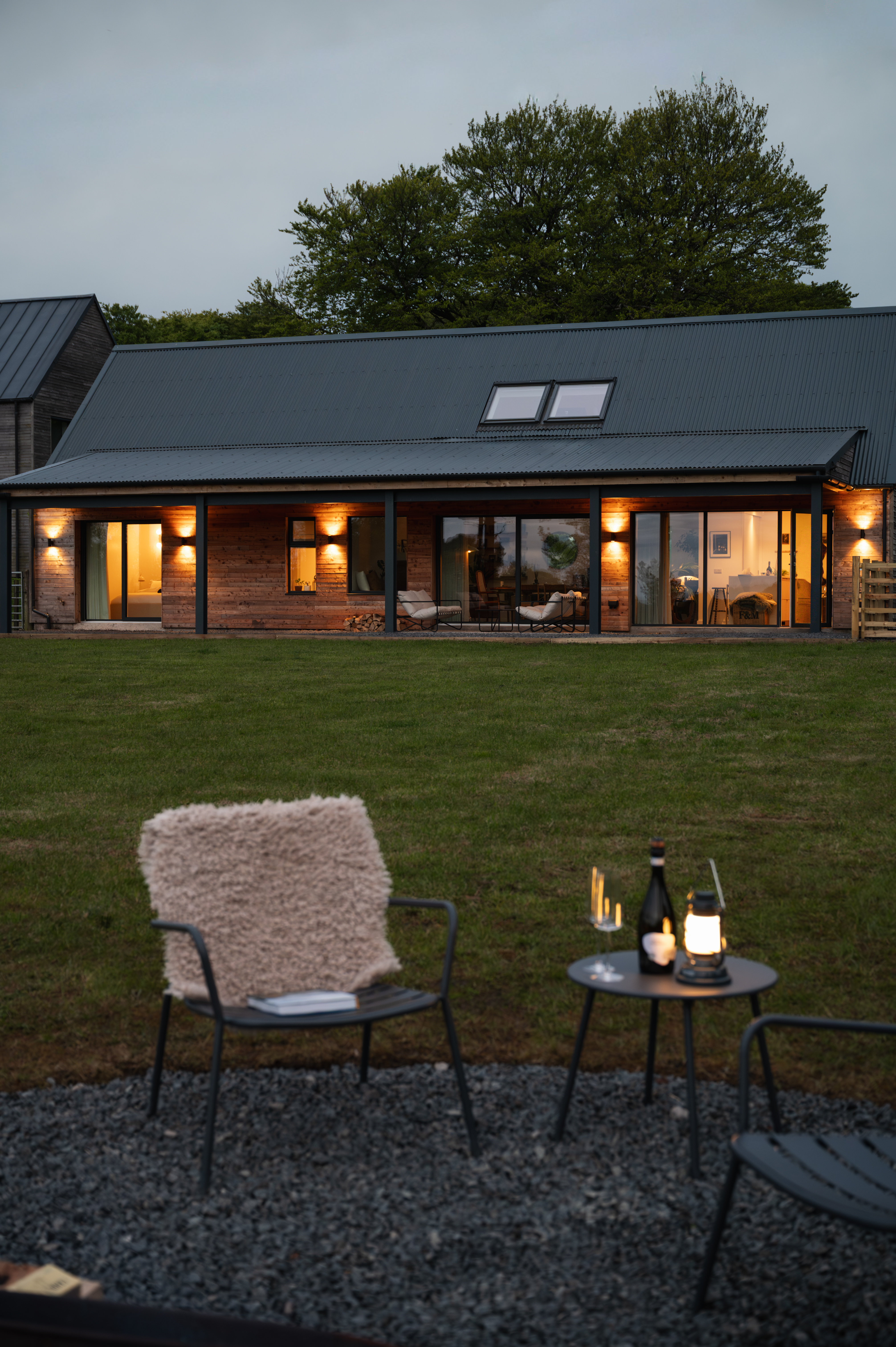
Talli House was originally a stable building, and we essentially kept the shell and rebuilt everything from the inside out. What exists now is very different to what stood there before, but the process of getting there was anything but smooth.
One of the biggest challenges was finding reliable trades and people we could genuinely trust. We experienced a huge number of delays and setbacks throughout the build. There were periods where it felt like every time we solved one problem, another three appeared immediately after. I think people often romanticise renovation projects, myself included, but the reality for us was long periods of stress, uncertainty, and trying to hold everything together while still pushing forward.
At the same time, life was also happening around the project. During the renovation process, I lost my best friend and we also lost our beloved dog, both of which deeply affected me and changed my relationship with the build entirely. There were weeks where I barely slept, my mental health was at its lowest, and I genuinely questioned why we had started any of it in the first place.
But the truth is, I also knew there was no real alternative. This vision had become too important to walk away from. Even when things felt impossibly hard, I couldn’t let go of what I wanted Talli House to become.
A huge part of the process was also learning what actually makes a space feel good to exist in, beyond just looking beautiful in photographs. I’ve always paid close attention when travelling, whether staying in boutique hotels, Airbnbs, cabins, or resorts. Noticing the tiny details that make somewhere feel intuitive, welcoming, or easy to settle into. Sometimes it’s lighting. Sometimes it’s layout. Sometimes it’s simply the feeling of arriving somewhere and immediately relaxing because everything feels resolved.
That became the foundation for almost every decision we made.
We became incredibly detail-oriented during the build process, probably to an obsessive level at times. We would spend weeks discussing things most people would never consciously notice: how lighting should feel at night, what materials would age well, how the kitchen should flow, or how the house could feel elevated without becoming cold or intimidating.
The landscape also shaped a huge amount of the design direction. The views, the changing light, the openness of the fields, they were always meant to remain the focal point. We didn’t want the interiors to overpower the surroundings. We wanted them to frame and support them.
Months turned into years, and there were times I genuinely felt like I would never see the end of it. We questioned every decision, so many things went wrong, and there were moments where we wondered whether anyone else would even notice the level of care going into it all.
But looking back now, I think that care is exactly what people respond to when they stay, even if they can’t always pinpoint why. Even now, a year after opening, the scars from the renovation process still feel fresh sometimes. But I also think those experiences shaped Talli House into what it is. After going through such emotionally exhausting years, creating somewhere that felt gentle, welcoming, and reassuring for other people became even more important to me.
What made this particular setting the right place for Talli House?
In many ways, the setting made the decision for us. When we moved to Scotland, we weren’t moving here to build a holiday let or start a hospitality business. We were simply searching for a bit more space around us. Talli House was never some long-term masterplan, the pieces just gradually slotted together at the right time. The shell of the building was already here as part of the land, and over time it became obvious that its positioning, the views, and the privacy from the main house had the potential to become something really special.
One thing that mattered hugely to me was making sure guests felt completely immersed in their own space. Although Talli House sits beside our home, it was intentionally designed so that once you’re inside, it feels entirely separate and private.
What I personally love about the setting is the contrast it offers. You can leave Glasgow and within half an hour feel like you’ve stepped into a completely different rhythm of life. That shift feels especially important now, when so much of modern life feels overstimulating and constantly switched on.
Over time, living here changed me quite a lot too. You start noticing the seasons more. The wildlife. The changing light. The stillness. Life naturally becomes less hurried without really forcing it. I think Talli House is very much a reflection of that shift, and my desire to create a space where people could experience the difference that stepping away from constant noise and pressure can make.
What was your inspiration for the interior?
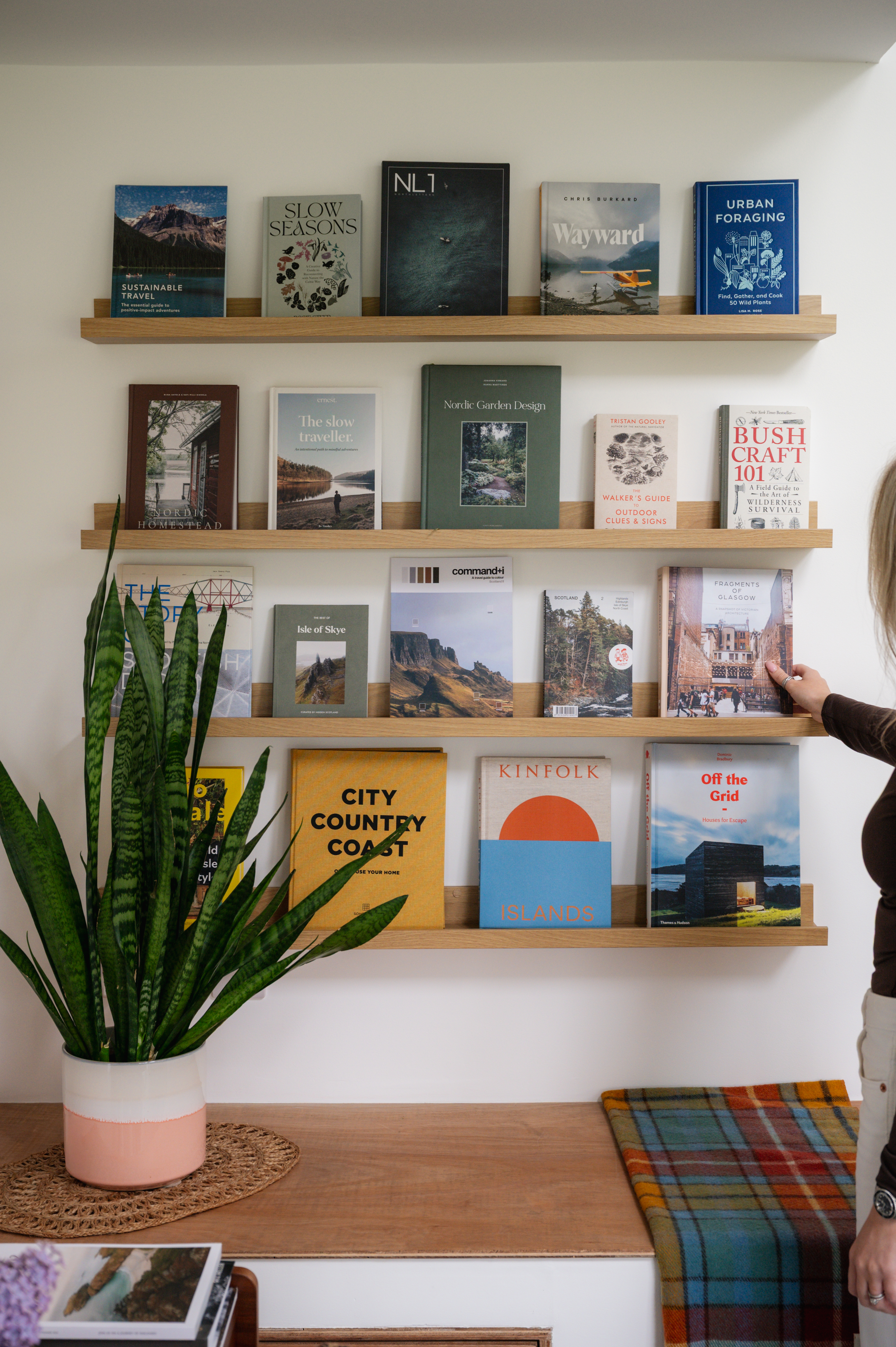
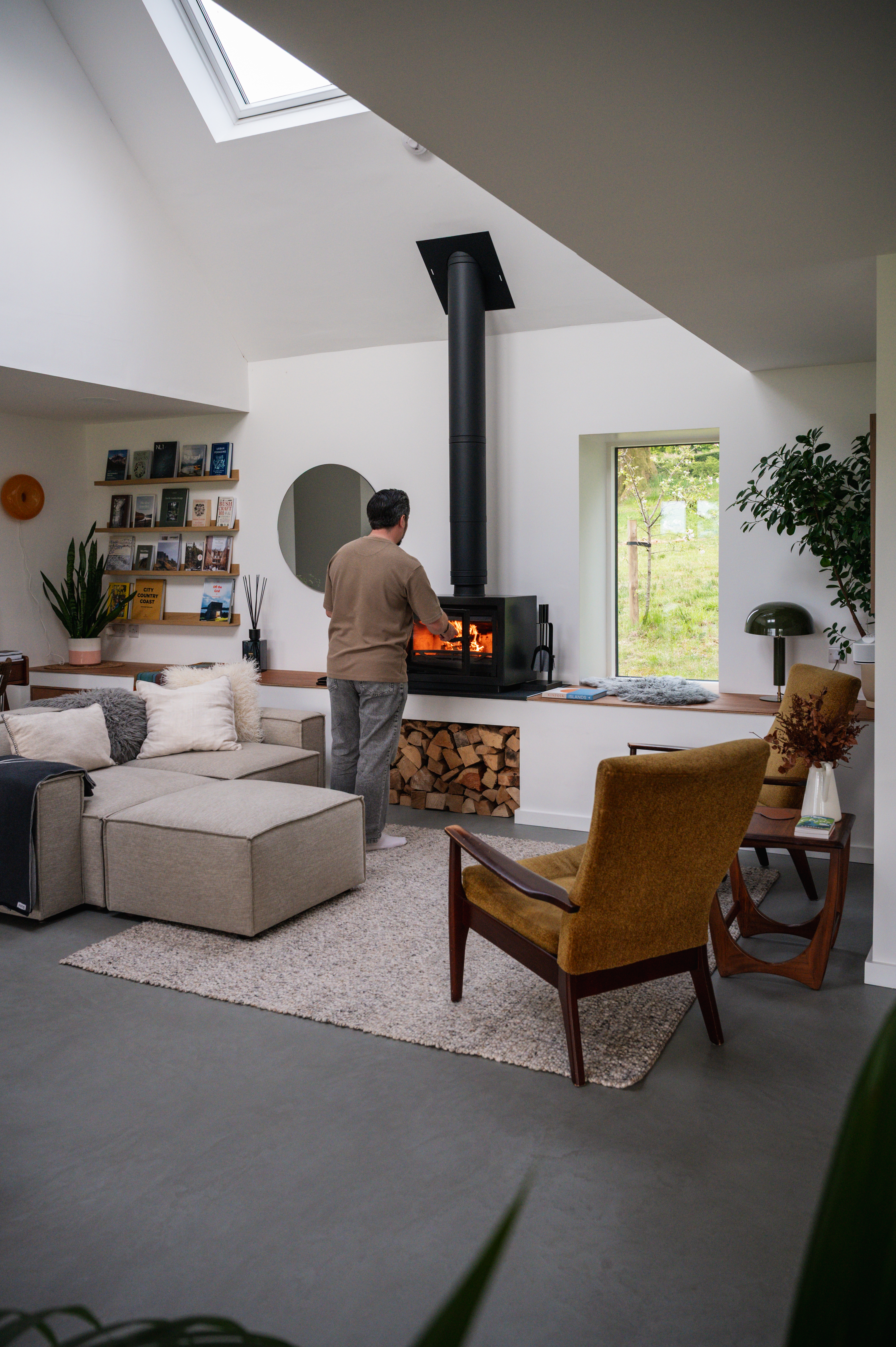
The inspiration for the interiors came from years of subconsciously collecting feelings from places I’d stayed in around the world rather than one specific aesthetic or designer reference.
I’ve always been very observant when travelling. Noticing how certain spaces make you behave differently without even realising it. Why some places instantly make you unwind, sleep better, or become more present, while others can look beautiful but somehow still feel awkward or impersonal to exist in. That became far more important to me than creating something simply photogenic.
A lot of the inspiration came from Scandinavian and Japanese ways of living, not just visually, but philosophically too. The restraint. The functionality. The appreciation for natural materials, texture, craftsmanship, and simplicity. I was really drawn to the idea that luxury doesn’t need to be loud to feel impactful.
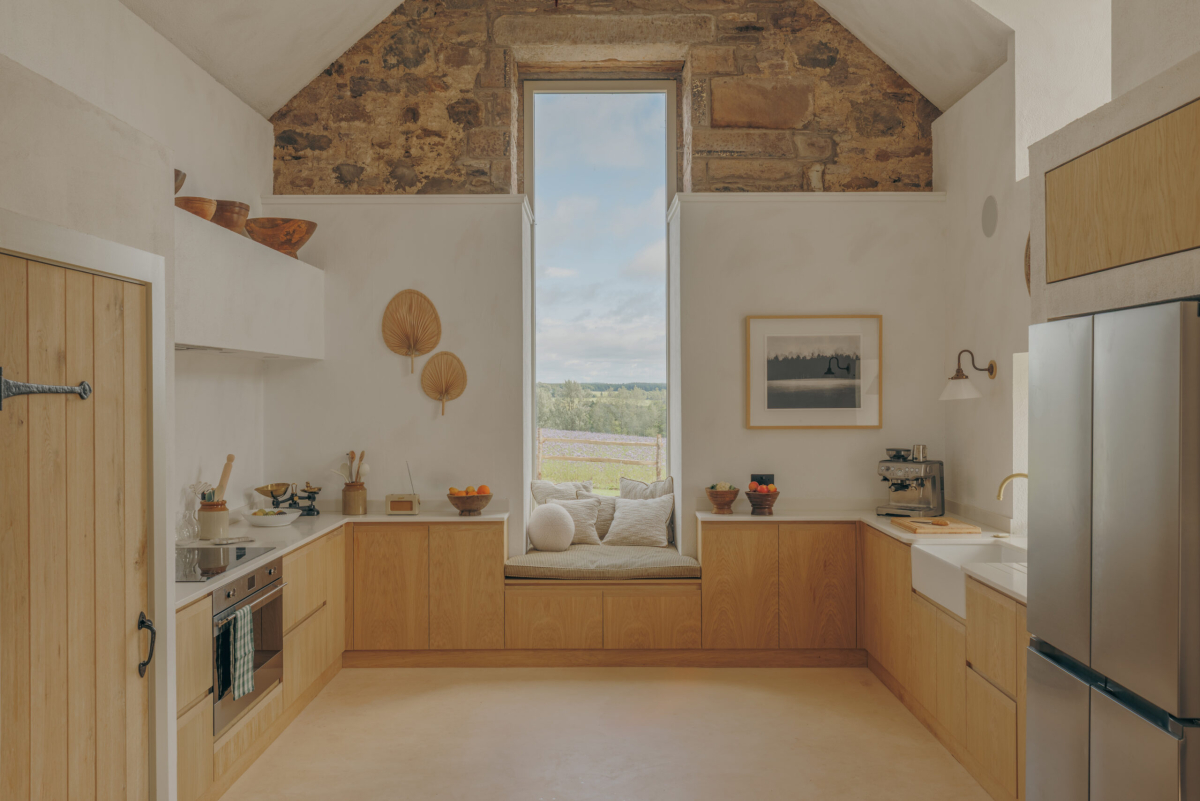
At the same time, I didn’t want Talli House to feel stark or intimidating. I wanted warmth to sit at the centre of the experience. So we focused heavily on tactile materials, softer tones, layered lighting, natural textures, and creating a space that feels refined but still deeply liveable.
The landscape outside also influenced almost every interior decision. The muted colours of the fields, the misty mornings, the changing weather, all of it naturally shaped the palette and atmosphere inside the house. We wanted the interiors to complement what was happening outside the windows rather than compete with it.
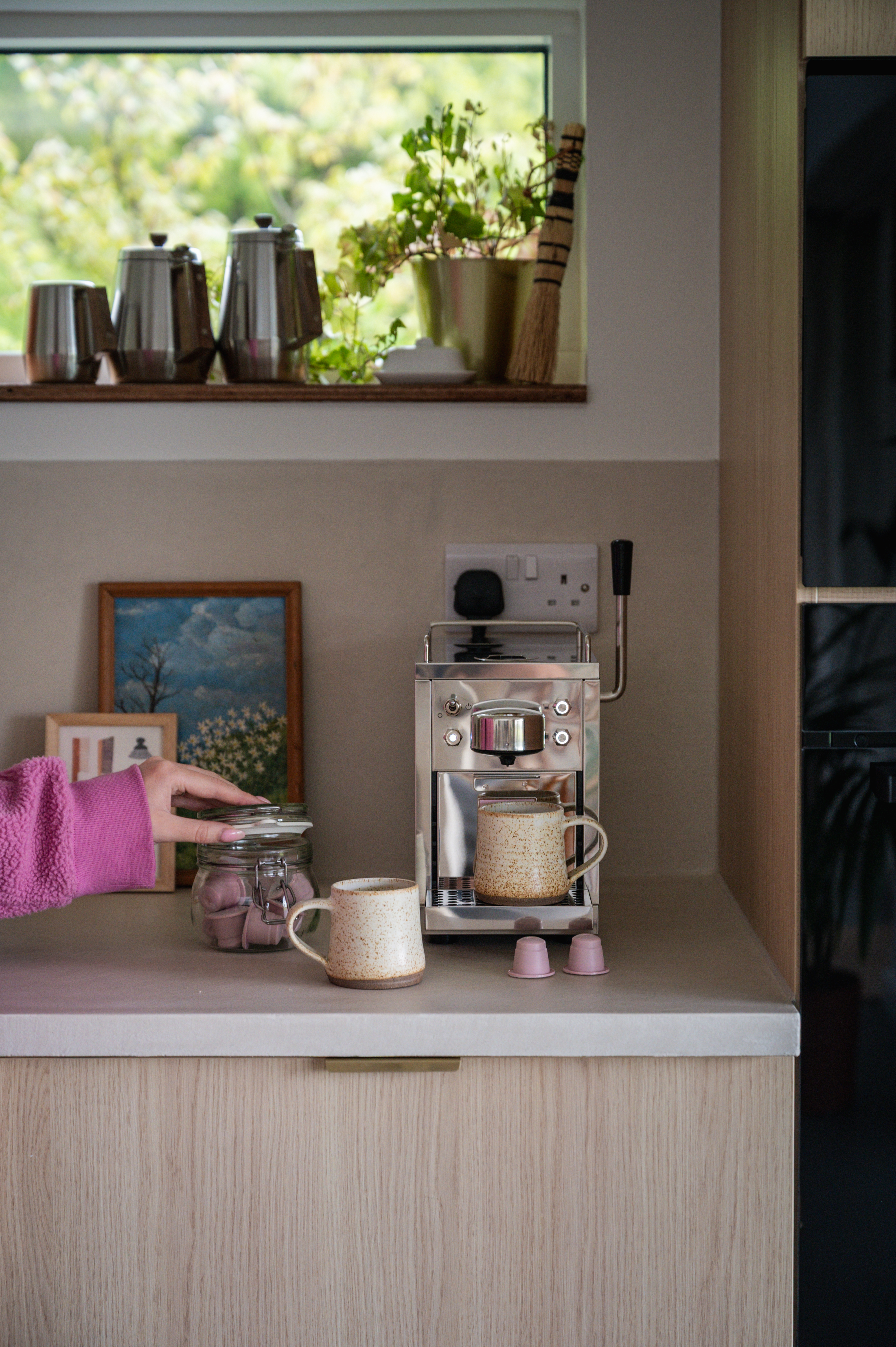
I also became incredibly obsessive about the smaller details during the process. Things people might not consciously notice but definitely feel. How lighting changes throughout the evening. How a room feels on a rainy day. Where you naturally place your coffee in the morning while looking out at the view.
Ultimately, I wanted Talli House to feel beautiful enough to inspire people, but comfortable enough to immediately relax into.
How do you want guests to feel when they stay here?
I want guests to feel like they can properly let their shoulders drop for the first time in a long time. Not in a dramatic or overly romanticised way, but in the small, real ways that actually matter. Sleeping deeply. Waking up slowly. Drinking coffee without rushing somewhere afterwards. Spending time together without constantly checking a phone or thinking about what comes next.
A huge part of Talli House was designed around ease, because I genuinely believe people rest better when a space asks very little of them. I wanted guests to arrive and quickly feel like they didn’t need to think too hard about anything.
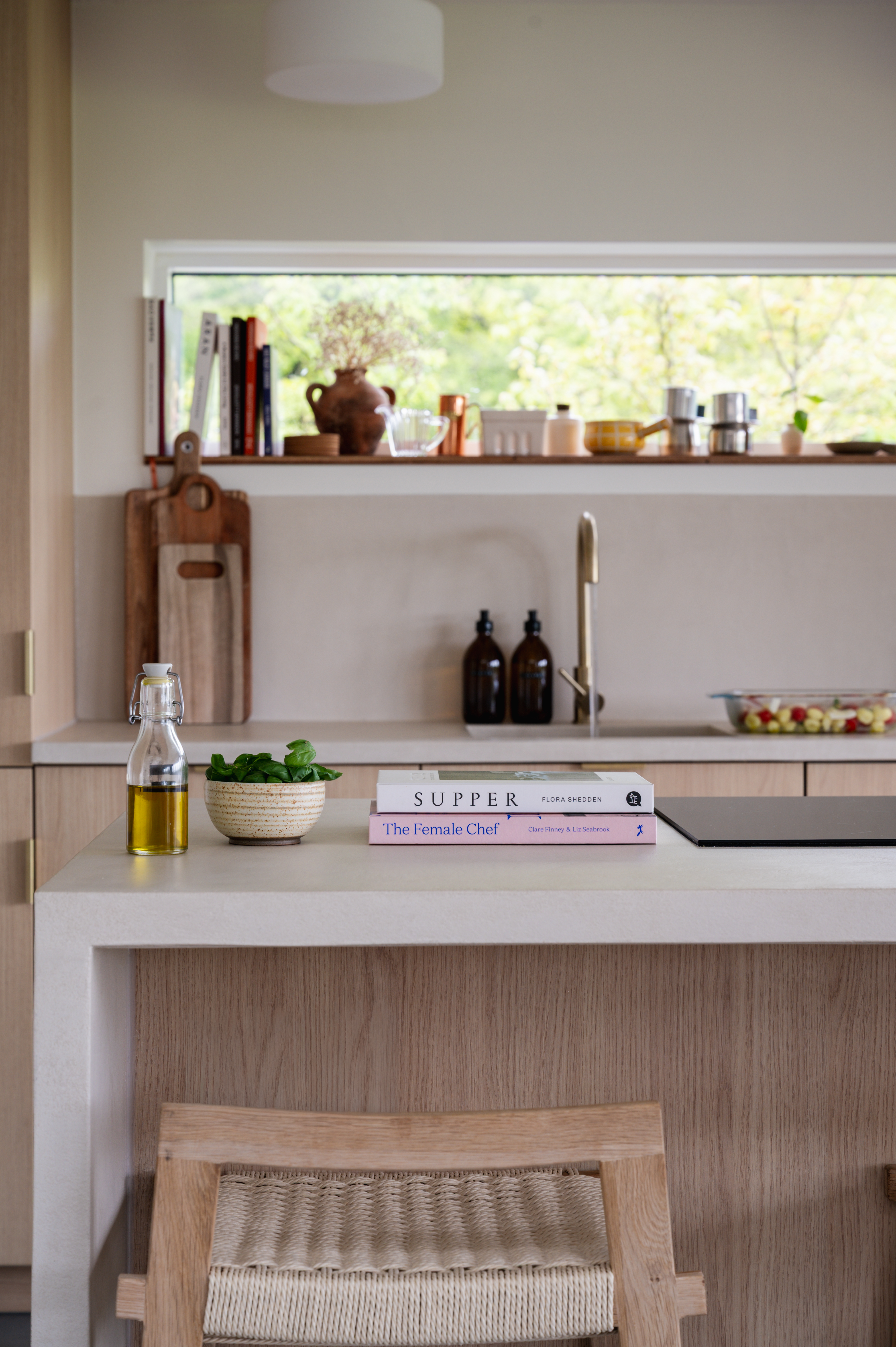
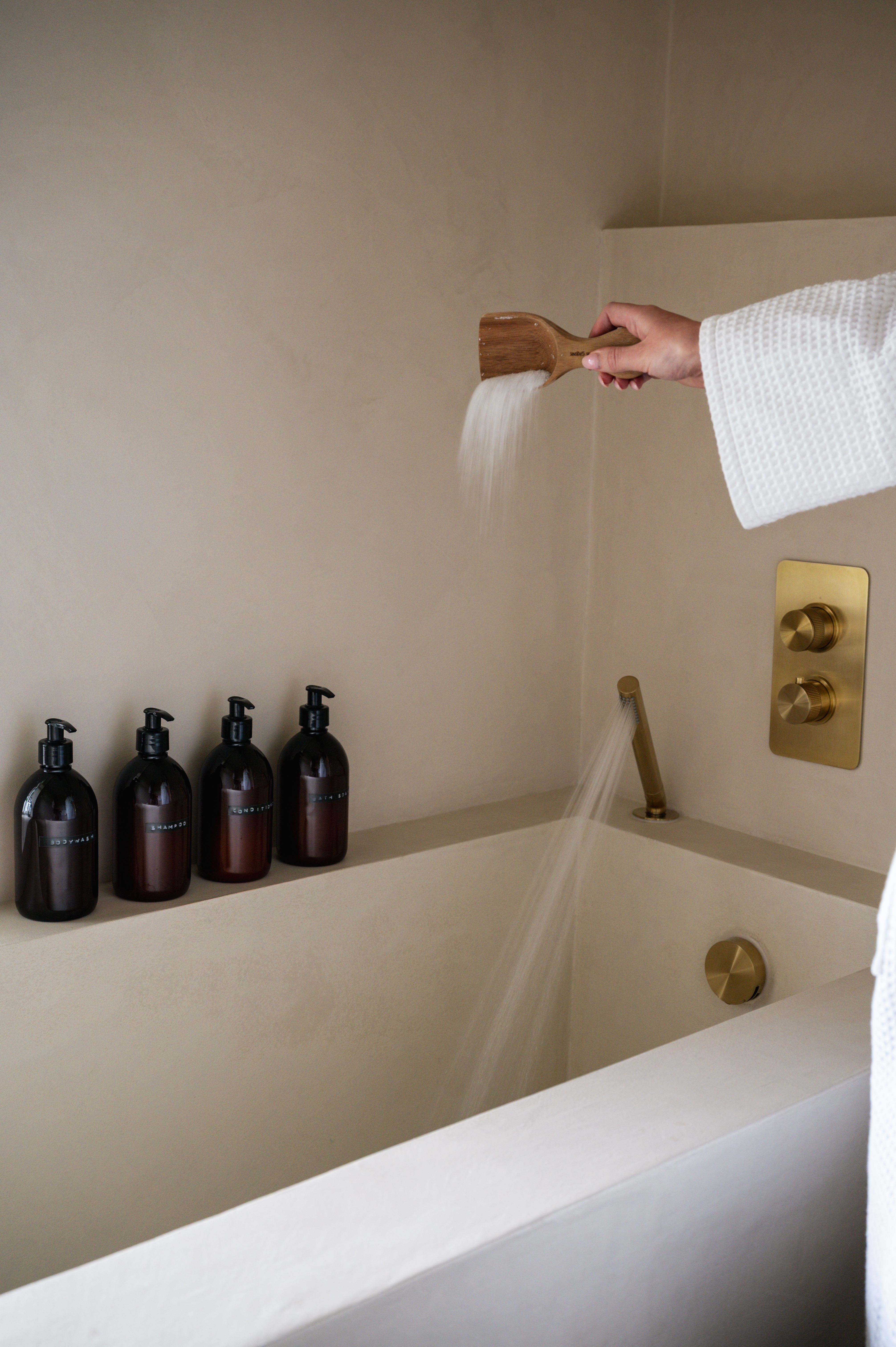
More than anything, I wanted the house to feel welcoming. Beautiful, yes, but never intimidating or untouchable. Somewhere people feel immediately at home in. A place where they can wear robes all day, cook slowly, take long baths, read books they’ve been meaning to start for months,or simply do nothing at all without guilt.
I think modern life has made people feel like they constantly need to maximise their time, even when they’re supposed to be pausing. Talli House was intentionally created as the opposite of that.
Some guests come here to celebrate something important. Others come because they’re burnt out, overwhelmed, grieving, reconnecting, or simply needing space away from everyday life for a little while. I never wanted to dictate what people should get from staying here. I just wanted to create a place that quietly supports whatever it is they might need.
If guests leave feeling more relaxed, more grounded, more connected to themselves or each other, or simply like they’ve had room to breathe for a few days, then I feel like Talli House has done what it was designed to do.
How would you suggest guests spend time while here?
Honestly, I’d suggest guests do less than they normally would. Of course there are lovely places nearby to explore, beaches, walks, great food spots, little villages, Glasgow less than half an hour away, but I think the magic of Talli House is often in the moments where people stop trying to optimise every second of their stay.
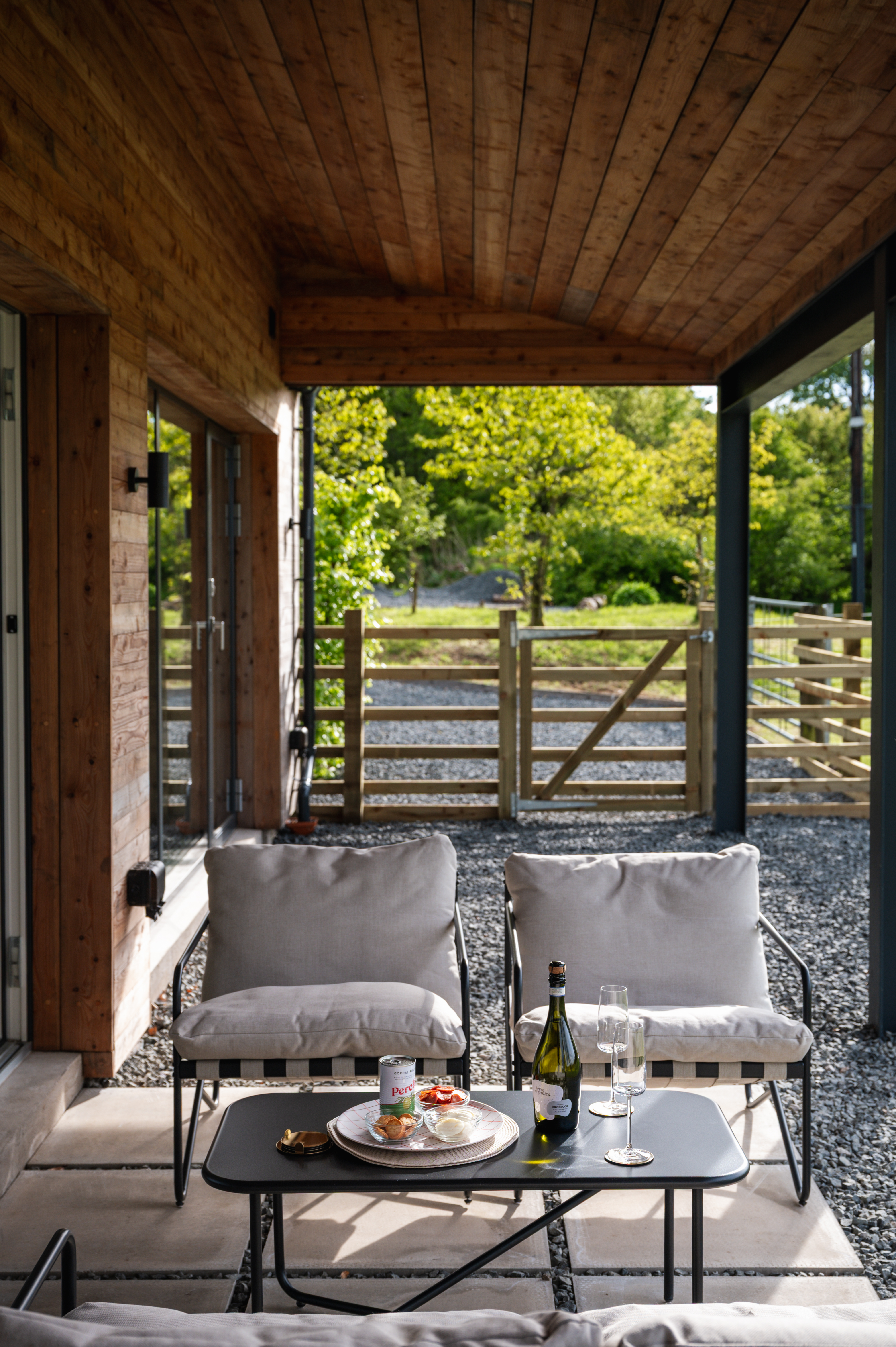
Some of my favourite feedback from guests has nothing to do with elaborate plans. It’s people saying they spent hours watching the weather move across the fields. Reading an entire book in one weekend. Cooking long dinners together. Sitting outside with a coffee in the morning listening to birdsong. Having conversations they hadn’t properly had in months because everyday life is usually so busy.
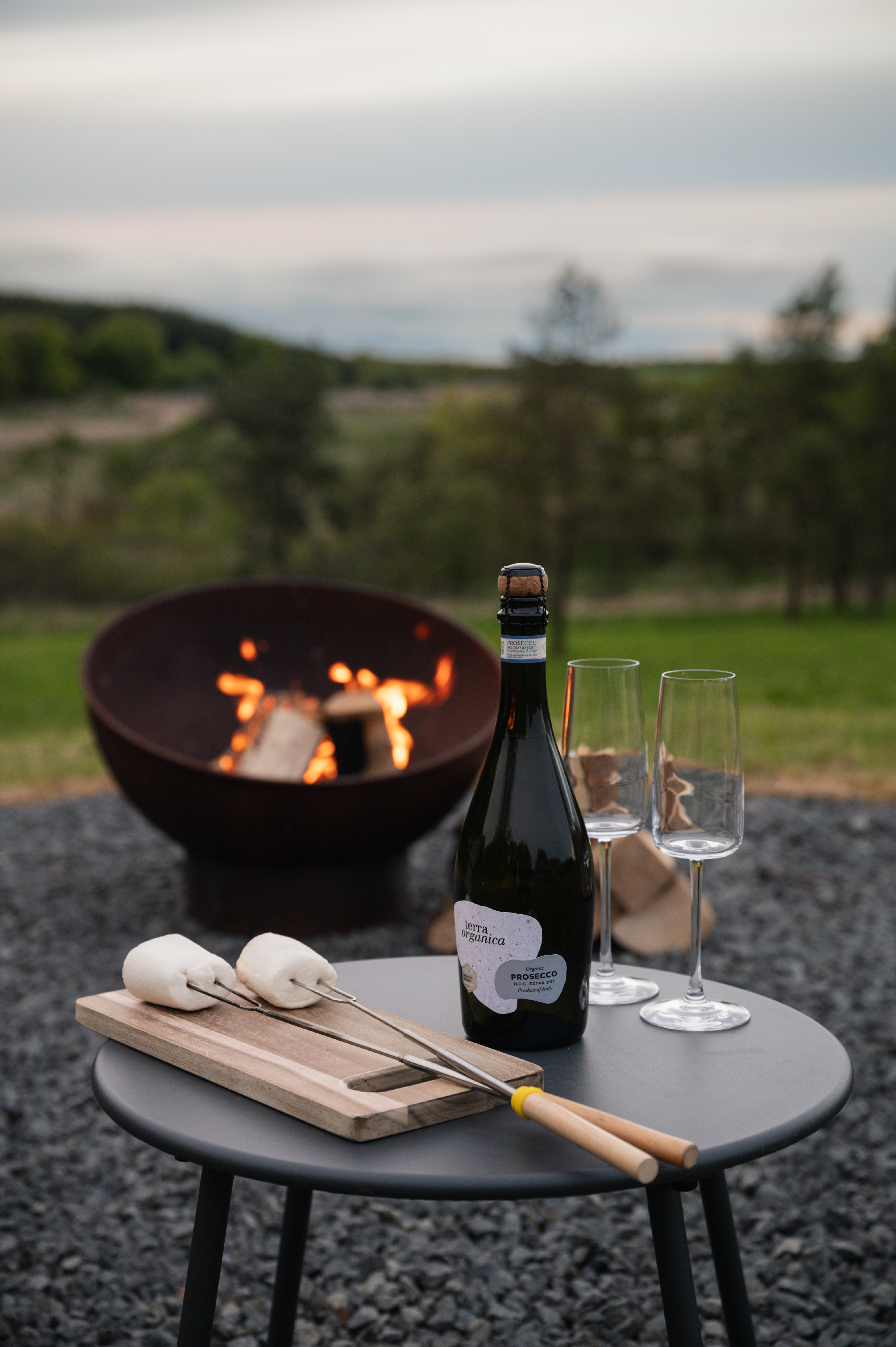
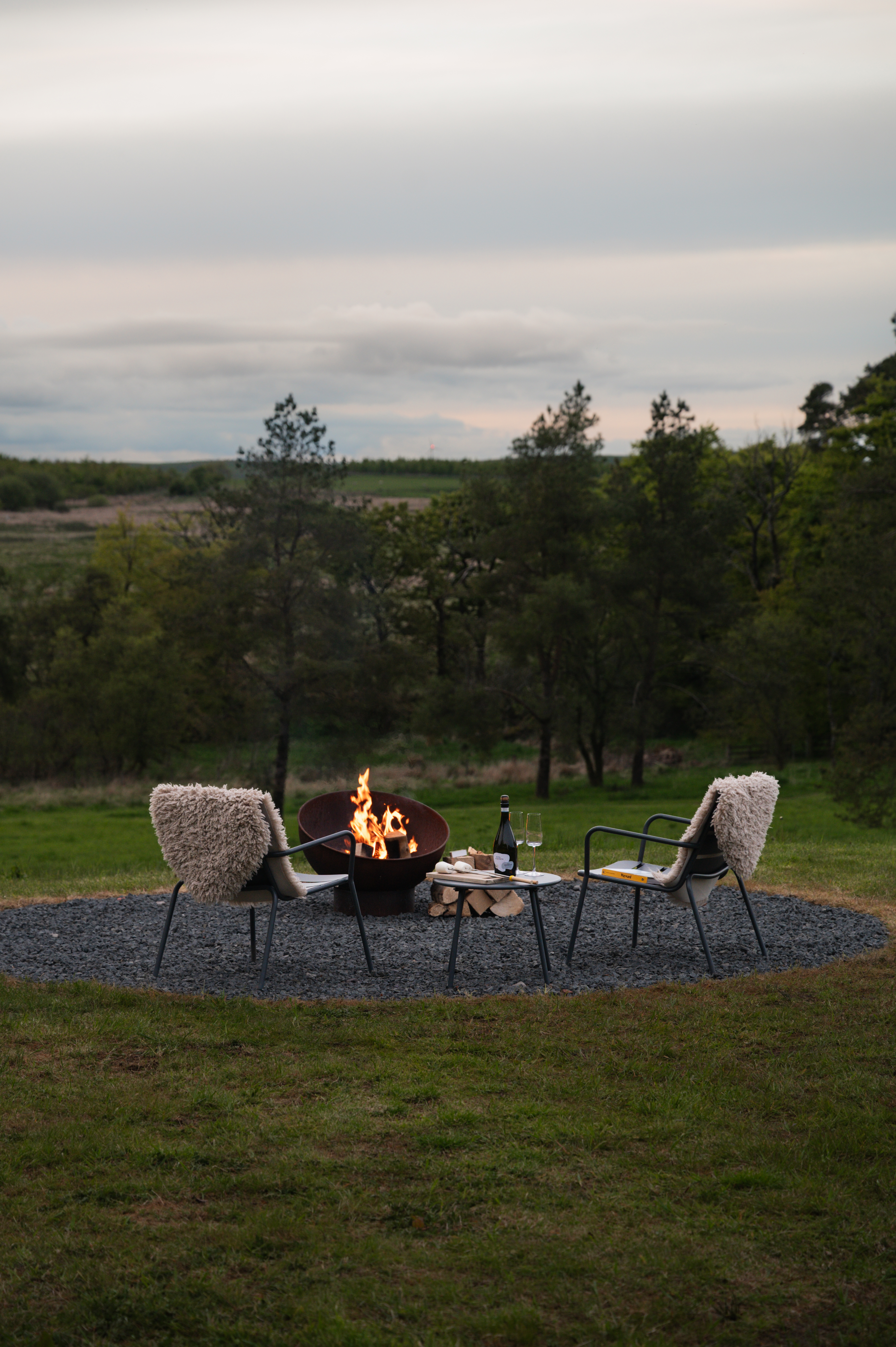
Long baths in the middle of the day. Lighting the fire even when it’s not that cold outside. Watching films under blankets while the rain hits the windows. Sleeping in without guilt. Letting dogs roam the field while you do absolutely nothing productive for a few hours.
That said, I also love that guests can experience both sides of Scotland from here. You can spend the morning surrounded by complete stillness, then head into Glasgow for incredible restaurants, galleries, or shops, and be back at Talli House by evening feeling like you’ve stepped into a different world again.
But if I’m being honest, most guests arrive with plans to go out far more than they actually do. Quite a few end up cancelling reservations because they simply don’t want to leave the house, which I secretly take as the biggest compliment possible.
What’s next for Talli House?
What’s next for Talli House feels less about becoming bigger, and more about becoming ‘deeper’ over time. A huge part of the long-term vision is creating more experiences around the space itself. Small gatherings, seasonal dinners, collaborations with local creatives and businesses, wellness and creative retreats, things that bring people together in a meaningful and natural way.
I’m also really interested in continuing to refine the guest experience itself. I think hospitality is often the accumulation of very small details done well, and I genuinely love that side of things. Finding ways to make stays feel even more seamless, memorable, and welcoming over time.
At the heart of it all though, I want Talli House to continue being a place people feel connected to. Somewhere people return to for anniversaries, difficult periods in life, celebrations, resets, or simply because they know how the place makes them feel.
The biggest compliment I can imagine is someone thinking, “I need a few days at Talli House.” That means far more to me than traditional ideas of success ever could.
Favourite spot to visit nearby?
One of my favourite nearby spots is Dunlop village. We often recommend guests stop by Idle Hands, our favourite bakery and shop that’s become abit of a ritual for us over the years. It’s the kind of place where you go in for coffee and a pastry and inevitably leave with fresh bread, deli meats, cake and beautiful things you didn’t know you needed.
Just across the road is Sorores, another favourite of mine. A beautifully curated independent shop filled with candles, ceramics, homewares, and thoughtfully made everyday pieces.I think I love places like that because they reflect a lot of what I value about Talli House too. Nothing overly flashy. Just places created with genuine care that make everyday life feel a little nicer.
Promoted Post
Whitehill Farmhouse
Located on Colquhalzie Estate, this 19th Century farmhouse has been lovingly restored into a family home, having previously been home to the Shepherd who lived there for 40 years. We welcome friends and families of up to 8 people on a self-catered basis for at least 4 nights.
-listable-carousel-1764155260.jpg)







 Sign in with Google
 Sign in with Email