
Small Museums, Big Stories: The Unsung Curators Preserving Scotland’s Past
Scotland’s most powerful stories aren’t always told in grand museums. From island schoolhouses to converted mills, this is a guide to the country’s smaller, lesser-known museums—places where local curators, volunteers and communities protect traditions, trades, and voices that risk being forgotten.
Written by Jack Cairney
-full-1750668835.jpg)
You won’t find tour buses parked outside most of these places. Some don’t even have proper signs. But behind unassuming doors—on islands, in former churches, above rivers—Scotland’s lesser-known museums are quietly holding the country’s stories together.
I’ve always found these places more revealing than the polished giants. They’re built on trust, local memory, and whatever money can be scraped together. The curators? Usually volunteers. The exhibitions? Handwritten, sometimes decades old. But the knowledge held here—about migration, belief, working life, loss—is hard to match.
Start in the Hebrides. Eigg Museum sits in a converted schoolhouse and tells the story of an island that chose a different future. When residents bought the island in 1997, it became a symbol of community ownership. Inside, old crofting tools and faded photographs speak to a hard-won resilience that still defines the place.
-full-1750667577.jpg)
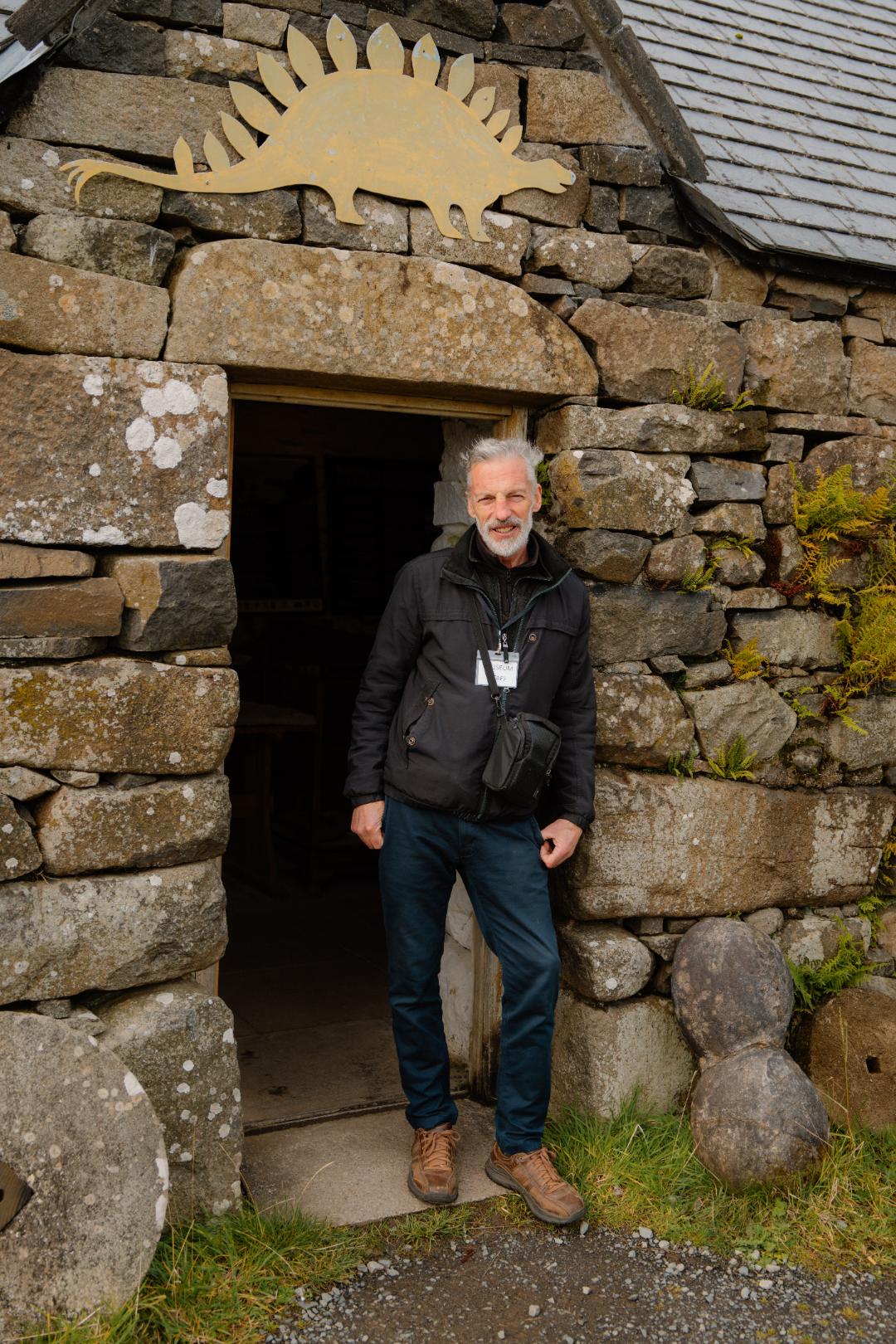
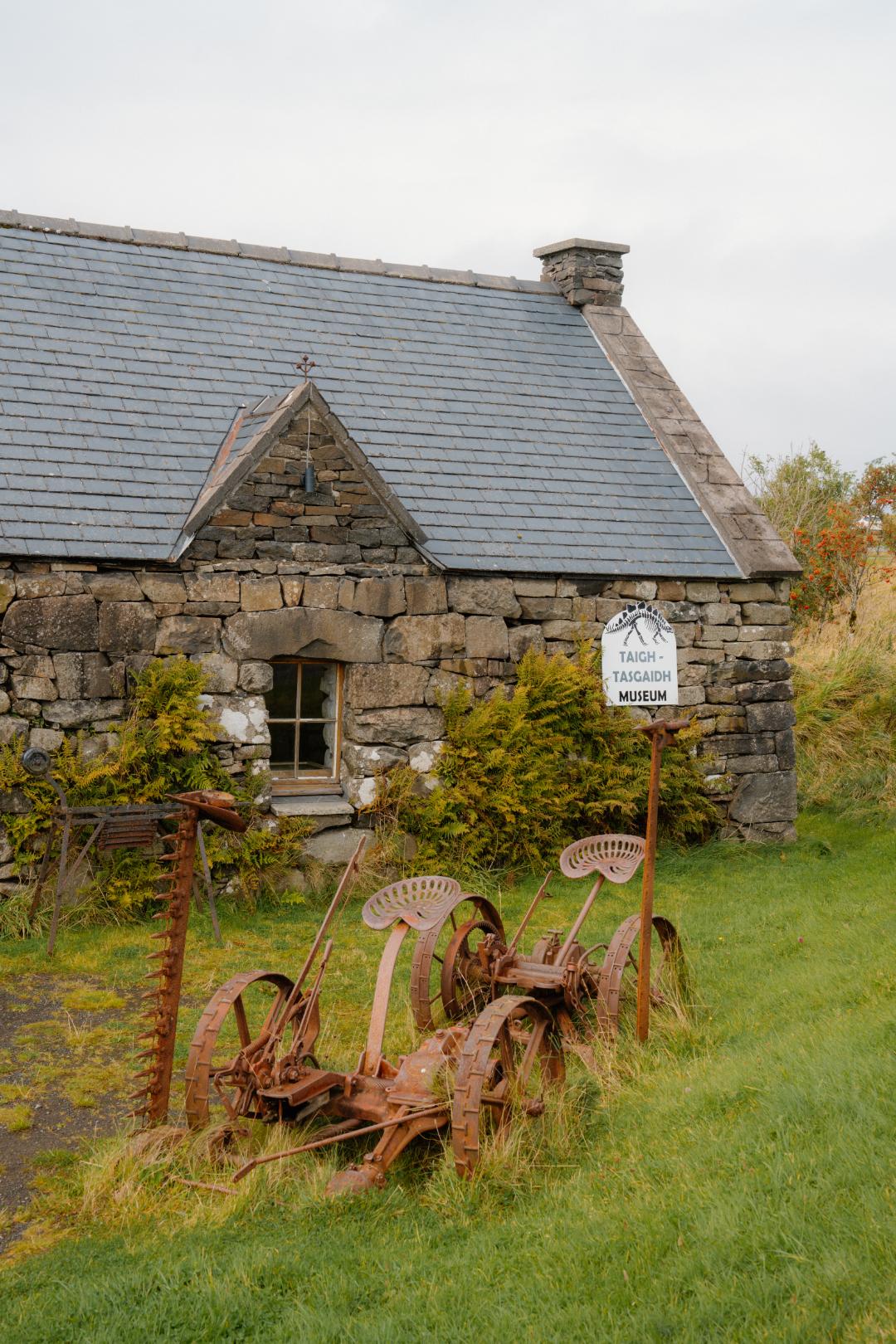
Now head north to Skye. In the crofting township of Staffin, the Staffin Dinosaur Museum stands as a small, low-ceilinged time capsule with one of the richest private fossil collections in the country. Dugald Ross began collecting dinosaur remains as a teenager, climbing the crumbling cliffs with a hammer and rucksack. Today, the museum showcases Jurassic bones and fossilised footprints from a time when Scotland was steamy and tropical. The display cases are filled with real finds—not reconstructions—and Dugald himself is often around to explain where each one was discovered, often on the same shoreline you can walk to after.
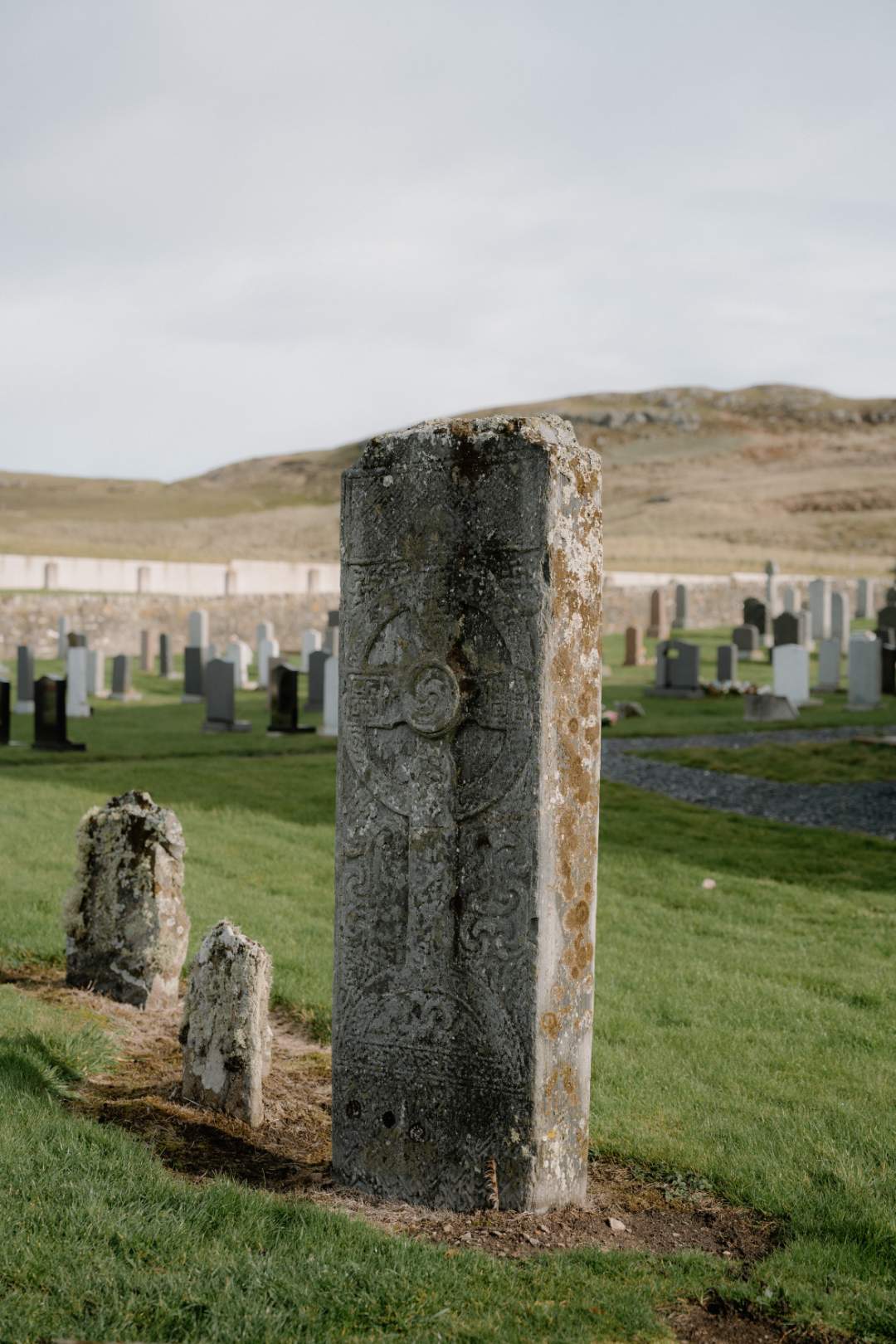
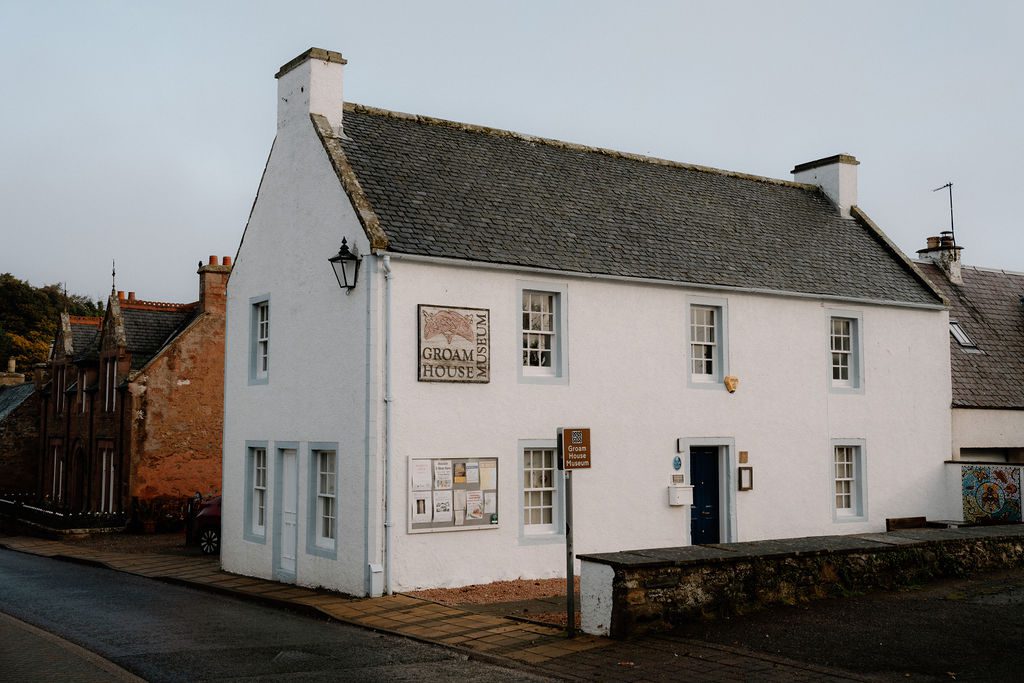
Rosemarkie’s Groam House Museum might be modest in scale, but its collection of early Christian and Pictish stones is anything but. Fragments of intricately carved slabs, cross-shafts, and panels line the walls, offering a rare insight into the artistry and symbolism of the Pictish world. Many of the stones once stood in or near the early monastic settlement of Rosemarkie, making their return here a meaningful one. At the museum’s heart is the George Bain archive, a carefully preserved record of the man often credited with reviving interest in Celtic design. Bain’s studies and reconstructions helped reintroduce complex interlace patterns and spirals into modern appreciation, influencing everything from textiles to public art. The museum doesn't just preserve history—it keeps alive a conversation about visual language and cultural identity in the Highlands.
-full-1750667577.jpg)
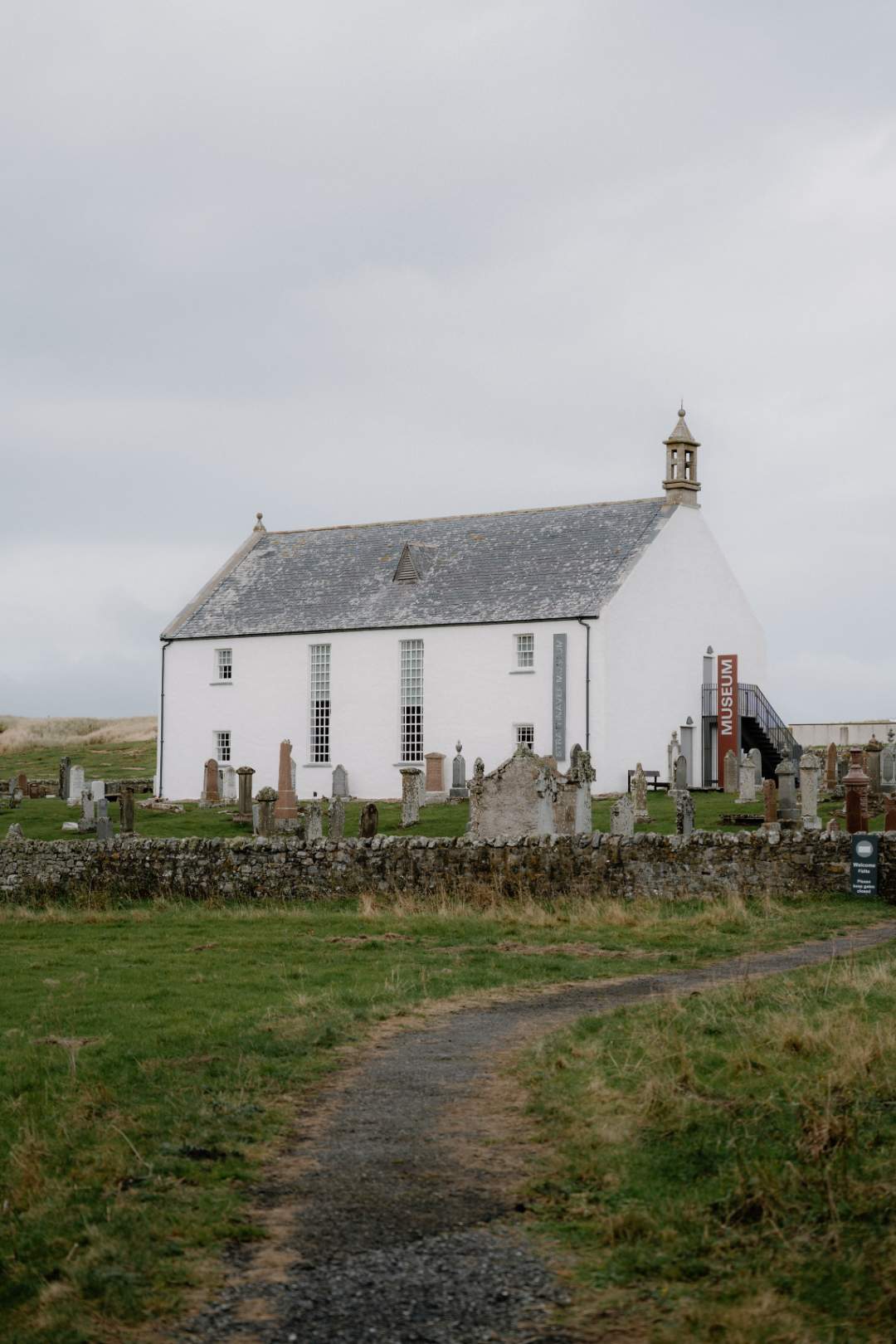
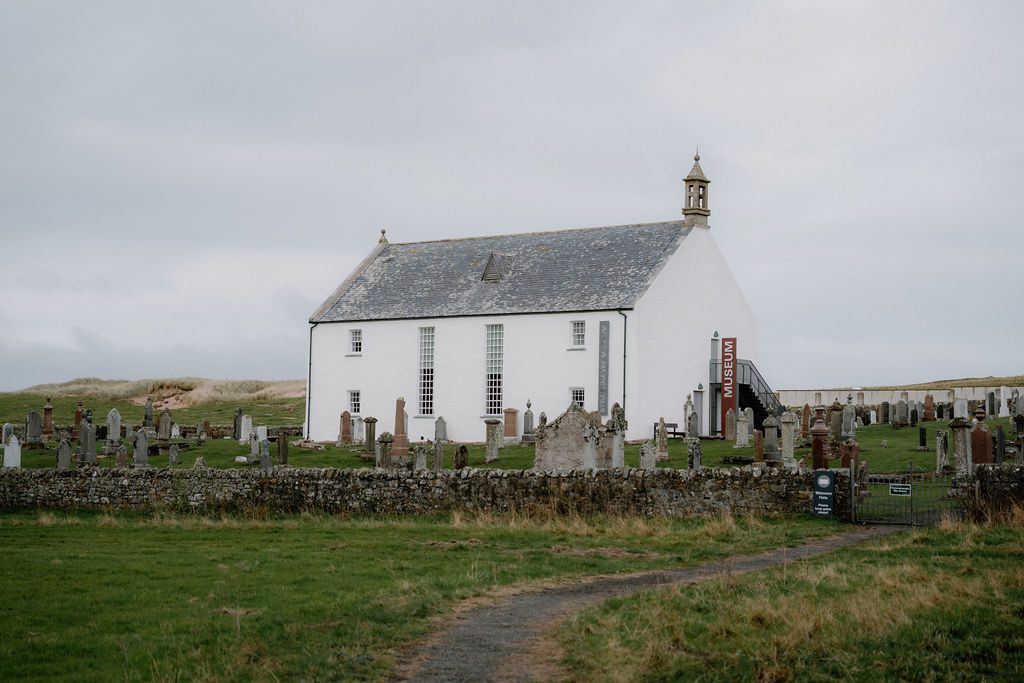
Over in Bettyhill, Strathnaver Museum occupies a former parish church perched above the River Naver. At first glance, it’s an unassuming building with whitewashed walls and a quiet graveyard. Inside, though, it tells one of the most painful and formative stories in Highland history. This is where the Highland Clearances come into focus—through family records, artefacts, and testimonies passed down through generations. Exhibits are close-up and unfiltered, packed into pews and display cases with a directness that can feel almost confrontational. There's no distancing here—no neutral glass or sleek design—just raw narrative. A replica of the infamous eviction notice hangs near handwoven crofting tools, and local genealogies sit beside letters of protest. The museum doesn't shy away from what was lost, but it also honours what survived: language, identity, and a deep-rooted sense of place.
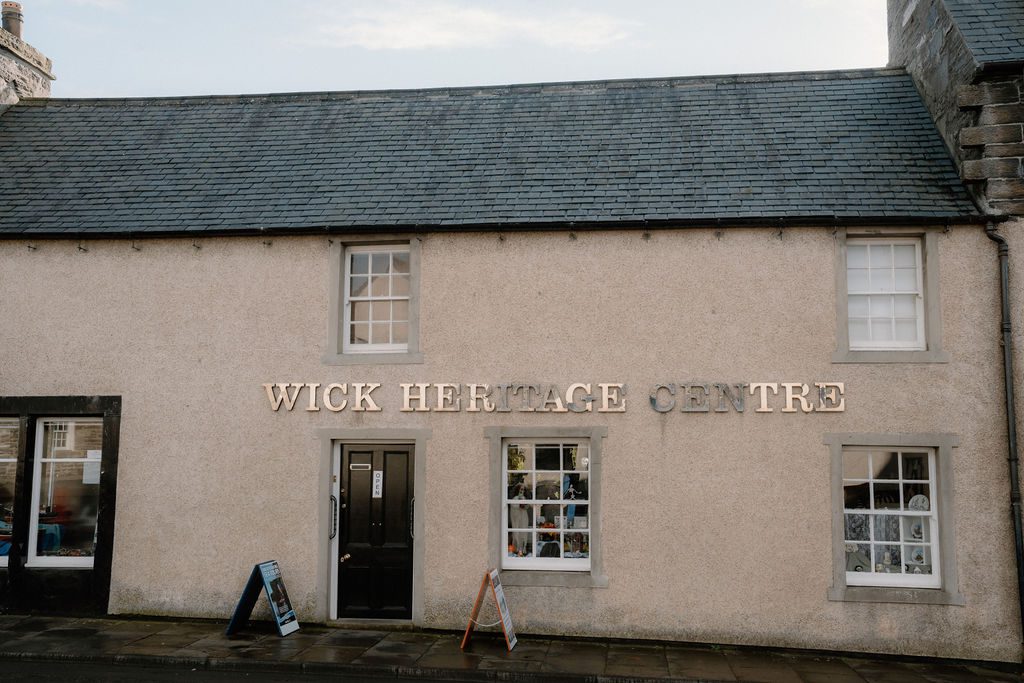
Down the coast, Wick Heritage Museum winds through a network of preserved rooms, passageways, and outbuildings that once formed part of a merchant’s house. It recreates the heyday of Wick’s herring boom—when the harbour bustled with sails, and thousands of women gutted fish with unrelenting precision. Entire rooms are left as they once were, with kitchen tables set for meals, bedroom dressers topped with porcelain trinkets, and shopfronts still stocked with vintage tins and labels. You walk not just through exhibits, but through a lived-in history of domestic life, maritime industry, and local pride. Volunteers often share stories passed down through families who once worked in the yards or boats just a few streets away. It’s a museum of textures—oilskins, wooden crates, and the scent of old books still clinging to the air.
-full-1750667870.jpg)
In the heart of Elgin, Elgin Museum has been running since 1843, the oldest independent museum in the country. Fossils, Pictish carvings, and Jacobite relics fill its ageing but elegant rooms. Run by volunteers, it offers that rare combination of historical breadth and personal dedication. Every display feels lived-in, understood. The building itself has character—its creaking floors and old cabinets making every visit feel like stepping into a trusted archive.
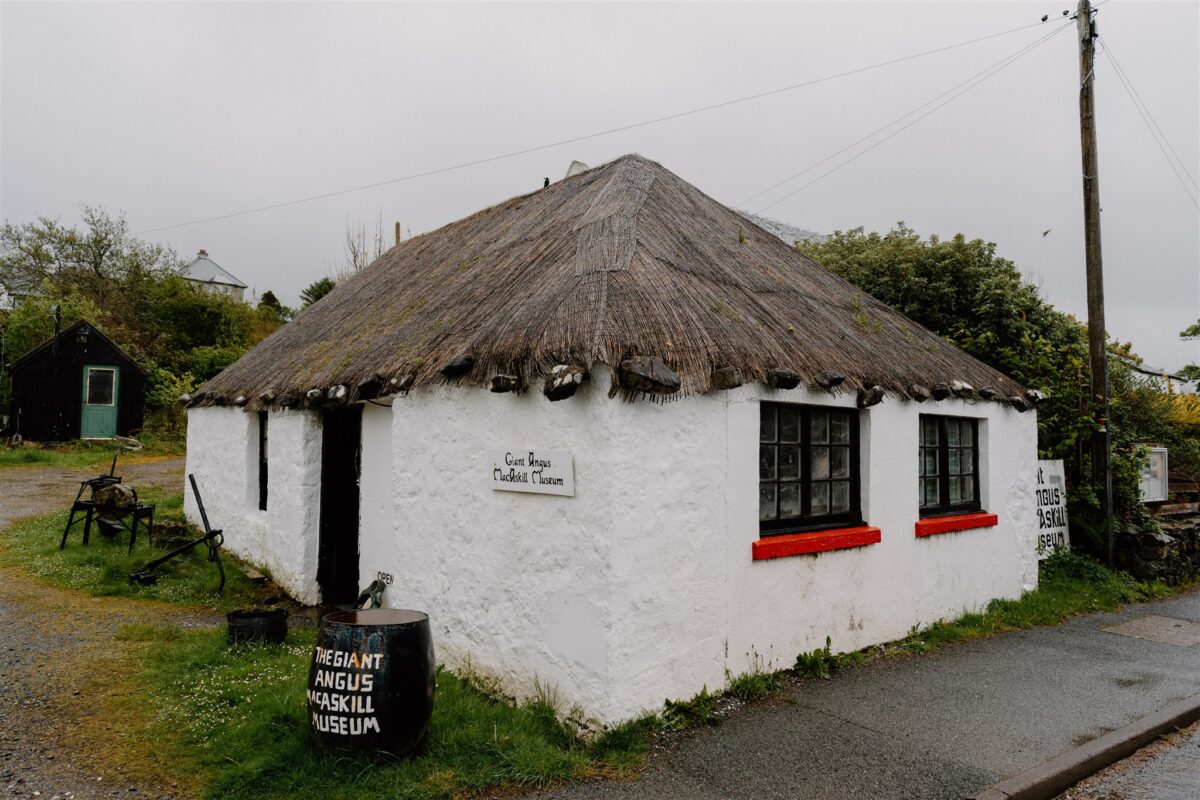
The journey takes a more curious turn at Giant MacAskill Museum, which sits on Skye. It’s dedicated to Angus MacAskill—the world’s tallest “true” giant—and curated by his admirers and relatives. Inside is a personal collection of belongings, photographs, and storytelling panels that paint a portrait of a local figure who towered above both neighbours and lore.
-full-1750668044.jpg)
On the west coast, the Gairloch Museum occupies a Cold War bunker, its stark shell softened by exhibits that feel almost hand-woven. Step inside and you’ll find Pictish carvings, lighthouse technology, Gaelic song recordings, and crofting artefacts spread across thoughtfully designed rooms. A lighthouse lens glows gently in one gallery, while an old kitchen setup transports you into the domestic past. But it’s the audio booth—featuring elders speaking Gaelic, recalling lives shaped by sea and soil—that brings it closest. This isn’t just a museum of things, but of sound and memory.
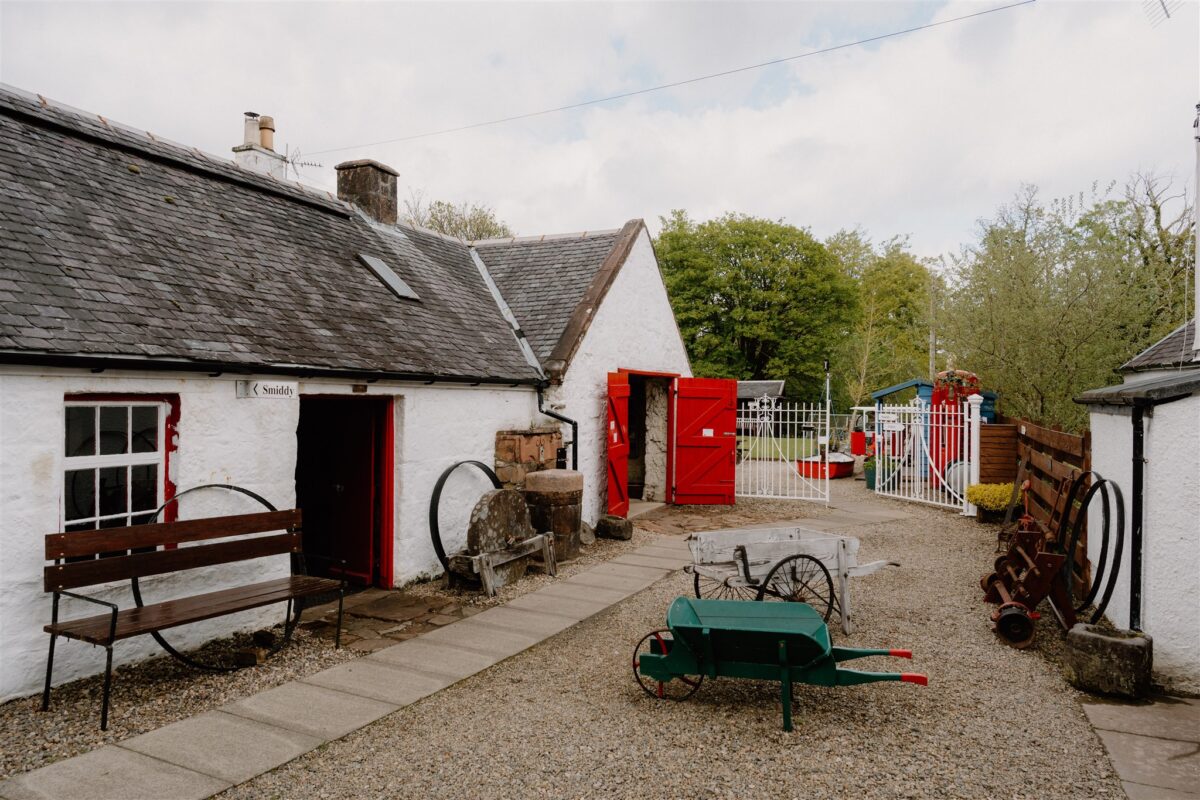
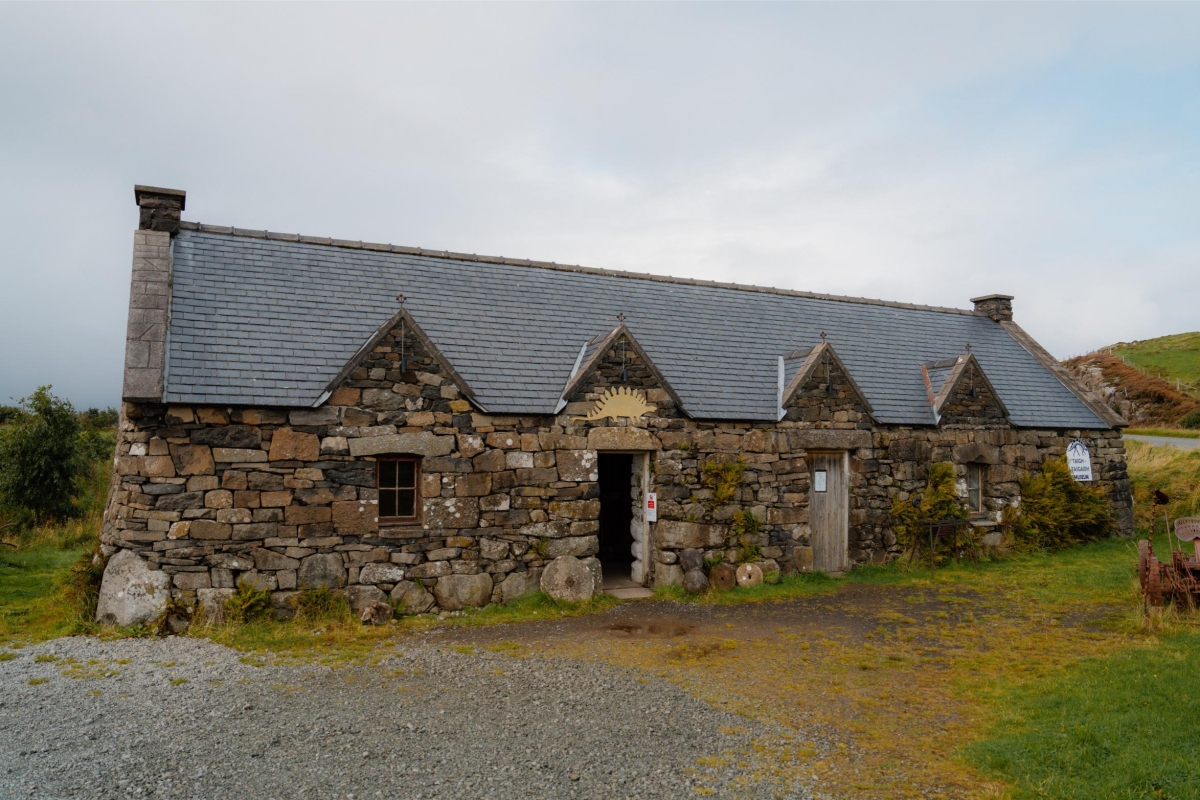
Across the water, the Arran Heritage Museum stretches across several croft buildings, offering a window onto life shaped by the tides and terrain of this Clyde island. Inside are working workshops, historical displays, reconstructed domestic interiors, and a blacksmith’s forge that still smells of iron and oil. Visitors often find themselves slowing down here—not out of necessity, but instinct. Something about the site encourages stillness: the rhythm of rural life lingers in the air.
-full-1750668836.jpg)
Set across a 30-acre site, the Highland Folk Museum in Newtonmore offers a rare thing—history you can walk through. From 18th-century blackhouses to a 1930s schoolroom, the open-air museum reconstructs Highland life in detail and in scale. You can stand by peat fires, listen to traditional weaving demonstrated, or try your hand at old skills alongside costumed guides. It’s a museum where your shoes get muddy and the wind carries voices from long ago—it lives and breathes its subject.
In Ayrshire, Dalgarven Mill Museum stands beside the River Garnock, its waterwheel still turning steadily. The mill buildings house exhibitions on textile machinery, childhood, and agricultural life. The hum of looms and scent of grain still cling to the beams. Upstairs, mannequins in period dress offer glimpses into funerary practices and school life. The whole site has the feel of an object lifted straight from the past—functioning, layered, and full of presence.
-full-1750668836.jpg)
Coastal Communities Museum in North Berwick turns attention to East Lothian’s fishing villages. Located in a former schoolhouse, it holds objects that might have vanished without local effort: rowing medals, hand-knotted nets, and rare photographs capturing dockside life in every season. Displays carry the voices of real families, oral histories threaded alongside written ones. From domestic scenes to maritime heritage, it gives a layered view of how communities shaped—and were shaped by—the sea.
Stranraer Museum inside the old town hall presents a mix of archaeology, civic history, and local identity in a space that feels calm and deliberate. It’s the sort of place where small objects tell outsized stories—a single shoe, a fishing map, a child’s note. There’s space to think, space to remember. The temporary exhibitions bring in broader perspectives, but the heart of the museum is always local.
And in Angus, the Glenesk Folk Museum stands quietly in a former shooting lodge, offering a layered history of Glen Esk. Its collection stretches from military uniforms to crofting tools, musical instruments, and genealogical records. The atmosphere is personal, more living room than museum, but no less rich for that. What stands out most is the care behind every exhibit—handwritten captions, artefacts passed down through families, and a sense that the community hasn’t just built the museum, but continues to live in its stories.
These museums might not always appear in top-ten lists or glossy visitor guides. But they hold something just as valuable—a closeness to place, people, and memory. They’re run not for profit but for pride, and they remind us that Scotland’s heritage isn’t locked behind glass—it’s alive, fragile, and still evolving.
Promoted Post
Stormhouse
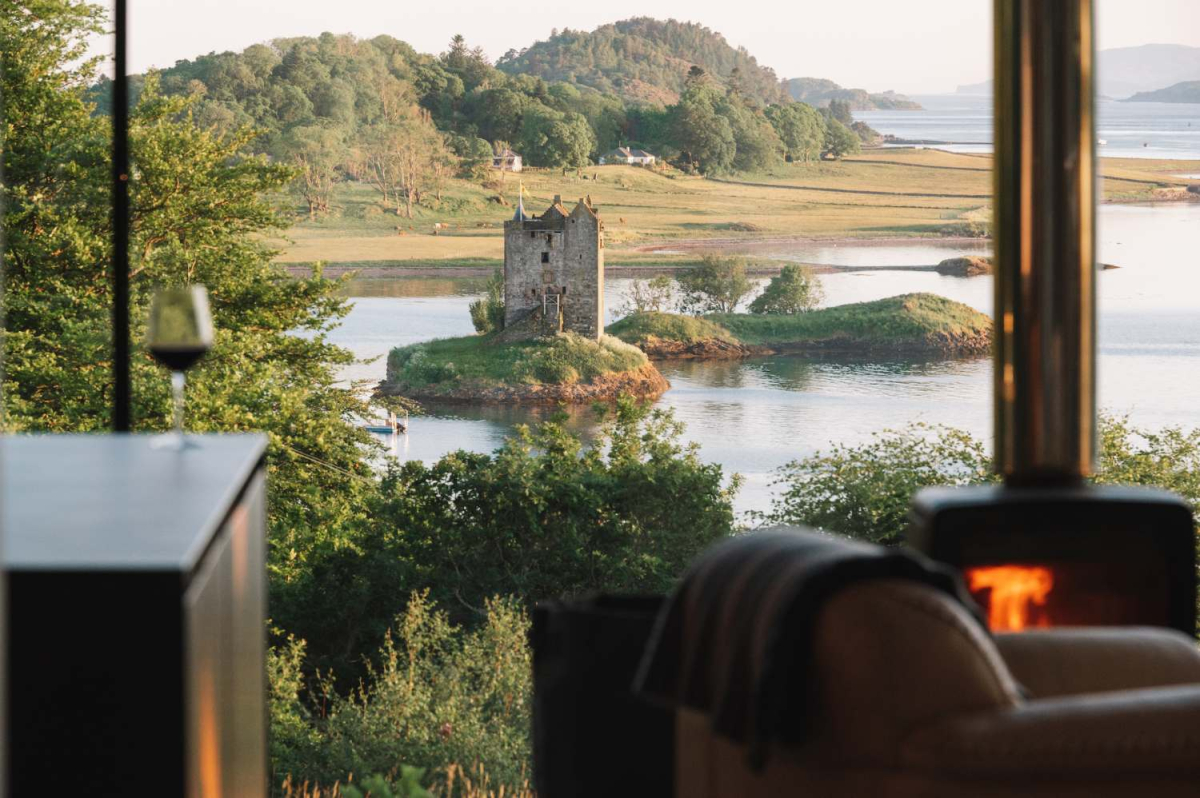
Escape to the wild, rugged landscape of Scotland’s west coast, perfectly located between mountain and sea






 Sign in with Google
 Sign in with Email