
Fine Dining Footsteps from the Field: Farm to Fork Dining Experiences
What better way to reduce your food miles than to eat on the very farm where the food is reared and grown? The next natural step in the farm-to-fork movement is field-to-farmhouse table dining.
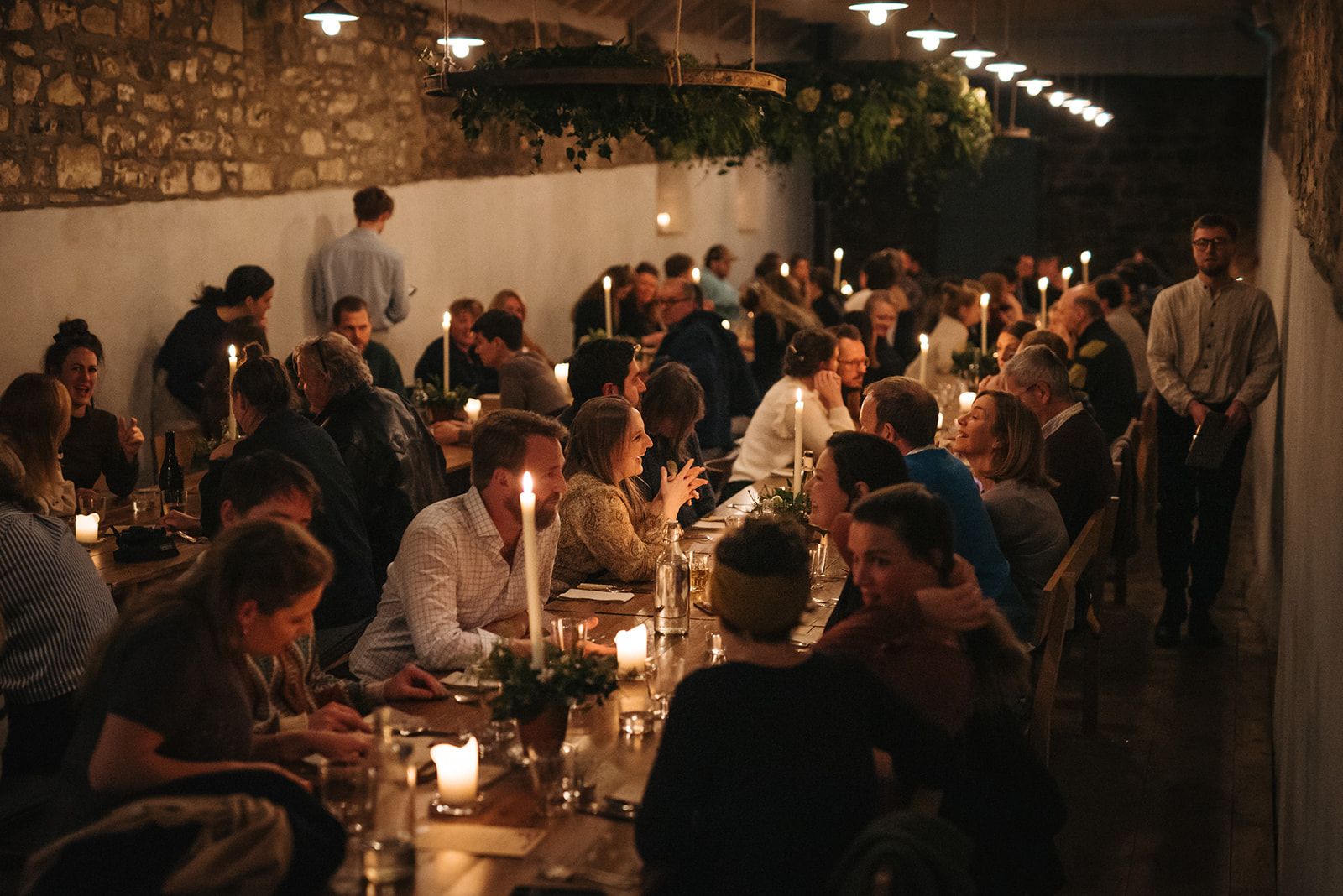
Up a bumpy, hedgerow-trimmed track between rolling fields in the Pentland Hills lies Cockdurno Farm, one of the country’s coolest dining destinations. This 400-acre farm, on the edge of Edinburgh, was part of the Agricultural Department of Edinburgh University from the late 1800s, before being taken over by one of the lecturers, Professor Alick Buchanan-Smith. For the next 80 years his family ran it as a dairy farm – until falling milk prices caused the farm to falter financially. As with so many rural survival stories, diversification was the answer.
‘My brother Angus and I were meant to be fourth- generation dairy farmers,’ explains Charlie Buchanan-Smith, but in 2016 their father told them he would have to sell the farm. Charlie had experience working in kitchens, his brother front of house – and they had grown up around agriculture. ‘We realised there was a problem with our food system. We wanted to produce food sustainably and showcase it in a restaurant – joining the gap between production and consumption,’ Charlie continues. ‘That was how The Free Company started.’
After persuading their father not to sell, they began writing Cockdurno’s next chapter, converting it into a regenerative farm with seasonal, long-table suppers in what was once the old milking byre.
This year, they’ve evolved again. The Free Company is now an à la carte rural restaurant, with a smattering of long-table feasting sessions. Rooms are due to open in October in the farmhouse and in an old barn next spring. A wild swimming pond and sauna are also being added in one of the fields.
‘When we started back in 2017, we just grew veg in front of the farmhouse with pigs foraging in the woods. We were limited in what we could produce as we only had two parts to our farming system,’ Charlie explains.
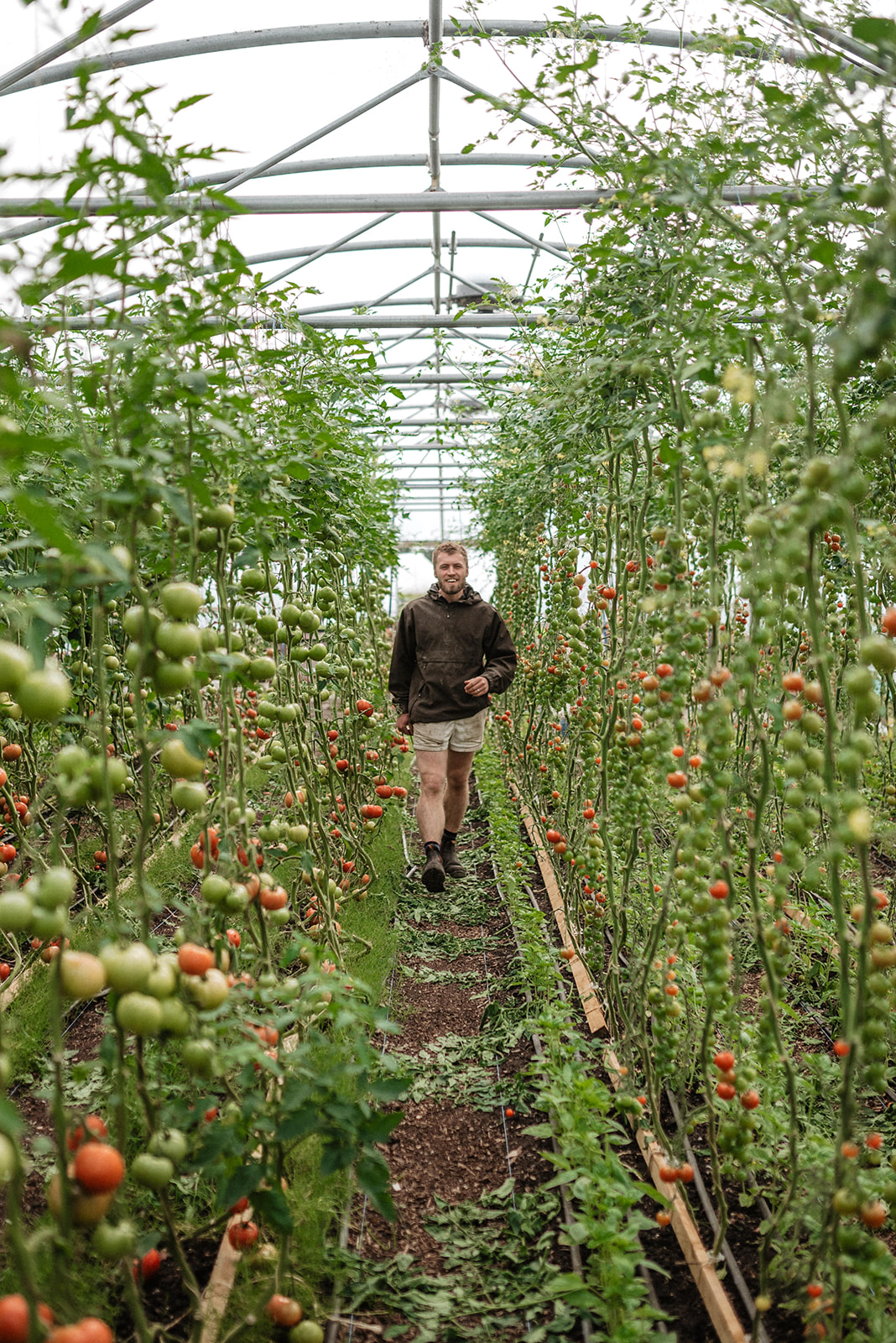
A few years on, they now rear Highland, Dexter, Shorthorn and native Angus cattle, Shetland sheep and Berkshire and Mangalica pigs, with an on-site butchery. Meanwhile, one of the meadows has been turned into a five-acre market garden where they grow an encyclopaedic range of produce for the restaurant and veg-box scheme, as well as supplying some of Edinburgh’s finest restaurants, including Timberyard and The Little Chartroom.
Long compost beds in a polytunnel are a jungle of tomatoes, cucumbers and vibrant orange nasturtiums. ‘The chefs are busy making nasturtium oil,’ says Charlie. ‘It’s really peppery.’
‘As an organic, regenerative farm, we never turn the soil. We’re “no-dig” and composting is key for us.’ Using manure from the livestock that are brought in for a few months during the winter, veg waste, grass cuttings and woodchip, they make around 300 tonnes of compost a year.
‘Last year we planted an orchard of 500 native fruit trees: a mix of apples, plums, quince and damsons, as well as fruit bushes,’ says Charlie. ‘We produce 500 kilos of blackcurrants a year. Chefs want blackcurrant leaves at the moment – I don’t know if it’s a food trend?’ he laughs.
The restaurant is a rustic, light-infused, trestletable- lined space, with a handful of tables outside. In the cobbled courtyard sits the smoker, an unwieldy ‘Frankenstein’ of an oven, Charlie laughs. From here, the signature sourdough is given its cindery flavour and served with honey-smeared butter. Tall racks of drying garlic are propped against a wall like a rural art installation. Outside the kitchen, a giant blackboard is scrawled with the herbs, flowers and vegetables ready to pick.
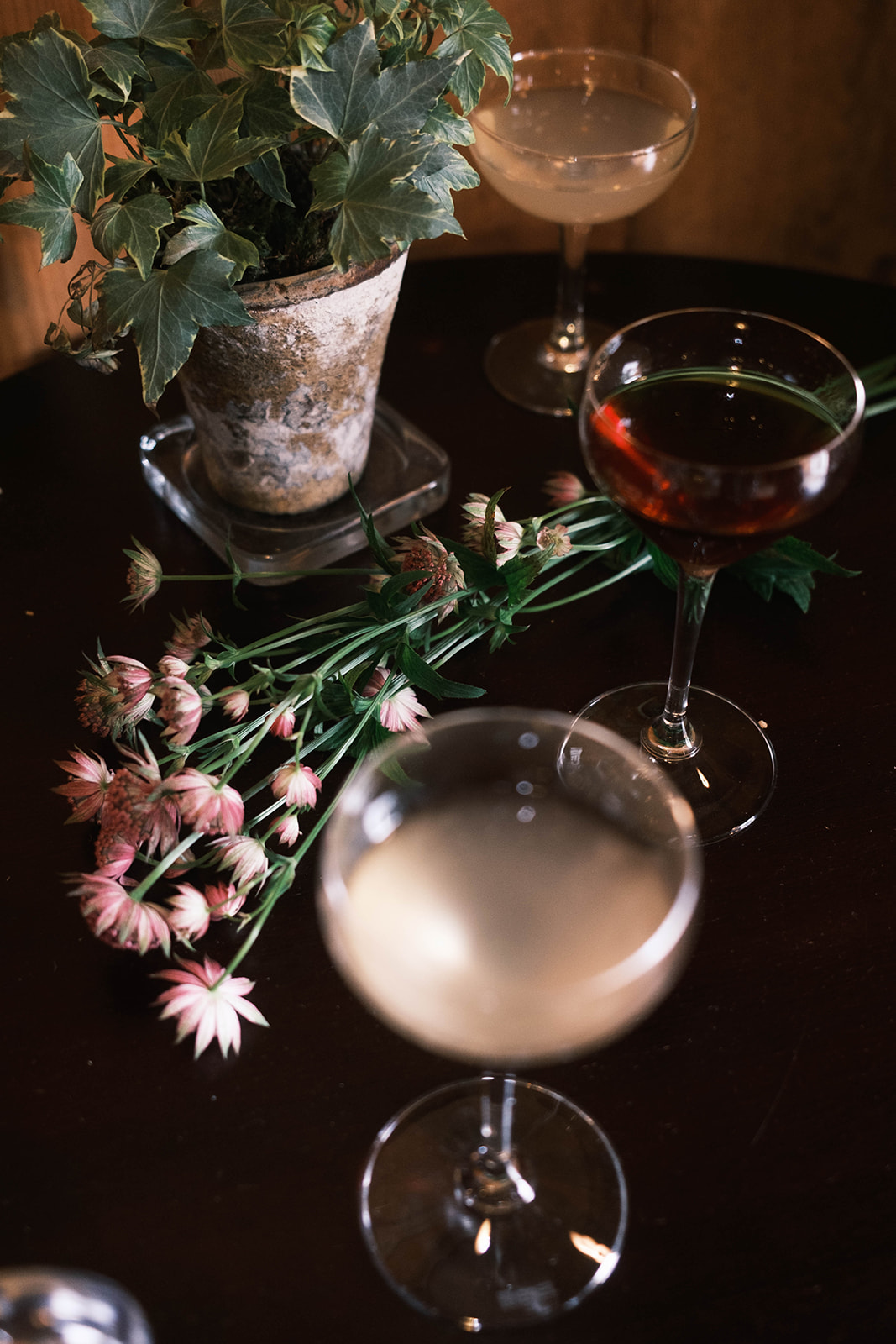
On the lunch menu, small bites include house charcuterie and pickles; delicately shaved slivers of fennel and kohlrabi with an earthy nettle and mint salsa verde; almost too pretty to eat Chioggia beetroot, crowdie and skirlie, topped with a nasturtium flower; fire-roasted spring onion, courgette, peas and lamb’s heart; and raw Dexter beef with mushroom, kohlrabi and egg yolk.
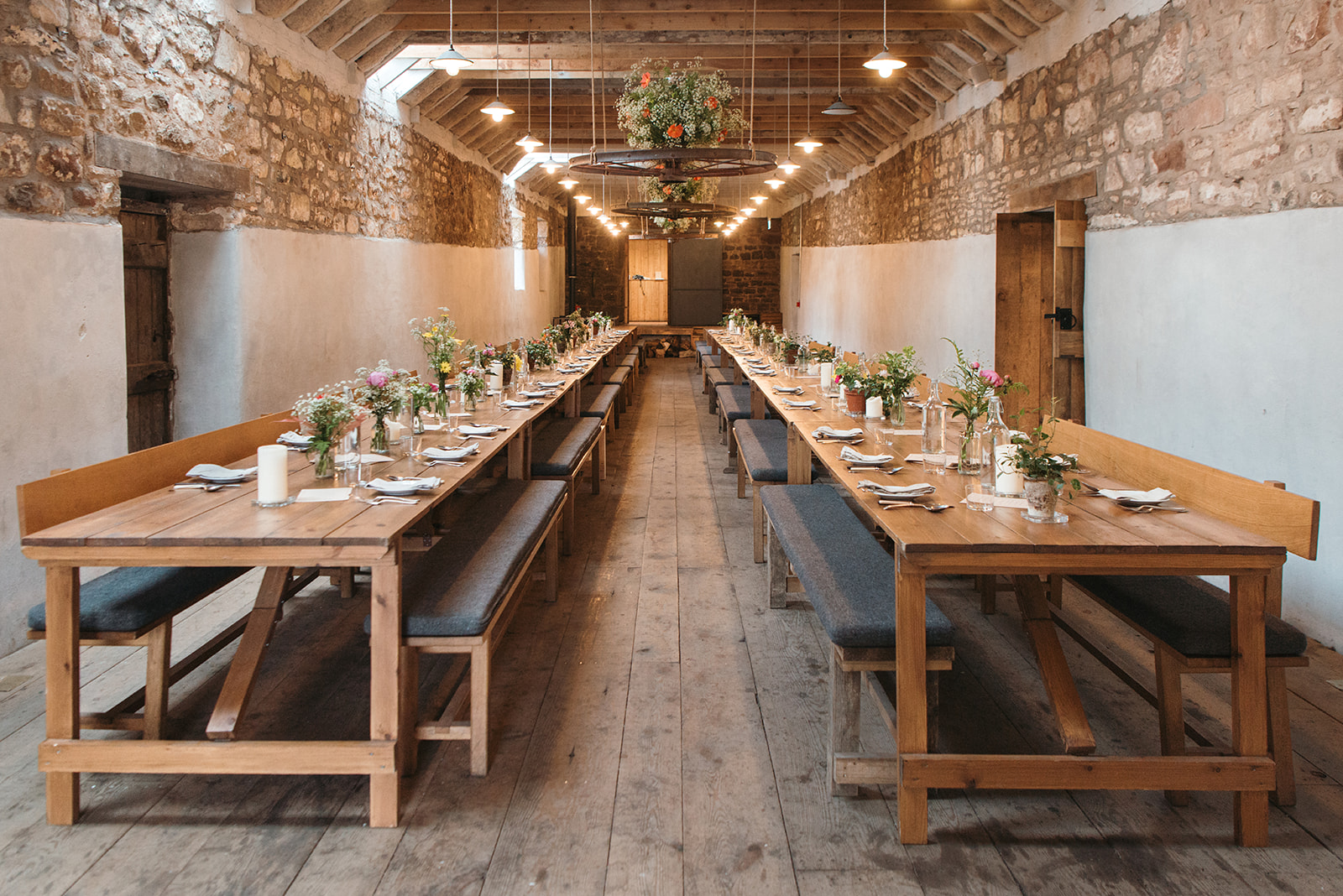
The Free Company by Amelia Claudia
Heading west, on a family farm in the Southern Uplands, one of Edinburgh’s original field-to-fork chefs, Ed Murray, now heads up the kitchen at Errington’s Barn. Opened last summer, the café and restaurant also hosts monthly long-table supper clubs and food workshops.
The Errington family has been making award-winning farmhouse cheeses since 1985, when Humphrey Errington began producing Lanark Blue and Corra Linn cheddar. The whey from the cheese is fed to their pork-producing pigs, closing the food circle.
'The menu almost writes itself,’ Ed explains, with pork and cheese naturally taking centre stage. ‘For me, food is about connections – between the people sharing it, and the land and animals that make it possible.’
As one of two chefs behind the legendary communal dining hotspot The Gardener’s Cottage in Edinburgh – where herbs and vegetables were grown in the kitchen garden and all other ingredients sourced as close to the capital as possible – the next logical step was working in a farm kitchen.
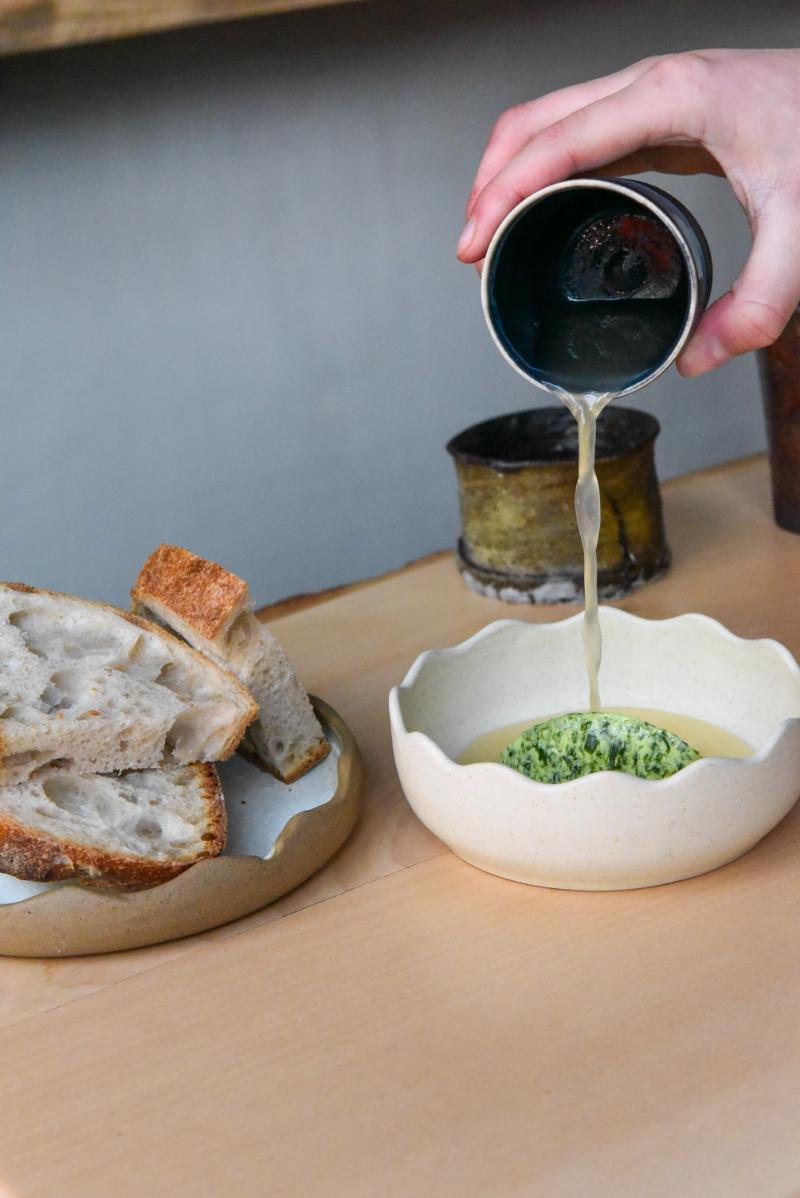
'Even the crockery has been made with clay from the farm by his Japanese artist wife, Akiko.'
On a slightly different tack, chef Henry Dobson – who has had stints at Noma in Copenhagen and as private chef to David Attenborough – launched his first restaurant, Moss, in Edinburgh this January. Although this farm-to-table restaurant is in the city, over 90 products are sourced directly from his family’s 350-acre organic, regenerative farm neighbouring the Glamis Castle estate in Angus.
Even the crockery has been made from clay from the farm by his Japanese artist wife, Akiko. The Scandinavian-inspired space is decorated with homemade textured paint, using ash from the farm’s hardwood, creating the impression of exposed concrete. The tables were also built by Henry, using wood from wind-fallen lime trees.
The menu features foraged ingredients, game, meat, vegetables and herbs sourced from the farm, resulting in dishes like venison tartare with garlic mayo on an onion crouton, alongside wood pigeon, pigeon haggis, fermented rhubarb, hazelnut butter and bramble.
Farm-to-fork dining is evolving across Scotland, chefs edging ever closer to the land. At luxury farmstead hotel Newhall Mains on the Black Isle, the restaurant uses ingredients foraged and reared on the farm, while on the Balcaskie Estate in Fife, tractor-and-trailer tours teach diners about regenerative farming before a barbecue and longtable feast cooked by the Bowhouse butchery team. The experience, “Grass to Grill”, is yet another way to join the dots.
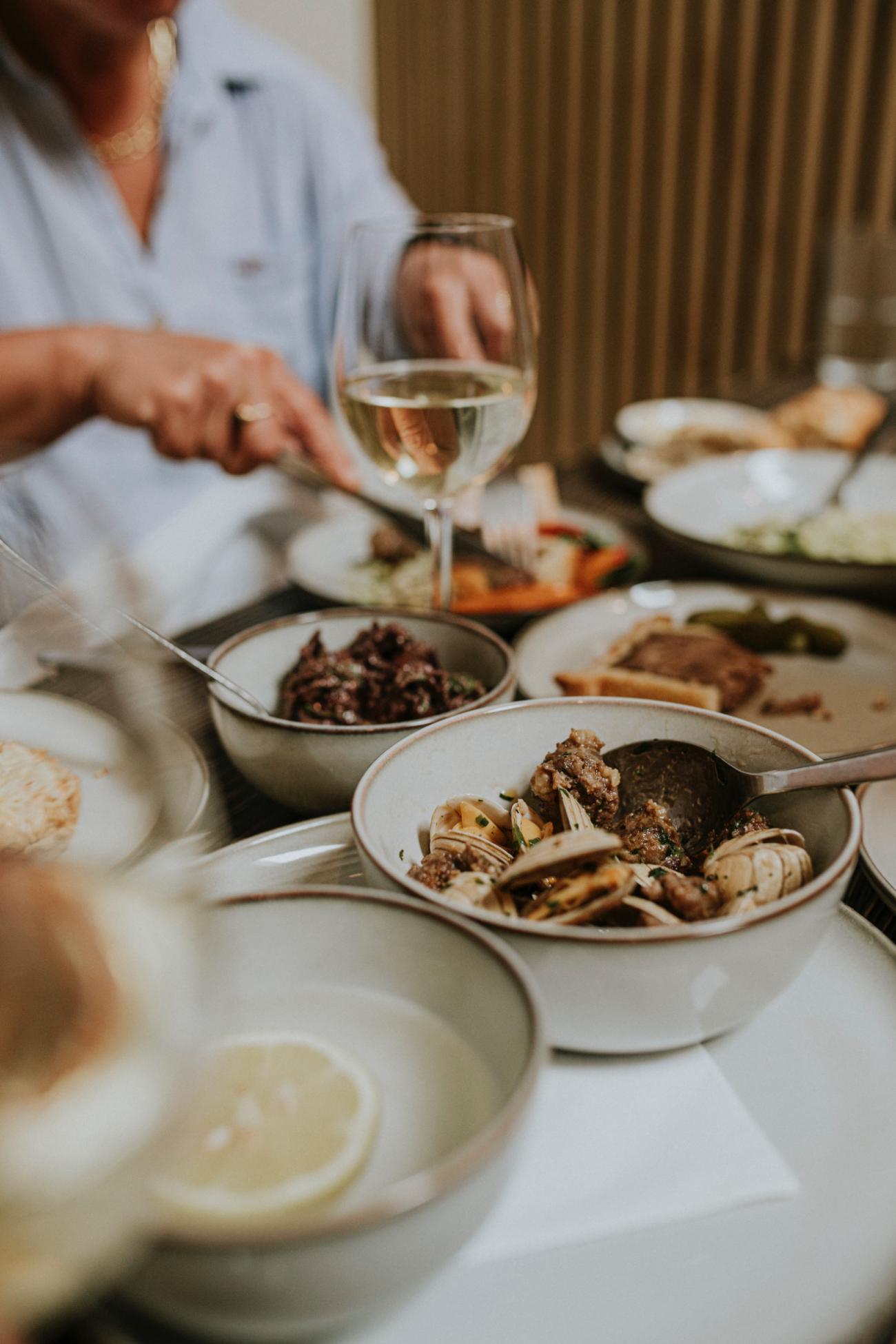
Errington's Barn
Next Article
Promoted Post
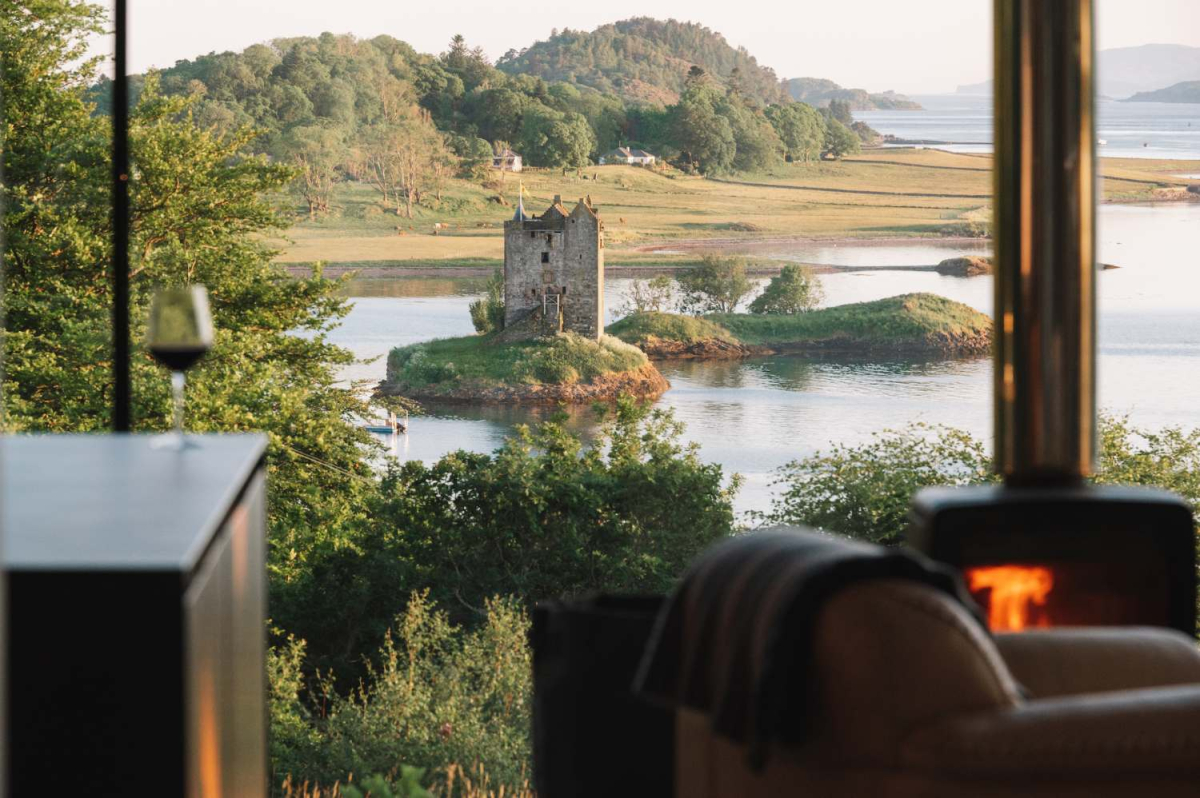
Stormhouse
Escape to the wild, rugged landscape of Scotland’s west coast, perfectly located between mountain and sea






 Sign in with Google
 Sign in with Email