
An Interview with Architect Mary Arnold-Forster
Architect Mary Arnold-Forster on her approach to her craft and the inspiration behind Alder Magazine.
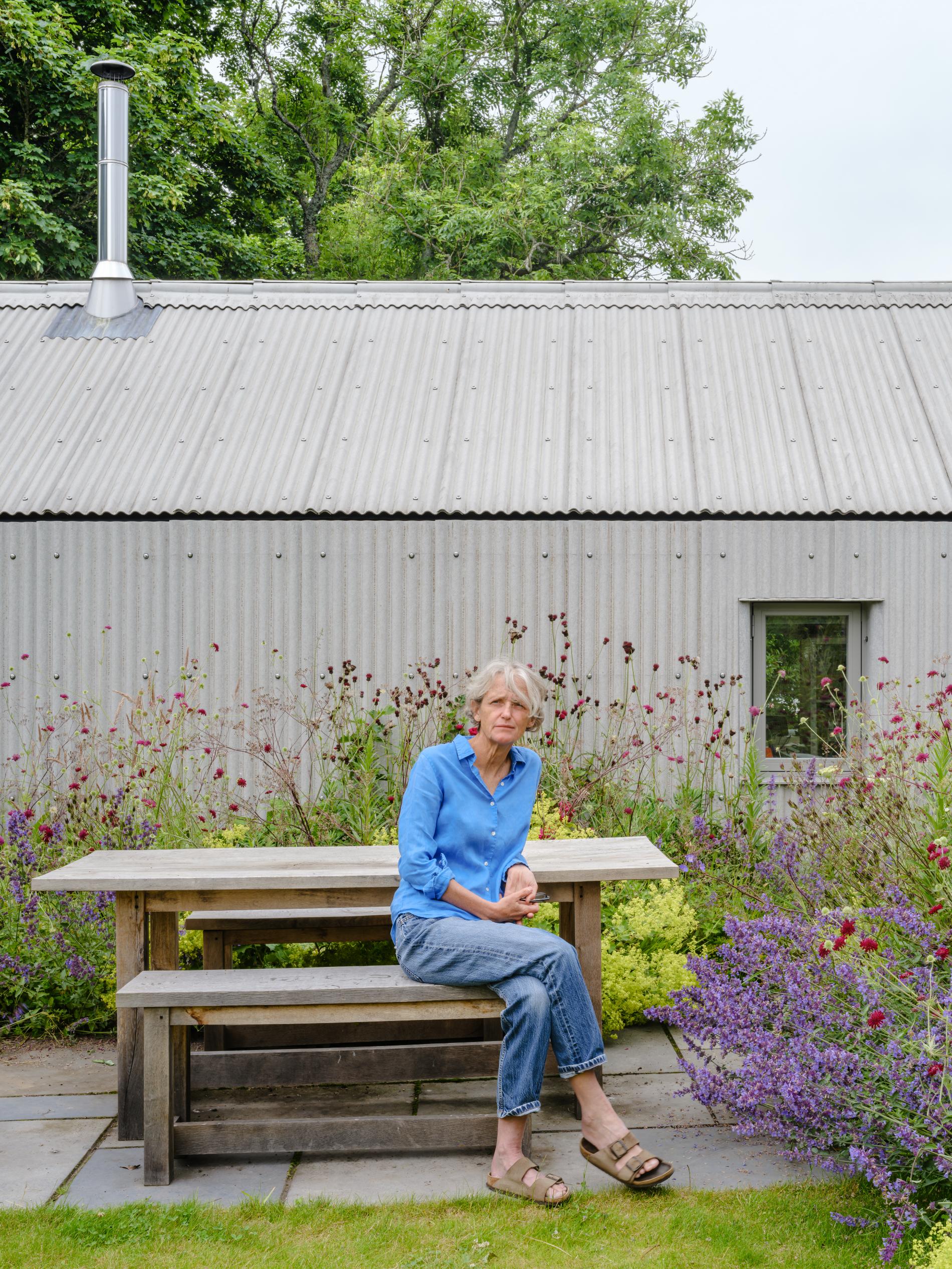
Mary Arnold-Forster spent 16 years working in remote settings across Scotland’s Highlands and Islands before setting up her practice, Mary Arnold-Forster Architects, in Dunkeld in 2016. Later that year, she was appointed a member of the Royal Scottish Academy, and from her rural practice she has since been nominated for — and won — several Royal Institute of Architects Scotland (RIAS) awards for her designs and their sensitive response to the wild natural environments in which she works. Mary has a knack for making the everyday extraordinary: whether reinventing traditional structures for contemporary living or elevating restrained design with beautifully crafted materials. Alongside her architectural work, she has also found the time to launch and edit Alder Magazine — an ode to craftwork and creativity.
Mary Arnold-Forster
Can you explain your approach to architecture and design – what kind of spaces do you like to create and why?
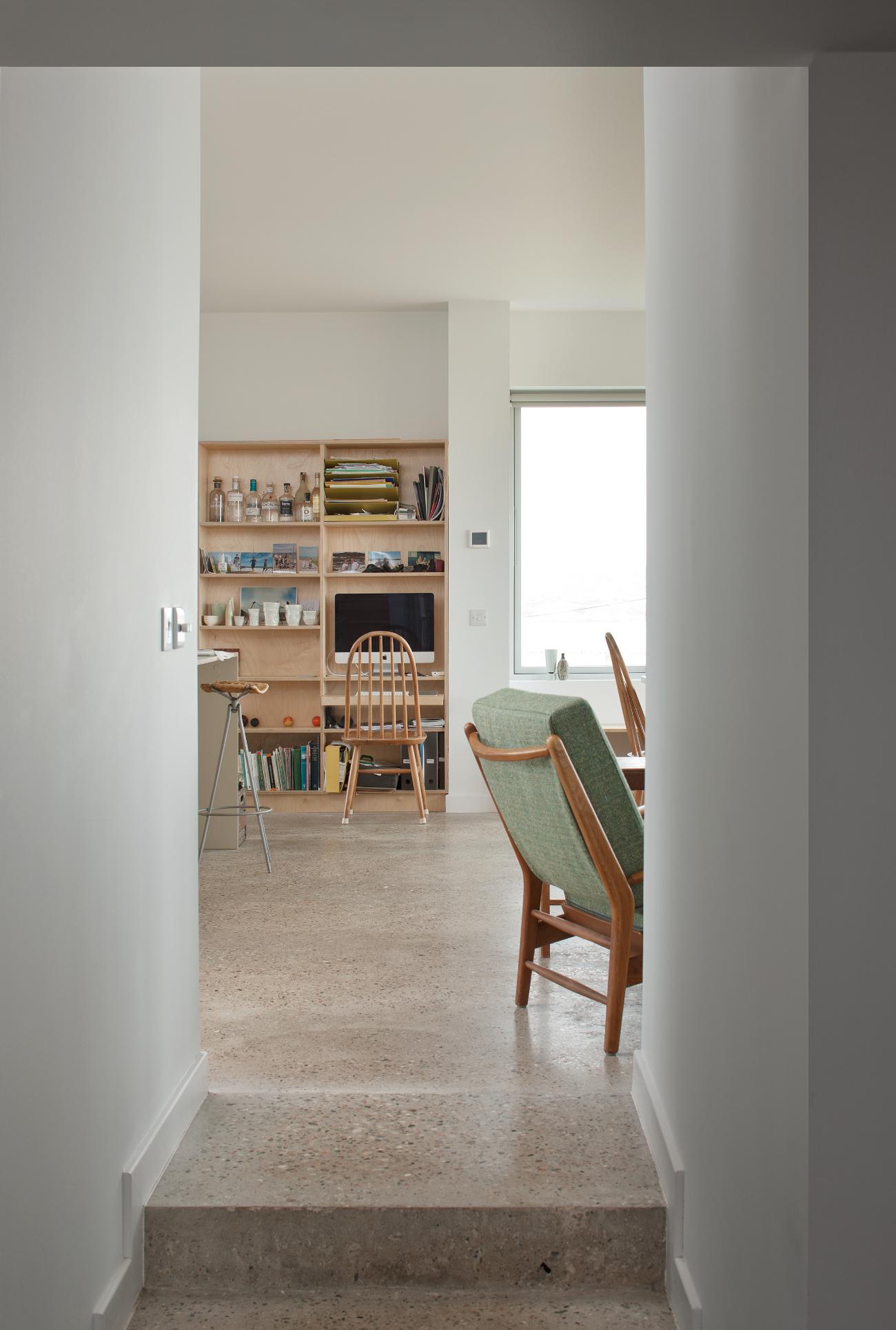
My approach to architecture and design begins with a thorough analysis of the site and its context, paired with a rigorous study of the brief. I have the great privilege of working on some of the most stunning sites in rural Scotland, and of collaborating with talented young architects, engineers, contractors, craftspeople and makers. While the process is deeply collaborative, I also make time to visit the site early on—alone. I like to arrive slowly, often by bike or kayak, and sometimes I camp on the site to experience it fully.
A design approach that achieves a balance between traditional forms and materials with crisp contemporary details is important to you. How do you apply tradition to new and existing structures?
We study the physical aspects of the site: the topography, aspect, geology, flora and fauna. We also research the cultural and historic aspects of the site, looking at old maps and tracing the quiet impact of man — ruins, walls, runrigs, paths. We dissect the brief and ask tough questions of our clients, often aiming to reduce the size of the building, thereby reducing its impact on the fragile landscape and bringing it back on budget. I am an advocate of living smaller lives in smaller homes.
You have described your design process as "circular" – can you explain what that means and how it works in practice?
My process takes time. An early single-line sketch will be developed, redrawn and refined hundreds of times. What I’ve noticed is that the final design can often look just like the initial sketch. Hence, I call it circular — but you need to go through the distilling process to return to the original idea. Every building needs a strong idea. It doesn’t need to be a loud idea or to make an incredible physical impact — preferably not — but it needs to be clear. Once that idea is there, you can follow it through from the first sketch to the tiniest detail.
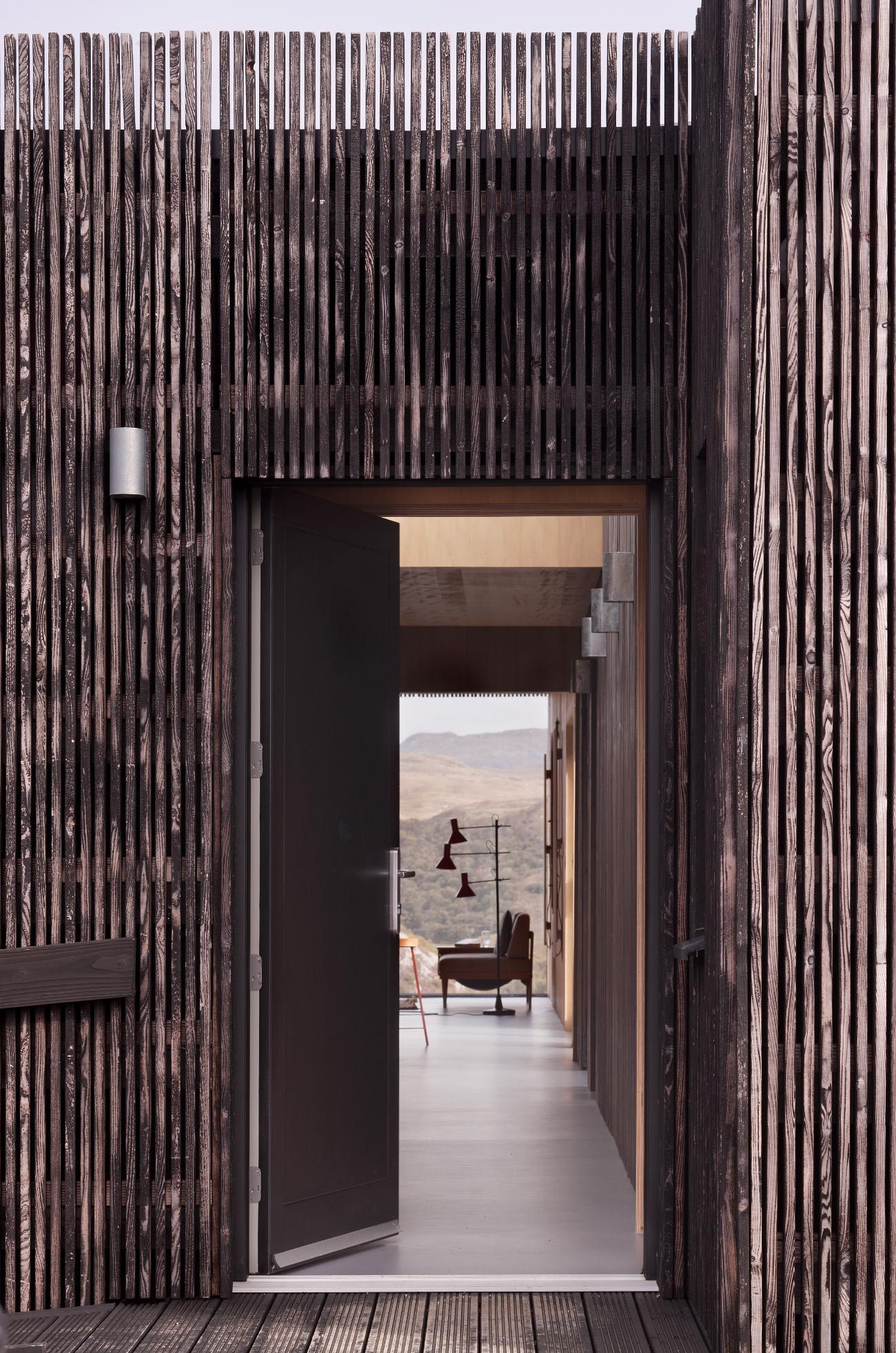
Clients have described your designs as "an extension of nature", and it is clear that there is symbiosis between the rugged landscapes and your designs. Many of your projects are built in remote and potentially challenging sites — for instance, An Cala at Nedd in Assynt, which won a RIAS award (2021), sits in the saddle of two rocky outcrops. What are the challenges and benefits of working with such sites?
The challenges of building in remote areas are the obvious ones: lack of labour and accommodation, difficult access for deliveries and so on. However, the benefits are enormous for someone like me who loves the wilderness — it is no hardship at all to build remotely. Having lived on Skye for 16 years and now in rural Perthshire, I am acutely aware of the weather and the different microclimates of rural Scotland. I think we should enjoy the extremes of winter and summer, of dark and light, of sun and rain. I will often trace the passage of the sun at different times of year.
To what extent does engaging with the landscape as a walker or kayaker change your perspective on design?
I will always manage a micro-adventure alongside a site visit. I have previously arrived by kayak and enjoyed a quiet night on a skerry with my tent and stove. As a hillwalker, I have walked all the Munros; as a kayaker, I have had 20 years of exploring the west coast; and as a cyclist, I have seen a lot of the Scottish Highlands and Islands. More importantly, I have enjoyed them all at a slow pace.
Your magazine, Alder, has reinvented the idea of the architectural magazine. Can you explain your vision for it and what motivated you to start publishing?
Alder was born of a desire to seek out and share the craftspeople working in small-scale workshops in rural Scotland, and to celebrate modest, thoughtful architecture and design with others. I have met people recycling plastic waste from our beaches, making floors out of quarry waste, making bricks out of building debris, and insulation from recycled Harris Tweed, sisal and locally grown hemp. In my opinion, innovation happens by making in workshops and studios, not in offices. Alder also came out of a desire to avoid writing the PhD I had promised myself I would do one day. I am so pleased I went down this route instead, as it involves so many amazing, creative and talented people. I have been so heartened by the response and contributions to it all.
How did Alder get its name?
Alder is a native tree. It is a swamp-dweller and a water-lover, and the wood of this tree doesn’t rot when waterlogged — instead, it gets stronger and harder. In addition, it is the name of one of my favourite mountains, which sits right in the heart of Scotland. I recommend everyone climb it.
Regarding your aims for Alder, you describe your desire to ‘thoughtfully document and define Scotland’s modern architectural language’. How would you describe that language today?
I’m finding that more clients are concerned with the materials used in their projects and share our desire to avoid plastics and other petroleum-based materials and metals. Instead, they opt for naturally breathable insulations and locally sourced materials. We use a lot of Scottish timber, stone and clay in our refurbishments and newbuild work. And we are not alone: I have noticed a new generation of architects and students younger than me who are increasingly concerned about our impact on the planet, and how, as professionals, we take that responsibility seriously. Alder documents the research we carry out but also, critically, shares it with others.
The latest issue of Alder (issue 03) looks at projects that ‘evoke a sense of longing for a simpler, crafted and sustainable way of building and living’. What are your highlights from this issue?
I have enjoyed every aspect of producing Alder— from commissioning emerging photographers and writers to visiting architects and their clients. I find it fascinating to meet architects, makers, joiners, masons, metalworkers, artists and craftspeople, and to learn about their processes.
You have referred to the growing network of material suppliers and artisans you work with via Alder, who are reinventing their craft for a contemporary market. Why do you think there is a resurgence in these areas now, and what are the benefits of small-scale production?
I am really interested in the emerging contemporary art and craft coming out of Scotland. After all, we have a small gallery at our offices in Dunkeld. However, I am also interested in the makers, artists and craftspeople who are reusing or adapting waste materials that can be used in buildings. For instance, there’s the team at Studio Vans, a design and manufacturing business in Benbecula who recycle beach plastic into worktops; or Joel Franklyn at Skye Stone Studio, who is reusing quarry waste to make bespoke terrazzo for flooring; or Cara Guthrie in Dunkeld, who is taking waste clay that was intended for landfill to make wall tiles. If we support these small-scale workshops and showcase their craft, it is hoped that public or private finance will feel more confident to support their businesses to grow and prosper.
Promoted Post
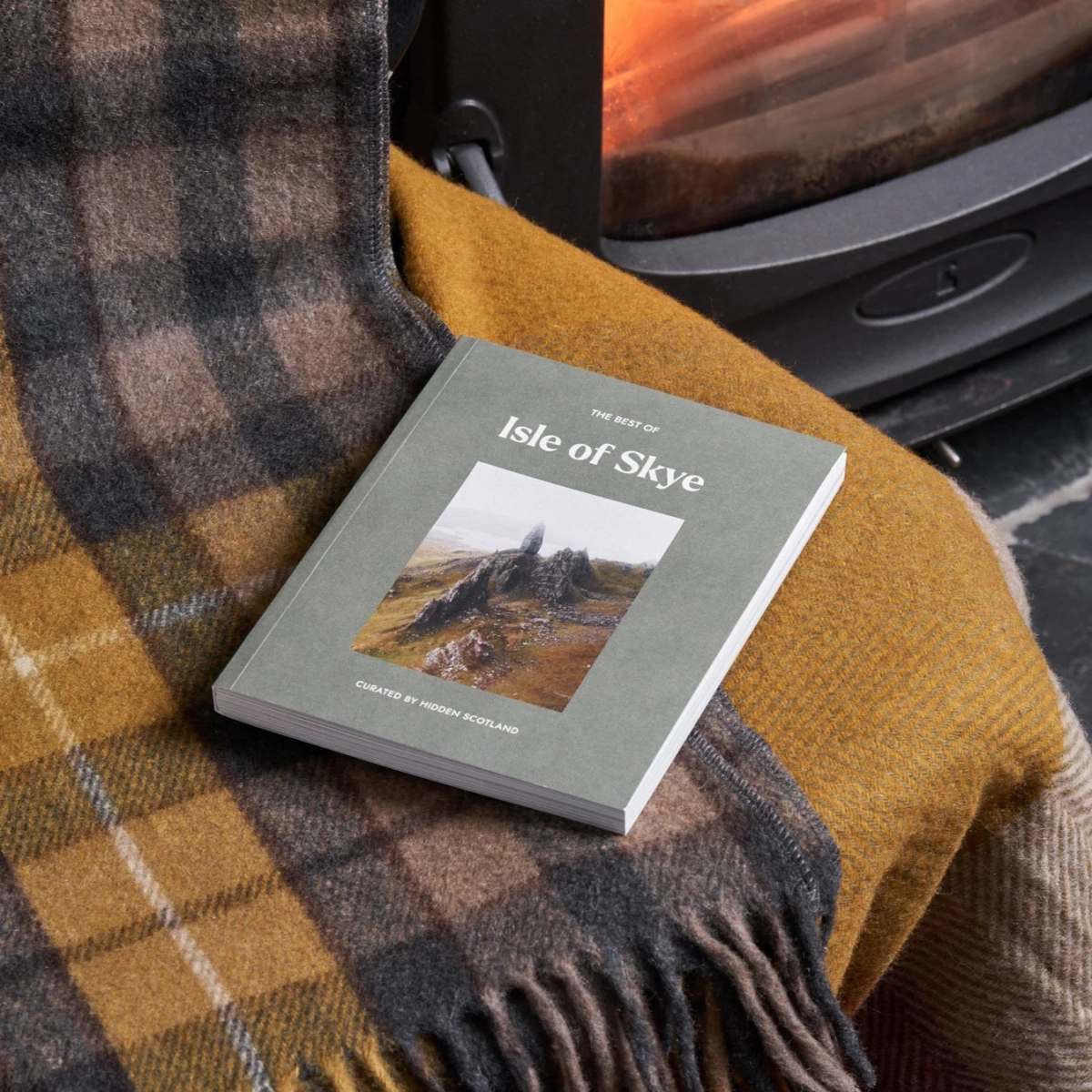
The Best of Skye Guidebook
The Isle of Skye is a place of rare wonder, a wildlife-rich spread of bays, peaks, cliffs and ridges. The views are big, but the prospect of adventure is even bigger. We hope this curated Hidden Scotland guide – which takes in everything from the best walks to the finest restaurants – helps you to have your own unforgettable island escape.






 Sign in with Google
 Sign in with Email