
Insh Marshes – The Spey's Wide Floodplain
About 2.8 miles on foot.
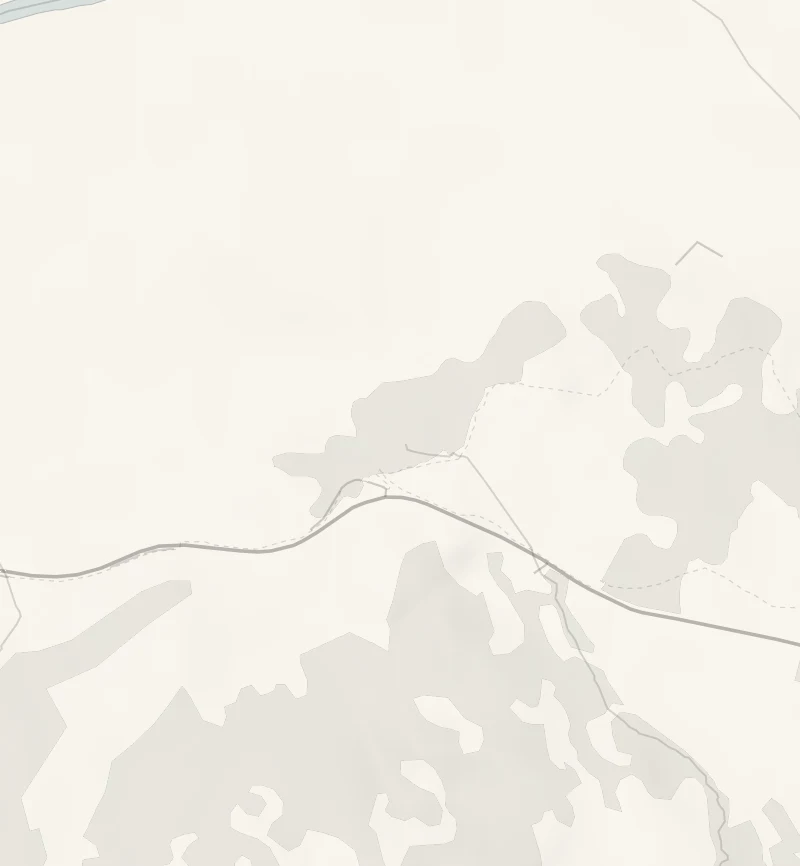
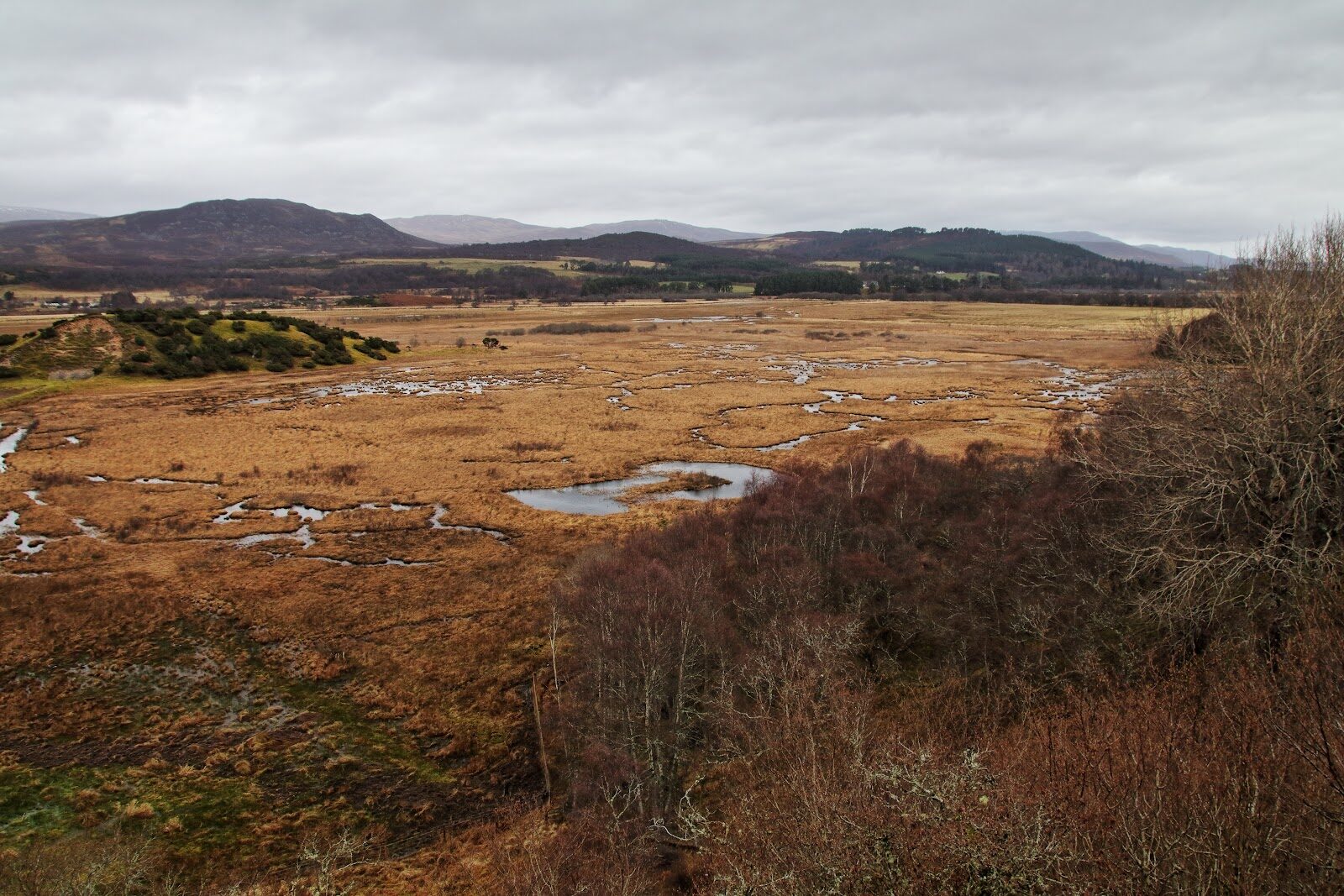
Insh Marshes is the great wet floor of the Spey valley between Kingussie and Kincraig, ten square kilometres of reeds, pools and flooded meadow that the RSPB looks after.
The Invertromie Trail loops round its western end, with two hides near the start where you can sit and look out over the water to Ruthven Barracks on its mound. Bring binoculars and take your time.
- Time
- About two hours: the RSPB's Invertromie Trail, 4.5 km, with two hides 250 and 350 m from the car park. An easy walk on soft ground.
- The path
- All trails run across soft and uneven ground, unsurfaced and narrow in places; the hides have steps, narrow doorways and fixed seating. A wheelchair-adapted picnic bench at the car park.
- Where to start
- The RSPB's car park at the reserve entrance (PH21 1NT): 12 spaces, 2 for Blue Badge holders.
- Set off
- From November to January, set off by 1pm to be back in daylight.
- When to go
- All year in daylight. Waders nest from spring into summer. From November to January set off by 1pm.
- Dogs
- On a short lead from 1 April to 15 August, in the ground-nesting season, and wherever there is livestock.
- Children
- Hides with steps and a soft, flat trail; bring binoculars.
- Toilets
- None on the reserve; the nearest are in Kingussie, about a mile and a half away, and may be closed out of season.
- Before you set out
- No toilets on the reserve. No fires or barbecues at any time. Livestock graze parts of the reserve.
The walk
The RSPB's car park is at the reserve entrance on the road from Kingussie past Ruthven Barracks, about a mile and a half from the town. It's small, with twelve spaces, two of them for Blue Badge holders. The RSPB has three trails on the reserve and the Invertromie is the long one, 4.5 km, about two hours. Two hides stand close to the start, 250 and 350 metres from the car park, each with steps, a narrow doorway and fixed seats. From them you look out across reeds, pools and wet grassland with the hills behind.
The reserve covers ten square kilometres of the Spey's floodplain, and after years of draining it is being put back to a natural marsh. Spring belongs to the waders, with curlews, lapwings, redshanks and snipe nesting in the wet meadows. The rest of the year is quieter, a place of water, reeds and big skies. The paths are soft, uneven and unsurfaced, and narrow in places, so come in boots or wellies. Sheep, cattle and ponies graze parts of the reserve.
Dogs go on a short lead wherever there is livestock, and everywhere from 1 April to 15 August while birds are nesting on the ground. There are no toilets on the reserve, and the nearest, in Kingussie, may be shut out of season. No fires or barbecues at any time. From November to January, set off by 1pm.
If it rains
The two hides are a few minutes from the car and have roofs, so a wet day still gives you the marsh; the trail beyond them is soft and gets softer.
Before you go
Book accommodation nearby
If you are staying over: here are ours nearest where the day starts and ends.
For further reading, before you go.
Photograph by neil hedley via Google