
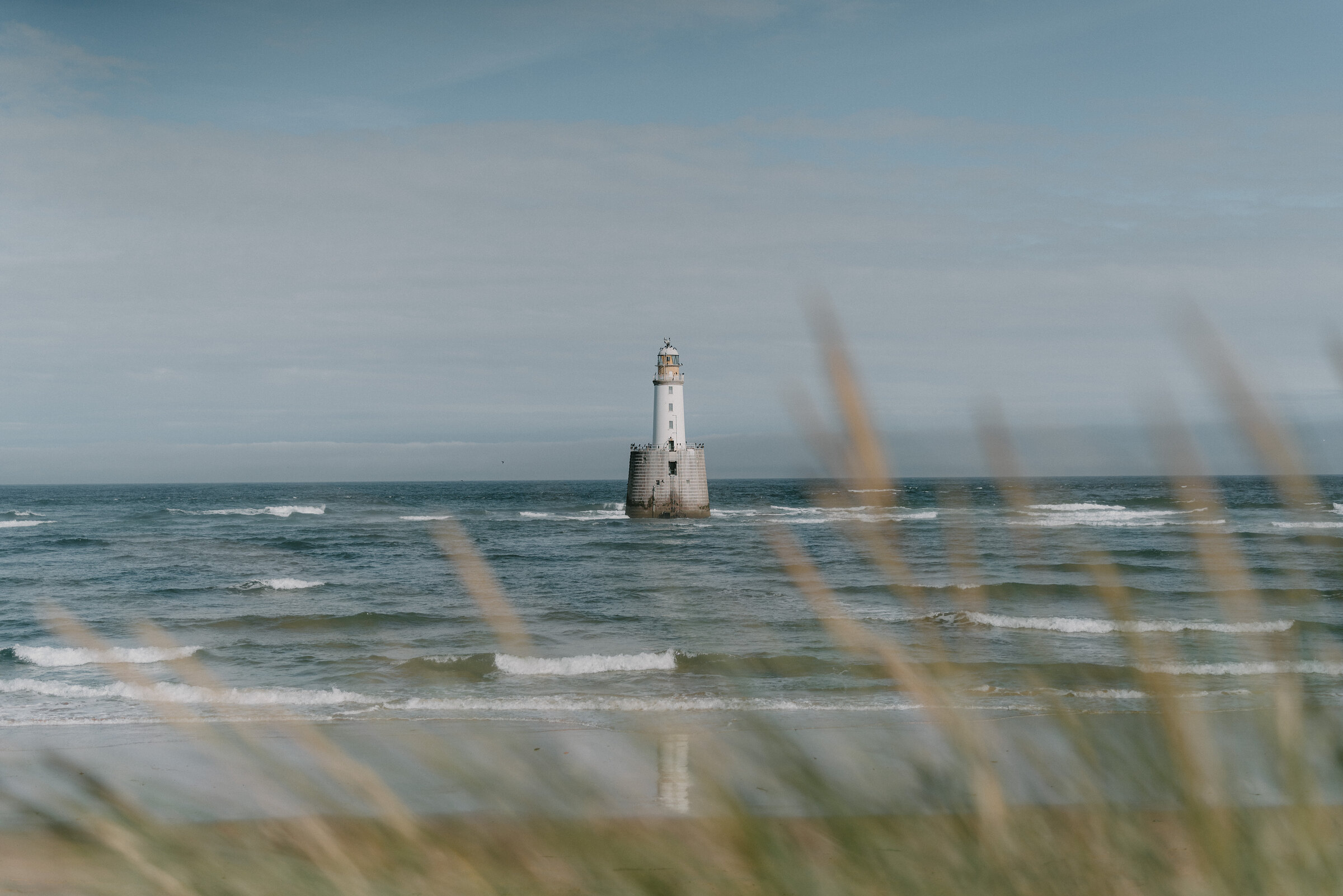
Rattray Head – Over the Dunes to a Lighthouse in the Surf
About a mile on foot.
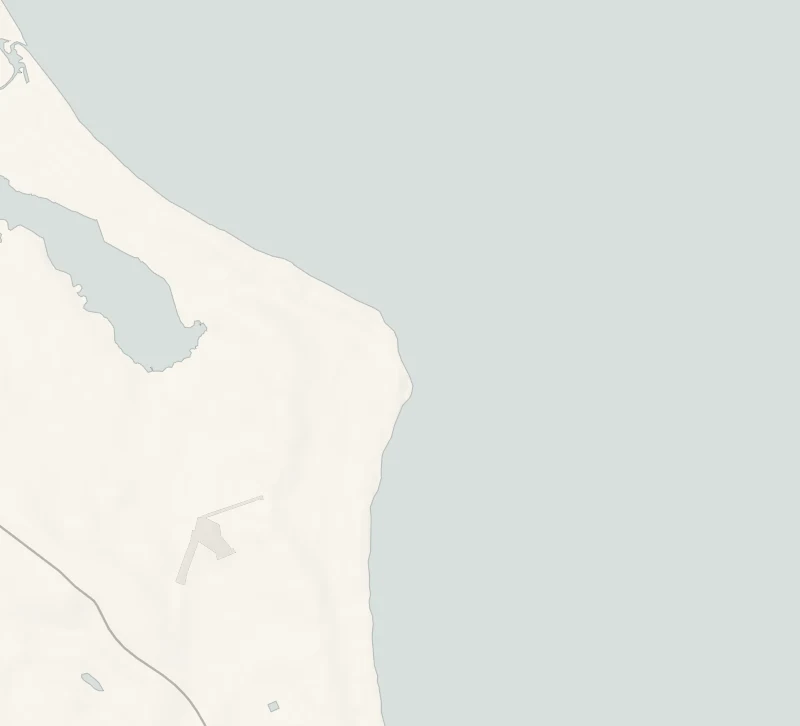
Between Peterhead and Fraserburgh the coast is one long line of dunes, and at Rattray Head a lighthouse stands on a rock out in the breaking waves.
A short walk over the sand hills brings you out onto a huge, empty beach right in front of it. There's nothing here but sand, sea and sky, so bring a flask and a warm coat.
- Time
- About an hour: around 1.6 km (1 mile) there and back over the sand hills to the beach in front of the lighthouse, and as far along the sands as you like.
- The path
- Soft sand and steep dunes. Not for a wheelchair or a pushchair.
- Where to start
- The Rattray Head car park, at the end of the track that leaves the A90 near Crimond for the coast. Free.
- When to go
- All year in daylight; geese fly over in autumn and winter. From November to January arrive by 2pm.
- Dogs
- In the dunes, the RSPB asks for a short lead from 1 April to 15 August, when birds nest on the ground, and wherever livestock graze.
- Children
- A big, empty beach for running about. Keep children well away from the water in front of the lighthouse.
- Toilets
- None at the car park. The nearest are at the RSPB's Loch of Strathbeg visitor centre near Crimond, open 9.30am to 5pm.
- Before you set out
- Never try to walk out to the lighthouse, even at low tide. The lighthouse is not open. There is no shelter, shop or café.
The walk
A track leads off the A90 near Crimond towards the coast, and the Rattray Head car park is at the end of it, behind the dunes. It's free. There are no toilets and nowhere to buy so much as a cup of tea, so come prepared. From the car park it's a short walk over the sand hills to the beach, about a mile there and back. The lighthouse is in front of you as you come over the top.
It's a white tower on a great drum of stone, standing on a rock out in the surf. It was built in 1895 by the engineers David Alan and Charles Alexander Stevenson, and it was the first rock lighthouse to have a fog siren built in. It has been automatic since 1982 and isn't open. The beach runs for miles in both directions, backed by dunes up to 75 feet high, so you can make the walk as long as you like. At low tide the rock can look close enough to reach.
Don't try to walk out to it: the sea comes back round the rock, and this is no place to be caught. Keep children well up the beach from the water there. Behind the dunes is the Loch of Strathbeg, Britain's largest dune loch, and in autumn and winter you may see skeins of geese passing over on their way to it. The sand is soft and the dunes are steep, so it's not a walk for a pushchair. From November to January, be here by 2pm.
If it rains
There's no shelter of any kind at Rattray Head, and the wind off the North Sea is cold even on a bright day. In rain or a gale, keep it for another time.
Before you go
Book accommodation nearby
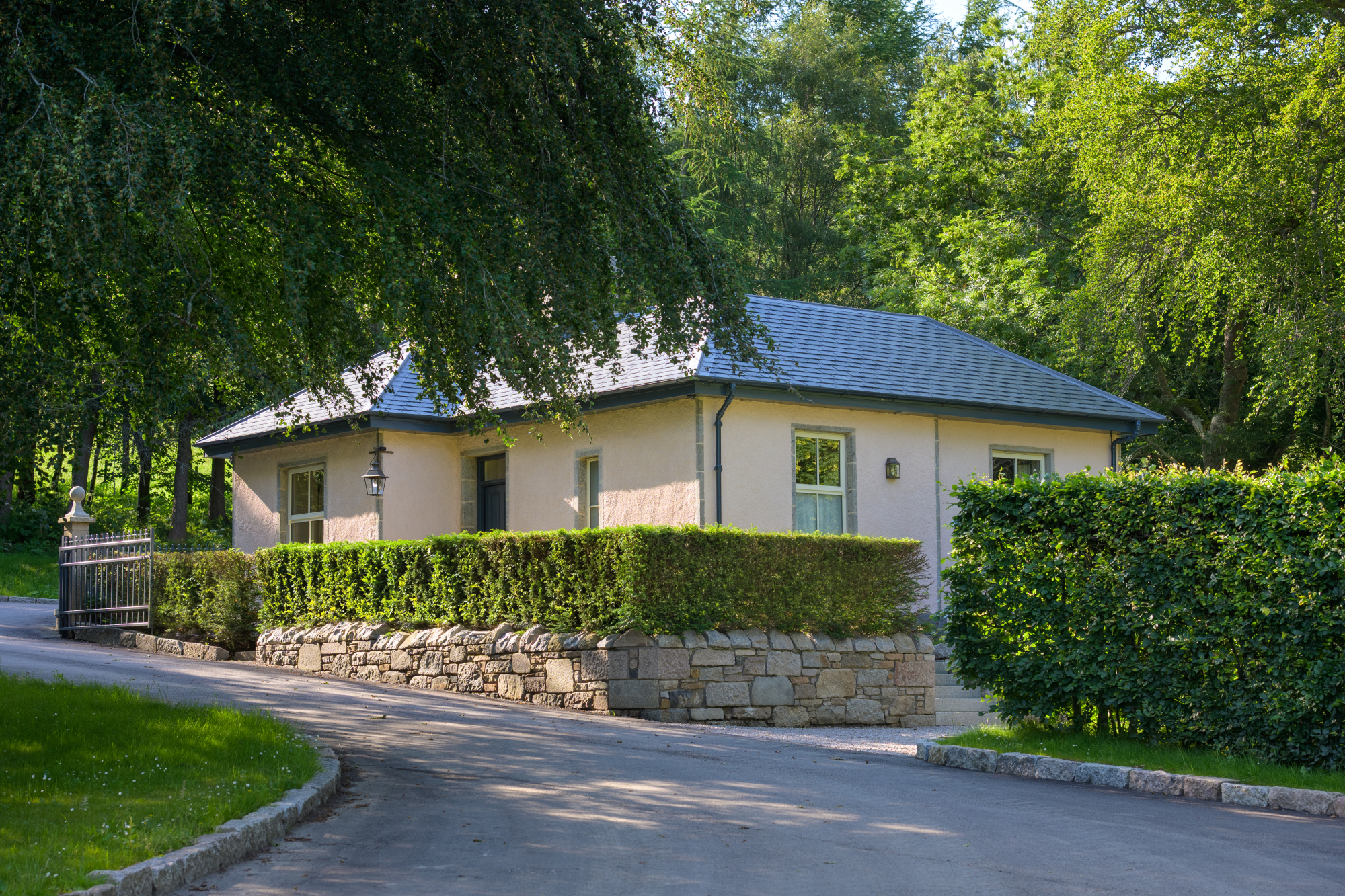
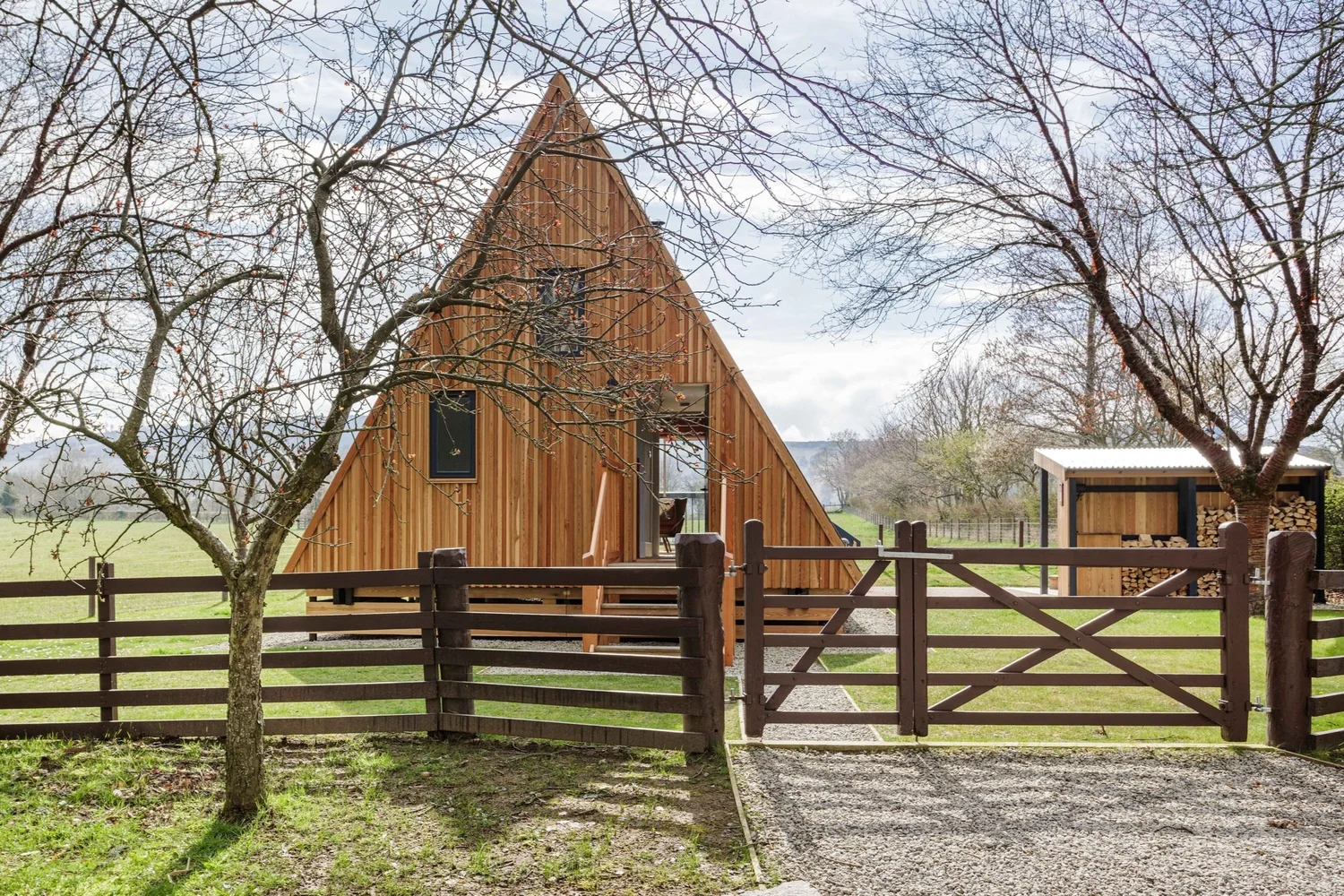
If you are staying over: here are ours nearest where the day starts and ends.
For further reading, before you go.