
The Changing Fortunes of Kellie Castle
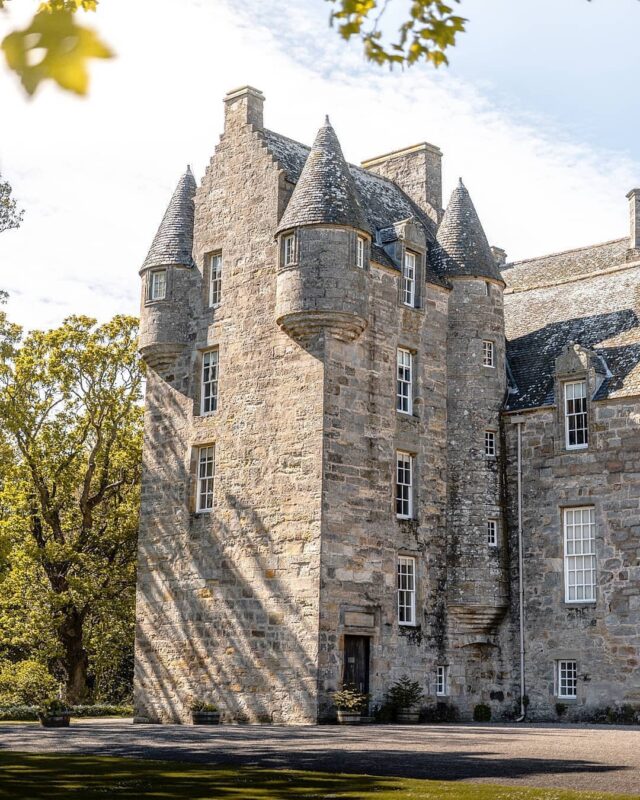
Kellie Castle near Pittenweem is one of Fife’s truly hidden gems. The history of Kellie goes back almost 900 years, seeing the castle expanded, ruined and risen once more to become home to a remarkable Scottish family.
-full-1739784103.jpg)
Kellie Castle near Pittenweem is one of Fife’s truly hidden gems. The history of Kellie goes back almost 900 years, seeing the castle expanded, ruined and risen once more to become home to a remarkable Scottish family.
The estate of Kellie is first mentioned in 1150 but it wasn’t until the 14th century that the earliest part of this castle was constructed. In 1360, the simple tower became home to Sir Walter Oliphant and his wife Elizabeth Bruce, daughter of King Robert I. Over the next 250 years, the Oliphants vastly expanded Kellie into the T-shape we have today.
Building work often causes financial problems though and Kellie Castle was sold to Thomas Erskine, who would become the 1st Earl of Kellie. Thomas had saved the life of King James VI and the monarch stayed at Kellie Castle in 1617. This was the King’s first and only visit back to Scotland after moving down to London. It was such an important moment that the castle was given a makeover, including the remarkable ornate plaster ceilings.
In the 19th century, the castle was finally abandoned and the contents sold off. Once fit for a King, the beautiful ceilings were left for rooks and owls to enjoy. The great hall was even used by farmers as an elaborate barn. It looked like Kellie Castle would end up just another romantic Scottish ruin.
As luck would have it, Kellie Castle was given a second chance just 50 years later by one of the most artistic families in Scotland. Professor James Lorimer was escaping from the pollution of Edinburgh on a trip to Fife when he fell in love with the castle.
It needed plenty of work, but it was an ideal summer home for his young family. He came to an arrangement with the Earl of Mar who had inherited the castle. If the Earl made the castle watertight, then Lorimer would deal with the interior.
His son Robert Lorimer was only 14 when Kellie Castle became his holiday playground and the restoration must have had an impact. He went on to become one of Scotland’s greatest architects, commissioned to create iconic buildings such as the Scottish National War Memorial. His older brother John Henry found just as much inspiration here, becoming a celebrated painter. Many of JH Lorimer’s most famous creations are scenes of everyday life inside Kellie Castle.
When John Henry died, it looked like Kellie Castle was to be doomed again but fortunately Robert’s son Hew took up the lease instead. He had carried on the artistic genes as a famous sculptor with his studio now on show within the grounds. After all those years of the Lorimers renting, Hew eventually bought Kellie Castle outright. In 1970, it was sold to the National Trust for Scotland along with the furniture inside.
It wouldn’t be a Scottish castle without a ghost story and Kellie Castle has plenty. Among all the spooky occurrences, James Lorimer has been seen just quietly sitting in a corner and Anne Erskine running up the stairs. Few people ever see Anne herself, instead it’s just a pair of red shoes ascending the turnpike, all on their own.
Promoted Post
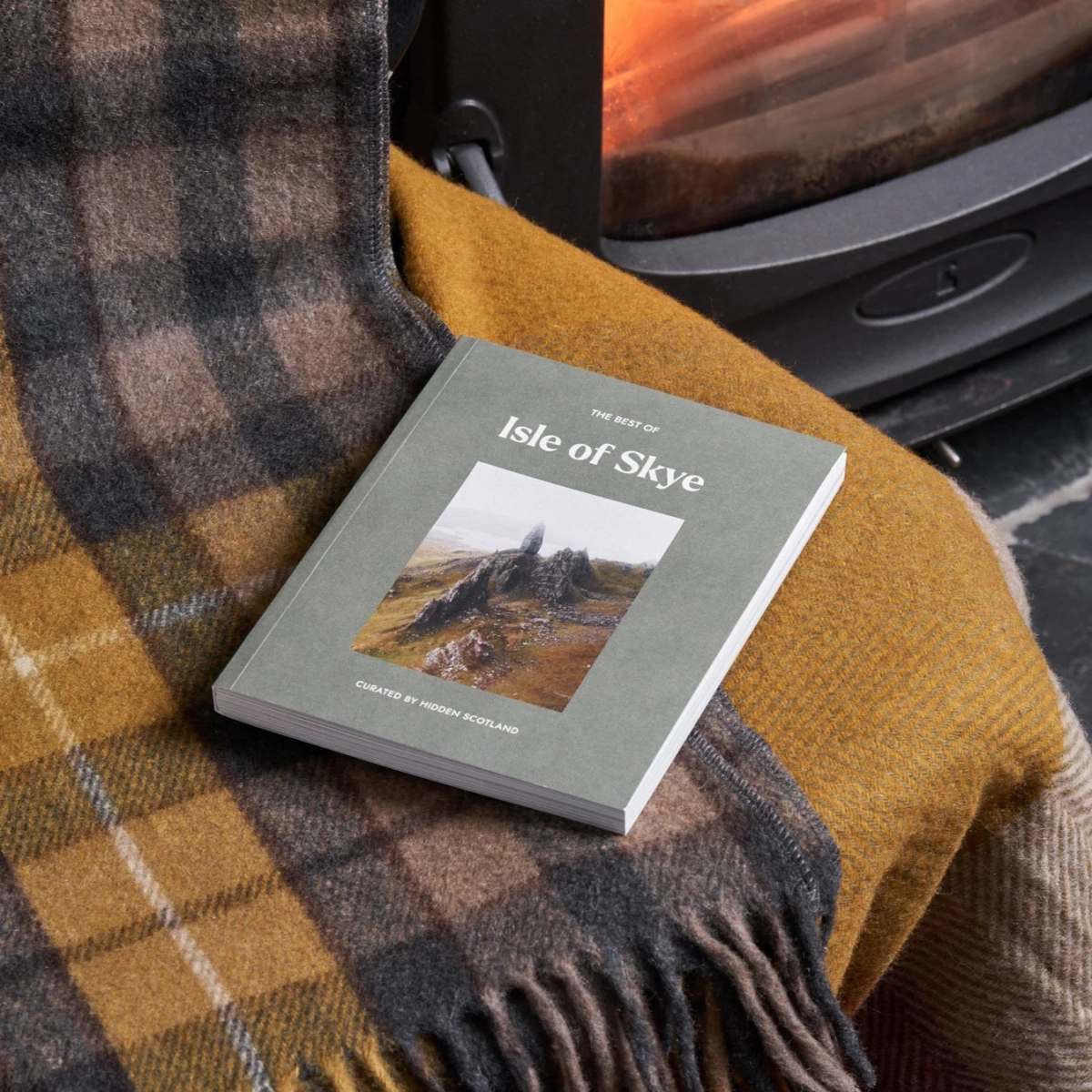
The Best of Skye Guidebook
The Isle of Skye is a place of rare wonder, a wildlife-rich spread of bays, peaks, cliffs and ridges. The views are big, but the prospect of adventure is even bigger. We hope this curated Hidden Scotland guide – which takes in everything from the best walks to the finest restaurants – helps you to have your own unforgettable island escape.
-full-1739815407.jpg)
-full-1739787853.jpg)
-full-1738013360.jpg)





 Sign in with Google
 Sign in with Email