
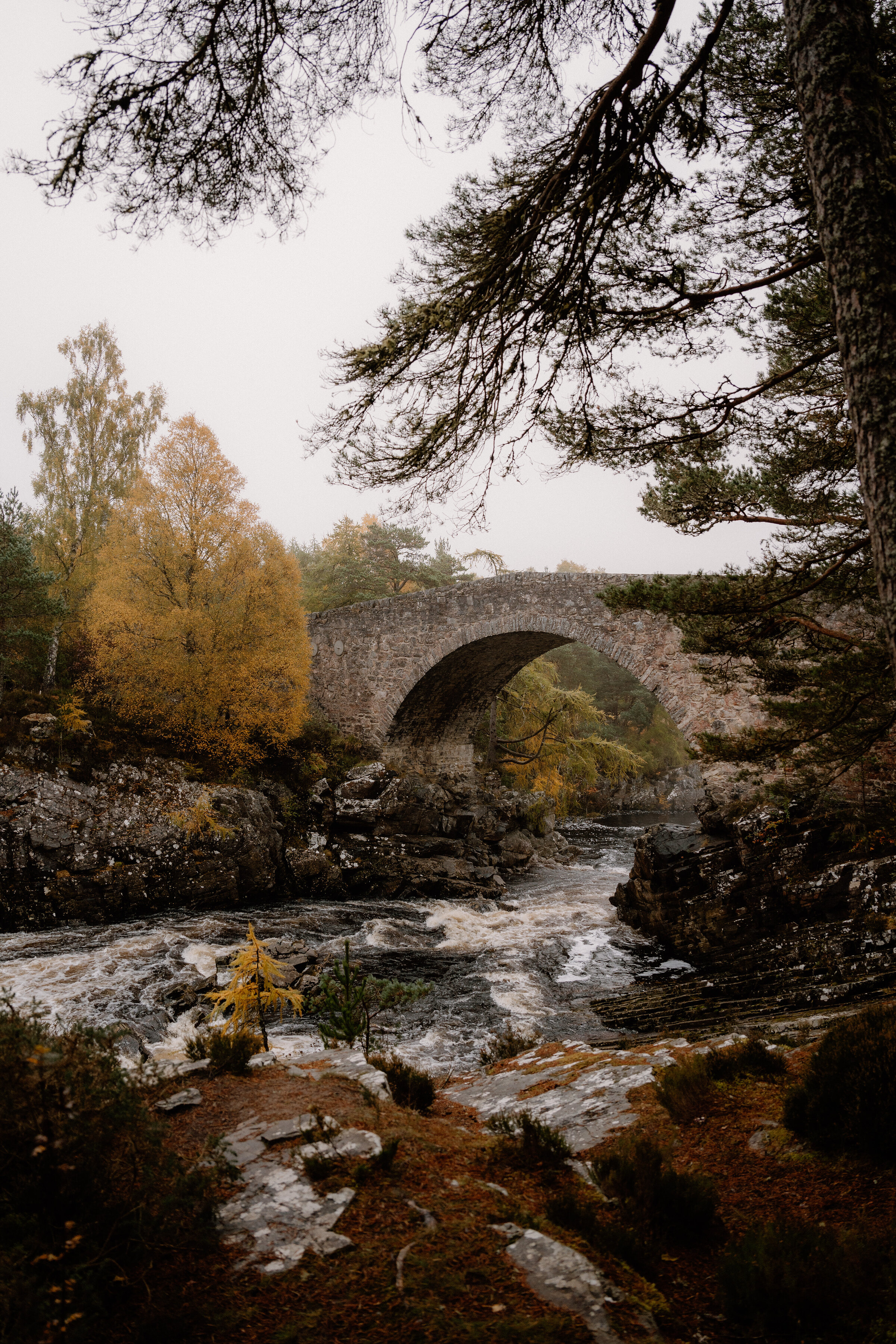
Getting to Ross and Cromarty and around.
The trains, the roads and the ferry
The A9 is the main route through eastern Ross and Cromarty, connecting Inverness with Tain and Invergordon. The Far North rail line serves this corridor, with stations in Alness, Dingwall and Invergordon, continuing up to Helmsdale and beyond.
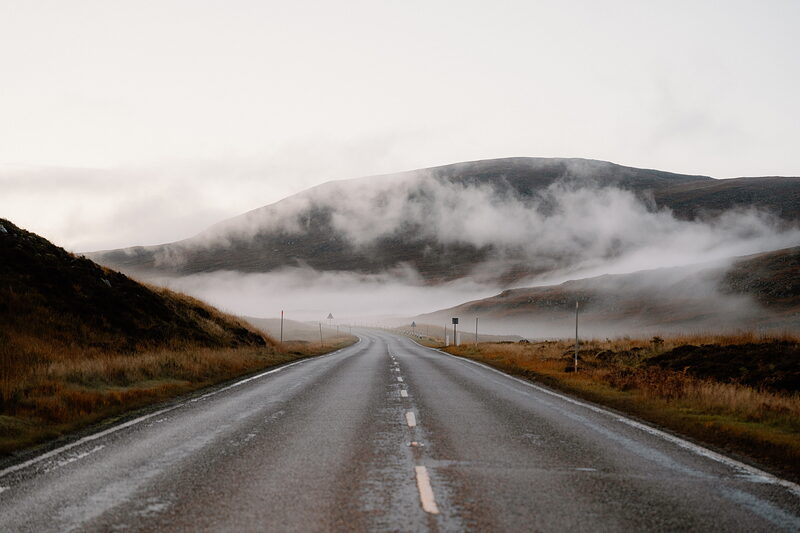
For the west, driving is essential. The A835 links Inverness to Ullapool, and from there, minor roads fan out towards Achiltibuie, Lochinver, Torridon and Applecross. The Bealach na Bà, the steep pass to Applecross, is one of the most striking roads in Scotland but requires caution, especially in poor weather.
Bus services operate between main towns, but become sparse further west. For cyclists, the region is both rewarding and demanding – with quiet roads, wide views and tough gradients. Walking options range from low-level coastal trails to full-day hill walks in Torridon, Coigach and An Teallach.
Ferries link Cromarty to Nigg (seasonally) and Ullapool to Stornoway on the Isle of Lewis.
By train and road
The A9 crosses the Kessock Bridge from Inverness straight onto the Black Isle, and the Far North Line stops at Dingwall on its way round the Cromarty Firth.
From Dingwall the A835 runs west through Garve and over the moors to Ullapool.
To Kintail
Kintail and Eilean Donan lie on the A87, the road to Skye, about two hours from Inverness by Loch Ness and Glen Moriston.
The Skye Bridge is a short drive on from Dornie.
Getting around
Buses link Inverness with Dingwall and the Black Isle villages, and a little summer ferry crosses the mouth of the Cromarty Firth from Cromarty to Nigg.
A car makes it easier to reach the glens and waterfalls west of Dingwall, and the single-track roads take longer than the map suggests.
Fortrose, Rosemarkie and Cromarty put you on the Black Isle, close to the dolphins at Chanonry Point. Strathpeffer and Dingwall suit the glens to the west, and Dornie is the place for Kintail and Eilean Donan.
Two or three days covers the Black Isle, Cromarty and a walk in the glens. Kintail is a long way round, so give it a night of its own on the way to Skye.
Bottlenose dolphins come in to feed on the rising tide, usually an hour or so after low water, and are seen most often from spring to autumn. Check the tide times and take a warm layer.
The Black Isle is sheltered and often dry, while Kintail and the west get the Atlantic rain. Midges are out on still summer evenings in the glens, so pack some repellent.
The Fairy Glen at Rosemarkie is an easy woodland walk to two waterfalls, and Rogie Falls near Contin has salmon leaping in late summer. In Kintail, the Falls of Glomach is a long, hard walk to one of the highest waterfalls in Britain.
Yes. Chanonry Point, the Fairy Glen and Cromarty's beach and harbour are all easy with children, and the Highland Museum of Childhood is in Strathpeffer's old railway station.
Photographs by Graham Newell, John Griffin, Susanne Klimt, Kevin Black, Nicole P, IV10 Cafe Bar Deli, Paul Finch, Jaanki-Radha, The Anderson, Tori, gallery48 and Ingrid's House via Google
More of Ross and Cromarty.
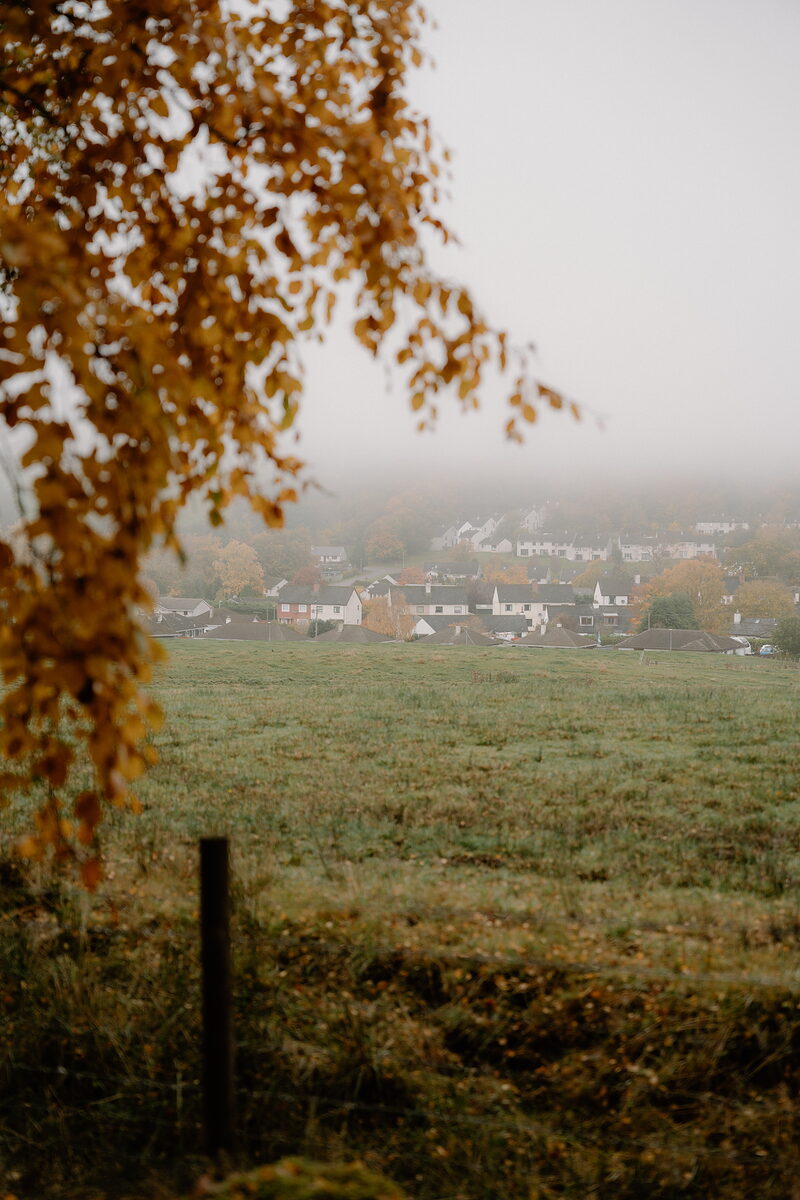 See and doPictish stones, old towns and Eilean Donan
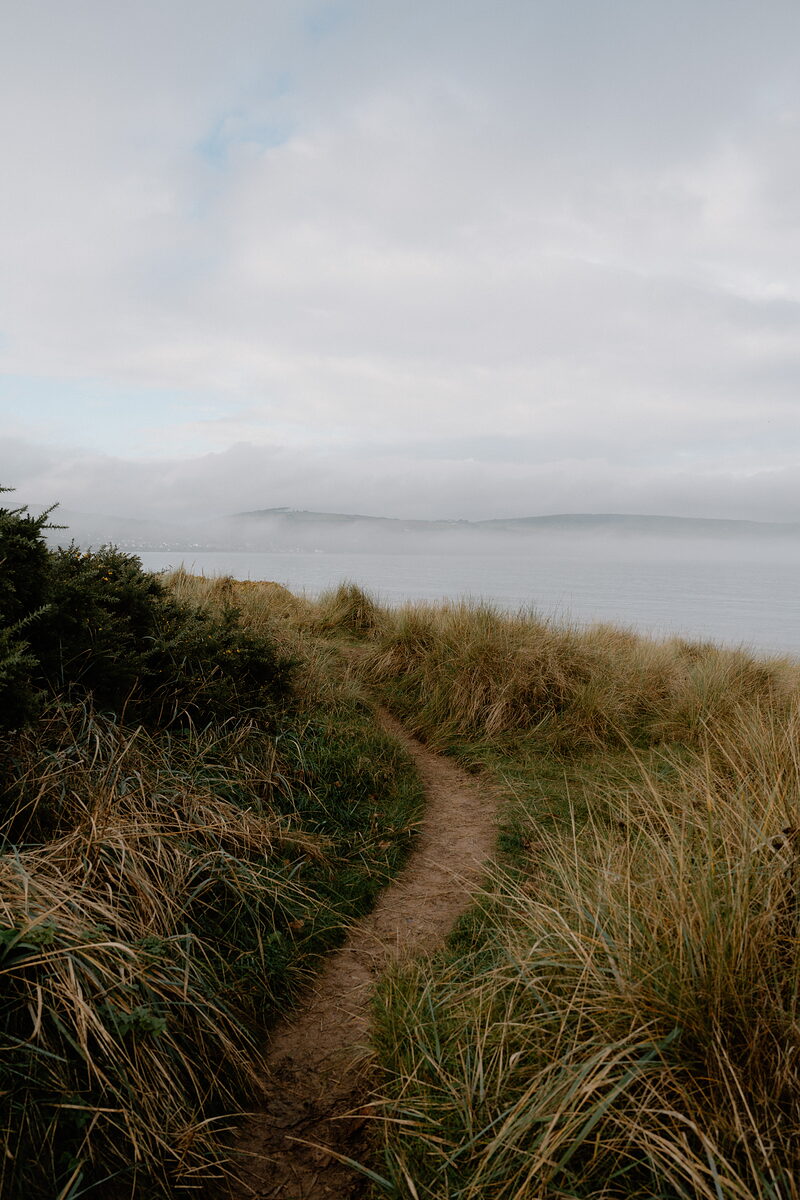 Eat, drink and shopBakeries, village inns and wood-fired pizza
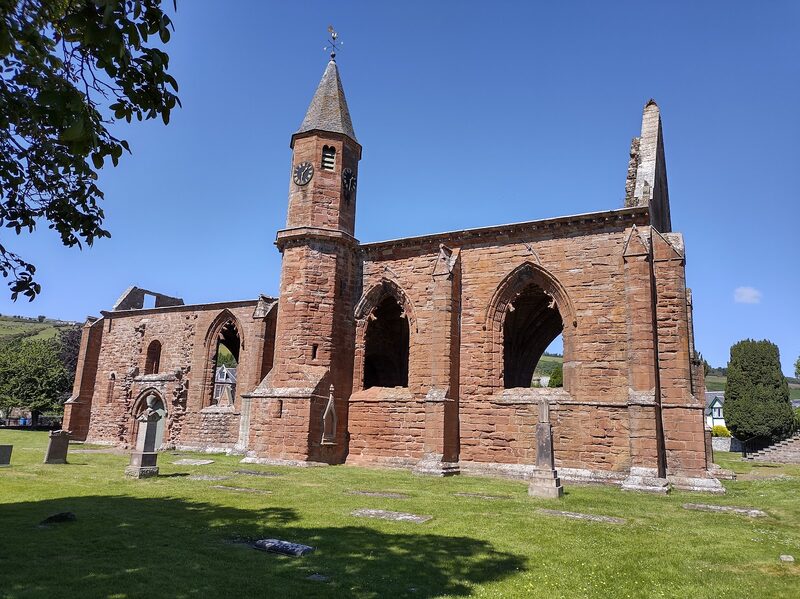 History and storiesPicts, pilgrims, Mackenzies and a Victorian spa
 ItinerariesDays we have driven, stop by stop
 What is on in Ross and CromartySomething new from the region every day