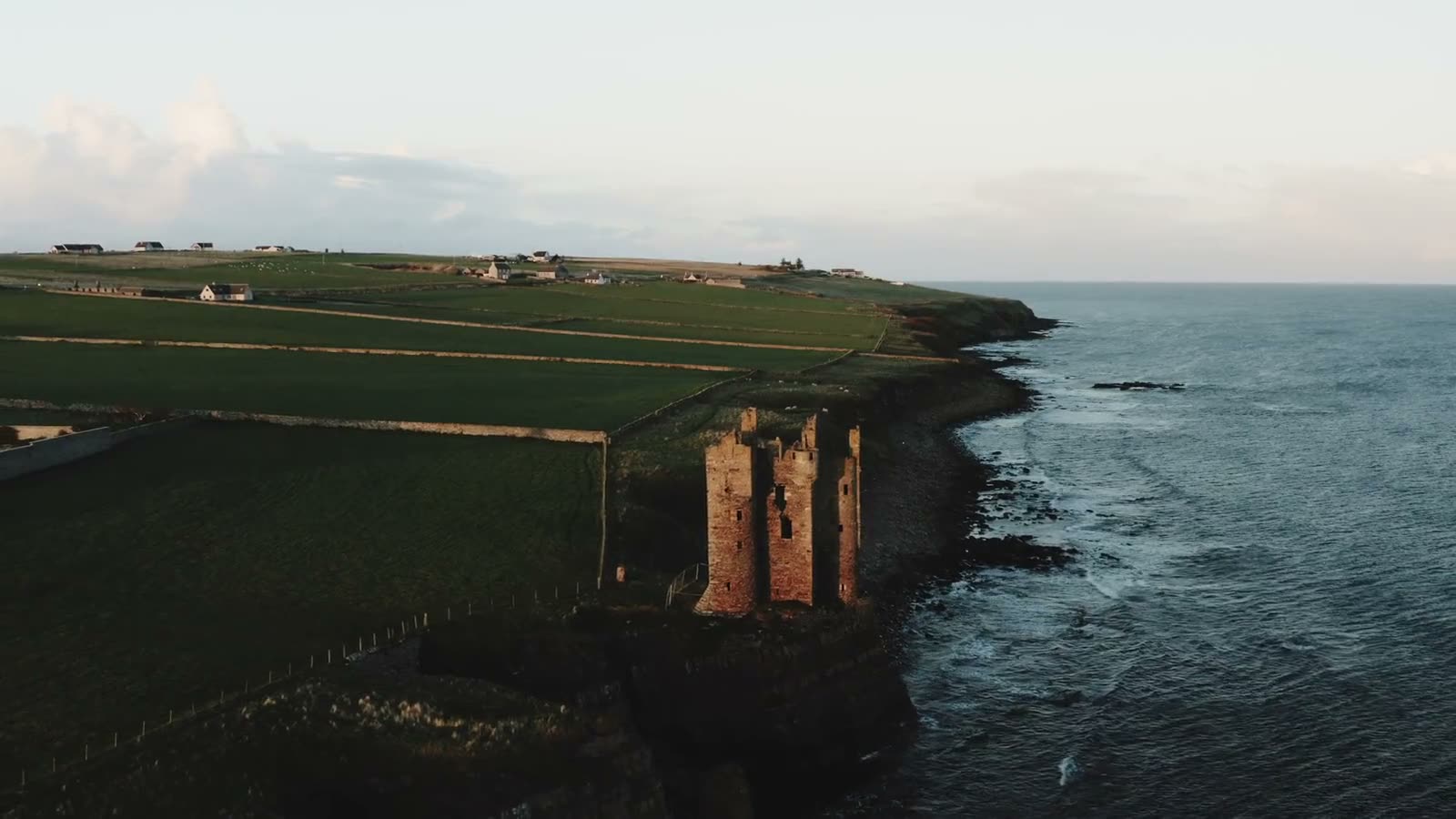
People have lived along these firths for thousands of years, but it is the Picts who left the deepest mark. Around 550 a monastery was founded at Portmahomack, one of the earliest Christian communities in Scotland, and its monks made church plate, carved stone and even vellum for books. It was destroyed by fire around 800, possibly in a Viking raid. Rosemarkie had its own early church, and the cross-slabs carved at Hilton of Cadboll, Shandwick and Nigg are masterpieces of Pictish art. The Norse came next and left their names behind. Dingwall comes from Þingvöllr, the field of the thing, or local assembly, and Shandwick from the Norse for sand bay. The 18th and 19th centuries brought improvement and hardship together. Cromarty prospered as a merchant town, and Hugh Miller, born there in 1802, became a celebrated geologist and writer. Across much of the county, though, families were cleared from the land to make way for sheep, and many emigrated. The railways opened up the north. The line from Dingwall reached Strome Ferry in 1870 and Kyle of Lochalsh in 1897, and a branch brought Victorian visitors to the spa at Strathpeffer. Invergordon was a naval base through both world wars. Ross-shire and Cromartyshire were joined as one county in 1889, and it lasted until 1975, when Lewis went to the Western Isles and the mainland to Highland.

The Weekly, every Sunday: one place worth going and one thing worth reading.
The Library