Food & drink · Achmore
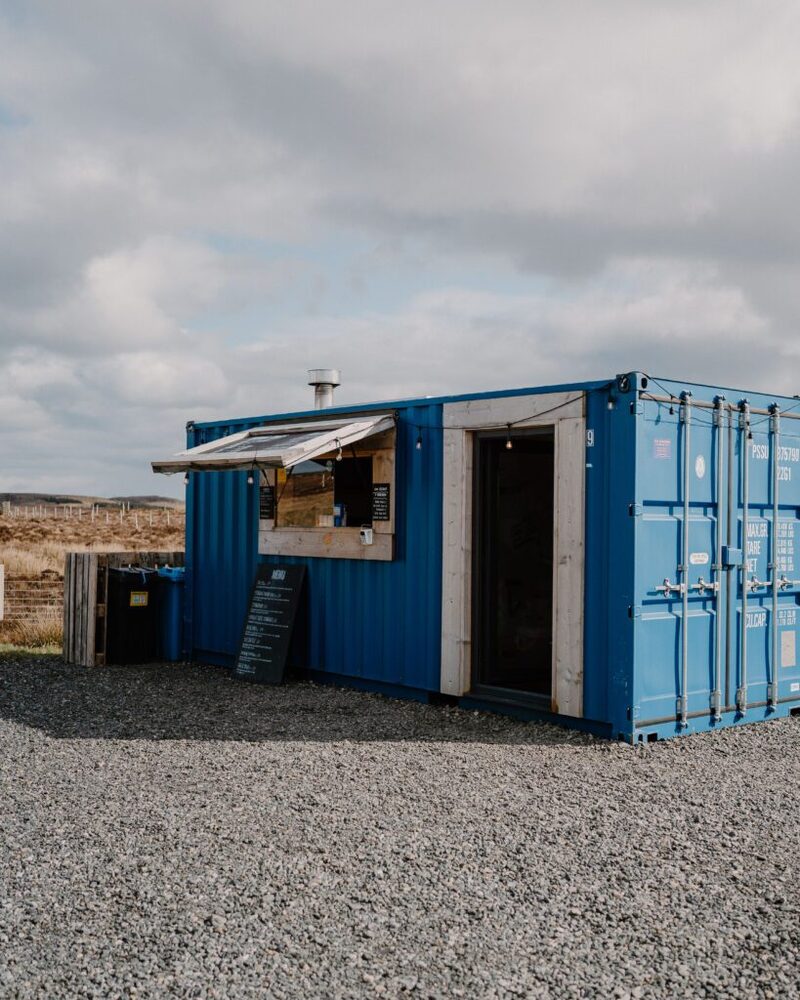
Crust, Achmore
A Neapolitan pizza kiosk in a blue shipping container at Achmore in the middle of Lewis, open from Thursday to Saturday.
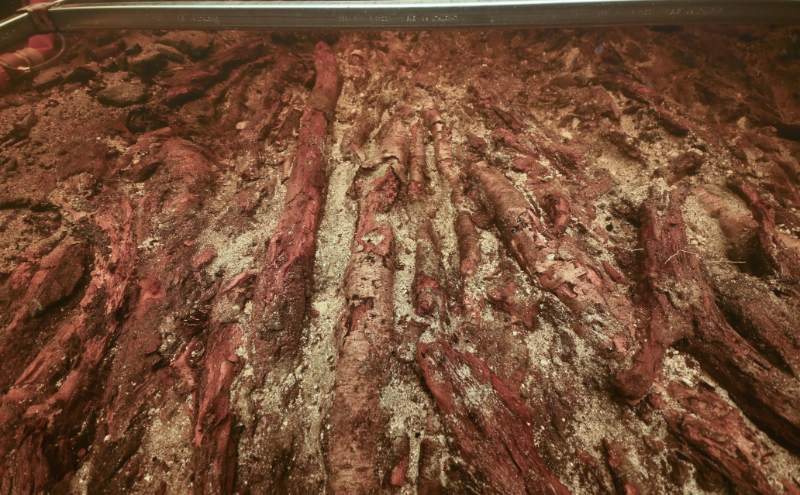
A wee island in Loch Bhorgastail on Lewis has been hiding its real age. Researchers from the Universities of Southampton and Reading mapped the crannog, a man-made island, using stereophotogrammetry, stitching photos taken from different angles into a 3D model, and found the thing started life as a circular timber platform about 75 feet across, topped with brushwood.
Neolithic pottery scattered around it dates that first build to more than 5,000 years ago, somewhere between 3800 and 3300 BC. Later generations kept adding to it: more brushwood and stone in the Bronze Age, then an Iron Age stone causeway, now underwater.
The pottery hints it was a spot for cooking and feasting. Crannogs were always thought to be Iron Age or later, so this pushes the story back a good 2,000 years.
 A Hidden Scotland guideOuter HebridesWhite sand, and weather with a mind of its ownRead the guide
A Neapolitan pizza kiosk in a blue shipping container at Achmore in the middle of Lewis, open from Thursday to Saturday.
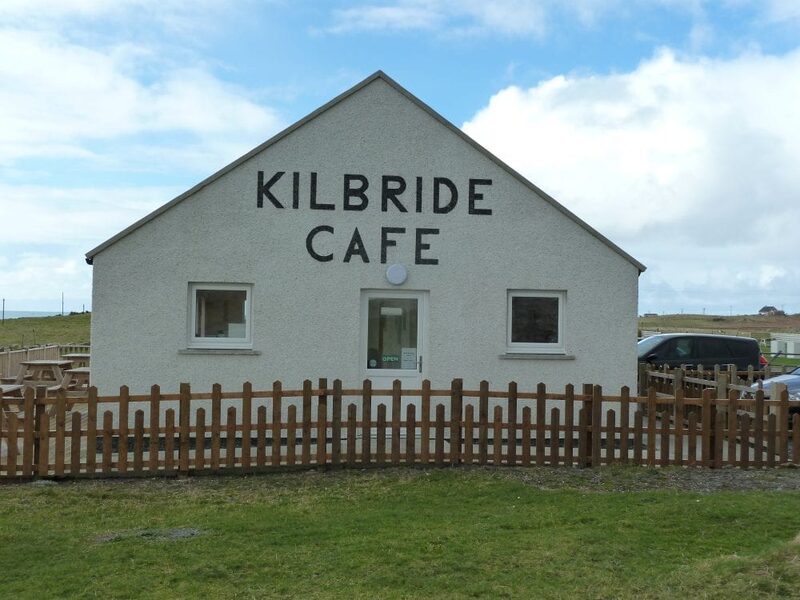
A cafe run by islanders at the south end of South Uist, beside the Kilbride campsite and looking over the Sound of Barra, handy for the Hebridean Way.
 Out now
The magazine is a hundred and sixty pages, twice a year. Have it posted, or join and read every issue on any screen.
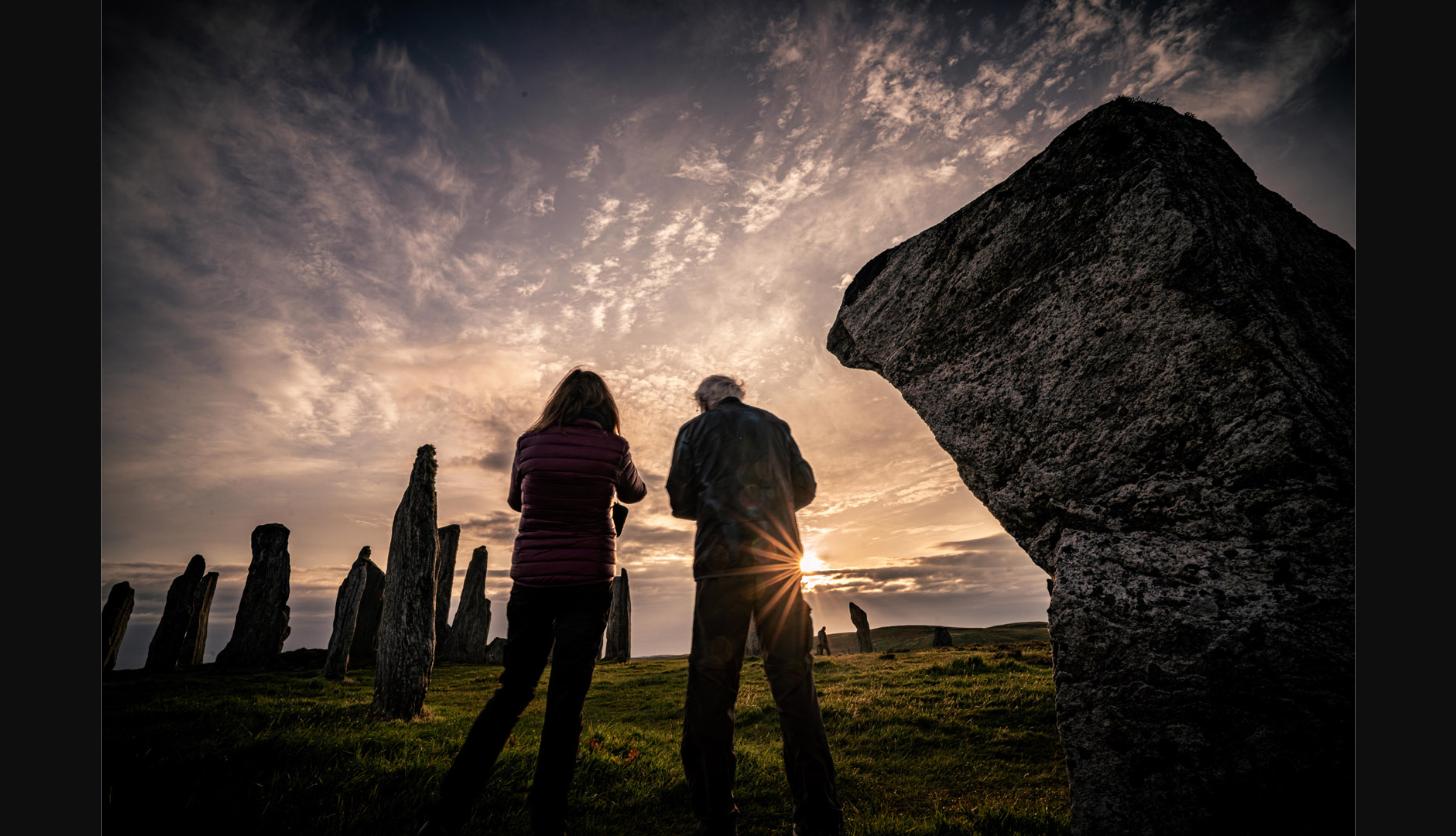
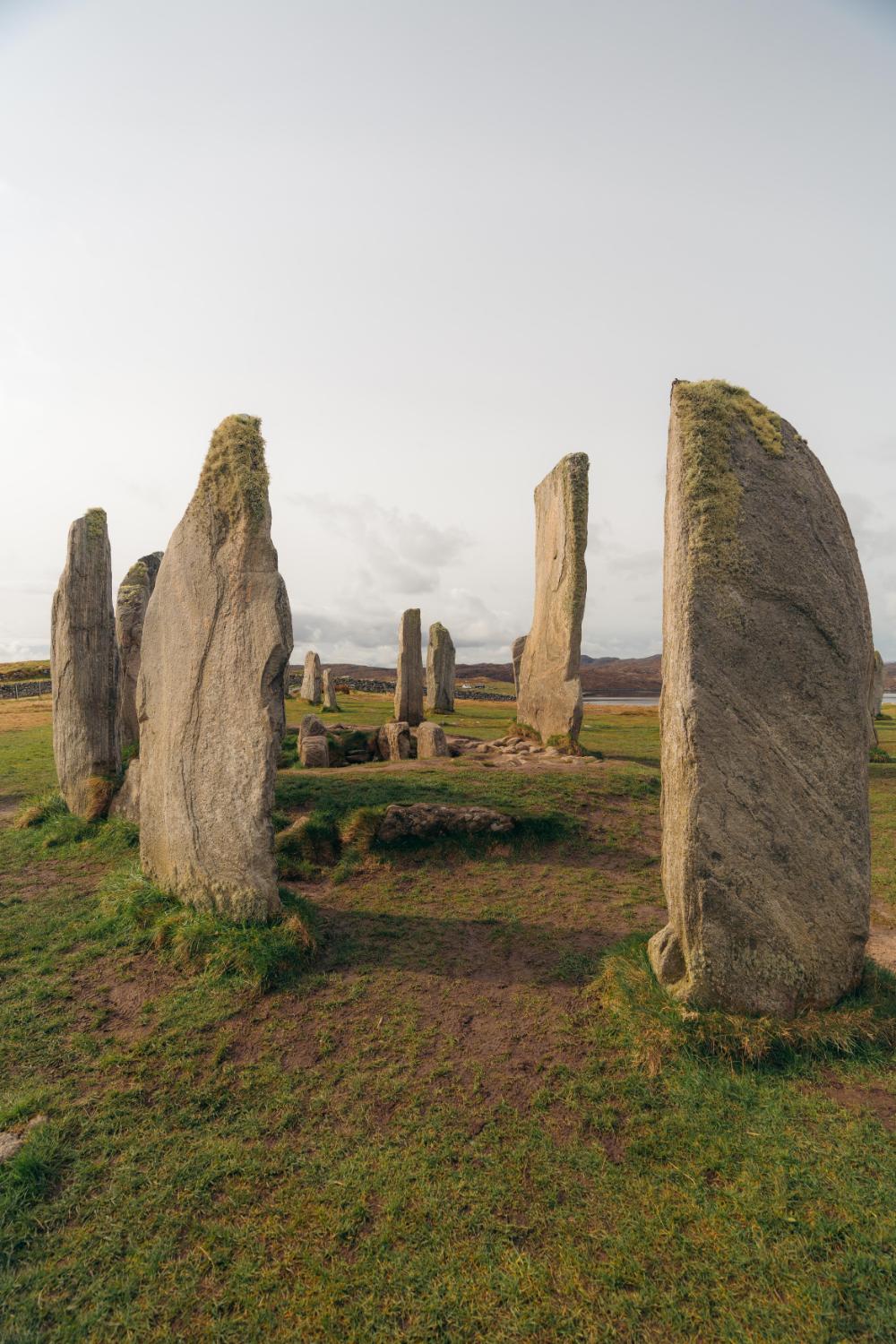
The redeveloped Calanais Visitor Centre on the Isle of Lewis opened for a preview season on 1 July, ahead of a full launch later this year.
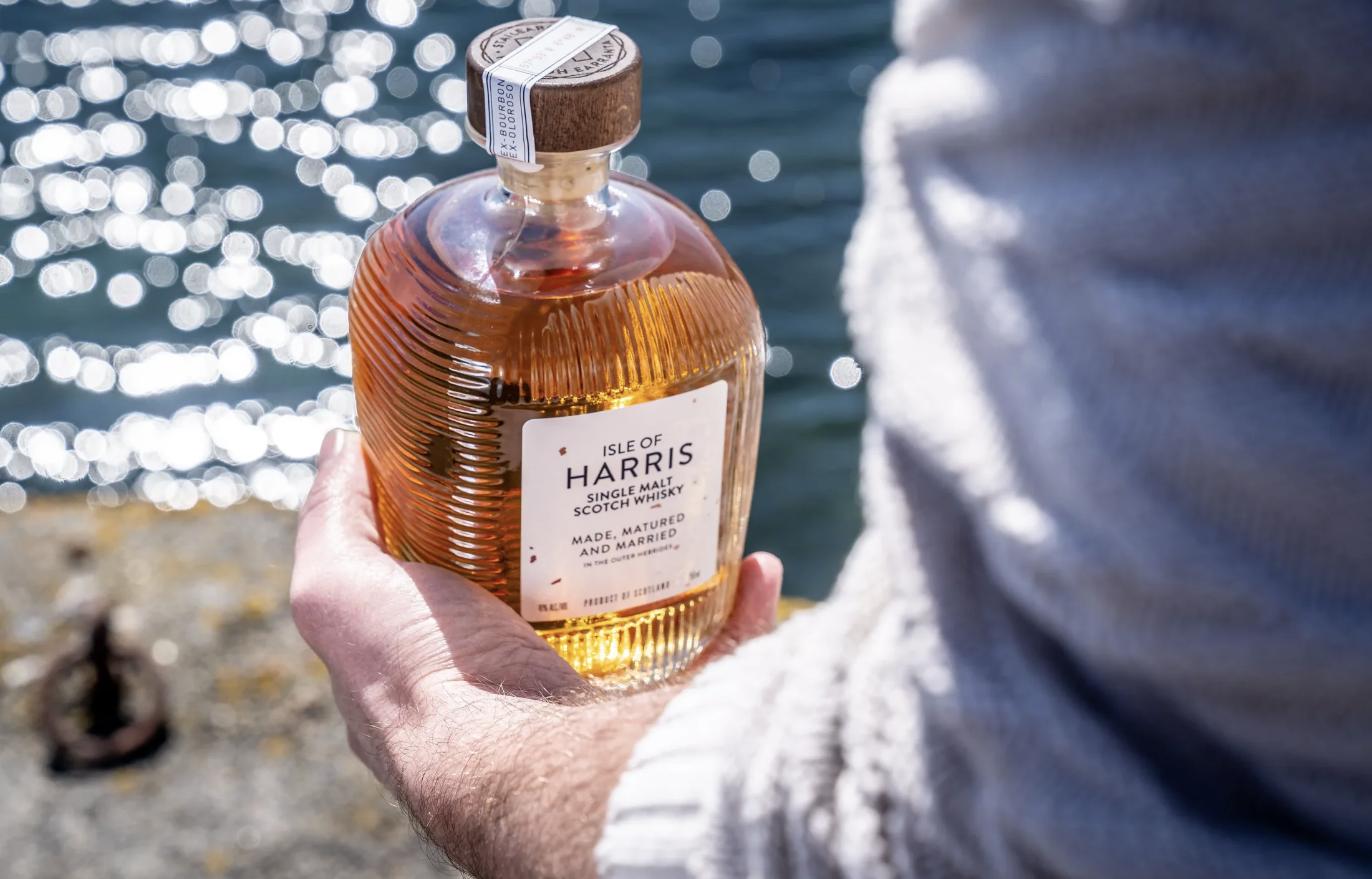
Isle of Harris Distillery has launched a new signature single malt, called simply Isle of Harris Single Malt Whisky.
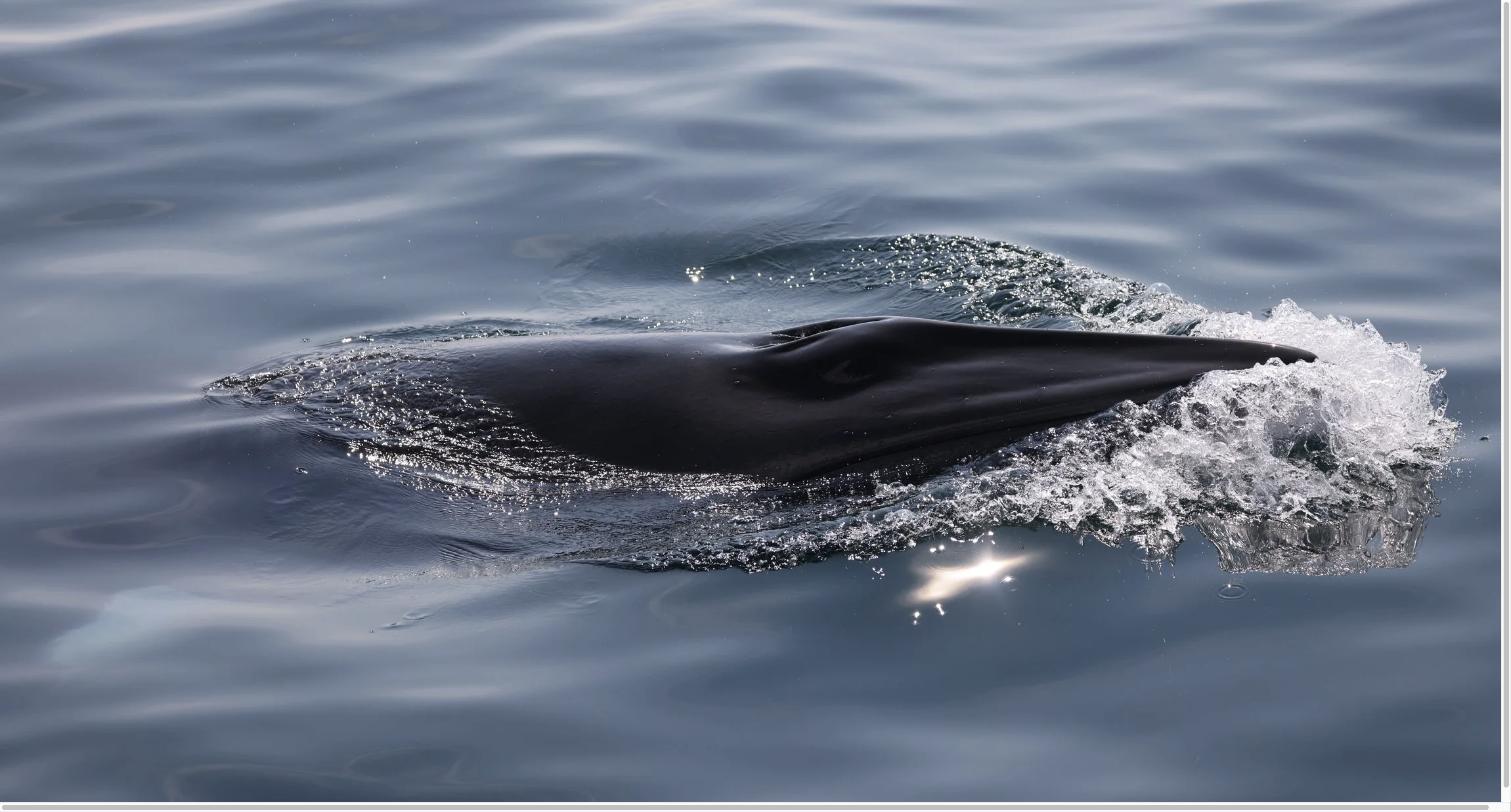
A week-long survey by the Hebridean Whale and Dolphin Trust logged 129 sightings of six marine species, working from the Sea of the Hebrides out past Barra, Vatersay and Mingulay.