
Dugald of the Staffin Dinosaur Museum
Isle of Skye
An Corran’s sandy beach sits among gnarly dolerite cliffs with views across the Quiraing, the Minch and the Sound of Raasay. Its striking looks make it a must-see, but there’s another reason to visit. Look closely, and at low tide you might find the 168-million-year-old footprints of the fearsome three-toed carnivorous Megalosaurus – among the many fossils that have lent Skye the nickname ‘dinosaur isle’.
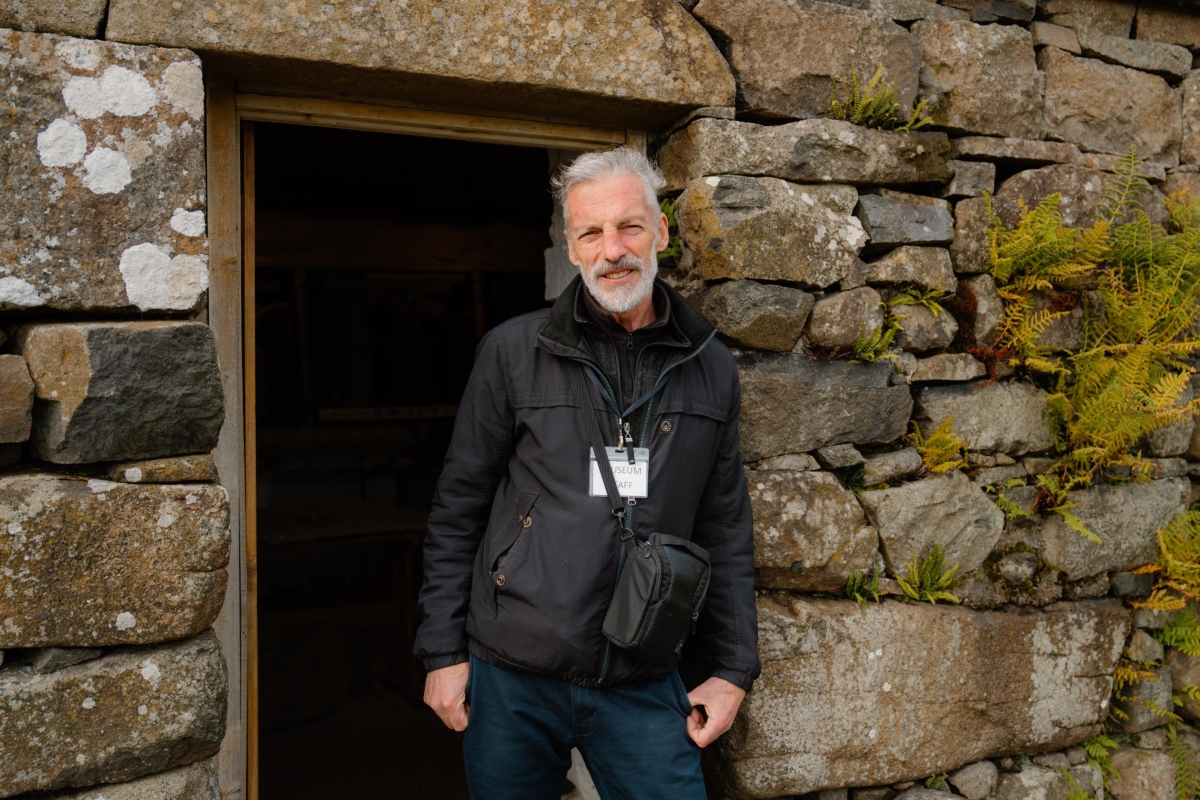
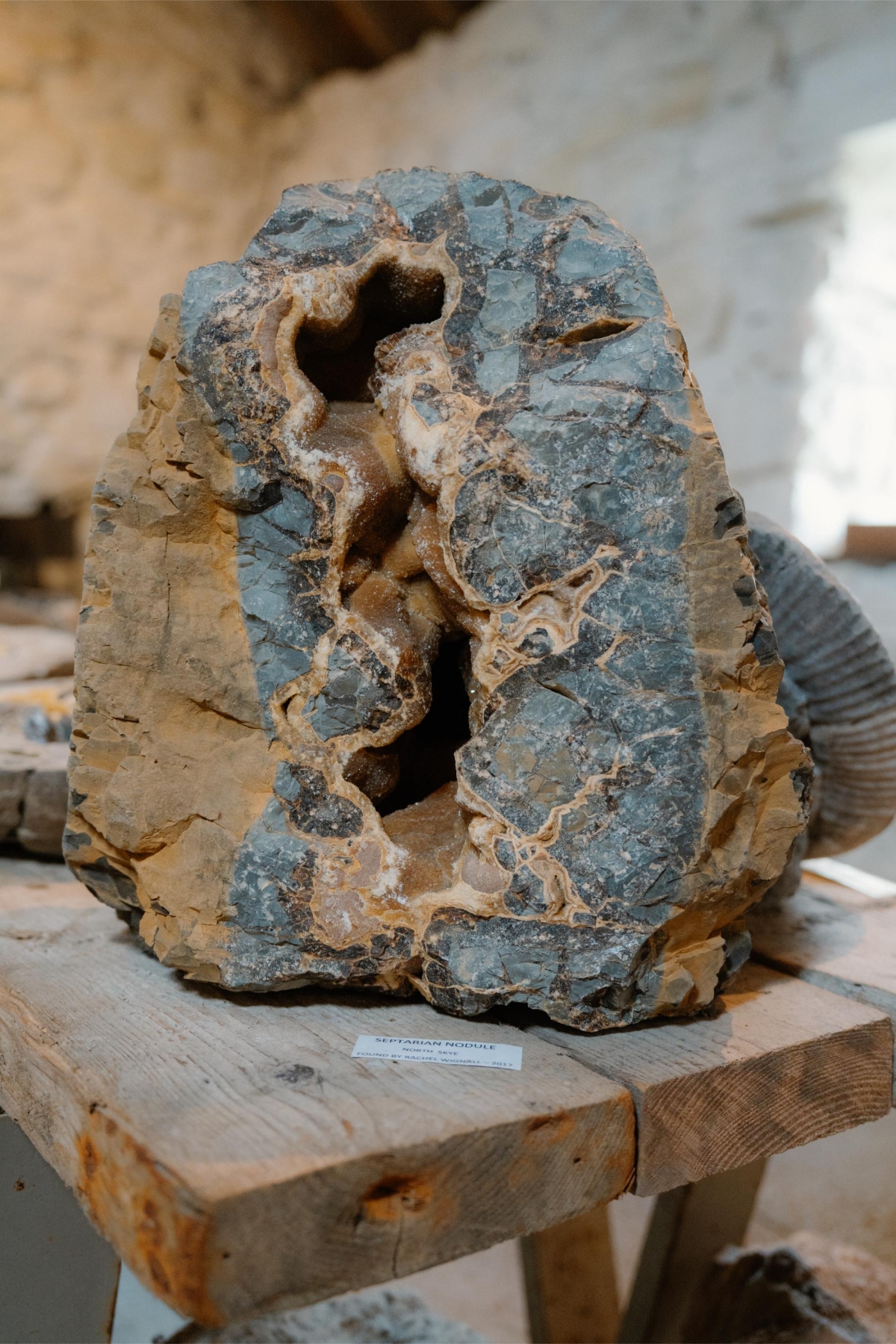
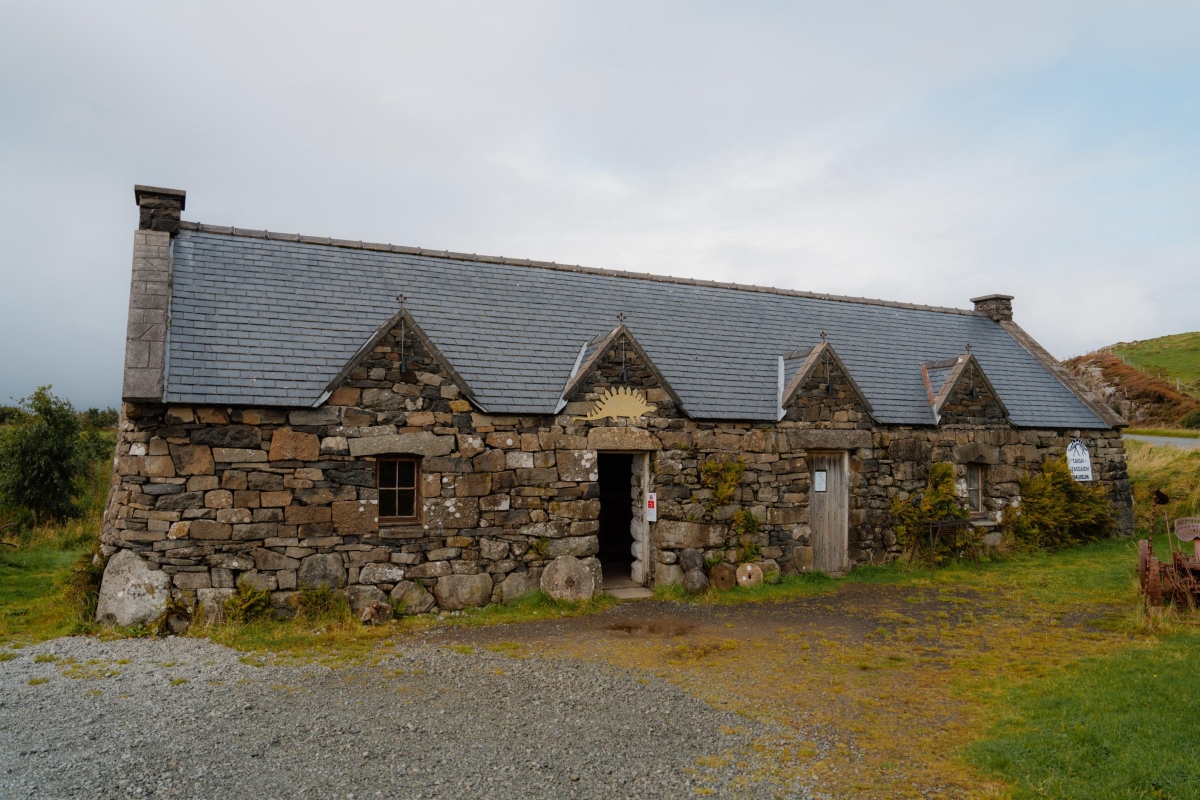
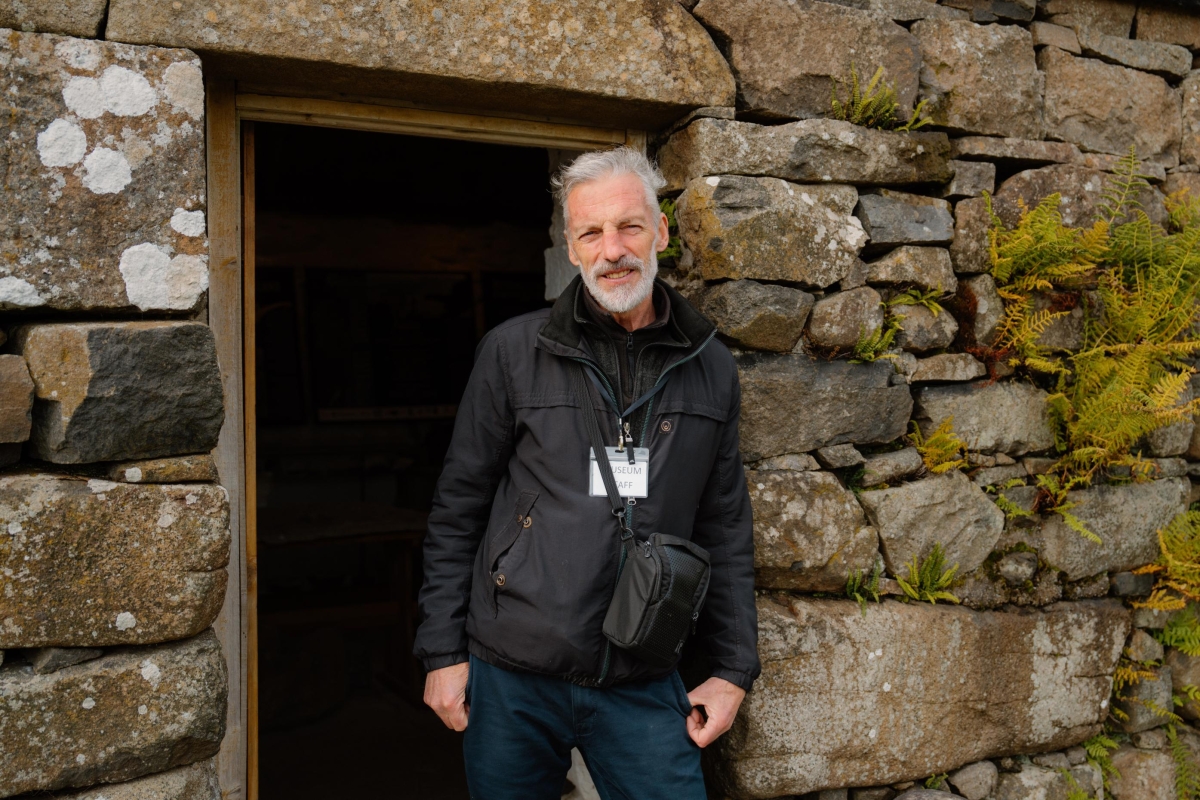
In fact, the island holds more than 10 per cent of the world's Middle Jurassic dinosaur species. And if there’s one person who can help you distinguish your stegosaurus from your brontosaurus, it’s Dugald Ross, whose Dinosaur Museum in a stone barn in Staffin, near An Corran on the Trotternish peninsula, contains around 50 dinosaur footprints and bones.
“I was born in Skye and although I had a fossil collection since childhood, it was in 1994 that I took an active part in researching local dinosaur fossils,” he says. That was the year Scotland's first recorded dinosaur bone was found, at Valtos, a mile south of the museum. “There have been numerous finds since then which have attracted international interest,” says Dugald.
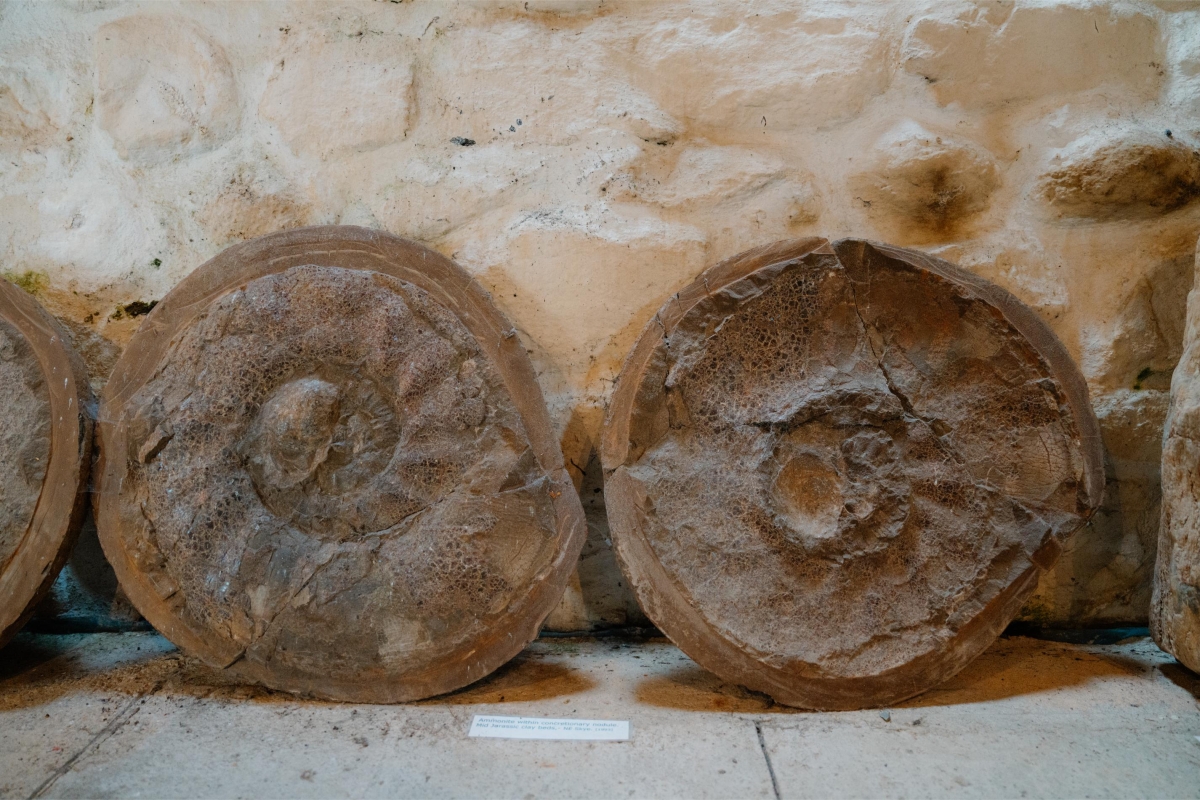
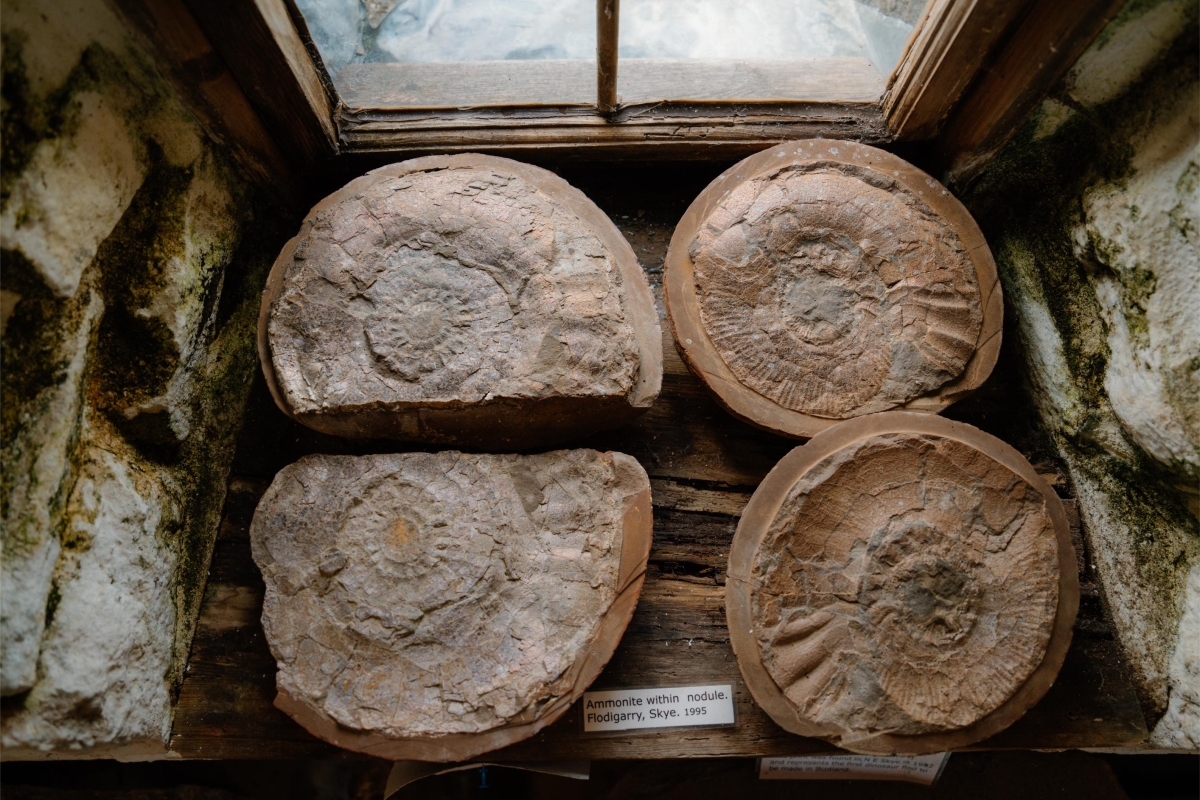
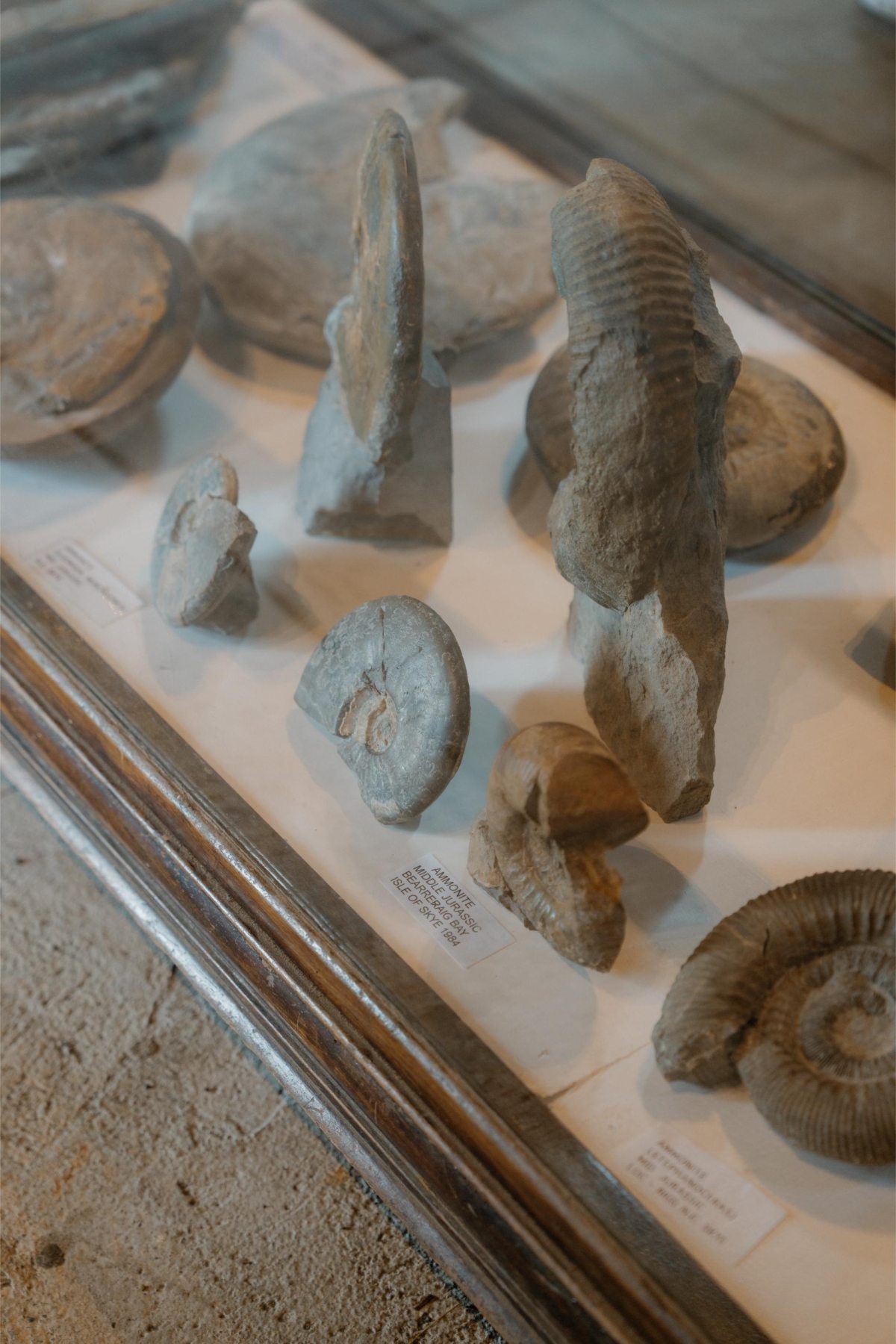
He set up the museum in 1976, aged 19, using his collection of ammonites. Nowadays, the collection includes bones from dinosaurs such as cetiosaurus and stegosaurus. “One of the most outstanding fossils is an adult theropod trackway that includes footprints of its young,” says Dugald.
To hunt for easily accessible tracks, Dugald recommends An Corran beach, as well as Brother's Point, Staffin Bay and Duntulm. “They are all on the shore, which means that people should check tidal conditions before visiting,” he says.
Dugald of the Staffin Dinosaur Museum Recommendations






 Sign in with Google
 Sign in with Email