
Minginish: the Fairy Pools, Glen Brittle and Talisker
A day by car, from Portree and back.
The route
Minginish is the Skye peninsula that holds the Black Cuillin.
Its crofts and sea lochs lie on the hills' western side, along one road by Loch Harport, reached from Portree by Sligachan. This day goes early to the Fairy Pools, before the single-track road into Glen Brittle fills, then on down the glen to the dark sand at its foot, under the highest peak on Skye. Back at Merkadale the road runs on to Carbost, the village on the loch, for its pier and lunch at the Oyster Shed, then a booked tour of Talisker, the oldest working distillery on the island. The afternoon is a walk to Talisker Bay, where Johnson and Boswell stayed in 1773, and the way home stops at Sligachan for supper.
Before you go
Book accommodation nearby
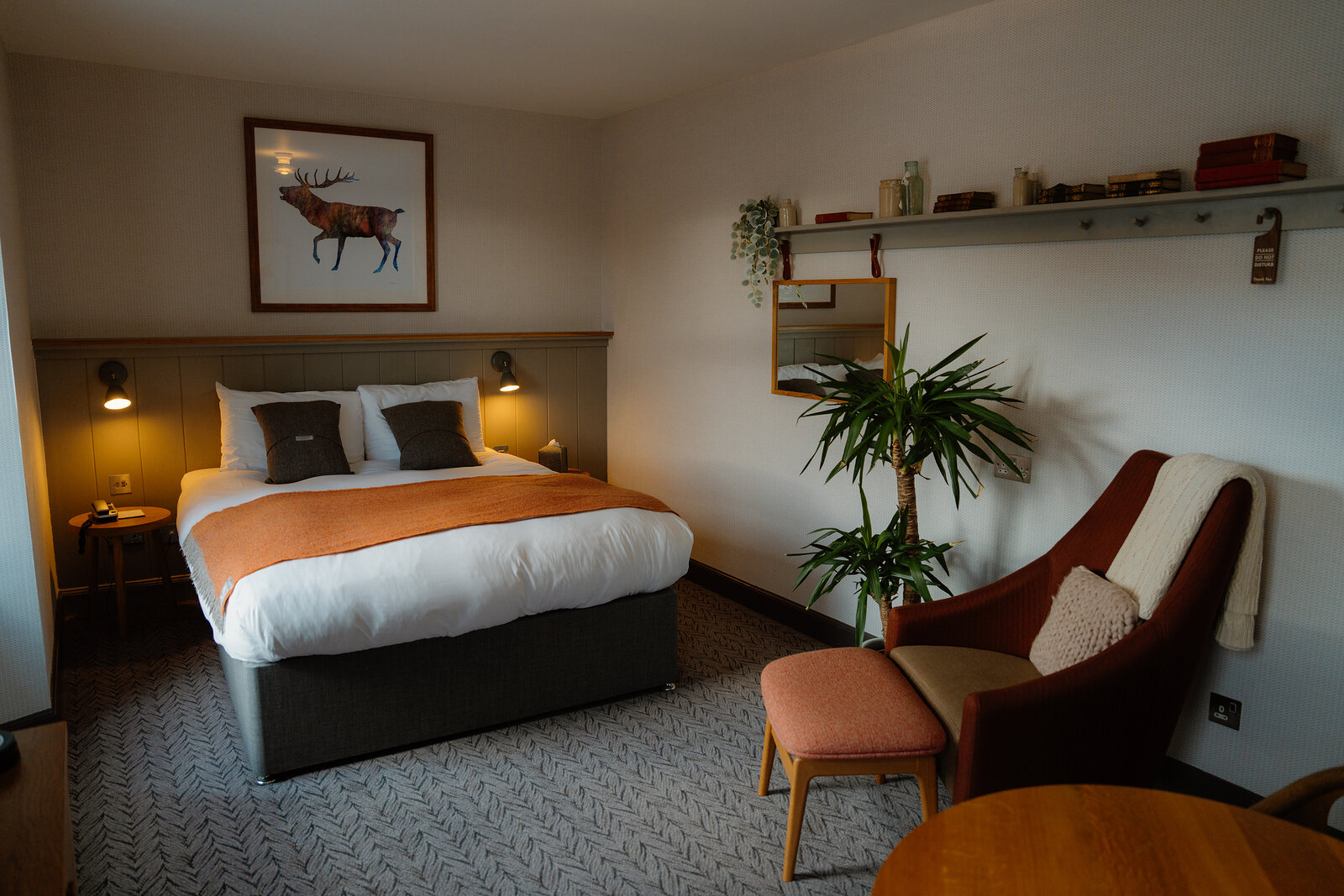
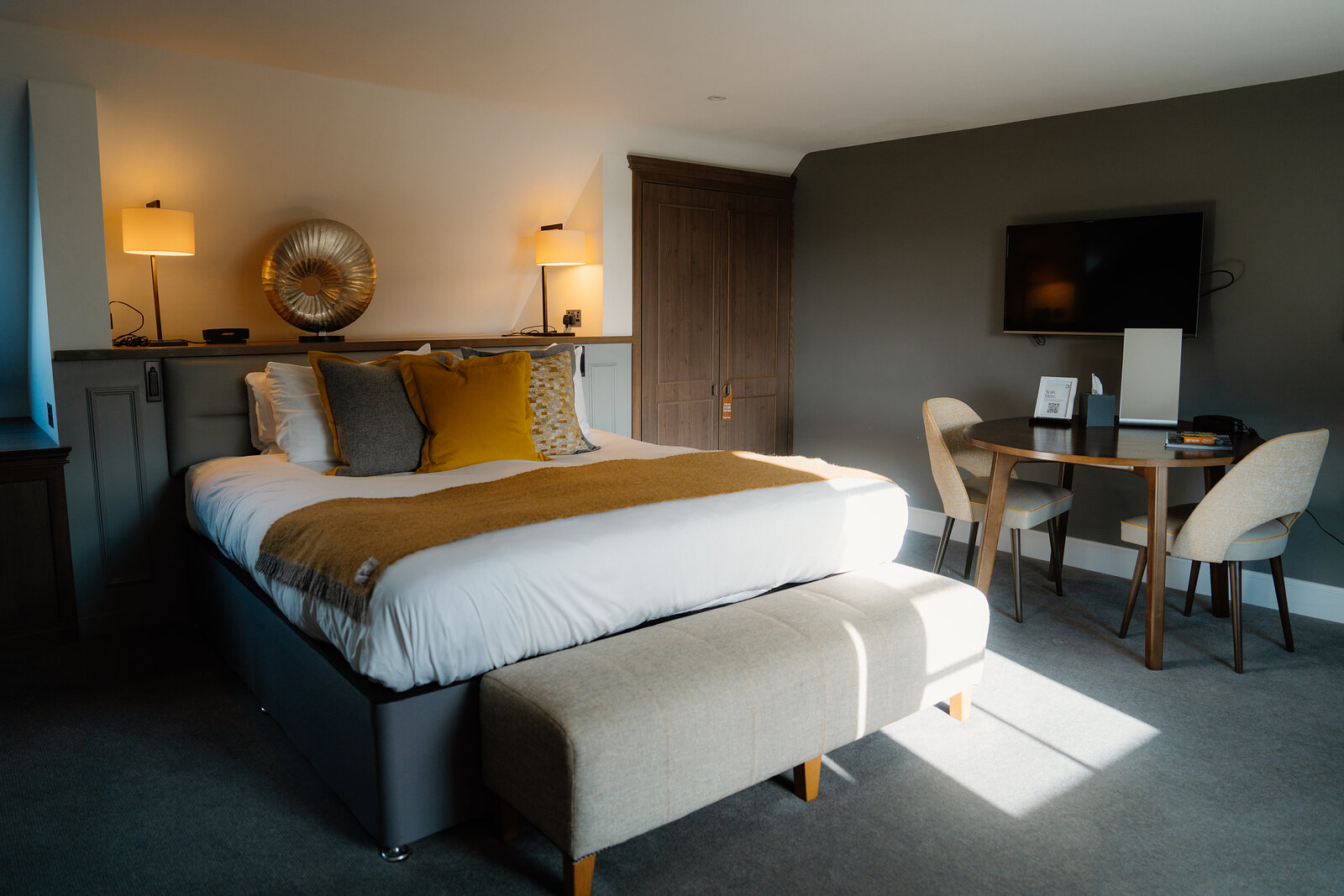
If you are staying over: here are ours nearest where the day starts and ends.
Weeks ahead in summer: groups are no bigger than 16, and Talisker strongly recommends booking.
The day
Minginish
A day on the western side of the Black Cuillin, leaving Portree at 7.45am for about two hours at the wheel, most of it single track. The Fairy Pools come first, early, before the glen fills, then the dark sand at the foot of Glen Brittle. After lunch and a distillery tour at Carbost on Loch Harport, there's a walk down to Talisker Bay.
1 hr 59 min at the wheelAbout 58 miles
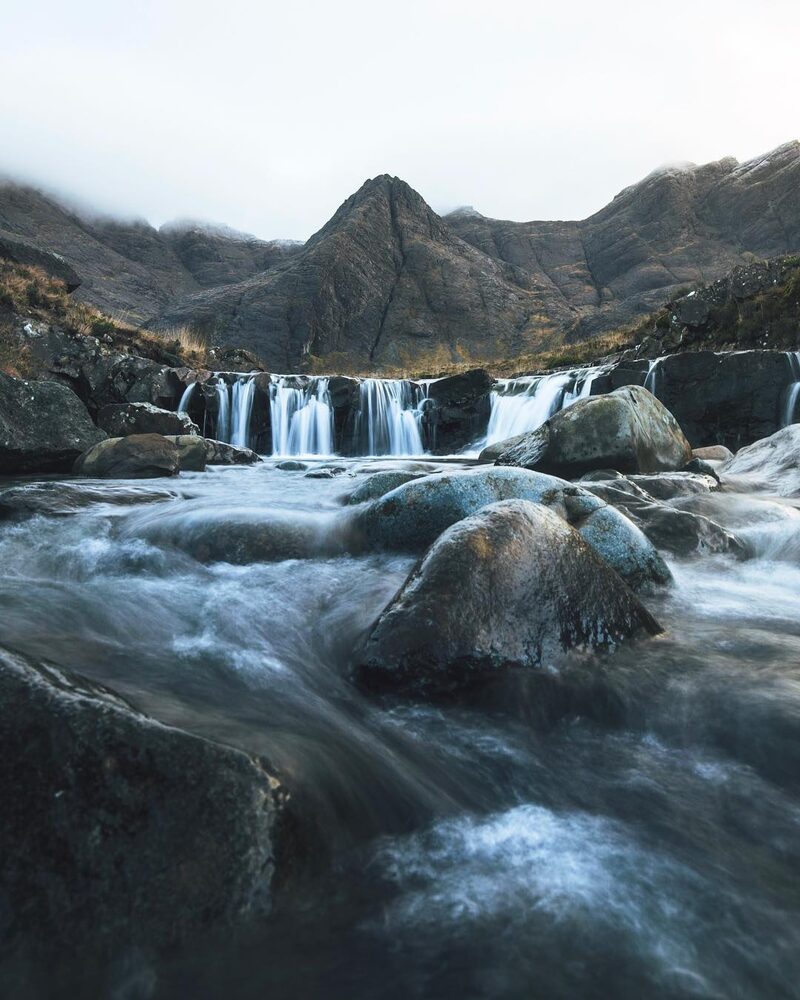
Fairy Pools
An attraction
It's 40 minutes' drive from Portree, by Sligachan, Drynoch and Sàtran, to the turning at Merkadale and up the single track into Glen Brittle. At half past eight the car park has room. The Minginish community bought the ground to end parking on the verges; the Outdoor Access Trust runs it, at £8 a car. Its free toilets may not be open yet. The burn, a hill stream, comes off the Cuillin in a chain of falls and clear green pools, the first big fall 2.4 km there and back.
9 min by car
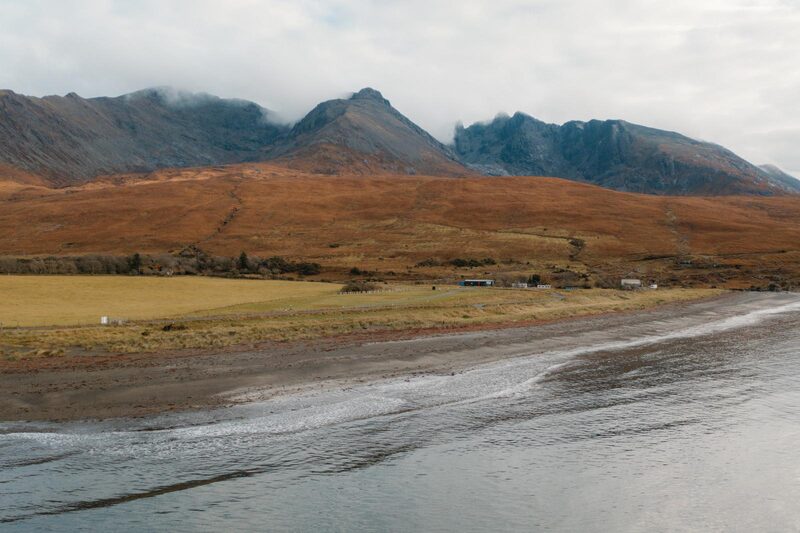
Glen Brittle Beach
An attraction
Drive 9 minutes down the glen, past the Memorial Hut, to the road's end; park by the beach, before the campsite. The sand at the head of Loch Brittle is dark, under Coire Lagan and Sgùrr Alasdair, at 992 metres Skye's highest peak, named for Alexander Nicolson, who made the first recorded climb in 1873. The campsite café opens April to mid-October. Phone signal is patchy: the nearest 4G is at the Fairy Pools. For the fit, Eas Mòr waterfall is 15 steep minutes above the Memorial Hut.
23 min by car
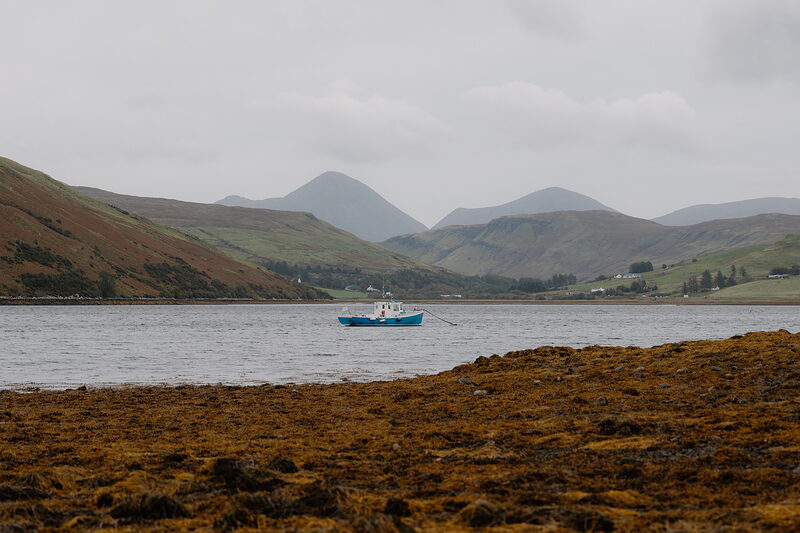
Carbost
It's 23 minutes' drive back up the glen and left at Merkadale, past the Talisker road, to Carbost on Loch Harport. Park at the distillery and leave the car there. On the waterfront, a view pointer put up in 2026 names the peaks of the Cuillin ridge, finishing a project Carbost Primary School began in 1998. The community shop is along the street. For lunch, the Oyster Shed is a steep 10 minutes' walk up Carbost Hill: seafood eaten outdoors, Monday to Saturday, 11am to 5pm, with no bookings.
2 min on foot
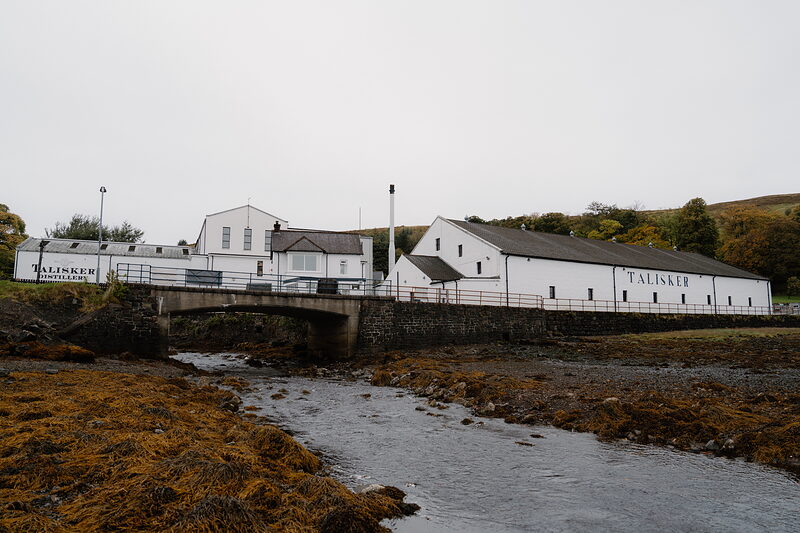
Talisker Distillery
An attraction
Walk 2 minutes along the shore to the distillery for the Distillery Tour and Tasting, booked ahead for early afternoon: an hour, from £22, with three drams. Drivers take theirs away in a drivers' pack. Under-eights can't go on the tour, so one adult stays with them in the shop or on the loch shore. In 1960 a fire burned the stillhouse to the ground, and its five stills were rebuilt as exact copies so the whisky would not change. They still cool the spirit in worm tubs, coiled copper pipes in vats of cold water.
12 min by car
Talisker Bay
An attraction
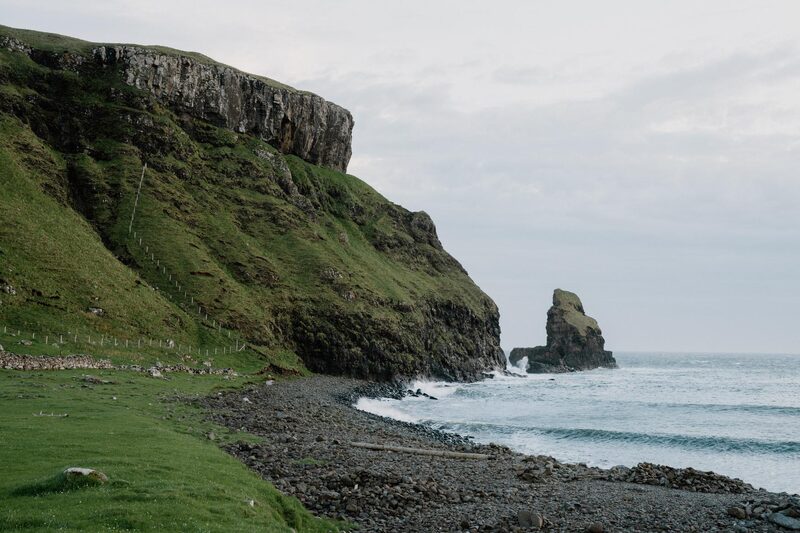
It's 12 minutes' drive towards Merkadale, up the Talisker road at the war memorial, past the Carbost Burn waterfall, to a pull-in short of the road's end. A track runs past the private Talisker House and through the estate's sheep farm to the bay: about 4 km there and back; close the gates. A waterfall drops off the northern cliffs; a sea stack stands off the southern end. On the way home, Seumas' Bar at the Sligachan Hotel, 21 minutes' drive, serves food until 8.30pm; Portree is 17 minutes on.
If it rains
In rain the Cuillin are often in cloud, and the burn at the Fairy Pools rises fast after a heavy fall: keep to the path, and leave the pools for a drier morning if the water is brown and loud. The Glen Brittle beach is a short walk from the car and still worth it in a shower. Talisker is the day's roof: the tour, then the shop, open until 5pm, and the bar, last orders at 4.30pm. The Oyster Shed's tables are all outdoors, so in a downpour take the food away, or eat at the Old Inn on the shore at Carbost, which serves food from noon into the evening. The Talisker Bay track is easy in the wet, but the walk can wait for a clear evening.
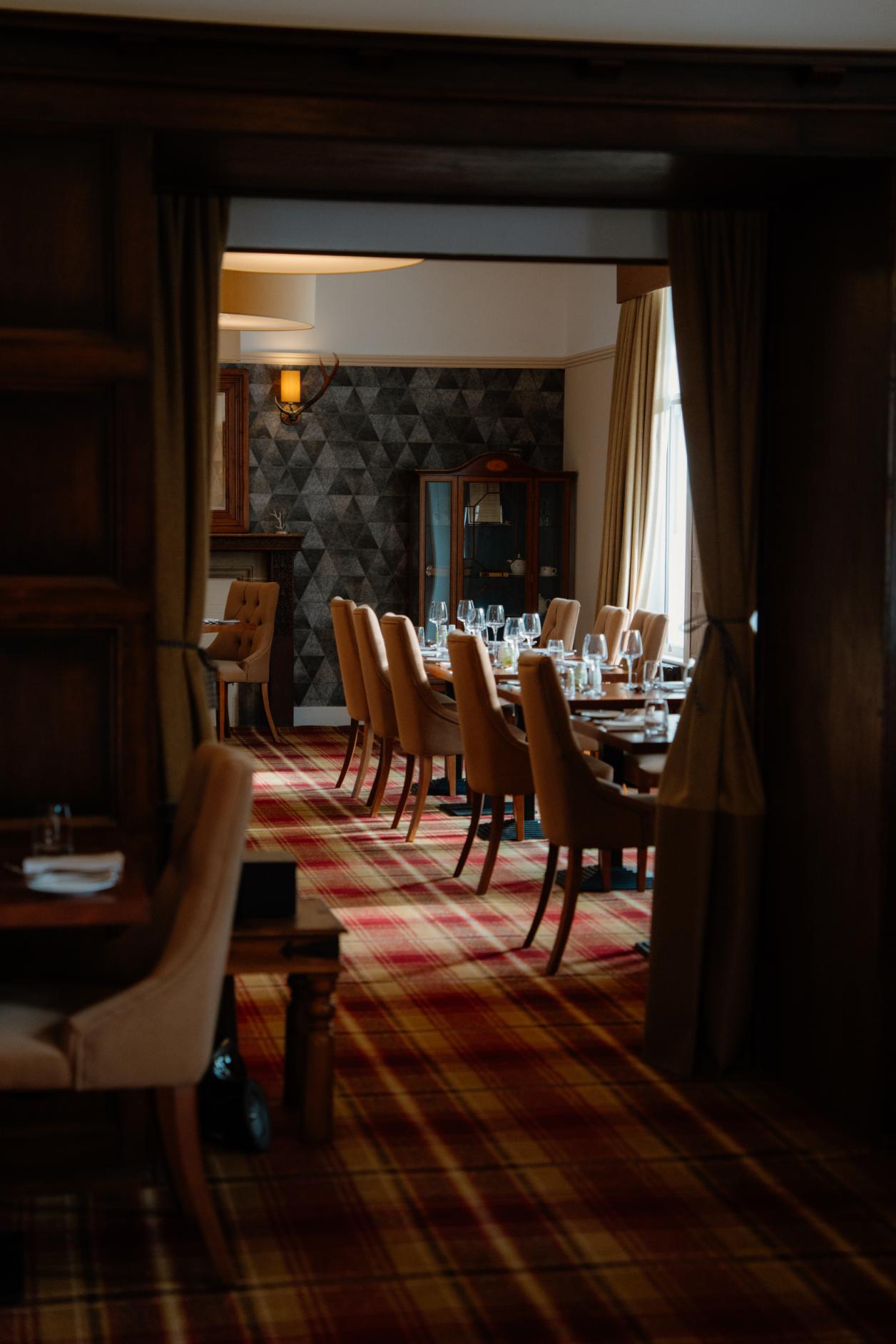
 PortreeAntlers Bar & GrillPub grub, Portree Hotel
 PortreeDulse and BroseSkye and Highland larder
 PortreeThe View RestaurantBay views, Cuillin Hills Hotel
 PortreeScorrybreac RestaurantSeasonal Skye produce
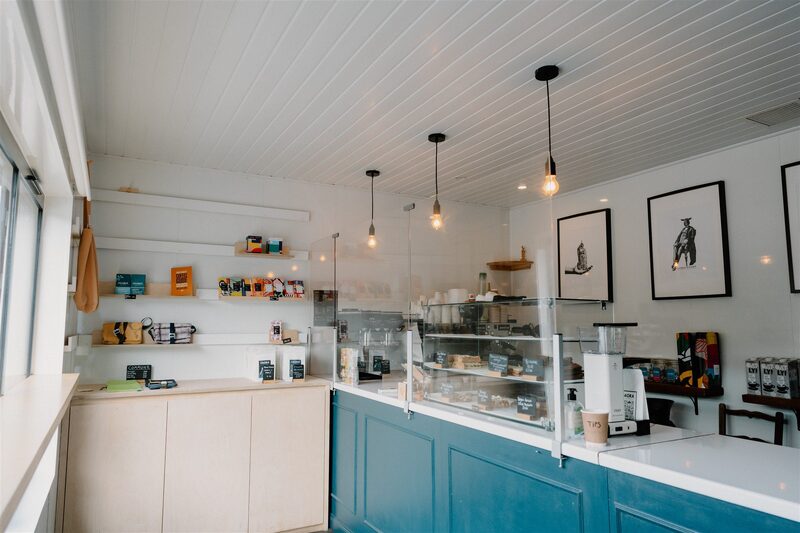 CarbostCaora Dhubh Coffee CompanyA café
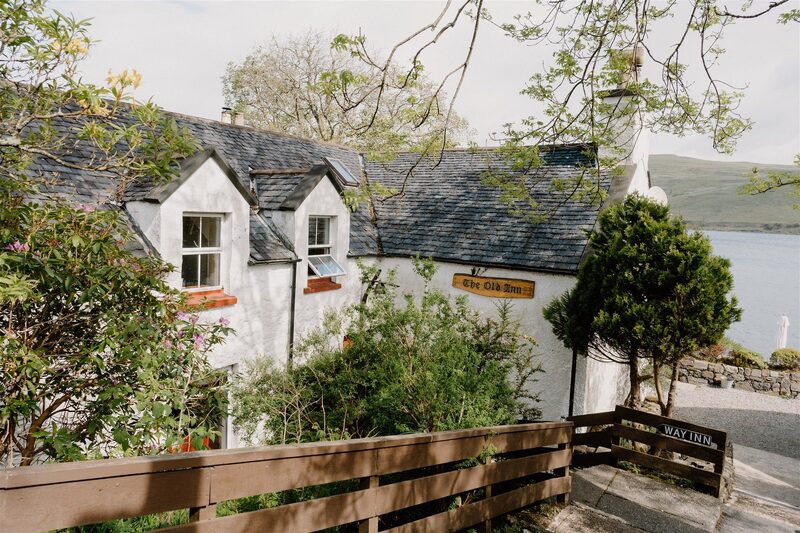 CarbostThe Old InnA restaurant
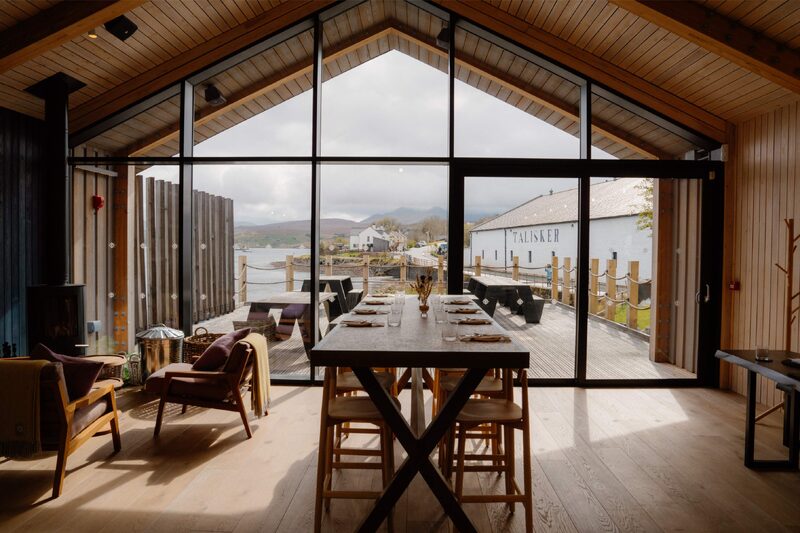 CarbostThe Three Chimneys at TaliskerA restaurant
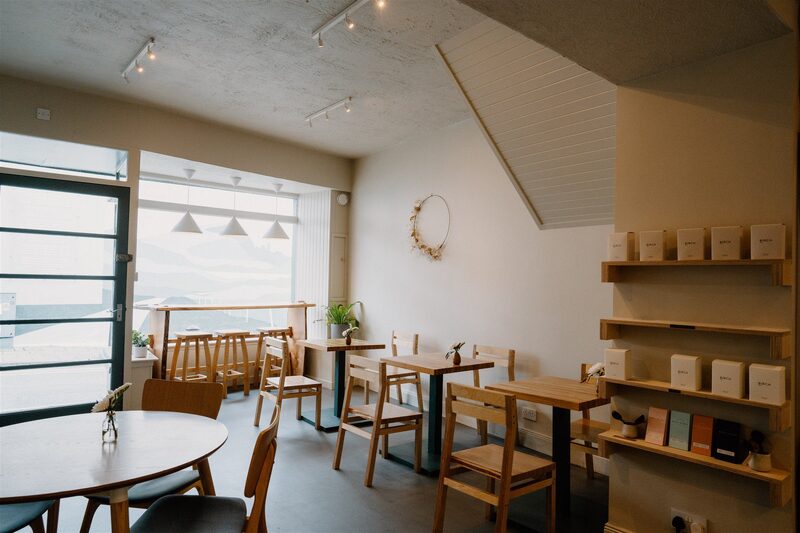 PortreeBirchSkye's own coffee roasters
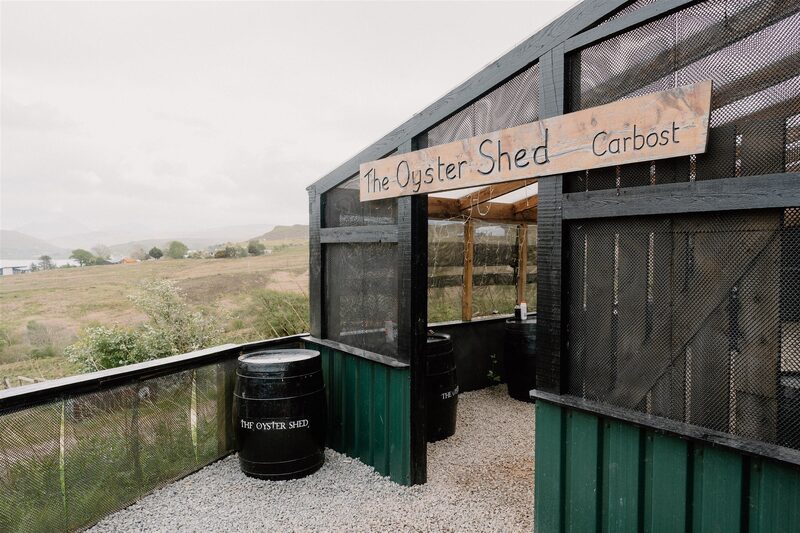 The Oyster ShedA restaurant
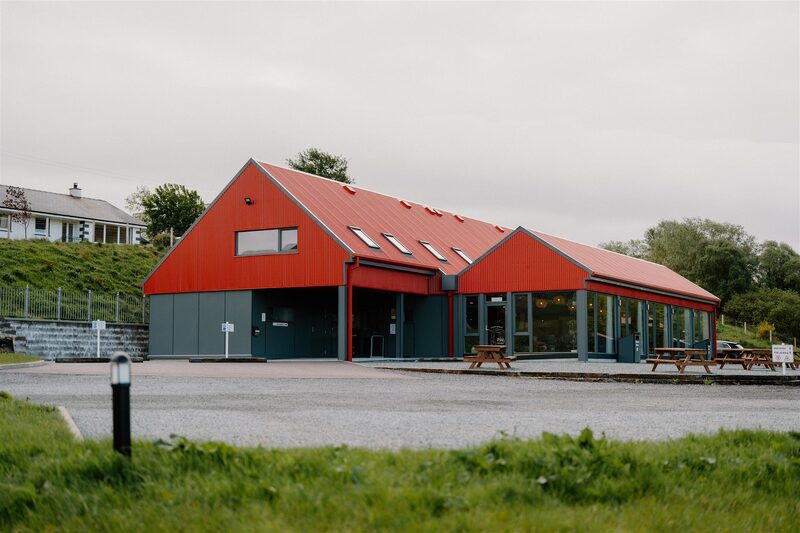 SàtranCafé CùilA café
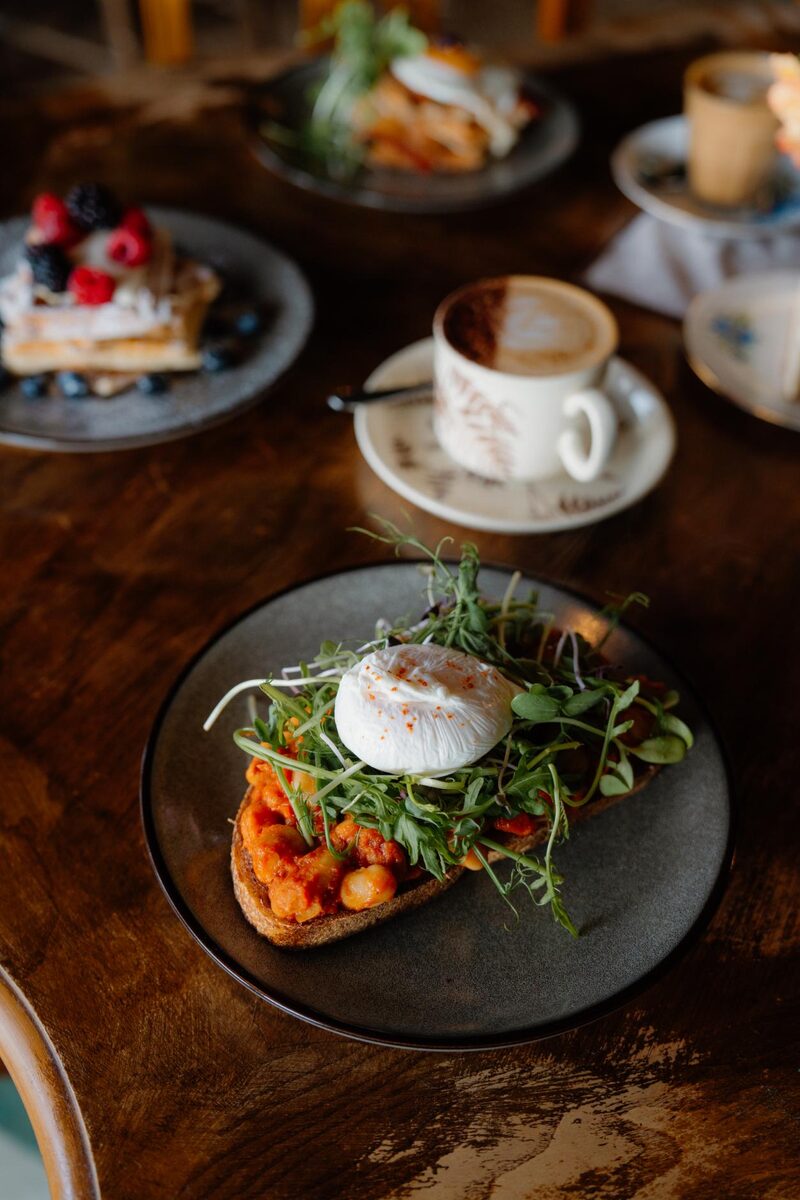 StruanBog Myrtle CaféA café
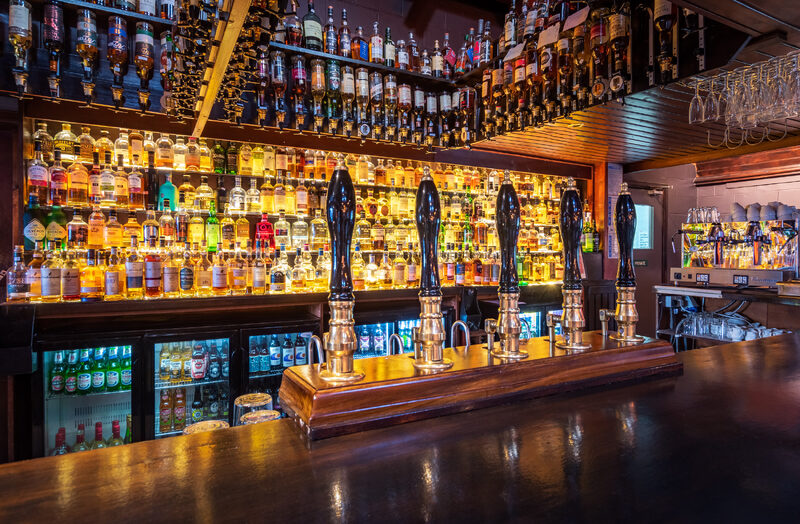 SligachanSeumas' BarWalkers' bar, 400 whiskies
Make it a weekend
More days out on the Isle of Skye.
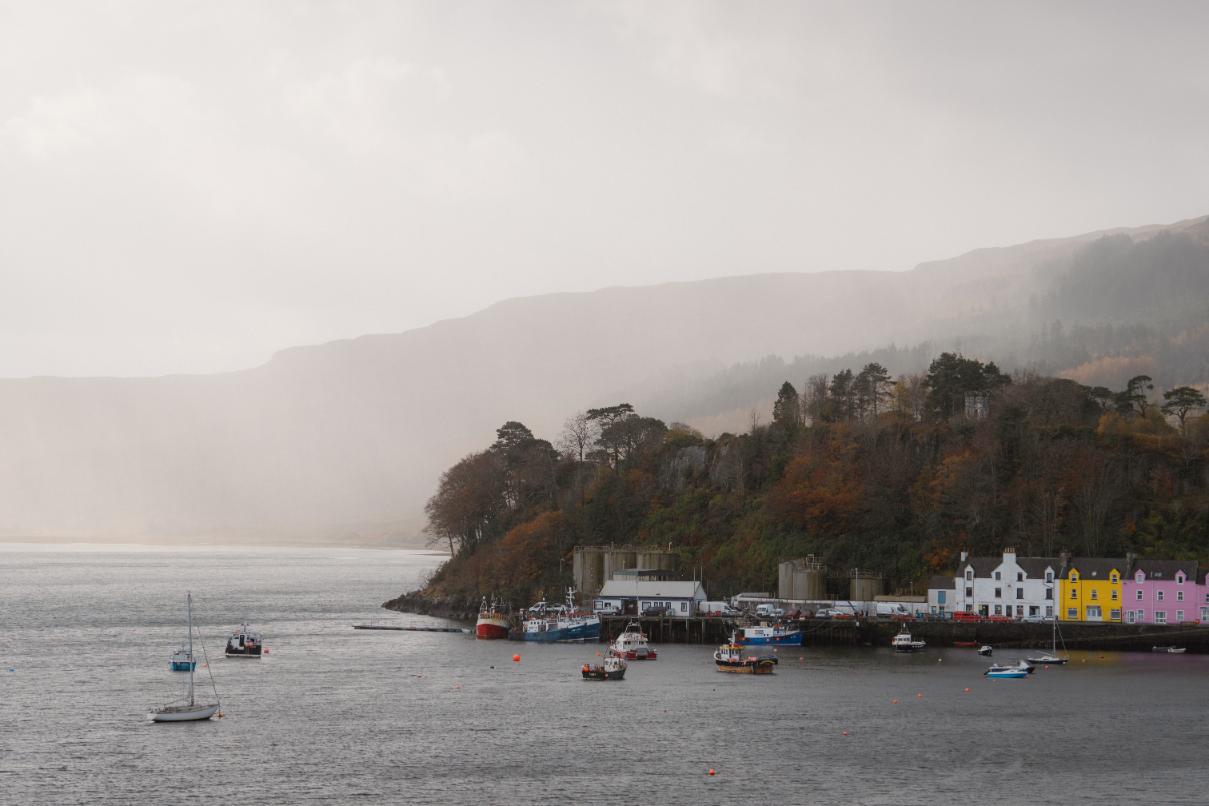
Photograph by hamishmorrison