
This 6‑Stop Literary Trail Ends with a Drink at Rebus’s Favourite Pub
Written by Jack Cairney
.jpg)
Edinburgh wears its literary credentials lightly. Plaques and statues nod to its past, but the real markers are subtler—shopfronts crammed with books, quotes underfoot in a courtyard, a glimpse of Scott’s spire through the trees. This walk isn’t about ticking off all the names carved into the city’s UNESCO status. It’s about tracing the route through the streets where stories have gathered for centuries, linking quiet shelves to public memory, poetry to protest, and fiction to real places.
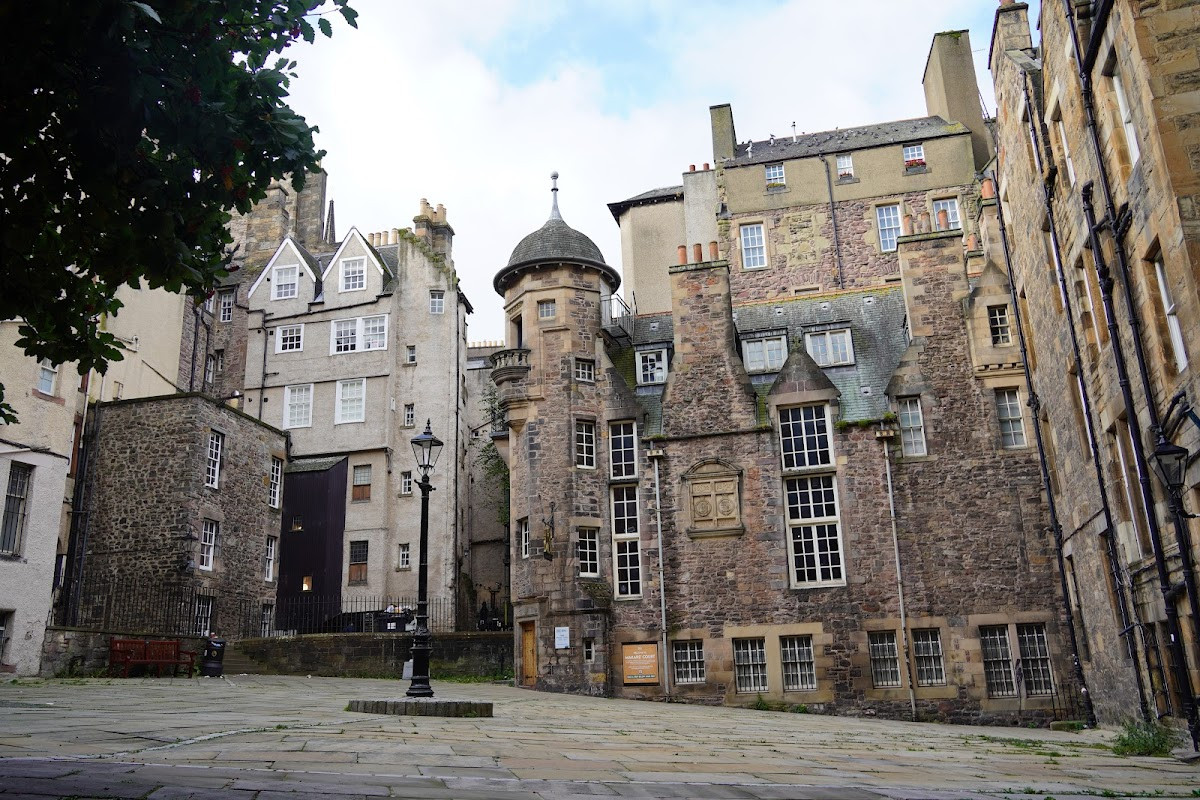
The route starts at Armchair Books, tucked in at the western end of the Grassmarket. It’s the kind of bookshop that looks like it was built by accumulation rather than design, full of bends and stacked spines. From there, you head uphill to the Writers’ Museum and Makars’ Court, where national giants are etched into stone, quite literally. It’s worth taking your time here—standing among the quotes and carved tributes, you’re surrounded by the buildings of the Old Town, each one with its own layers.
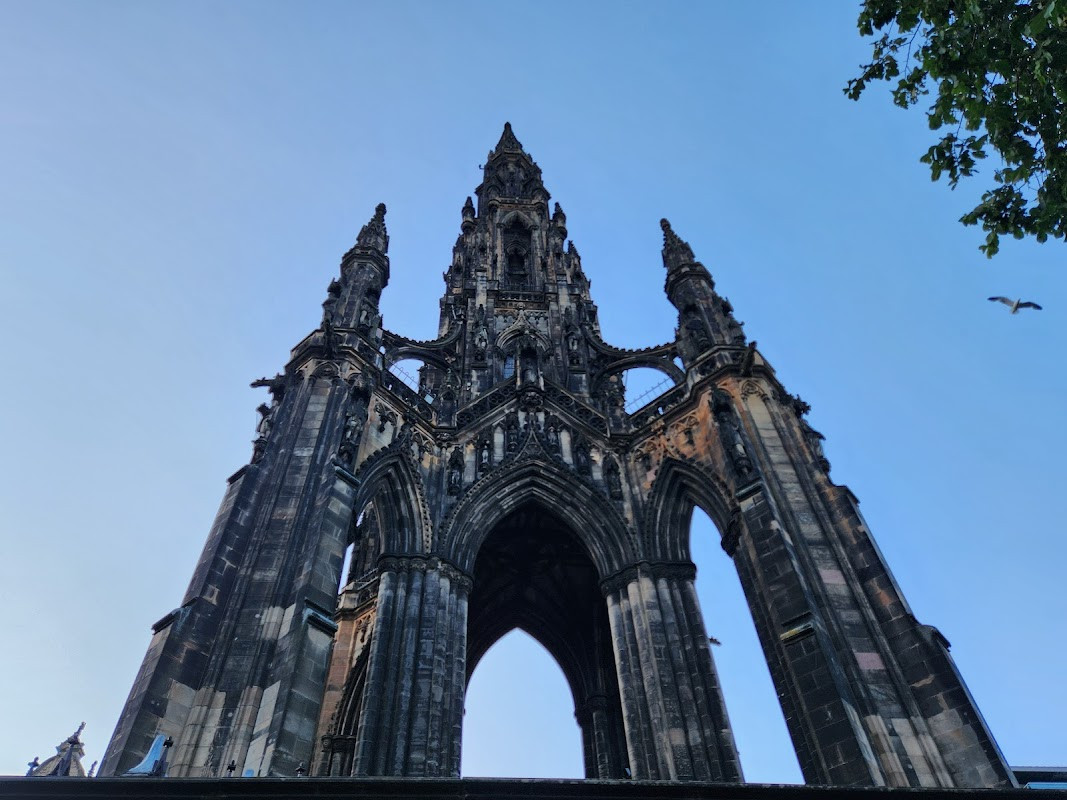
The Scottish Poetry Library is next, modern but quiet, just off Canongate. It’s not grand, but it’s grounded—thoughtfully put together, with space to sit and read. From here, it’s a short stroll to the base of the Scott Monument, which rises above Princes Street like a cathedral of print. Built in honour of Walter Scott, it’s both over the top and strangely affecting—a reminder that Edinburgh was proud of its writers long before the rest of the world took notice.
You then turn north into the New Town, where the streets widen and the tone shifts. Golden Hare Books, in Stockbridge, is calm and refined—curated without being clinical. Finally, the trail ends at The Oxford Bar, not because it’s beautiful or historical in any conventional sense, but because it’s real. Rankin fans know it well as Rebus’s favourite haunt, but even without that connection, it’s a place that feels lived in. It doesn’t offer commentary. It just exists.
This isn’t a walk that demands silence or reverence. It moves through the ordinary as much as the celebrated—past coffee shops, newsagents, commuters, and quiet benches. But if you follow the route with a little attention, the city’s long relationship with writing starts to feel like something still alive. Not frozen in bronze, but ongoing.
Armchair Books
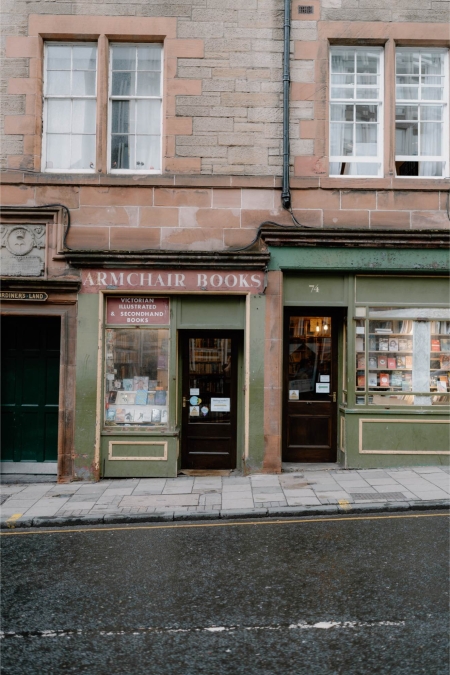
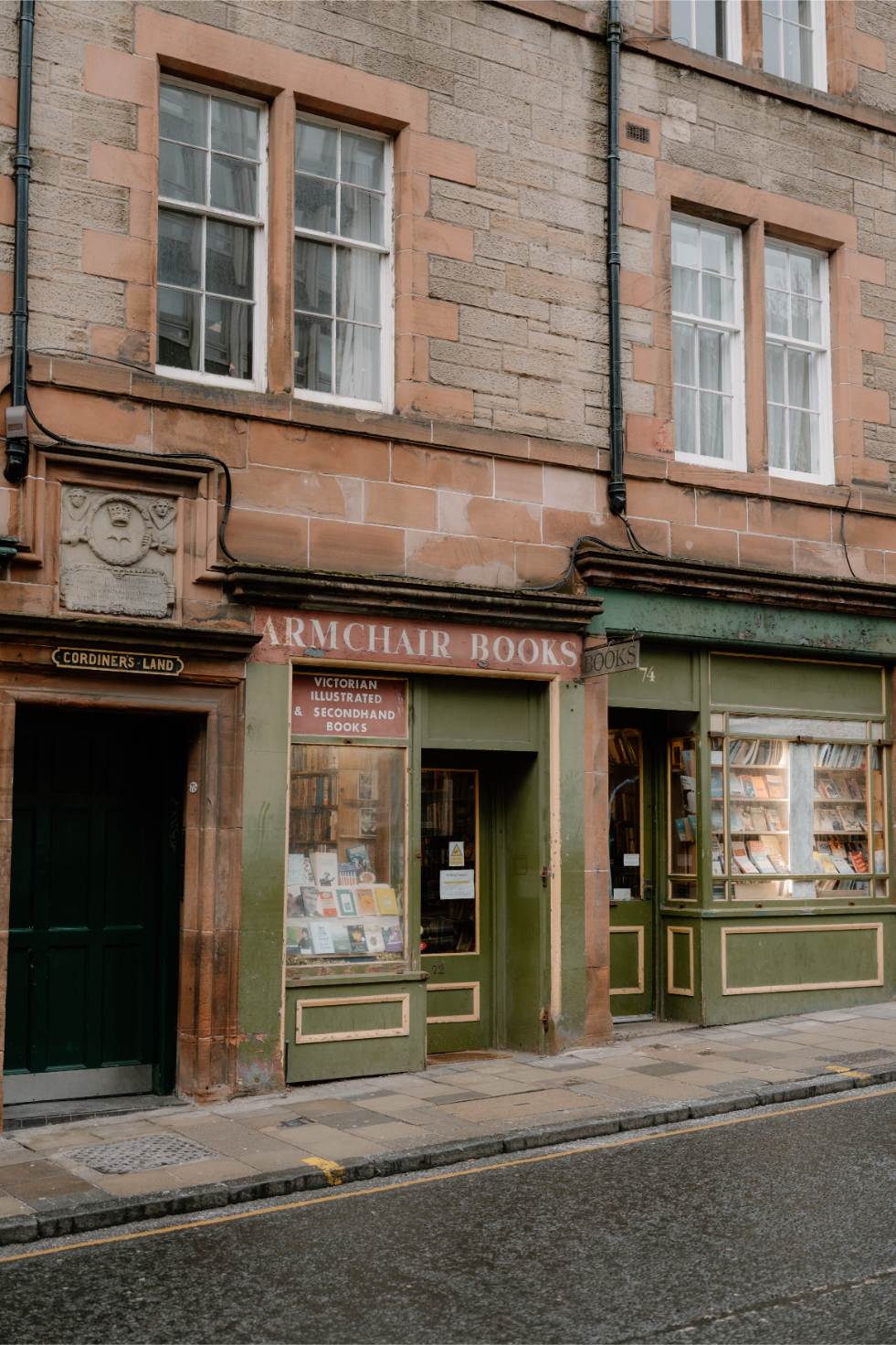
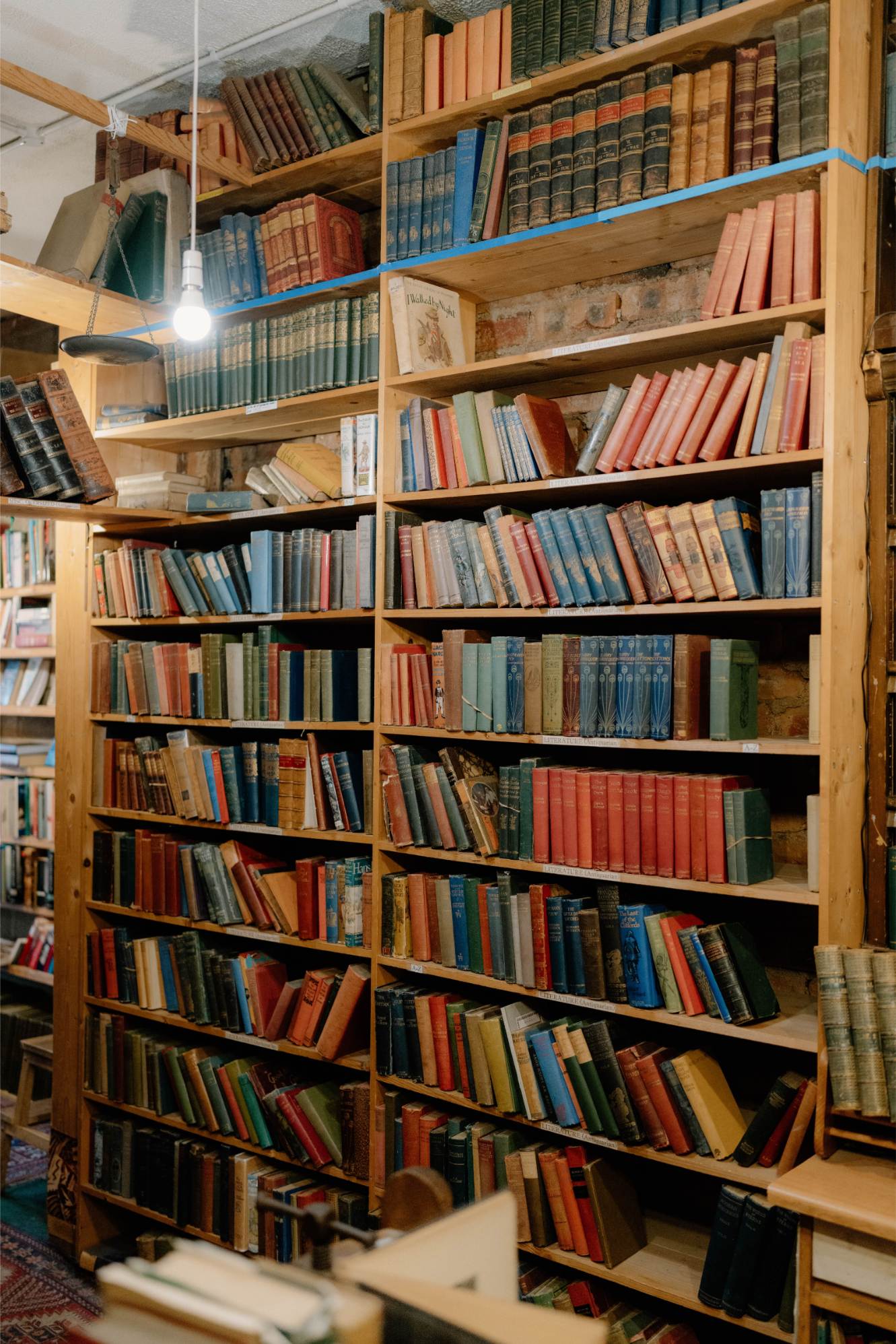
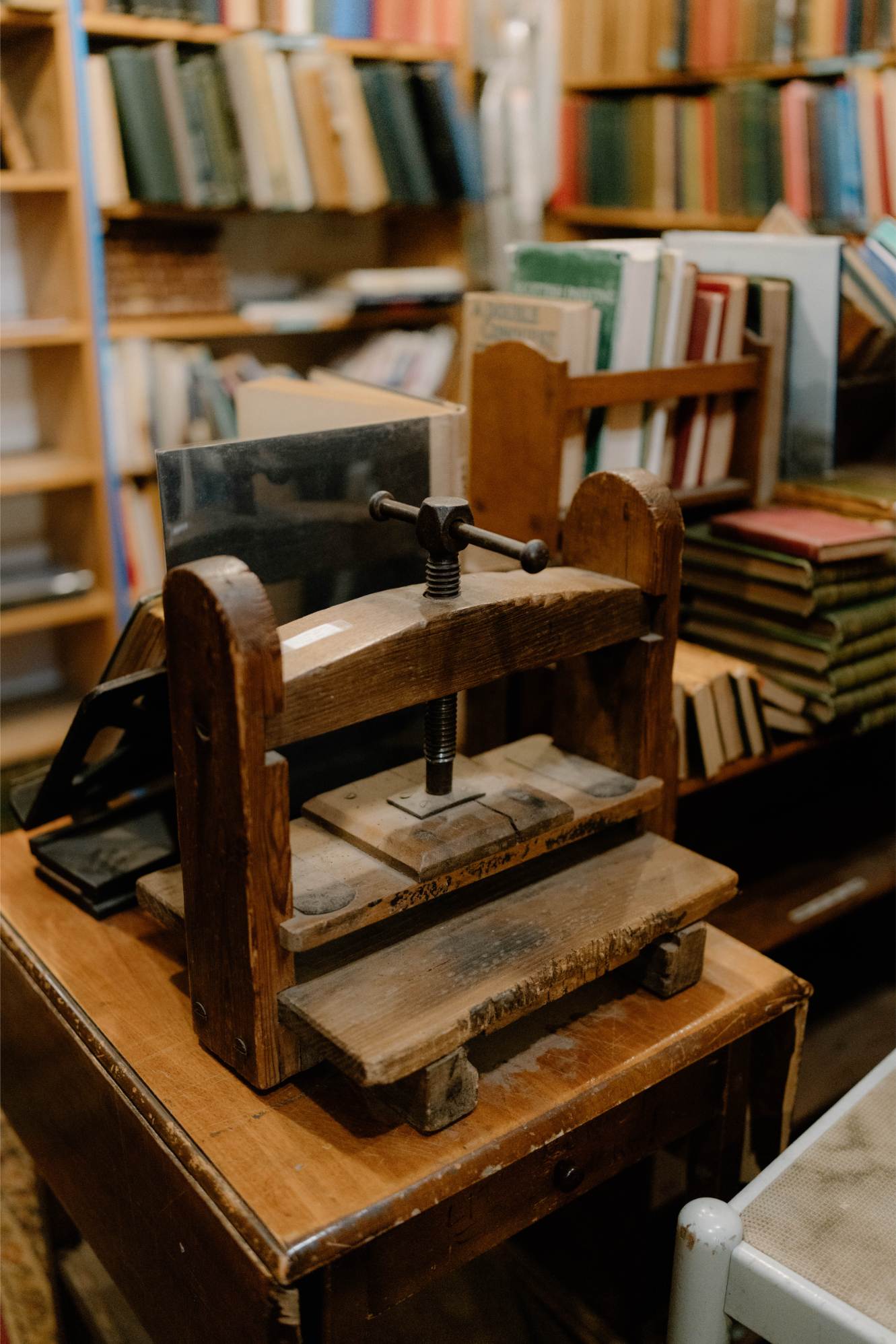
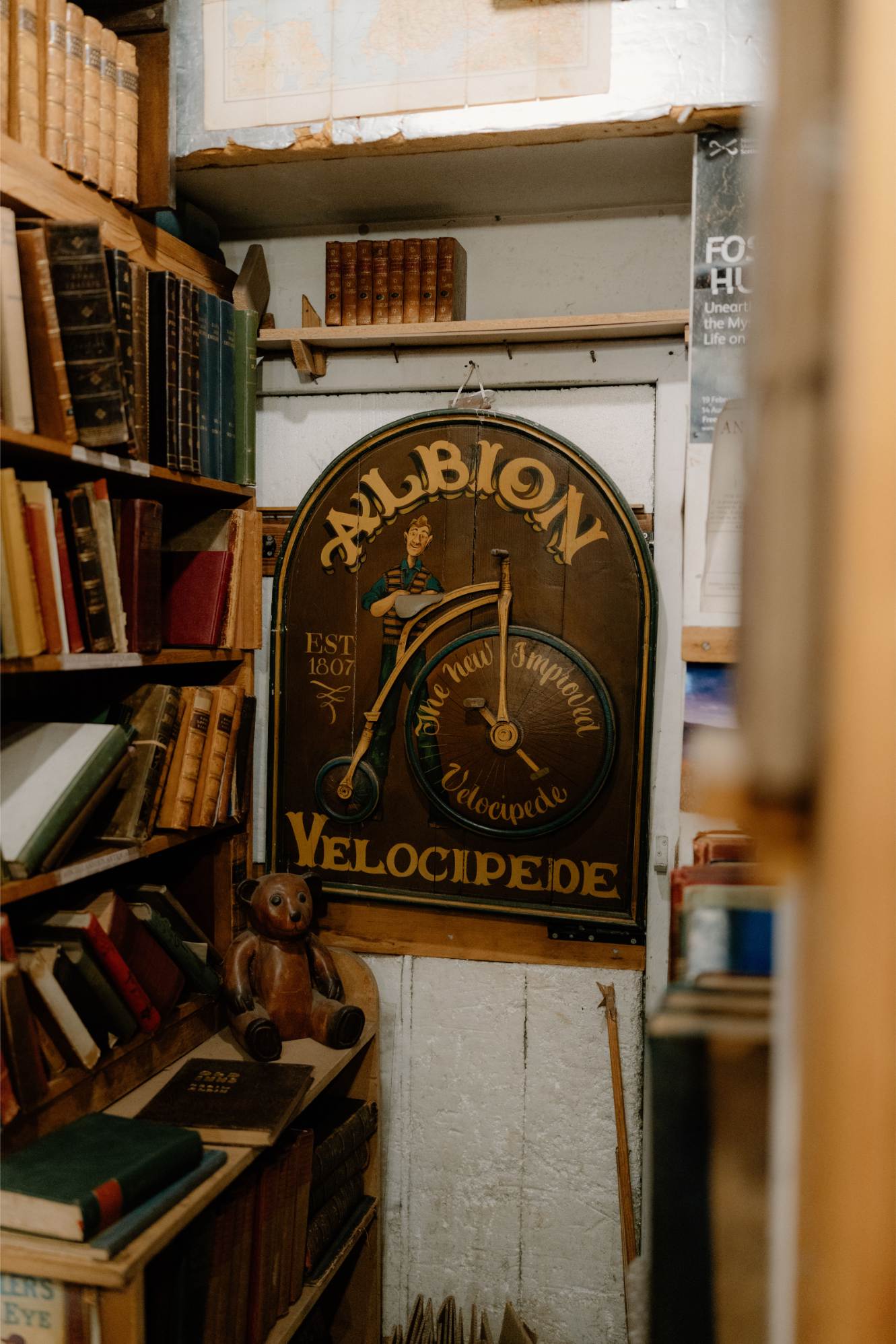
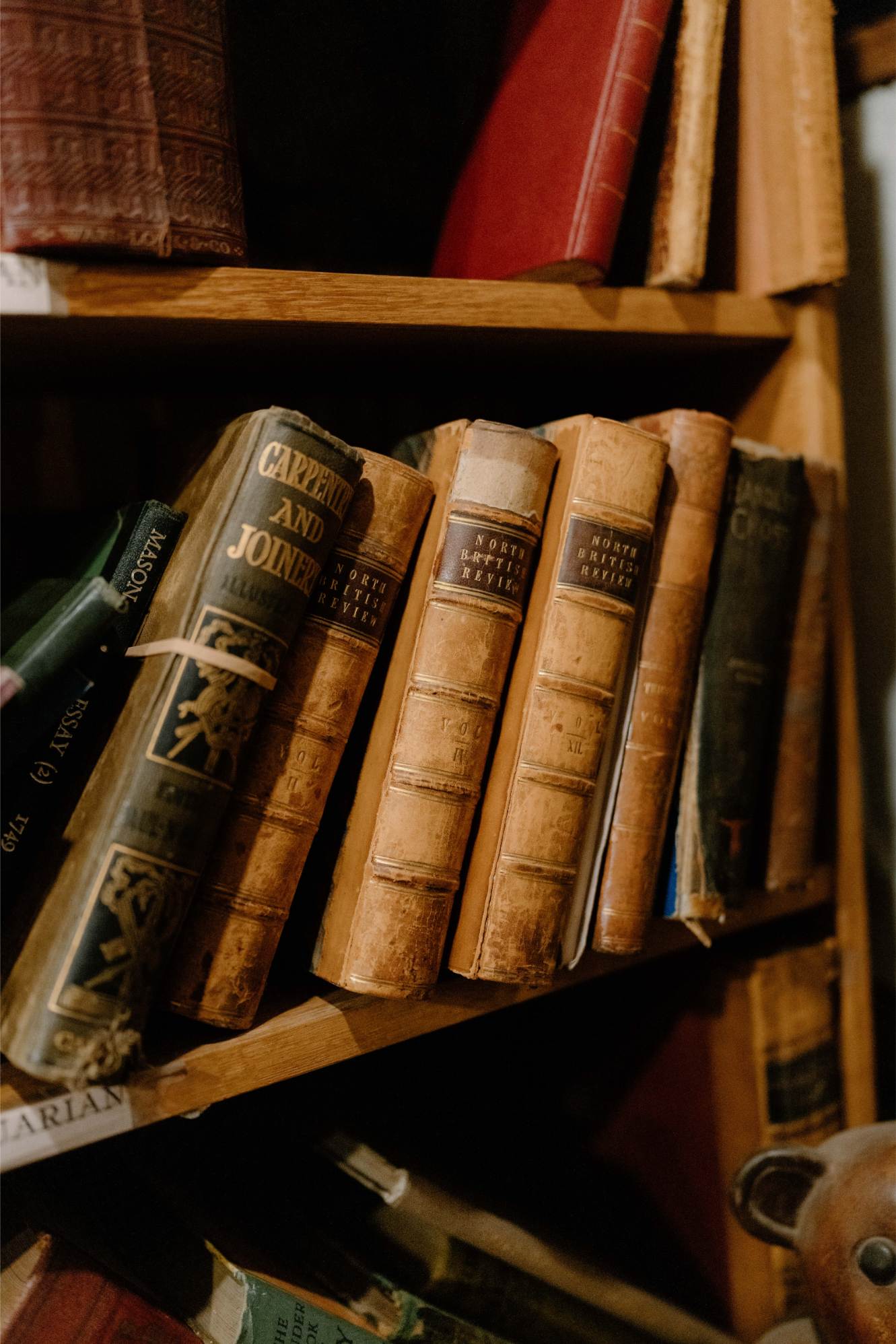
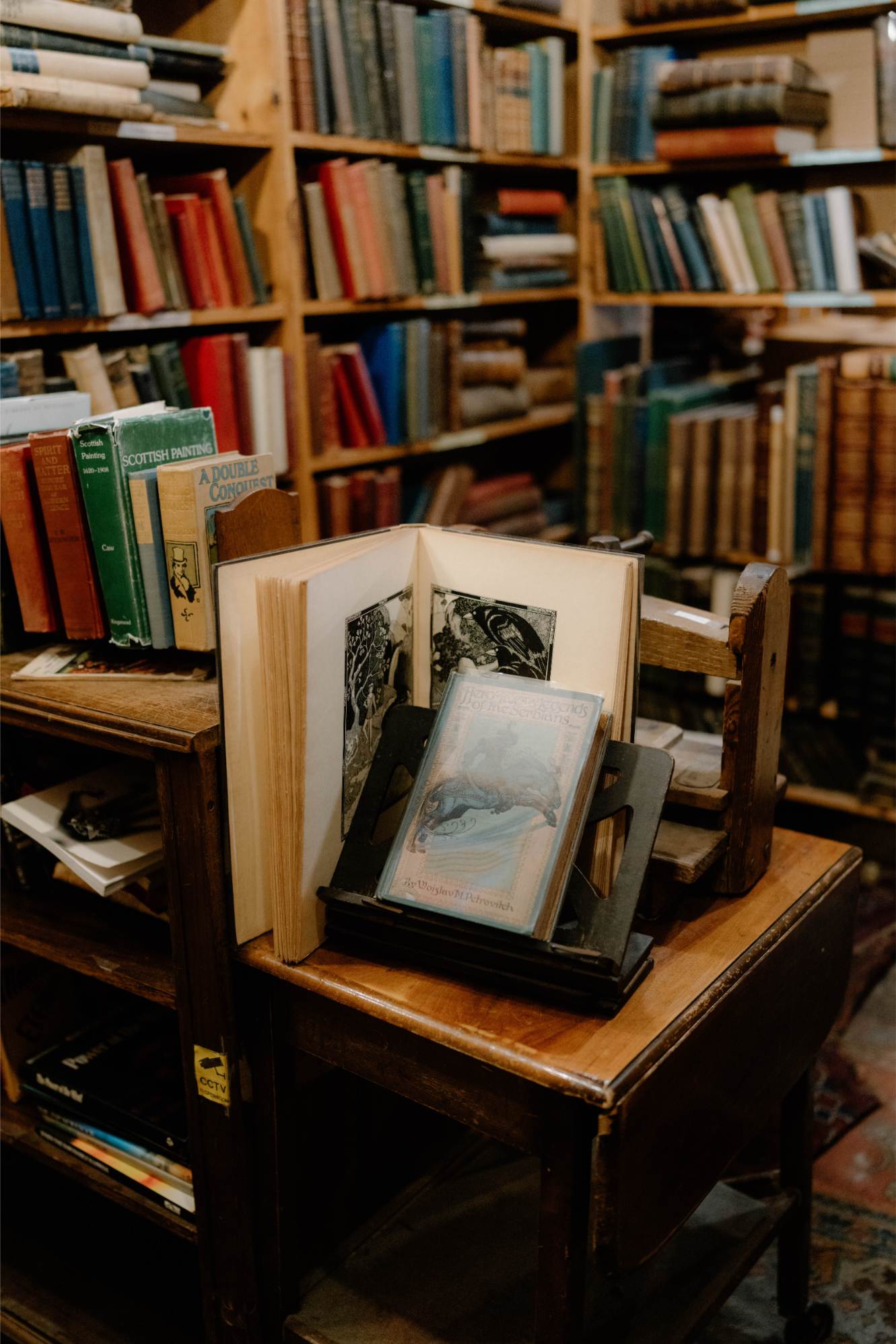
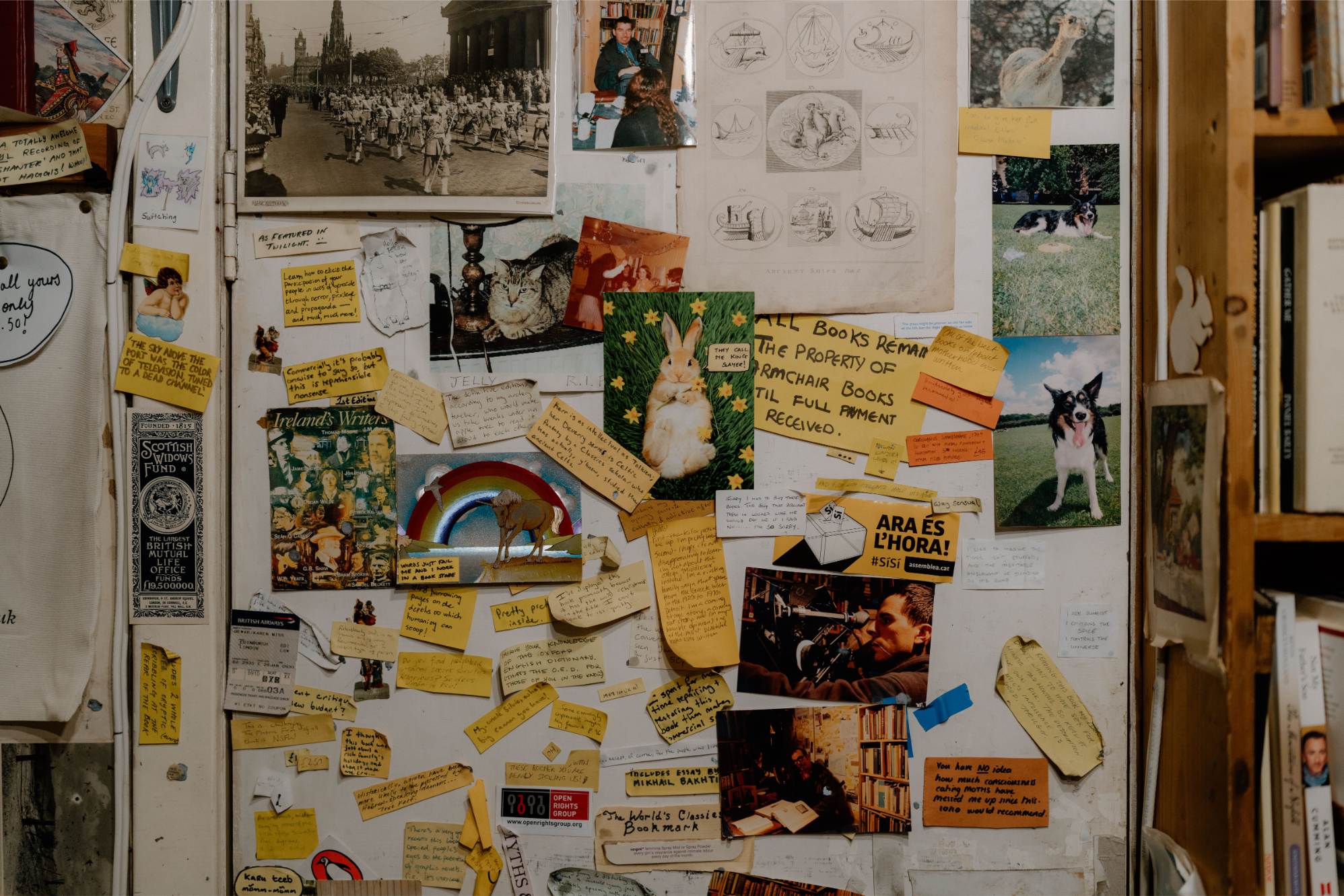
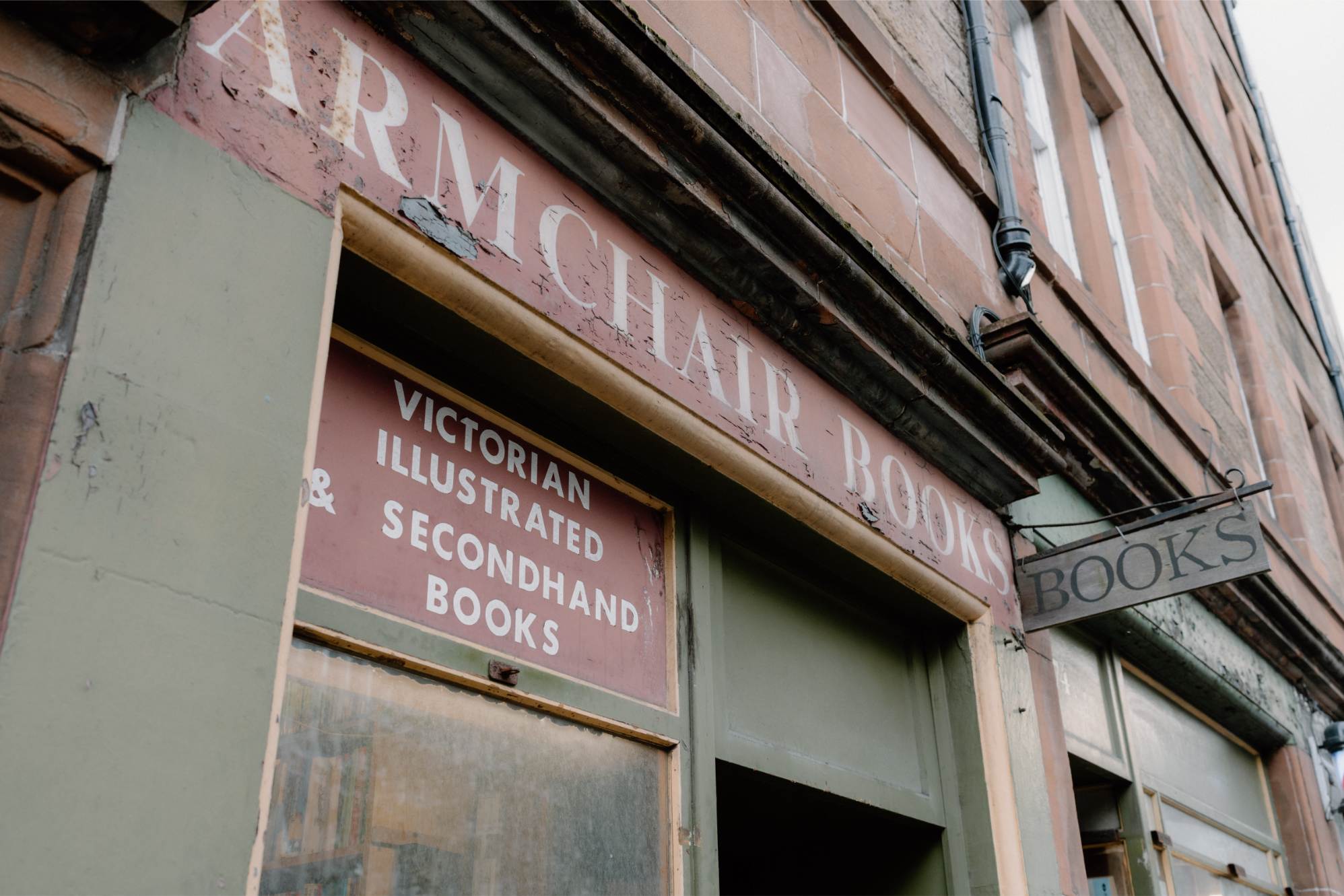
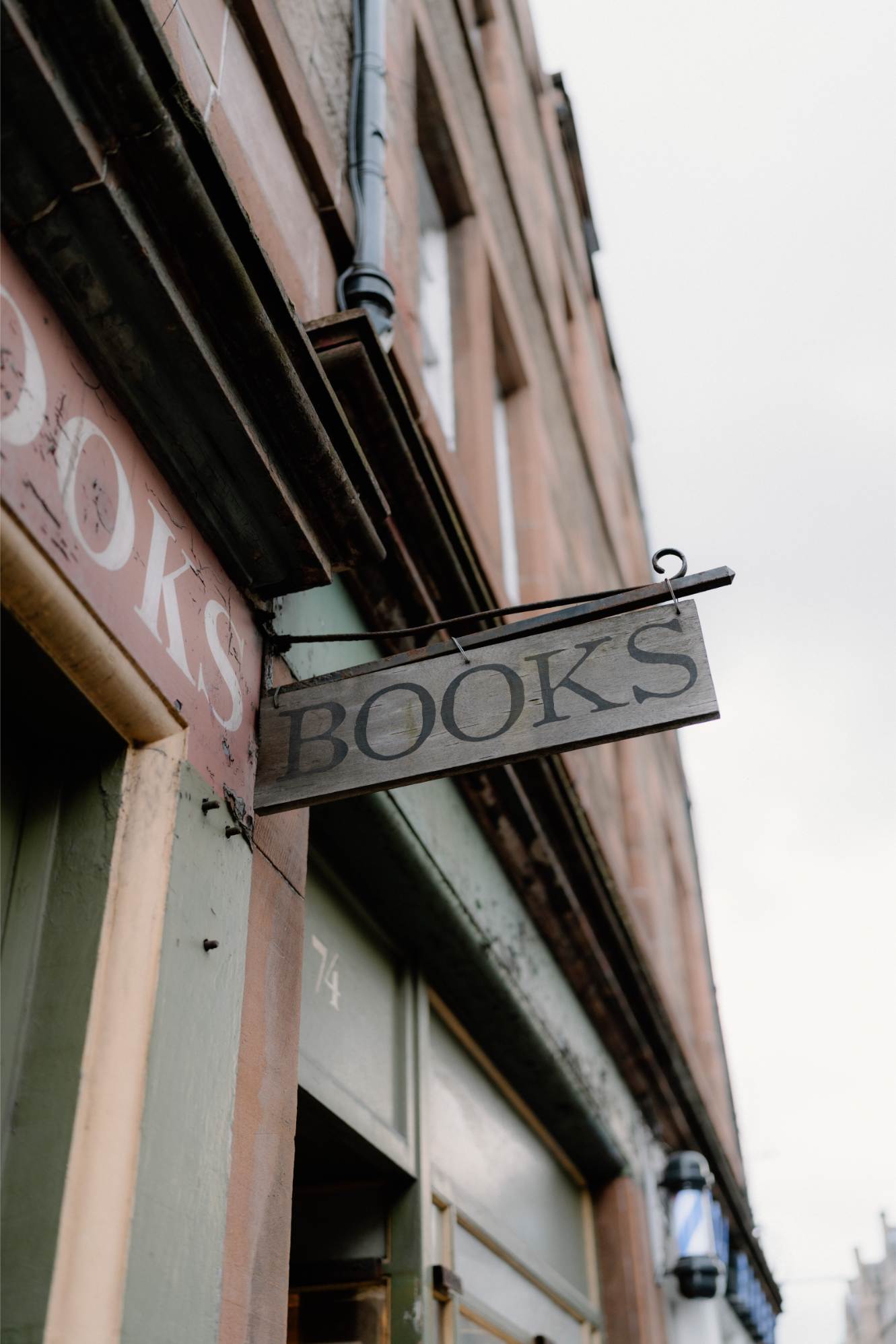
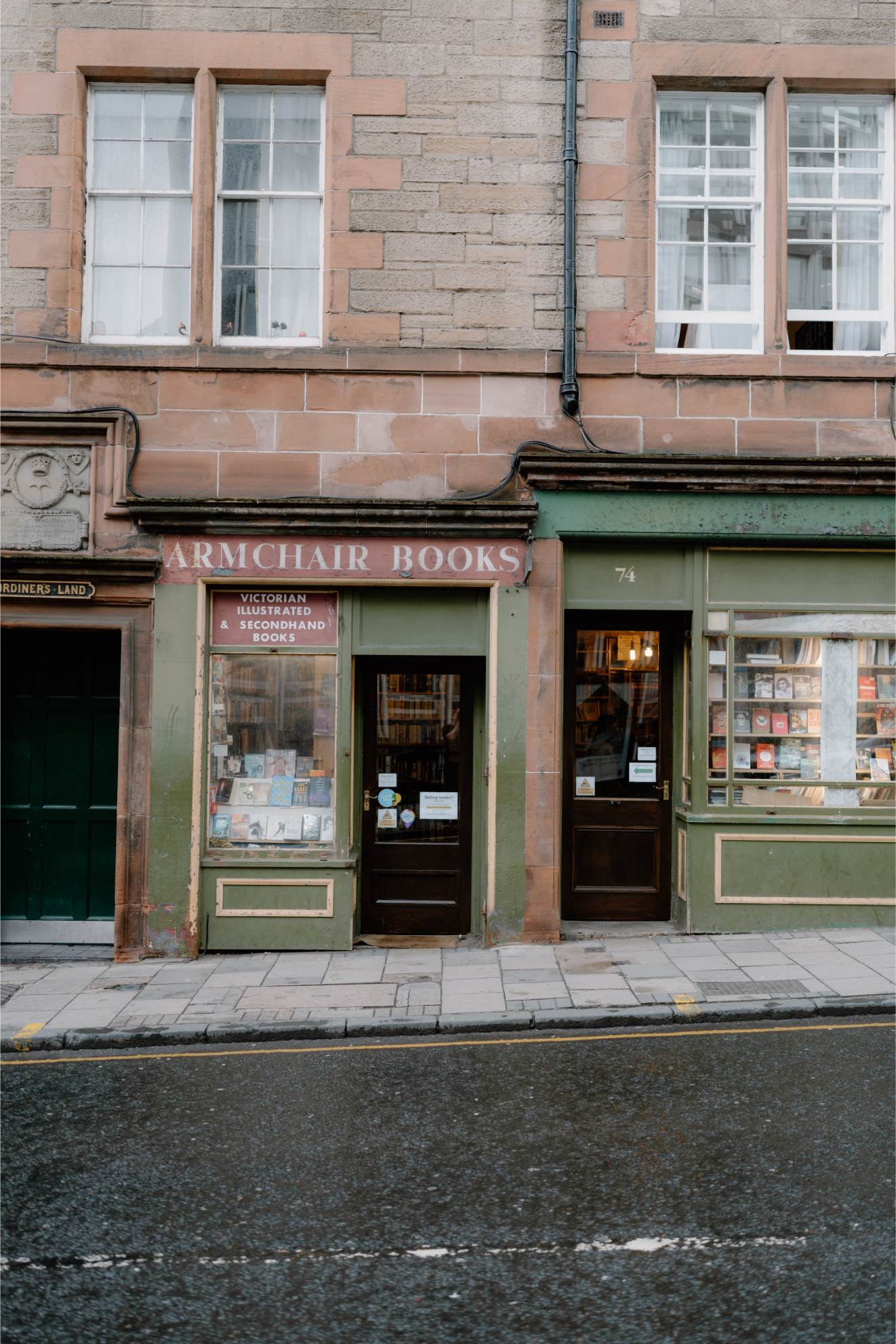
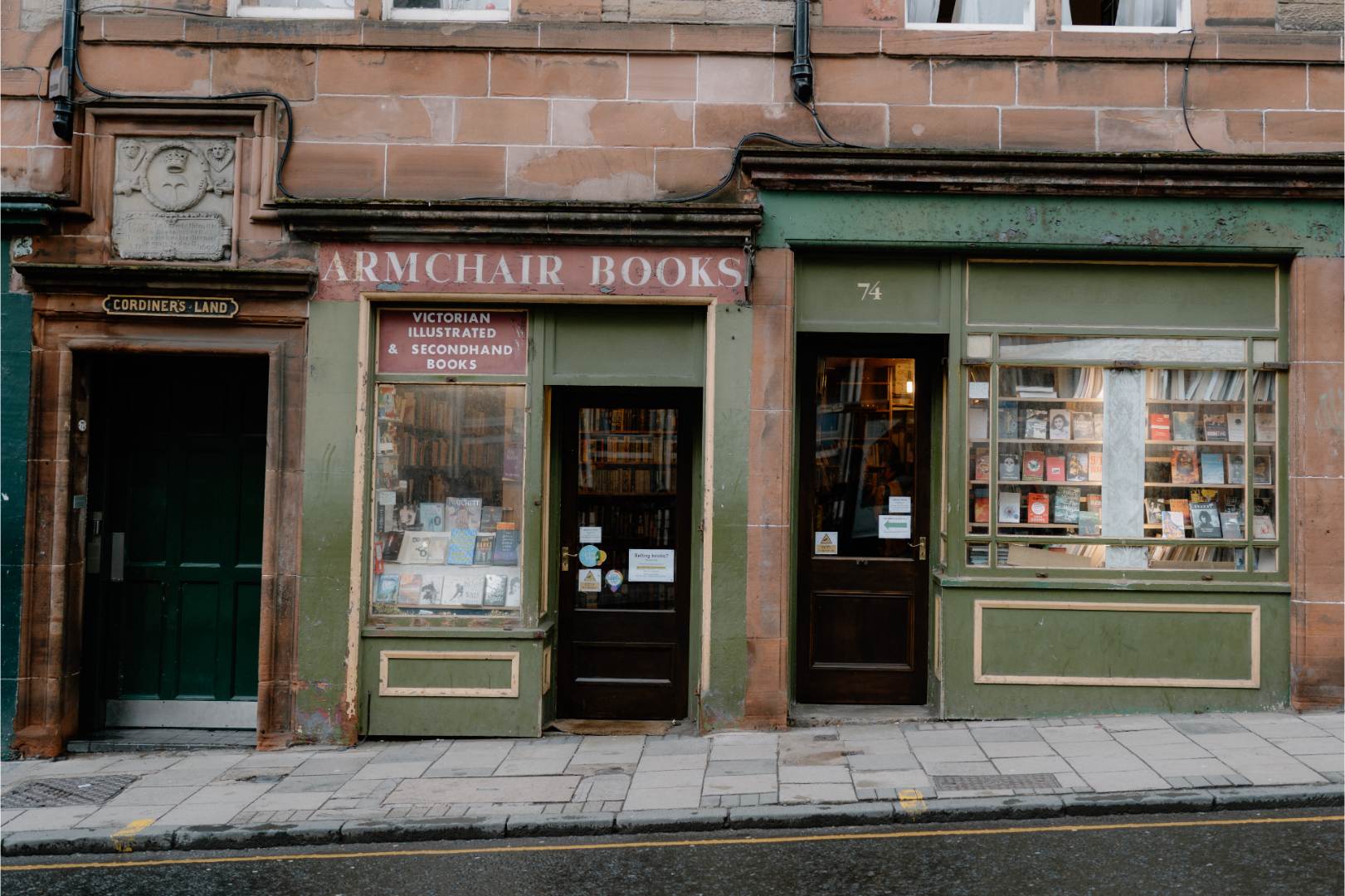
Tucked into the West Port, just a short stroll from the Grassmarket, Armchair Books is the kind of second-hand bookshop that feels like it’s always been here. Its windows are thick with handwritten signs and stacked titles, and once you step inside, the walls close in with shelves that seem to lean under the weight of it all. It’s dim, quiet, and slightly chaotic in a way that doesn’t feel accidental—more like a space that’s grown over time, shaped by the hands that have stocked and restocked it.
The collection leans heavily into fiction, with classics, crime, and fantasy taking up most of the space. But the real draw is how unpredictable it all is. One moment you’re flipping through Muriel Spark hardbacks; the next, you’re holding a book on Hebridean folklore you didn’t know you were looking for. There’s a travel section near the back, poetry tucked into corners, and enough oddities to make browsing feel like a small expedition.
It’s a working shop, not a styled one. The light is yellow and soft, the floor creaks, and the corners are dusty. People don’t come here for coffee tables or curated displays—they come to lose track of time and to stumble across something unexpected.
It’s a fitting start to a literary trail in a city that often mixes the grand with the understated. Armchair doesn’t shout about its presence, but it stays with you. And as you head up the hill toward the next stop, you’ll likely be carrying more pages than you planned.





Writers' Museum
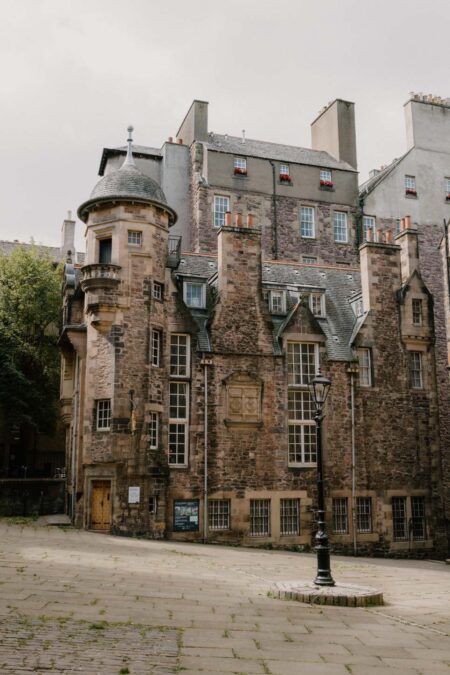
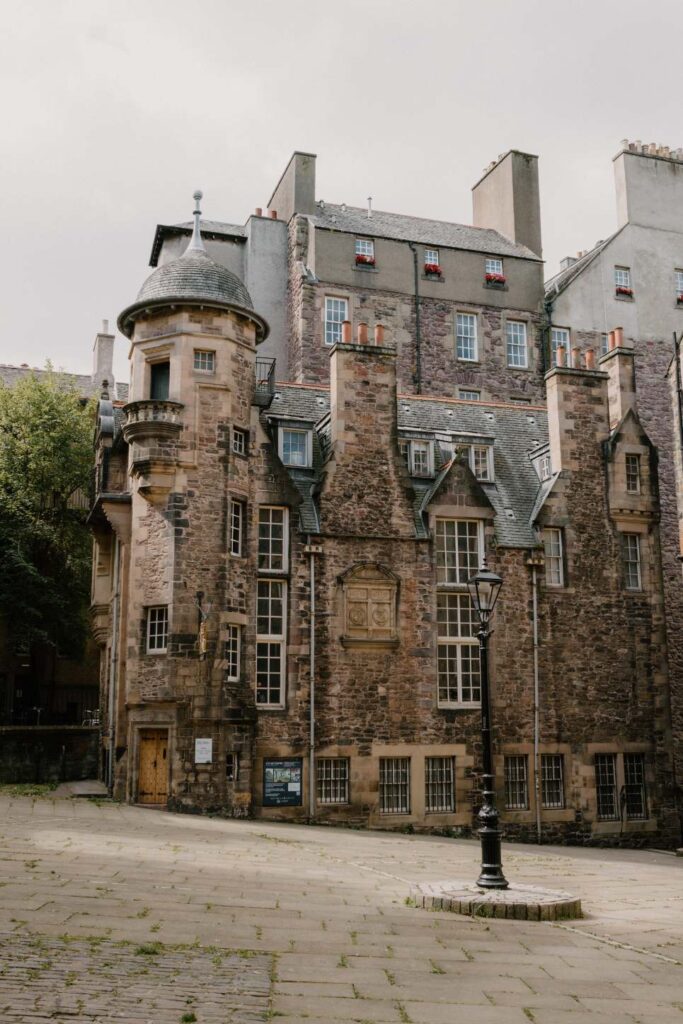
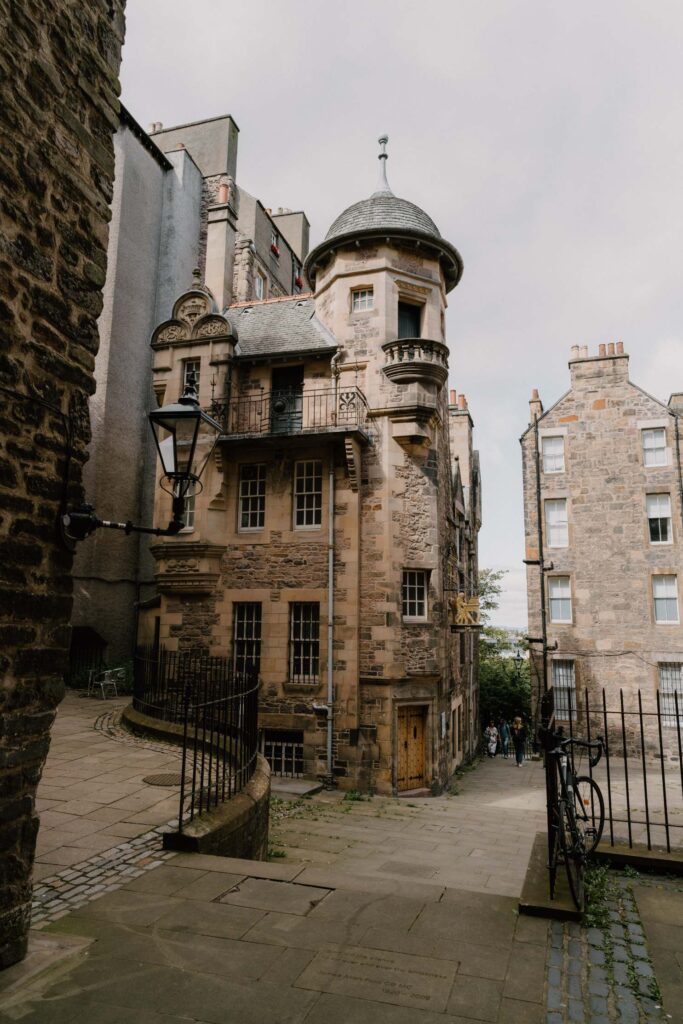
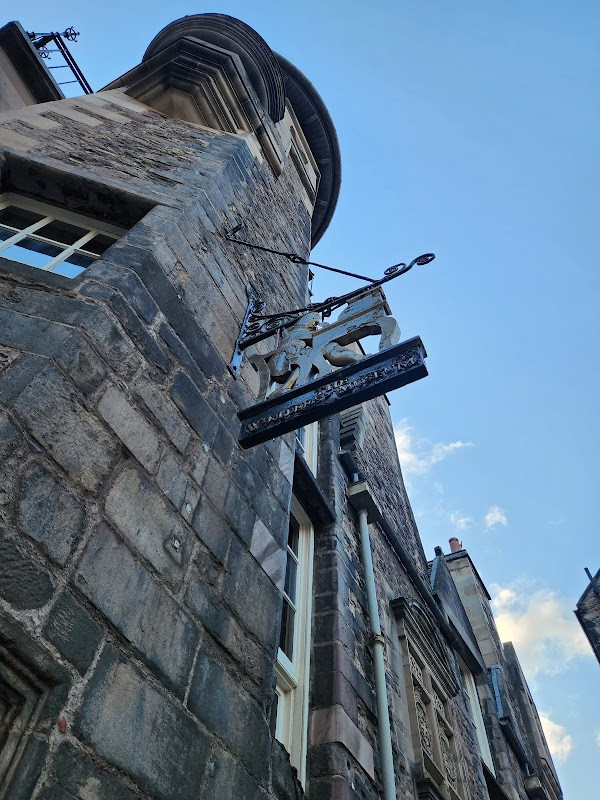
Lady Stair’s Close offers a quiet start—tucked between the buildings just off the Royal Mile, it’s easy to overlook unless you know it’s there.
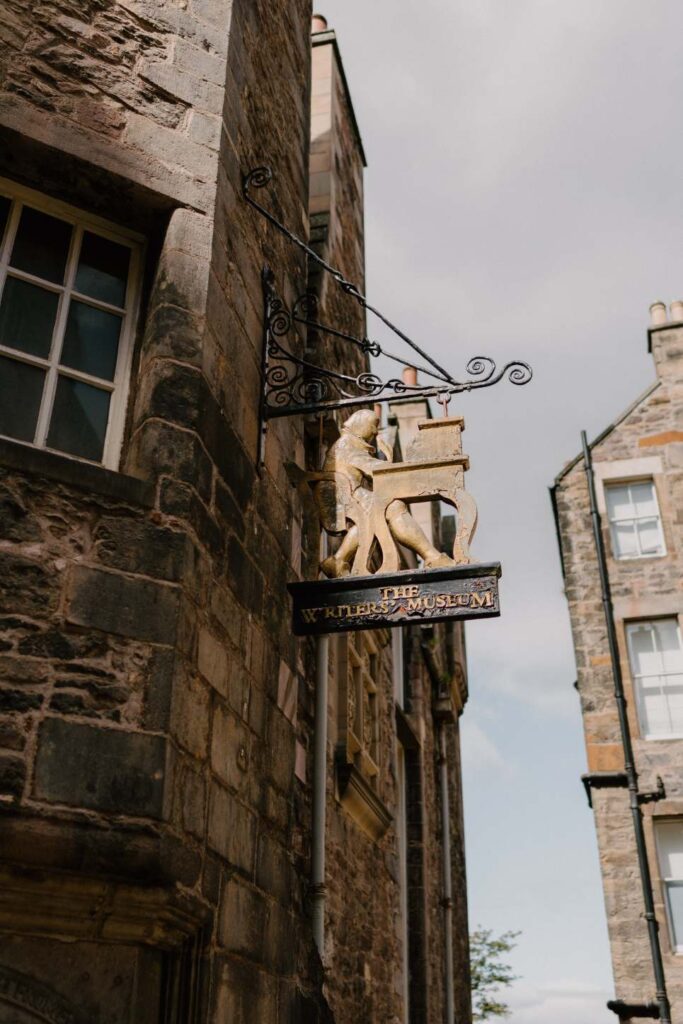
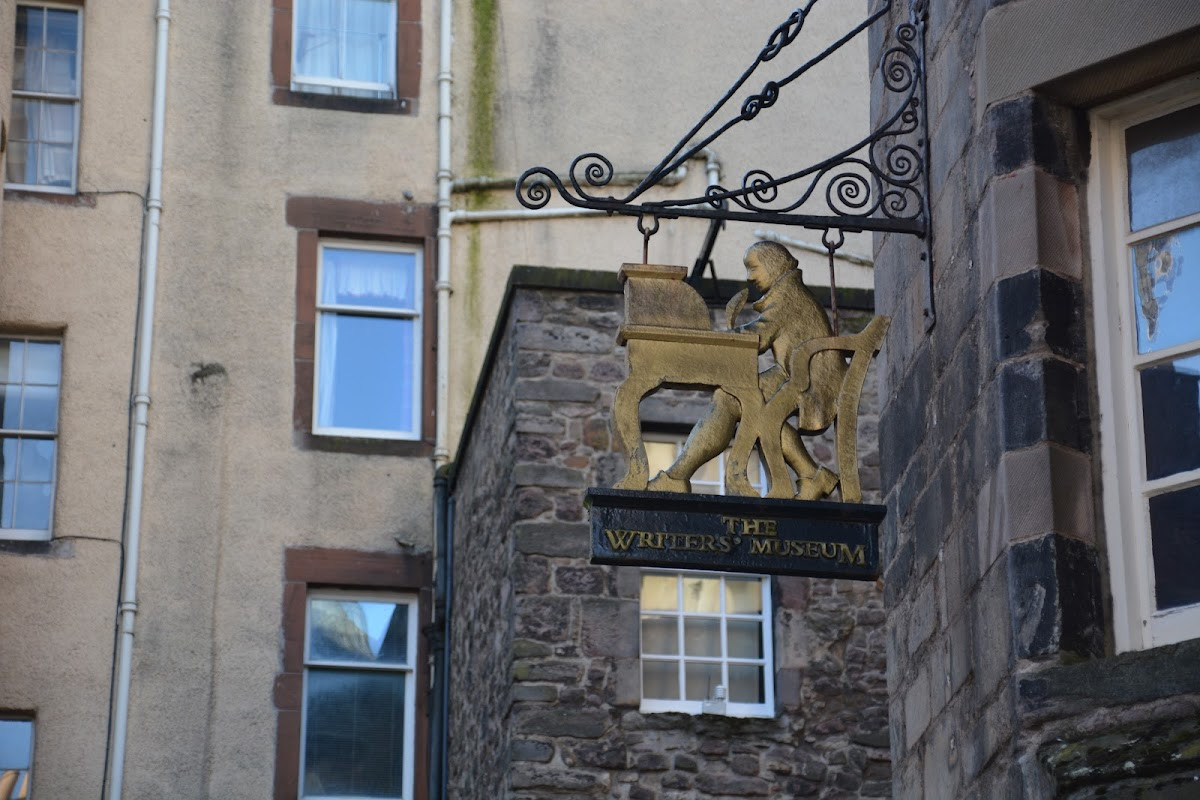
The Writers’ Museum isn’t large or modern, and that’s part of what makes it work. It occupies a 17th-century townhouse, and feels shaped more by time than design. Inside, you’ll find objects and stories connected to three giants of Scottish literature: Robert Burns, Sir Walter Scott, and Robert Louis Stevenson.
Each floor offers a different writer. There’s Burns’s writing desk and letters. Scott’s chessboard and walking stick. Stevenson’s fishing rod and photographs from his time in Samoa. These aren’t grand exhibits but personal ones—items that feel as if they’ve been gathered over generations, not staged for effect.
You move through small rooms and narrow staircases, and while the space is modest, it suits the material. Audio guides and text panels provide context without dominating. It’s the kind of museum where you end up reading everything on the wall because there’s just enough of it, and it’s all worth reading.
There’s no café or shop to slow you down at the end, but that’s not a loss. This stop is about being inside the words and belongings of three writers who helped define Scottish literature. And when you step back out into the courtyard, you’re already standing at the next stop.
Makars Court
Just outside the Writers’ Museum, Makars’ Court continues the thread—with the words of Scottish writers literally underfoot.
Set into the flagstones of the courtyard are engraved quotations from poets, novelists, essayists and historians—selected across time and language. Scots, English, Gaelic. Some names will be familiar—Hugh MacDiarmid, Edwin Morgan, Nan Shepherd—others may not. But that’s the point. This isn’t a hall of fame. It’s a public page, always expanding.
The court was first conceived in the 1990s as a way to celebrate Scotland’s literary heritage in a civic, open-air space. The word “makar” is an old Scots term for a skilled writer, especially a poet—someone who “makes” with words. Each quote is carved into stone and placed underfoot, so you’re literally walking through lines of verse and prose as you pass.
You don’t need long here—maybe ten or fifteen minutes. But it’s worth reading more than a few. Some stop you with their directness. Others sit quietly until you return for a second glance.
Because it’s open to the sky and part of the city’s stonework, Makars’ Court feels more permanent than most plaques or exhibits. It reminds you that words written long ago still have a presence here—on the pavements, not just the shelves. From this small courtyard, the walk continues through a city shaped by writing.
Scottish Poetry Library
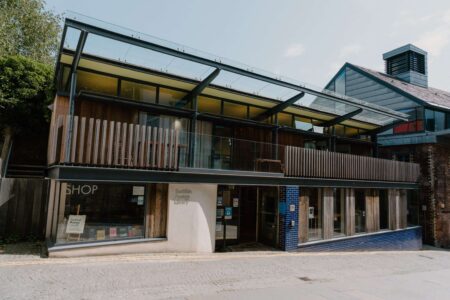
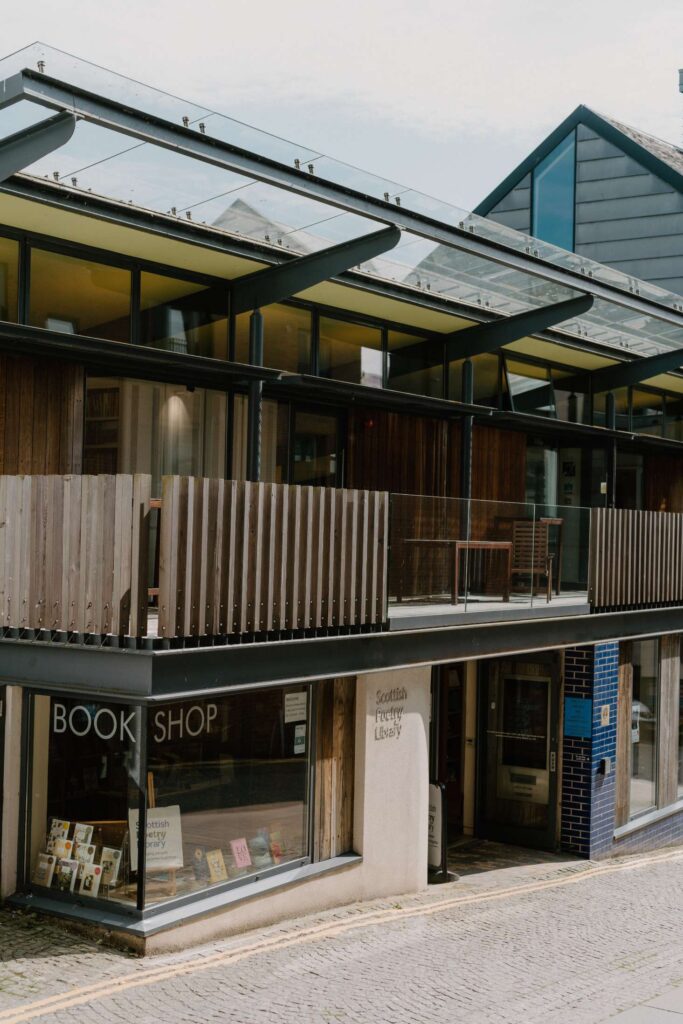
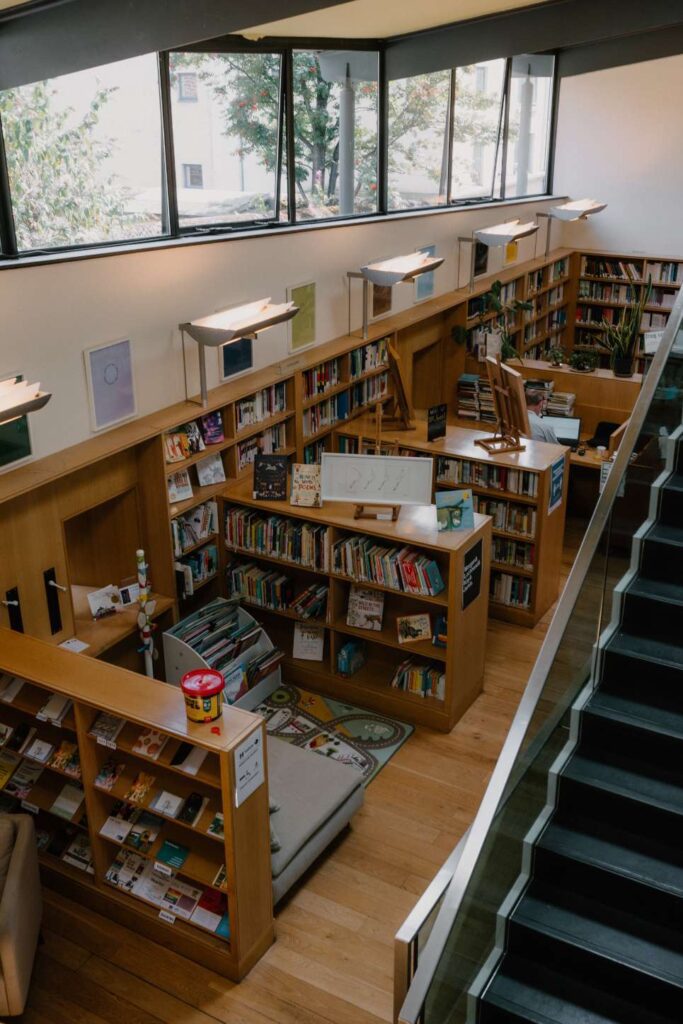
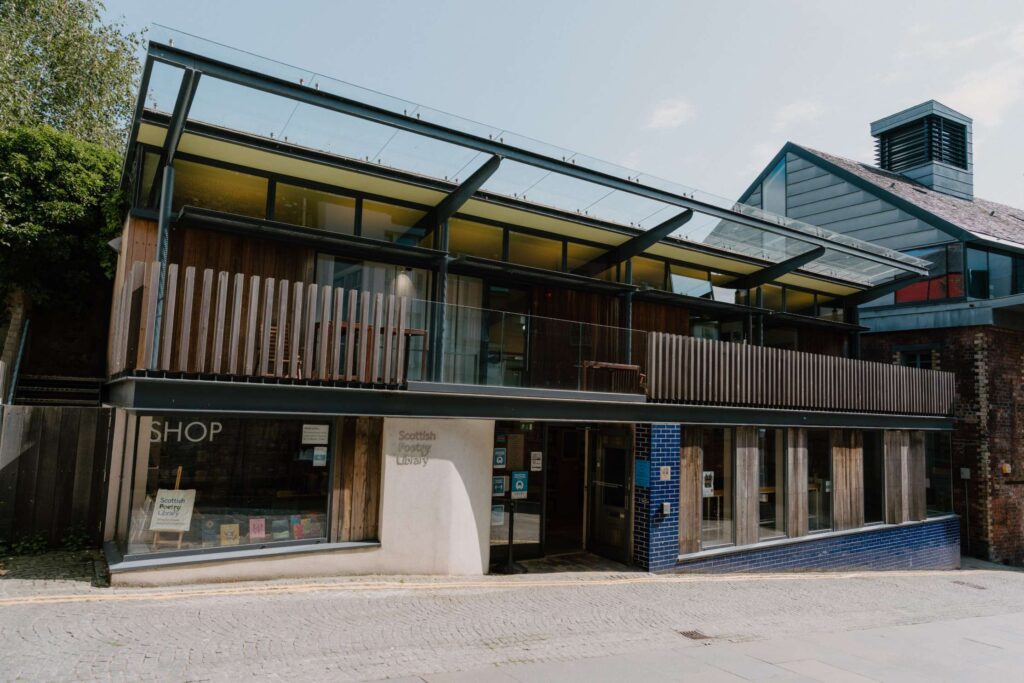
Just off the Royal Mile, tucked along Crichton’s Close, the Scottish Poetry Library is one of those places that doesn’t push itself into your view—but rewards you for finding it. Since opening in the 1990s, it has become a quiet anchor in Edinburgh’s literary scene. The building itself is modern, purpose-built, and unusually calm, with shelves that carry everything from classic verse to contemporary pamphlets.
Inside, it’s not just about reading. The space is designed for listening too—there are recordings, readings, and audio archives, many focused on Scotland’s many languages and dialects. You’ll find shelves arranged by theme, nationality, and era, and a strong representation of Gaelic and Scots poetry. It’s not a large place, but it offers an unusually focused experience for anyone curious about what poetry means in the context of modern Scotland.
Visitors are welcome to browse freely, and it’s one of the few places in the city where you’re encouraged to stay a while without spending anything. That said, the bookshop section is well-curated and worth exploring. You’ll come across small-run collections that rarely appear in larger stores.
What makes this stop work in the context of the trail is its shift in tone. After the stone and symbolism of Makars’ Court, the library adds something tactile and current—contemporary voices placed directly into your hands. It also brings you briefly off the tourist routes, into a space that feels more rooted in today’s writers than yesterday’s.
At the east end of Princes Street Gardens, the Scott Monument rises above the trees in dark, layered stone. It’s a Victorian Gothic spire, built to honour Sir Walter Scott after his death in 1832, and remains one of the most recognisable features of the Edinburgh skyline. The detail is exacting—figures carved into corners, arches upon arches, and a seated statue of Scott himself at the base, dog at his feet, manuscript in hand.
You don’t need to climb the 287 steps to appreciate it, though the view from the top does offer a wide sweep across the city. Even from ground level, the monument anchors this part of town in a very specific kind of literary pride. Scott helped define a national voice at a time when Scotland’s image was being reshaped for the outside world. The structure built in his name carries that legacy—grand, deliberate, and hard to ignore.
There’s often a buzz here—buses passing, tourists taking photos, the gardens below busy in good weather. But the statue itself is calm, and when the light falls across it in the late afternoon, there’s a quiet gravity to the whole scene. It’s not subtle. But then neither was Scott’s impact. This stop offers a different kind of pause—between the intimacy of the bookshops and museums and the larger presence of the city as a stage for its writers.
Golden Hare Books
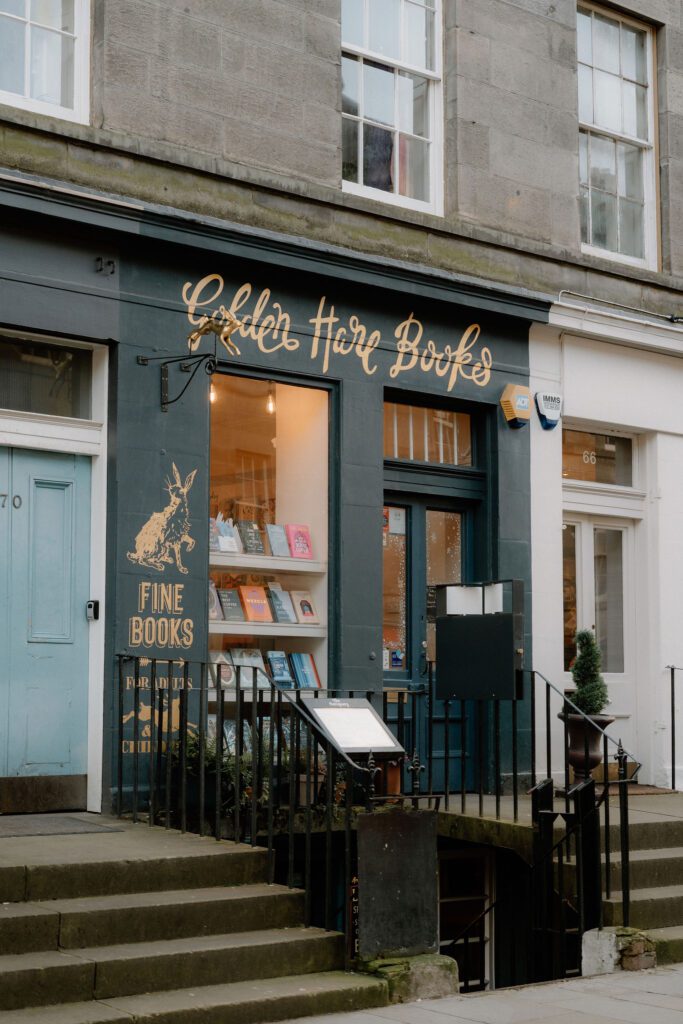
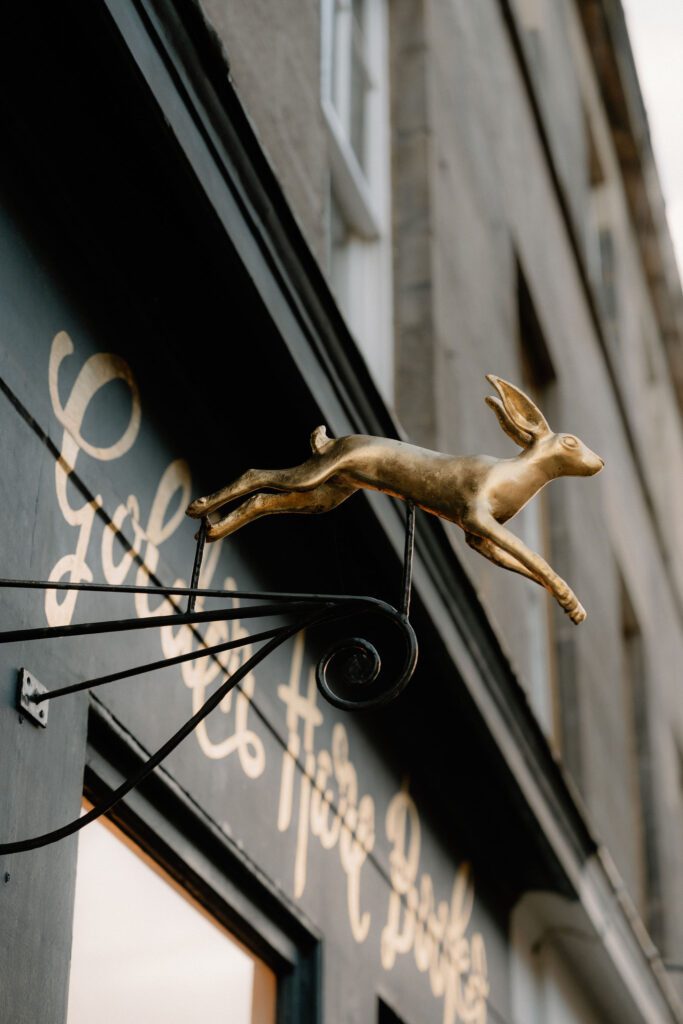
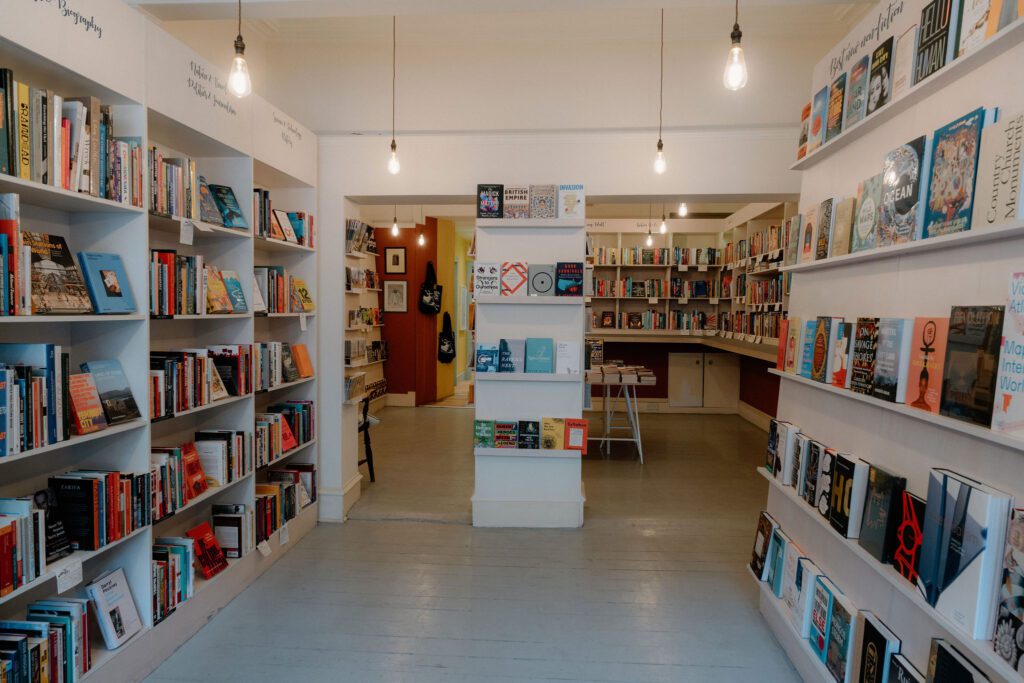
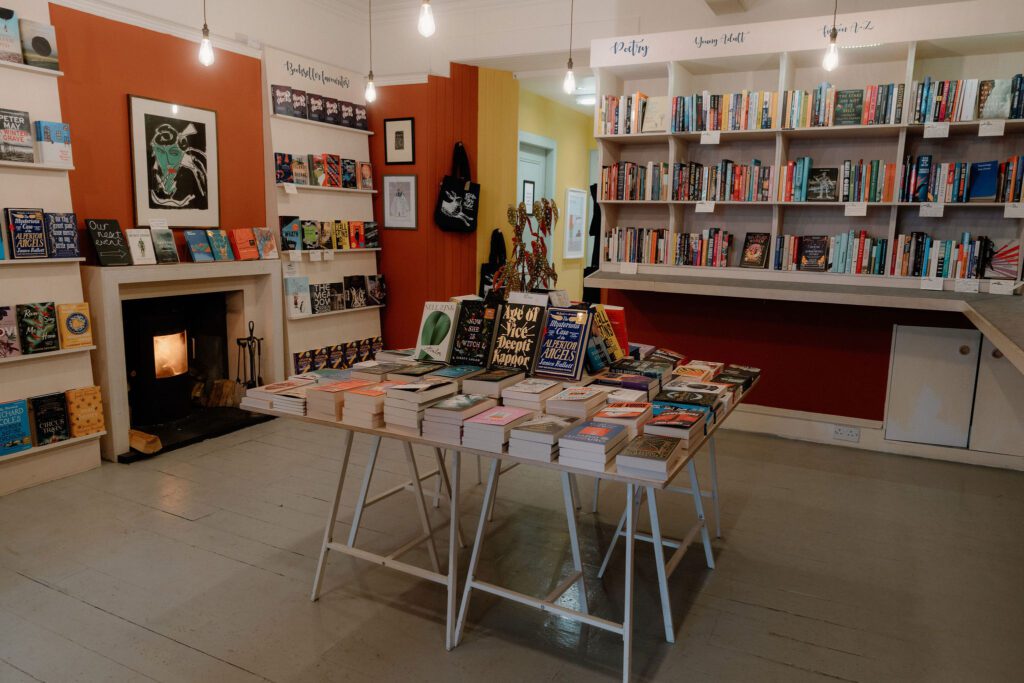
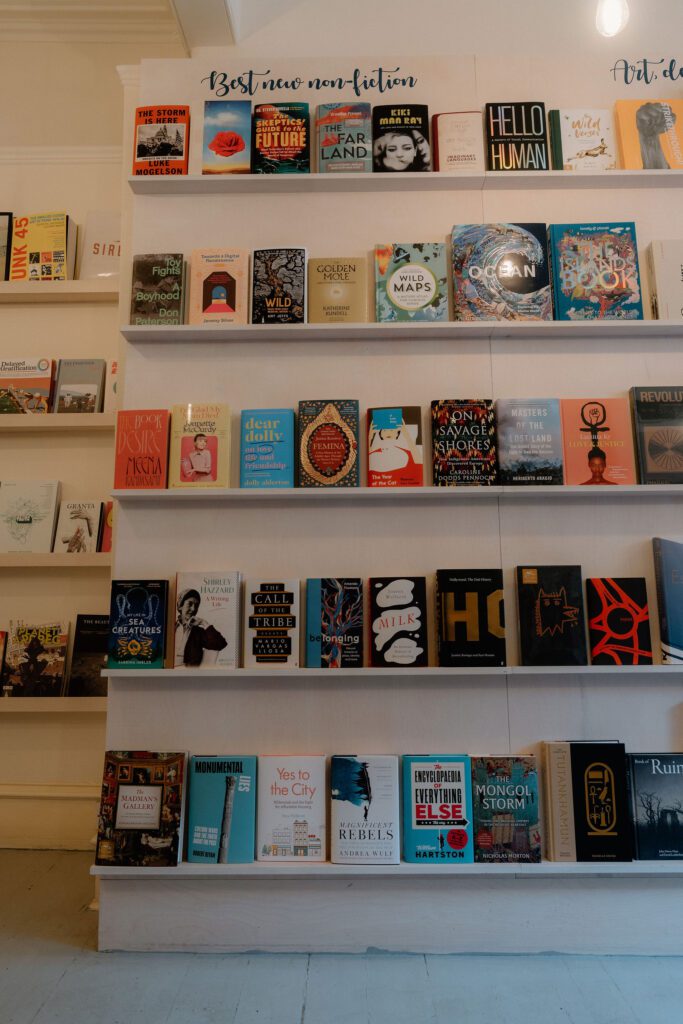
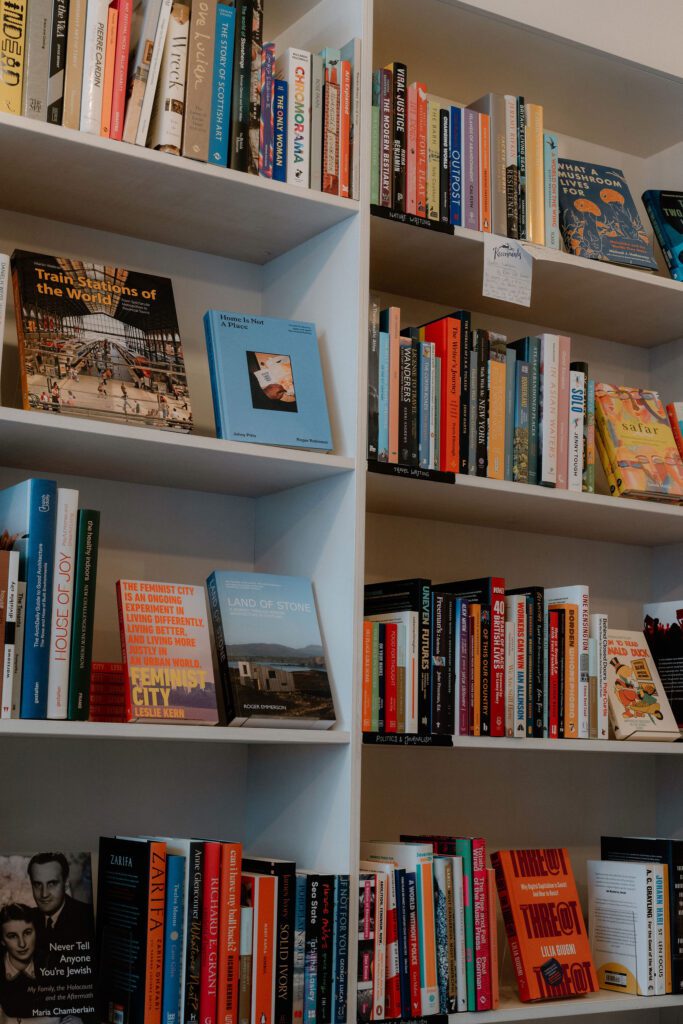
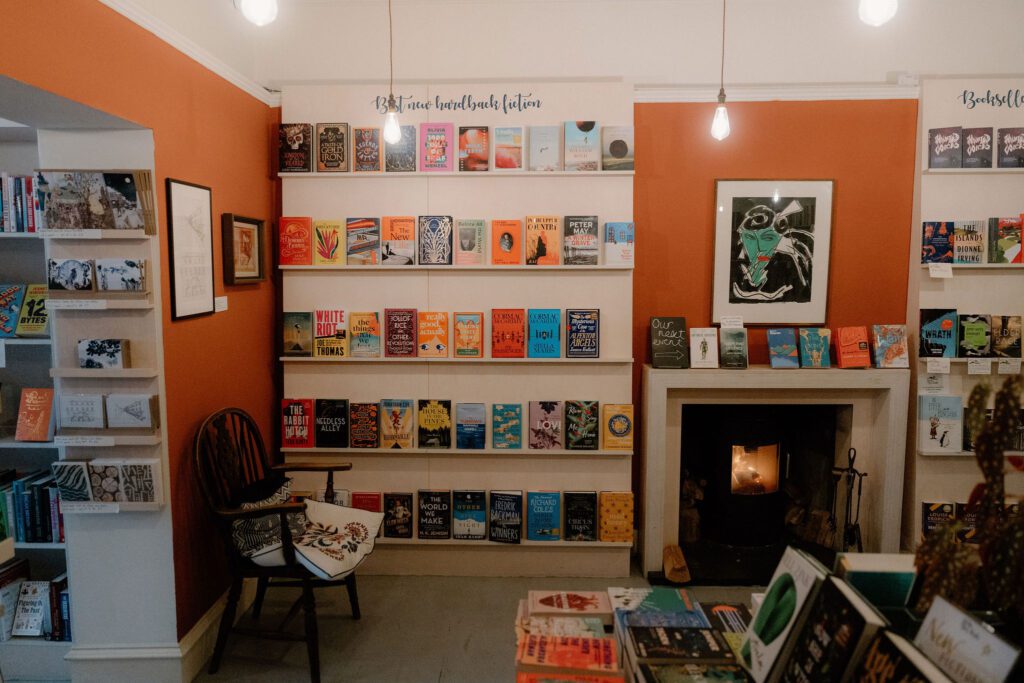
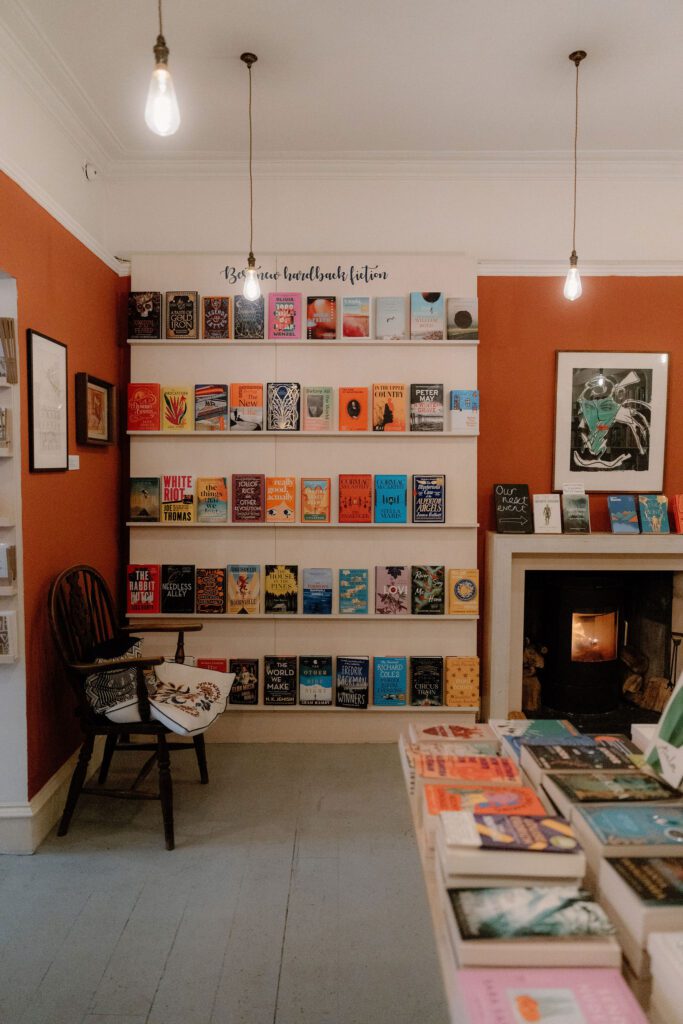
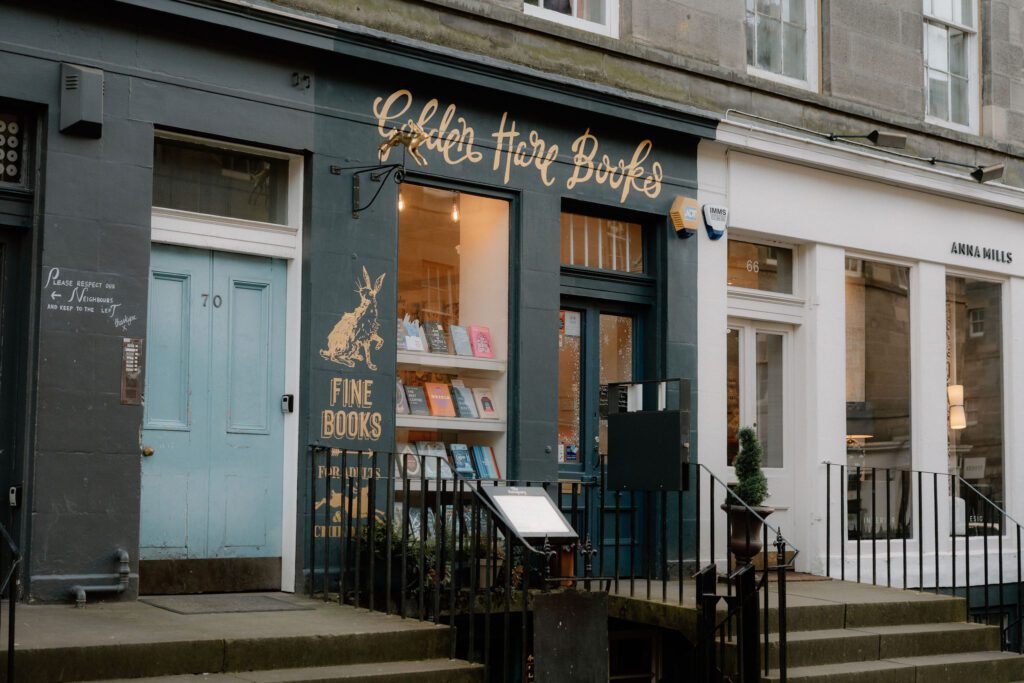
Tucked into the heart of Stockbridge, Golden Hare Books feels like a different pace altogether. The rows are carefully curated, the lighting soft, and there’s space to move slowly. This is a modern independent bookshop with a strong sense of purpose—fewer titles, more attention. The selection covers contemporary fiction, thoughtful non-fiction, design, nature, and books for younger readers, all laid out with clarity and care.
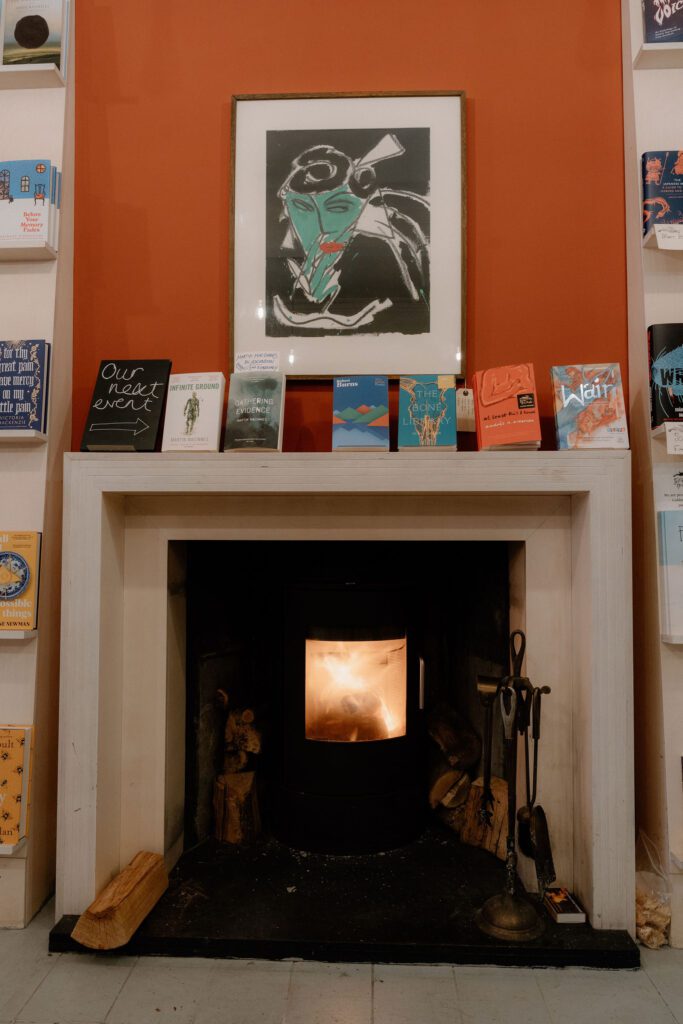
The staff here are readers first, and you can feel that. Their handwritten recommendations aren’t just tags—they’re notes from someone who’s spent time with the book and wants you to as well. There’s no pressure to buy, and the room invites browsing. The wooden shelves, calm colours, and gentle atmosphere are all part of the shop’s quiet confidence. It’s not trying to be a relic of the past. It’s part of a new generation of bookshops—focused, human, and alive to what readers want now.
Stockbridge itself adds to the stop. With its weekend markets, Georgian terraces, and slower pace than the city centre, it suits a bookshop like this. You’re far enough from the Royal Mile to feel a shift, but still clearly in Edinburgh. The visit doesn’t take long, but it holds its own on this trail—not just as a place to buy books, but as one that reminds you why they matter.
No Title
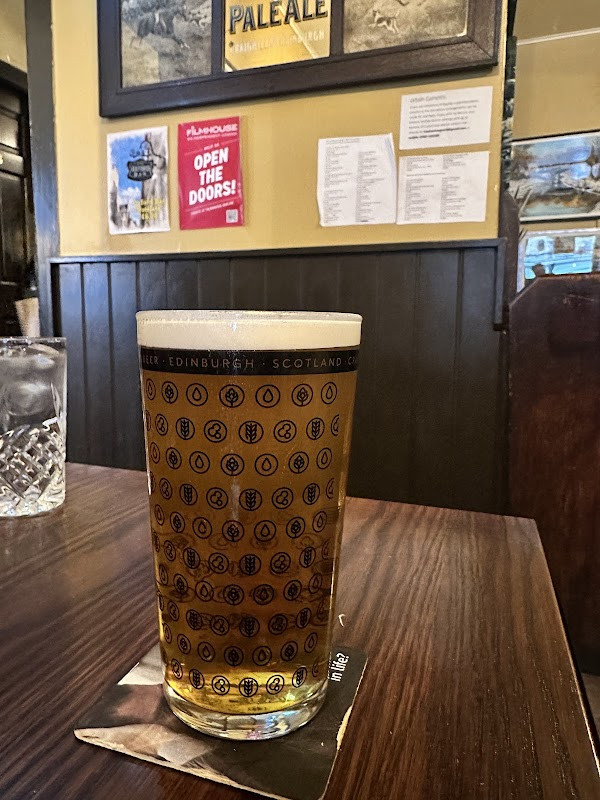
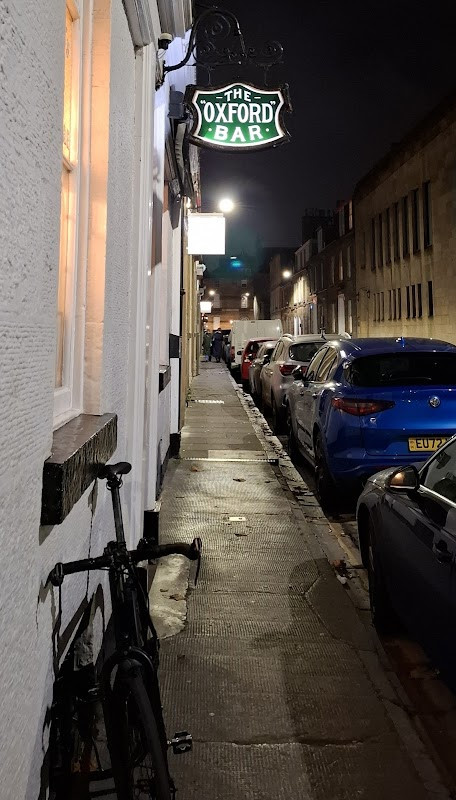
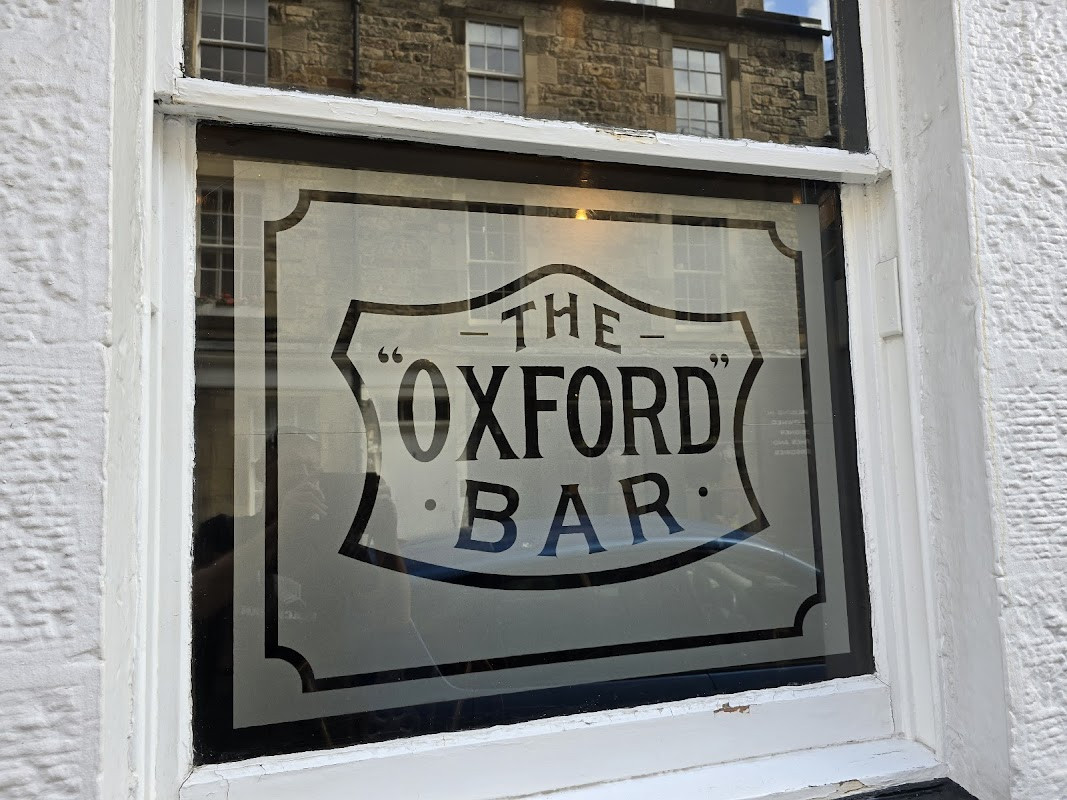
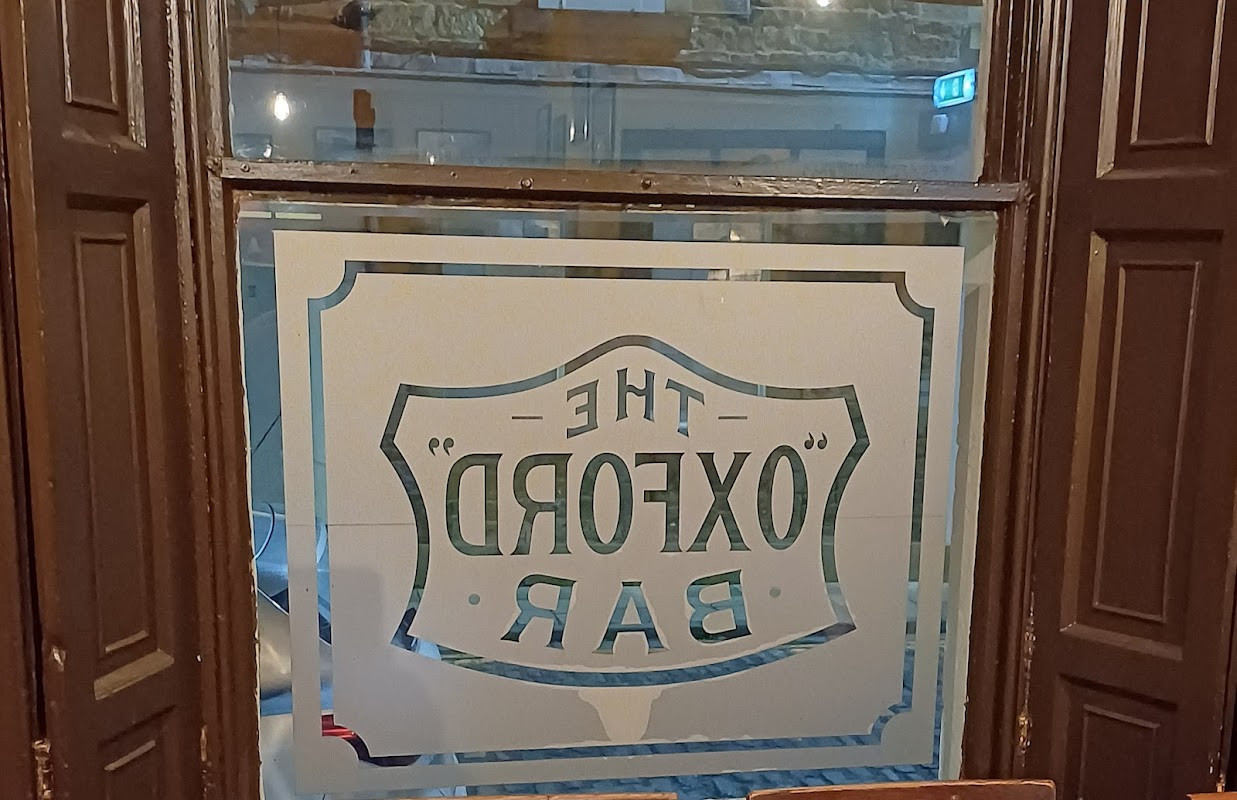
There’s no sign outside shouting about it. No glossy menu, no soft lighting. The Oxford Bar does very little to catch your attention—and that’s exactly the point. You don’t come here for frills. You come because it’s been doing the same thing for a long time, and doing it well.
Tucked down a side street in the New Town, the Oxford is best known as the favoured haunt of Ian Rankin’s fictional detective, John Rebus. It’s also the real-life local of Rankin himself. He’s written about it, spoken about it, and drawn it into the character of his books until the line between fiction and fact starts to blur. But even if you’ve never read a Rebus novel, the pub still has weight. This is a place where writers sit with their backs to the wall and regulars return to the same corner for decades.
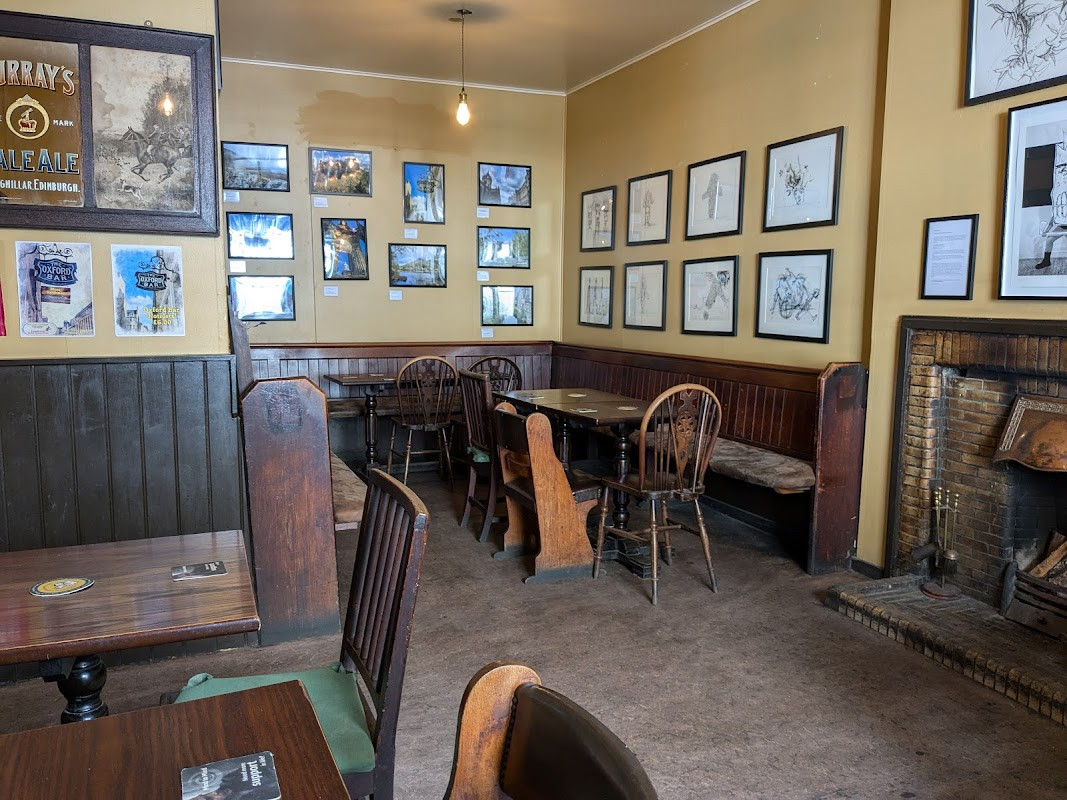
Inside, it’s tight and dark-panelled, with a small bar and a snug at the back. There’s no music and barely any food—just the low murmur of conversation and the occasional clink of glass. You get the feeling nothing’s changed here in years, and no one’s in a rush to start. It’s not a literary shrine, though it could be. It’s just a working pub that happens to hold a bit of Edinburgh’s modern story in its bones.
Finishing here makes sense. After a day moving through the city’s written past and present—from poems carved in stone to shelves of new fiction—you end up somewhere quiet, where the words have already been written. All that’s left is a pint, a seat, and the low comfort of a place that’s stayed just the same.







 Sign in with Google
 Sign in with Email