
The Outlander Itinerary
Written by Graeme Johncock
.jpg)
The Outlander effect on Scotland has been immense with thousands travelling here every year thanks to their love for the TV show. Set between the mid-1900s and the turbulent 1745 Jacobite rising, a tour around Outlander filming locations makes a great day out. However, it’s important to remember that these are more than just TV sets and each location has its own fascinating true history worth exploring!
Midhope Castle
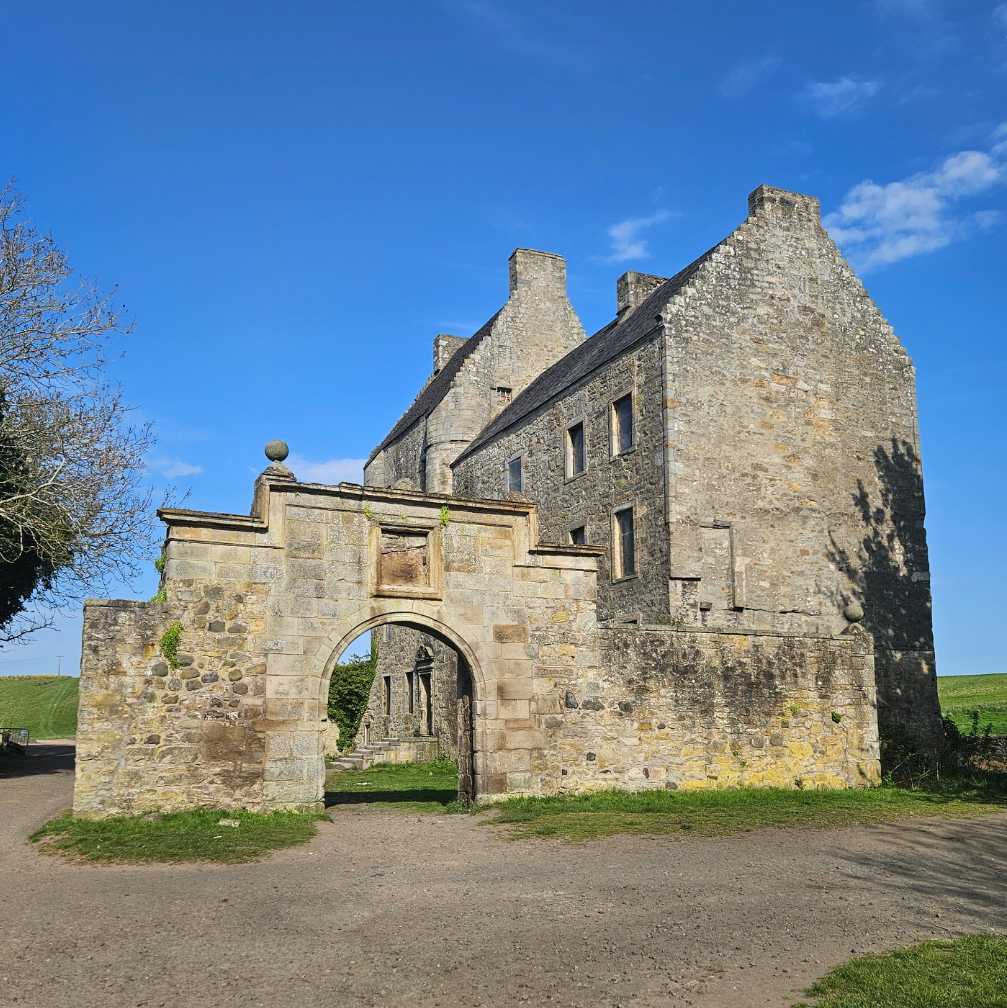
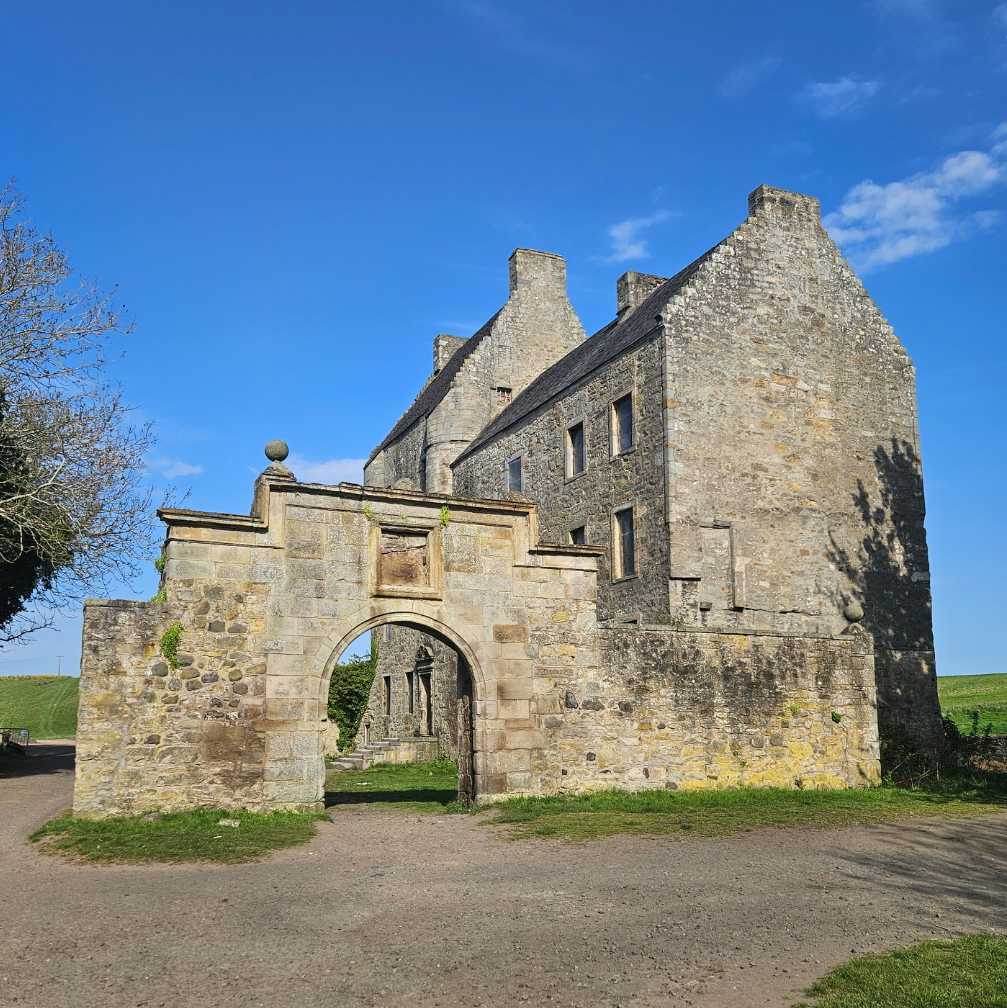
Begin your day at one of the most iconic Outlander locations – Midhope Castle, better known as Lallybroch. In the show, this was Jamie Fraser’s family home although in real life, it’s an inaccessible ruin. That doesn’t mean it’s not worth visiting and the love for Lallybroch has breathed new life into the place. Dating back to the 15th century, this small towerhouse was remodelled by Alexander Drummond and you can see his initials in the famous archway. It became home to Sir John Hope, an up-and-coming industrialist whose family would become the Earls of Hope, moving to nearby Hopetoun House!
Blackness Castle
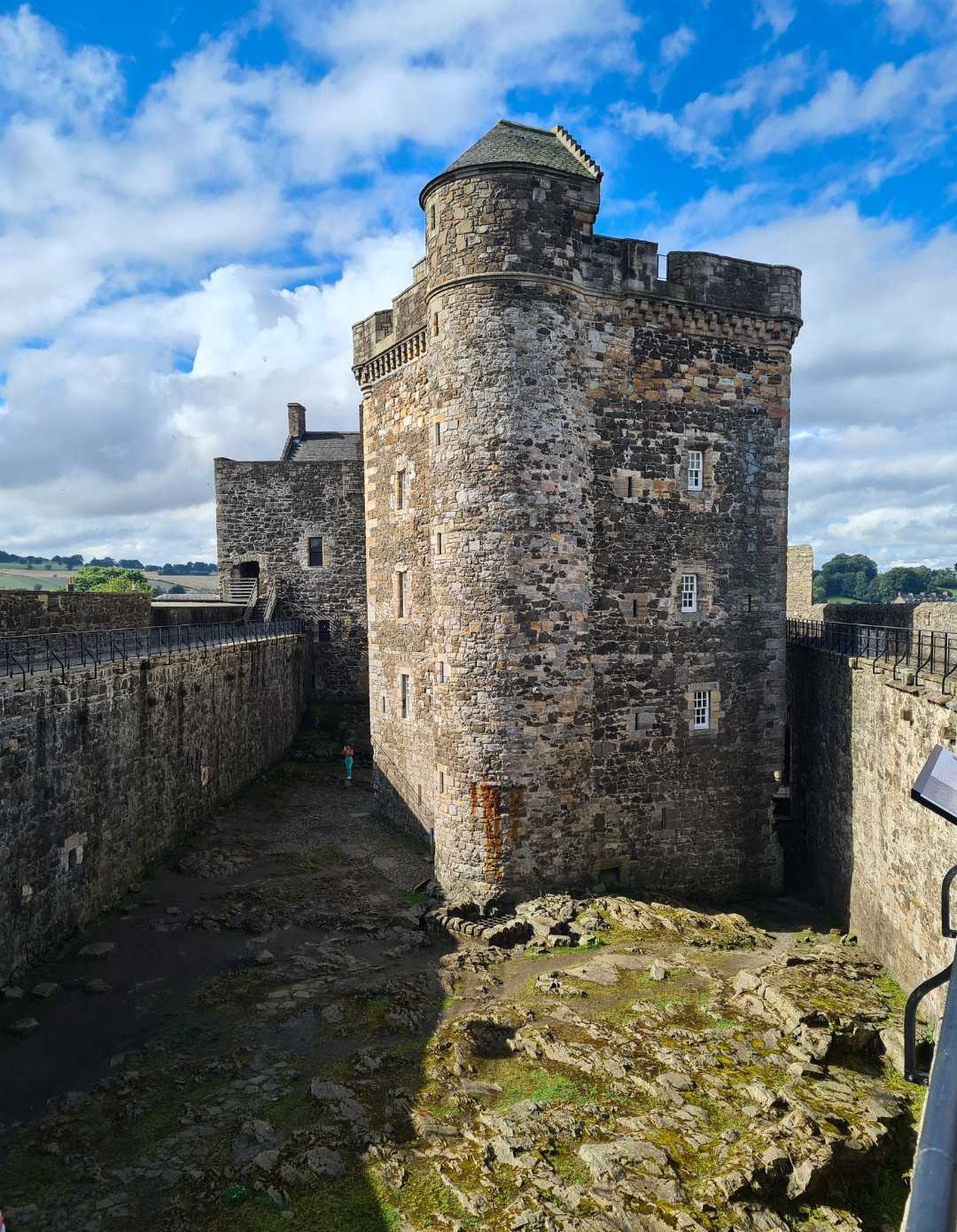
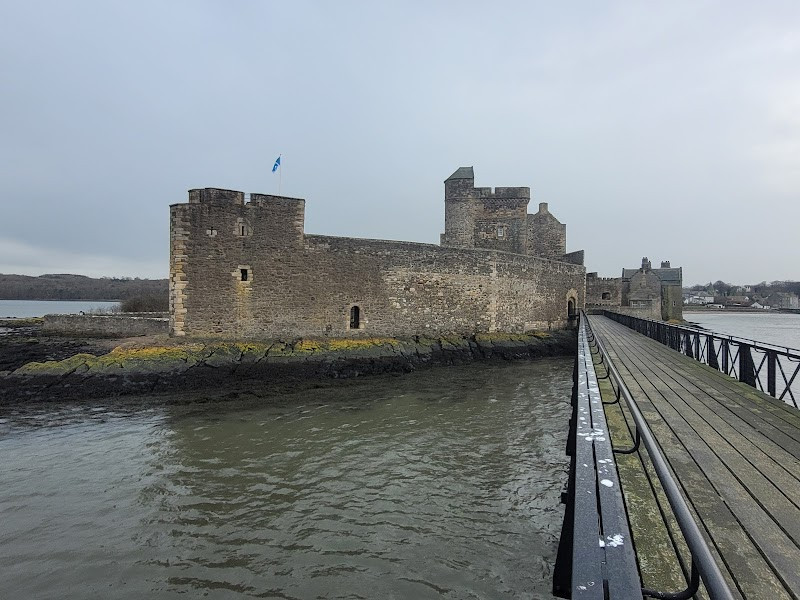
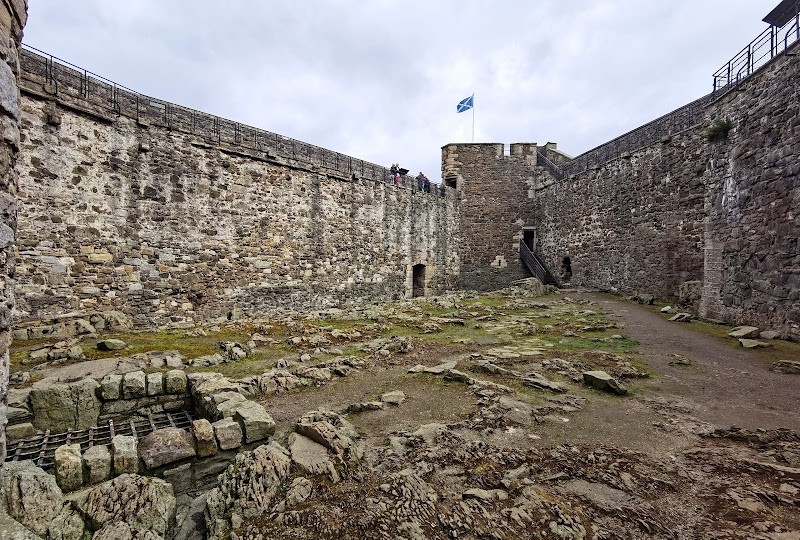
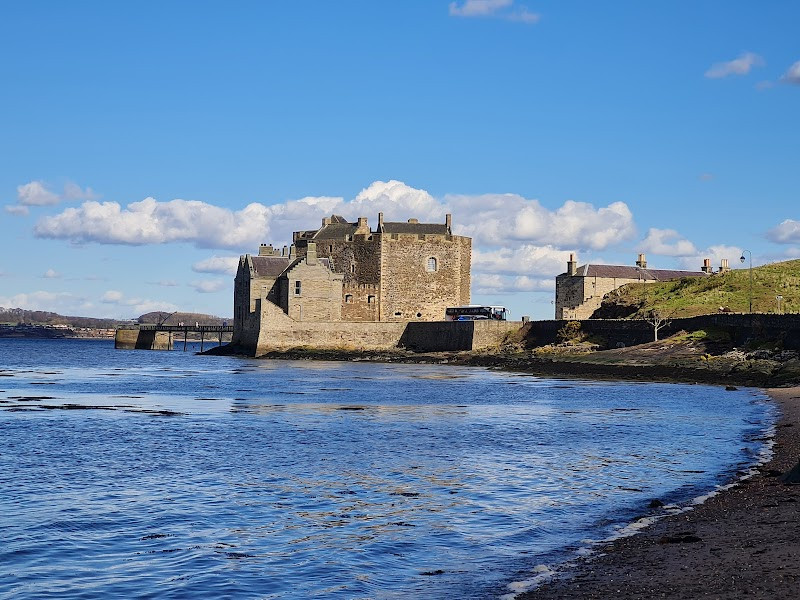
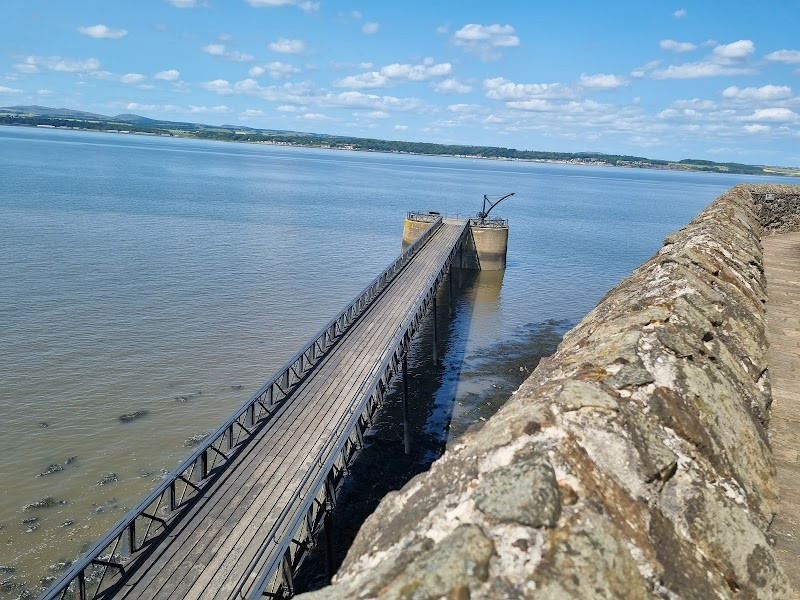
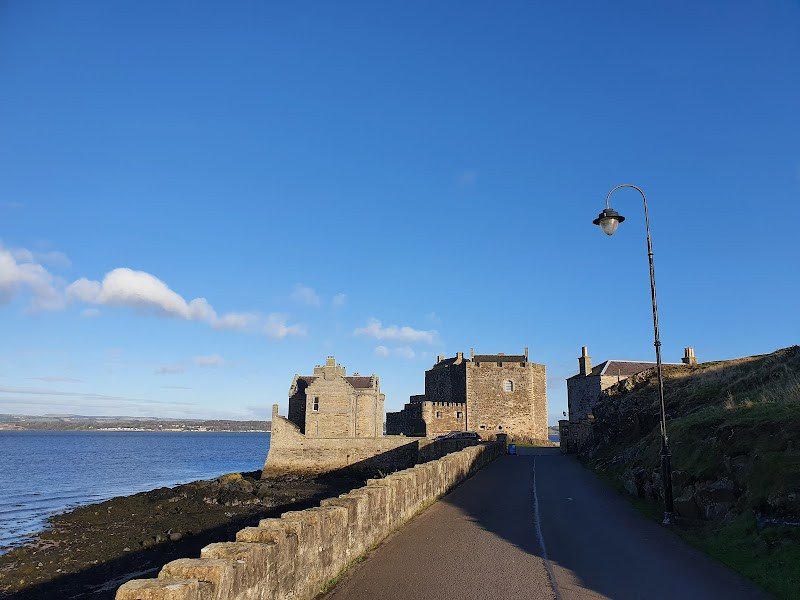
Known as the Ship That Never Sailed, Blackness Castle juts out into the Forth like a pointed prow. Used as Fort William in Outlander, the rocky courtyard where Jamie is flogged is unmistakable. The castle was originally built to be a comfortable home but quickly became a royal stronghold and impenetrable prison instead. While the central tower held more respectable figures, the pit in the northern prison slowly filled with seawater for more unfortunate souls.
A short distance inland, Linlithgow Palace was a comfortable residence for Scottish monarchs halfway between Edinburgh and Stirling. Enormous halls and numerous bedrooms surround the courtyard with a lavish 500-year-old fountain in the centre. It couldn’t be further from its TV portrayal as Wentworth Prison! This was the birthplace of Mary Queen of Scots and a favourite of her grandmother Margaret Tudor who is said to haunt the halls. Keep your ears open for the rustle of her silk skirts while admiring the view from the ramparts.
Lunch At Aran
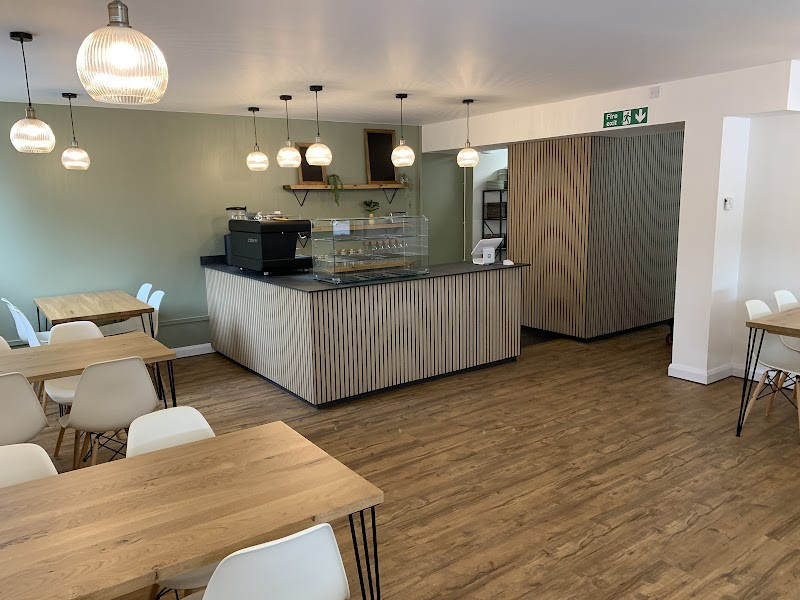
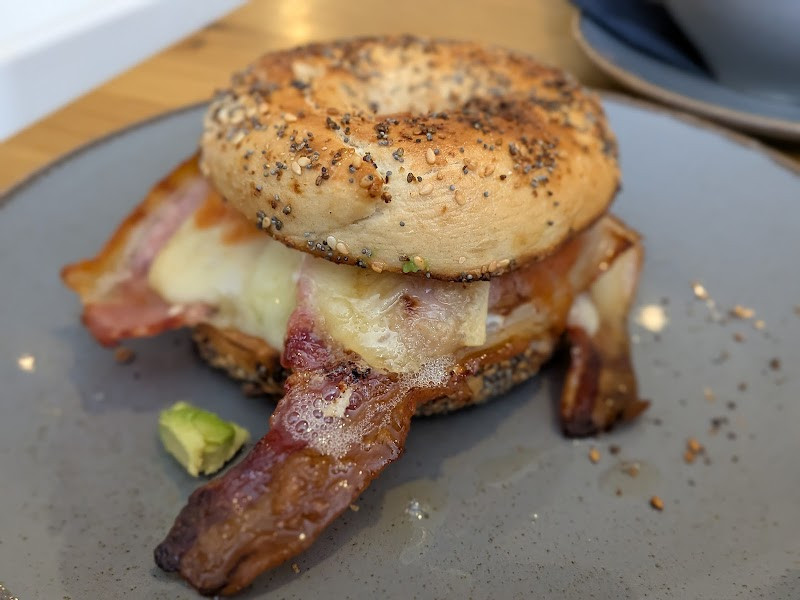
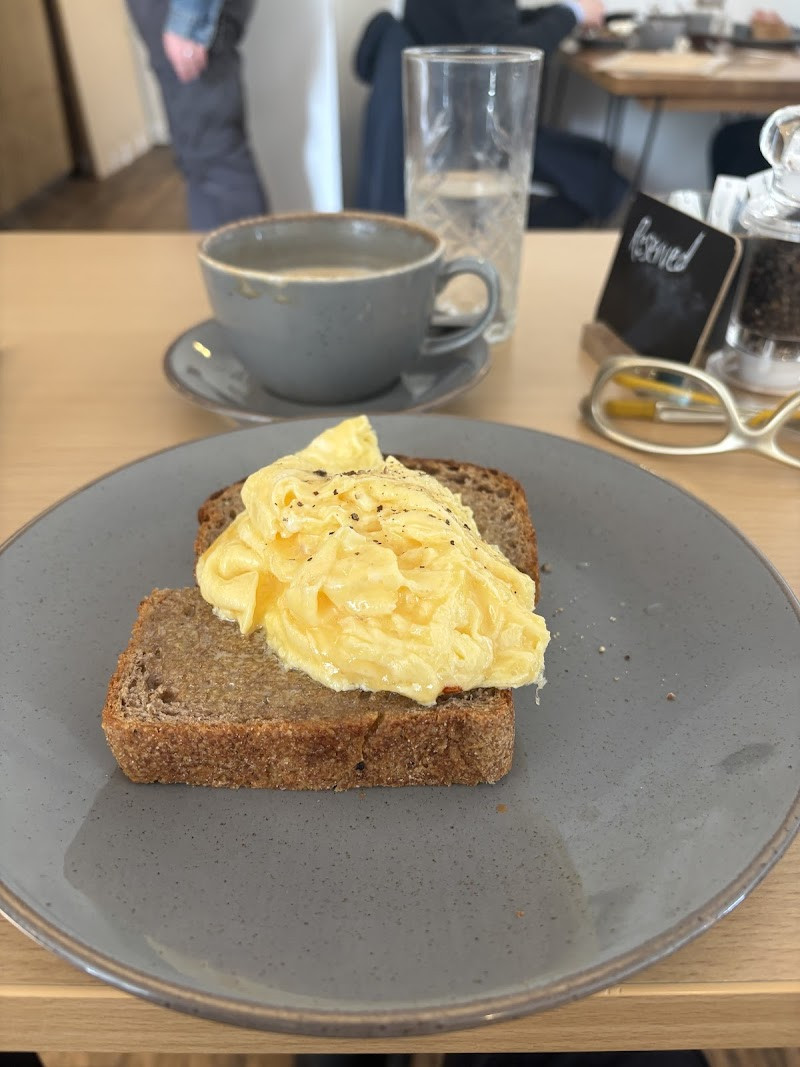
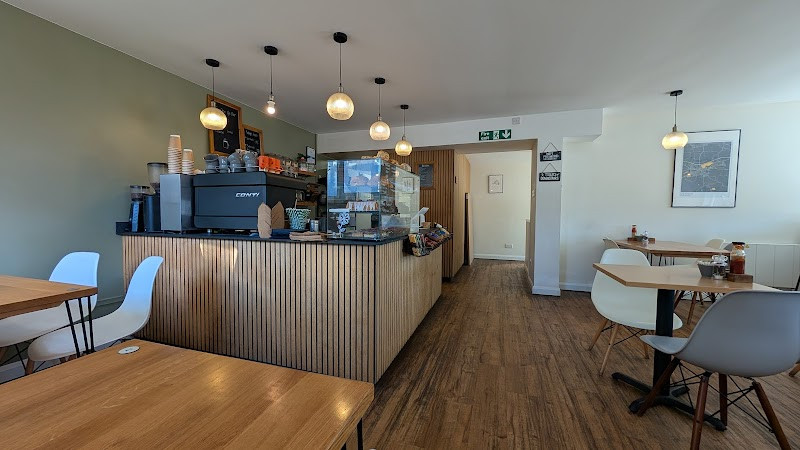
Located in the square just outside Linlithgow Palace, Aran serves up delicious Scottish lunches and probably the best coffee in West Lothian!
Doune Castle is one of Scotland’s most famous fortresses, a real no- nonsense place with strong stone walls. It’s hardly changed since it was home to Robert Stewart the Duke of Albany, younger brother to King Robert III. This is one of my favourite castles in Scotland where you can easily imagine life here in the 1400s. No wonder it’s so popular for historical dramas! Immediately recognisable as Outlander’s Castle Leoch, Doune is also famous for its role in Monty Python and Game of Thrones!
On the banks of the Firth of Forth, the village of Culross stands in for the fictional village of Cranesmuir. This is the most authentic 17th century settlement in Scotland and somewhere I love to walk the cobbled streets between quaint coloured houses. You could easily spend half a day here if you wanted, wandering around the mercat cross, ruined abbey and down to Culross Palace. Despite the name, this was never a royal residence, but it was home to George Bruce who brought huge wealth to the village through the coal and salt industries.
Falkland
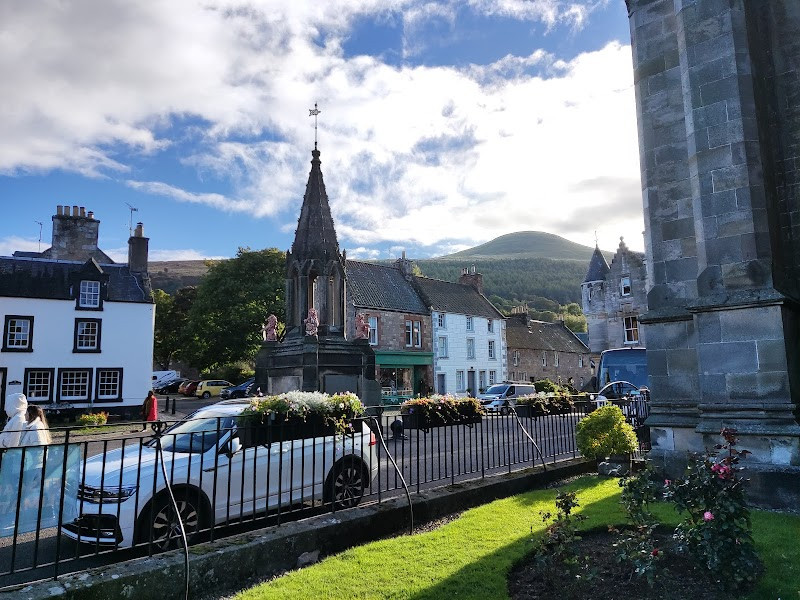
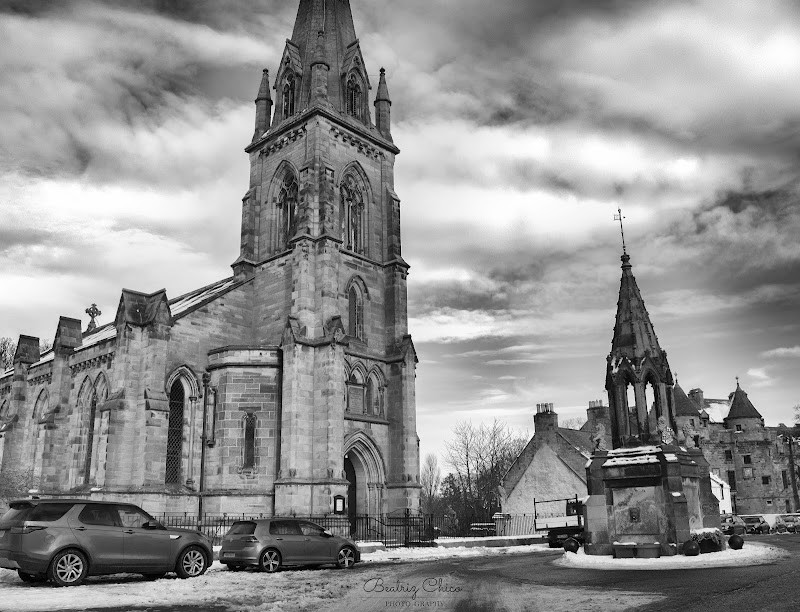
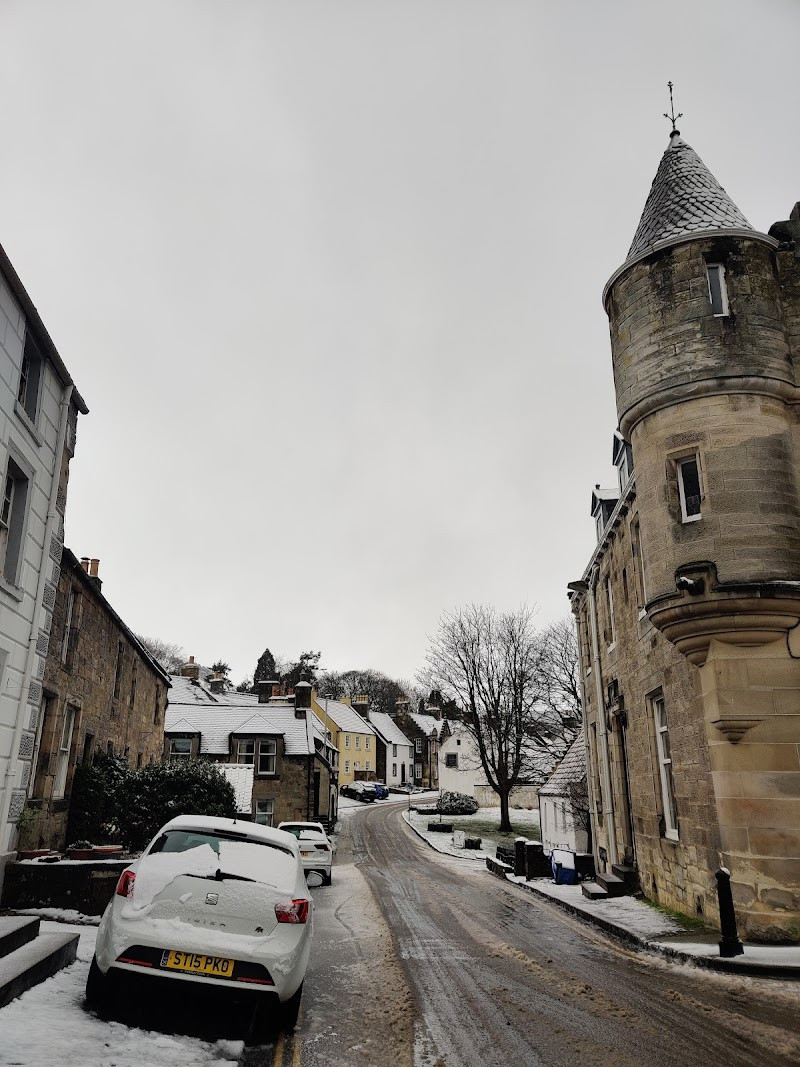
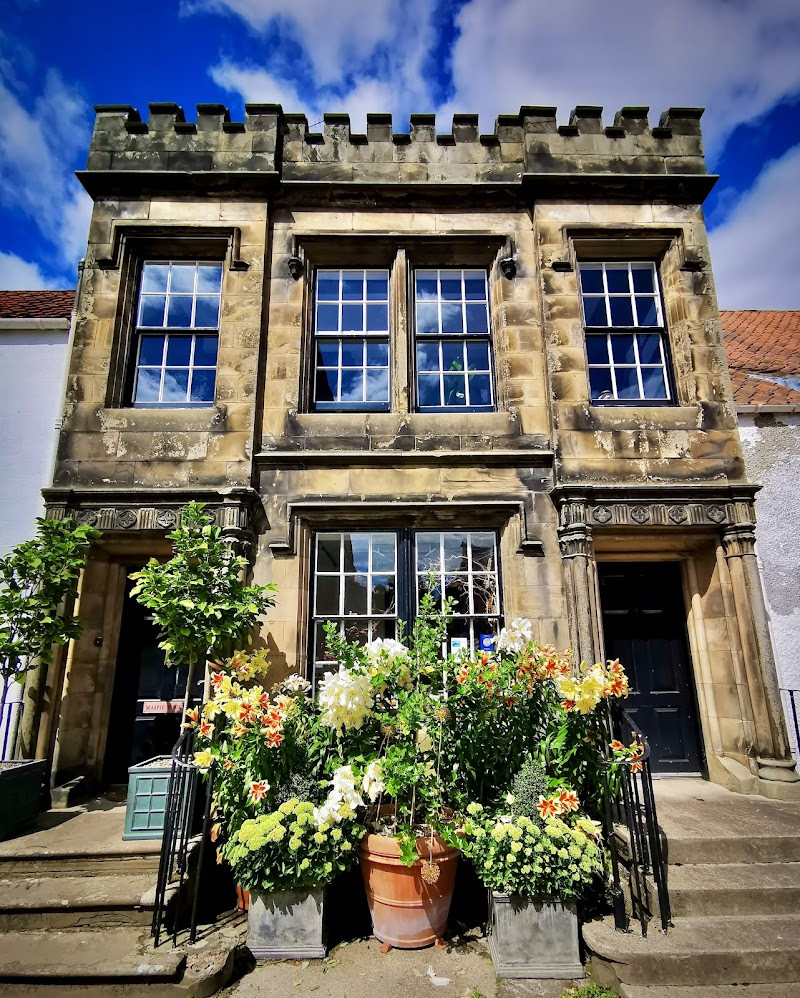
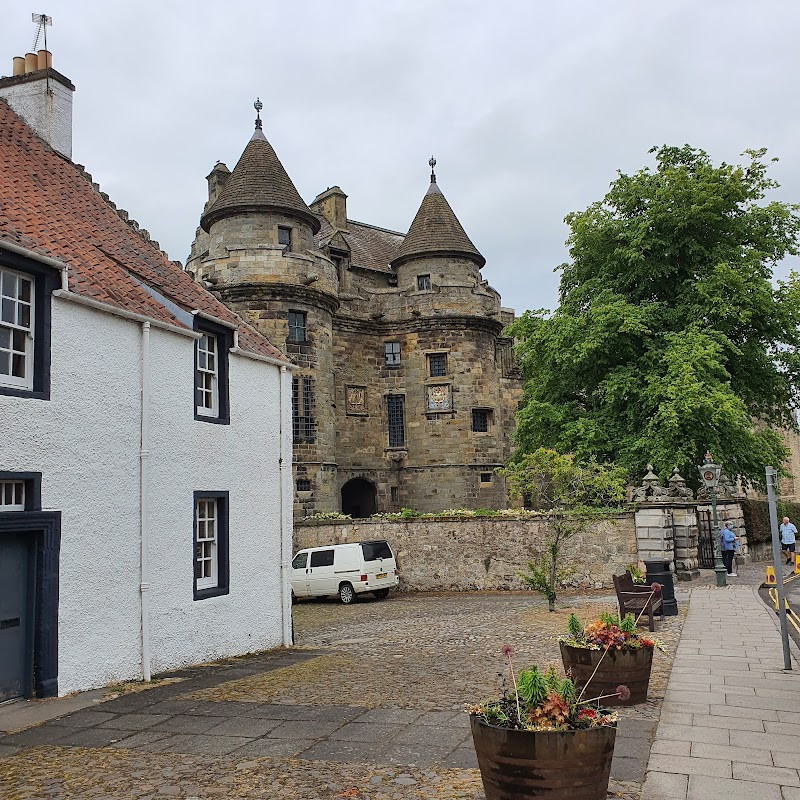
Right in the heart of Fife, the tiny village of Falkland was briefly used in Outlander as 1940s Inverness. Mrs Baird’s guest house beside the fountain is immediately obvious, but there’s a lot more to find here. I grew up just a few miles away and would regularly hike up Falkland Hill that looms above the village or take the much shorter stroll through Maspie Den. While it didn’t feature on the show, Falkland Palace is the reason the village is here at all. A favourite of the Stuarts, this was where Mary Queen of Scots shocked courtiers by playing tennis in trousers because it helped her win!
Dysart Harbour
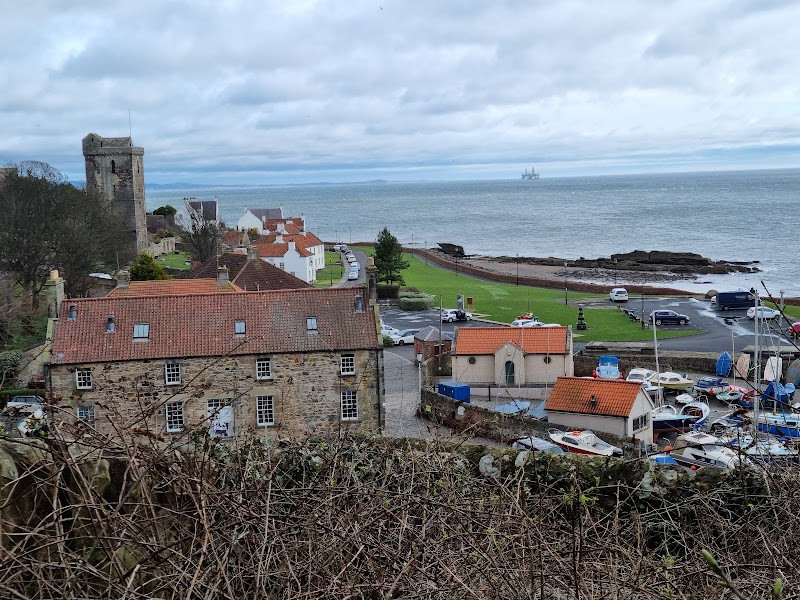
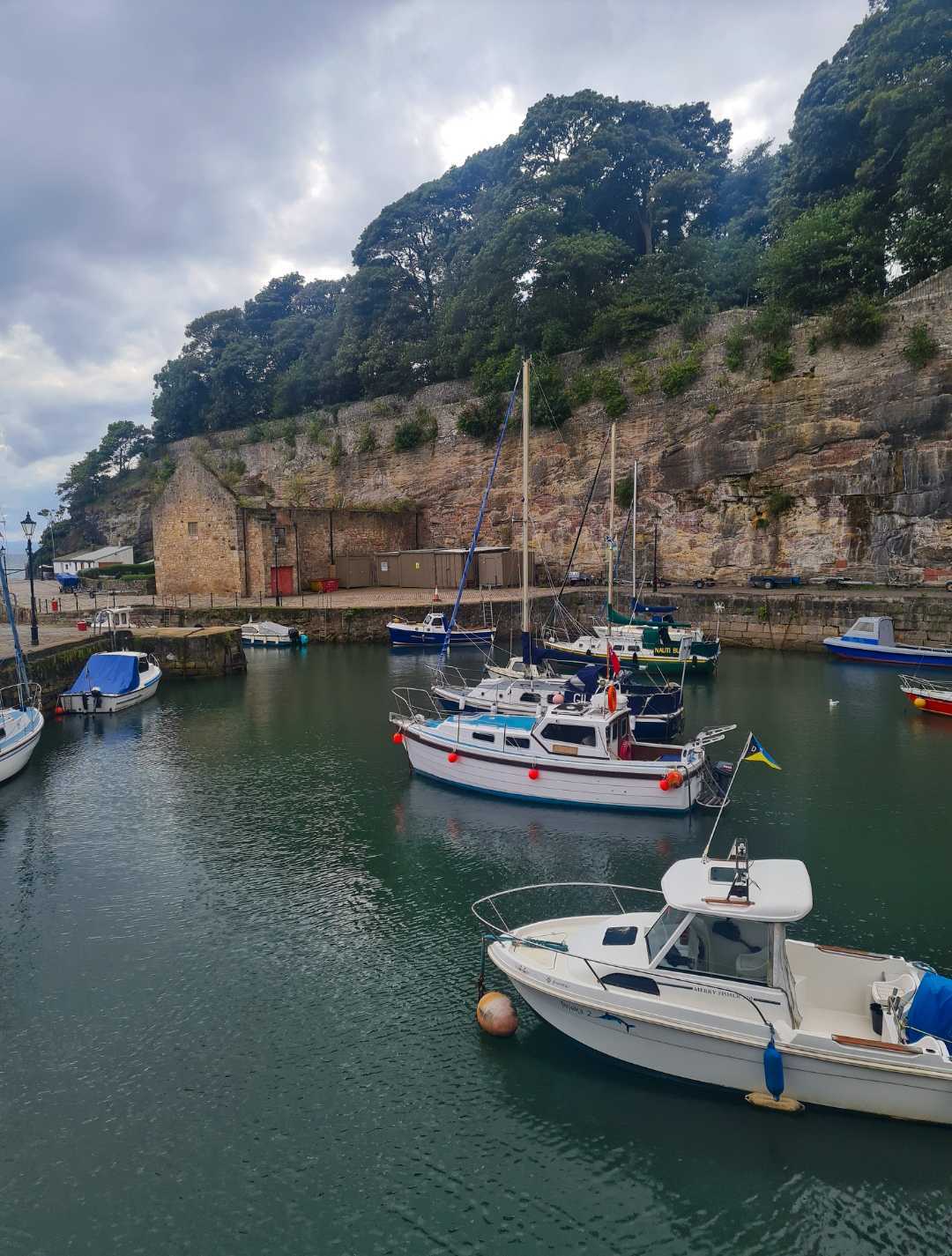
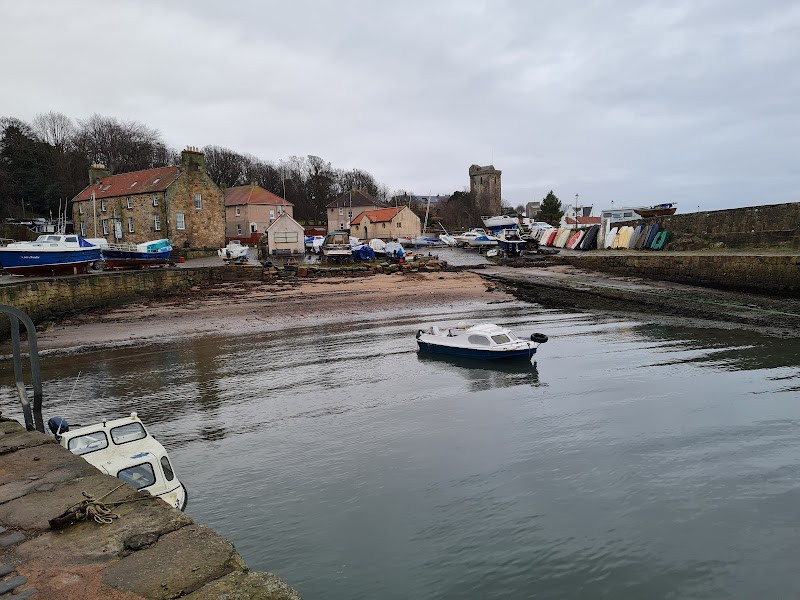
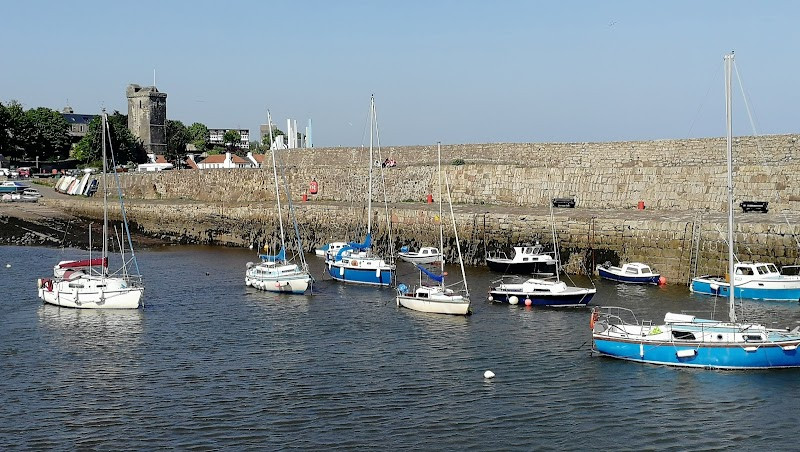
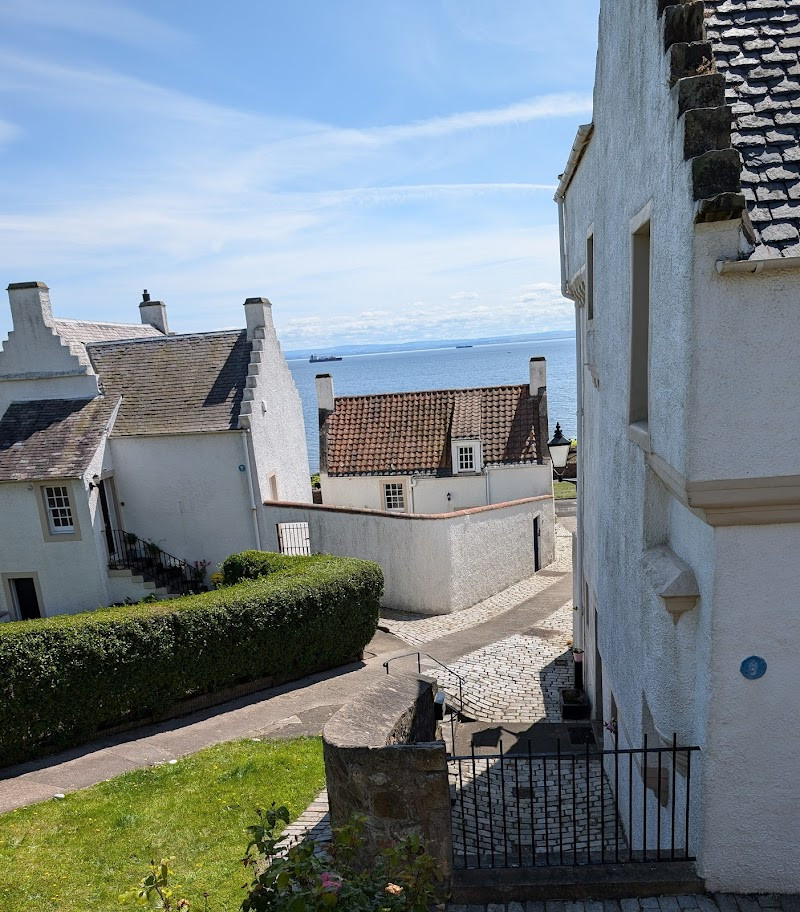
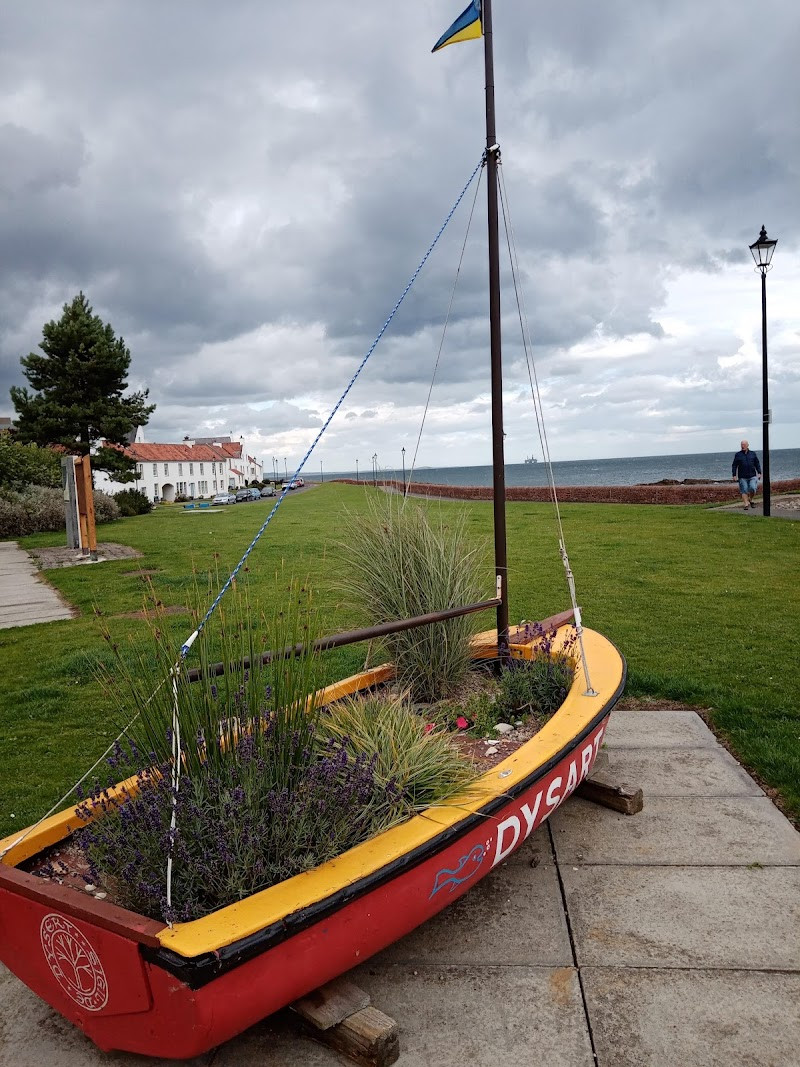
Finish off your tour of Outlander locations by stopping off at Dysart Harbour. If you imagine a sprawling French city where the cliff-face stands, then you should recognise it as Le Havre. Once a small but busy trading port, large ships regularly sailed between Dysart and the Low Countries. As ballast, they brought back orange tiles which can still be seen on lots of the roofs, especially in Pan Ha. Coal was one of the largest industries here and if you look on the beach, you’ll even find piles of the stuff washed up!






 Sign in with Google
 Sign in with Email