
Shopfronts and Shorelines: A Slow Day in Cromarty
Written by Hidden Scotland
Just across the Cromarty Bridge, tucked at the tip of the Black Isle, the old town of Cromarty makes a quiet case for slowing down. This itinerary offers a way to spend the day here without rushing, walking between galleries, workshops, and shoreline paths at your own pace. It is not packed. It does not need to be.
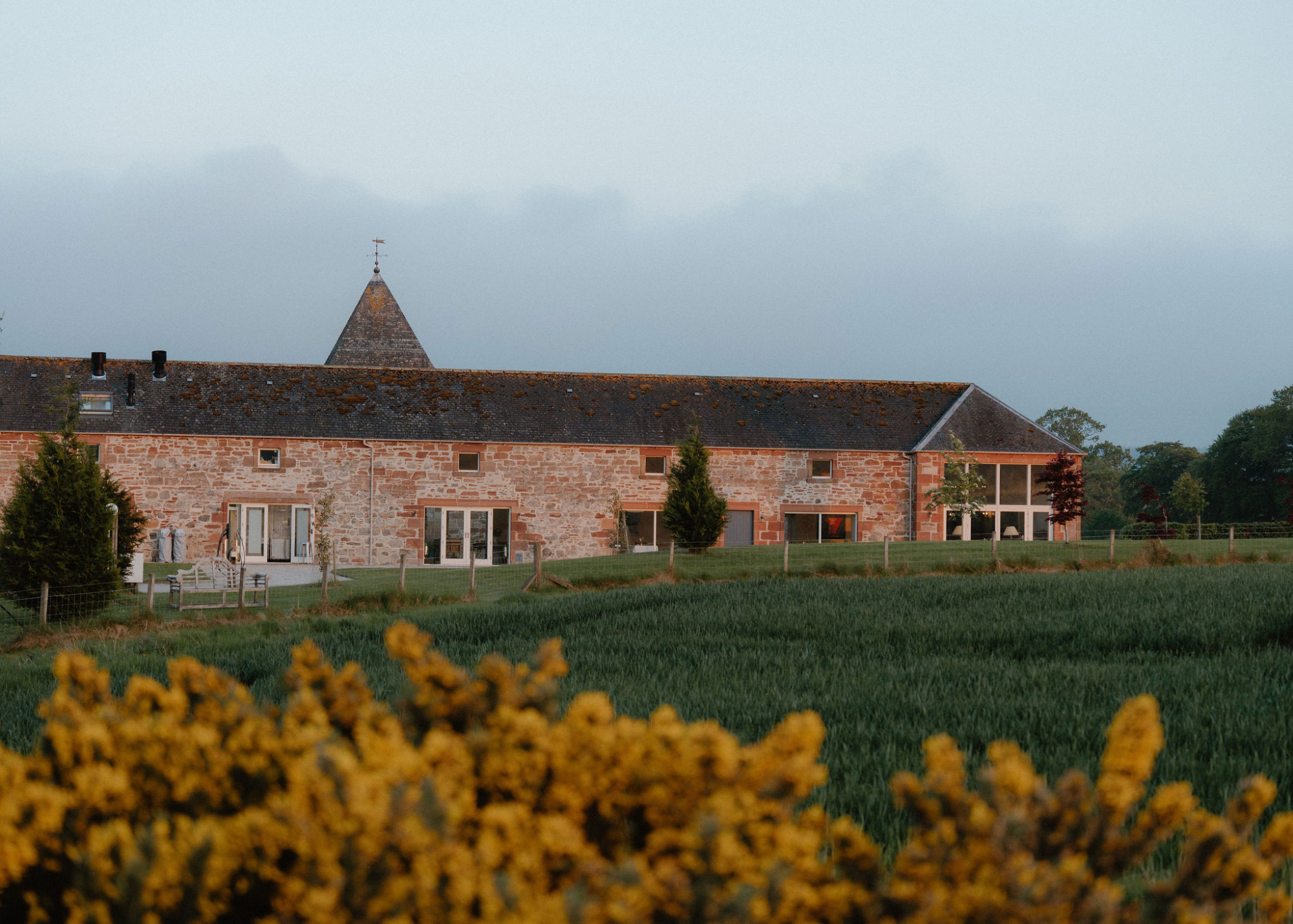
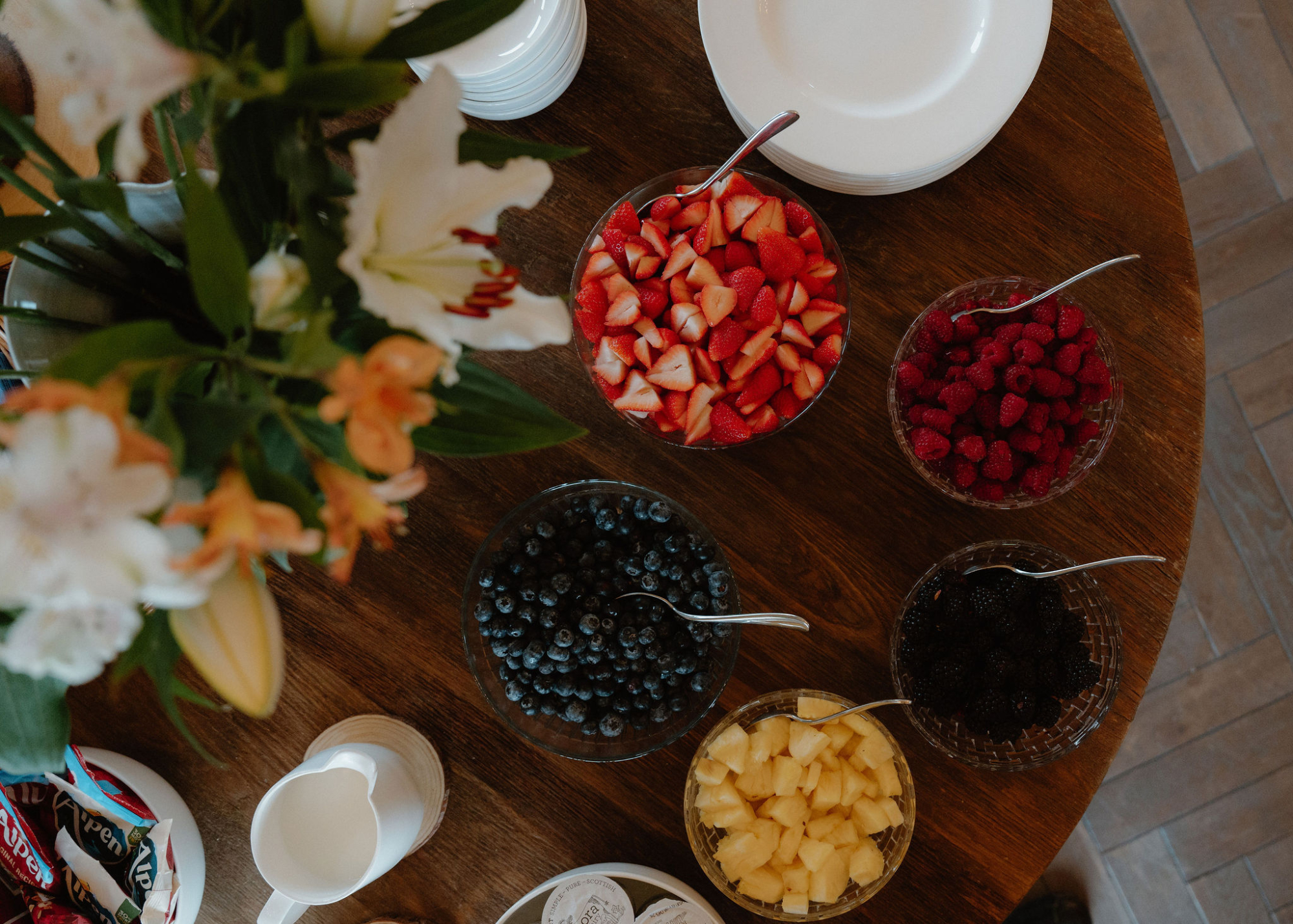
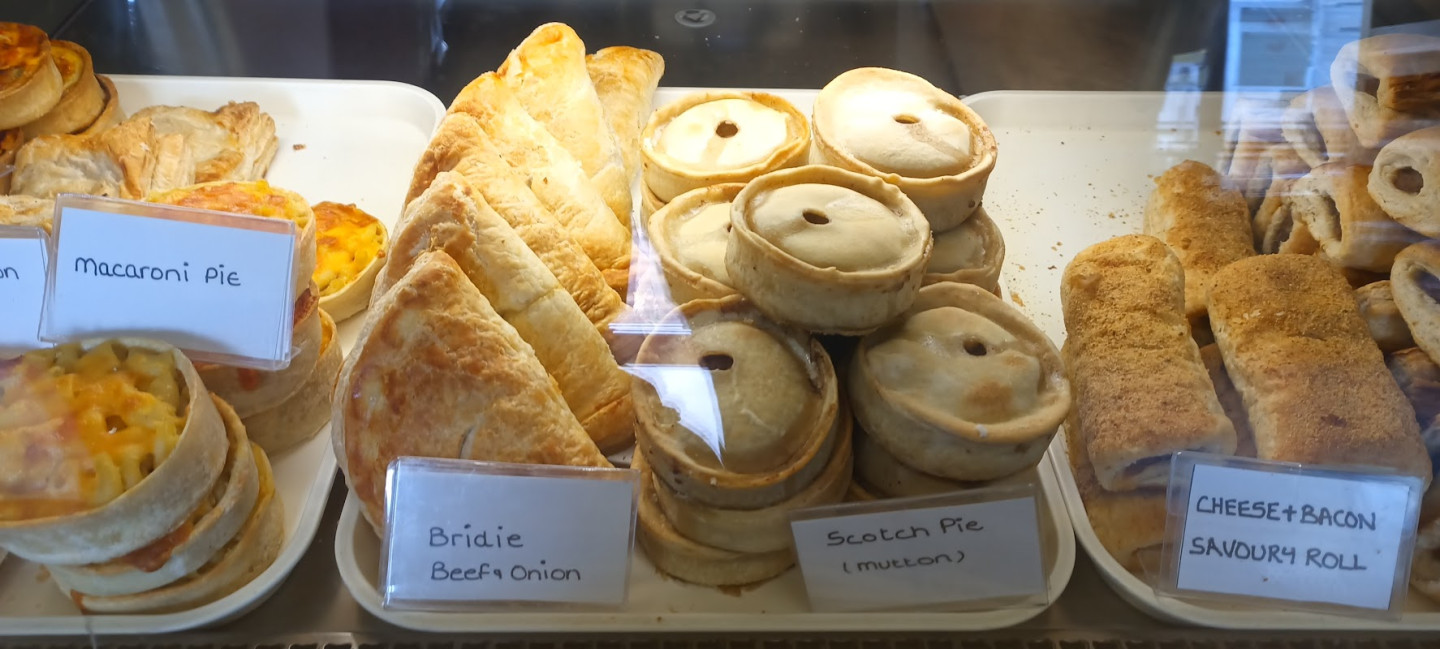
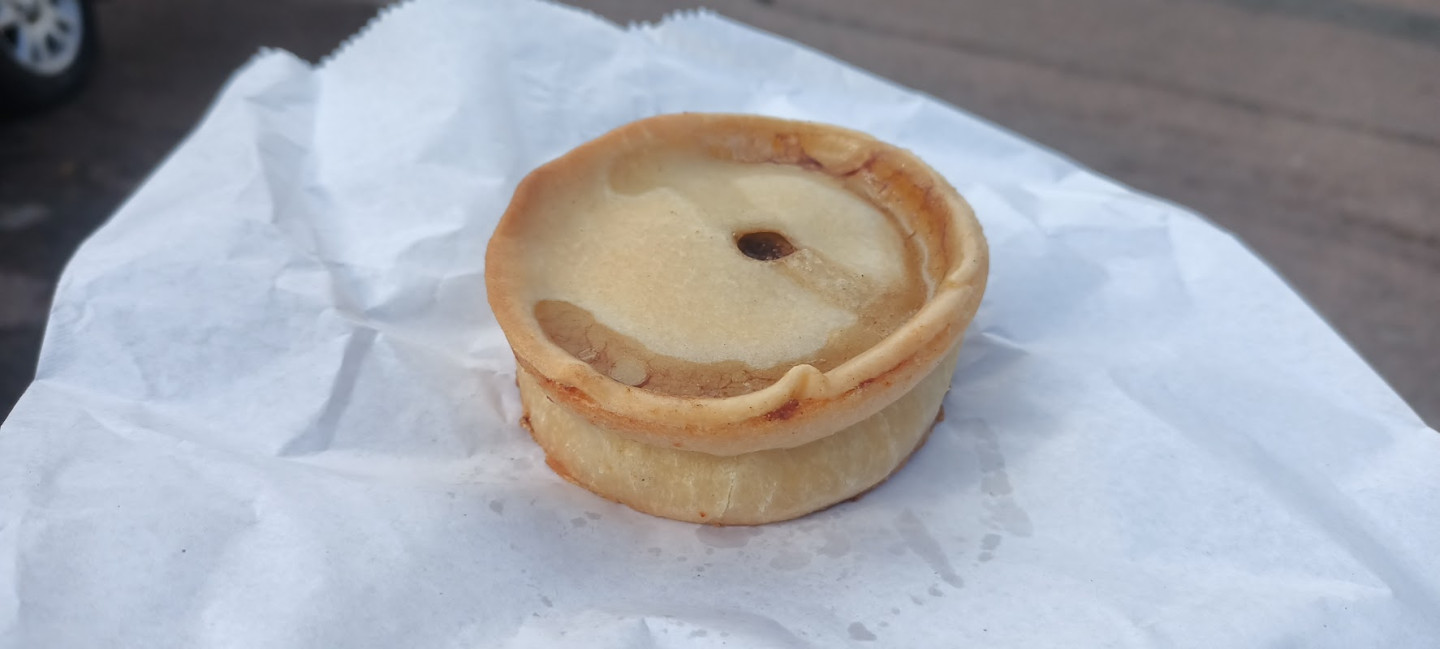
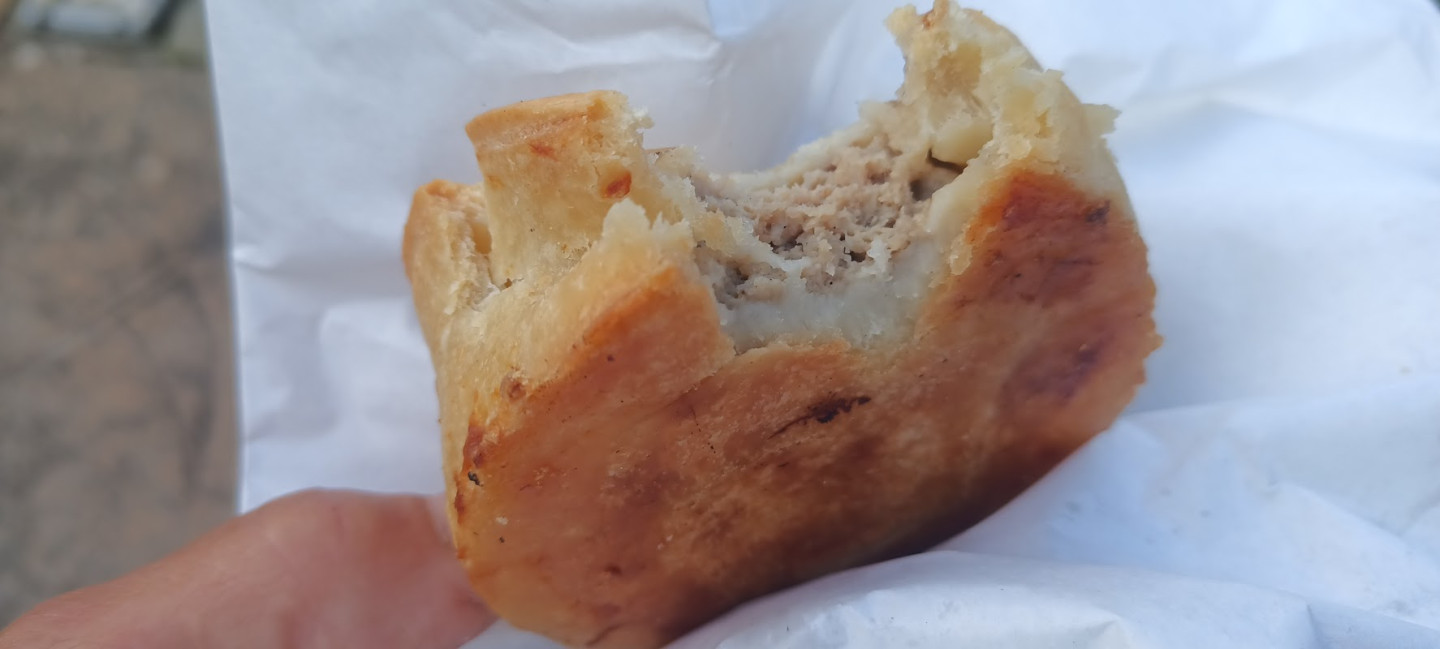
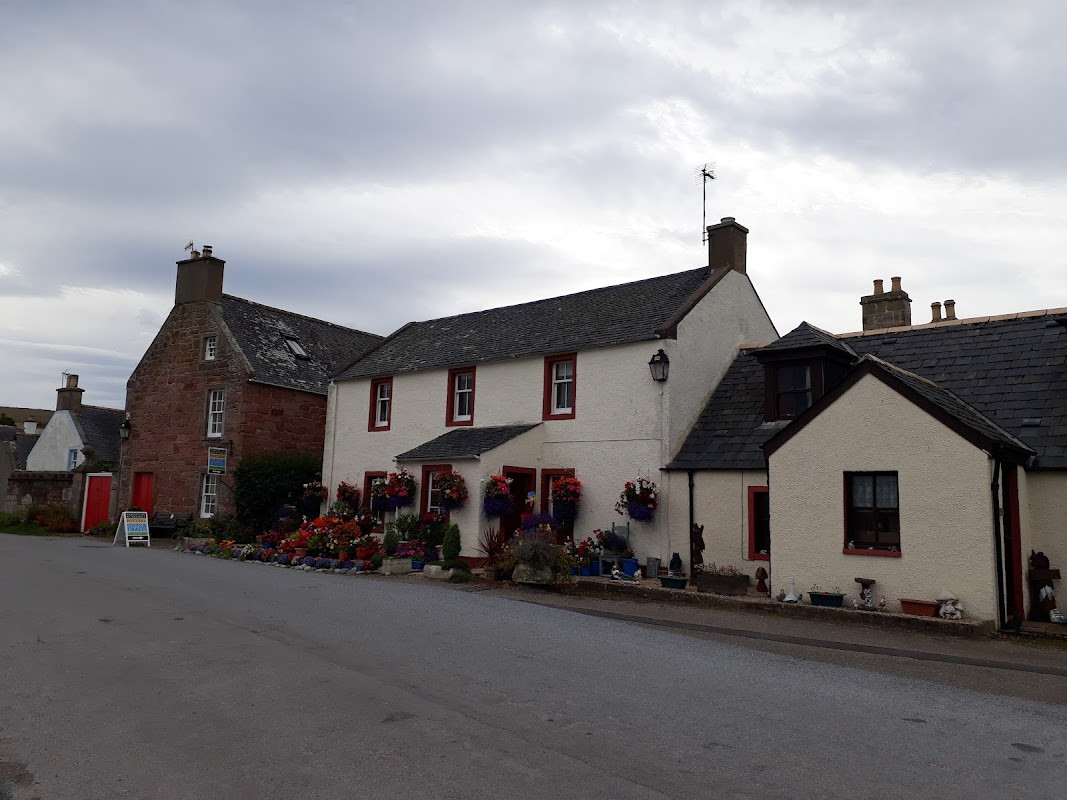
Begin the morning with breakfast at Newhall Mains or a filled roll from the Cromarty Bakery. From there, explore the town’s layers: Jacobite history at the Courthouse Museum, handmade pottery in a back garden studio, changing exhibitions at a local gallery. You will walk narrow streets, catch glimpses of the sea between rooftops, and follow a shoreline path out to the old Stevenson lighthouse.
There is space built into the route, for benches, birds, salty air, and time well spent. It finishes with dinner at Sutor Creek Café, known for its seafood and wood-fired pizzas, best booked in advance.
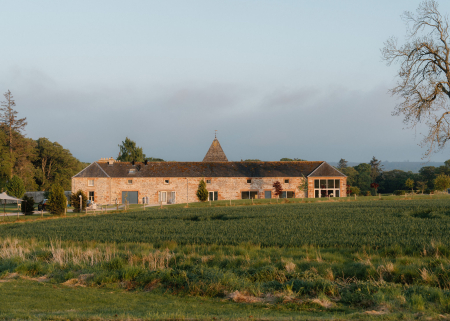
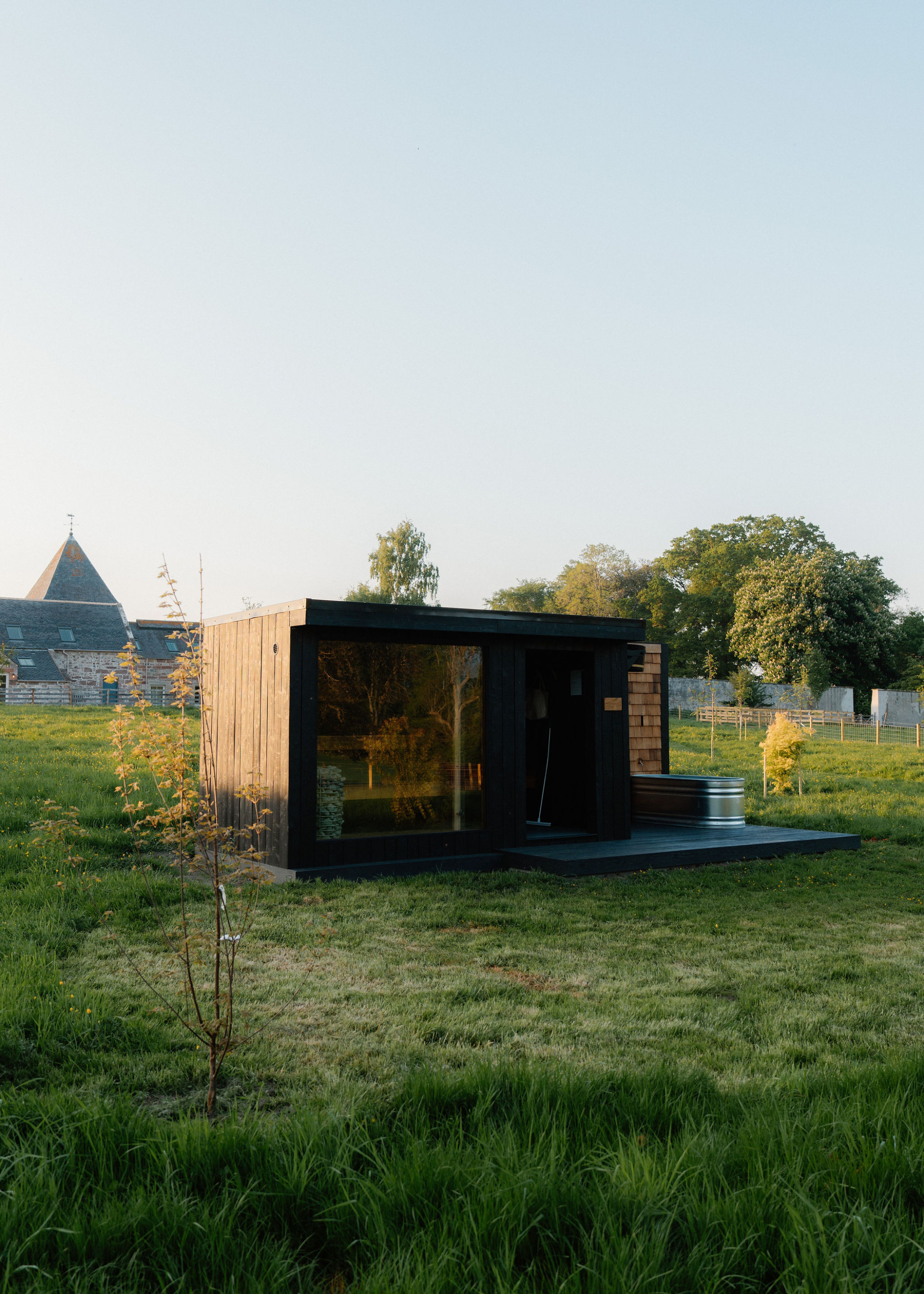
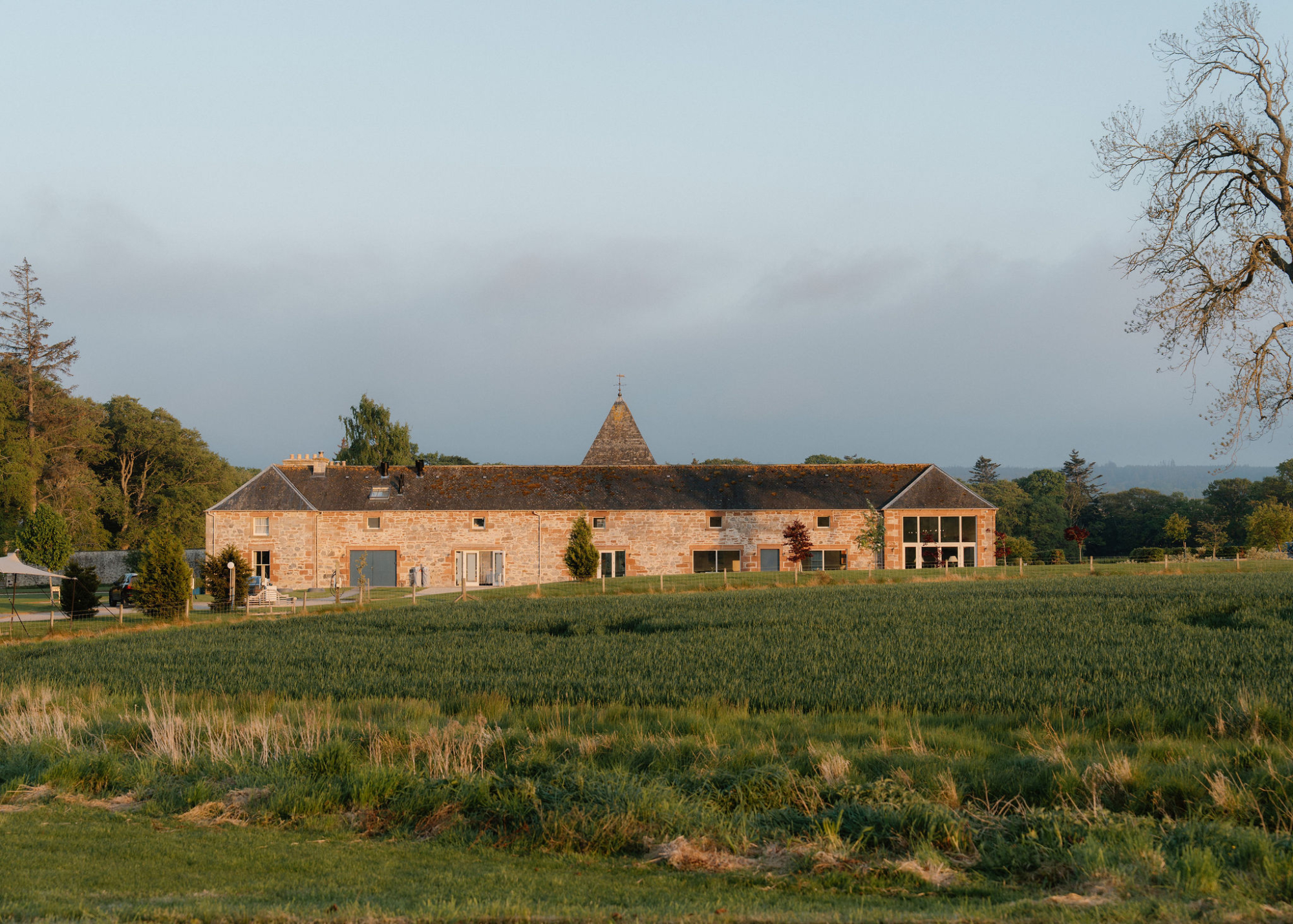
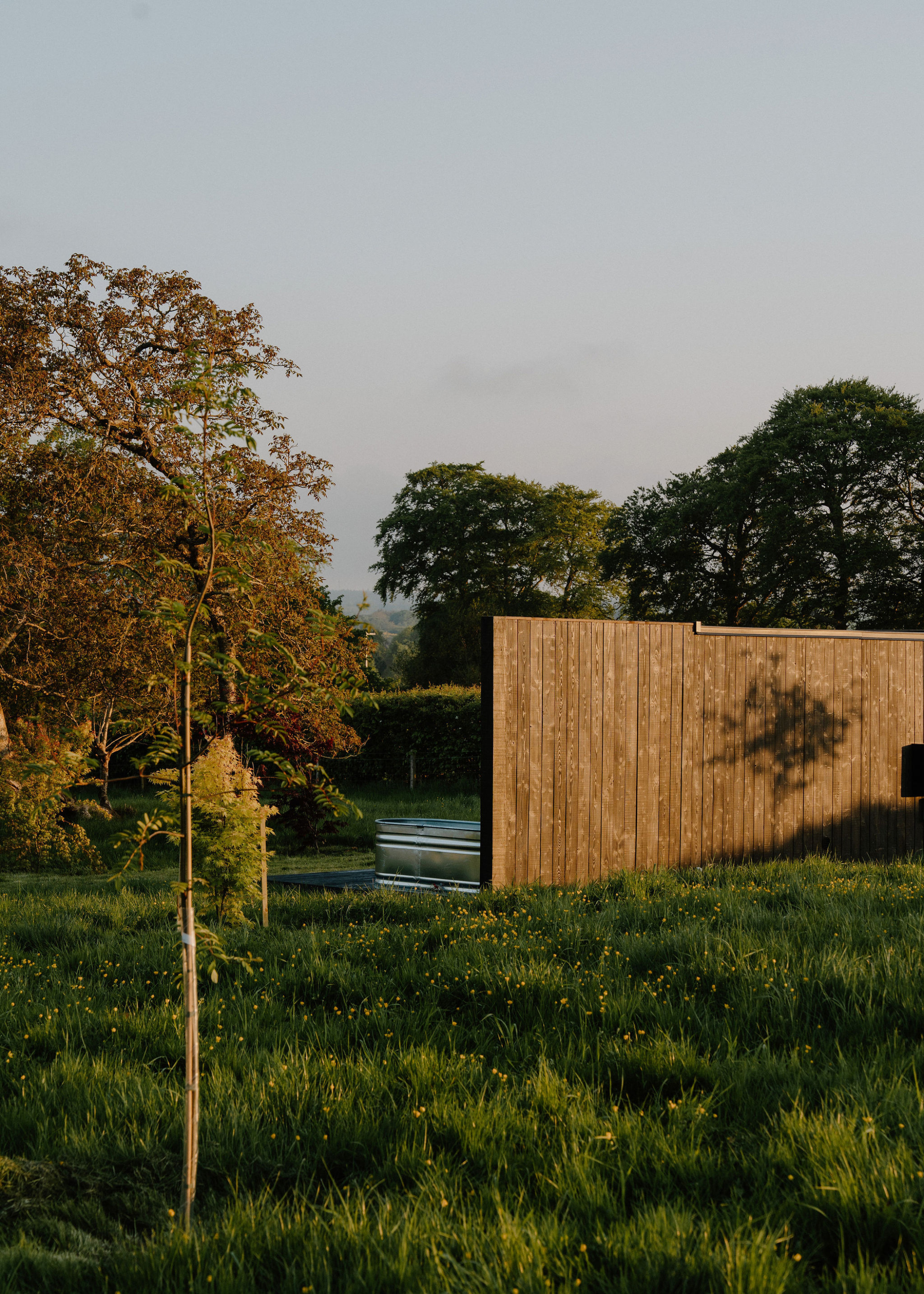
This is a day for clear-headed wandering, small discoveries, and good food beside the water. Cromarty may be small, but it stays with you. And if you are based at Newhall Mains, you are only thirty minutes away from the whole thing.
Newhall Mains
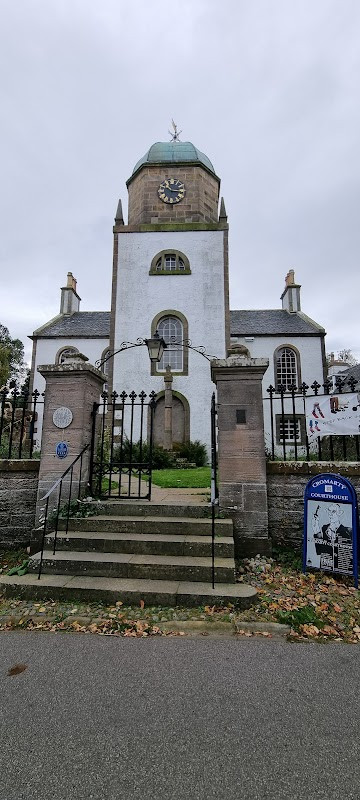
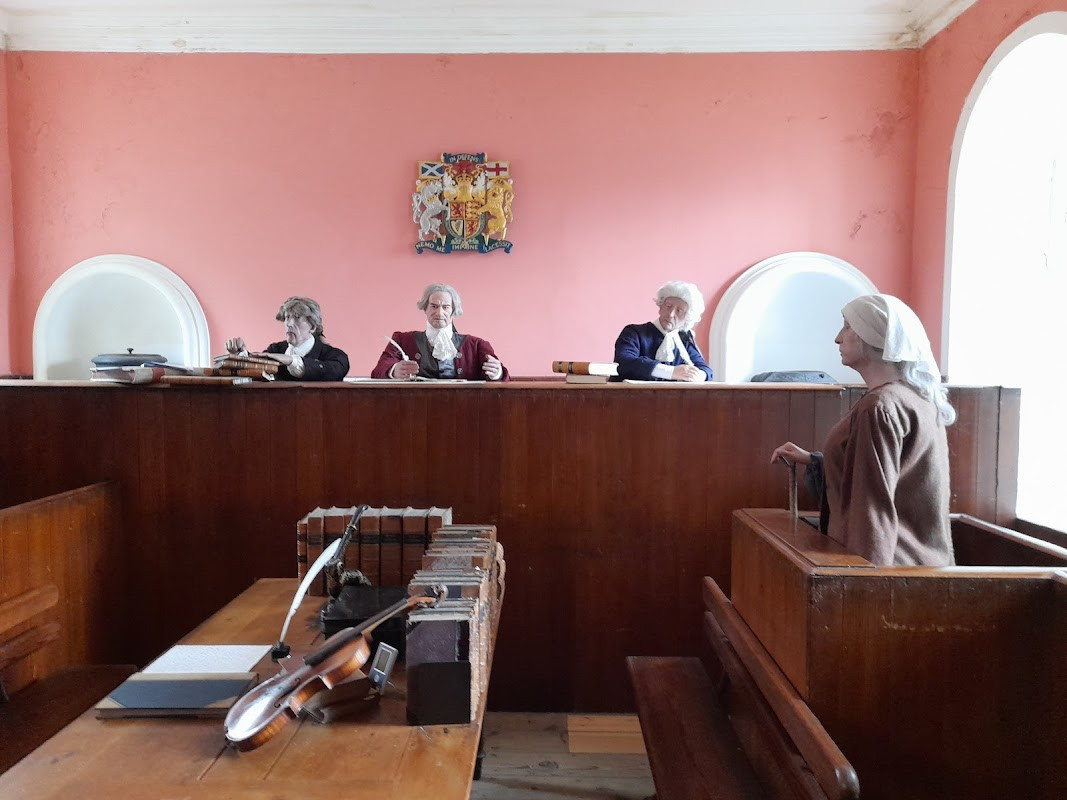
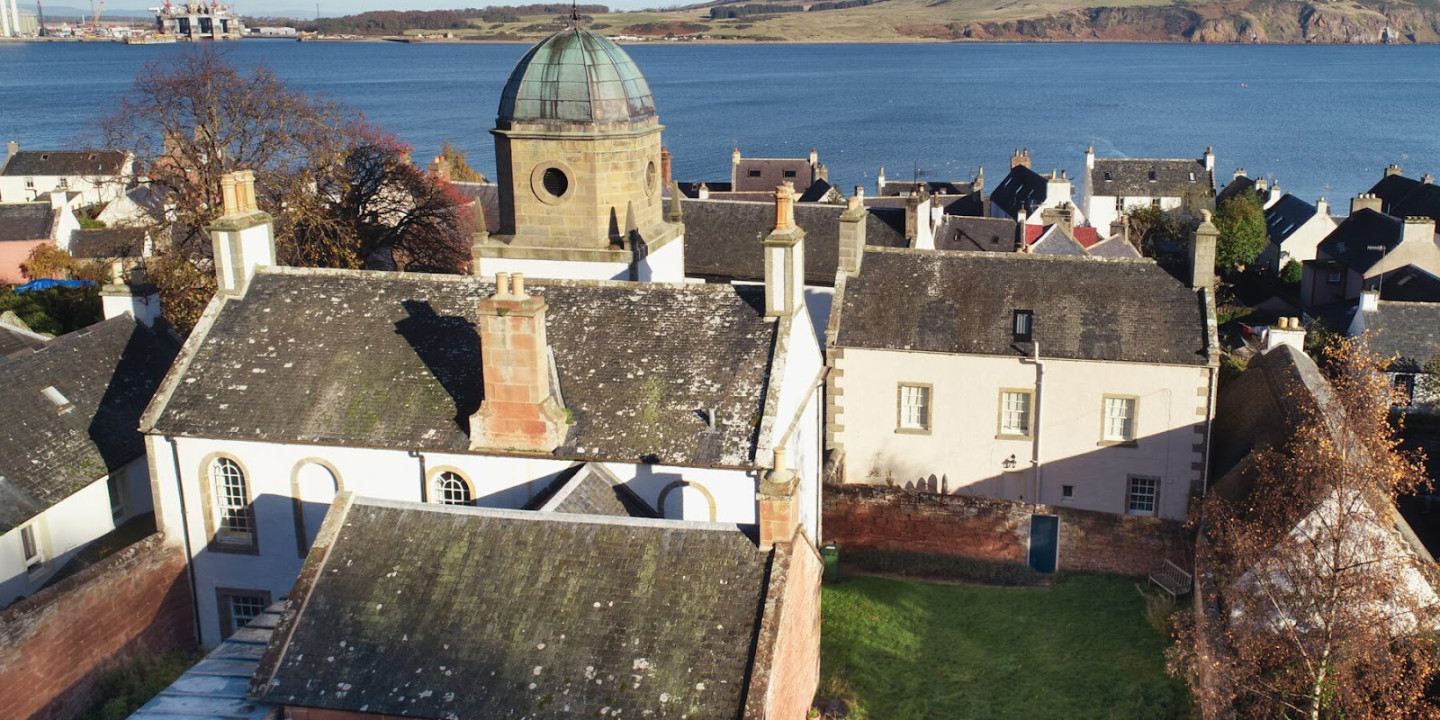
Step into the Cromarty Courthouse Museum
The outside still looks official. Cream walls, tall windows, a clock in the gable. Once inside, you realise how much of the original courtroom has been kept. The Cromarty Courthouse Museum is not a grand space, but it pulls you in with its detail. The courtroom is laid out just as it would have been, complete with judge’s bench and prisoner’s dock. You can sit in the jury box or stand where the accused once stood. Audio guides offer dramatised voices, but it’s the stillness that does most of the work.
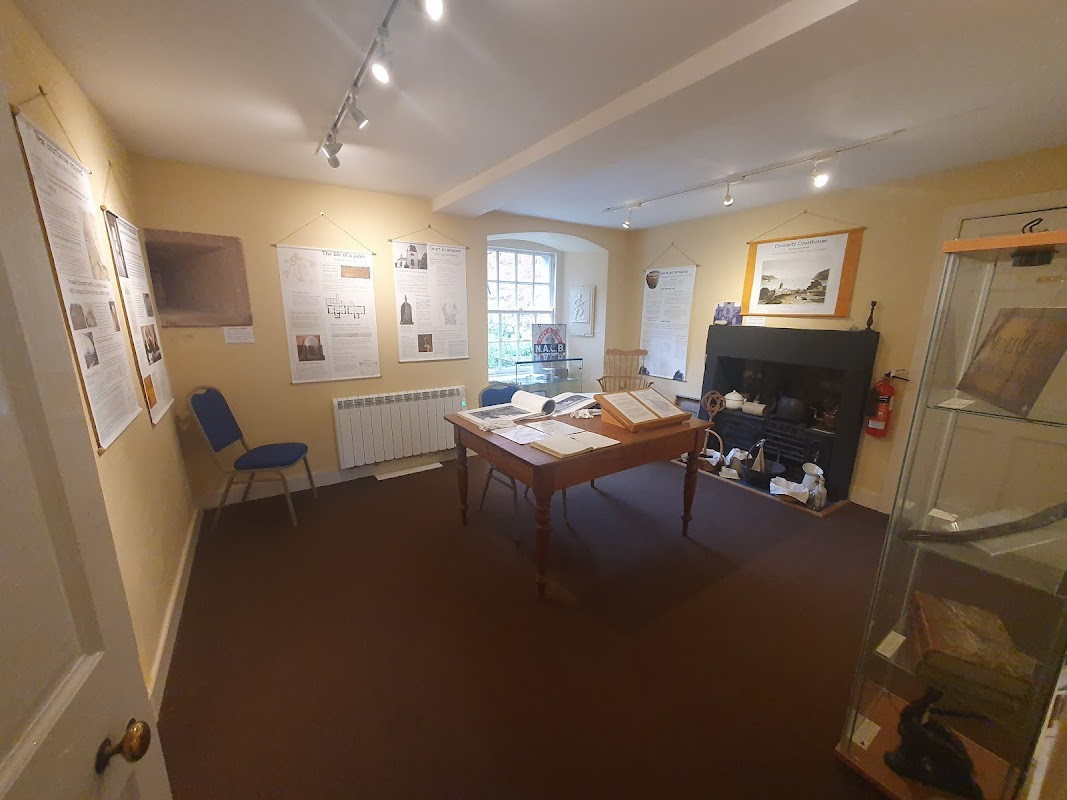
Upstairs and along the hall, small exhibits tell stories of Cromarty life. Fishing, trade, emigration. There are handwritten letters, old tools, town plans from before the oil rigs came. It feels personal, like you’re being shown someone’s attic rather than a formal archive.
It only takes half an hour, but it adds something to your sense of the place. Cromarty was once a busy port and county town. Some of that past still hangs in the air here.
Start with Coffee and a Morning Roll in Cromarty
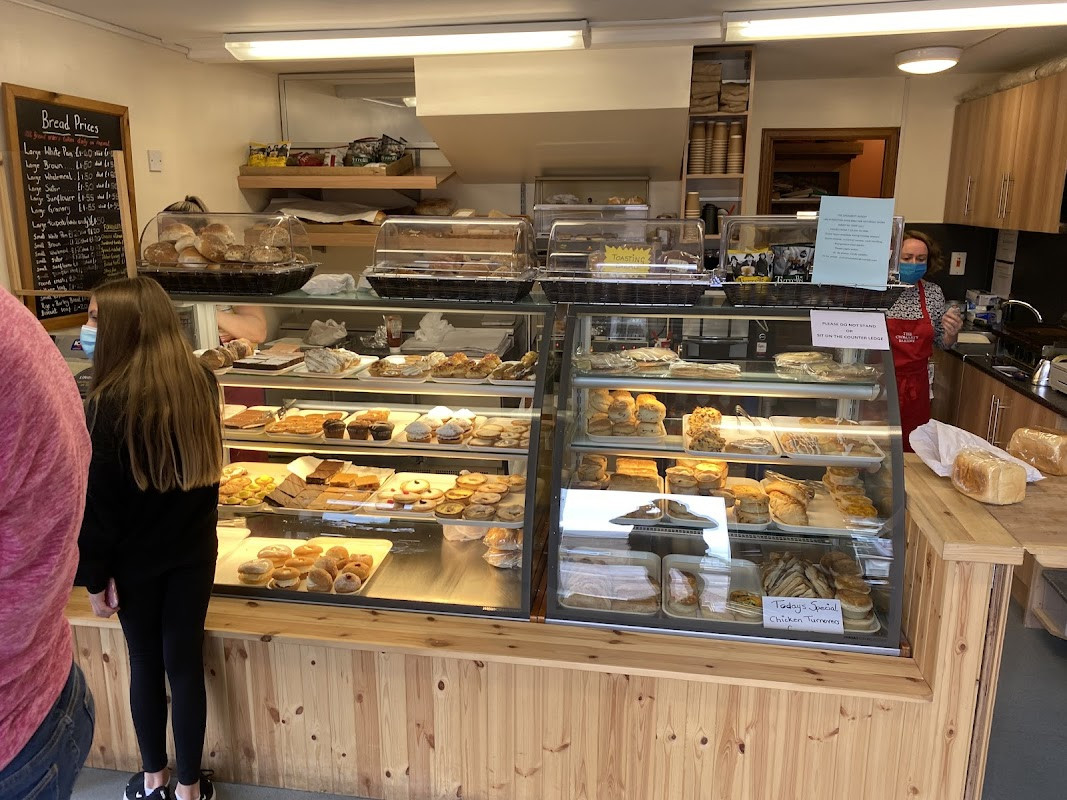
There’s no need to hurry. Park near the harbour or along the high street and take a short walk while the town starts to stir. Cromarty moves gently in the morning. The smell of baking often leads the way. Cromarty Bakery is a good first stop. It is not trying to impress anyone, but the coffee is strong and the bread is fresh. There are rolls, oatcakes, shortbread, and seeded loaves that disappear quickly. Locals come in for their usual orders. Visitors take longer, then usually order the same.
If you prefer something smaller, Couper’s Creek sits just around the corner on Church Street. It is easy to miss but full of character. The tables are mismatched and the menu short. There is always something sweet, and often someone painting or chatting in the corner.
Hugh Miller’s Birthplace Cottage and Museum
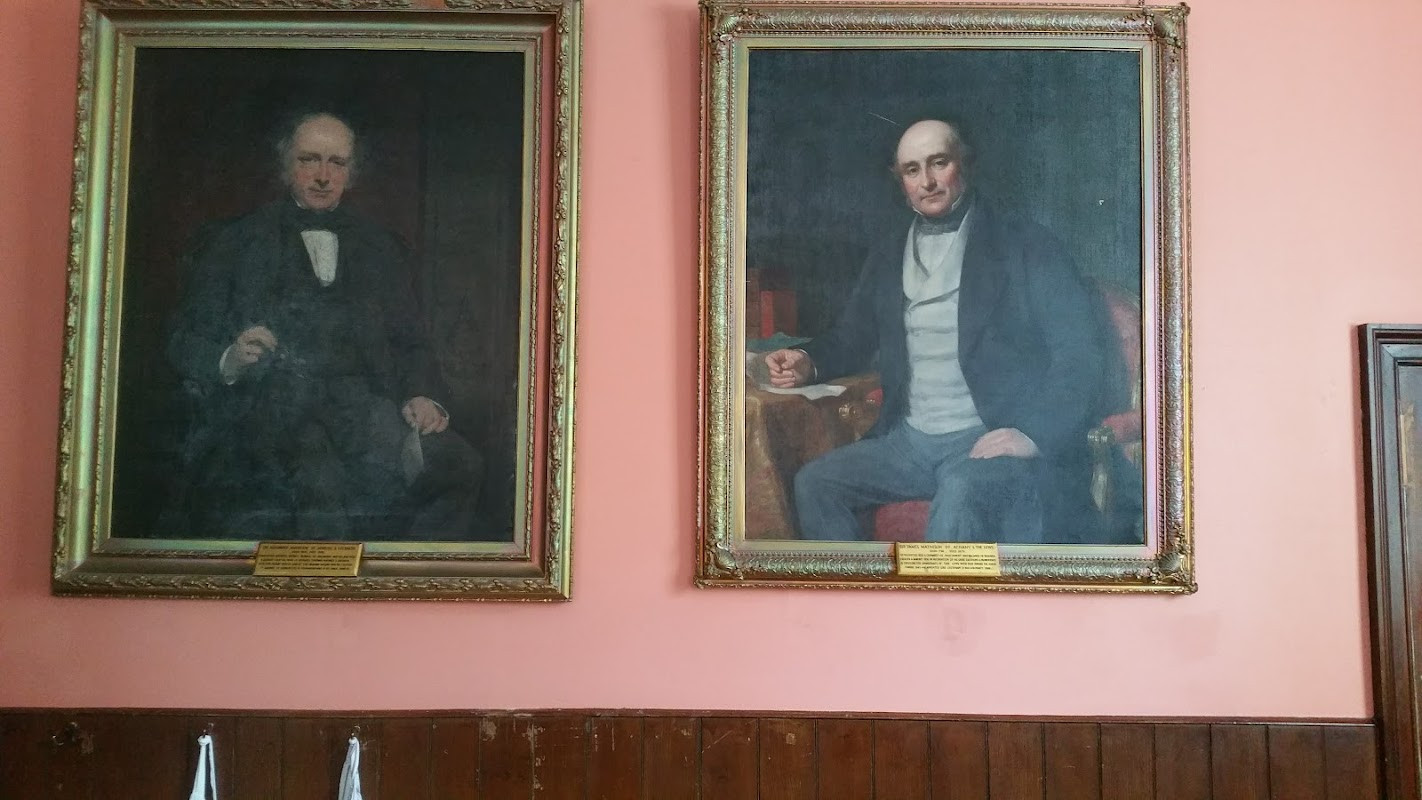
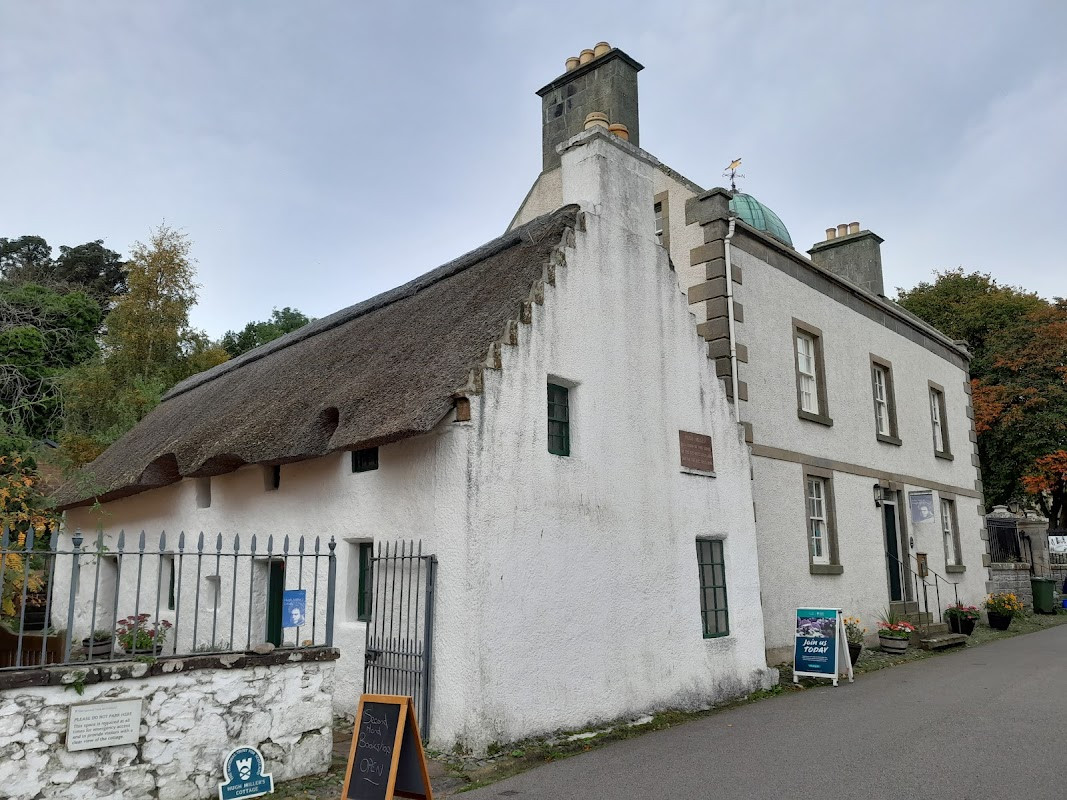
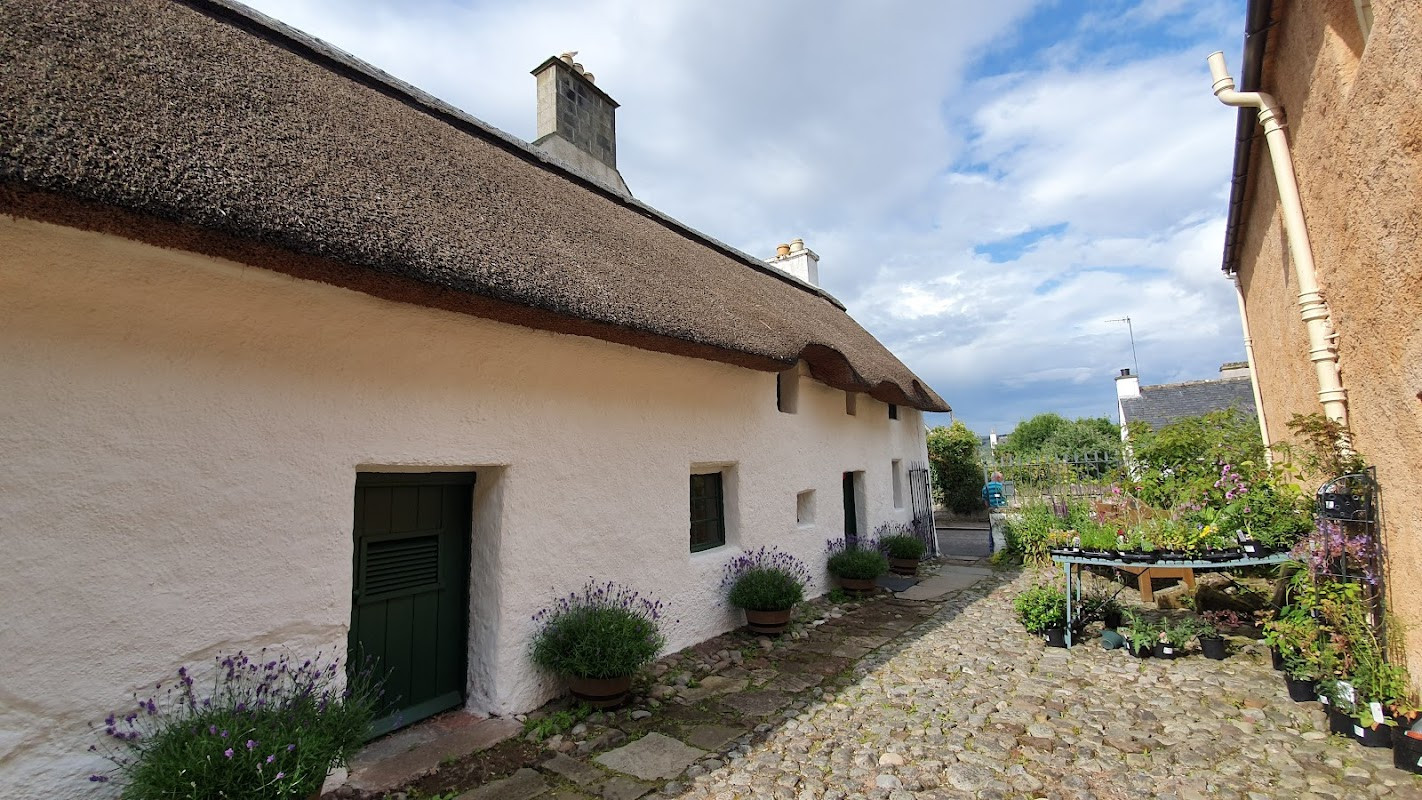
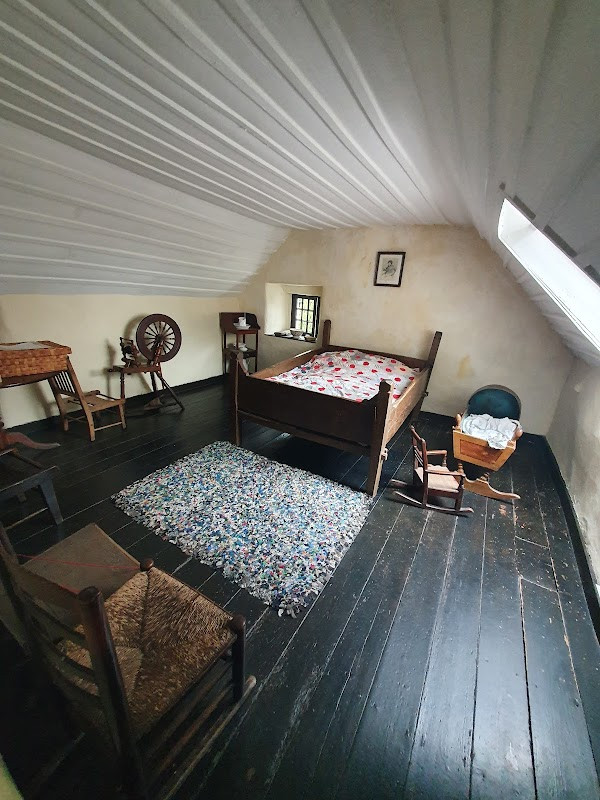
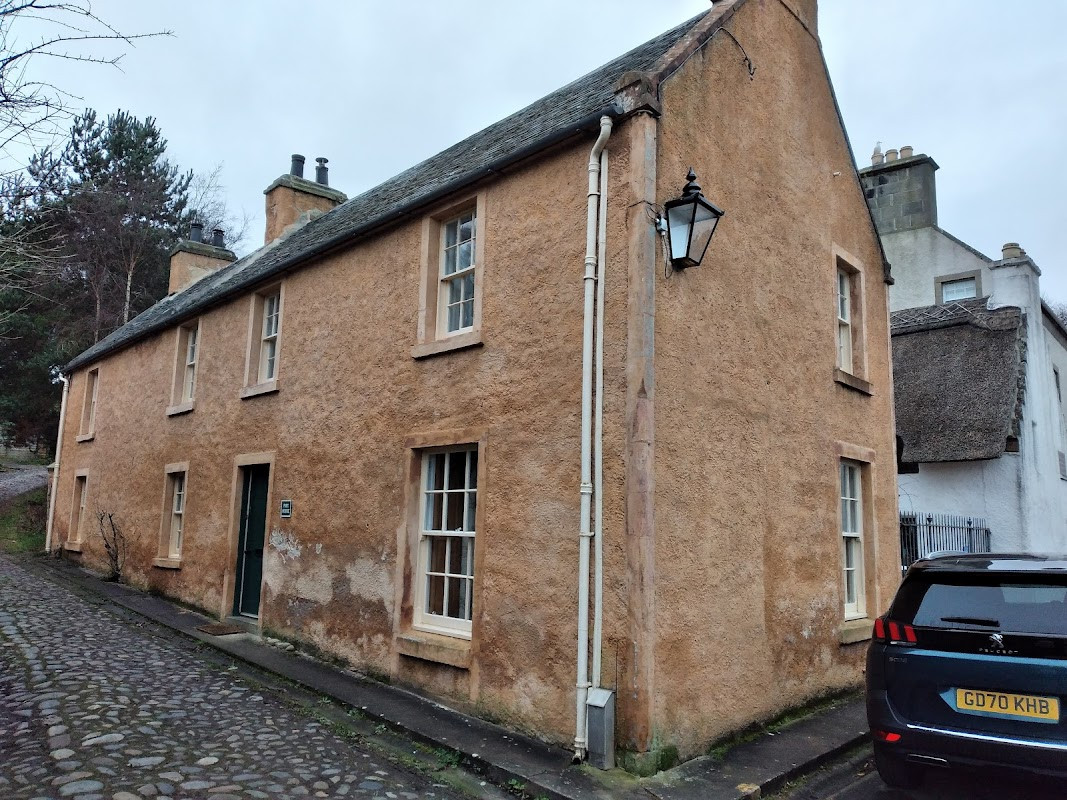
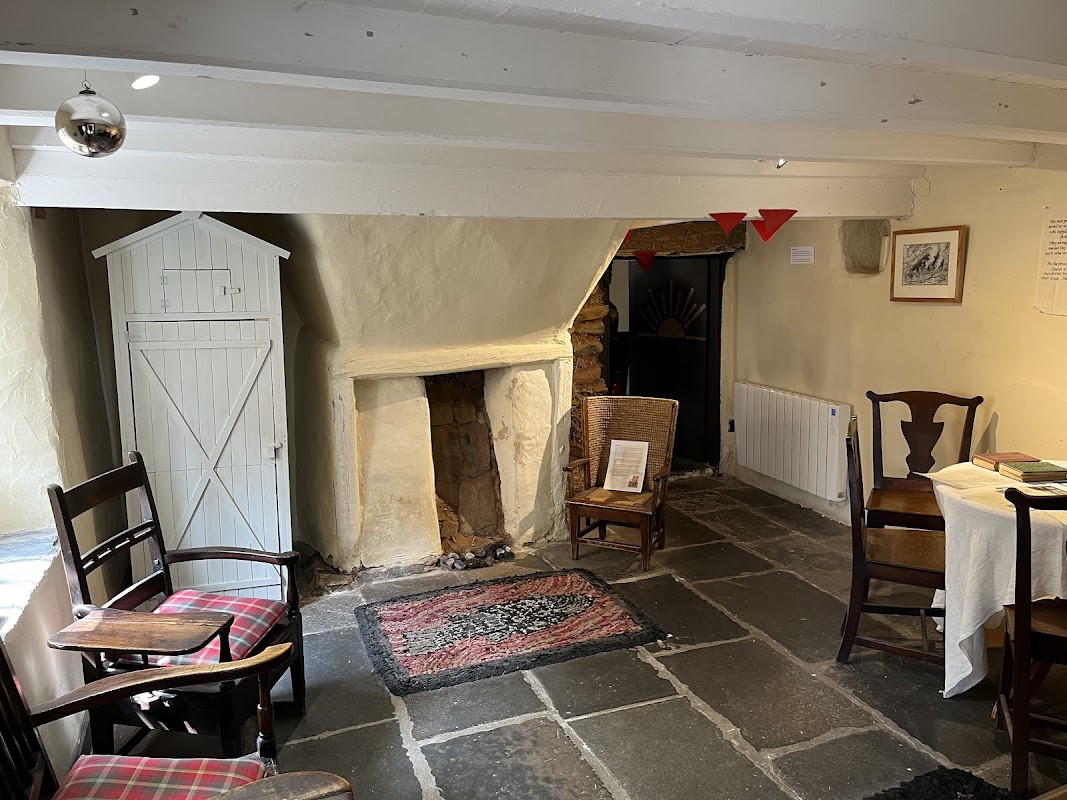
You step through the gate and into two buildings that carry more history than their size suggests. On one side is the small, whitewashed cottage where Hugh Miller was born in 1802. On the other is the taller house that became his museum. Inside, the rooms are simple but closely kept. Miller was a stonemason, geologist, writer, and reformer. He grew up here, left, then wrote back to the Highlands in ways that still resonate.
The museum doesn’t shout. It gives you space to read and look slowly. Fossils found in nearby sandstone are arranged in clean rows, along with his books, notebooks, and hand tools. A fragment of his writing hangs in each room. Some visitors know him already. Others come out wanting to know more.
If the weather’s decent, sit for a few minutes in the garden before moving on. It’s sheltered, quiet, and full of small detail. Like the museum itself, it’s easy to overlook but worth the pause.
Cromarty Pottery and Gallery 48
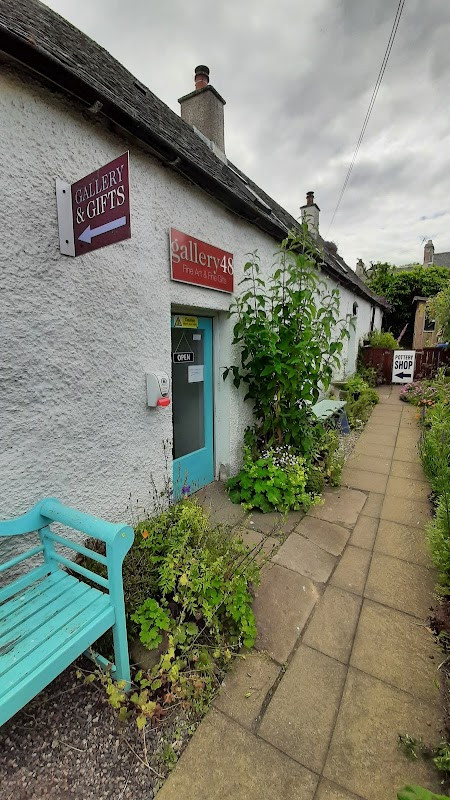
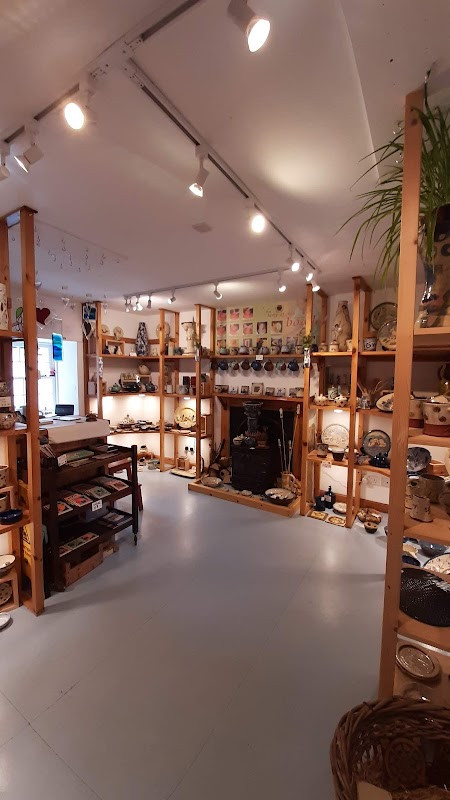
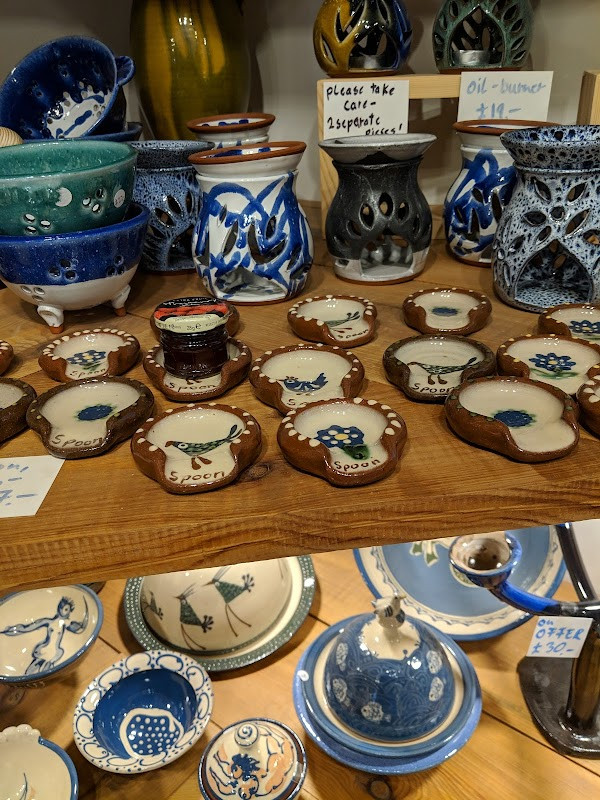
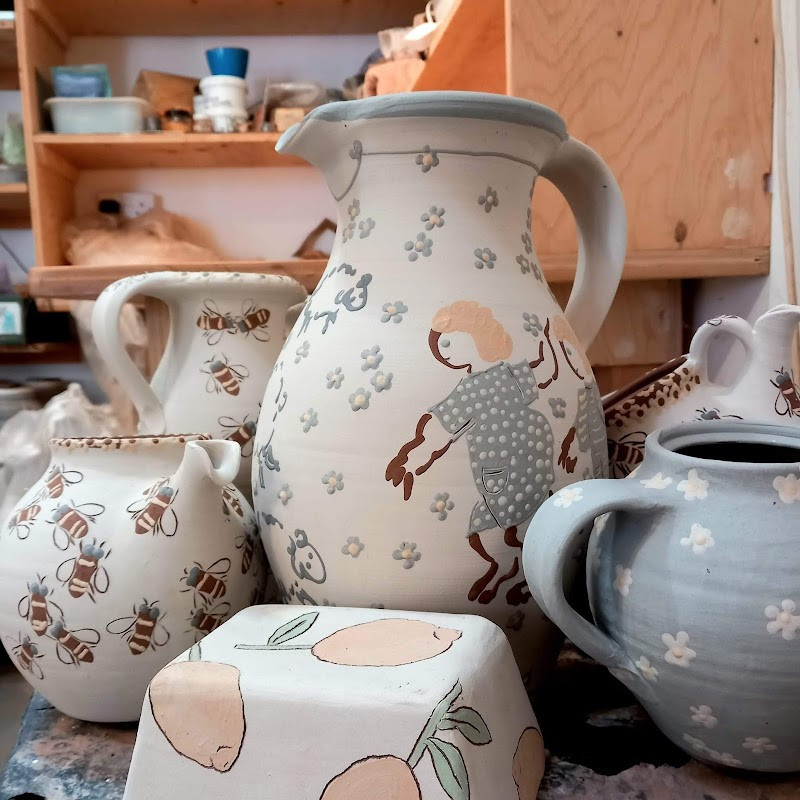
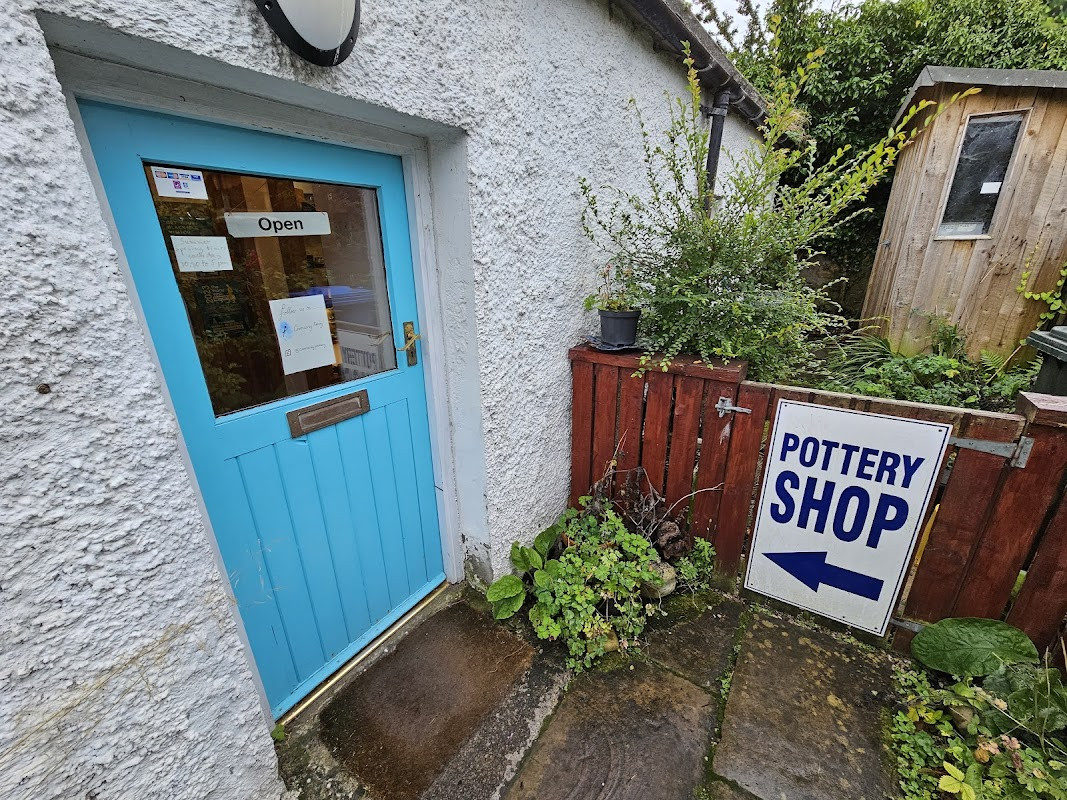
Cromarty Pottery sits behind a low wooden gate on a quiet stretch of road. The studio has been here for years, run by a small team who still shape and fire each piece on site. Inside, the space is unadorned. Just shelves, a bit of natural light, and rows of bowls, jugs and mugs in muted Highland tones. Some are salt-glazed. Others are wood-fired. The colours are soft and drawn from the landscape — greys, pale greens, and warm browns. You can see the handwork in the finish.
From there, it’s a short walk to Gallery 48, near the edge of the old town. It’s a small, independent gallery that often shows work by Highland and Scottish artists. The focus shifts every few months, but you’ll usually find a mix of paintings, prints and ceramics.
Walk the Shore to Cromarty Lighthouse
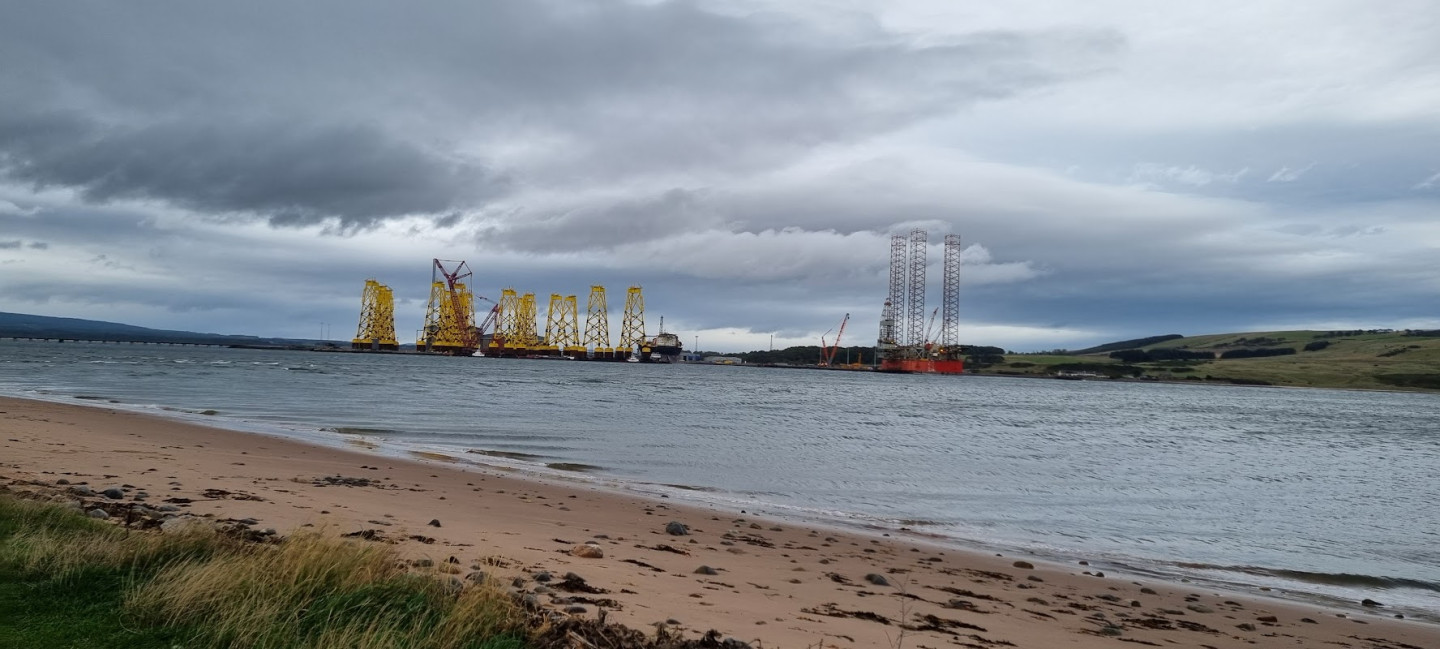
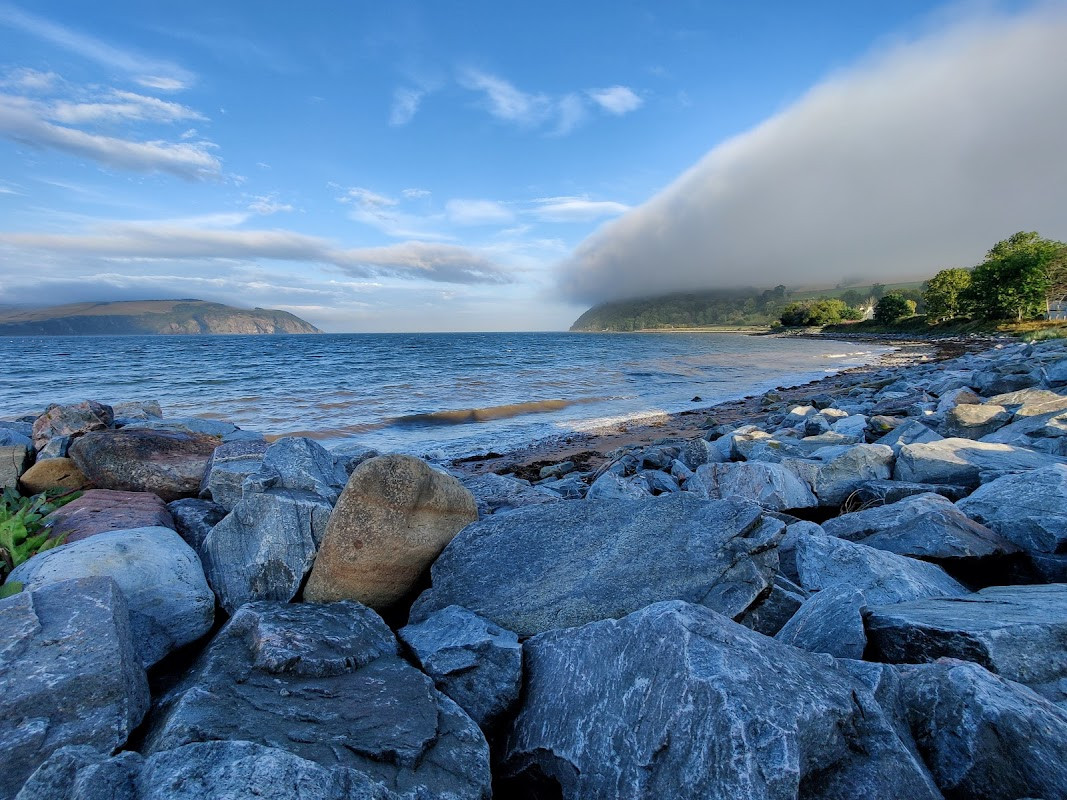
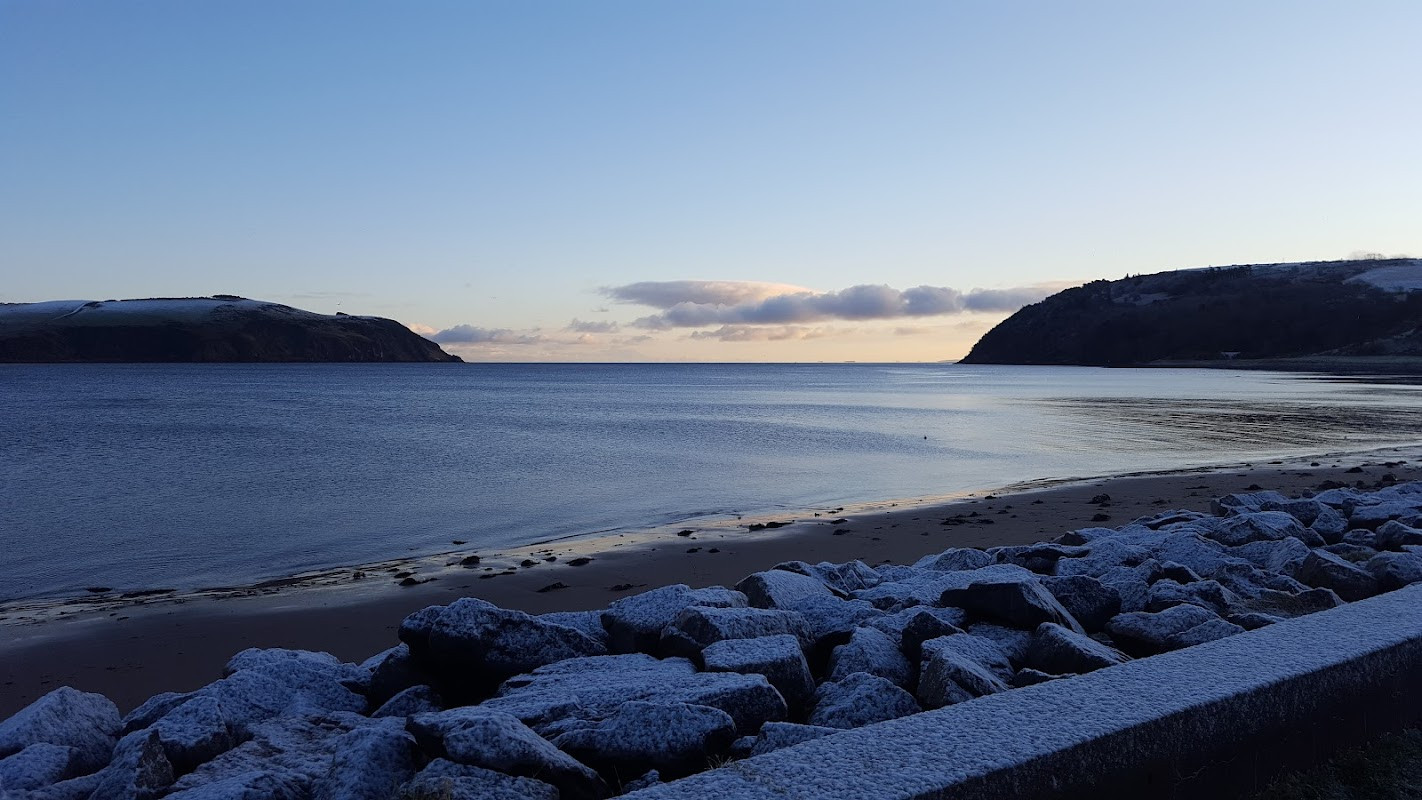
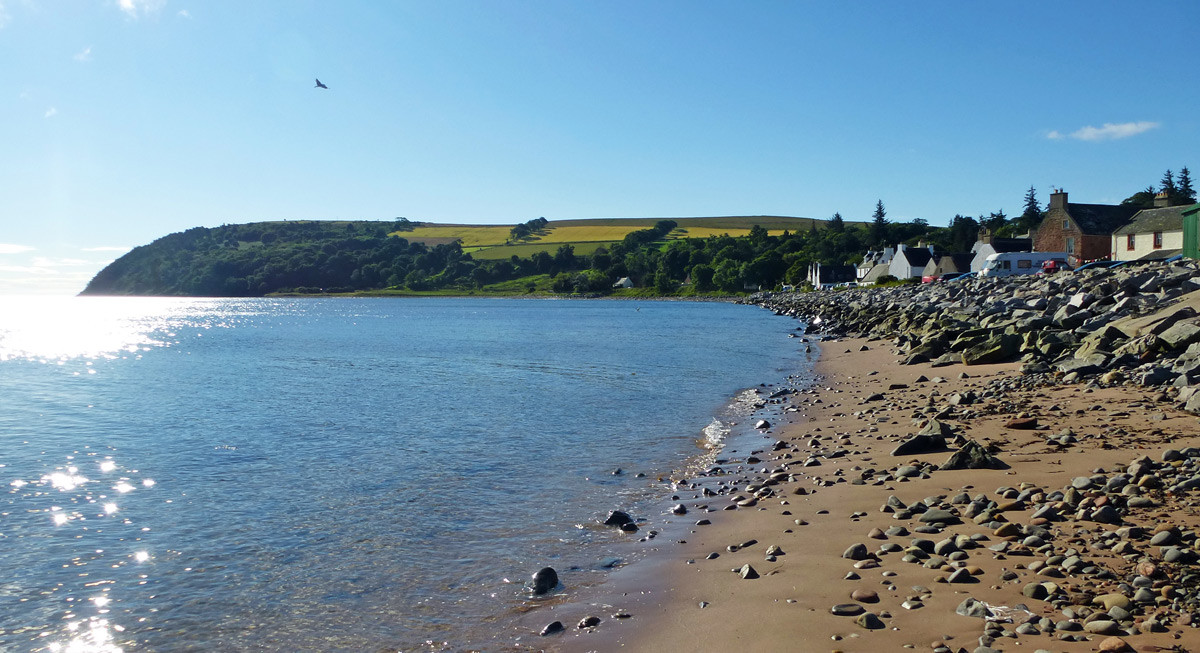
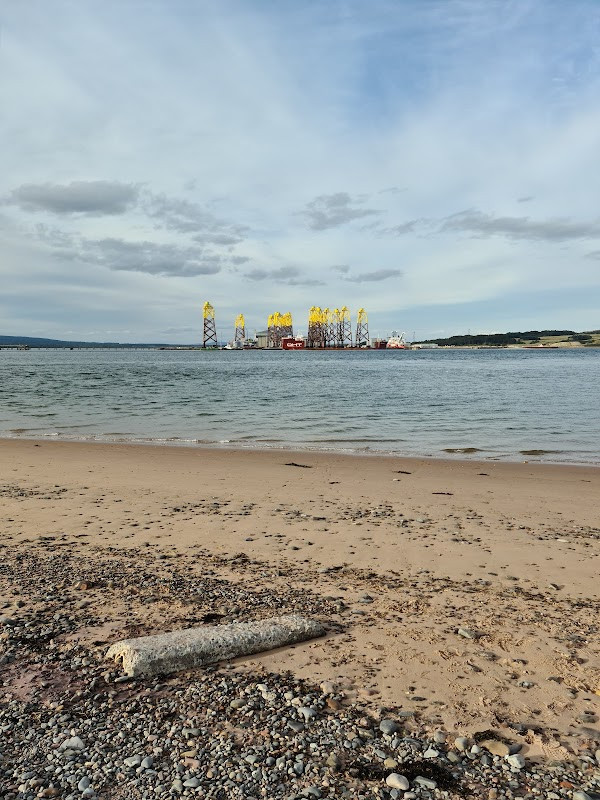
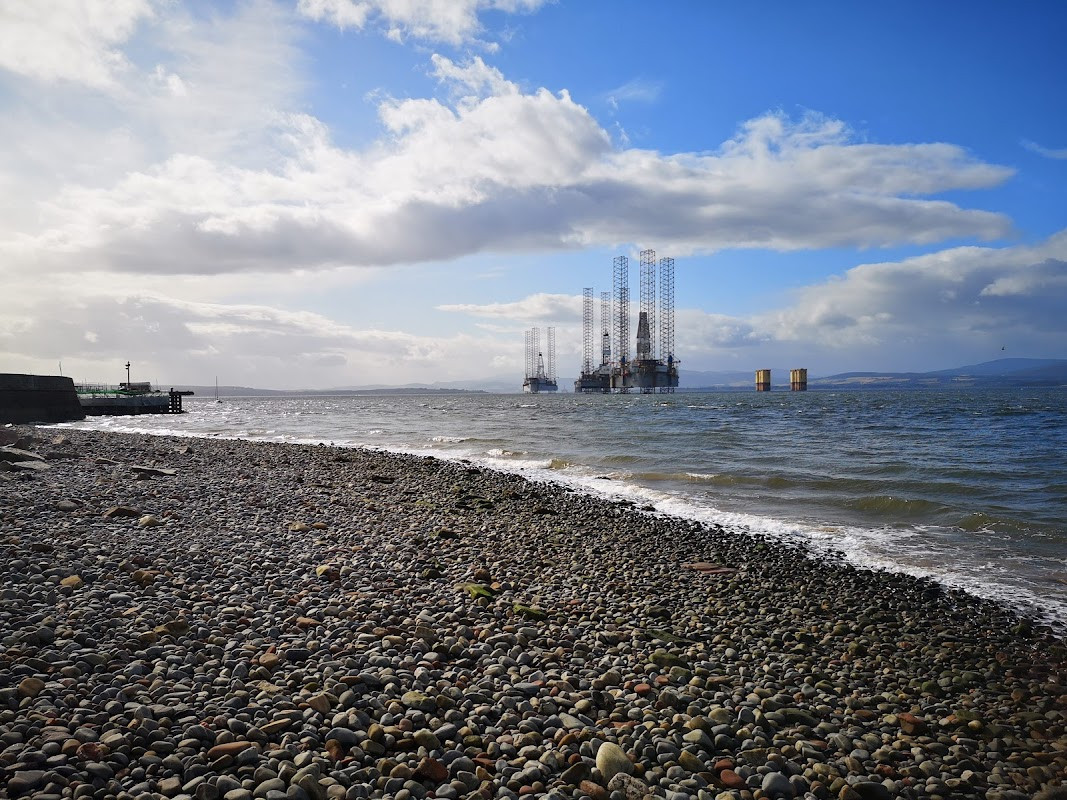
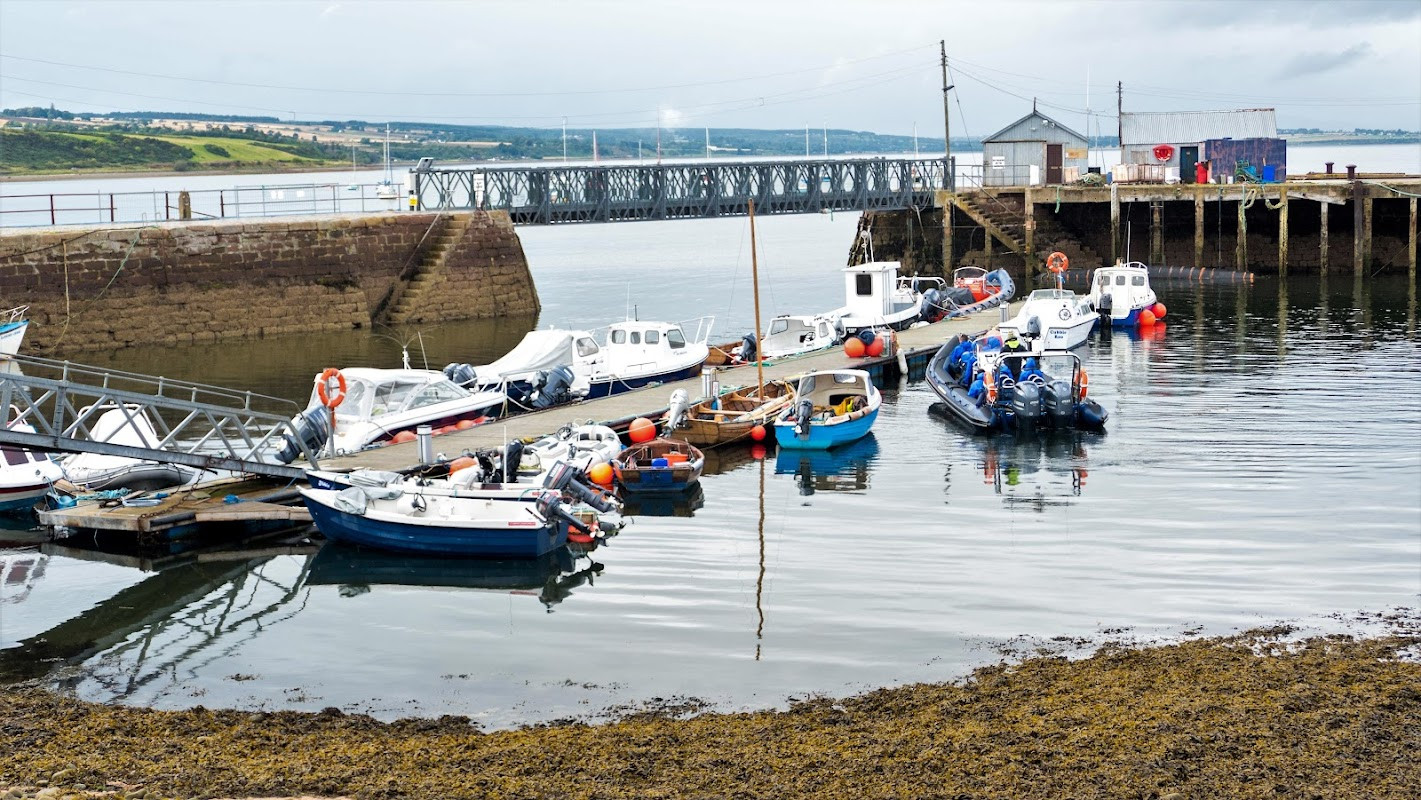
From the centre of town, the route to the water is easy and mostly flat. Head down toward the old harbour and follow the curve of the shoreline. The pavement gives way to worn grass and stone edging. Along the way, benches face out across the firth. Some are marked with names. Others are left plain. You’ll see seabirds picking through the tide line and, if the light’s right, oil rigs standing out across the water like scaffolding on the horizon.
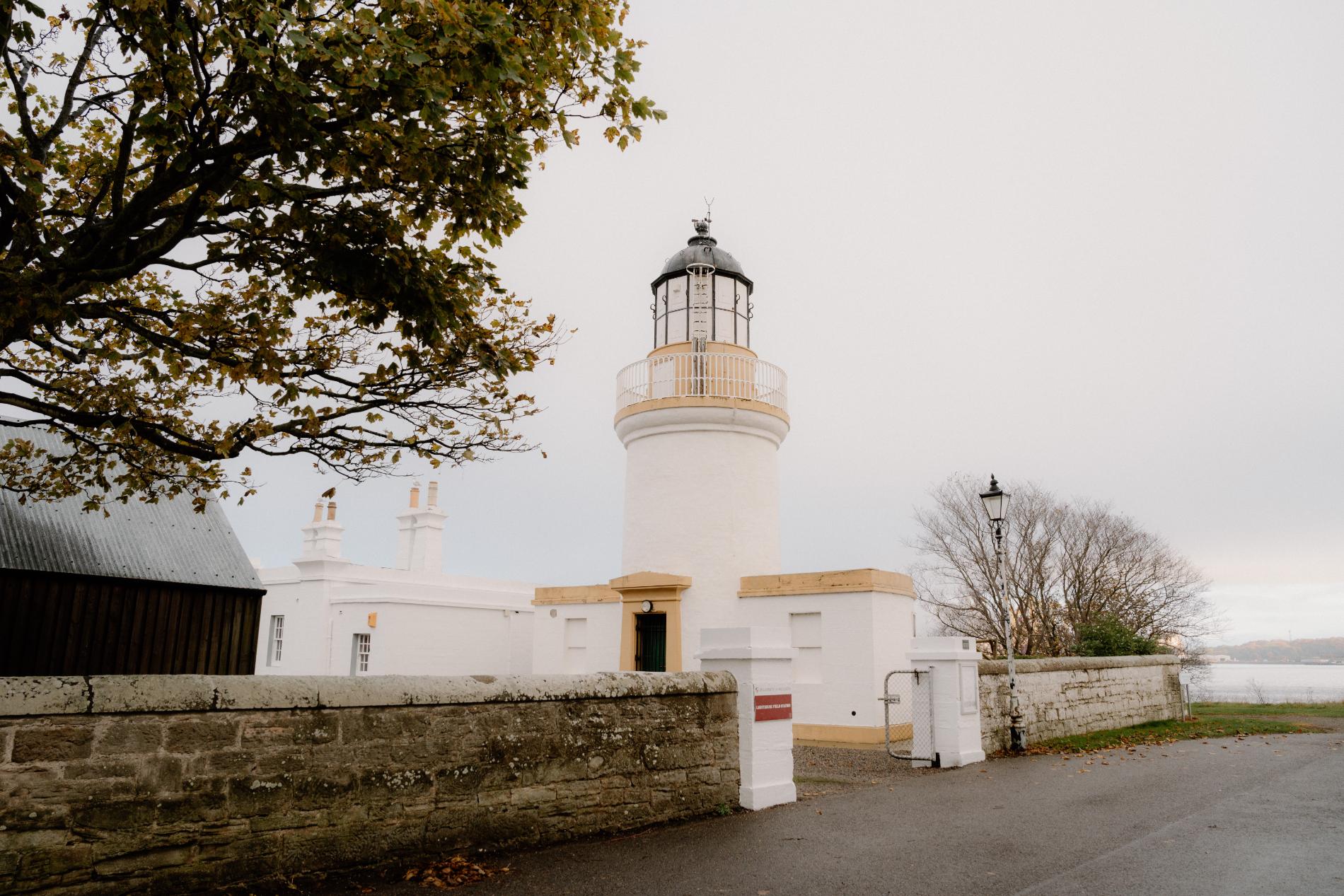
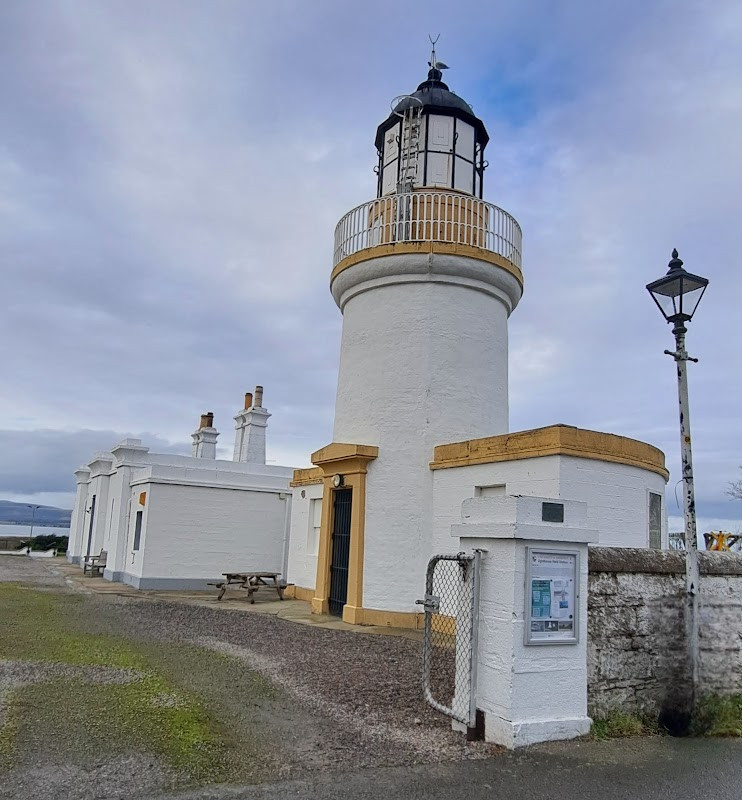
The Cromarty Lighthouse was built by the Stevenson family in the 1840s. It’s no longer active, but the white tower and keeper’s buildings still sit clean against the sky. These days, the site houses the Lighthouse Field Station, part of Aberdeen University’s marine research programme. You can’t go inside without an appointment, but it’s worth walking to the gate. Just standing near the railings, looking back across the town, gives a sense of how much and how little has changed.


Dinner at Sutor Creek Café
After a day spent on your feet, this is a good place to settle. Sutor Creek Café is tucked just off the shore road, close enough to hear the sea when the windows are open. The front is modest, marked by green trim and a short blackboard menu outside. Inside, it’s warm and close, with wooden tables, an open kitchen, and the kind of low hum that comes with a place locals rely on.
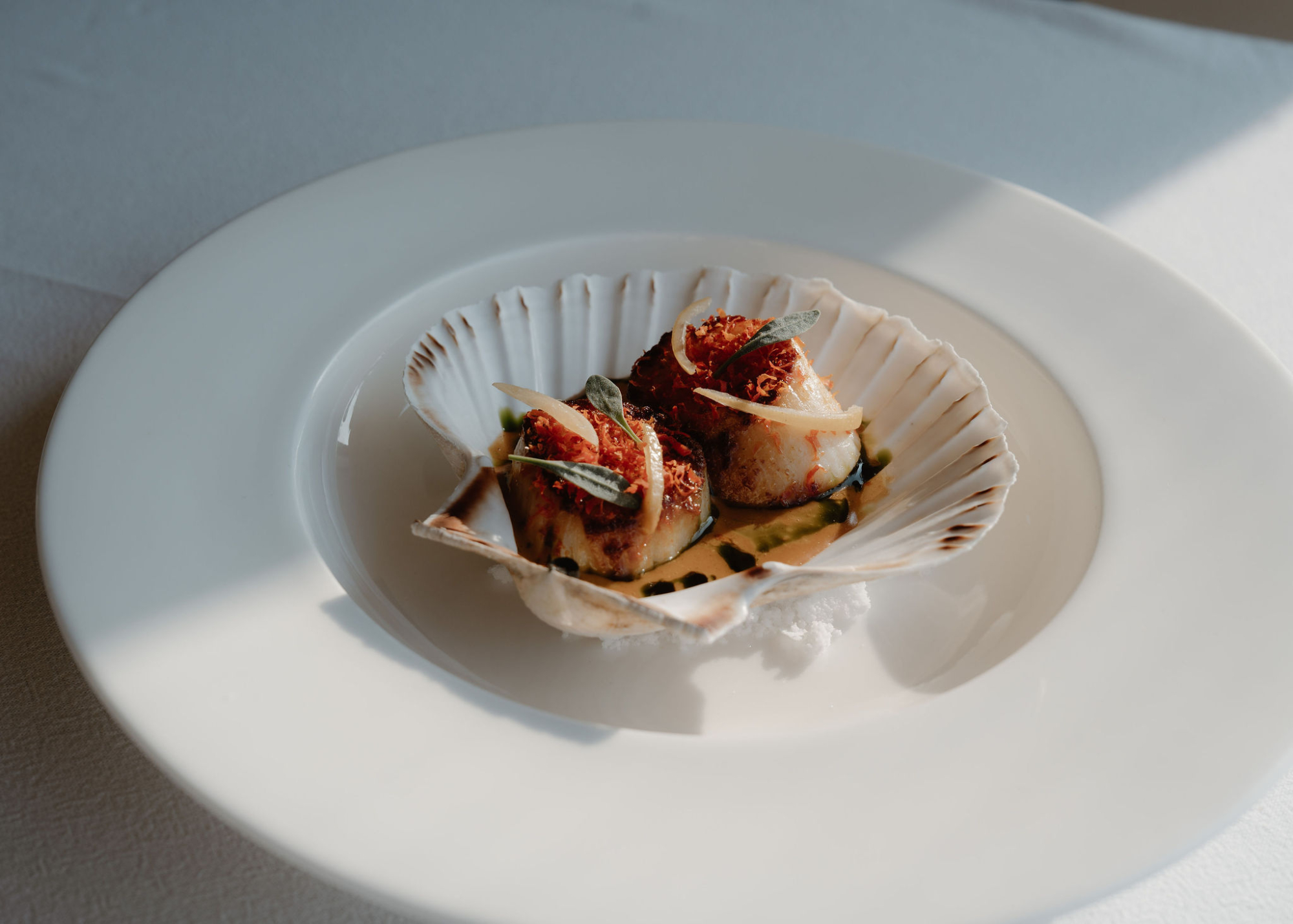
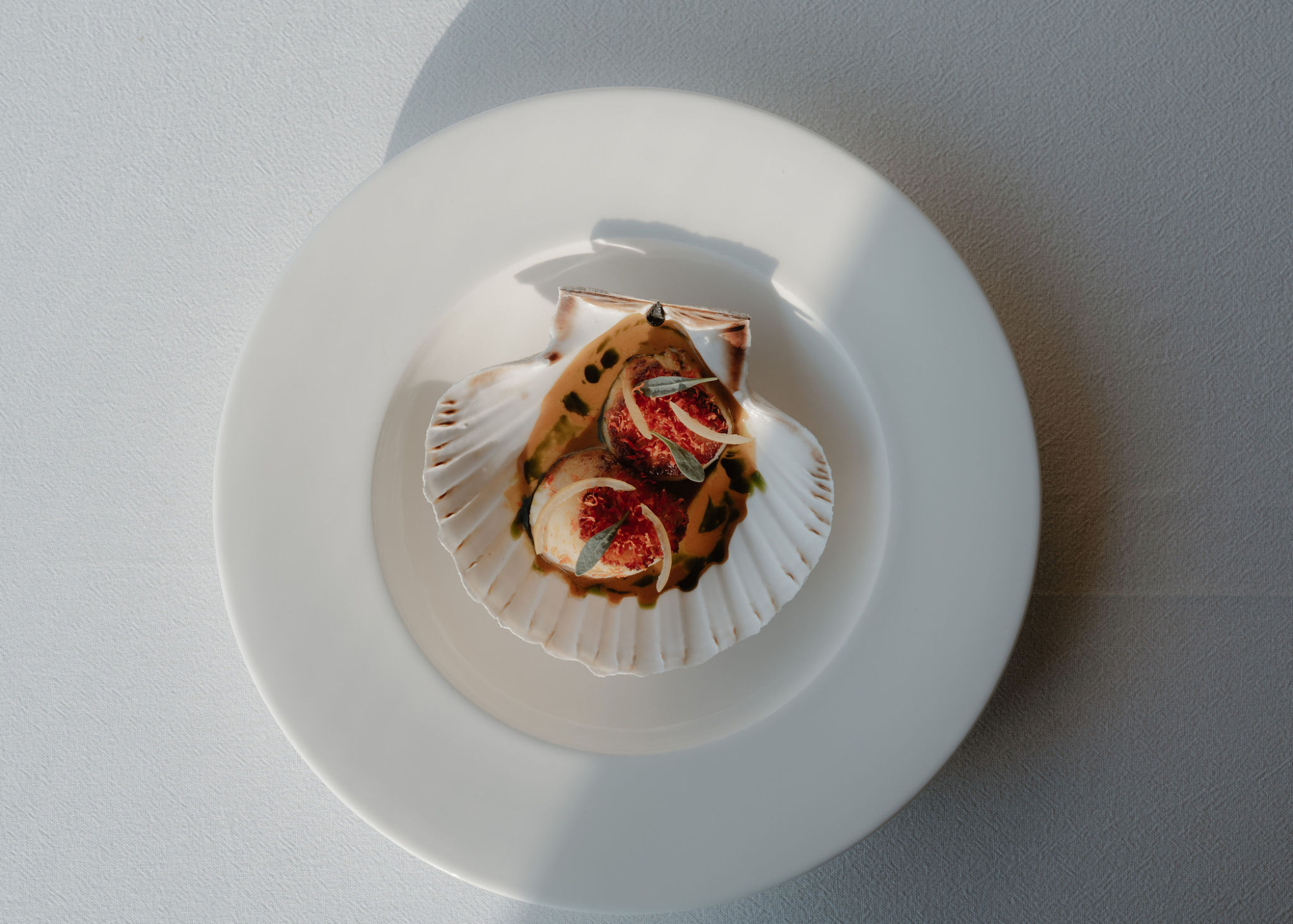
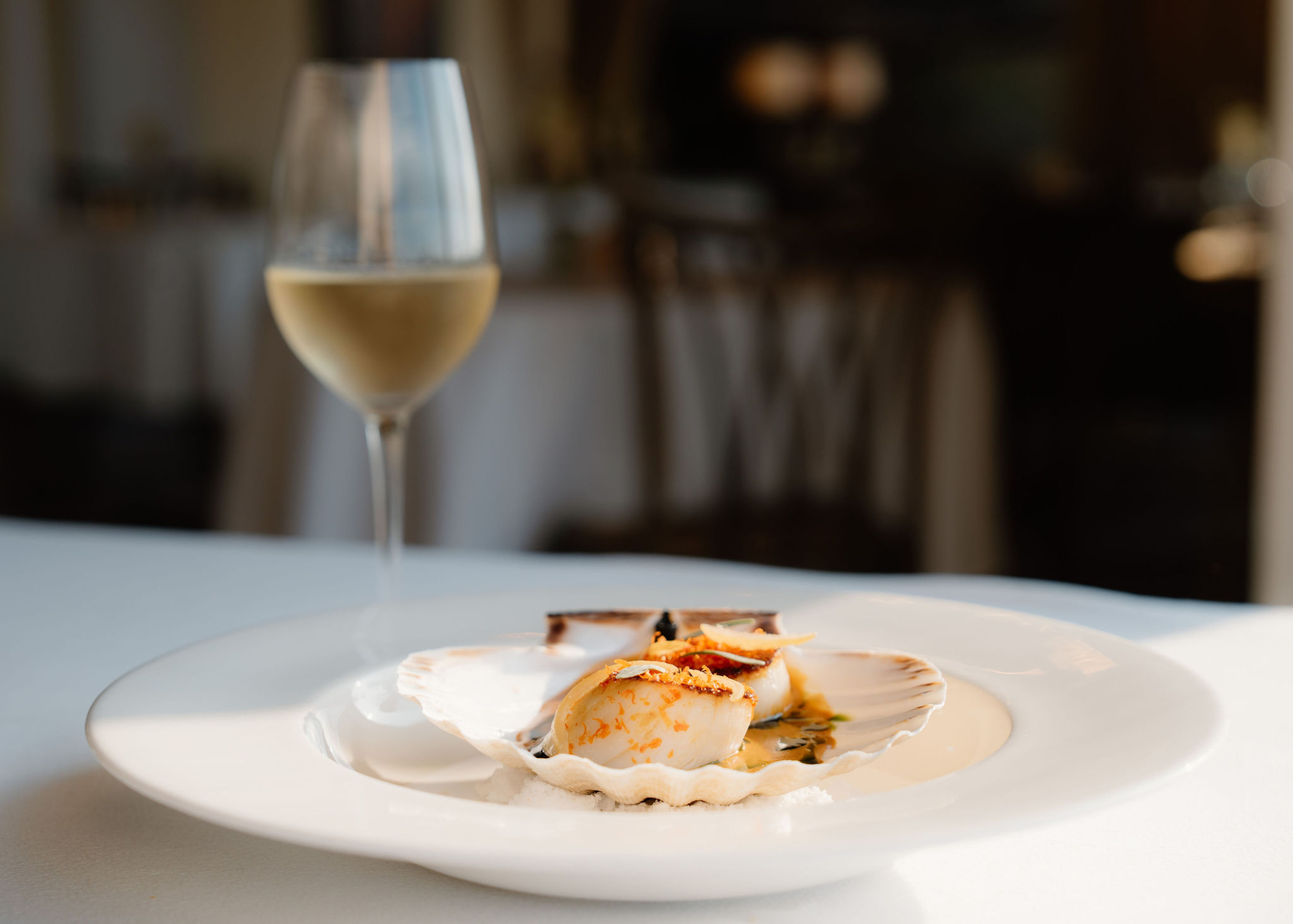
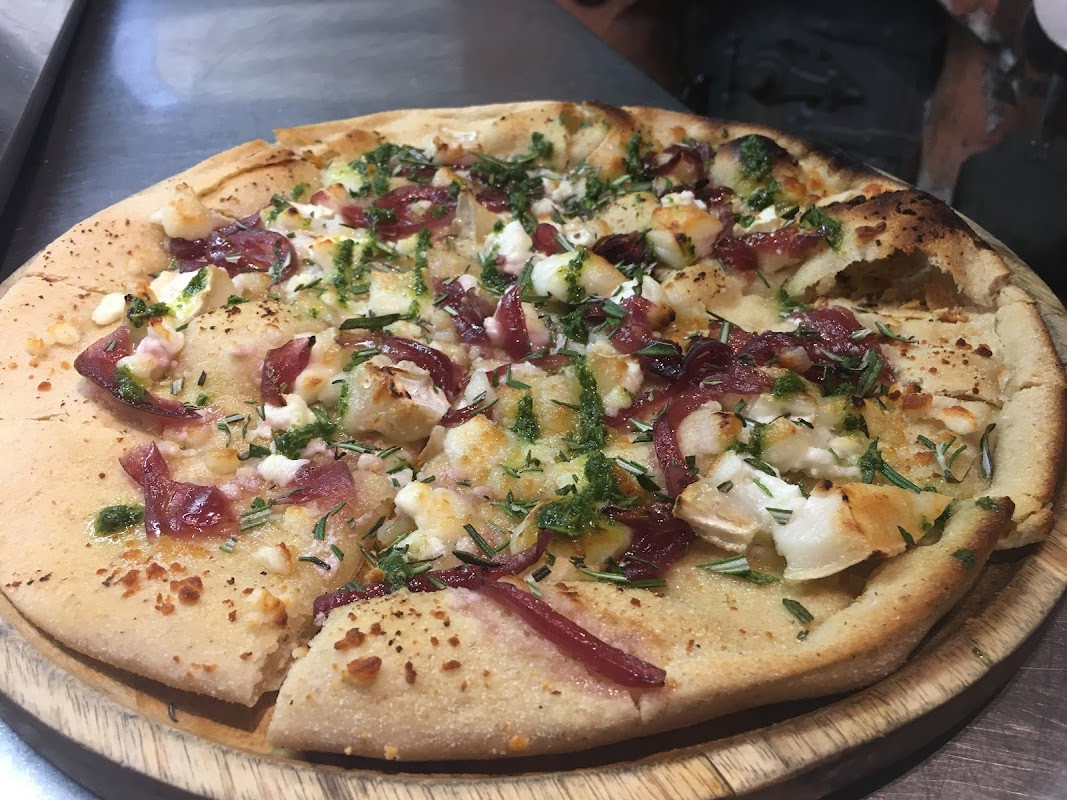
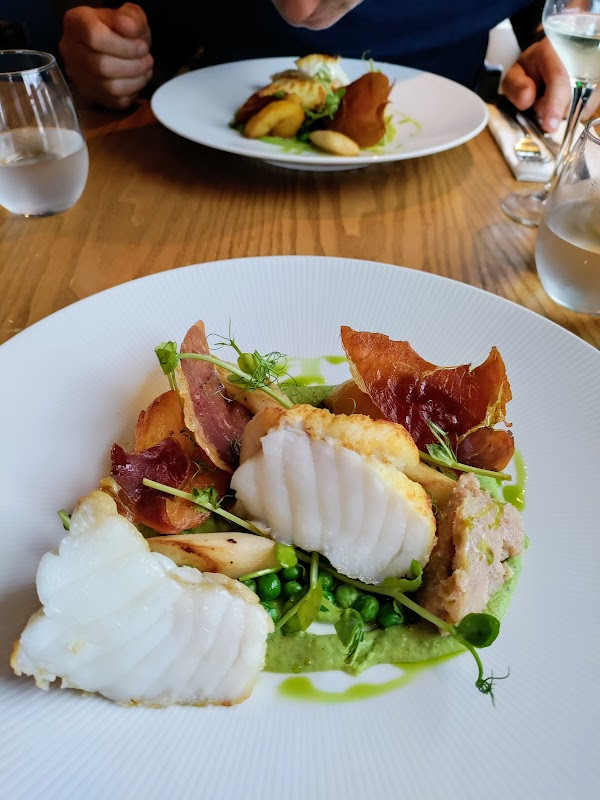
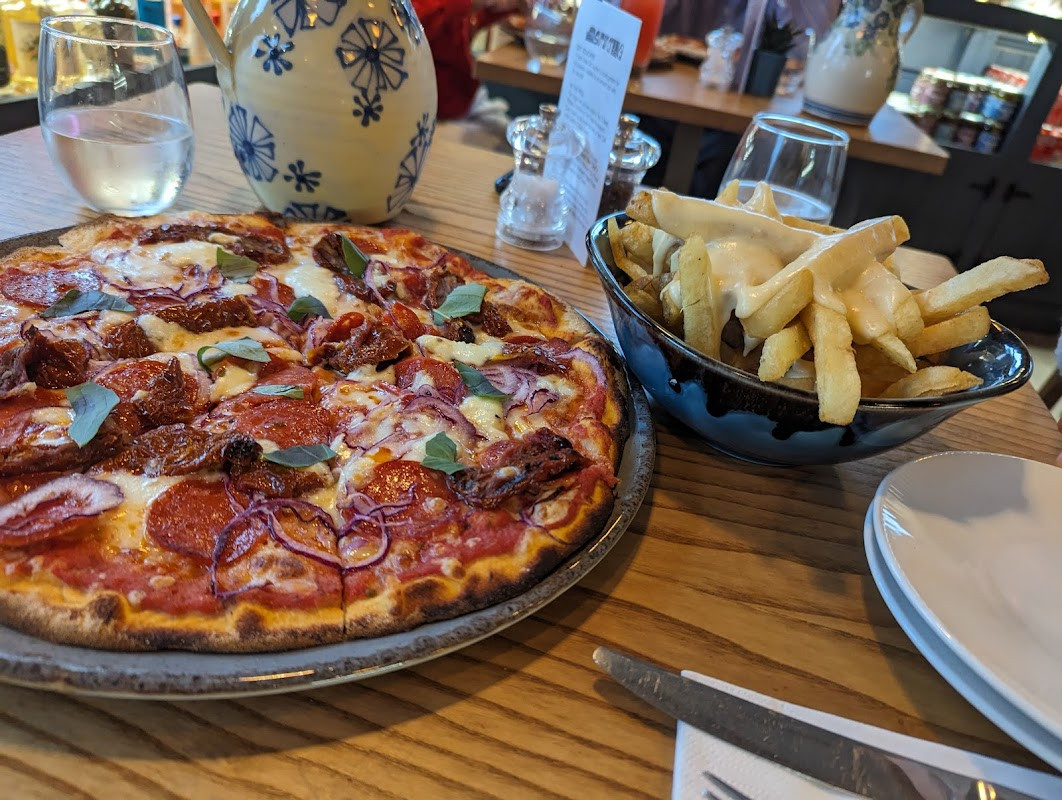
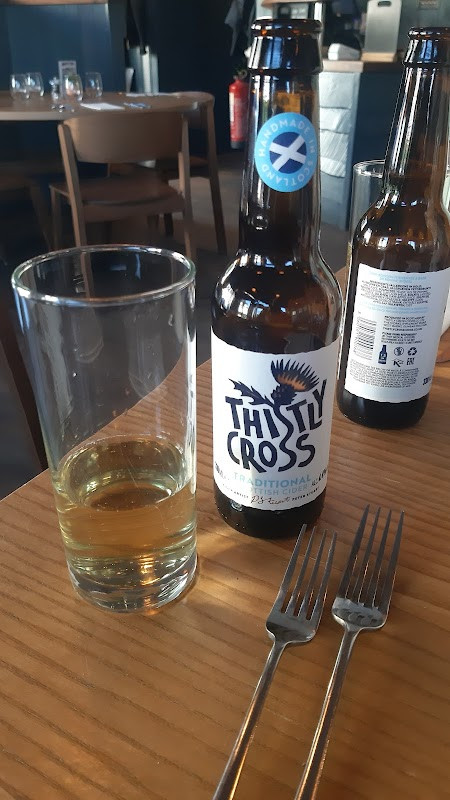
The menu changes, but seafood is a constant. Langoustines, scallops, crab caught close to the mouth of the firth. Pizzas are cooked in a wood-fired oven and come with local toppings when they’re available. There’s Highland venison, smoked cheese, and good local beer. You don’t need to dress up or say much. Just sit back and eat.
If you’ve timed it right, there’ll still be light out on the water as you leave. If not, the walk back through the quiet streets of Cromarty is just as good.







 Sign in with Google
 Sign in with Email