
Exploring Historic Dunbar
Written by Beth Reid
 (1).jpg)
Dunbar can often be missed by those in search of a historic day out, but this coastal town has been a place of historical significance for centuries. History is ever-present while wandering through Dunbar, from the ruins of a 13th century abbey in the grounds of a supermarket, to the crumbling ruins of its castle on the harbour. Dunbar has also been the scene of bloody battles, including the Battles of Dunbar in 1296 and 1650. Let’s explore it together.
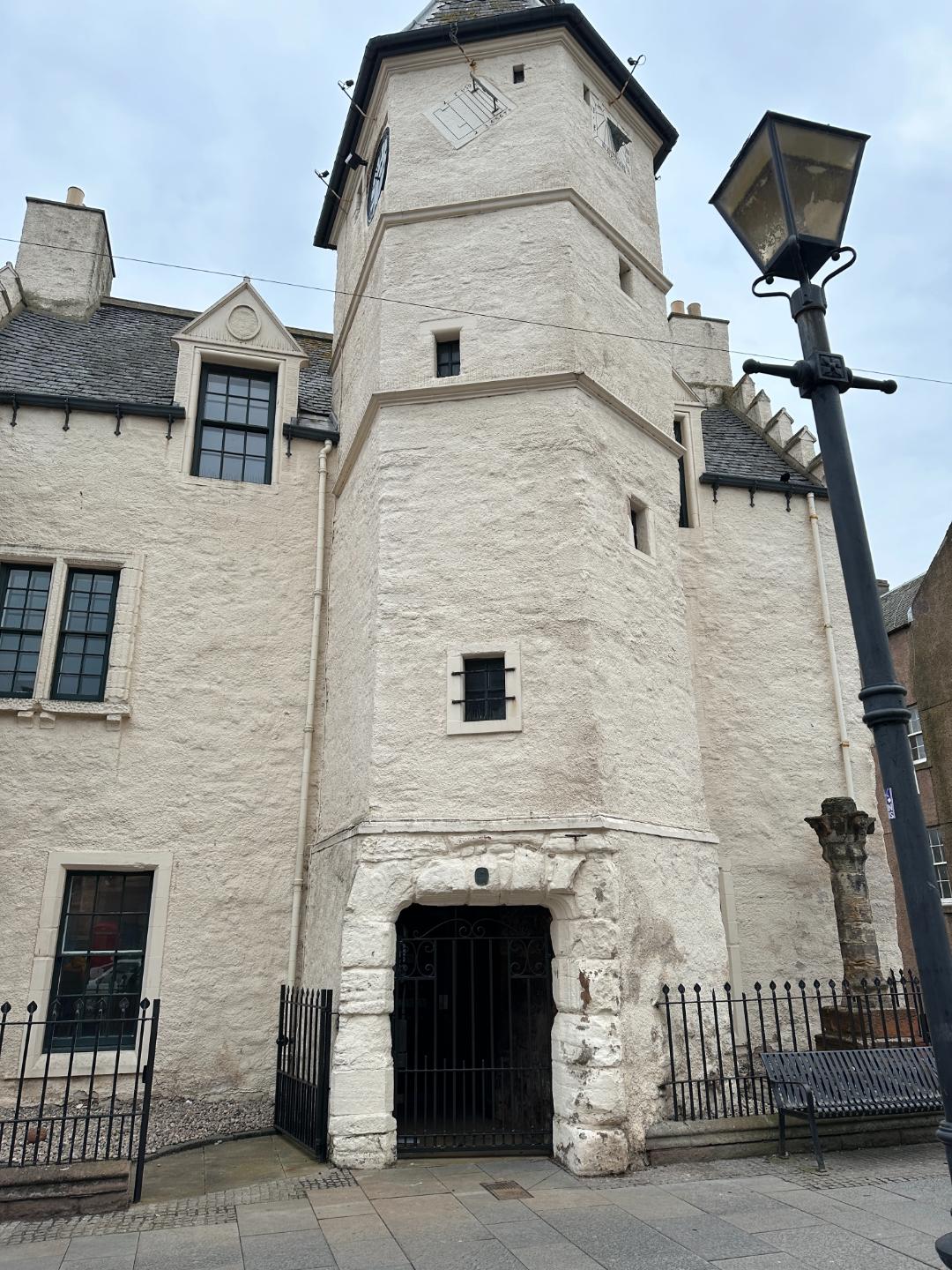
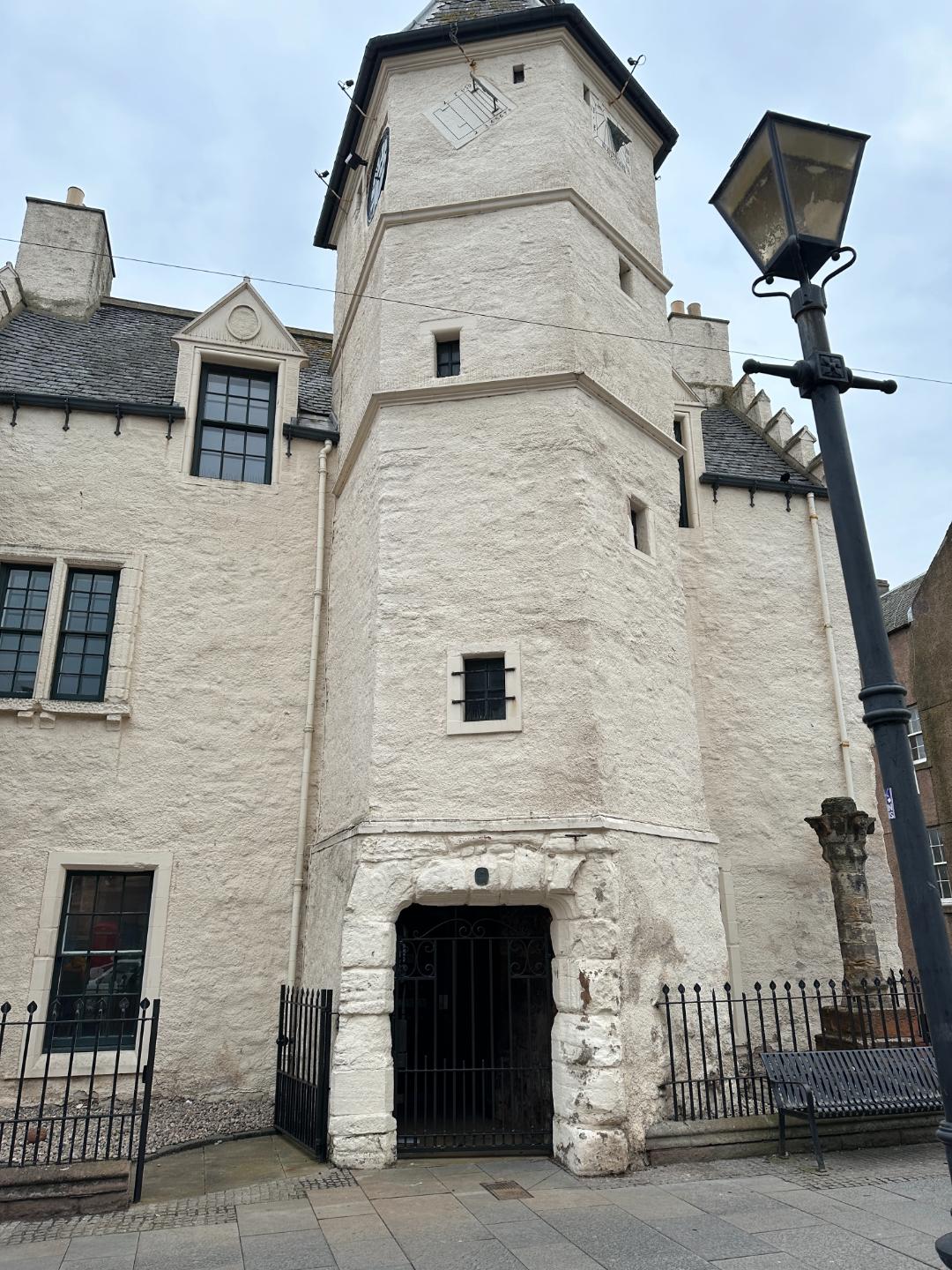
Dunbar Town House Museum & Gallery
Starting in the town centre on the High Street, amongst the flourishing collection of independent businesses, you’ll find Dunbar’s local museum. Located in the Tolbooth, which was constructed in the late 16th century to replace an earlier municipal building, this was once Dunbar’s jailhouse.
As well as two cells, this building held a council chamber which was used as a courthouse during the witch-hunting craze that occurred in Scotland from the 16th to 18th centuries. During this time, there is evidence that around 73 women were accused and tried for witchcraft in Dunbar’s council chamber, but the likelihood is that there were many more who went unrecorded. This dark period of Scottish history has left its mark in many towns and villages across Scotland, and Dunbar is no exception.
John Muir Birthplace Museum
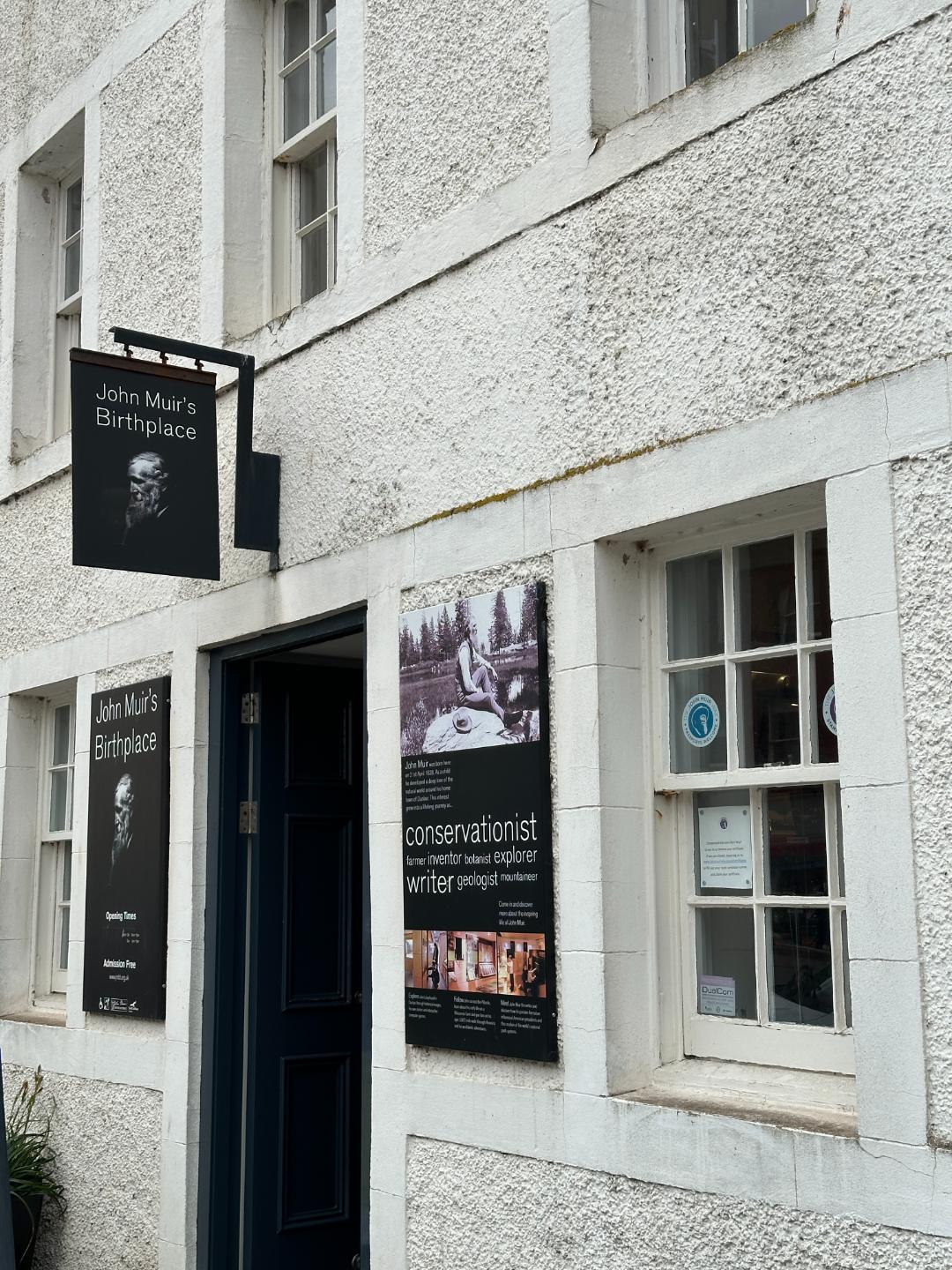
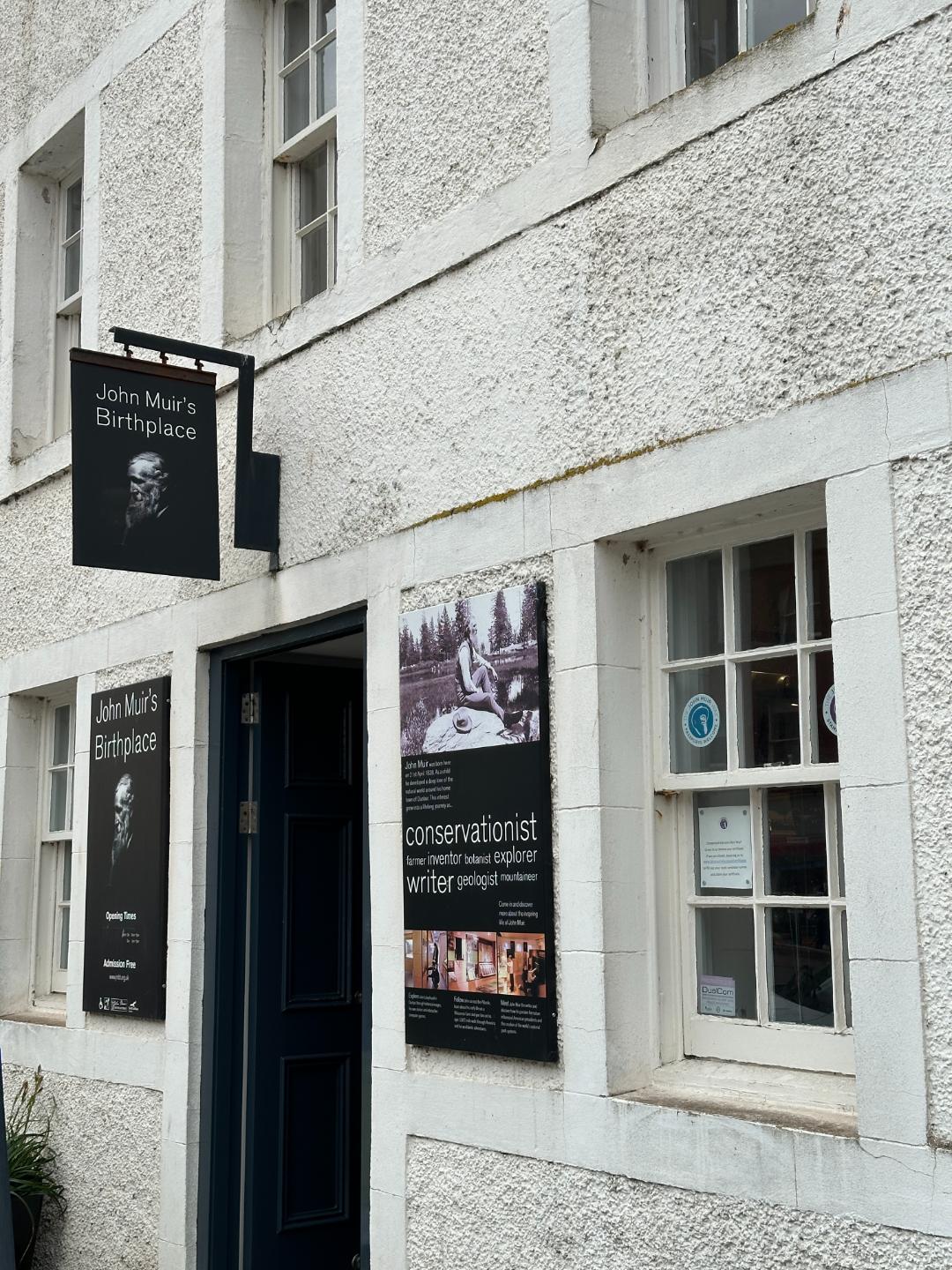
A two-minute walk along the High Street from the Tolbooth will bring you a museum that celebrates a Scot beloved in both Scotland and America. John Muir was an environmentalist who is popularly known as the father of America’s National Parks. He was born in Dunbar on April 21st 1838, in a house that has now been converted into the John Muir Birthplace Museum.
After emigrating to America with his family at the age of 11, Muir’s love for nature and wildlife developed into his lifelong commitment to conservation. This free museum tells the tale of John’s life and chronicles his passionate involvement in protecting the natural world in America, inspired by his childhood in Dunbar. It is also the starting point for the John Muir Way, a 134- mile walking and cycling route from Dunbar to Helensburgh.
Dunbar Battery
Take a ten-minute walk from the High Street down to the harbour to visit Dunbar Battery, a place with a varied history. The Battery was built in 1781 to increase Dunbar’s defence against naval attacks by privateers, but never saw any combat. It was decommissioned before becoming an infectious-diseases hospital due to its isolation from the town, and was later used in World War I as a hospital for recovering soldiers. After a brief stint as a site for social housing, Dunbar Battery was left a ruin. However, in 2018 Dunbar Harbour Trust transformed the ruin into a public space used as an outdoor venue with public art and a garden. The views from the Battery are absolutely incredible, gazing up the coast to the Bass Rock and out across the North Sea.
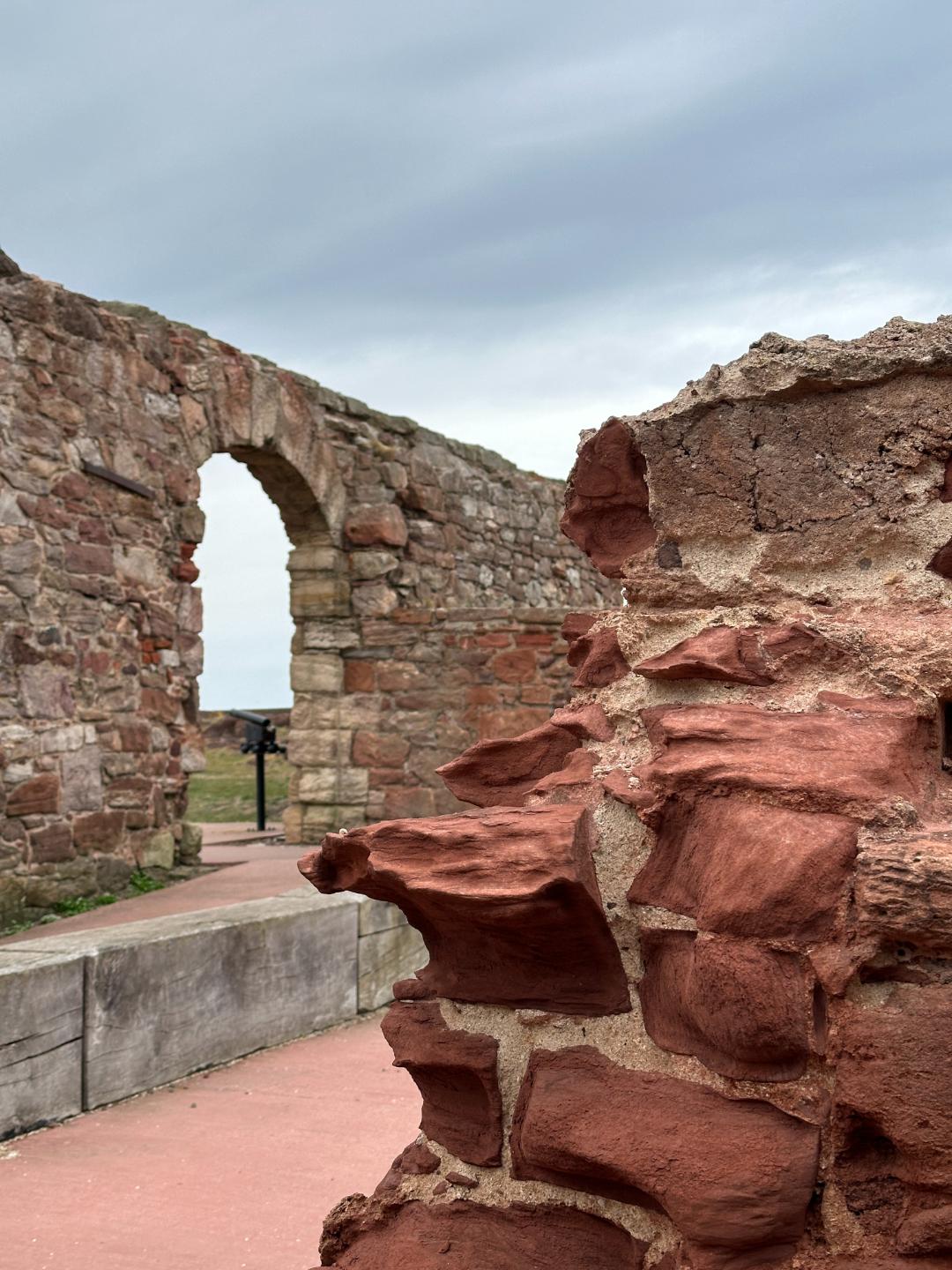
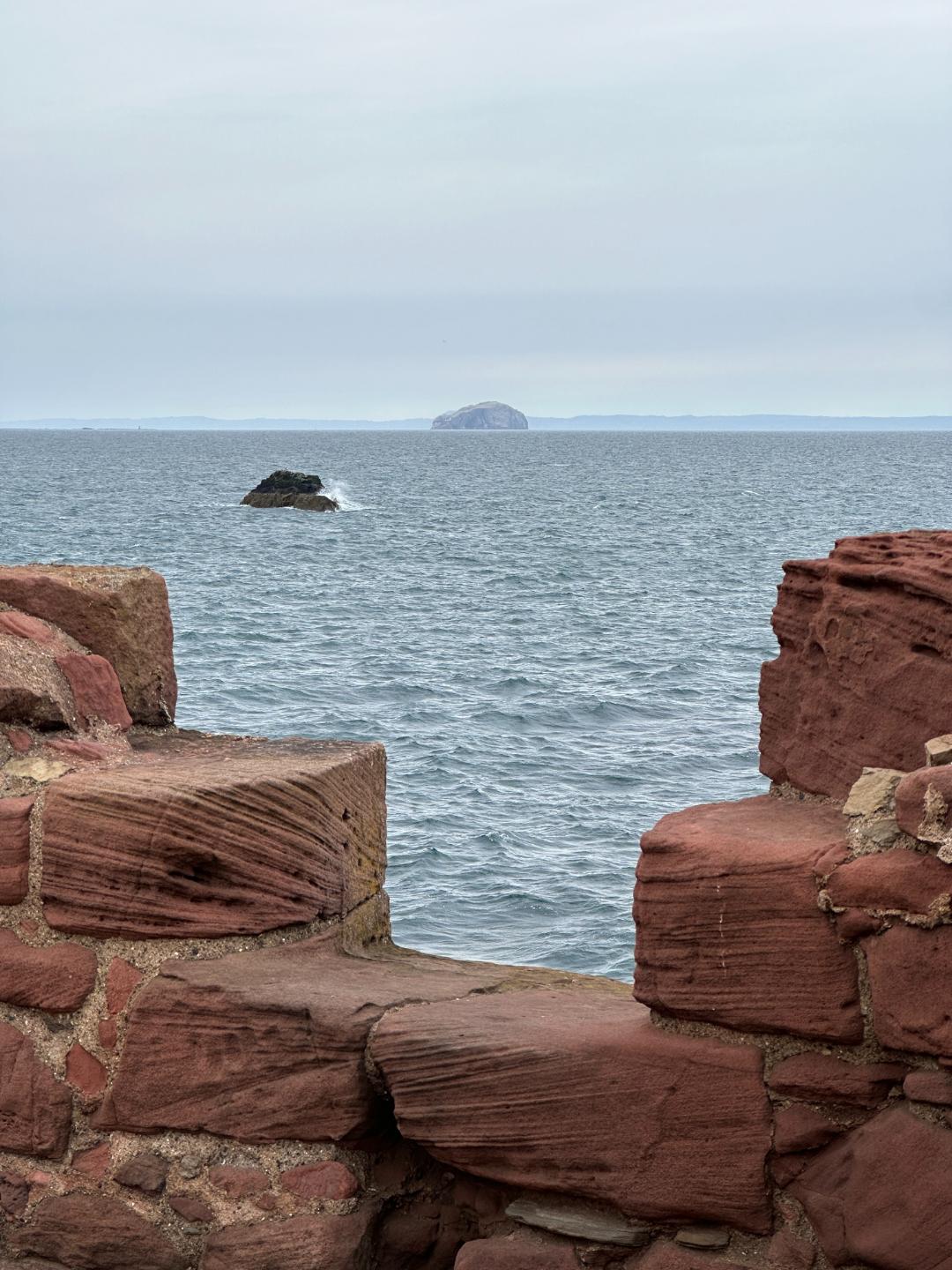
Dunbar Castle
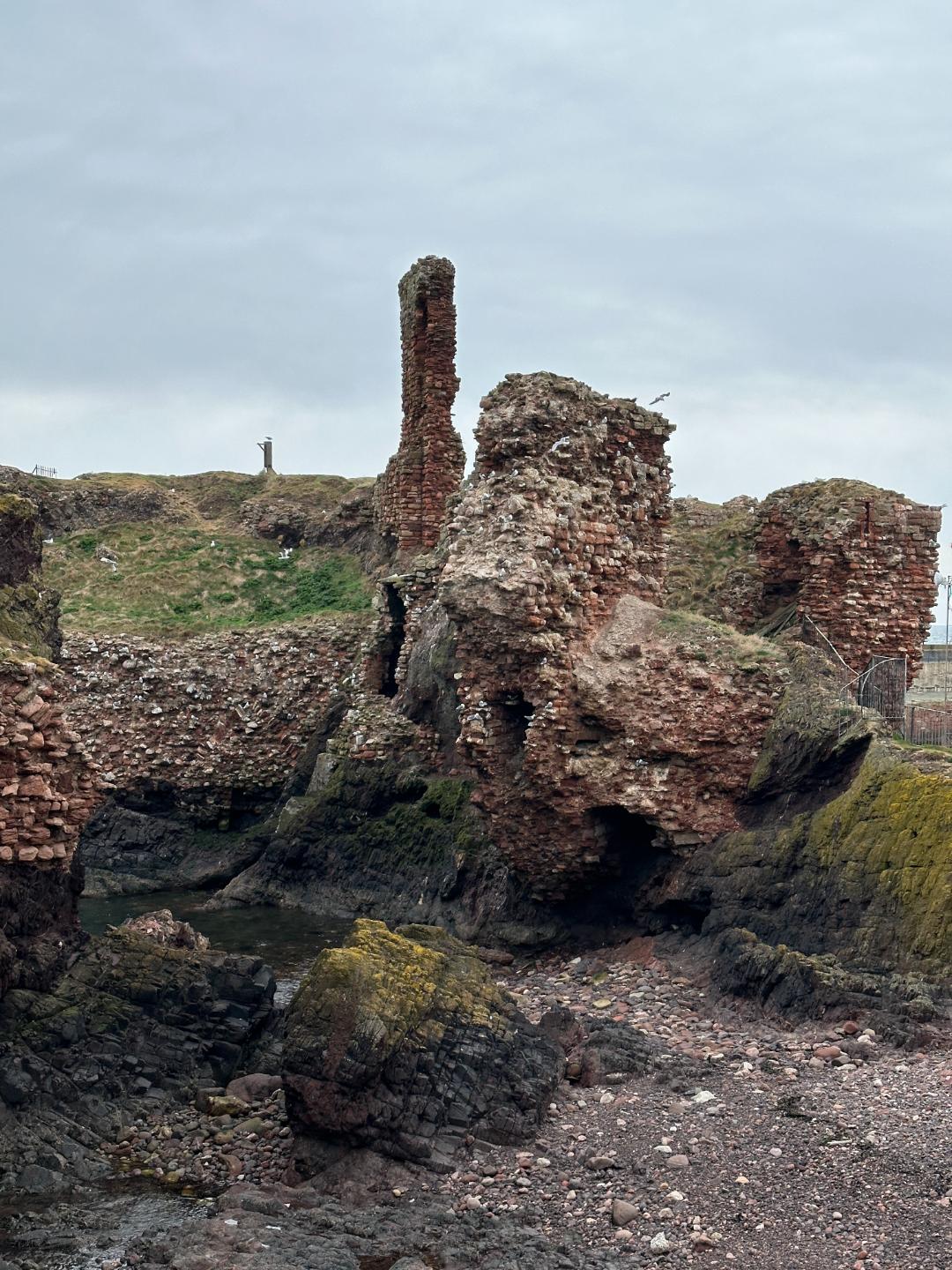
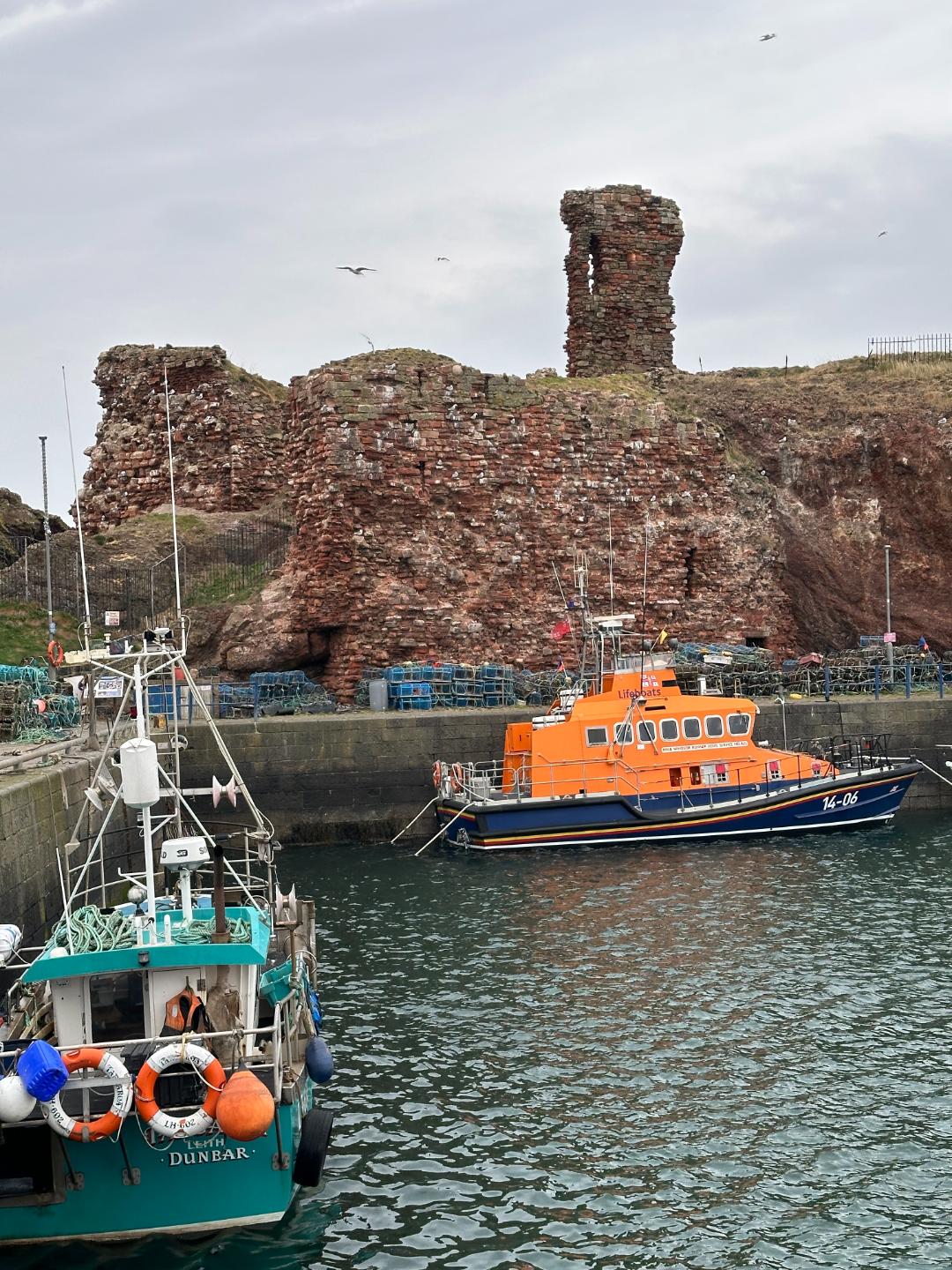
Walking for five minutes around the harbour from Dunbar Battery, you’ll come closer to the ruins of Dunbar Castle. Despite the castle’s poor condition, you still get an incredible idea of the sheer size of this place. Built into and atop solid rock, this was once one of the strongest fortresses in Scotland and has been used as a defensive site since the 7th century. It might only be home to kittiwakes now, but Dunbar Castle was a major centre of the powerful earls of Dunbar through the centuries.
One of my favorite events in Scottish history took place at Dunbar Castle. In 1338, Agnes Randolph, Countess of Dunbar, defended the castle for five months against William Montagu, Earl of Salisbury. The castle’s strategic position on the east coast made it a key stronghold for the English to take, especially as they were on the backfoot to pro-Bruce forces in Scotland. Salisbury’s army deliberately targeted Dunbar Castle during the absence of Agnes’ husband, Patrick, Earl of Dunbar, but they were to be disappointed. Agnes managed the castle’s defense and led her garrison to victory, damaging the English war effort in Scotland with a costly and failed siege. Her role in this event has seen her immortalised in Scottish legend and history, and is key evidence for understanding the experience of women during the Scottish Wars of Independence.






 Sign in with Google
 Sign in with Email