
Culloden and Fort George – The Battlefield and the Fortress
A day.
The route
On 16 April 1746 the last Jacobite rising ended on Culloden Moor, east of Inverness, in a battle that lasted less than an hour.
Two years later, work began on Fort George, a vast star-shaped fortress on a spit of land in the Moray Firth, built to hold the Highlands after it. It has never been attacked and is still an army base. Seeing the two together follows the story from the end of the rising to the fortress built to hold the Highlands after it.
Before you go
Book accommodation nearby
If you are staying over: here are ours nearest where the day starts and ends.
Book Fort George tickets online for a set date and time for the best price, and in winter come in by the last entry at 3pm.
The day
Culloden
It's a day of Highland history, starting on the open moor where the battle was fought and ending on the grassy ramparts of the fortress built after it, beside the Moray Firth. Lunch is at the battlefield's own café, between the two.
About six and a half hours
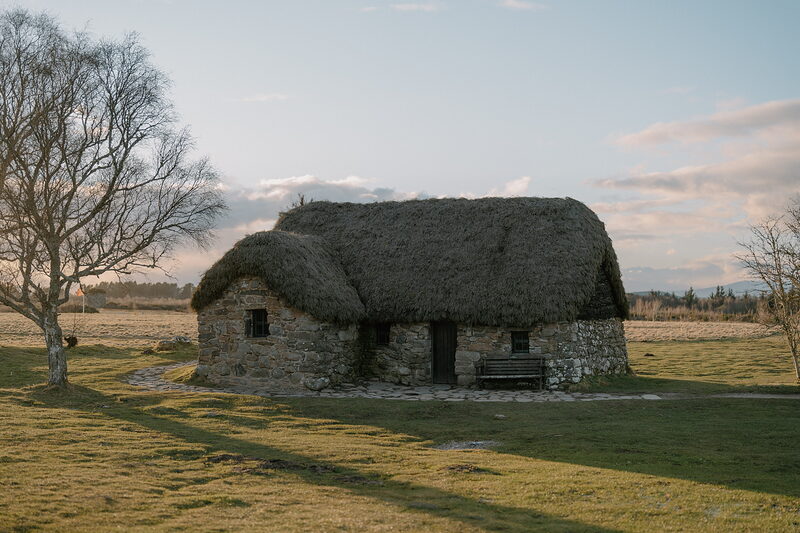
Culloden Visitor Centre
An attraction
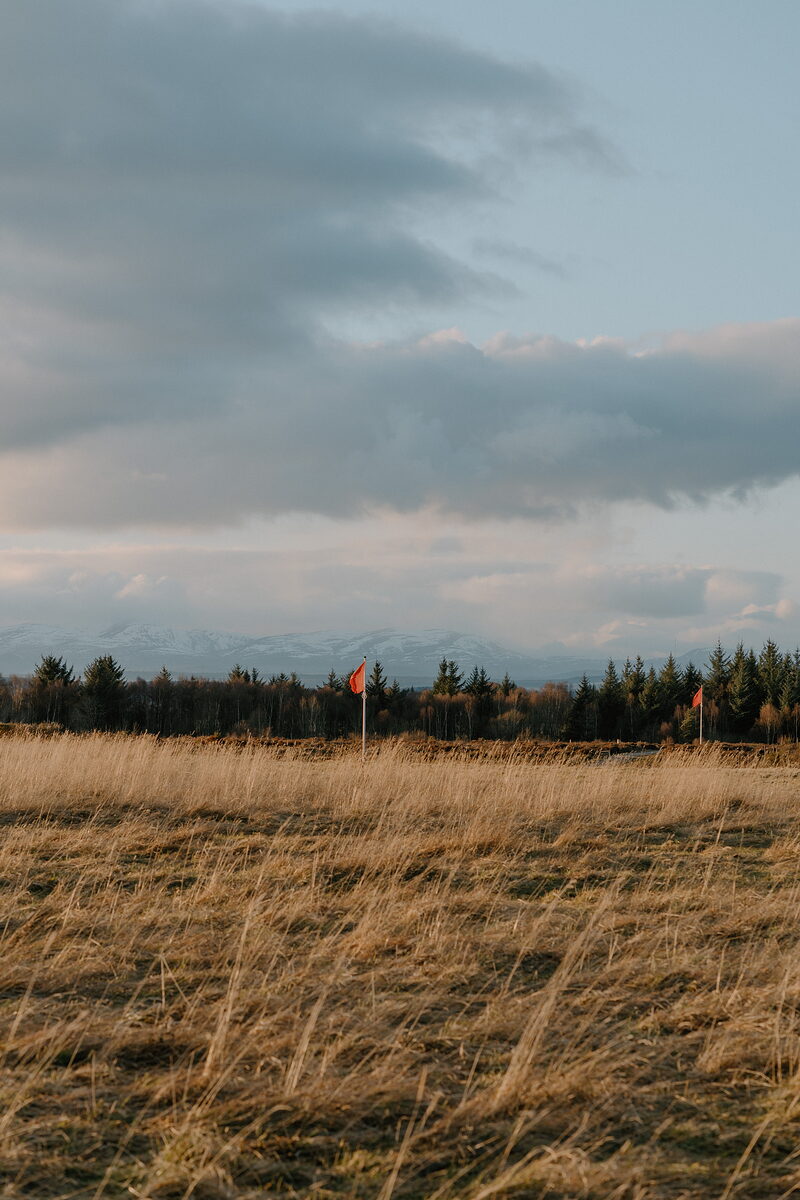
Culloden Battlefield is on the moor five miles east of Inverness, signed off the B9006. Park beside the visitor centre. Here, on 16 April 1746, the Jacobite army of Prince Charles Edward Stuart was beaten by the Duke of Cumberland's government army in less than an hour. The exhibition tells the story from both sides, and the battle theatre shows the fighting plainly. Then take the audio guide, which comes with the ticket, out onto the moor, past Leanach Cottage to the flags that mark the two front lines and the clan graves. For lunch, the visitor centre's café is open until 3.30pm in winter; dogs are welcome there, though not in the museum.
27 min by car
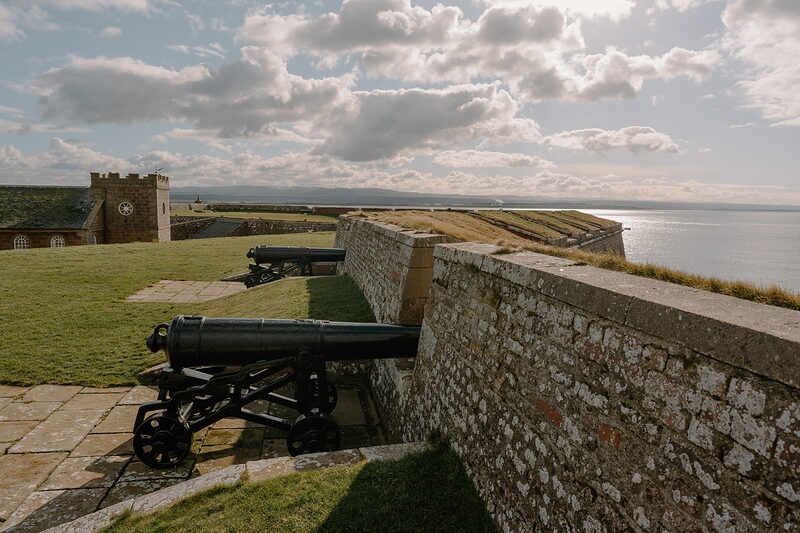
Fort George
An attraction
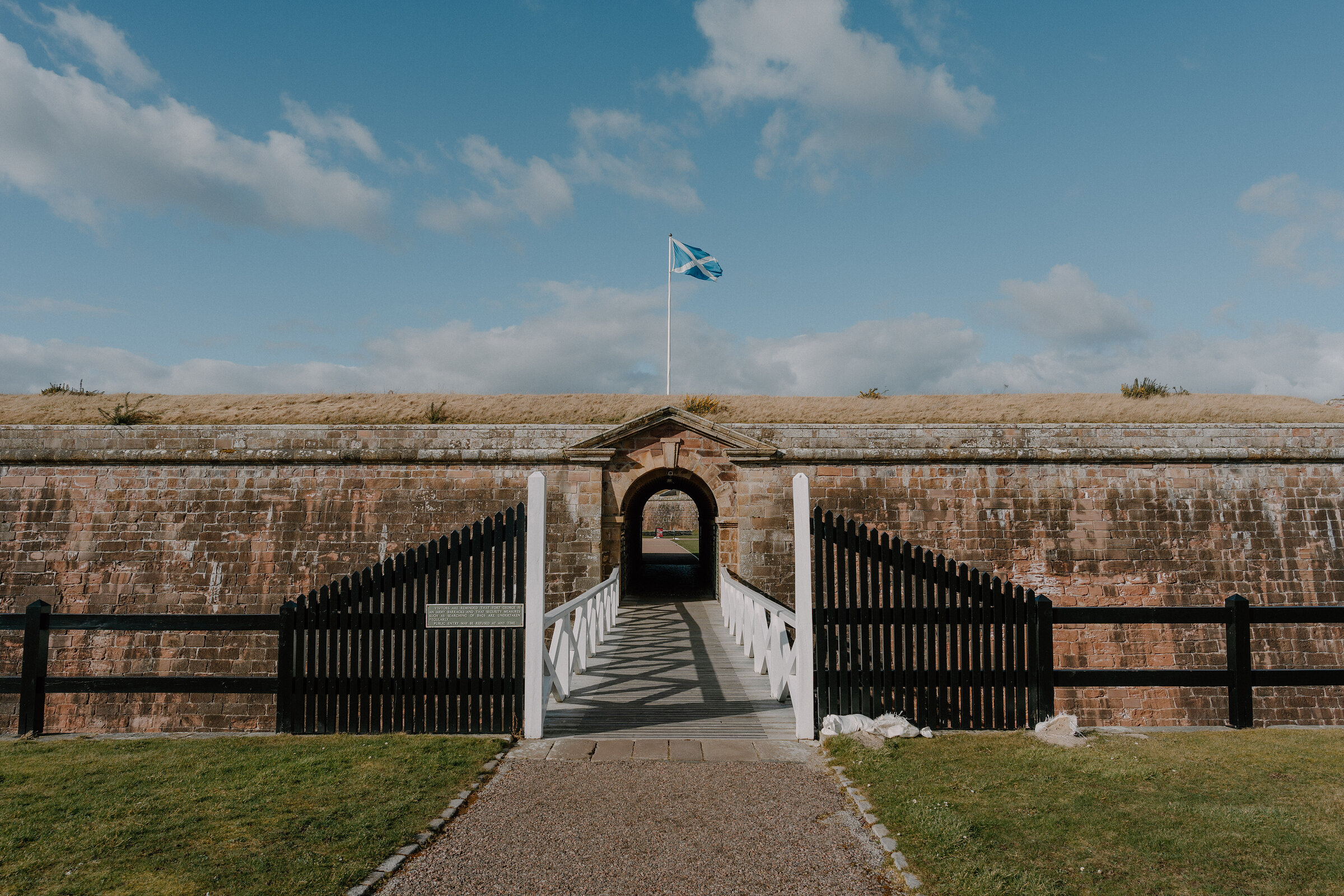
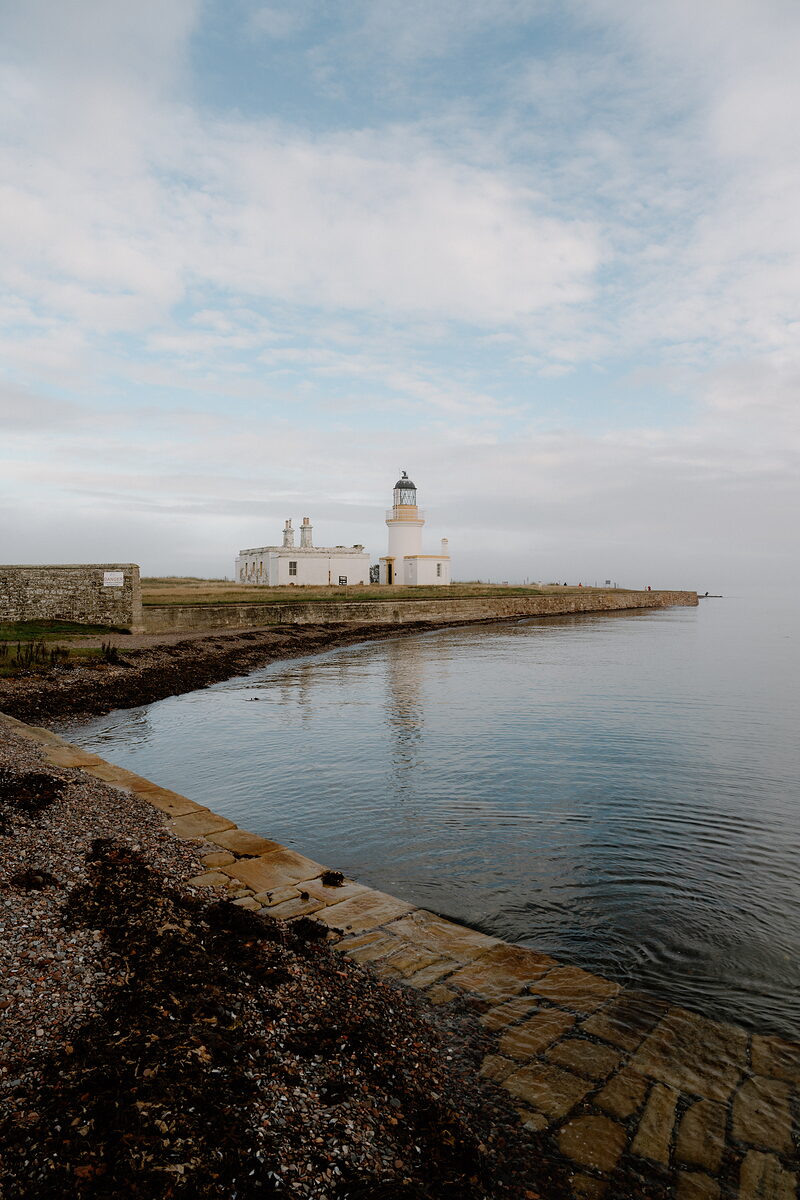
It's 27 minutes' drive north to Fort George, at the tip of a spit of land beyond Ardersier. Work began here in 1748 and the fort was finished in 1769, and it is still a working army base. Walk the main rampart, more than a kilometre round, past the cannon of the Point Battery and out over the narrows to Chanonry Point: the firth's bottlenose dolphins are sometimes seen from these walls, so bring binoculars. Inside are barrack rooms set out as soldiers lived in them, the garrison chapel and the dog cemetery, resting place of regimental mascots and officers' pets. The Highlanders' Museum, the regiments' own collection, is in the fort and comes with the ticket.
If it rains
Most of the day is under a roof: Culloden's exhibition and battle theatre, and at Fort George the barrack rooms, the chapel and the Highlanders' Museum. On a wet day keep the walk on the moor short and save the ramparts, which take the full wind off the firth, for a dry spell.
On the way
- Clava Cairns
5 minutes' drive south-east of the battlefield, signed off the B9091: a cemetery of cairns and standing stones about 4,000 years old in a small wood above the River Nairn. Free and open all year, with a car park beside the stones. Half an hour is enough, and Fort George is 27 minutes' drive on from there.
Maps from OpenFreeMap © OpenMapTiles, data © OpenStreetMap contributors; heights from Mapzen's terrain tiles.