
Caerlaverock and the Solway – Castle, Geese and Ruthwell Cross
A day by car, from Dumfries and back.
The route
More than 40,000 barnacle geese fly in from Svalbard, far up in the Arctic, to spend the winter on the Solway coast.
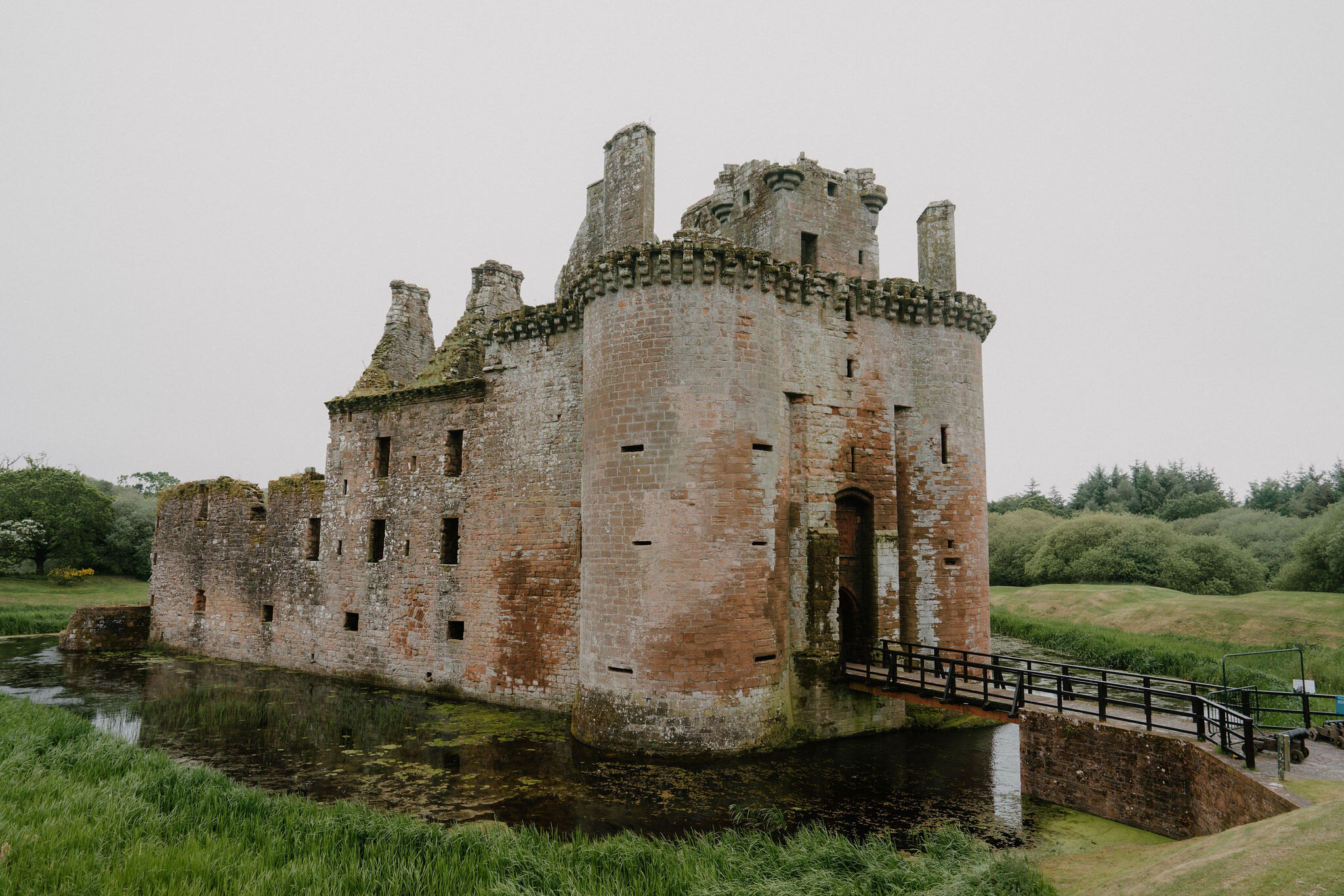
The flat green shore at Caerlaverock, south of Dumfries, is one of the places to watch them. This day keeps to the east bank of the River Nith, where the farmland runs out into saltmarsh and mudflats, with Criffel across the river and the Lake District fells beyond the firth. Alongside the geese and the wild swans of the Wildfowl and Wetlands Trust's reserve, it takes in two of the great sights of Dumfriesshire. One is the Ruthwell Cross, carved about 1,300 years ago and kept in its village church; the other is Caerlaverock Castle, red, triangular and ringed by its moat. There's lunch by the water at Glencaple, and it's just over an hour's driving in all, out from Dumfries and back.
Before you go
Book a table for about 11.50am on the Boathouse's website, or on 01387 770673: it opens every day, 10am to 4pm, and its outdoor tables can't be booked.
Go between October and March, when the geese are here, and on a Tuesday to Saturday (it's shut on Sundays and Mondays), in by the 3.30pm last entry; book online or pay by card, as no cash is taken.
The day
Caerlaverock
A day on the quiet back roads of the Solway shore south of Dumfries, between the farms and the sea. It starts in a country church at Ruthwell and ends among the geese and swans at Caerlaverock, as the afternoon light fades over the firth.
1 hr 12 min at the wheelAbout 37 miles
Ruthwell Cross
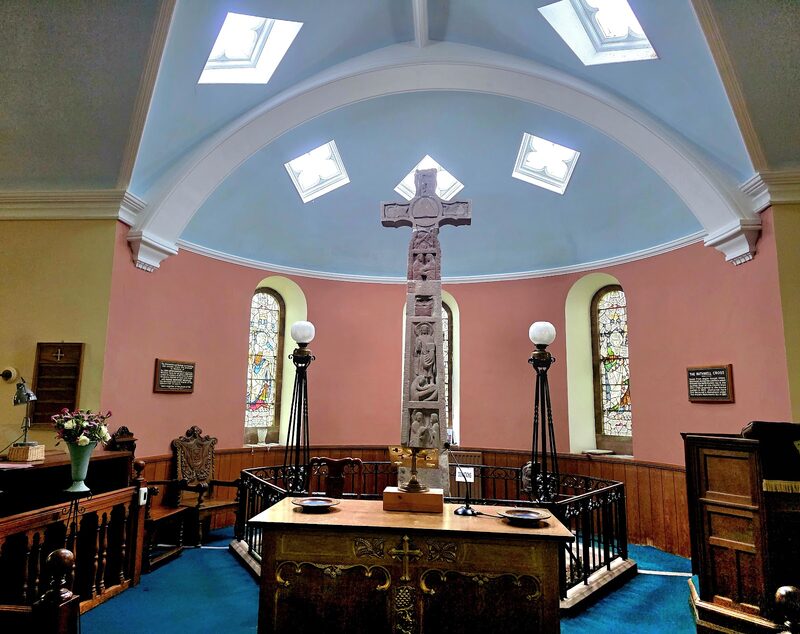
It's 21 minutes' drive east from Dumfries, through Clarencefield, to Ruthwell Church: be there by half past nine. The church is kept locked, and the key is in a blue box in the car park. Inside, in an apse built for it in 1887, stands the cross, over five metres of stone carved about 1,300 years ago, with Gospel scenes and words in Latin and in runes. Broken up in 1642, it lay in pieces until the minister, Henry Duncan, put it back together early in the 1800s.
14 min by car
Caerlaverock Castle
An attraction
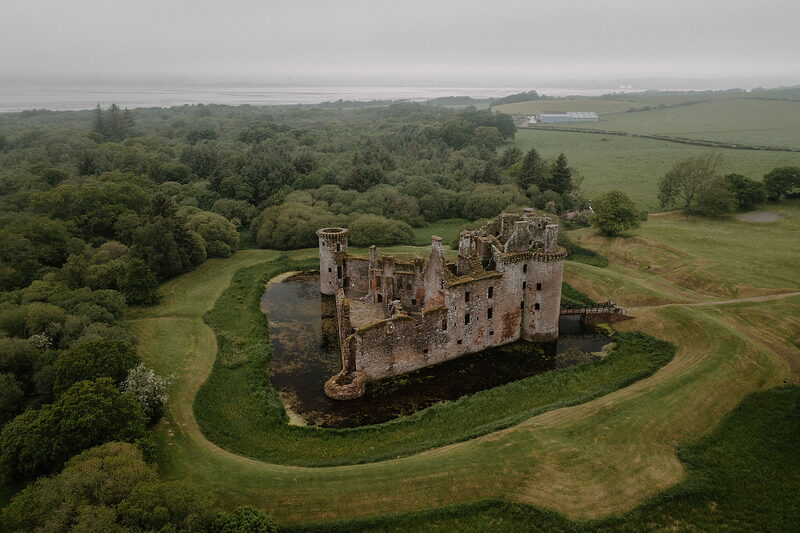
Drive 14 minutes west on the B725, past the turn for the reserve where the day ends, to Caerlaverock Castle. The Maxwells built it in the 13th century, in red sandstone and to a triangle, inside its moat. In 1300 the English king besieged it, and his heralds named his knights in a poem in Old French. Inside is the Nithsdale Lodging, a grand house of the 1630s with carved stone over its windows. Parts may be shut for conservation work. Give it an hour and a half.
8 min by car
The Boathouse
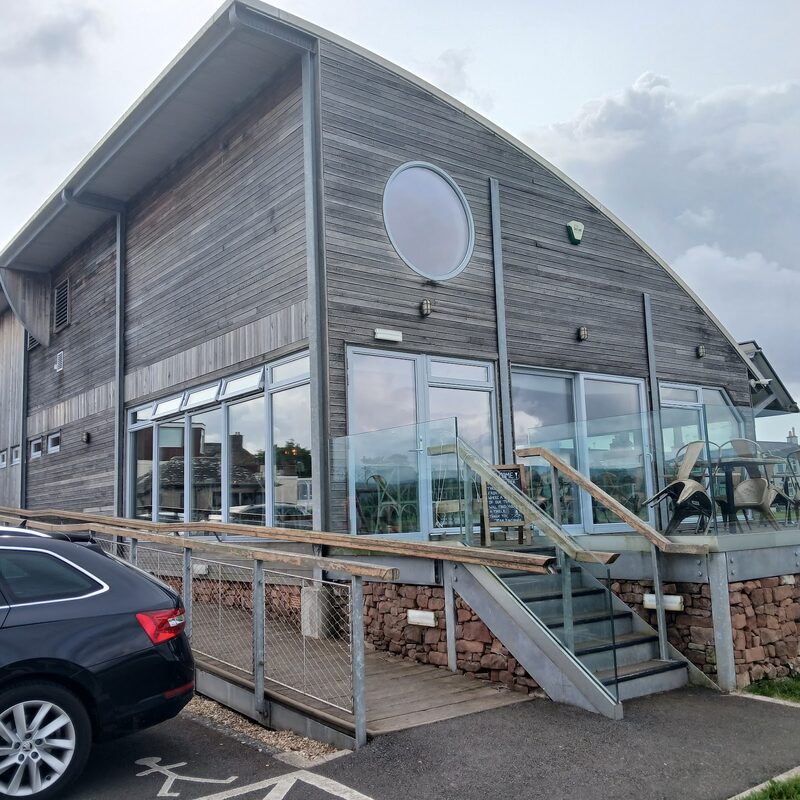
It's 8 minutes' drive on up the B725 to Glencaple, a small village on the east bank of the Nith, and the Boathouse, a bright café on the quay looking over the river. Book a table for about 11.50am: it's an early lunch, but it leaves the whole afternoon for the geese. The menu changes with the seasons and runs from soup of the day to fishcakes and a Caerlaverock Estate venison burger. It's open every day, 10am to 4pm.
10 min by car
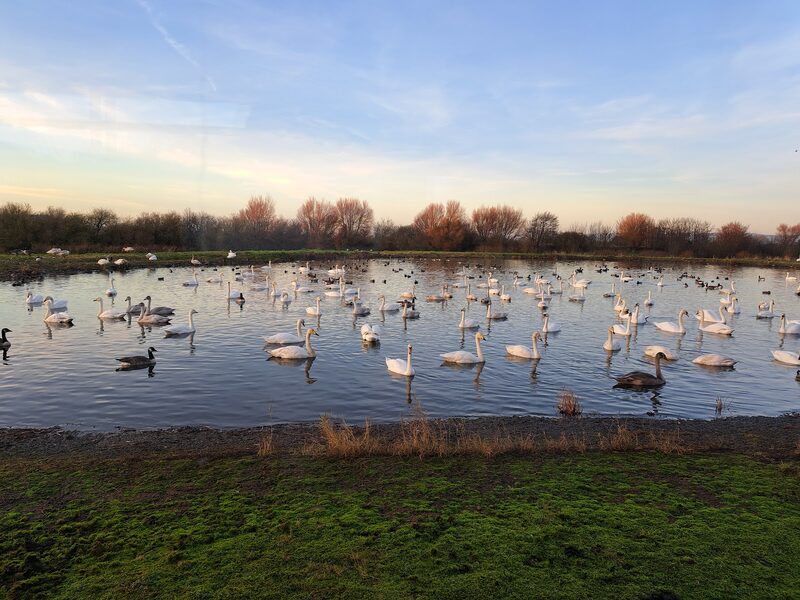
WWT Caerlaverock
An attraction
WWT Caerlaverock, the Wildfowl and Wetlands Trust's reserve, is 10 minutes' drive back past the castle. This day is for October to March, when the barnacle geese and whooper swans are here. There's no café, so bring a flask. Ask at the desk if the swans are being fed, then walk to the Avenue Tower. End at the Saltcot Merse Observatory, where in midwinter the geese come in to roost at sunset. Keep to the paths: the marsh is tidal. It shuts at 4.30pm: bring a torch.
If it rains
Rain changes little of this day. The cross is indoors and lunch is under a roof, and at WWT the Sir Peter Scott Observatory is heated, with big picture windows over the Whooper Pond, while the hides and the other observatories are roofed. The castle is mostly outdoors, so in heavy rain cut it short and wait for your table over a coffee at the Boathouse.
Where to eat
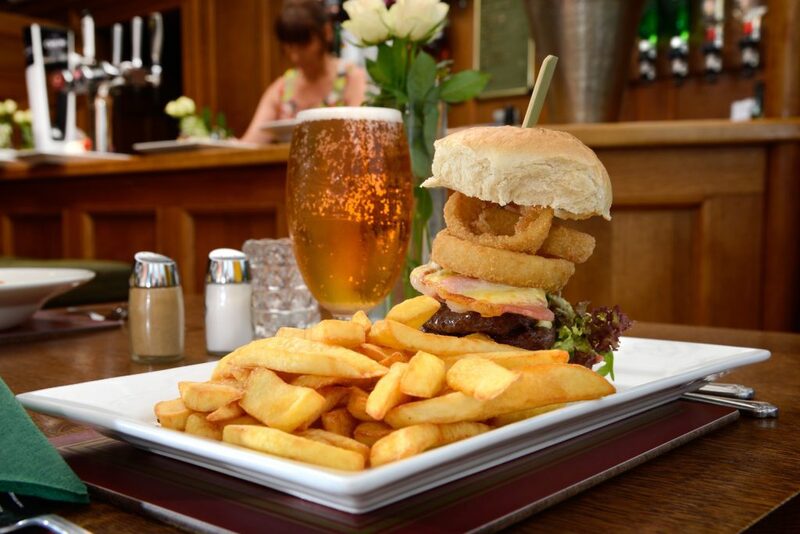
Mabie House Hotel, a restaurant in Dumfries.
Photographs by Janice Lane, Nell Stafford and Lorna Lomas via Google