
A Historic Tour of Perth
Written by Beth Reid
In my opinion, Perth is one of the most underrated locations in Scotland in terms of its history. It tends to be passed by those travelling north on the A9 or east to Dundee and Angus, but this was once a place of extraordinary significance in Scottish history. Perth was an ancient capital of Scotland. Located on the River Tay—a lifeblood of travel, trade and communication through Scotland’s history—this major burgh traded domestically and beyond with European territories. Moreover, Perth was an important place of power as the scene for royal inaugurations over the centuries and for the first whispers of councils and parliaments. While there are a considerable number of heritage sites to explore in and around Perth, I have highlighted several which I feel strongly capture its historic spirit and legacy.
Let's explore them together.
Perth Museum
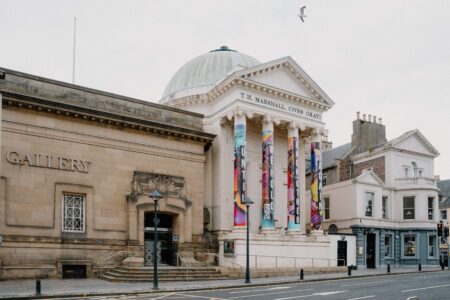
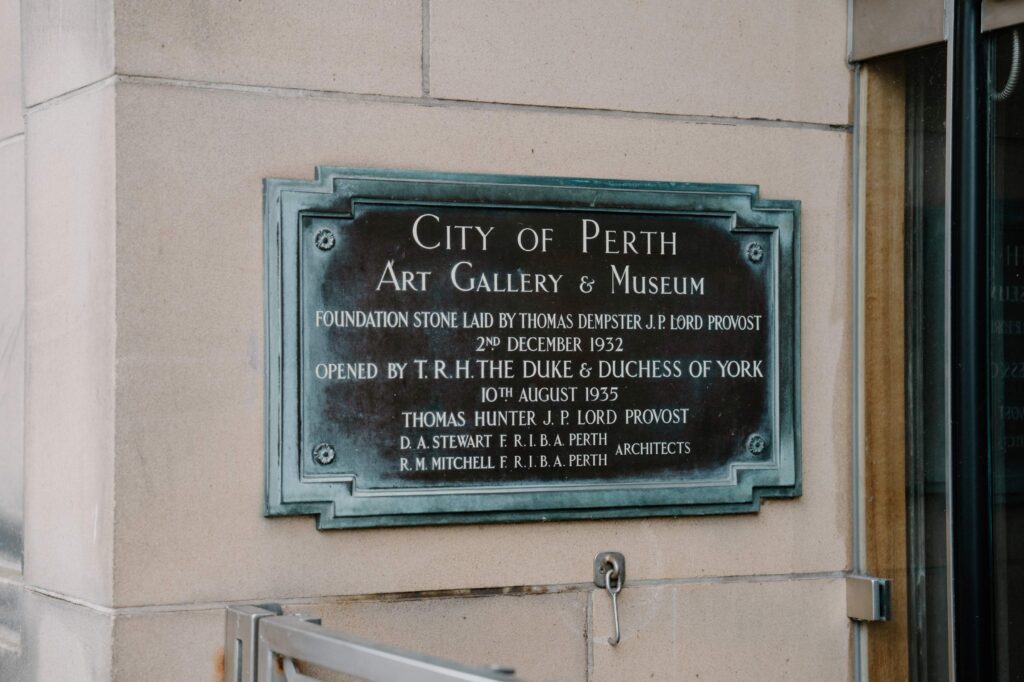
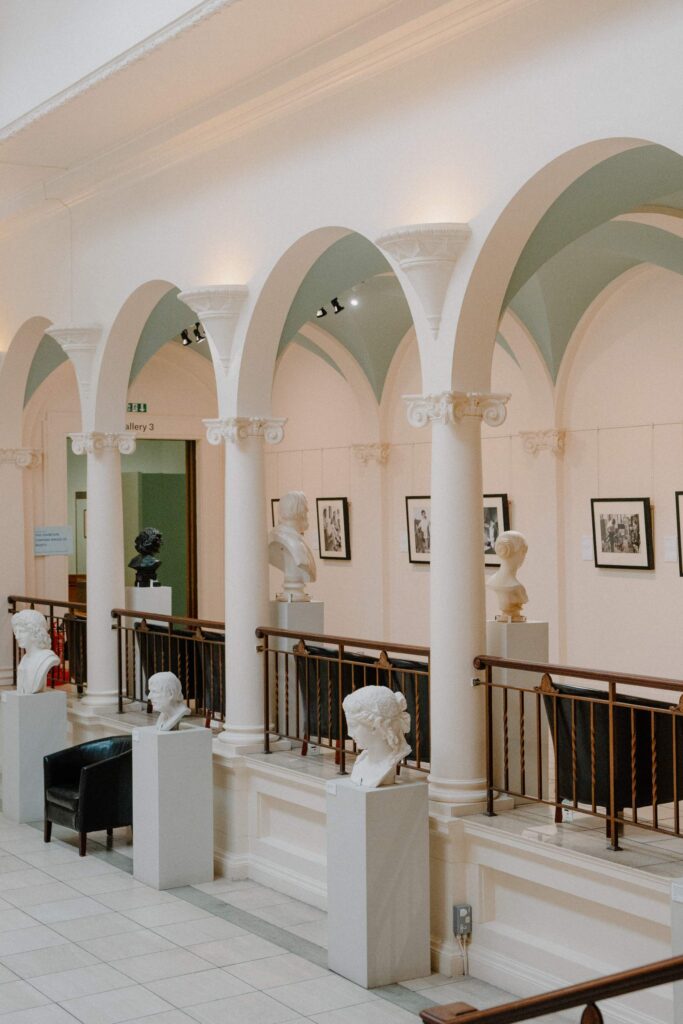
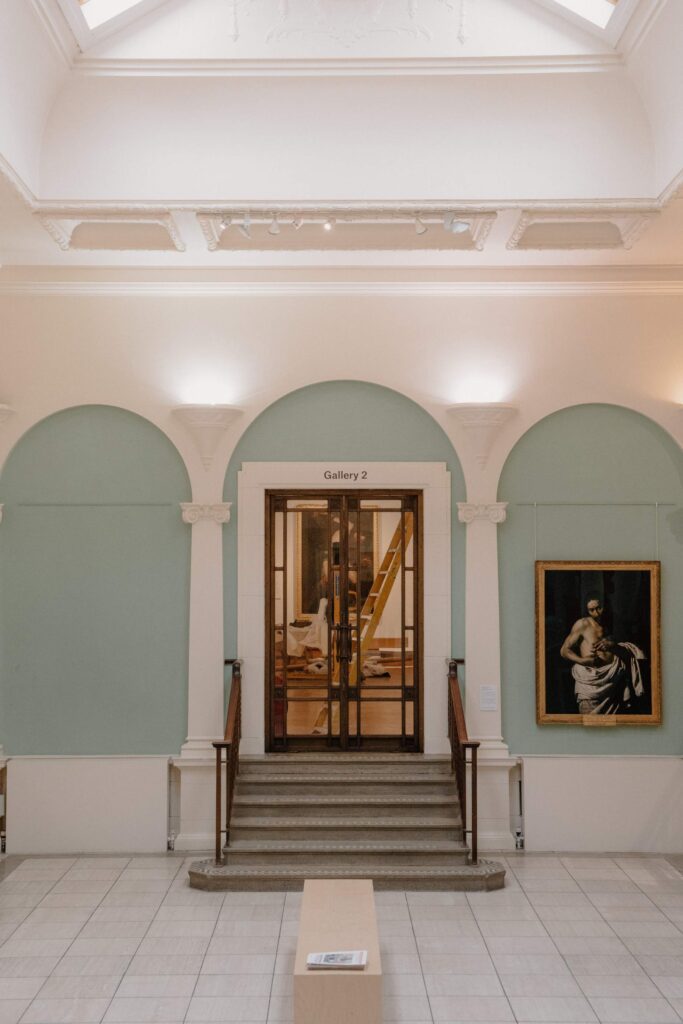
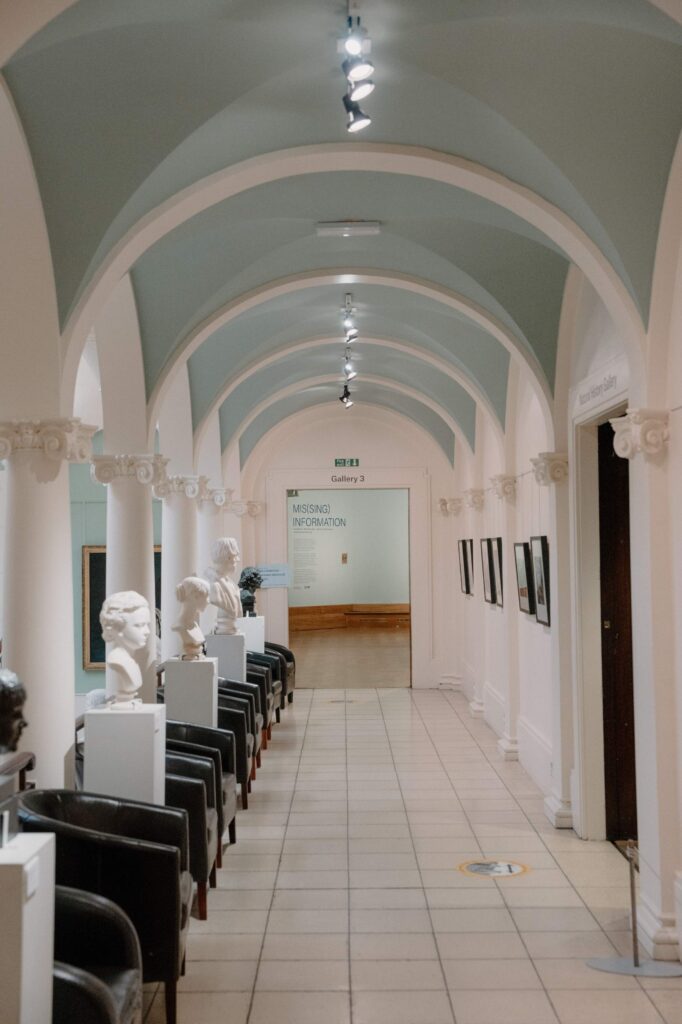
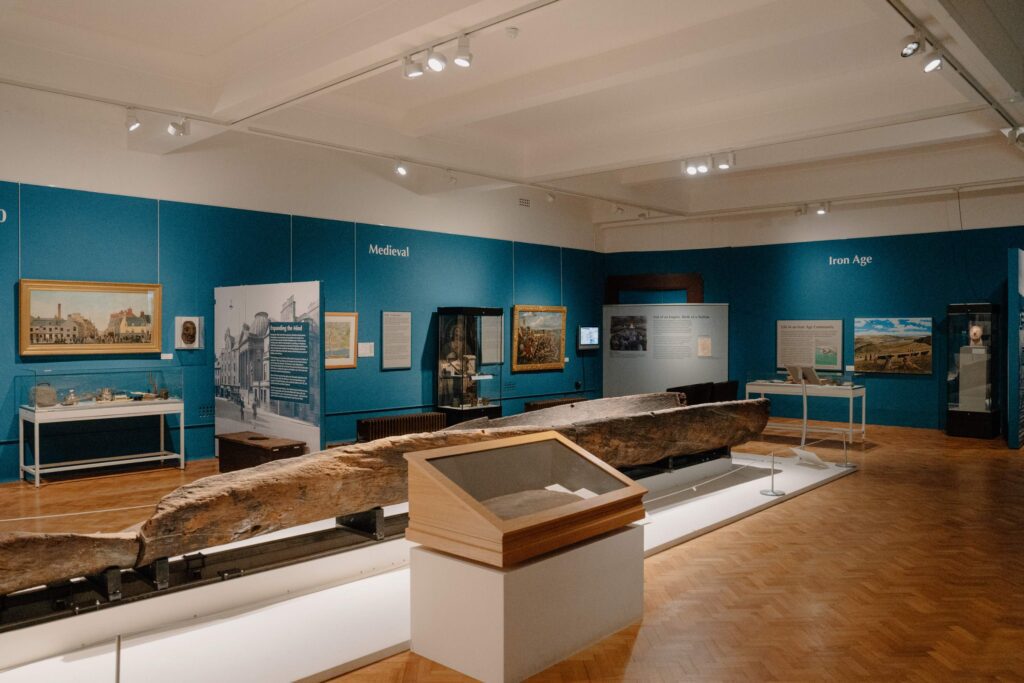
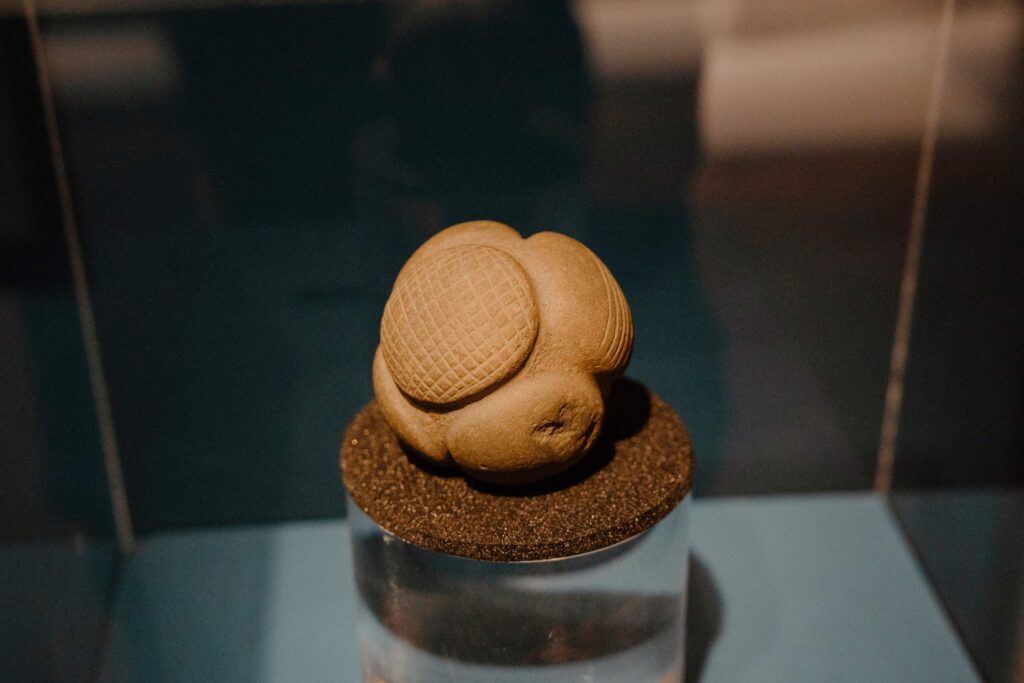
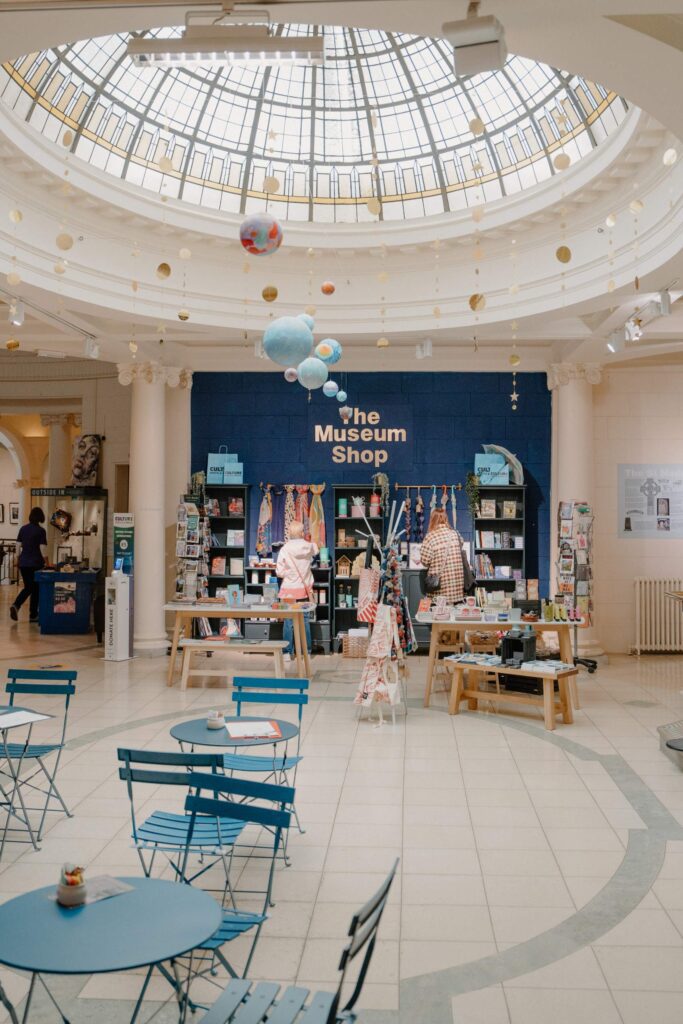
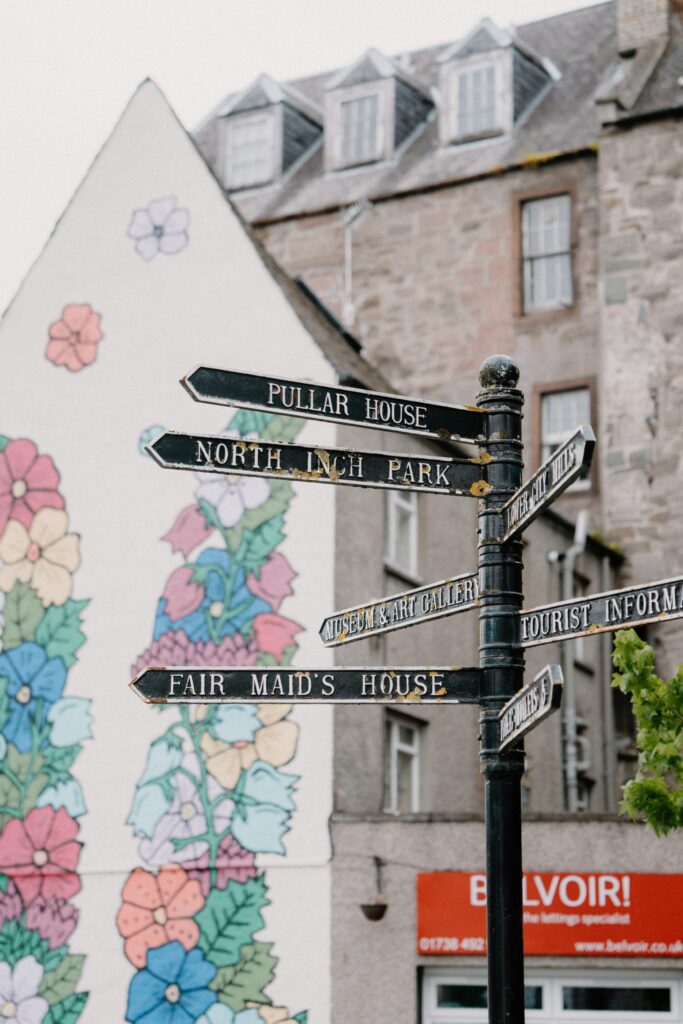
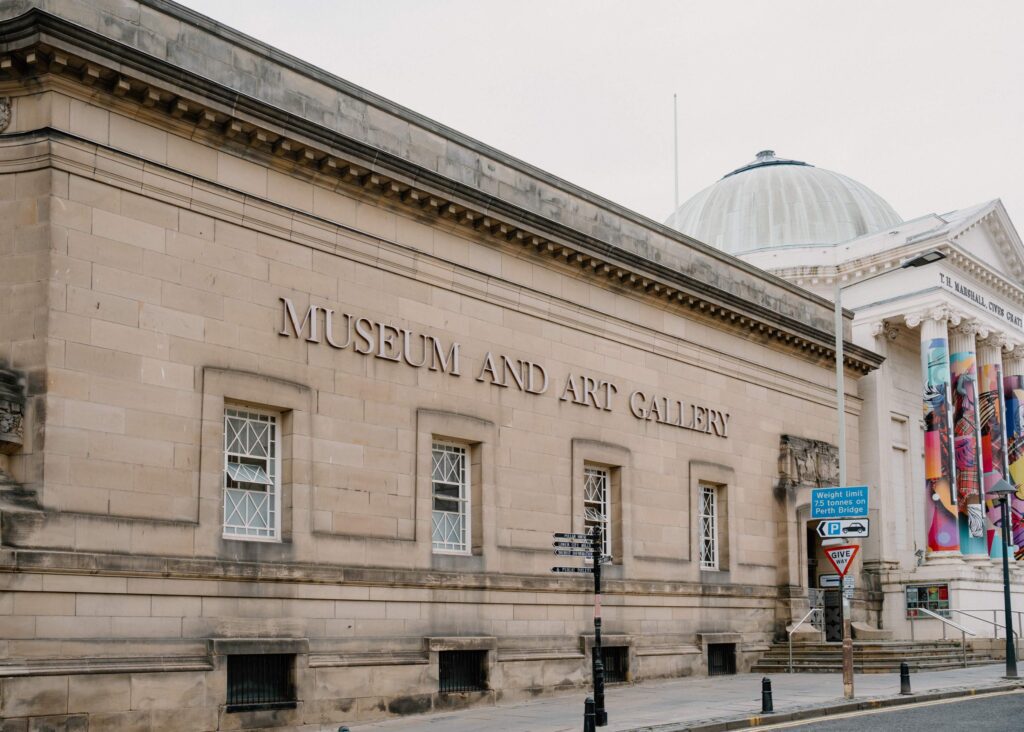
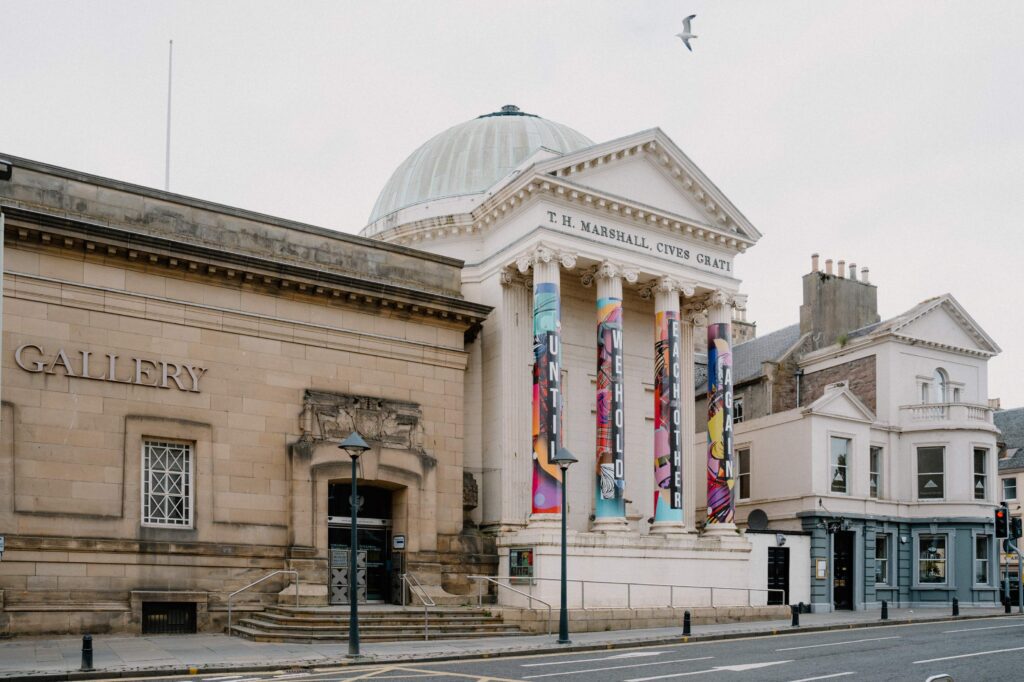
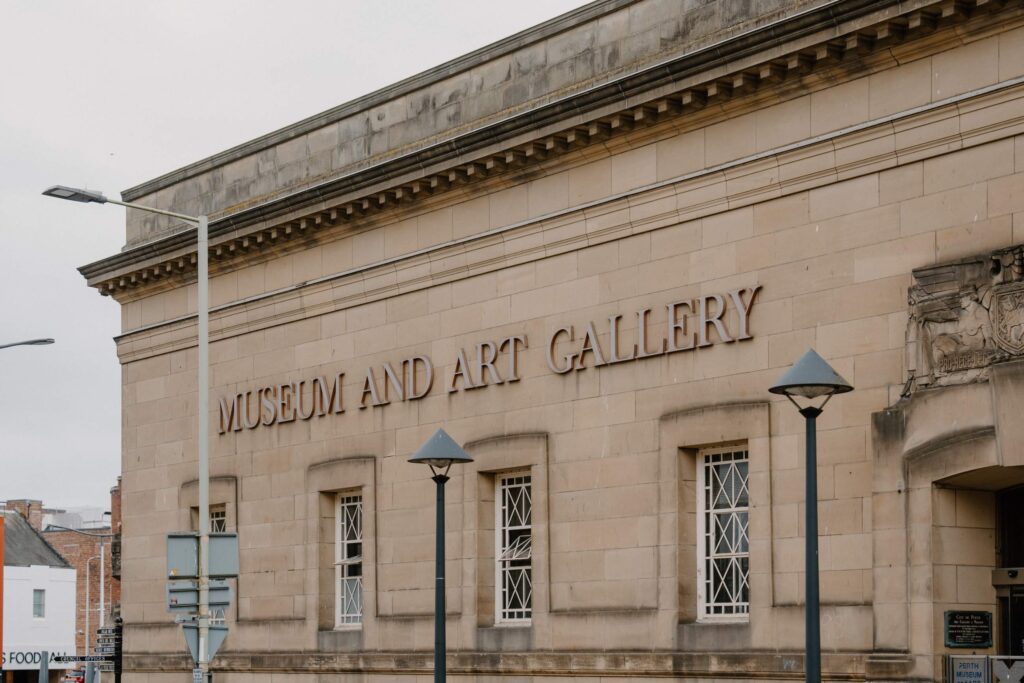
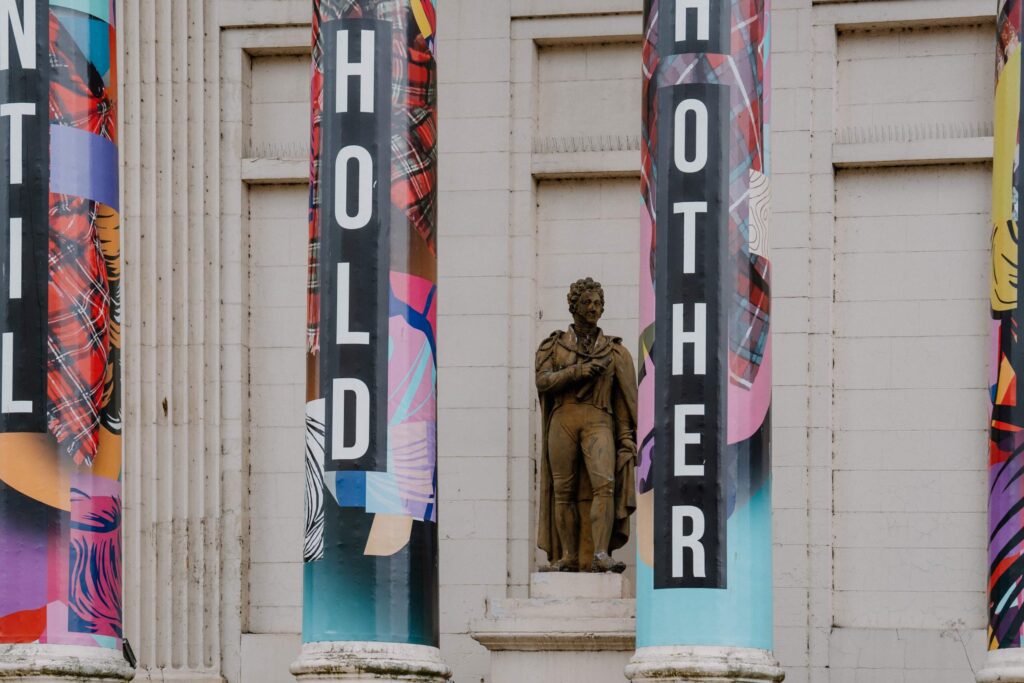
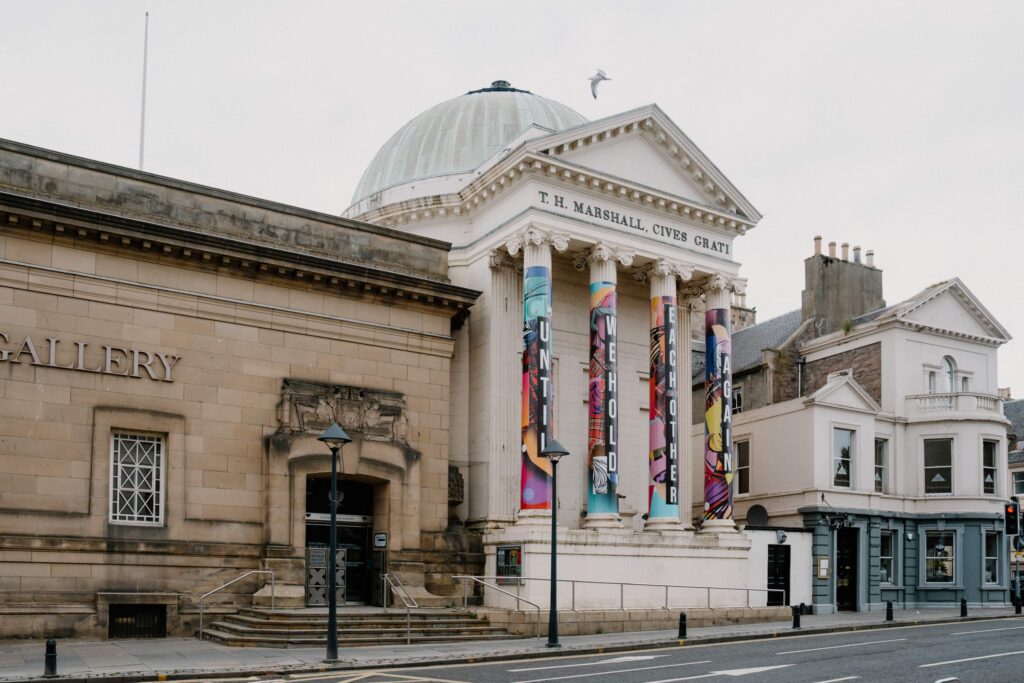
To understand the breadth of Perth’s historical significance, I would suggest starting at Perth Museum. Having opened in Spring 2024, Perth Museum’s home is a stunning Edwardian building located in the central historic square of Perth on St John’s Place, beside the medieval St John’s Kirk which celebrates its 900th anniversary in 2026. Inside, you will find an impressive collection of artefacts from Perth and the wider Perthshire region. From the 3,000-year-old Carpow Logboat to the banners of Perth’s 20th-century Suffragettes, Perth Museum contains a wealth of evidence that speaks to the historical significance of this area of Scotland.
For me, and I think probably for many others, the highlight of Perth Museum is the Stone of Destiny. Also known as the Stone of Scone, the origins and symbolism of this block of sandstone are shrouded in mystery, but it was an essential part of the inauguration of new Kings of Scots. The significance of the Stone to Scottish rituals of sovereignty is proven by its theft by Edward I of England during the Scottish Wars of Independence, with it remaining officially in England until 1996. It finally returned to Perth from Edinburgh in 2024 as part of an incredible immersive exhibition at Perth Museum.
My background in researching and exploring Scottish history is firmly medieval, with a particular interest in the Scottish Wars of Independence, which is probably why I absolutely love the Stone of Destiny exhibition at Perth Museum. In addition to effectively telling the story of the Stone and highlighting its importance, my favourite part of the experience is the animated recreation of the inauguration of Alexander III in 1249 at Moot Hill. This animation fully captures the sacred nature of the Stone and the inauguration ceremony, while the Stone itself sits directly in front of you in a glass safety case. It is quite a surreal and essential experience before moving onto our next historic location.
Scone Palace & Moot Hill
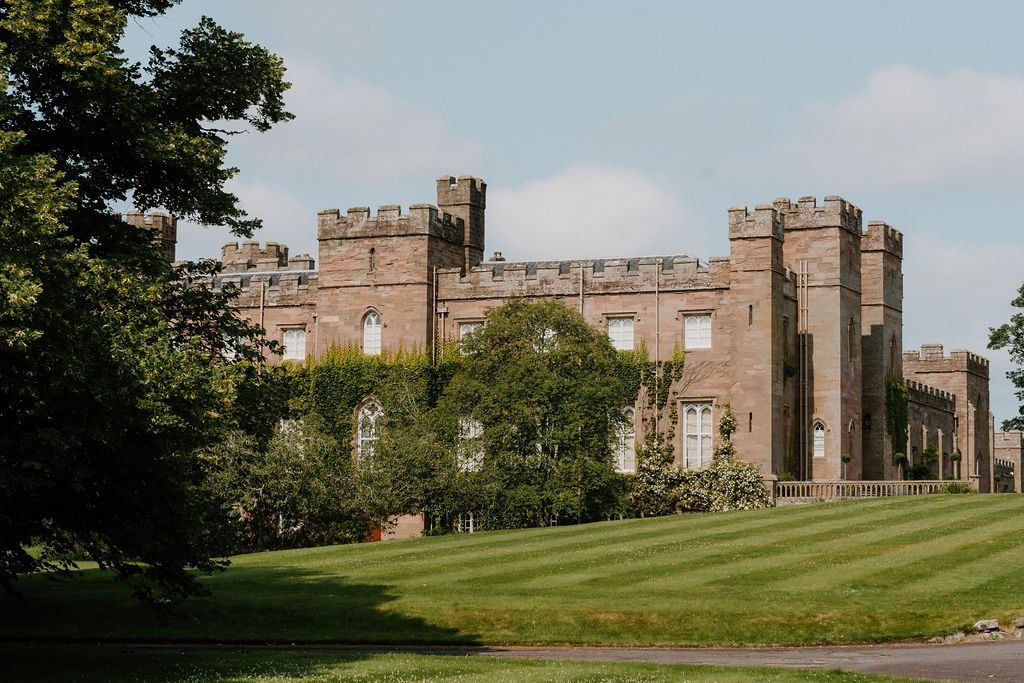
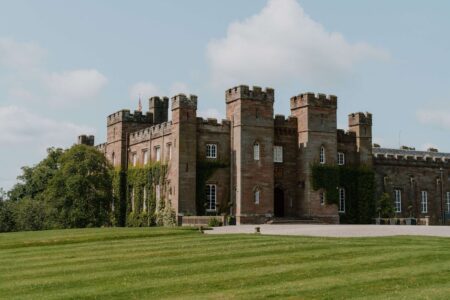
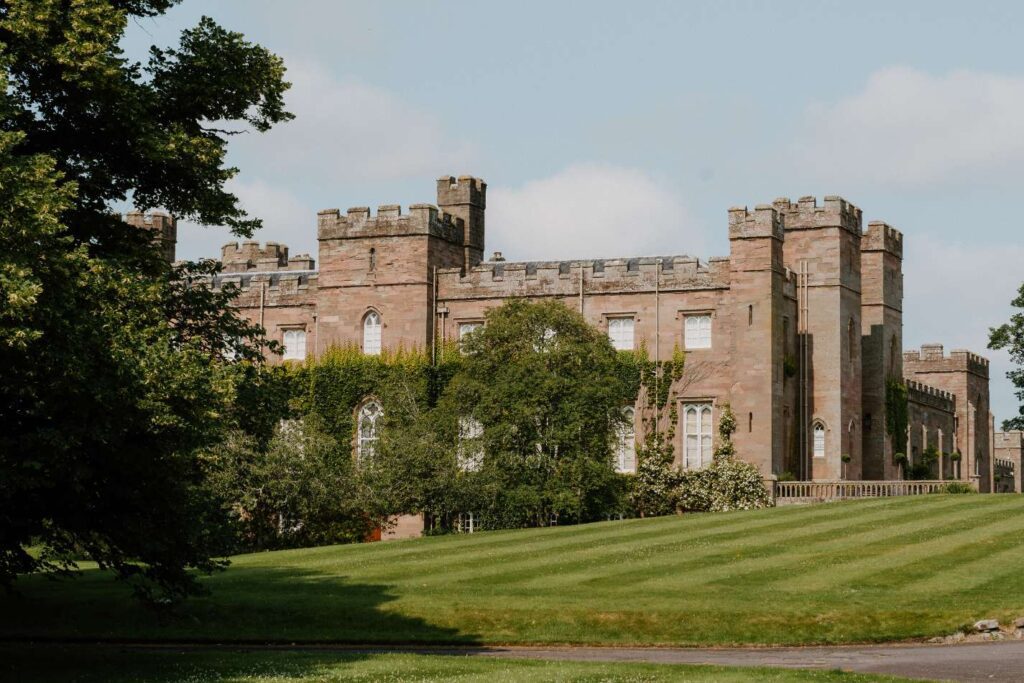
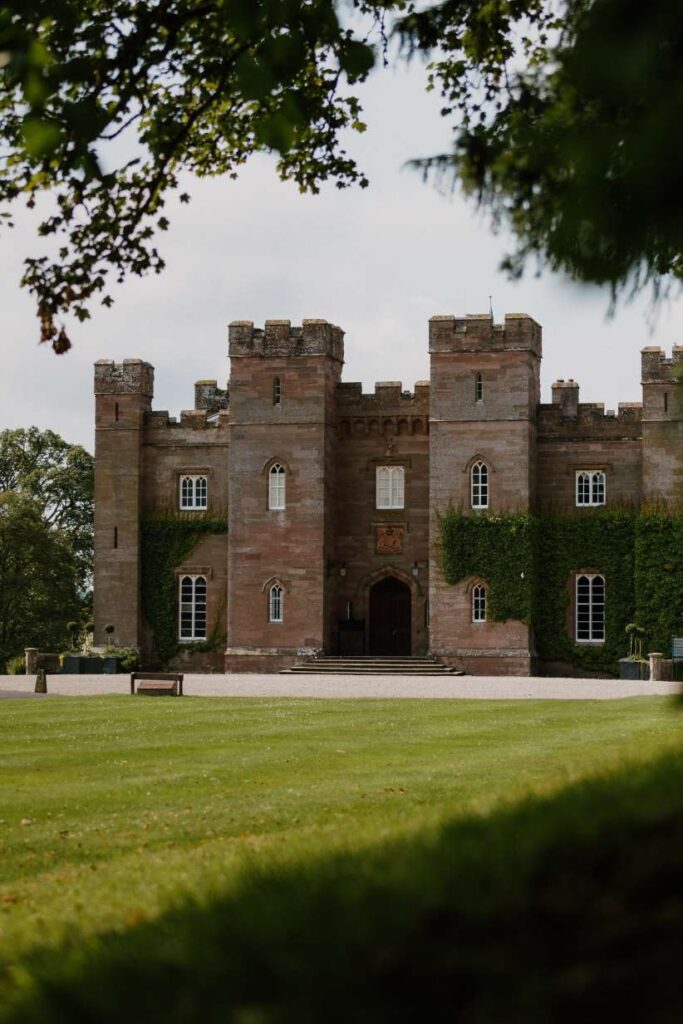
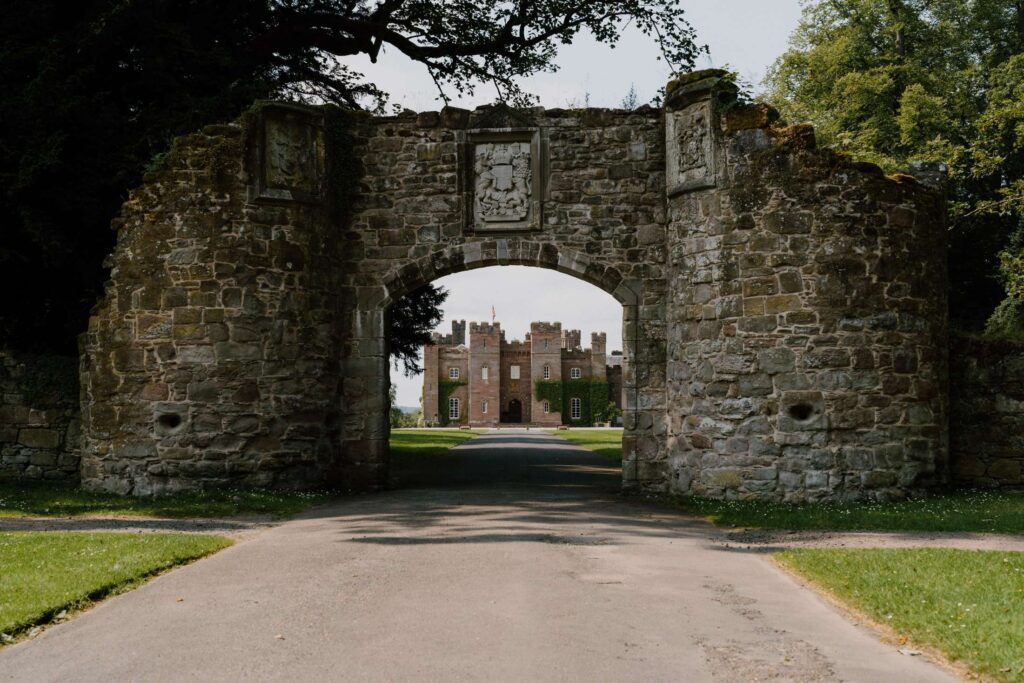
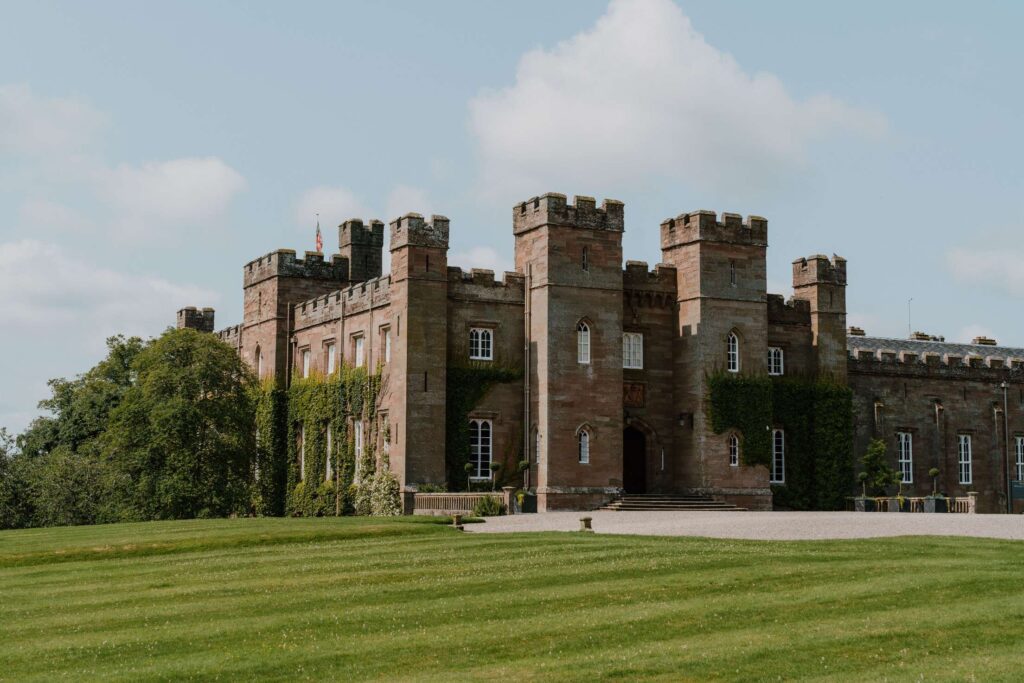
Scone Palace is an absolute must-visit for anyone spending time in the Perth area. The building that you see today is the result of significant conversion works undertaken between 1802 to 1807 to transform the medieval remnants of Scone into a gothic-style palace. This was achieved under the Murrays, who have held Scone since c.1600 and were created Earls of Mansfield in the 18th century.
Moreover, Scone Palace was constructed in the grounds of Scone Abbey, one of the most powerful religious institutions of medieval Scotland. Although the medieval abbey has vanished, largely due to the Scottish Reformation of 1560, its importance is very much emphasised by the team who operate Scone Palace. This is a heritage site that has not forgotten its roots. The Palace and its grounds are undoubtedly glorious, but the highlight of this location for me is Moot Hill. Sitting directly opposite the Palace, Moot Hill was the inauguration site for Kings of Scots for centuries, with its name generally referring to a ‘gathering’ or ‘meeting’. While the first known inauguration to take place at Moot Hill was in 843 for the first King of Alba, Kenneth McAlpin, there is an argument that political ceremonies of power had been taking place here for much longer due to the importance of this area in Pictish society.
Kenneth’s inauguration at Moot Hill—and many others after him until 1296—recorded the central ritualistic role of the Stone of Destiny. There was something incredibly powerful about seeing the Stone in person at Perth Museum and later standing in the grounds of Moot Hill, where that Stone had once been so important. Even without the Stone, countless royal ceremonies continued at Moot Hill. I was lucky enough to recently stay in the accommodation at Scone Palace and had the grounds to myself for a walk at twilight. I stood on Moot Hill in the dying light of the day and quiet of the coming night and pondered the history-changing events that occurred beneath my feet. It is an exceptionally special place.
Huntingtower Castle
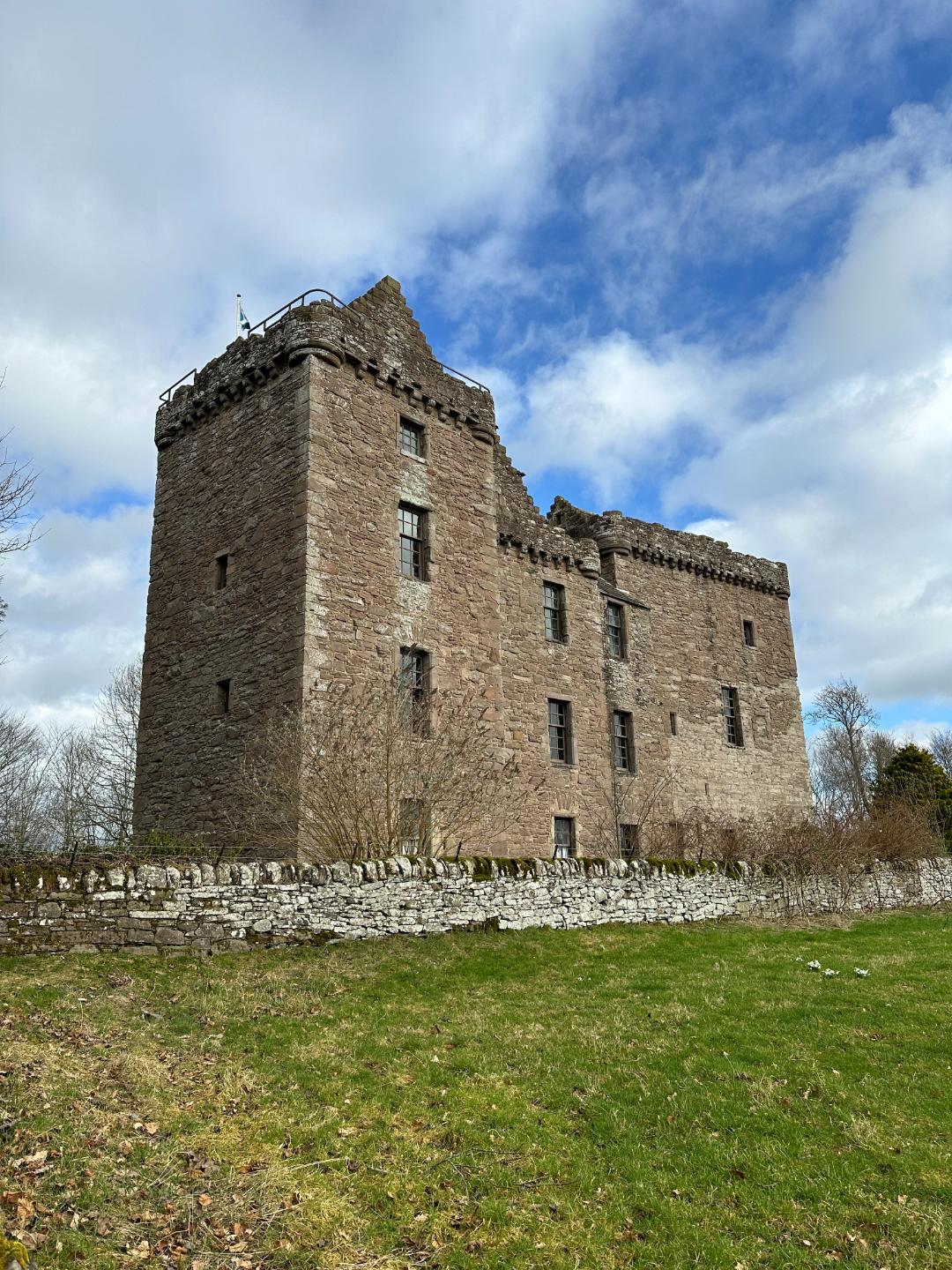
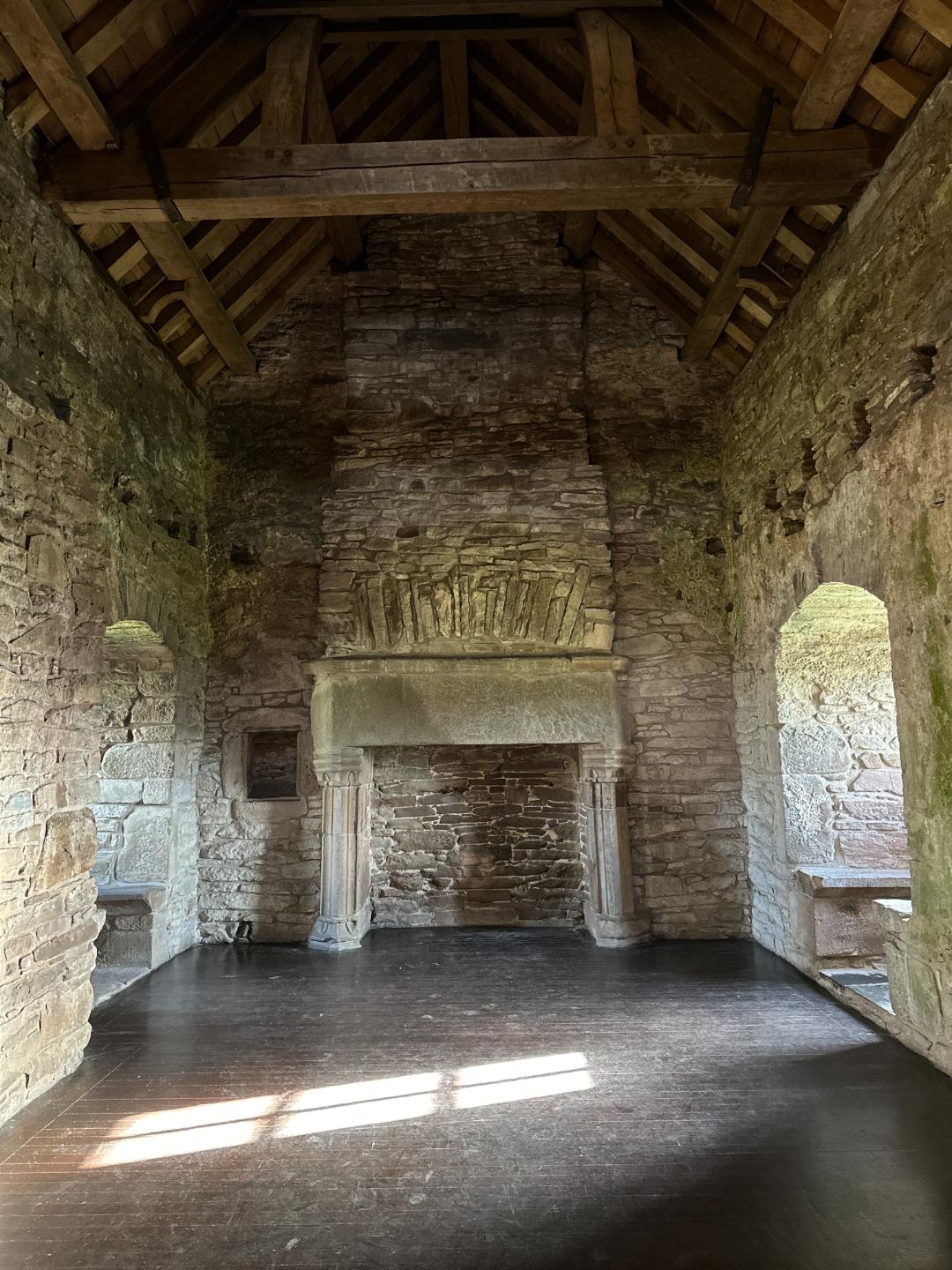
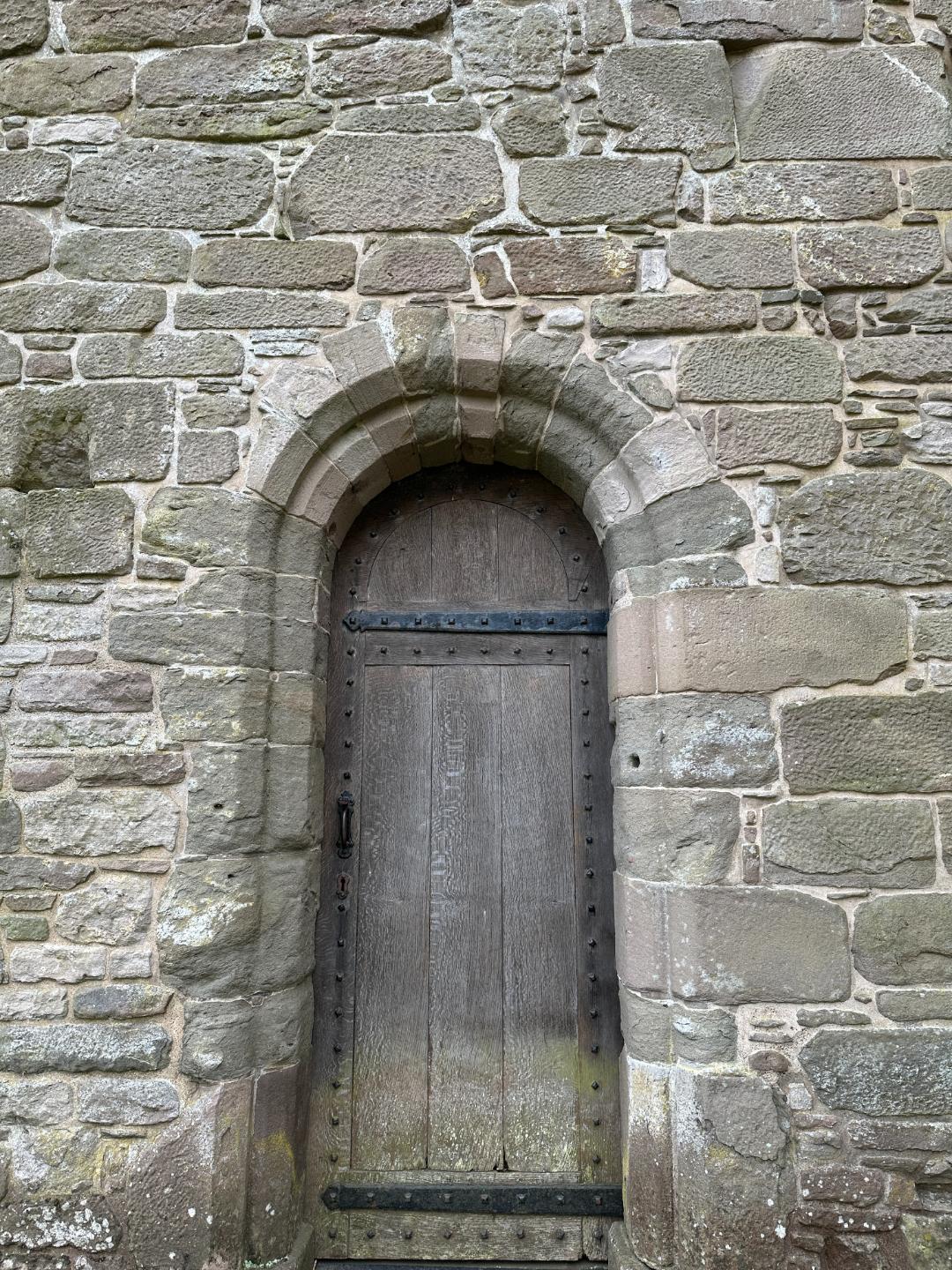
On the outskirts of Perth, you will find Huntingtower Castle. This impressive structure has quite a dramatic history, from its unusual double towers to the complicity of its previous owners in multiple accusations of treason. The castle is also the source of supernatural encounters, romantic folklore, and its own colony of pipstrelle bats.
Huntingtower Castle was owned by the Ruthven family for many centuries. In fact, the castle was originally named the House or Place of Ruthven, with the name being deliberately changed to ‘Huntingtower’ in 1600 as part of a smear campaign against the Ruthvens following their fall from power in the aftermath of the Gowrie conspiracy.
This conspiracy saw the Ruthvens accused of treason against King James VI of Scotland, resulting in the deaths of the two leading men of the family and the forfeiture of all their land and title. However, the lack of evidence of the Ruthvens’ guilt has made this quite a mysterious event, leading to arguments that King James himself orchestrated the removal of this family who he just so happened to owe massive amounts of money. Suspicious…
My favourite historical folklore at Huntingtower Castle is the tale of the Maiden’s Leap. The 1st Earl of Gowrie’s daughter, Dorothea Ruthven, escaped being caught by her mother in bed with her lover by leaping across the 9ft gap from the East Tower to the West Tower to return to her own bedchamber. The next day, Dorothea and her lover eloped together. While this might just be the work of folklore, historical record sees Dorothea marrying John Wemyss of Pittencrieff, who might very well have been her lover in the East Tower. Very unusually in Scottish history, the couple appear to have lived happily ever after.
Recommended Places to Stay Nearby
If you are spending a day following Perth’s historic thread, staying a little outside the city can make the whole itinerary feel more spacious. Glen Glack Cabins, run by Atholl Estates, are a good example of that. Set in Highland Perthshire, they give you the freedom of self-catering and the sense of being properly in the countryside, while still keeping Perth, Dunkeld and the A9 within straightforward reach for day trips. They also sit within Atholl Estates’ wider collection, which includes other cottages, lodges and smaller stays across the estate, so it is easy to build a longer Perthshire break around the same base.
Whitehill Farmhouse, on the Colquhalzie Estate, has a similar appeal if you want somewhere with more space and a slightly more house-party feel. It is a restored 19th-century farmhouse set up for self-catering, and it suits a trip where the days are spent exploring castles and museums, then the evenings are about cooking, reading and being off the main road.
For something at the more exclusive end of the scale, Dun Aluinn is designed around private-use stays, with a main house for larger groups and a separate lodge that can be booked for a smaller trip. It suits stays where the accommodation is part of the occasion, while still keeping you within reach of Perth and the wider Perthshire circuit.






 Sign in with Google
 Sign in with Email