
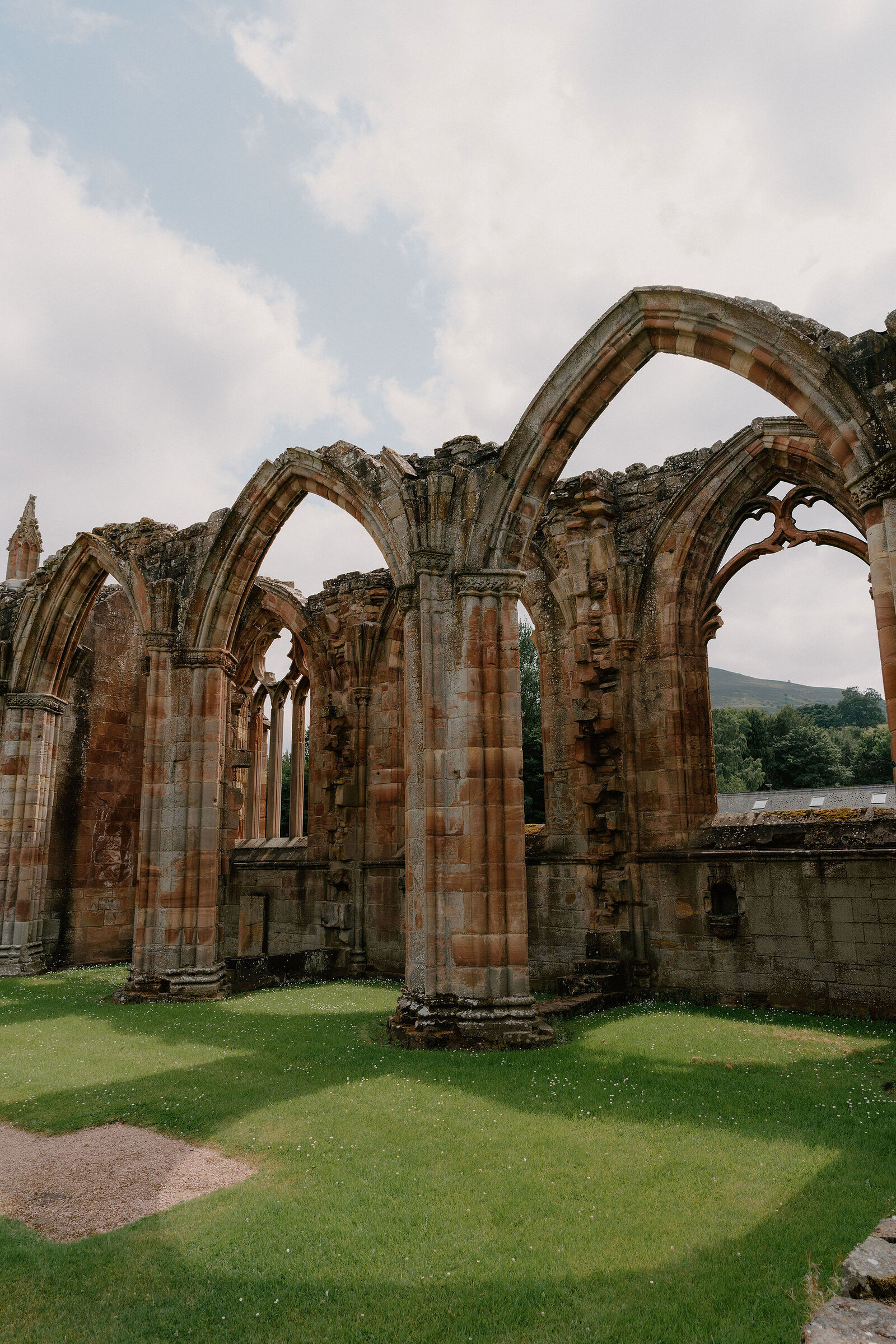
A Day of History & Nature in Lanarkshire
A few hours by car, from Wallace Mural to the Walk to Douglas Castle.
 Written by Graeme Johncock
Lanarkshire isn’t often the first place visitors to Scotland would think to spend a day, but there’s more to this region than meets the eye. I was once ignorant of everything this important part of the country had to offer and it became somewhere that pleasantly surprised me.
The route
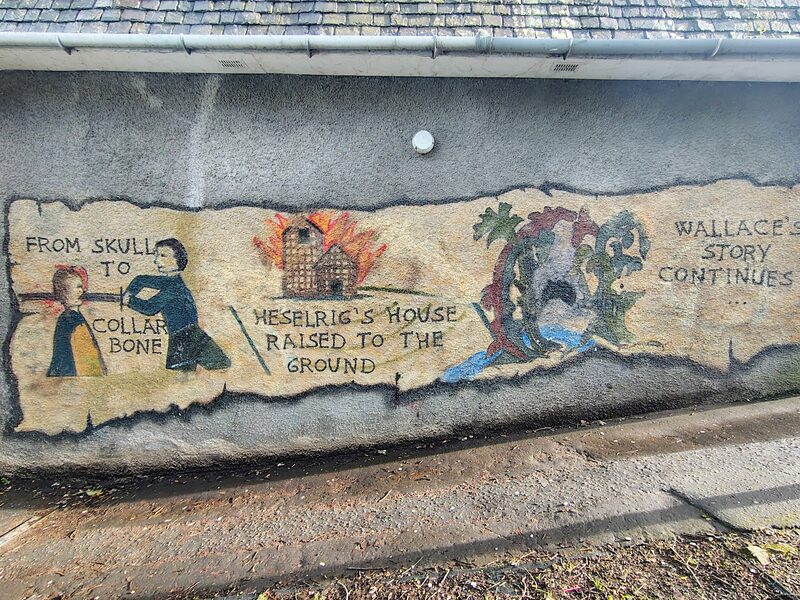
Wallace Mural
An attraction
No trip to Lanark would be complete without remembering William Wallace, Scotland’s National Hero. This town was where the freedom fighter burst onto the scene in 1297, rebelling against the hated Sheriff of Lanark who is said to have executed his love Marion Braidfute. Wallace burst into the Sheriff’s quarters one night to get his bloody revenge and from then on, led the fight in the Wars of Independence. While there’s nothing left from Wallace’s day, he’s remembered in a huge mural on the side of Wallace House.
More about Wallace Mural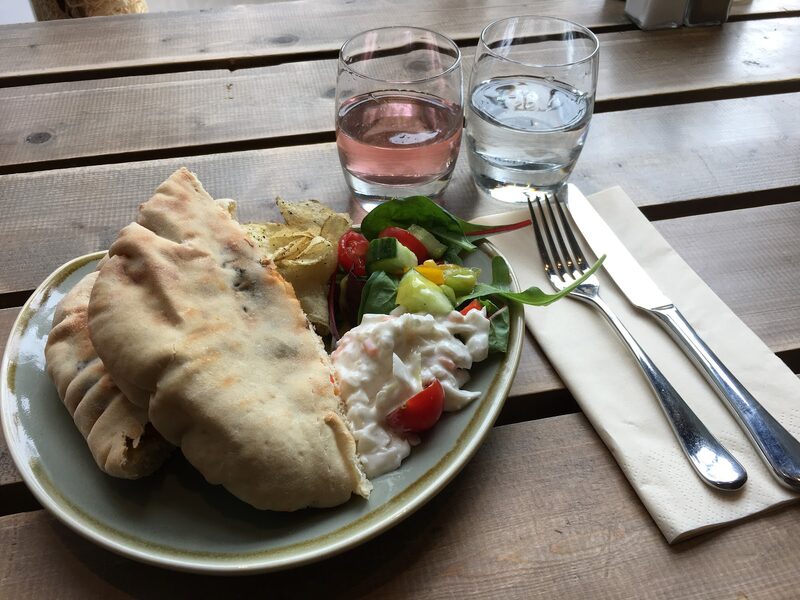
Duke’s Deli
Food and drink
After working up an appetite walking all morning, grab yourself a great sandwich and bowl of soup from the Duke’s Deli but you might have to wait your turn since it’s always a busy local spot!
More about Duke’s DeliAbout 20 min by car
Douglas Village
An attraction
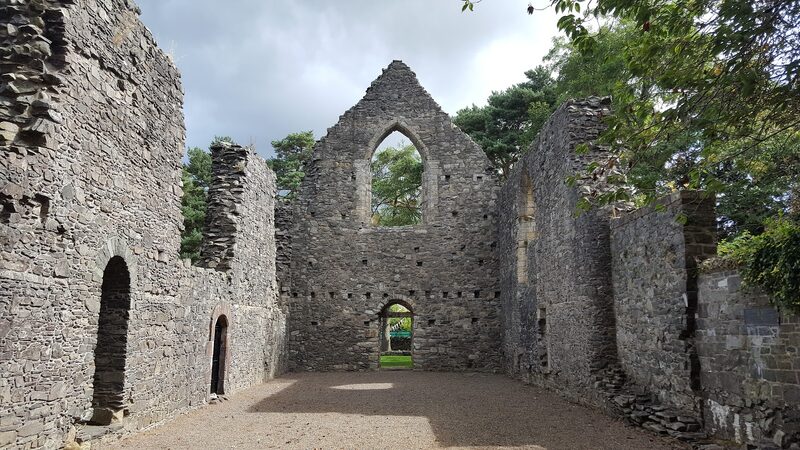
The name Douglas carries a lot of weight in Scottish history and this tiny Lanarkshire village is where it all began. It’s been a special place for me ever since my first visit and you can tell from the wonky layout and narrow streets that it’s been around for a very long time. The best place to learn about local stories and the Douglas diaspora is at the Heritage Museum found in the old Dower House. Run by passionate, local volunteers, they’re always happy to share what they know and talk you through the packed displays. St Bride’s Kirk Right next door stands St Bride’s Kirk and if the museum isn’t open to provide a key then you can follow the contact details on the gate to gain access. Most of what we see today dates from the later 1300s, but elements of an even earlier building still remain. Inside lie effigies of some famous figures, such as James “The Black” Douglas. He was one of Robert the Bruce’s right-hand men and without him, the Scots may never have won the first War of Independence. Personally, standing right next to his bones gives me goosebumps! Cameronian Memorial Tucked around the other side of the Heritage Museum, you’ll spot a finely dressed gentleman gesturing out over the countryside. That’s James Douglas the Earl of Angus and it marks the raising of the Cameronians Regiment in May 1689. The regiment was made up of Presbyterian Covenanters who had been followers of the radical Richard Cameron. Following the “Glorious Revolution”, it’s said that 1200 men volunteered to join the Cameronians in a single day, being quickly put to the test during the Jacobite Rising of 1689!
More about Douglas VillageAbout 20 min on foot
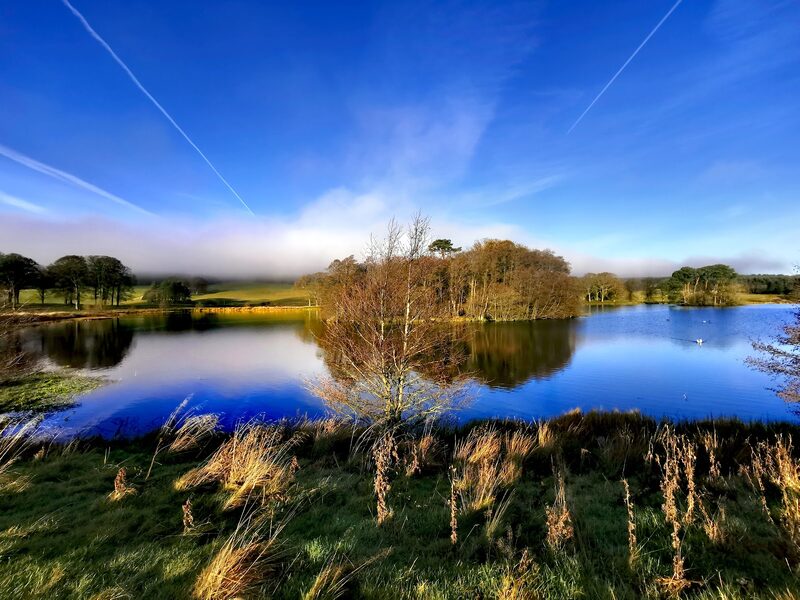
The Walk to Douglas Castle
A walk
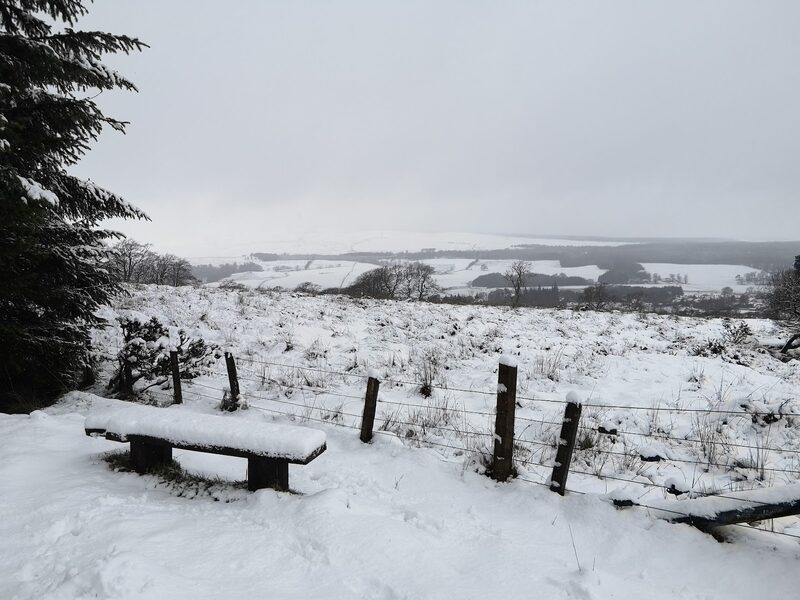
A quiet walk to Douglas Castle is the perfect way to end the day, back in nature. Sadly, there’s not a lot left to see, just one solitary tower standing on a mound. In James Douglas’ day it was a formidable fortress, but by the 1800s the Duke of Douglas had built one of the most lavish homes in Scotland here instead! However, in the early 20th century, coal mining beside the castle led to the grand house becoming unstable and its subsequent demolition. It’s such a peaceful spot today, surrounded by picturesque fields and a small loch, you might not want to leave!
More about The Walk to Douglas Castle
Make it a weekend
Days that start near The Walk to Douglas Castle.
More days by Graeme
Graeme has written these too.
.jpg)
 (1).jpg)
Photographs by Ewan, Patrick Hoefler, Kenny Young and Anne Ostsee via Google