
Why Slow Travel Could be Here to Stay
Could a gentler, more grounded way of exploring Scotland help us reconnect with the places we pass too quickly? Laura Anne Brown reflects on what it means to slow down, stay curious, and travel with more intention.
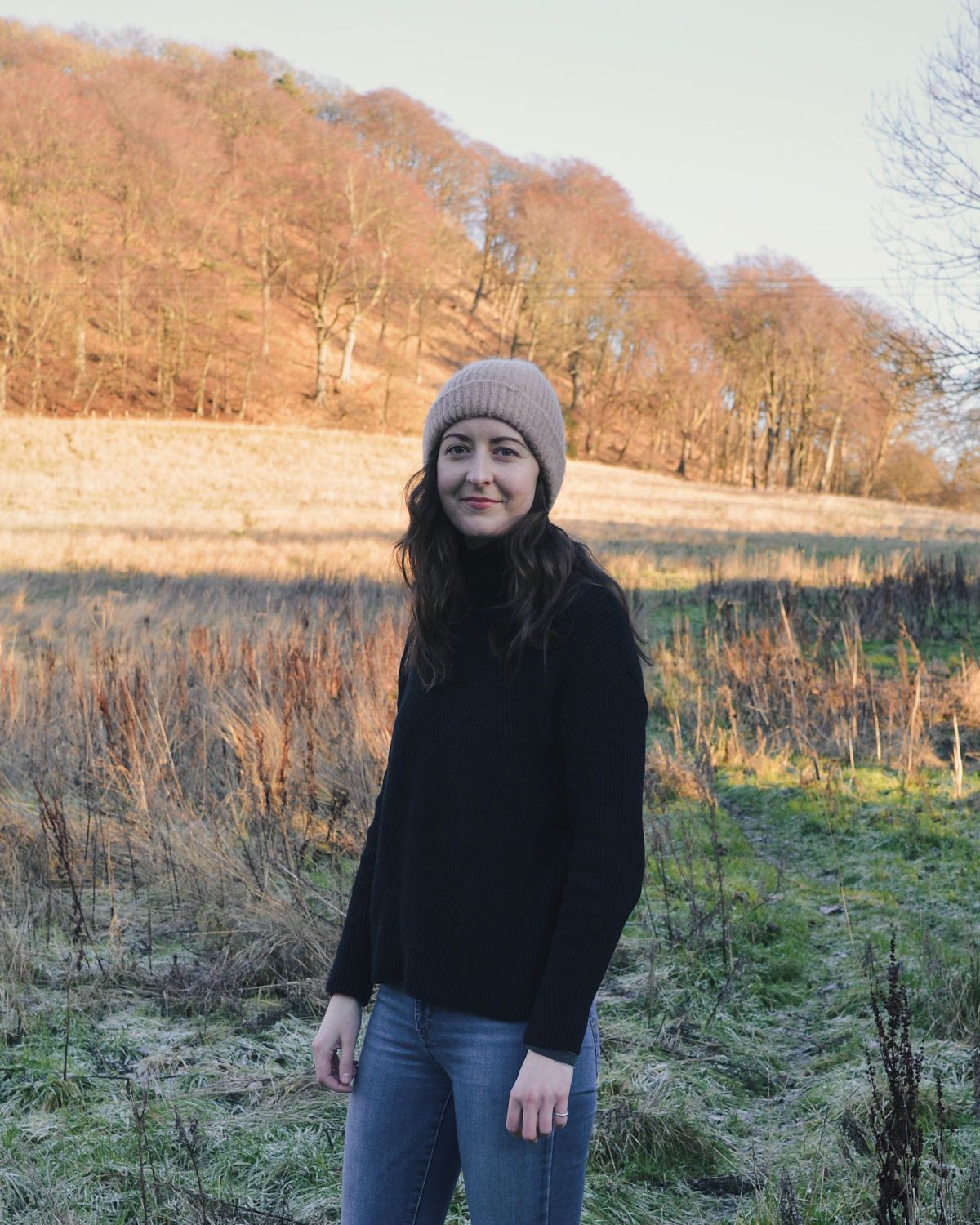
Written by Laura Anne Brown
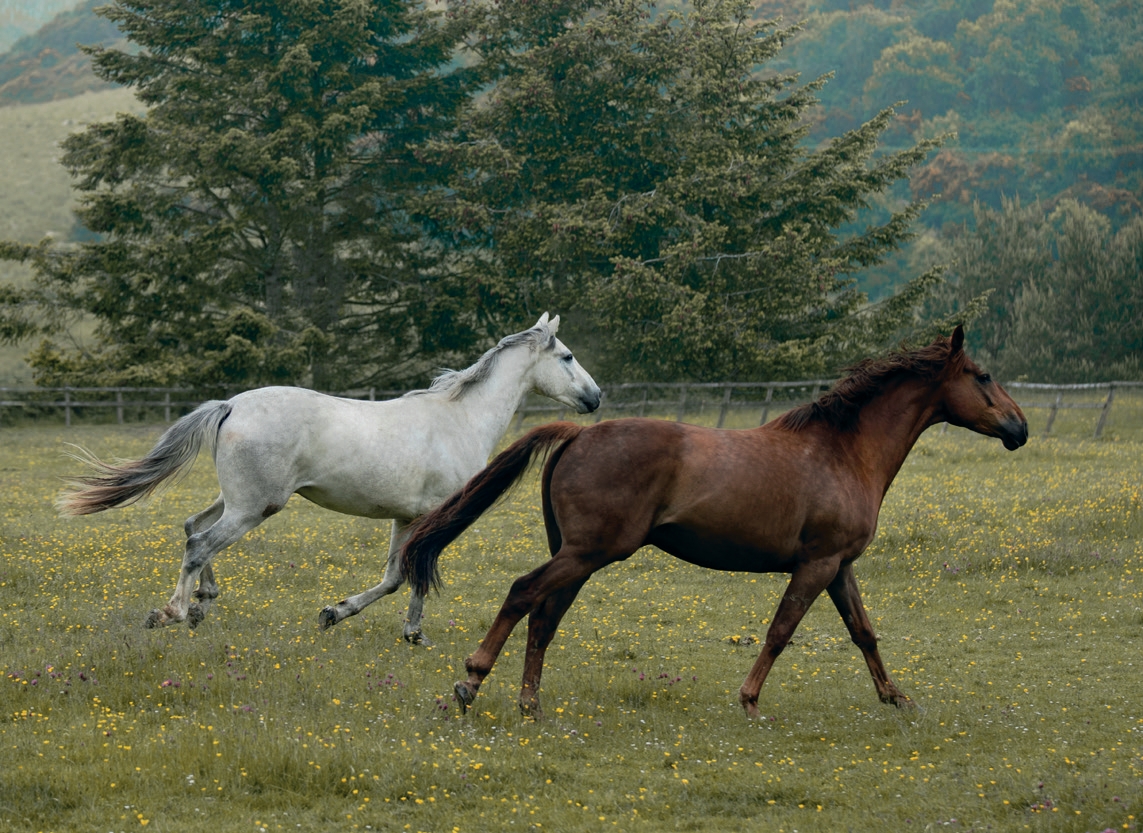
Every evening this spring was the same. We’d shut our laptops, lace our boots, and climb the small and unremarkable hill behind our home.
Over the weeks we watched as the empty branches turned crowded green. We spotted toads in the pond and a hare, with its long hind legs, shoot across the hillside and disappear in an instant. After the final climb we looked out over to Edinburgh, grateful even for the clouds — coupled with the light, they made every identical walk different.
During those wanders, I remember reflecting many times on the perverse paradox — that what I’d been writing about for so long, slower travel, was now happening on a mass scale, albeit for entirely different and heartbreaking reasons.
Before, it wasn’t difficult to overlook your local area — for us, a commuter town framed by farmland and the Forth estuary — for other parts of Scotland, or further afield, that were more ‘exciting’. In spring a jaunt into Edinburgh for the cherry blossoms; a week by the beach on Scotland’s west coast or perhaps an Airbnb abroad; later seeking the oranges and reds of the seasons in Perthshire’s forests before maybe, like many others, squeezing in a quick city break before the year came to an end.
In fact it was an autumn day in Perthshire two years ago, where we tripped over more photographers than ever before at a popular woodland location, that really opened my eyes to how the way we travel was evolving — and how big a part social media was playing in that change. Scrolling past the same Scottish scenes again and again on Instagram, I wondered how our relationship with technology was affecting the landscapes we claim to love. I began to write about it, questioning my own behaviour, and encouraging others to do the same.
I started to think that slowing down could be the antidote to our obsession with tick-list travel.

SO WHAT EXACTLY IS SLOW TRAVEL?
Although the concept was coined decades earlier, it didn’t hit the search-engine mainstream until around 2018, with publications like The Telegraph reporting “the rise of slow travel”. In simple terms, it’s a movement that encourages visitors to reject easy yet environmentally damaging types of transport like planes and cars in favour of more leisurely, responsible trips by train, bike or hike.
Yet slow travel also raises questions about the extent to which we roam; whether we choose to spend a week exploring a single neighbourhood from a campsite base, rather than frantically bagging the entire Lonely Planet list of that country’s ‘top ten’ from a hotel bedroom.
The thought of travelling in that way in the near future — breezily boarding a packed plane; checking off another European city; monuments or museums or menus flashing before familiar faces; then geotagged later on our grids — has taken on the tone of a vintage photograph, or at least a filter that imitates it.
We don’t know when things will get back to that ‘normal’. What we do know is, for the foreseeable future, we must find ways to adjust. I think slower travel could be a more relevant answer than ever before. It provides ideas we can adapt to better explore Scotland and beyond safely, but that also support our local communities in important ways.
Thanks to coronavirus and the actions needed to suppress it, travel is likely to be different for a long while — and that ‘new normal’ has already started. Scotland’s national tourism organisation, for example, has already begun championing staycations with their post-lockdown campaign #HameTownTourist. We’ll need to think carefully about avoiding crowds, finding alternatives to public transport and staying local to avoid importing undue risk into rural communities. That’s before we even get onto the question of international air travel.
Whilst many of these changes may seem strange to the traveller who is used to a certain kind of twenty-first-century trip, slow travel enthusiasts have been championing similar ideas for decades.
On home soil, it’s entirely possible — and becoming even easier — to seek out an accommodation provider who puts slow travel and sustainability at their heart. There’s a growing list of options from sleek self-catering lodges with green credentials, to low-impact countryside glamping a short distance from Scotland’s cities. Whatever your budget, as part of the price you’ll likely end up on the edge of a breathtaking landscape you won’t want to leave.
Take the Lazy Duck, who’ve been offering off-grid eco-holidays since 1999. Sarah and Phil are the current owners of this six-acre hideaway in the heart of the Cairngorms National Park, which encompasses quirky cabins, a cosy campsite and a bunkhouse. Guests can enjoy sitting under the stars, rainpowered showers, on-site yoga and upcycled, sustainable interiors.
Fringed by conifers and local fauna, it’s easy to see why the couple have chosen “come home to slow living” as their tagline. They’re just one of a number of providers, alongside others like Comrie Croft and Ochils Edge in Perthshire, who are giving camping and eco-friendly accommodation a quirky edge.
This commitment to responsible tourism is taking root on an even larger scale in Scotland. Combining multiple estates across the Highlands, Wildland leverages luxury accommodation to bolster its overarching mission: to restore and protect the iconic landscapes in its tenure.
Although its properties offer both selfcatering and hotel hospitality in an appealing Scandi-Scot style, there’s a substance here which goes beyond trends. Rather, as head of design and concept Ruth Kramer tells me, they’re playing the long game.
“WildLand is, by its very nature, a slow living company. Our 200-year vision of landscape conservation across 222,000 acres of the Highlands will outlive all of us, so we are very comfortable with taking things slowly and working thoughtfully,” Ruth says.
Planting millions of trees, supporting local producers and encouraging visitors to immerse themselves in the landscape through activities like wild swimming or mountain biking, “every single penny of revenue” guests spend “directly contributes to Wildland’s conservation mission”, Ruth adds. By staying somewhere like this, travellers spend their time and money on being part of something bigger, giving back to the surrounding environment rather than using it for photo fodder. Plus, there’s the added benefit of a much-needed hiatus from the hustle of daily life.
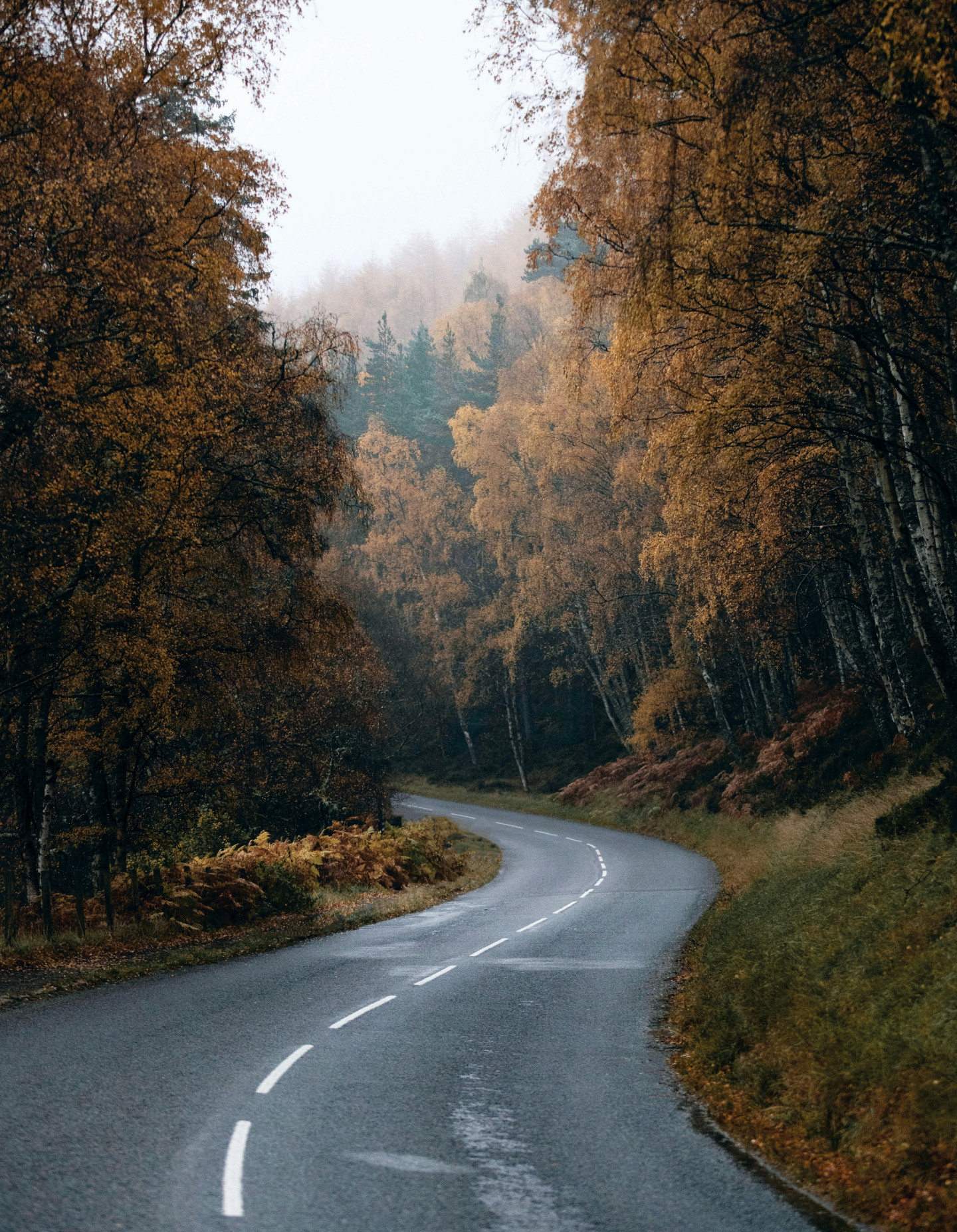
Likewise, when it comes to travel in the literal ‘slow’ sense, more networks that support a less hurried mode of movement have popped up across Scotland. Waymarkers point people towards routes like the long-established Cape Wrath Trail or Fife’s new Pilgrim Way, which can be done long-distance or as day strolls, crossing through historic market squares and rolling countryside. Similarly, canal towpaths and the National Cycle Network patchwork across large parts of the country and provide more options for people to bike, wheel or walk their way around Scotland whether for a daylight jaunt or an extended holiday.
We could — and hopefully should — see a growth in initiatives like this as people choose to shelve cheap city breaks for trips a bit closer to home.
But, like many aspects of this pandemic, positive outcomes depend on the choices of all of us. We’ve collectively shuddered at the oft-uttered phrase we’re living through unprecedented times, but despite coronavirus, the ongoing climate crisis, online and offline activism, and the unexpected benefits less travel has brought to locals and wildlife alike (think of the clear, calm Venetian canals) there are still many of us who are desperate to return to ‘normality’.
Even as I tap through pages of the internet, a headline catches my eye: When will we be able to go on a cruise? A tweet accompanied by a photo of a garish aeroplane interior says can’t wait to walk down the aisle (it’s racked up 300K likes so far).
Are we really going to embrace a return to what was? When it comes to travel, I don’t think we should. We ought to try and seize the opportunity, the pause, that this pandemic is giving us not only to reflect on how we live more generally but also to rethink how we travel both in our own countries and abroad.
As we know, not everything we read online reflects the true picture. So for this piece, I polled Hidden Scotland’s Instagram audience to get a deeper understanding of how the social media set intend to travel in 2020 and beyond.
Of the almost 5,000 people who responded, 59% said they were planning to stay local instead of holiday abroad in future, and over half said that lockdown had made them want to change the way they travel. I asked followers to message us with details of how exactly they were intending to explore differently.
Many who sent comments my way called out the increased risks that they want to avoid like crowds, air travel, hotels and busy cities. Others — aside from a few keen to resume their jet-setting lifestyles as soon as possible — waxed lyrical about the local: “[I want to] find quieter and remote places, travel slower and for longer”. Some spoke of doing “careful research” into their destinations to “look for places that are less focused on tourism”. Camping, countryside, sustainable, off-grid and “doorstep” adventures were phrases that popped up repeatedly — all ways we can embrace slower travel in our own countries.
Right now, there’s clearly a shared desire to slow down and seek a simpler experience. It’s connecting with that feeling, that need to be in nature or to really know a place, that holds the key to unlocking a different kind of travel that’s both safe and sustainable. I think it also requires willpower, the resolve to holiday closer to home even if you won’t get a tan, and all that despite being bombarded with ads for cheap flights on Facebook.
n 2016, a man named Mark Boyle took this notion of a slow, simple existence to the next level — he gave up modern technology in favour of a quiet life in a cabin, built with his bare hands. Without ‘tools’ like social media, electricity, TV or the internet, Mark was less distracted. By disconnecting from technology he was able to reconnect with himself, the seasons, and his surroundings.
For me, it’s this link between personal perspective and place that is the essence of slower travel. In Mark’s book The Way Home, he challenges the reader to “immerse yourself in your own landscape, to foster an intimate relationship with it, to come to depend upon it; to find your own place within your own place”.
Even though we didn’t know it, we’d taken the first step of that journey during lockdown, when all we could do in Scotland was exercise once a day from our front door. The truth is, I never would have noticed the detail and diversity of the scenery or streets close to home if I hadn’t been forced to pause and find charm in the smallest of things.
Perhaps, as Mark hints in The Way Home, knowing your own backyard could be the most challenging — and rewarding — kind of journey. Notice nature, marvel at the mundane, leave no trace and most importantly, take your time. After all, how can we call ourselves locals if we’re always rushing elsewhere?
words // LAURA ANNE BROWN laretour.com photographs // FRAN MART franmartphotography.com
Promoted Post
Issue 12 is now shipping worldwide from Scotland.
Issue 12 is now shipping worldwide from Scotland.






 Sign in with Google
 Sign in with Email