
The Caledonian Forest
Meet the majestic rainforest that once covered almost all of the Highlands and which, with a little help, will someday return to its former glory.
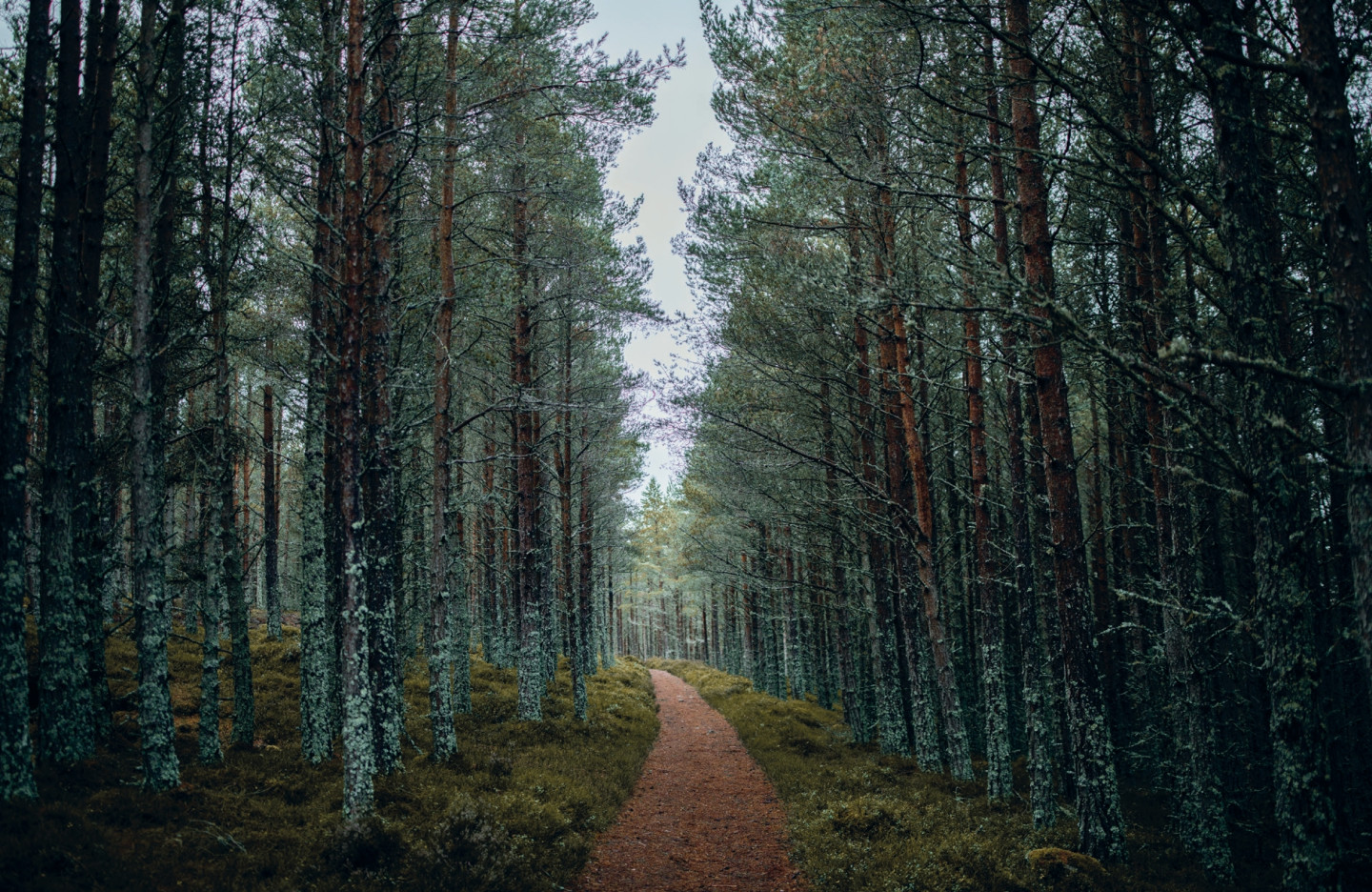
About 2,000 years ago, the Roman Empire arrived in Scotland. For centuries prior to that it had gradually expanded from a small city state in present day Italy to a sprawling empire that controlled most of Western Europe, as well as plenty of North Africa and the Middle East. However, in Scotland, the Romans seemingly met their match.
Partially, the Romans faltered because of the extreme ferocity of the Celtic tribes they encountered in the Highlands and partially because of the challenge of supplying a large army, often in adverse weather conditions, at the furthest geographic point of the empire from Rome. But the thing that made Scotland even harder to conquer was the dense, impenetrable forest that covered almost all of the country. They called this forest the Silva Caledonia – The Caledonian Forest. But it wasn’t just any forest.
It was a distinct type of forest, with a name you probably know, but don’t immediately associate with Britain: it was rainforest. And it proved too much for the Romans, who eventually withdrew to the Antonine Wall, which ran across the Central Belt, leaving the Highlands well alone. Over time they would withdraw to Hadrian’s Wall in Northumberland, before finally leaving Britain altogether in around 410AD.
Now, anyone who has visited Scotland in the last millennia will be surprised to hear that it was once covered in rainforest. After all, today the Scottish landscape is famous for its barren uplands, its windswept moors and its heather-clad hills. Rainforests? Not so much.
And besides, isn’t rainforest reserved for the hot and tropical parts of the world? The very word immediately conjures up images of dense, humid jungle with monkeys swinging on vines, gorillas in the mist and brightly coloured birds calling from the canopy.
That may be true, but there are actually two distinct types of rainforest. There is tropical rainforest, characterised by high heat and humidity, and most likely found along the Equator, the Amazon being perhaps the most famous example. But there is also temperate rainforest, which has a lower overall annual temperature, but the same consistent levels of rain and moisture. Temperate rainforests are found in cooler climates in countries like Canada, Japan and the UK.
When you break it down, it’s perhaps not so surprising after all. I mean, the UK is famous for its rain, isn’t it? And we do still have forest, if you know where to look for it. Those are the essential ingredients for rainforest, so it makes perfect sense that it would be found here.
But that still doesn’t answer the question about the rainforest that confronted the Romans. What exactly was it and, perhaps more importantly, what has happened to it since then?
At its largest, it’s estimated that the Caledonian Forest covered around 15,000 square kilometres (about the size of the total landmass of Northern Ireland) and stretched unbroken from the Central Belt all the way north to Inverness and Ullapool, and in the east to the area now known as the Cairngorms National Park. Basically, it covered most of the Highlands.
The forest was mostly Scots pine, but oak, juniper, birch, willow, rowan and aspen were all found in huge number; rare lichens, mosses and ferns carpeted the ground as well as any rocks or fallen trees; and an abundance of wildlife would have lived in the many different habitats that existed in the expansive wild space.
The original Caledonian Forest would have contained great herds of wild cattle, along with predators like the Scottish wildcat, Eurasian lynx and the Eurasian wolf; other mammals like the red squirrel, the pine marten or the wild boar would have been found in abundance; and forest-specialised birds like the capercaillie, the crested tit and the Scottish crossbill (the only bird in the world found only in the UK) would have been common.
And what is it like today?
Well, brace yourself, because I’m afraid it isn’t great news.
Today, the remaining Caledonian Forest covers around 180 square kilometres in roughly 80 disconnected fragments, some containing as few as 150 trees. This means that, of the forest the Romans would have seen, only about one per cent remains. And, of course, as the rainforest disappeared so did a lot of the native wildlife that once lived there. Today, almost all the species I mentioned earlier are extinct or endangered in Scotland. I told you it wasn’t great news.
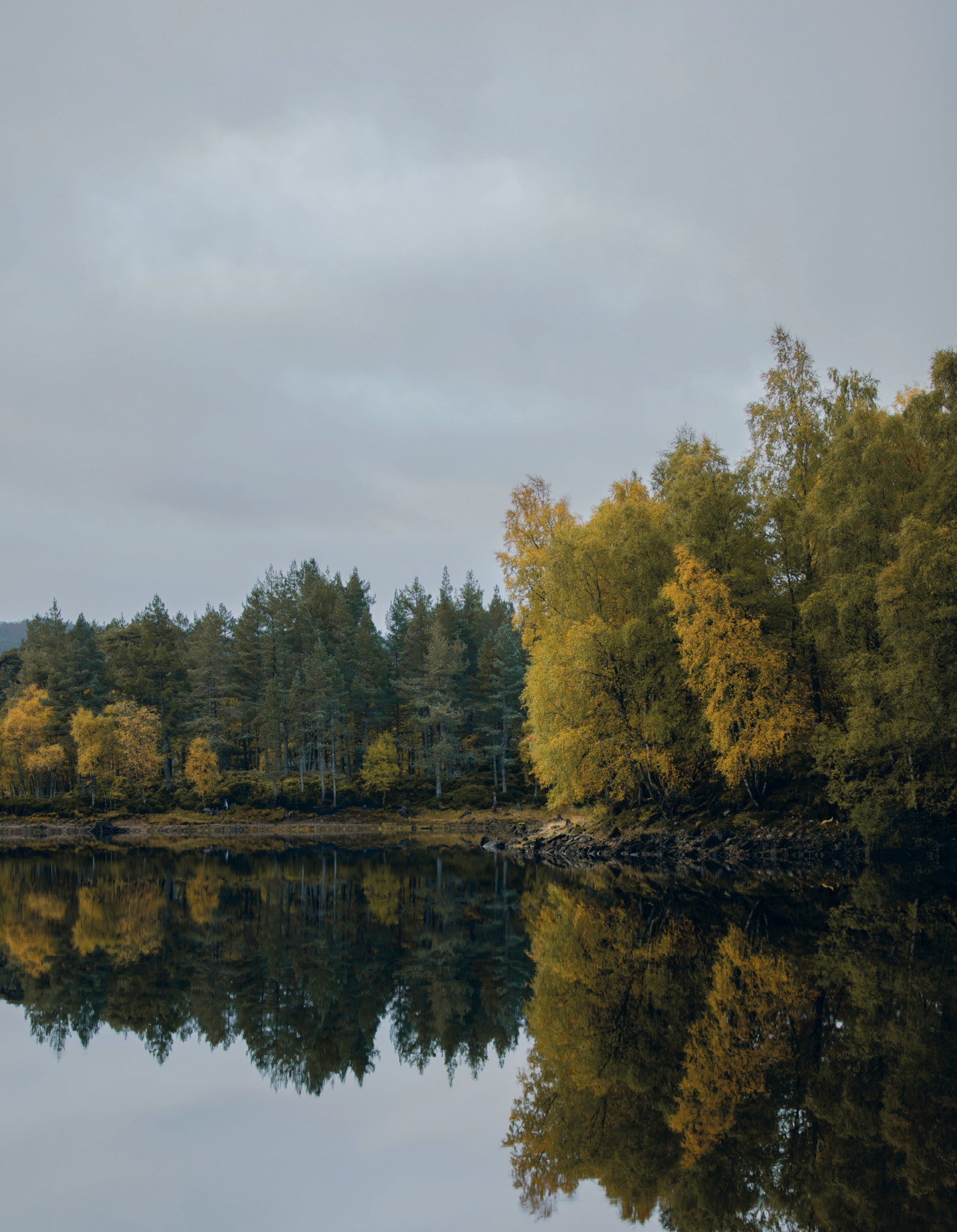
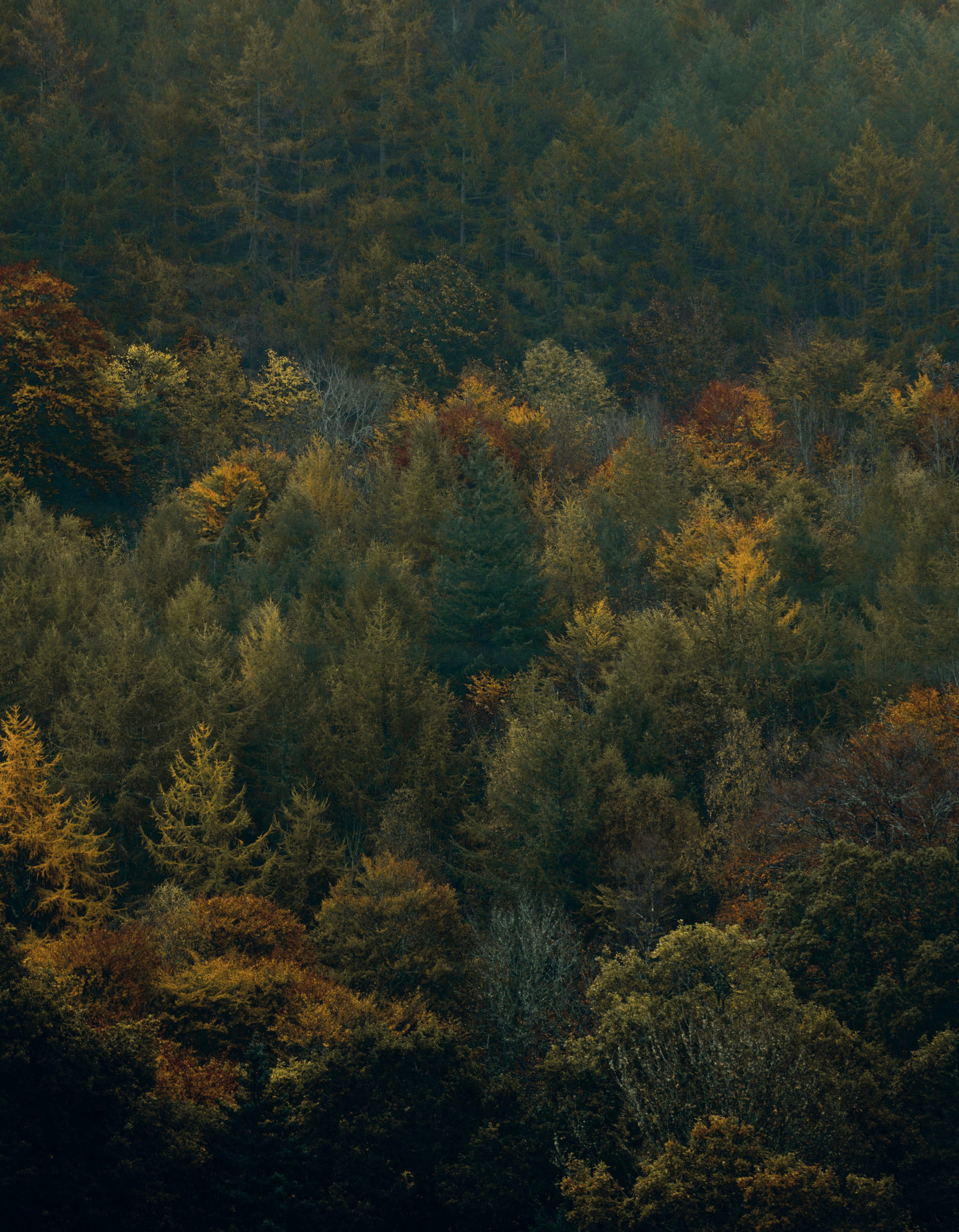
So, what happened? Well, we did.
As the British population grew and its economy developed, the fully-grown trees were felled to generate timber that would fuel Britain’s maritime aspirations and later the Industrial Revolution. At the same time, after the eradication of wolves and other predators, the deer populations exploded. Without the fear of predation, the ever-expanding deer populations were free to overgraze shoots and saplings preventing new trees from growing. The deer were assisted by the millions of sheep that were introduced around the time of the earliest Highland Clearances in the mid-18th century, and have been there ever since. So, the old trees were cut down and the new ones prevented from growing. If you want to destroy a forest, that’s a pretty effective way of going about it.
So, that’s the past and the present, but what does the future hold for the Caledonian Forest? Well, it’s quite difficult to say for certain, but the importance and uniqueness of the Caledonian Forest has not gone unnoticed. Today, across the country there are many individuals and organisations working to protect the rainforest that remains, as well as replanting and attempting to reconnect the fragments of the forest.
Daunting? Of course it is. Impossible? Absolutely not.
The Caledonian Forest is a direct link to our past and a valuable part of our future. I’m optimistic, so I think there will come a time soon when the pockets that survive will be reconnected by millions of new trees. Shortly after that, the wildlife will recover and species that were once rare will become abundant. Species that were once extinct will return, much like beavers, white-tailed eagles and ospreys have returned to other parts of the UK.
For now, however, there are still fragments of forest that can be visited and savoured. Abernethy Forest, Glen Nevis, Glen Feshie and Glen Affric are all very reachable, and if you’re looking for places to stay you could try the Alladale Wilderness Reserve, any of the stunning properties owned by Wildland, or the Athnamulloch Bothy, managed by the charity Trees for Life.
I’ve been lucky enough to visit several of the fragments at different times of year and it’s always a memorable experience. If you’re near one, or even if you’re not, but you find yourself looking for that special feeling of revitilisation that only time in nature can give, then the Caledonian Forest is the place to go.
This forest is what Scotland used to be like, in fact, what Scotland should be like. And, with help and time, what it can be like again.
Please ensure you follow government guidelines for where you live and respect the landscapes and people around you.
If in Scotland, follow the Outdoor Access Code.
WRITER // Kieran Lynn is a wildlife and conservation journalist. He also writes for the theatre.
Twitter: @kieranthewriter
Instagram: @kieranthewriter
PHOTOGRAPHY // Fran Mart is a Spanish photographer based in rural Scotland. franmart.co Instagram: @franmart_
Promoted Post
Eagle Brae
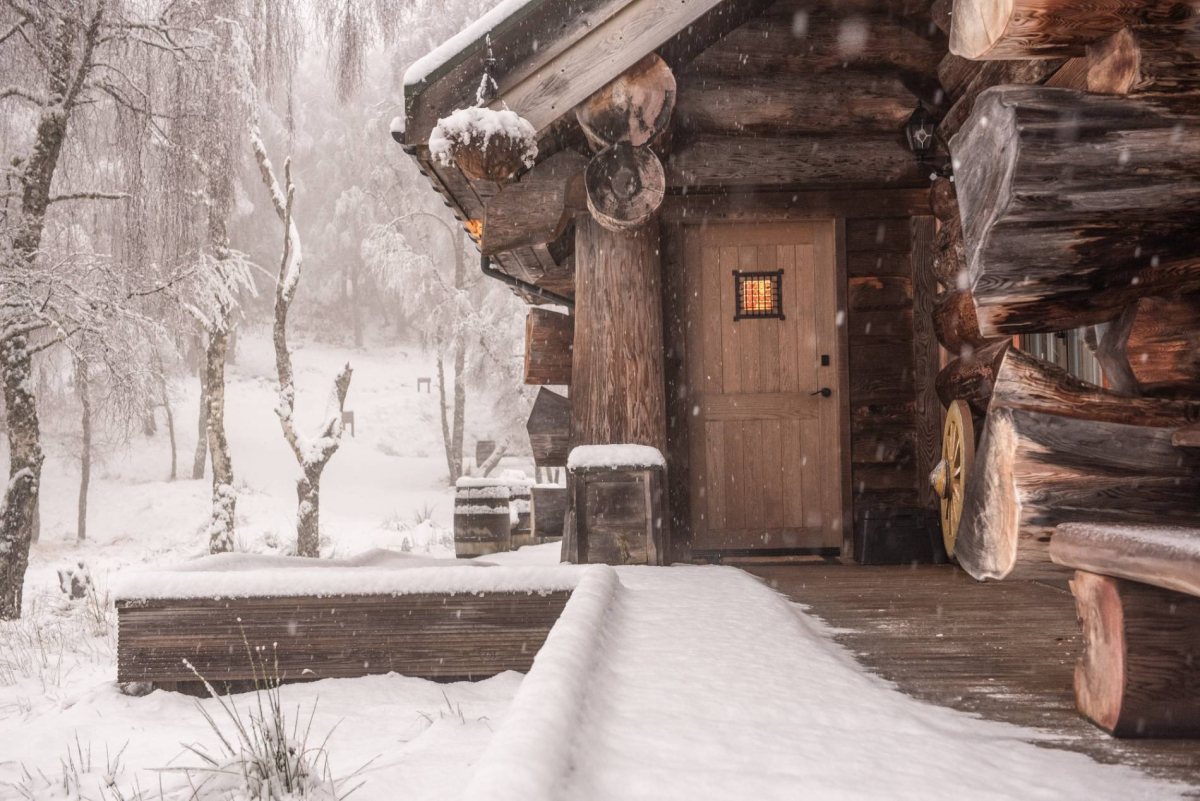
Escape to Eagle Brae, a secluded collection of Highland log cabins near Beauly. Handcrafted cedar, big skies, and deer on the hillside, with a fireside welcome that makes it easy to slow down.






 Sign in with Google
 Sign in with Email