
Scottish Wildcat - The Highland Tiger
As majestic as they are rare, Scotland’s wildcats are facing a desperate plight. Since they arrived in Britain over 9,000 years ago, numbers have dwindled to double digits. Here we trace their history, characteristics, and what is being done to save them.
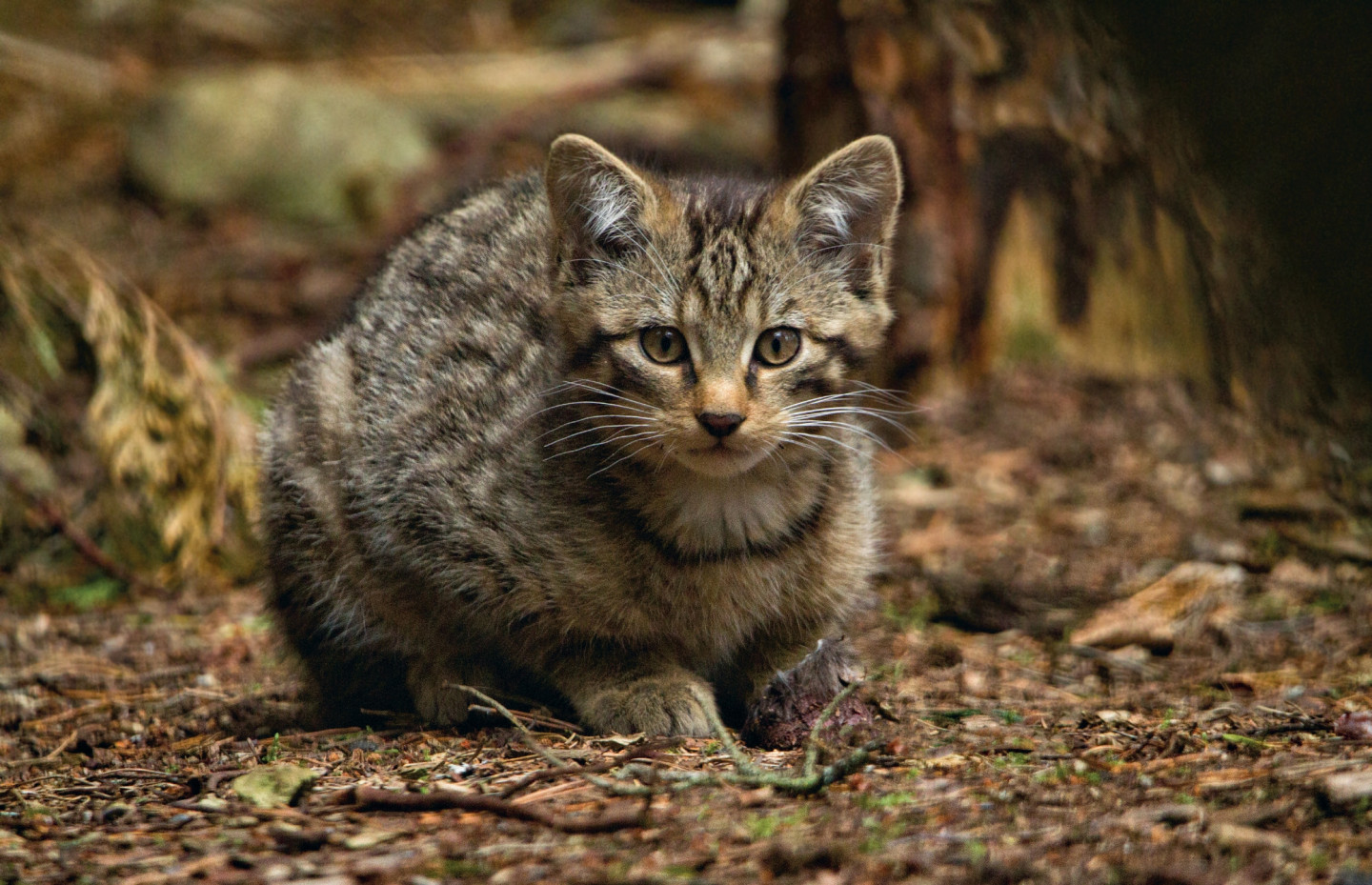
Broad-winged golden eagles, magnificent-antlered red deer, and bright-eyed red squirrels – these are among the wildlife you might spot in the Highlands. The Scottish wildcat is also on the list, but to sight one? For that you would have to be extraordinarily lucky. Scottish wildcats, fondly dubbed Highland tigers, are an isolated population of the European wildcat, Felis silvestris, and numbers have dwindled to a worrying low. Experts describe the species as functionally extinct, with the remaining individuals too fragmented or hybrised to count.
Before you start picturing pussies purring, this is not a case of domestic cat gone wild. Wildcats can be a similar size to pet cats, but they have thicker, tiger-striped coats and blunt, bushy tails with distinct black rings. More importantly, the Highland tiger is one of our island’s last remaining natural predators. It has an angular jaw adapted for crunching live prey – mainly rabbits, mice and voles – and it pounces with power.
Wildcats moved into Britain as the glaciers melted, at the end of the last Ice Age, evolving from a population of European wildcats that became isolated by the English Channel. Historically, it lived across the UK, but is now only found in the Scottish Highlands, where Scottish Wildcat Action, the first national conservation plan for wildcats from 2015 to 2020, found evidence of the species in five areas – Morvern, Strathpeffer, Northern Strathspey, Angus Glens and Strathbogie.
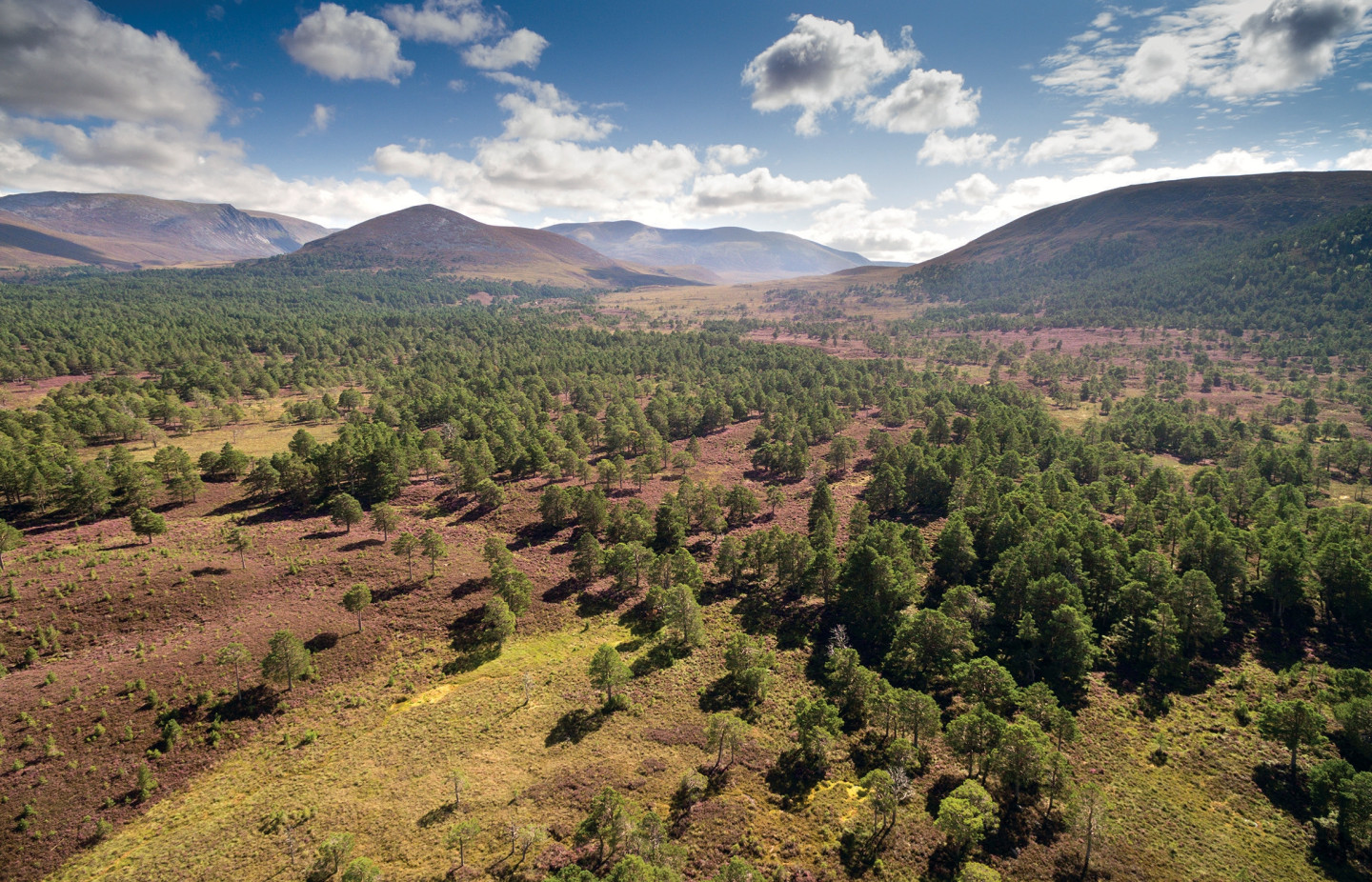
The Highland tiger, whose Latin name translates roughly as ‘woodland cat’, thrives in extensive wild country and forest. So extensive deforestation spelled disaster for the species at the turn of the 19th and 20th centuries, when tree felling activities in England drove the cats north. More recently, much of Scotland has become farmed or deforested – only around one per cent of the country’s native pinewoods remain, according to rewilding organisation Trees for Life. Deforestation added to the troubles of the wildcat population, which had already faced persecution in the Victorian and Edwardian eras, when it was frequently shot for its fur. It first received legal protection in 1988.
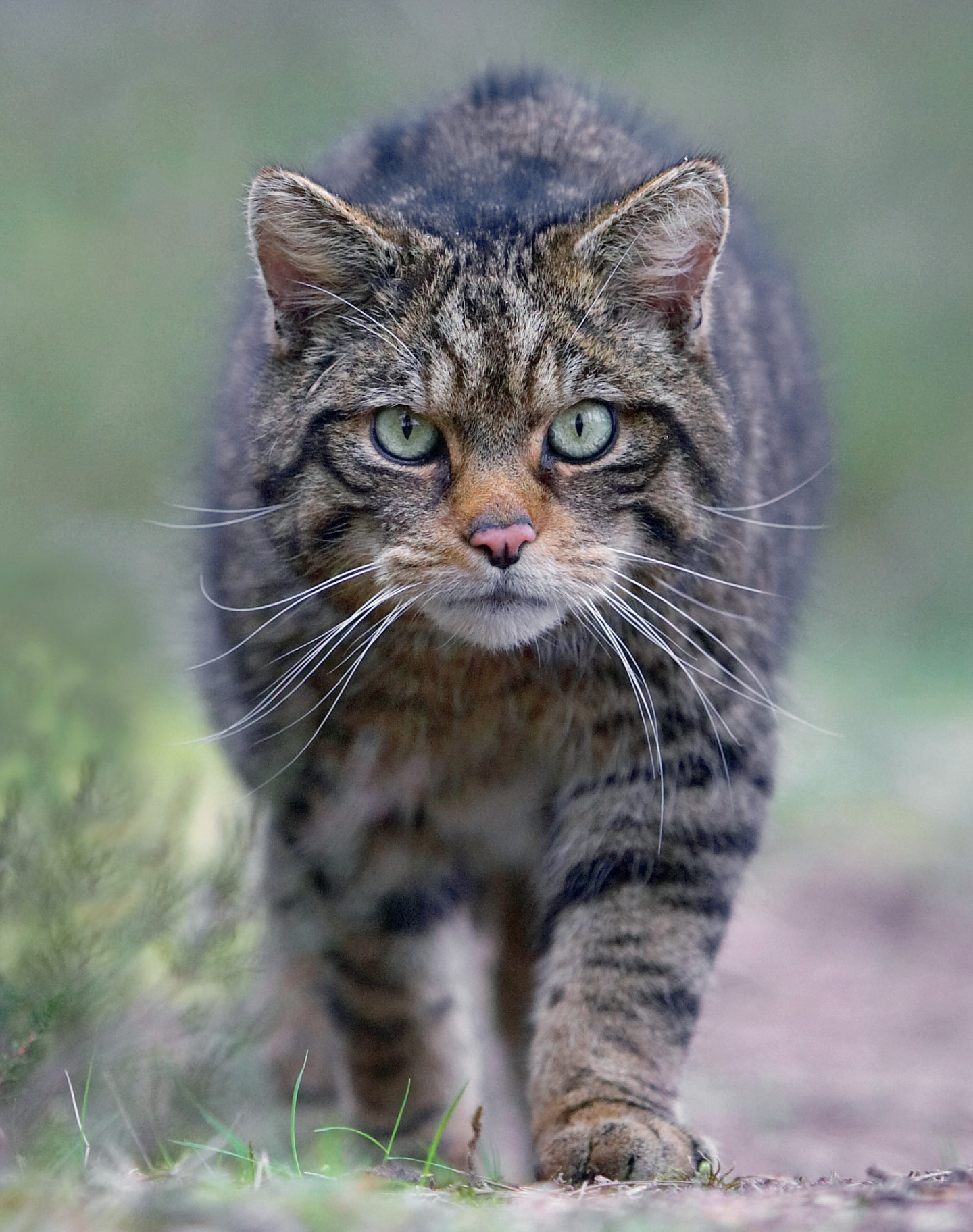
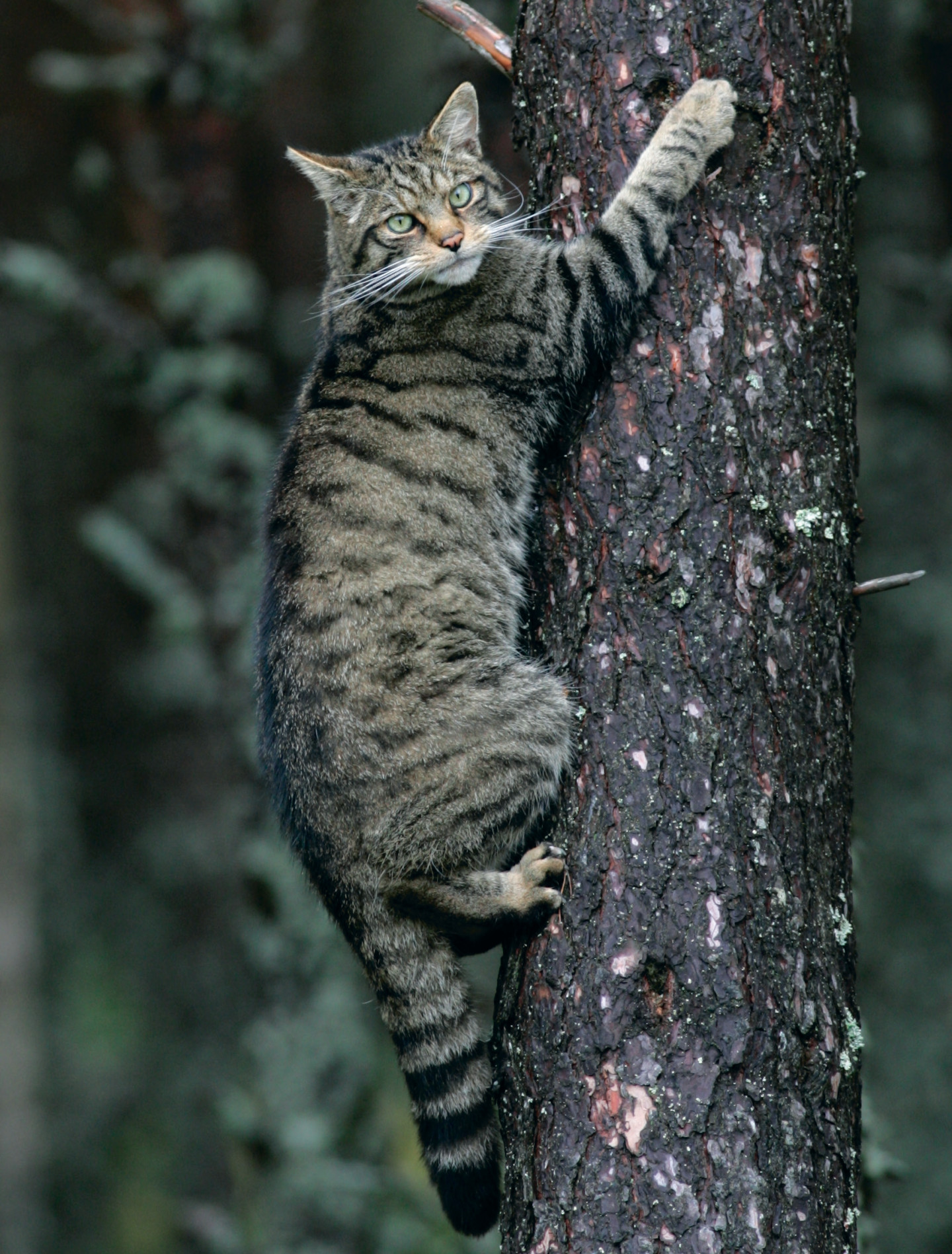
Scotland’s wildcat population is now at a shocking low, with estimates ranging between a few dozen and a couple of hundred. Because the wildcats shy away from humans, getting a precise number is tricky. Tracking relies on trail camera technology and luring the cat to leave some of its hair on a Velcro pad to determine its so-called pelage score, or wildcat characteristics – to determine the percentage of wildcat DNA.
It is interbreeding with domestic cats – resulting in these so-called hybrids, which are neither domestic nor wild – that has created the greatest recent threat to the wild population. Saving Wildcats, a European partnership project, led by the Royal Zoological Society of Scotland (RZSS), that builds on the work of Scottish Wildcat Action, warns that genetic introgression could soon wipe out the native wildcat, which is so iconic it has been used in clan heraldry since the 13th century.
Dr. Keri Langridge, Saving Wildcats Field Manager, explains: “Interbreeding with domestic cats continues to be a serious threat to wildcats in Scotland because there are so few of them, thanks to centuries of relentless persecution, and because their natural habitat has been destroyed and replaced with a human-dominated landscape where they are forced to live in close proximity to domestic cats.
Between 2022 and 2026, the Saving Wildcats initiative aims to release at least 20 cats per year into areas deemed safe – areas where threats have been removed and local communities and landowners are supporting wildcatfriendly practices. These include neutering and vaccinating pet cats, because “neutered and vaccinated cats present no threat”, according to Dr. Langridge. Communities can help by reporting sightings of feral cats so the initiative can trap, neuter, vaccinate and return them.
“Landowners can also help us by reporting sightings – particularly farmers, as feral cats often congregate around hay barns or other outbuildings,” Dr. Langridge continues. “And by managing the habitat in a way that benefits wildcats, such as encouraging rabbits and small mammal populations, and conducting precautionary predator control that does not involve indiscriminate methods, such as snaring.”
The project is supported by the UK’s wildcat conservation breeding programme in over 30 zoos and wildlife parks across the UK, which is managed by the RZSS. In 2020, it reported a record breeding year, with 57 wildcat kittens welcomed into the world. They could be a lifeline for this majestic ancient species that, without our help, will soon no longer prowl the misty glens and deep forests it has called home for more than 9,000 years.
words // Emily Rose Mawson - photography // Saving Wildcats

Promoted Post
Issue 12 is now shipping worldwide from Scotland.
Issue 12 is now shipping worldwide from Scotland.








 Sign in with Google
 Sign in with Email