
Scotland’s Greatest Rail Journeys (and Where They’ll Take You)
From remote Highland branches to coastal curves and sleeper cabins, Scotland’s railways offer more than transport—they frame the country at its most reflective, one thoughtful mile at a time.

Written by Jack Cairney
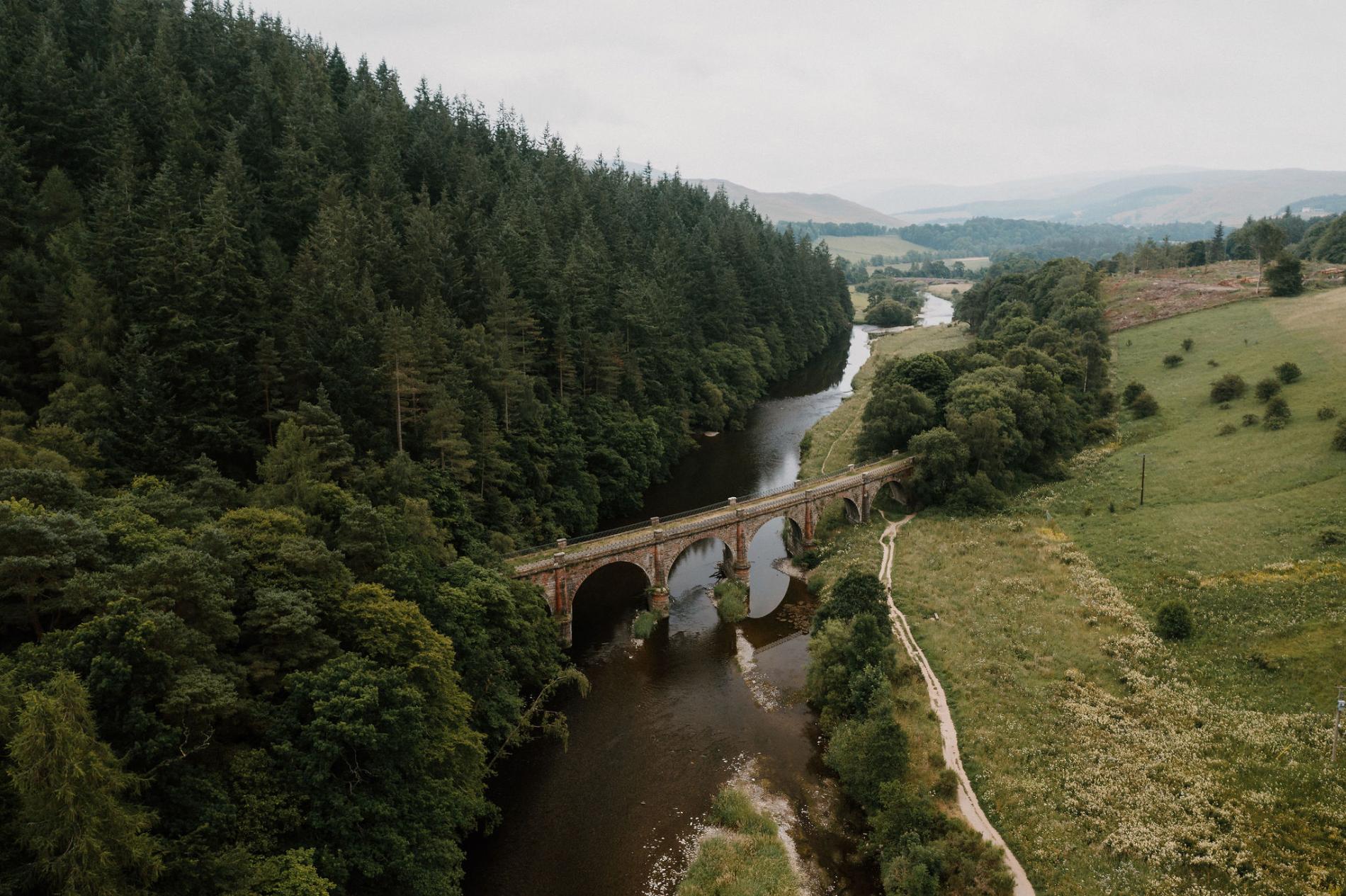
Scotland is a country best travelled by train—not for speed, but for perspective. The rhythm of the rail offers a different way of seeing: long glens gradually opening, coastlines edging into view, high passes where the air thins and settlements grow sparse. These are not journeys made with a checklist in hand. They’re about looking out the window, watching the weather shift over lochs and fields, and occasionally stepping off into places that feel far from anywhere.
Many of these routes were laid in the nineteenth century, shaped by industry, ambition, and a desire to connect outposts to cities. Today, the purpose has changed. Commuters still ride these trains, of course, but so do walkers, cyclists, and travellers looking to experience Scotland slowly. Some lines are famous, like the West Highland Line with its cinematic arcs and viaducts. Others are quieter, underrated, and all the more rewarding for it.
This guide isn’t just about the engineering or the destinations—it’s about the space in between. The moments where the train slows on a bend and the view opens unexpectedly. Here are Scotland’s most rewarding rail journeys, and the places they lead you, if you’re willing to follow.
The Caledonian Sleeper: London to the Highlands
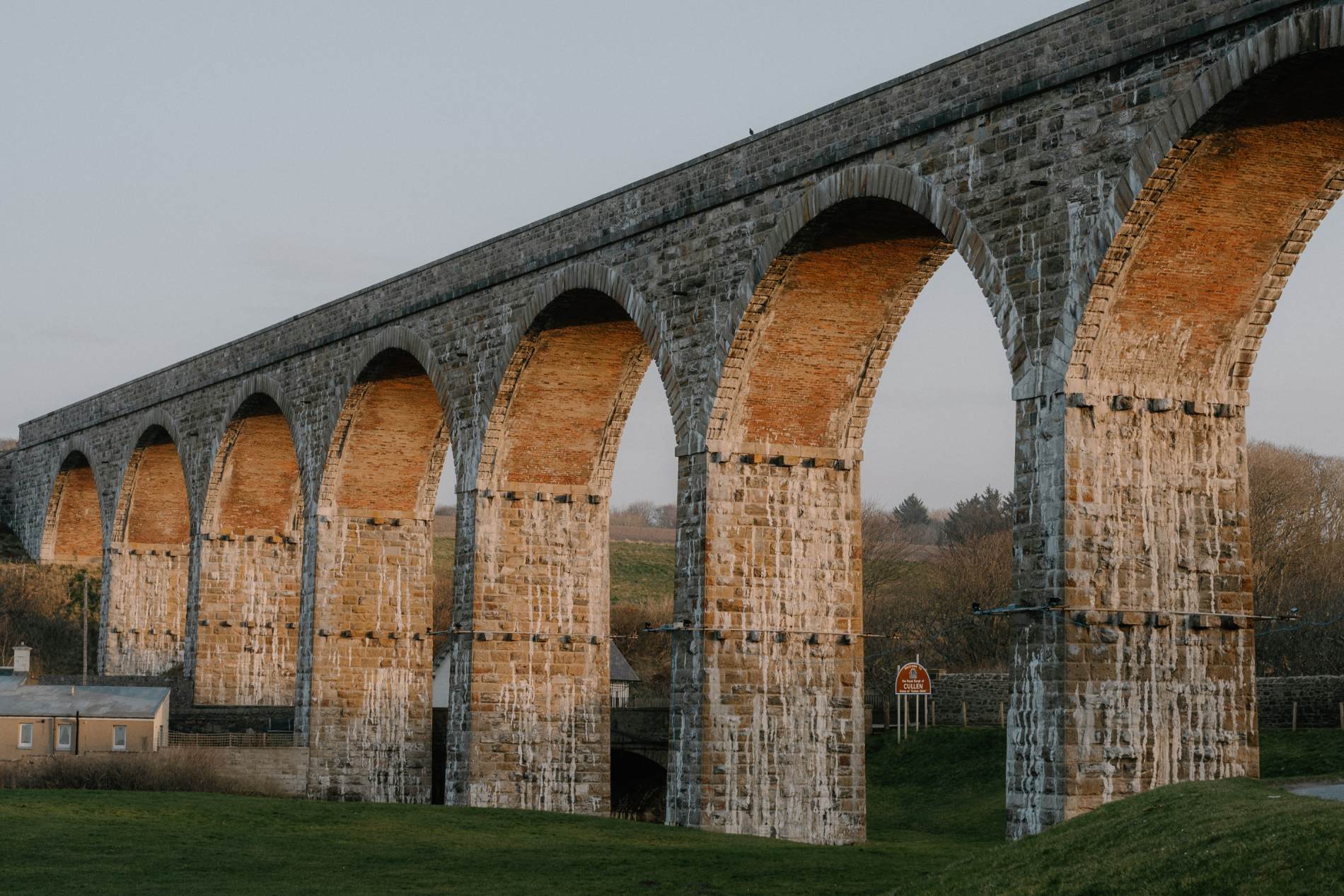
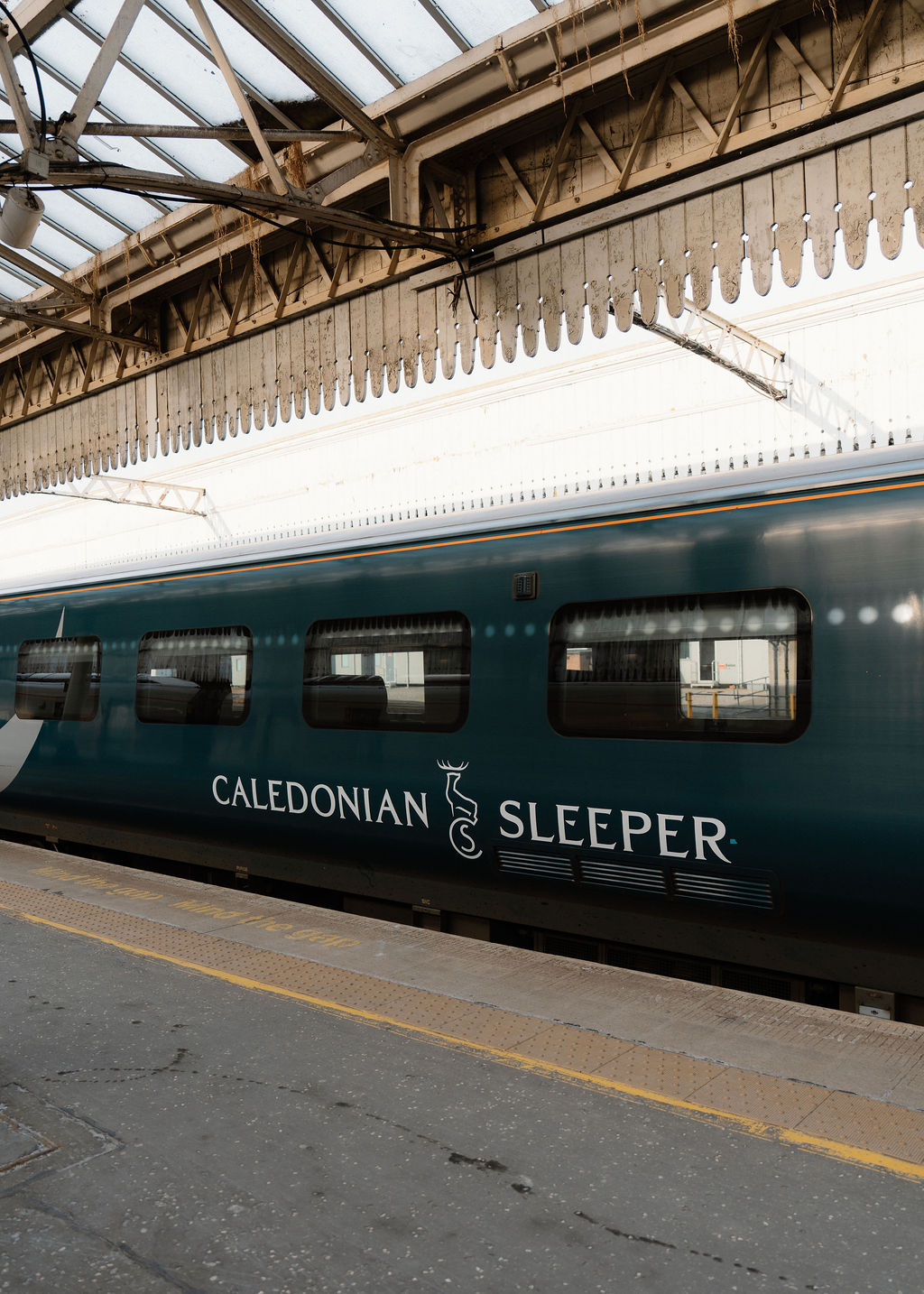
Few train journeys carry a sense of ceremony like the Caledonian Sleeper. Departing from Euston in the late evening, it offers the rare chance to go to bed in the centre of London and wake up with Highland light filtering through the blind. This isn’t simply a night train—it’s a deliberate slowing down, a journey where time behaves differently.
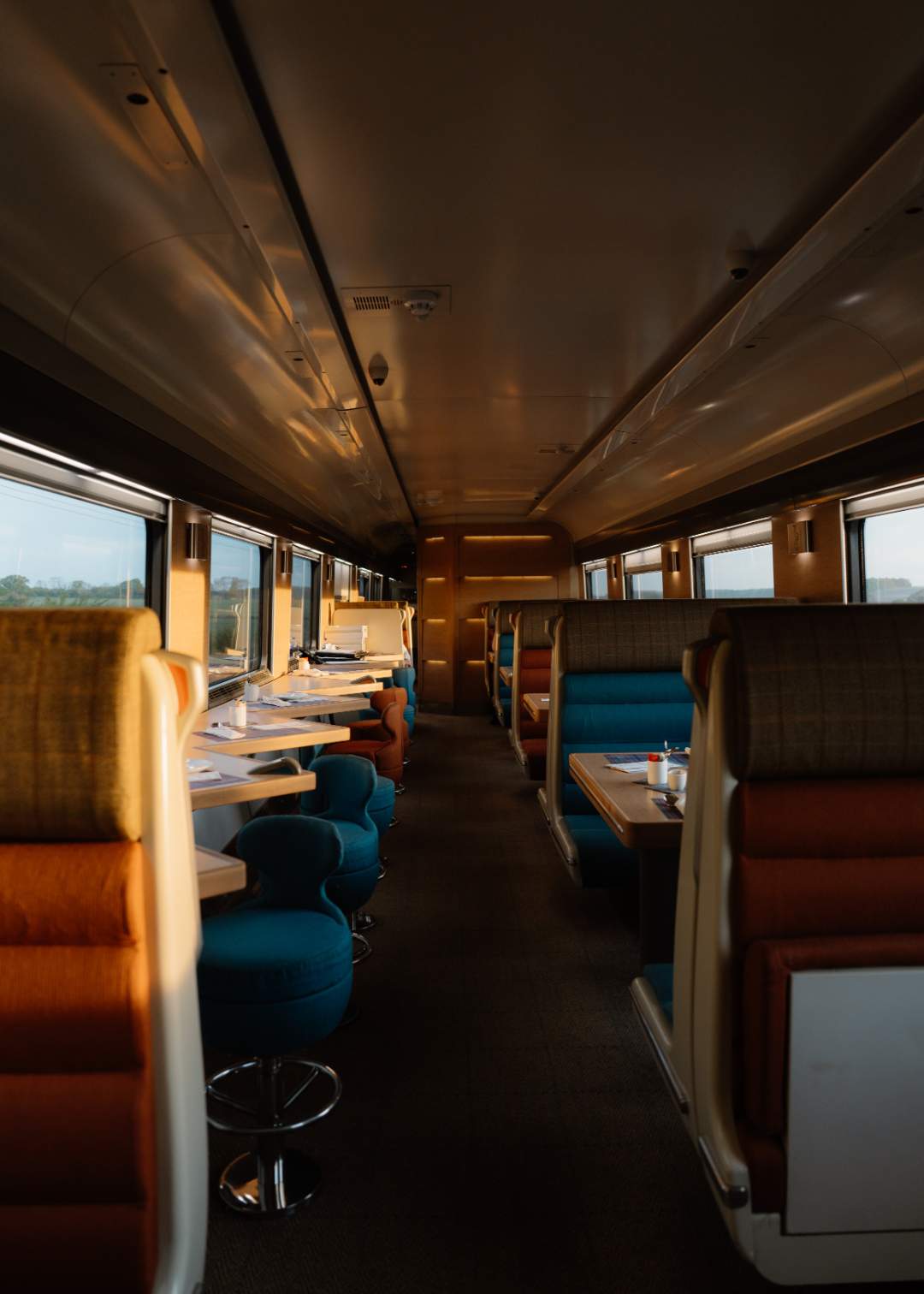
The service runs six nights a week and splits en route: one portion veers west to Fort William via the dramatic curves of Rannoch Moor; another travels up the spine of the country to Inverness; and a third takes the eastern route to Aberdeen. Whichever you choose, the experience begins the moment you step aboard. Cabins are minimalist but considered, with reclining seats or private rooms depending on preference. There’s a lounge car for those who like a drink or meal before bed, furnished in deep greens and brushed brass.
The Fort William route is the most scenic. By morning, the train is edging past lochs and pine forest, crossing remote viaducts where deer sometimes appear. Rannoch Moor, a vast, treeless plateau, feels particularly arresting in first light. You wake not just in a different place, but with a different rhythm—a quieter one that suits the surroundings.
The appeal of the sleeper isn’t nostalgia, although there’s some of that. It’s practicality wrapped in atmosphere. For travellers who value time, space, and the subtle drama of watching a country pass by from the edge of sleep, it remains one of the most distinctive ways to arrive in Scotland.
The West Highland Line: Glasgow to Mallaig
Widely regarded as one of the most beautiful rail journeys in Europe, the West Highland Line begins at Glasgow Queen Street and finishes at the small port of Mallaig, five hours later. It’s not just the scenery that makes it exceptional—it’s the way it changes. The train leaves behind the city’s sandstone streets and heads north through suburbs, then into lochside woodland and open glens.
Past Crianlarich, it climbs onto Rannoch Moor—wild, exposed, and roadless. The sense of isolation here is complete. On clear days, Ben Nevis appears before Fort William, where many passengers pause for Ben Nevis or Glenfinnan. But the best is still to come. The final stretch from Fort William to Mallaig includes the Glenfinnan Viaduct, the white sands of Morar, and brief glimpses of the Small Isles offshore.
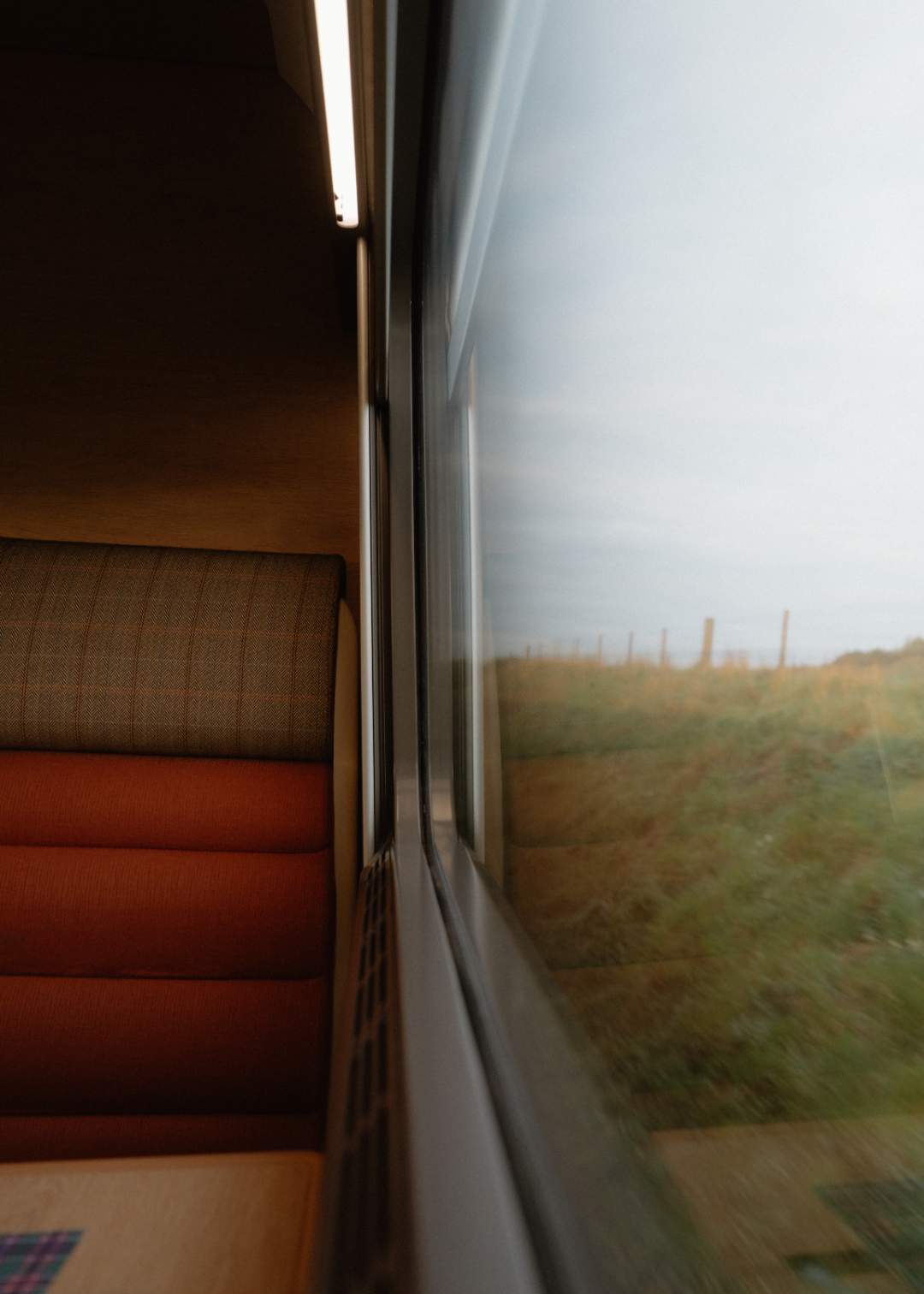
The train itself is unflashy—regular ScotRail stock—but the rhythm suits the setting. Windows become frames; the journey, a slow-motion slideshow of Highland topography. It’s not about luxury or speed, but perspective. This is Scotland, quietly revealed, one curve at a time.
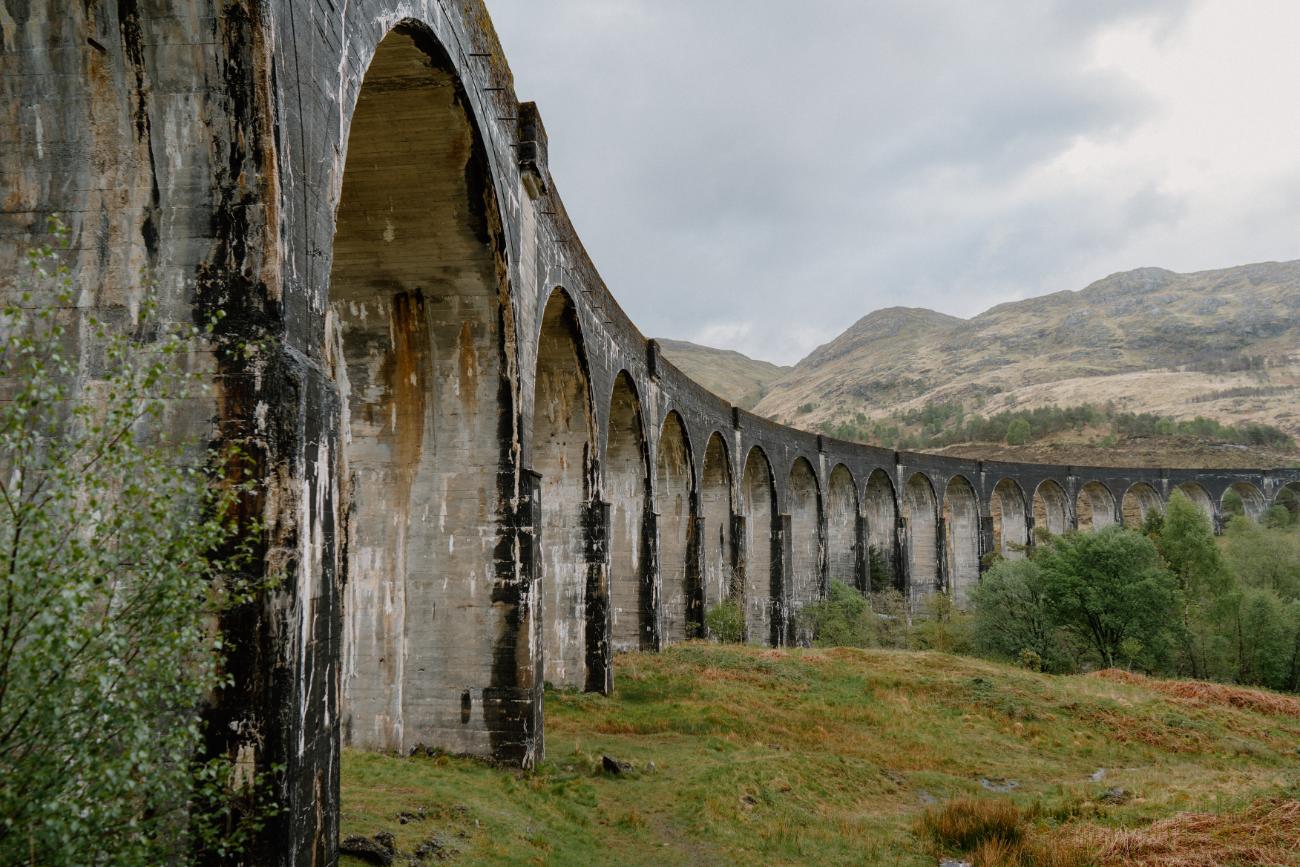
Glenfinnan Viaduct
The Far North Line – Inverness to Thurso and Wick
This is the longest direct rail journey in Scotland, but time feels beside the point. The Far North Line leaves Inverness with quiet intent, following the Beauly Firth, then cutting north through farmland, woodland, and finally peat and flow country—much of it untouched, much of it overlooked.
Beyond Dingwall, the train skirts the Cromarty Firth, its expanse often broken by oil rigs and fishing boats. From Tain, the scenery shifts. Hills draw back, and the track begins to thread through open moorland. At Helmsdale, the line hugs the coast before veering inland again, entering a wilder stretch with few roads and fewer settlements.
This is where the Forsinard Flows begin to register—vast peatlands that stretch for miles in every direction. At Forsinard Station, a small visitor centre gives context to what you’re passing through: a protected, fragile habitat, quietly important in the global effort to store carbon and conserve biodiversity.
The final stretch to Thurso and Wick moves through low hills and sparse farmland, but the atmosphere remains the same—a sense of distance, of reaching beyond. It’s not a journey made for speed, but one that reminds you how much of Scotland remains quiet, open, and quietly extraordinary.
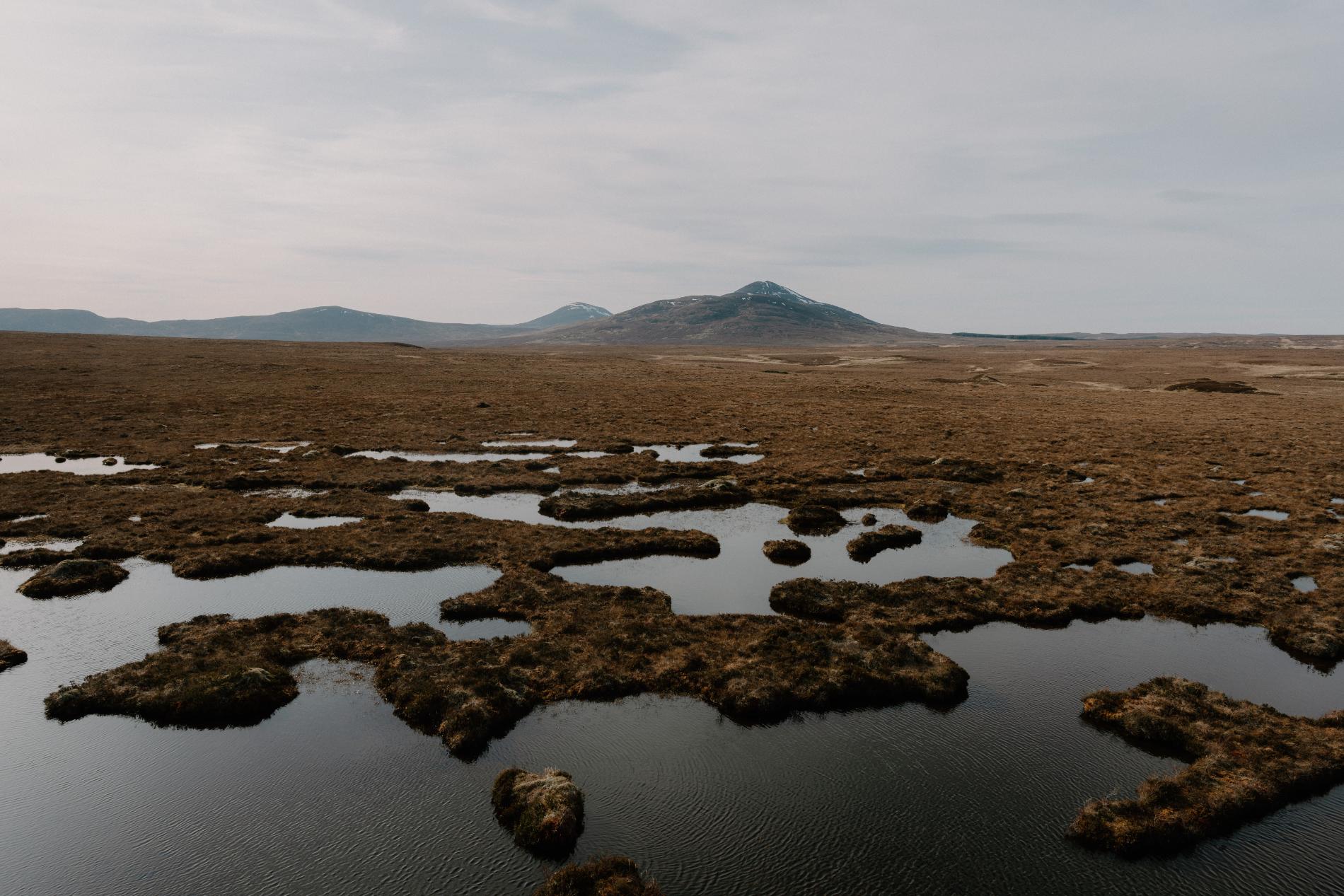
Forsinard Flows
The Kyle Line – Inverness to Kyle of Lochalsh
Few routes are as quietly cinematic. The Kyle Line begins in Inverness and moves west with growing intent, tracing lochs and threading through a landscape that feels increasingly remote with each passing mile. It’s a journey that refuses speed. The train takes its time, and that’s the point.
Beyond Beauly and Dingwall, the views widen. There are stretches of marshland where deer sometimes stand motionless, and sea lochs where herons lift at the sound of the engine. Near Achnasheen, the peaks come closer, shouldering the line as it enters more mountainous ground. Then comes Loch Carron, running long beside the track. The water sits close, still, reflecting whatever light the weather allows.
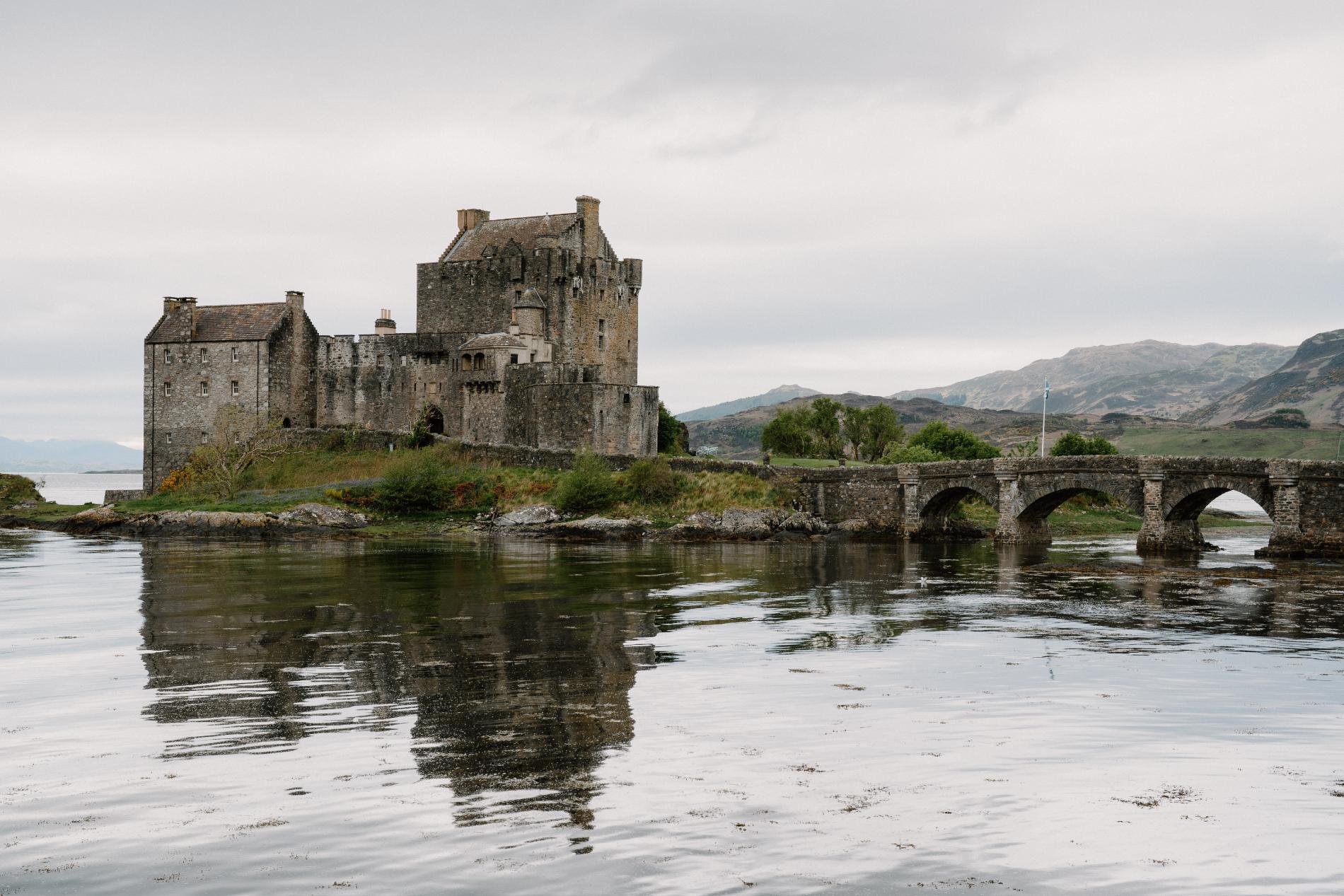
Just before journey’s end, there’s a glimpse of Eilean Donan Castle—a fleeting but unforgettable sight. Then the train slows to a halt at Kyle of Lochalsh, with the Skye Bridge just visible in the near distance. For many, it’s a staging post for further travel. But the journey itself feels complete. This is one of those rare lines where the train doesn’t cut through the landscape, it listens to it.
Borders Railway – Edinburgh to Tweedbank
Scotland’s newest railway feels, at times, like its oldest. Reopened in 2015 after decades of absence, the Borders Railway traces a gentle path out of Edinburgh, past the suburbs and golf courses, before slipping into a quieter rhythm. The route follows the old Waverley Line, long dismantled but not forgotten, and now reborn as a link between city and countryside.
After leaving the capital, the train climbs through Eskbank and Newtongrange—both reminders of the region’s mining past—before reaching open ground. Hedges give way to sheep-dotted fields. Hills begin to shape the skyline. As the line nears Gorebridge and Stow, it skirts low stone walls, viaducts, and the wide curves of the Gala Water.
There’s a soft grandeur to the final approach into Tweedbank. Abbotsford House, once home to Sir Walter Scott, lies just a short walk from the station. The town of Melrose and its ruined abbey are nearby. This isn’t dramatic rail travel, but it is thoughtful—slow, rooted, and useful. A route that returns something that should never have gone.
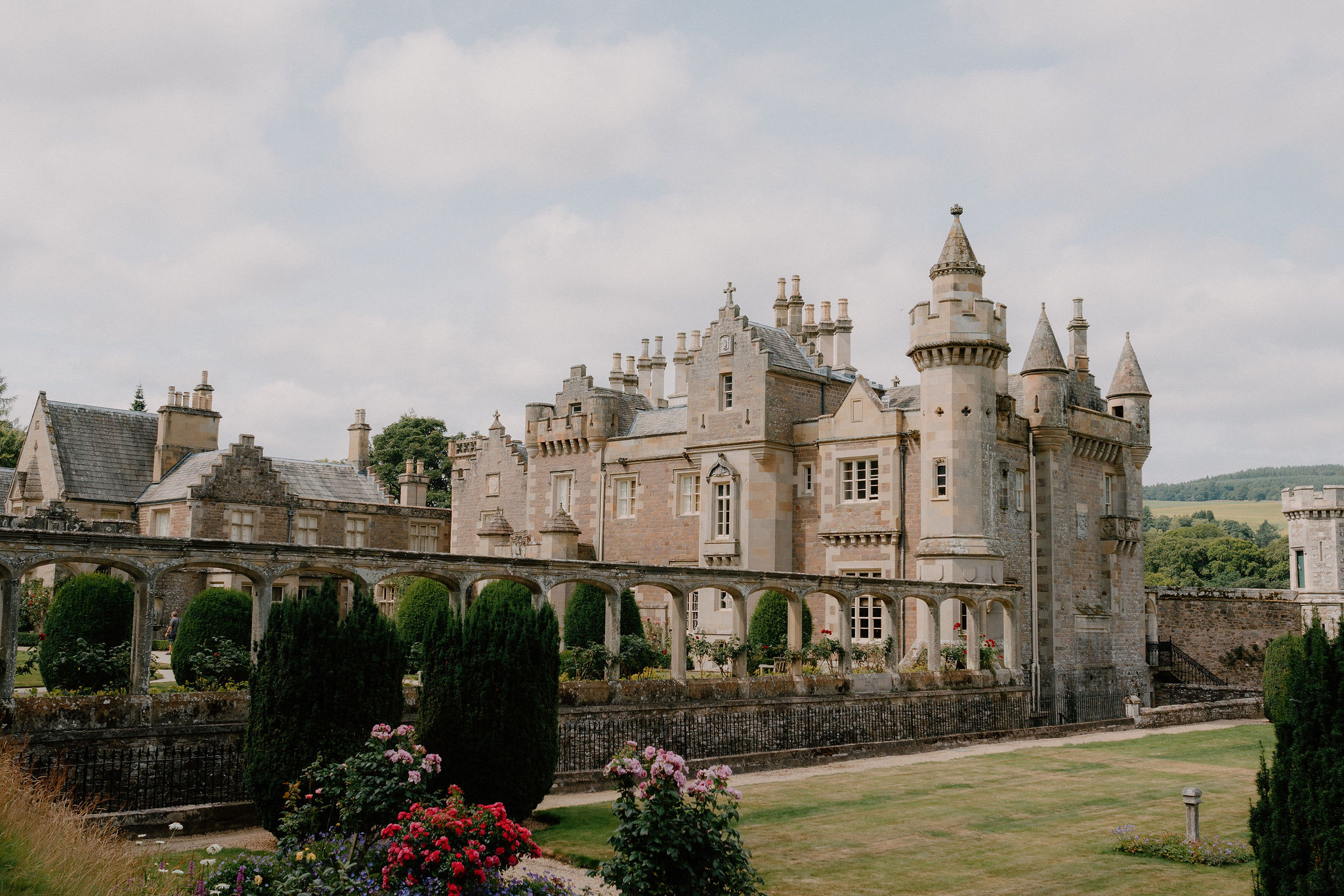
Abbotsford House
The Highland Main Line – Perth to Inverness
Cutting through the spine of the country, this route rises steadily from the edge of Perth’s Georgian streets into the Cairngorm foothills and onwards to the capital of the Highlands. It’s one of the highest railways in the UK, and the scenery reflects that—open moorland, pine forest, and long stretches where the only interruptions are red deer or distant estate tracks.
Stations like Pitlochry and Kingussie have a quiet charm, often with floral displays and traditional signage, but it’s the in-between moments that define the journey. The train climbs past Drumochter Summit, 1,484 feet above sea level, before dropping down towards Aviemore, where the Cairngorms come into view. In winter, it’s snow-dusted and spare. In summer, a patchwork of greens and purples.
There’s no rush to get anywhere fast. The line is single track in parts, and the passing loops often bring a short pause. It’s the kind of delay that suits the rhythm of the place. Travelling this route isn’t about efficiency. It’s about space and height, and the slow northward draw into Inverness, where the hills begin to fold into the edge of the Great Glen.
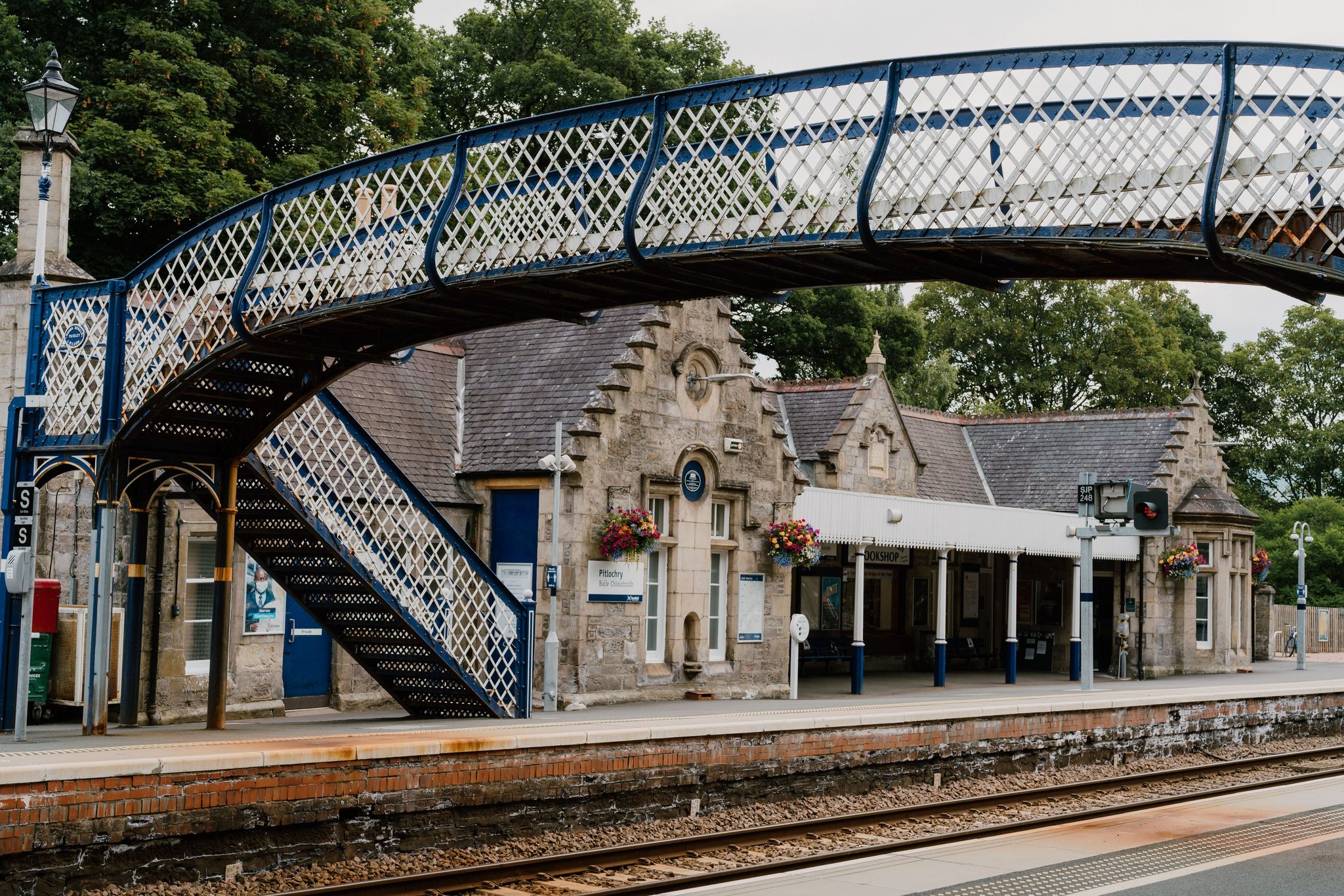
Pitlochry Station
The Stranraer Line – Glasgow to Stranraer via Ayr
Often overlooked, the route from Glasgow to Stranraer traces a quieter edge of Scotland, running southwest through Paisley, Kilwinning, and Ayr before veering inland across farmland and moor. It’s not a fast journey, and that’s part of the appeal. The train passes through places that feel left behind by tourism—Girvan, Maybole, and Barrhill—where time moves differently and the sea is never far off.
After Ayr, the scenery opens up. To the west, Ailsa Craig appears offshore—jagged and grey, rising straight out of the water like a misplaced piece of the Highlands. On clear days, you might glimpse Arran in the distance. Keep an eye out near Girvan Harbour, where the railway brushes the shoreline with views over the Clyde.
By the time the train approaches Stranraer, you’re in Galloway proper—open country, scattered farmsteads, and long horizons. The ferry terminal may have moved to Cairnryan, but Stranraer still feels like a frontier town, with the coast stretching out to Ireland and the west. It’s one of the least celebrated of Scotland’s rail journeys, but for those willing to sit with it, it offers something more grounded: space, quiet, and a side of Scotland that’s easy to miss.
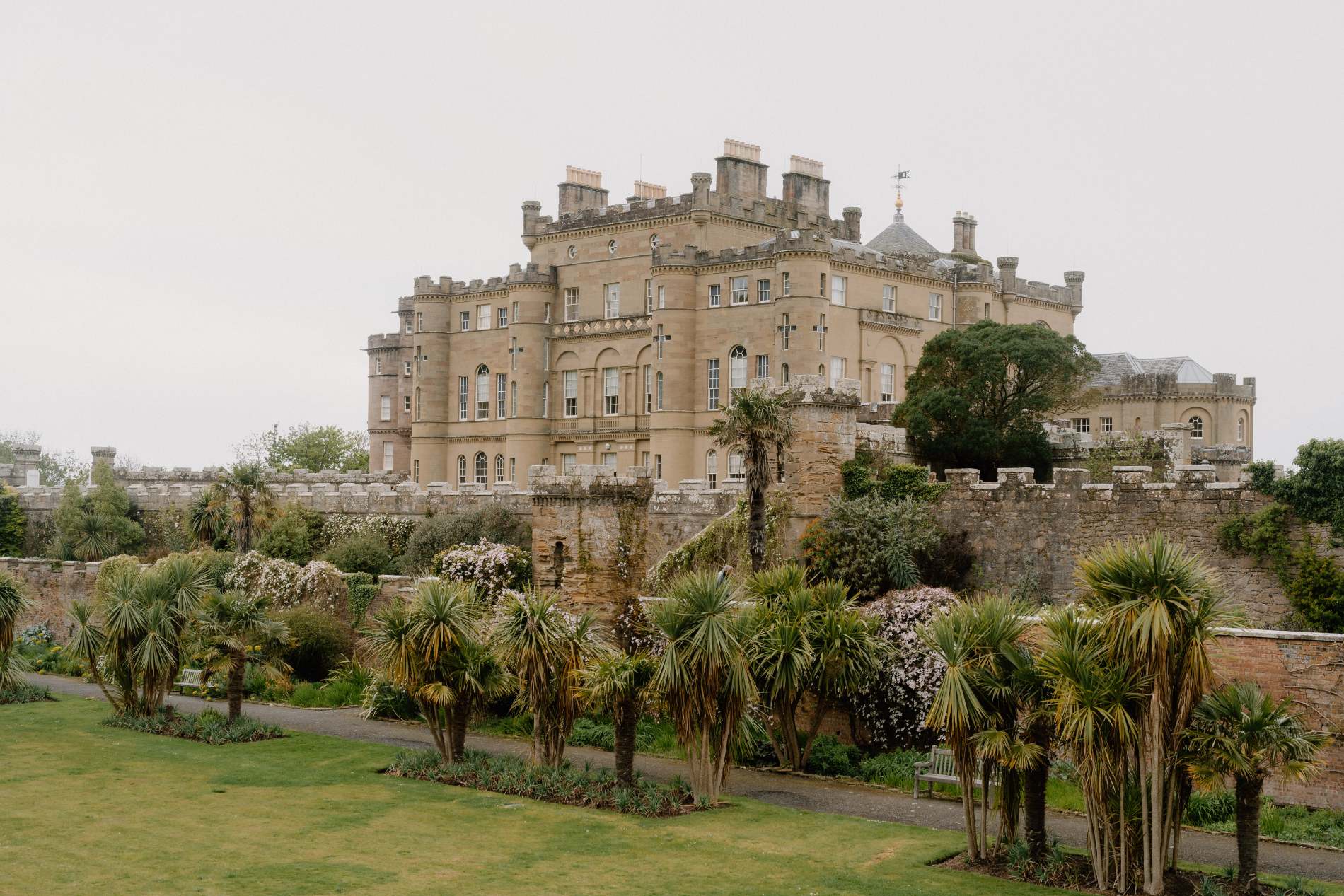
Culzean Castle
The Fife Circle – Edinburgh through Fife and back
A short journey with serious views, the Fife Circle Line begins its arc north from Edinburgh Waverley by crossing the iconic Forth Bridge. There’s no mistaking the moment—the iron latticework comes into view, and then you’re above the water, with the Firth of Forth stretching out beneath you. It’s a rare experience: a working rail journey that still delivers the weight and wonder of 19th-century engineering.
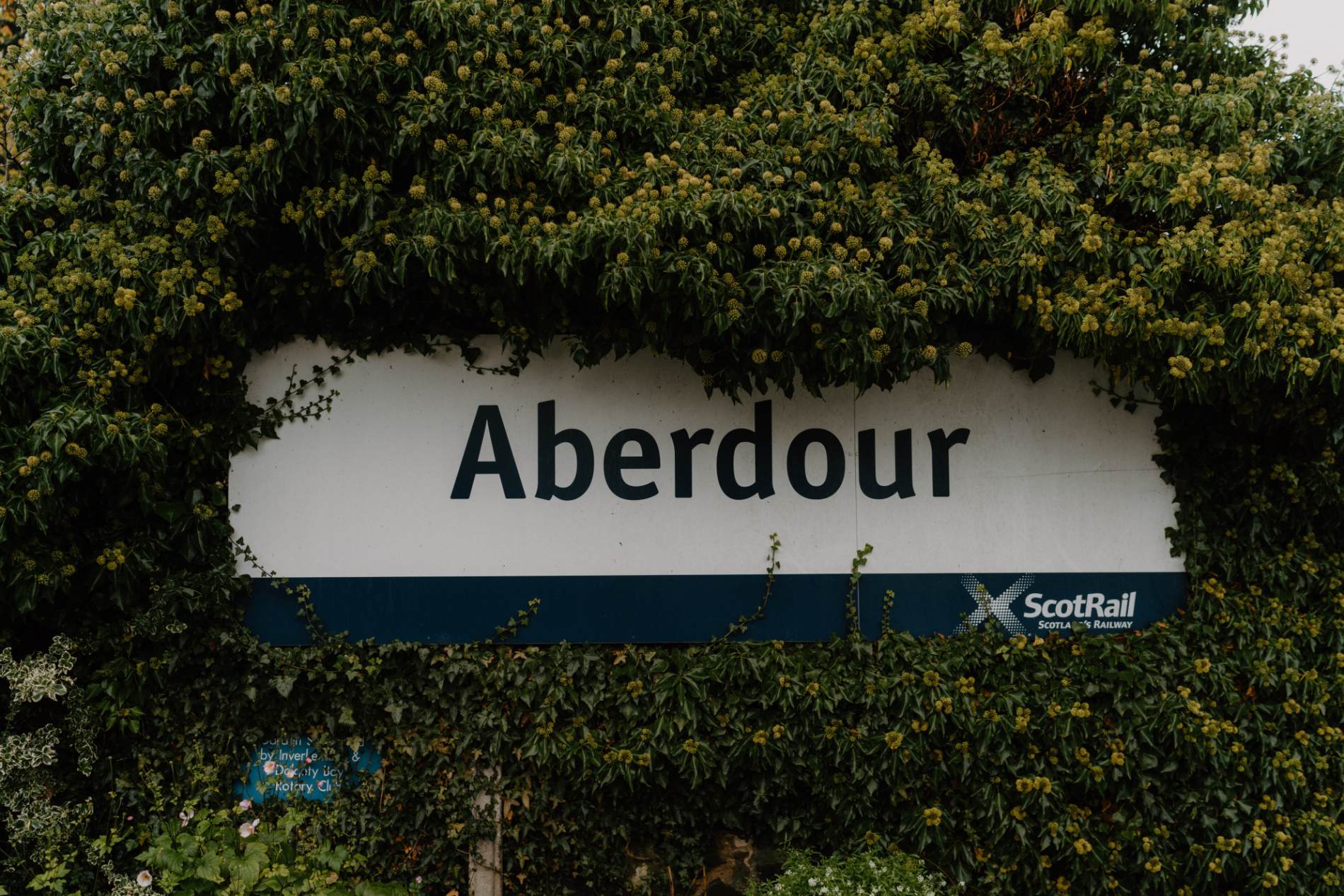
Once into Fife, the train loops through a mix of coastal towns and inland villages—Burntisland, Aberdour, Glenrothes, and Dunfermline—each with their own reasons to pause. On a clear day, you can spot Edinburgh from across the water, and in winter, the low light along the Fife coast can feel almost Scandinavian.
It’s a commuter route for some, but ride it at the right time and you’ll catch it at its best: quiet carriages, wide skies, and a glimpse of daily life across the water from the capital. For photographers, the approach to Kinghorn Bay is a highlight; for history lovers, Inverkeithing and Dunfermline Abbey offer deeper stops. As circular routes go, it’s compact—but well worth doing all the way round.
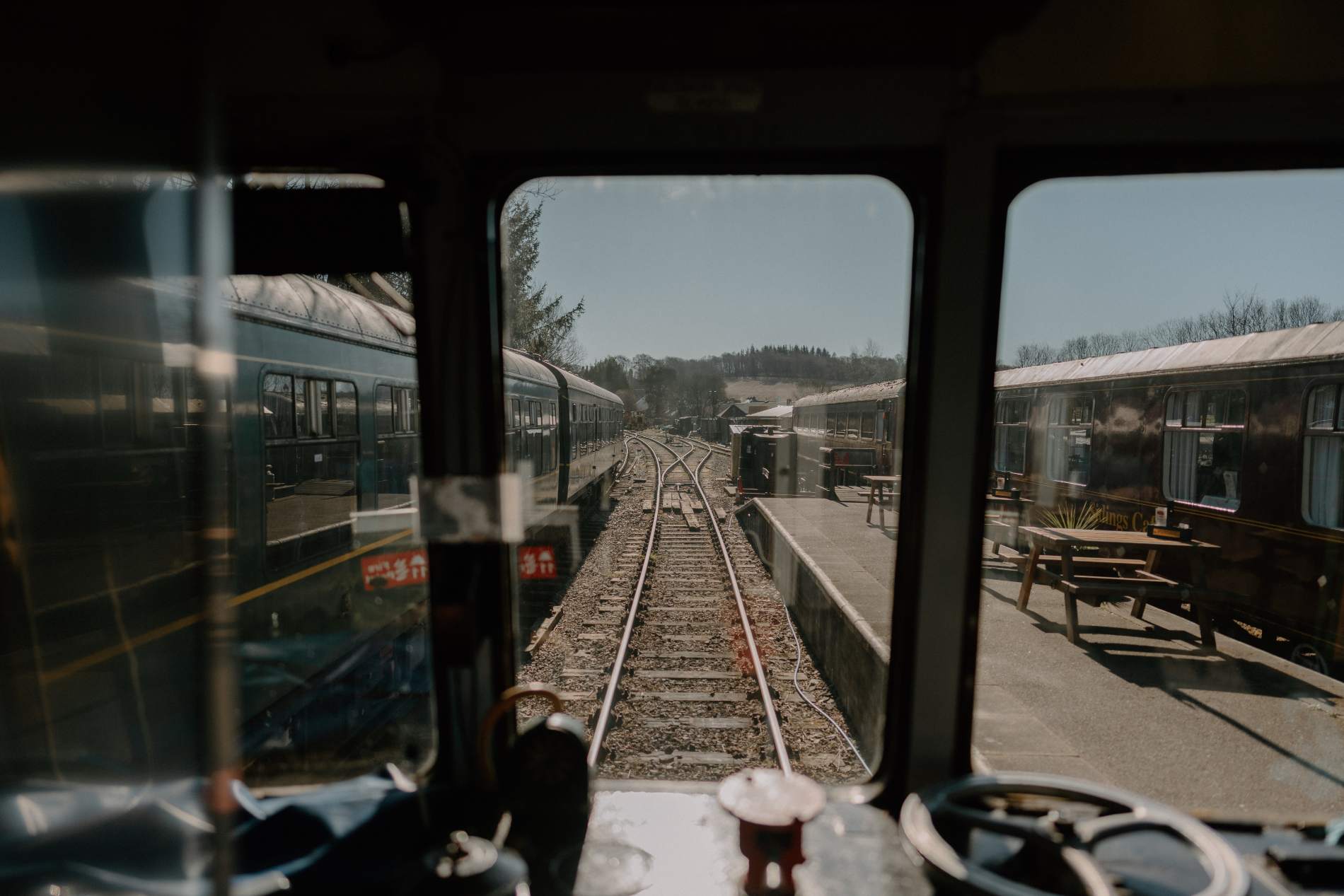
Strathspey Steam Railway — Aviemore to Broomhill
This short but scenic heritage line traces a quiet route through the Cairngorm foothills, running from Aviemore to Broomhill via Boat of Garten. Operated by volunteers and restored steam locomotives, the Strathspey Railway offers more than just nostalgia — it’s a slow, considered journey through some of the Highlands’ most photogenic terrain. With the Cairngorm mountains rising behind, the carriages pass through pockets of Caledonian pinewood, open farmland, and wide stretches of moor, all with the gentle rhythm of vintage rail.
Originally part of the Highland Railway network, the line was closed during the Beeching cuts and gradually reopened by enthusiasts. Today, it feels timeless rather than retro. You can travel in classic compartments, hear the hiss of steam at the platform, and even book dining services for special occasions. It’s not about distance, but atmosphere — a deliberate reminder that journeys used to unfold more slowly. And from the end of the line at Broomhill, it’s only a short hop to walk the Speyside Way or visit one of the local distilleries.
The Bo’ness & Kinneil Railway — Bo’ness to Manuel
Just outside Edinburgh, this preserved stretch of rail offers a compact but rewarding journey through lowland countryside and industrial history. The Bo’ness & Kinneil Railway runs along the Firth of Forth on a route that once connected coal and minerals to the wider network, now repurposed for leisure with lovingly restored locomotives and carriages. It’s managed by the Scottish Railway Preservation Society, whose museum and depot at Bo’ness provide context and a glimpse into Scotland’s broader rail story.
The journey itself is around five miles, with stops at Kinneil and Birkhill, where visitors can explore a fireclay mine museum. Trains run on select days and tend to draw families, railway enthusiasts, and travellers looking for a gentle afternoon ride with sea views and a sense of local heritage. While short in distance, it’s rich in texture — from the period details of the station architecture to the pastoral stillness between halts. A simple, well-kept route that proves not all great rail experiences need to cover hundreds of miles.
The Keith & Dufftown Railway — Keith to Dufftown
Running quietly through Moray’s whisky country, the Keith & Dufftown Railway is one of Scotland’s lesser-known heritage lines — a ten-mile stretch linking two small towns at the heart of Speyside. Operated entirely by volunteers, the line passes through peaceful farmland, pockets of birch and pine, and alongside dark, slow-moving burns that hint at the region’s distilling traditions. It’s sometimes referred to as "The Whisky Line," and while it doesn’t run past any major distilleries, its setting feels inseparable from the surrounding industry.
The carriages are modest, the stations neatly kept, and the timetable unhurried. Trains run most often during summer weekends, with extra services during local events and whisky festivals. From Keith, the line climbs gently through farmland and woods before arriving at Dufftown, home to Glenfiddich and Balvenie. The journey takes around 40 minutes each way, and there’s time to pause and explore at either end. You won’t find elaborate dining cars or polished Pullman interiors here — just simple, well-run carriages and a sense of care from those keeping the route alive. A good way to slow down in a region often defined by quiet craft.
Promoted Post
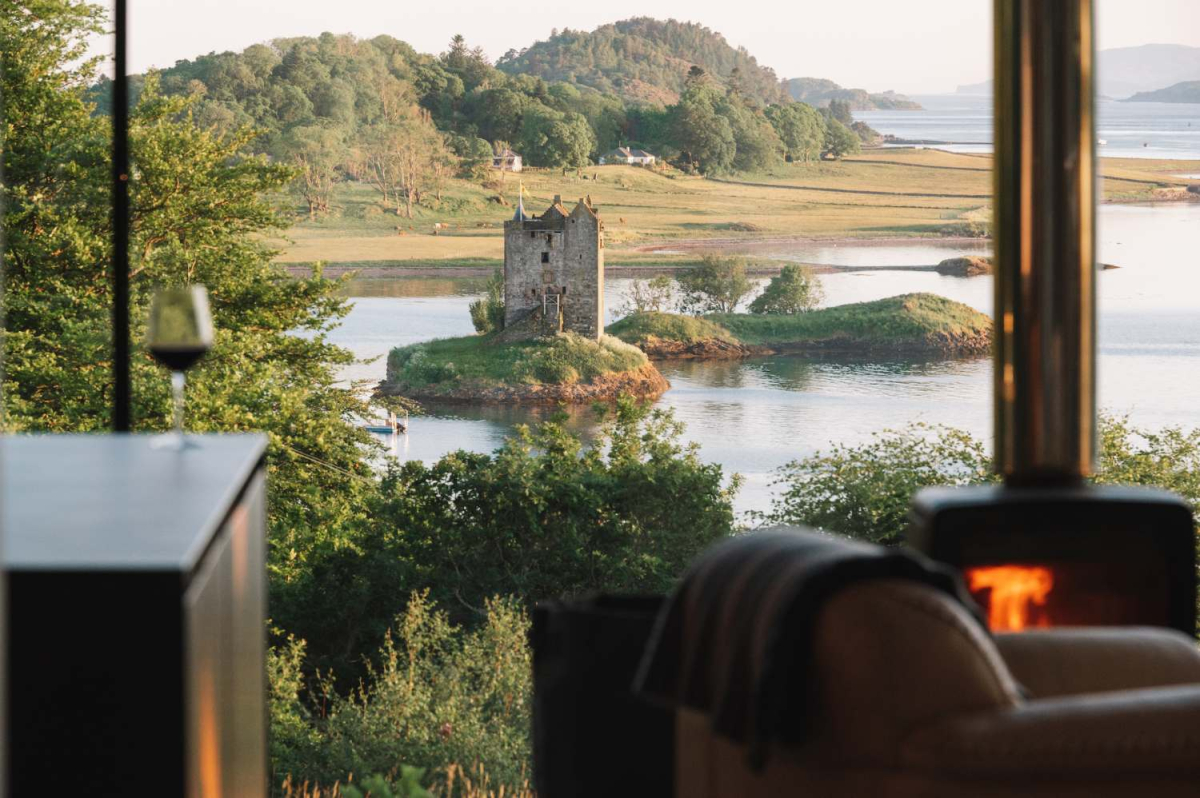
Stormhouse
Escape to the wild, rugged landscape of Scotland’s west coast, perfectly located between mountain and sea






 Sign in with Google
 Sign in with Email