
On This Day in 1930: The Last Boat Leaves St Kilda
On 29 August 1930, the last boat left St Kilda carrying 36 islanders who had chosen to leave their home for good. This is the story of that day, and the quiet strength behind it. The beautiful photography throughout the piece is by Scottish travel photographer Ali Horne.

Written by Hidden Scotland
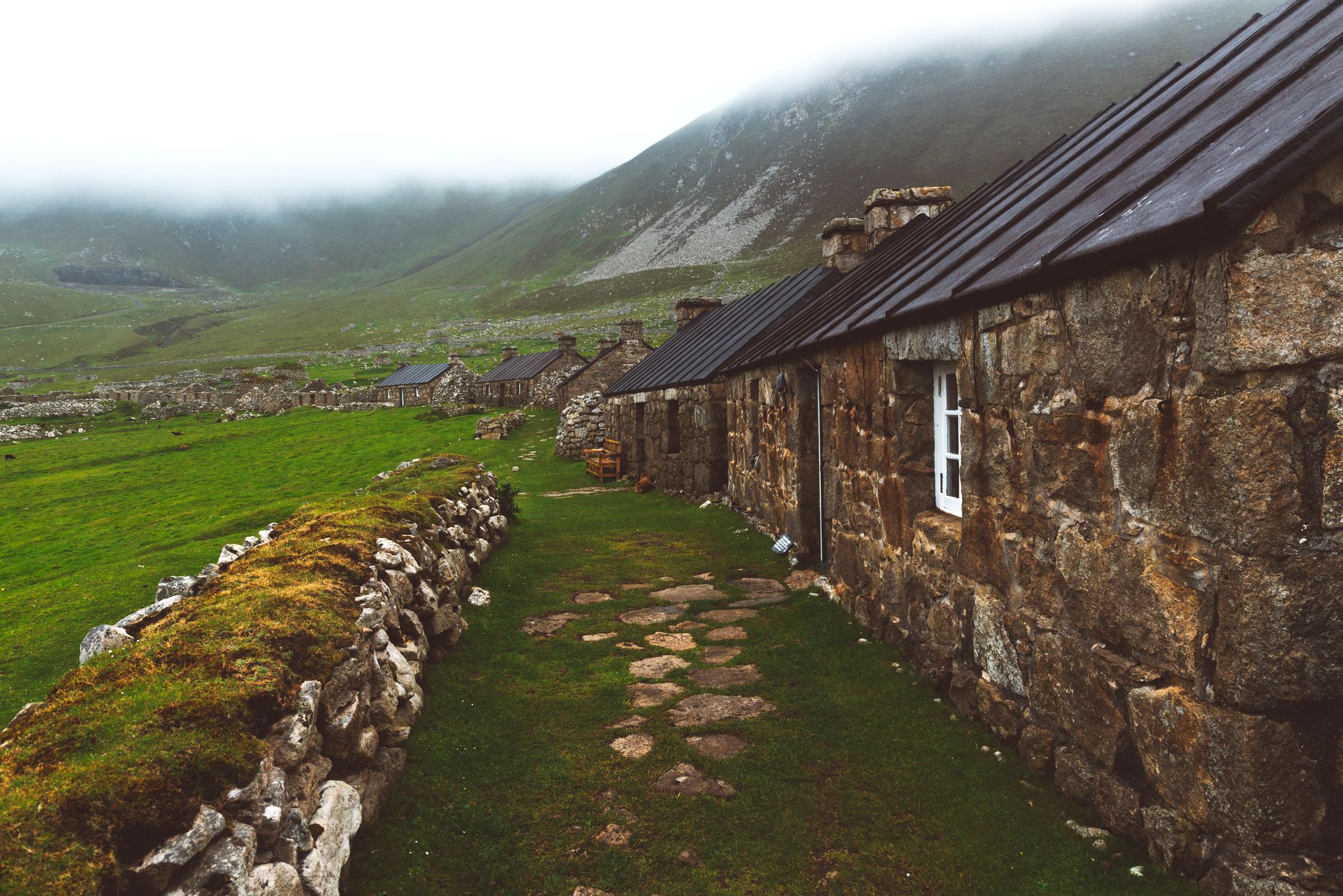
It was a still morning in Village Bay. Low clouds hung above Hirta’s slopes and the sea barely stirred. If you’d stood on the ridge above the old stone cottages, you might have heard only the seabirds and the faint creak of ropes as the Harebell sat waiting offshore. Just after 7am on 29 August 1930, the people of St Kilda boarded that ship and turned their backs on the only home they’d ever known.
There were 36 of them left. Thirteen men, ten women, and thirteen children. They had asked to leave. They had packed their things, unlocked their doors, laid open Bibles on the table, and walked away.
No one forced them. They weren’t cleared or evicted. But after centuries of scraping a life from seabirds and rain-washed turf, they simply couldn’t hold on any longer.
St Kilda is further out than it looks on a map. Even now, getting there requires a run of good weather and the patience of someone who doesn’t mind waiting. But for generations, people lived out here on the edge. They built low stone cleitean into the hillsides to store their catch, kept sheep on the steep ground, and climbed the cliffs to collect fulmar and gannet for food. It wasn’t a romantic life, and the people didn’t describe it that way. They worked hard and relied on each other.
Every morning, the men held a meeting in the open air to decide the day’s work. Harvesting birds from the cliffs wasn’t something you did alone. There was no money on the island. Everything was shared out fairly – grain, catch, labour. Families helped one another because that’s how you lasted the winter. When storms closed in and no boat could land, there was no one else to call.
The outside world crept in slowly. Steamers started to visit in the 19th century. Tourists bought tweed and knitted socks, and paid to see the “last islanders.” Some brought cameras. Others left coins. Then came the war, and with it the Navy, bringing rations, letters, and news from a wider world. By the time the soldiers left again, the balance had shifted. The islanders had seen what life could be like elsewhere.
People began to leave. Young men joined the military or found work on the mainland. Others went abroad. The population dropped. Then came a run of hard years. Failed crops. A deadly flu outbreak. The ground, fed for too long with ash and bird remains, stopped producing. And in January 1930, one of their own – Mary Gillies – died after being evacuated to Glasgow while pregnant. Her child died too. It was the final blow.
That spring, the remaining families wrote to the government and asked to be moved.
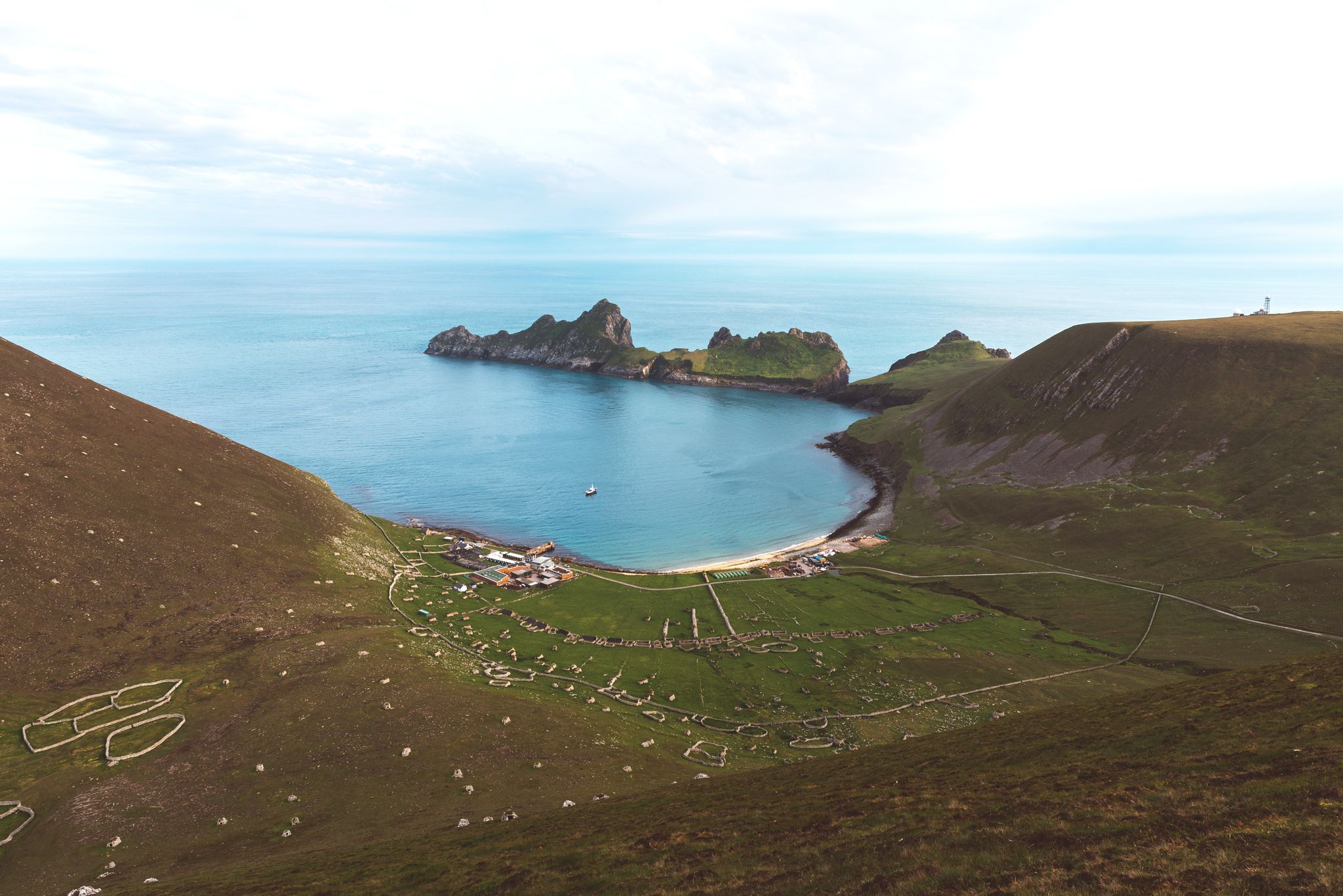
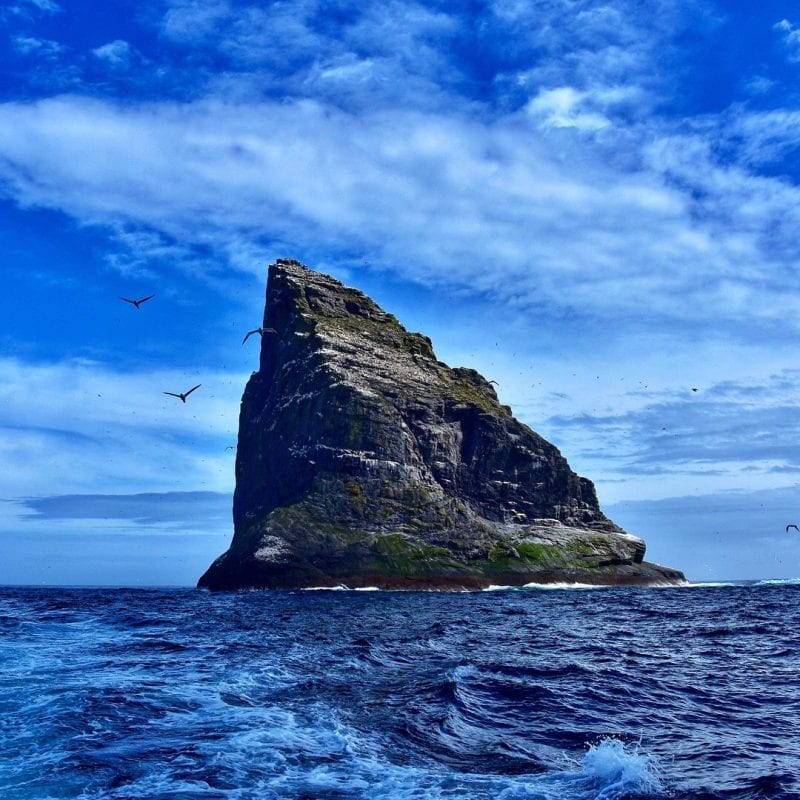
St Kilda by Ali Horne
By the time the ship arrived, the dogs were gone. They had been drowned in the bay – not out of cruelty, but because there was no one to care for them elsewhere. Their sheep and cattle were taken away two days earlier. The village was quiet.
Some left food in bowls. Others banked the hearths and left the peat smouldering. Most placed a Bible open on the table and left their doors unlocked. There’s something deeply human about that gesture. It’s not hard to imagine them walking through those rooms one last time, knowing the house would stand long after they were gone.
They boarded the Harebell just after seven. No ceremony. No fuss. A few sailors helped them with their trunks. At eight o’clock, the ship pulled away. From the deck, the villagers stood together and watched the bay fall behind them. No one said much. A few wept.
They hadn’t been more than a few miles offshore when the island disappeared into haze. That was it. Nearly two thousand years of human life on St Kilda, gone in a single crossing.
They landed at Lochaline. Some stayed in the Morvern area, others moved to Inverness or further afield. The government helped find homes and jobs. The men worked in forestry. Some of the older islanders had never seen a tree before. Many had never handled money, or lived in a house with electricity. One woman recalled being bewildered by taps and buttons. Some adapted. Some didn’t.
For a while, a few returned in summer. They slept in the old cottages and breathed in the salt air. But the Second World War ended that. Time moved on. The children grew up. The houses began to fall in.
Rachel Johnson was just a child when she boarded the Harebell. She lived into her nineties. When she died in 2016, she was the last of the St Kildans born on the island.
Today, no one lives on St Kilda in the way they used to. There’s a military base. A few conservation workers. You can visit, if the weather holds. The cottages in Village Bay are still there – some restored, others left to the elements. Cleitean dot the hillsides, and the puffins and gannets still wheel above the cliffs.
It’s quiet now. The sea presses in on every side. But if you step into one of those old houses and close your eyes, you can almost picture them: the stove warm, the door unlatched, the dog sleeping by the wall. A Bible open on the table.
They left on their own terms. That matters. St Kilda’s story is not just about isolation. It’s about dignity. About knowing when to hold on, and when to let go.
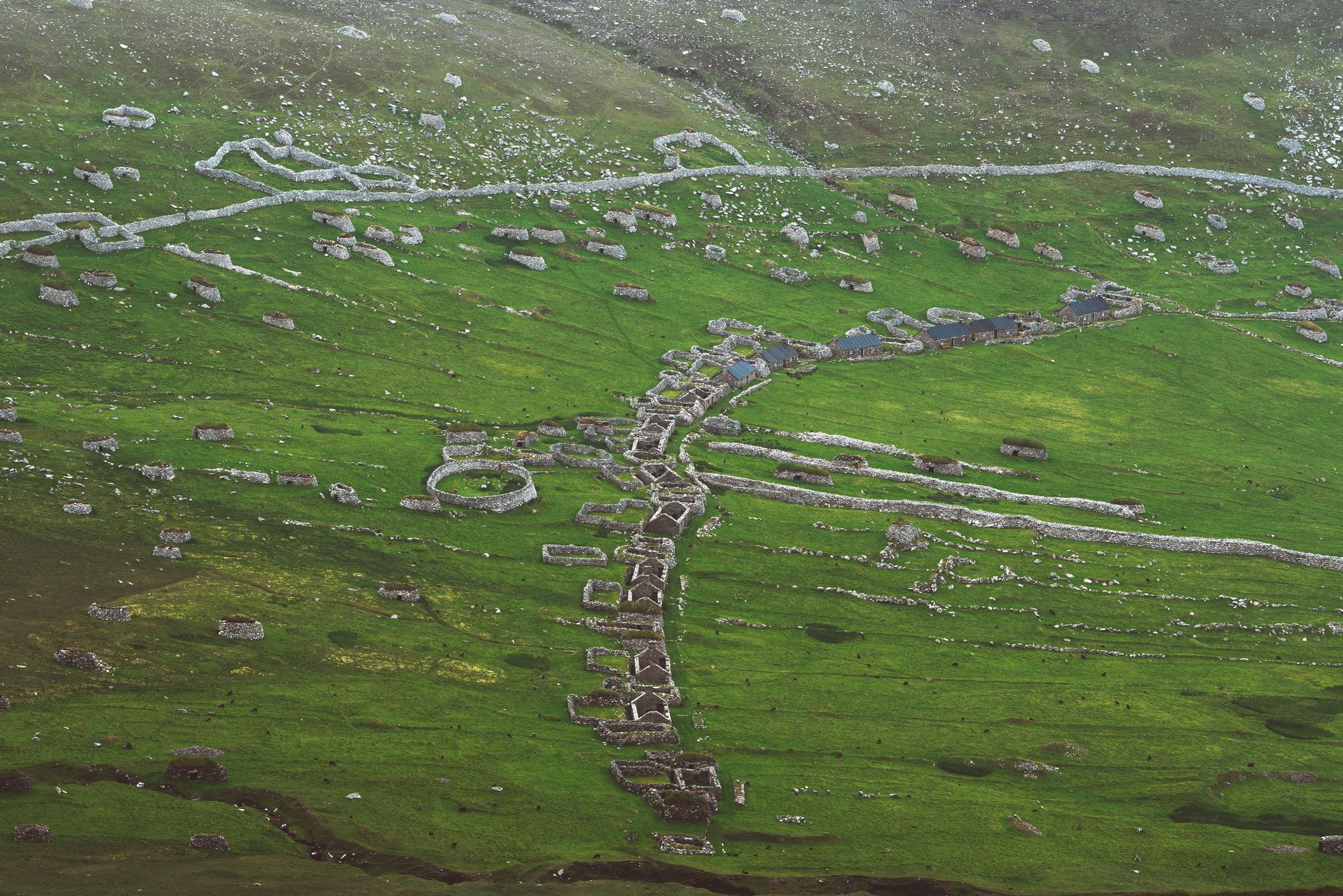
St Kilda by Ali Horne
Promoted Post
Stormhouse
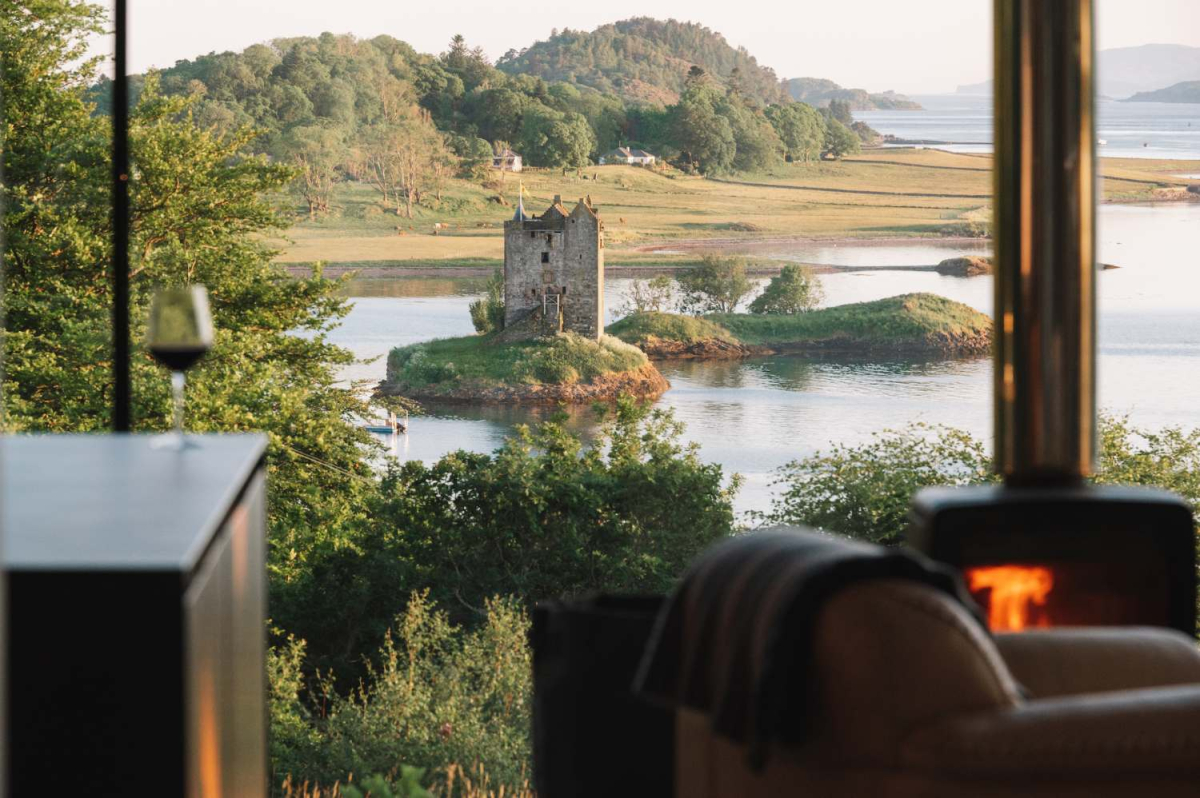
Escape to the wild, rugged landscape of Scotland’s west coast, perfectly located between mountain and sea






 Sign in with Google
 Sign in with Email