
Off the Beaten Track Experiences and Adventures
Scotland’s wild spaces stretch far beyond the crowds at Skye and Loch Lomond. From remote sea lochs to windswept islands, mountain bothies to wild food feasts, a quieter, deeper kind of adventure is always within reach. This feature explores off-grid escapes, lesser-known trails, and the people redefining what it means to explore.
-full-1749648095.jpg)
The well-worn tourist trails might be crowded during summer, the Isle of Skye hangs a virtual ‘no vacancies’ sign on the door, while Loch Lomond and the Trossachs and the Cairngorms National Parks are crammed with Gortex-clad hikers and coach-loads of sightseers, but when it comes to off-the-beaten-track adventures the numbers tell a different story.
There are around 900 islands flung like bird crumbs on the breeze off the Scottish coast – just over a hundred inhabited. The country’s coastline crinkles around cliff-cradled coves, dramatic fjord-like inlets and endless dune-backed beaches, for almost 12,000 miles. Inland there are around 25,000 glassy lochs, tangles of tiny glens, 282 Munros (mountains over 3,000ft high) to climb and vast swathes of pungent pine forest and native woodland where you can lose yourself in mindful, leaf-crunching, deep-breathing solitude.
One thing Scotland has no shortage of is space – wild, glorious, gobsmacking space where you can experience true wilderness – especially as summer turns to autumn turns to winter…
Wild picnics
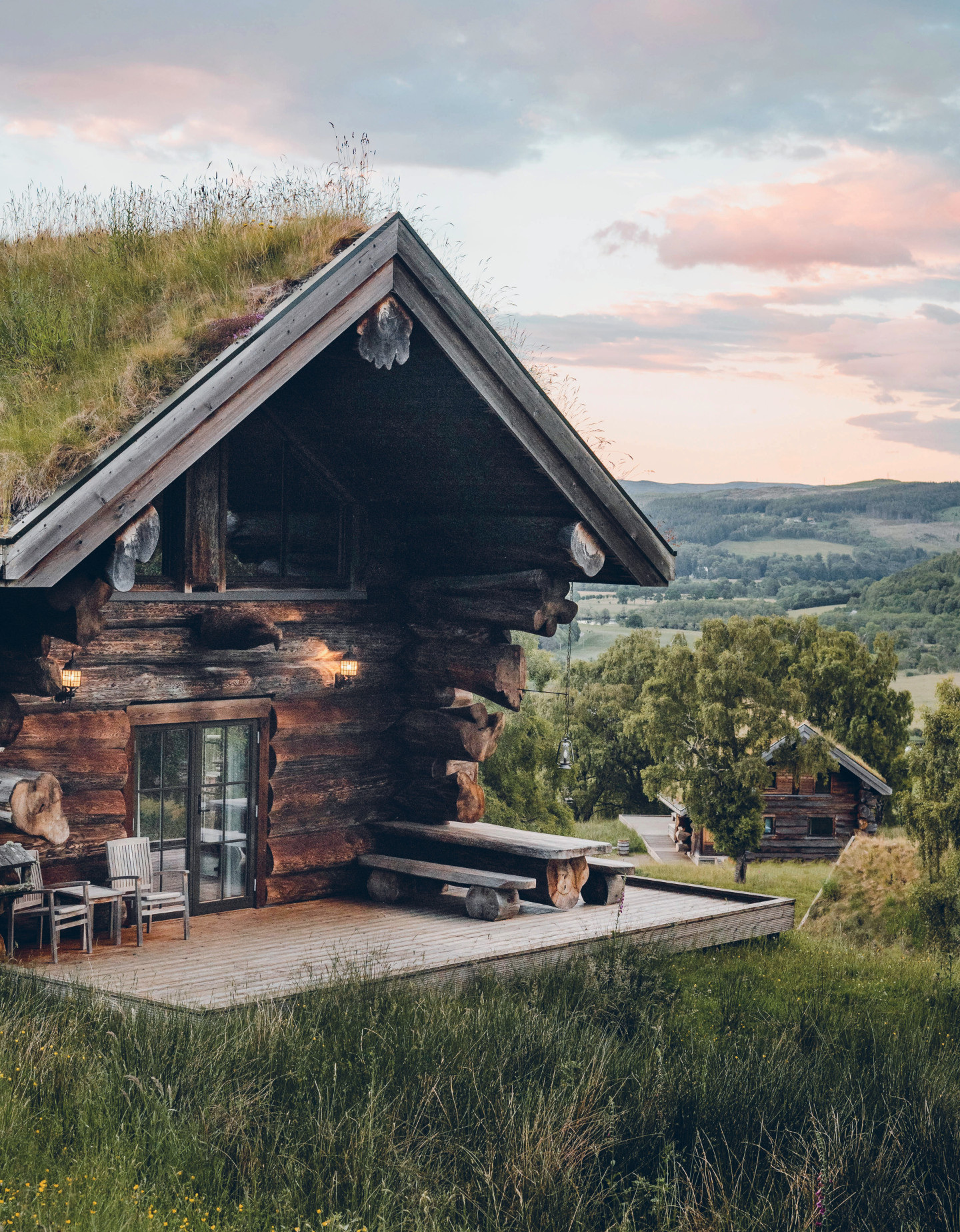
Hike for an hour up into the hills on the Straloch Estate in Perthshire and you’re rewarded with wide-angled views of mist-shrouded mountain and heather-sprung moor – and platters of homemade pies and pudding pots dished up in a rustic wooden cabin: a taste of Scottish ‘coorie’. The estate’s Wild Picnics (for two to ten people) are laid out in the remote Lunch Hut, decked out with sheepskin strewn benches, fairy lights, candles and throws and a roaring wood-burning stove to ward off the chill. (If you don’t fancy the hike up to the hut it’s a 30-minute off-road journey in one of the estate’s Land Rovers.)
The gourmet spread, created by Straloch’s chef, Penny, features produce from the 3,000-acre estate’s natural larder, stocked with wild venison and game and seasonal veg and herbs from the walled garden. On the menu are picnic staples such as Scotch Eggs and sandwiches and savoury shortbreads, warming soups, hearty casseroles and slow-roasted lamb.
Other wild picnic locations include an island in the middle of the loch where you can sizzle sausages over a camp fire, toast marshmallows and build a den and at the end of the jetty, where you can fish for brown trout.
On the eastern edge of the Cairngorms, another Highland estate, Glen Dye, also dishes up an eclectic programme of wild dining events. Xanthe Gladstone’s chef residencies range from intimate open-air feasts in remote woodland - supper beneath the stars - to foraging and cooking-over-fire workshops back at camp using produce from the kitchen garden. Glen Dye also launched a Wild Wellness and Bushcraft School this summer, with three-hour foraging and wild swimming sessions. After a guided walk foraging in the woods there’s breathwork round the campfire before an icy plunge into the peaty River Dye and a warming sauna.
Wild swimming
Wade out into the waves from a sandy shore or slip into the sea from the rocks; dive into a crystal clear loch or plunge into an icy river. Coldwater swimming has seen a surge in popularity recently and Scotland has more than its share of secret swimming spots.
Someone who can help you find them is long distance swimmer and coach Alice Goodridge, who’s swum in Arctic lakes, Nigerian rivers and the seas around the islands off Sierra Leone, as well as completing a solo swim across the English Channel. After moving to the Highlands she began exploring the Cairngorms’ lochs and set up SwimWild, offering introduction to open-water swimming courses, as well as weekend and week-long swimming adventures to remote locations such as the Knoydart peninsula.
Knoydart is one of the wildest and most inaccessible parts of the Scottish mainland; there are no roads in - you have to hike through the mountains or take a boat from Mallaig.Bedding down in a remote wilderness lodge a pebble’s throw from the beach, days are spent hiking to secret bays for a bracing dip or boarding the boat, the Mary Doune to sail to the small islands of Canna, Muck, Eigg and Rum for longer open-water swimming adventures.
Wild waters
Kayaking across turquoise-tinged seas to an uninhabited island, paddling past inquisitive seals as gulls wheel overhead, landing on an empty arc of soft white sand, pitching your tent on the shore, gathering driftwood and cooking over a campfire – it’s pinch-yourself-desert-island-territory.
Arisaig Sea Kayak Centre on the west coast organises day trips along the coastline, dipping into tiny coves and exploring sheltered sea lochs as well as longer expeditions to the low-lying smudge of the Summer Isles; the wild seas, stacks and caves of Orkney, where you might see otters and Orca, and week-long trips to the Outer Hebridean islands of Barra and Mingulay, skimming beneath sheer cliffs and towering sea stacks and exploring tidal channels before wild camping on the shore of an uninhabited island.
Off-grid bothies
The Mountain Bothy Association describes bothying as ‘camping without a tent’. Traditionally bothies were farm labourers’ or estate workers’ cottages but nowadays have become synonymous with huts in the hills where hikers can find shelter. Bare-bones basic – the toilet is a spade, there’s a stove and a sleeping platform - they’re a place to bunk down when you’re hiking in the wilderness.
A new breed of designer bothy, however, has been spreading across the Scottish Highlands recently, taking the concept to a different level. In 2001 architect Iain MacLeod and artist Bobby Niven launched the Bothy Project, a network of off-grid artist residency spaces in remote locations. The first, Inshriach bothy in the Cairngorms, is let part-time as a woodland hideaway; another on the island of Eigg can also be rented six months of the year.
Inverlonan estate, on the shore of Loch Nell on the west coast, also has three designer bothies, the exteriors Corten-clad, the interiors crafted from local ash. The idea: a re-imagining of the bothy experience strips away our traditional understanding of ‘luxury’, redefining it as seclusion and a sleek simplicity. These hideaways are an antidote to modern life. Only accessible by boat, buggy or on foot, there is no WiFi; there is wild swimming in the loch, an outdoor shower and stargazing on tap.
Wild fringes
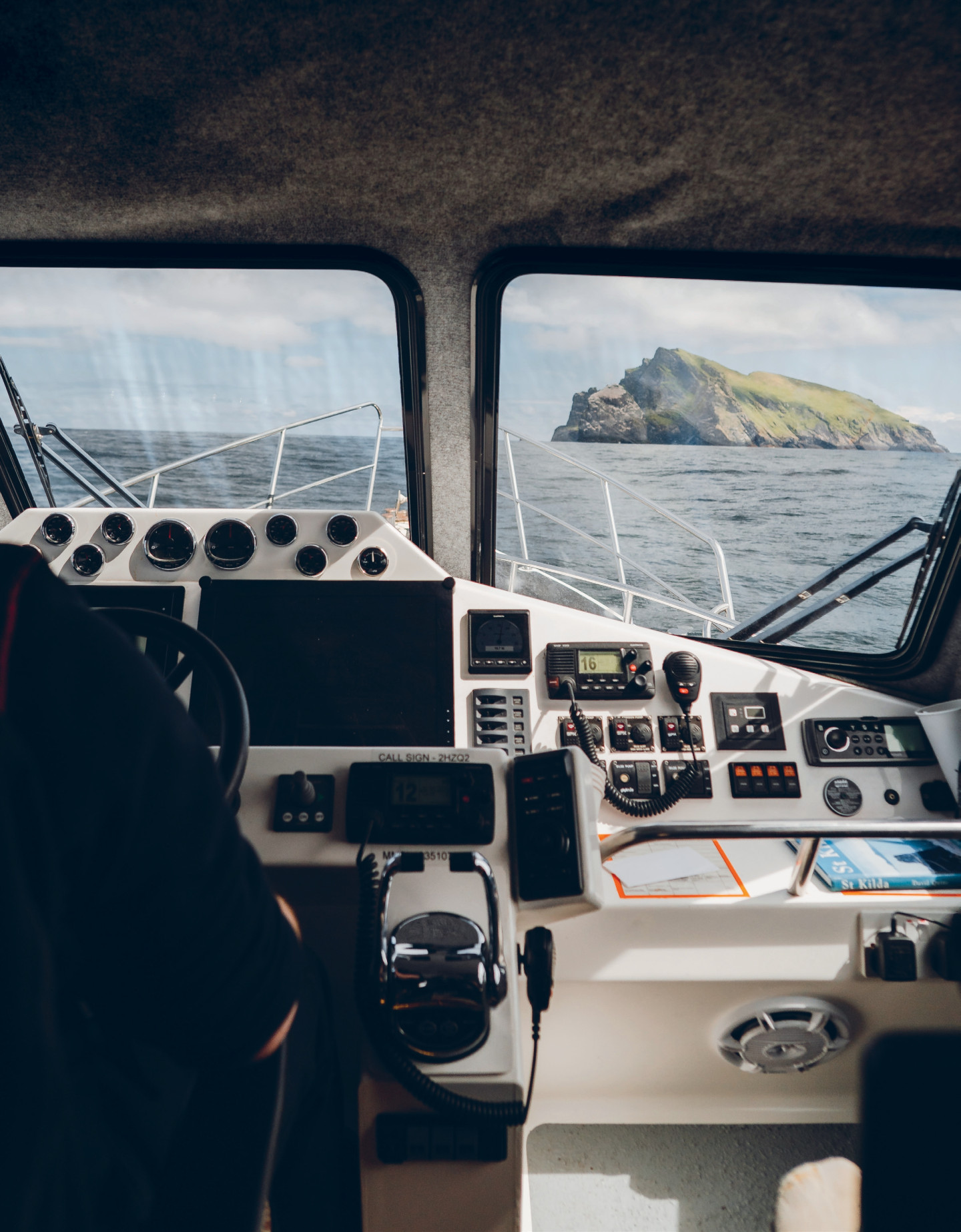
The far-flung archipelago of St Kilda, made up of four islands; Hirta, Soay, Dun and Boreray, and a smattering of iconic sea stacks, is a hundred miles off the Scottish mainland and around 40 miles west of the other islands in the Outer Hebrides - the next stop is North America.
This exposed island group has dual World Heritage status for its natural and cultural significance. Once home to an isolated community, it was evacuated in 1930 when life on these storm-ravaged rocks became unsustainable. St Kilda is now owned by the National Trust for Scotland and is a national nature reserve, home to the largest colony of Atlantic puffins. Around a million seabirds, including guillemots, kittiwakes and gannets, nest on its sheer volcanic cliffs.
You can take a day trip to this remote outpost in the Atlantic, wandering around the haunting ruins, the villagers’ abandoned houses and church, and even stay overnight in the tiny campsite (up to six people) on Hirta - or you can sail here on a marine research vessel. Venture Sail has a number of off-the-beaten-track trips under sail including an expedition to St Kilda on ‘Zuza’, a purpose-built research yacht which anchors off the islands for three days with walks and picnics onshore.
Wild camping
Head torch? Check. Matches, loo paper, trowel, dry bag, midge repellent… Wild camping is legal in Scotland, the Right to Roam allowing you to pitch your tent - with a few stipulations (leave no trace, don’t camp right next to the road) - in some of the most jaw-dropping locations in the country.
One of the most famous bucket list wild camping spots is Sandwood Bay on the far northwest coast. Only accessible on foot, it’s a four-mile trudge across open moorland from the road - but well worth the schlep. Wake to the sound of Atlantic breakers crashing onto the pink-hued arc of sand cocooned by cliffs at either end.
At the other end of the country, Dumfries and Galloway has been dubbed Scotland in miniature but is off the radar for many tourists yomping north without so much as a sideways glance. Scotland’s southwest corner is home to the Galloway Forest Park, nicknamed the Highlands in the Lowlands, founded in 1947 and, at almost 300 square miles, the largest forest in the UK.
With around a million trees and 250 lochs, this is one of Scotland’s most untrammelled wildernesses. It was also designated a Dark Sky Park in 2009, the first in the UK and only the fourth in the world. Pitching your tent on the shores of Loch Riecawr or Loch Doon under a starlit sky you can see over 7,000 stars and planets with the naked eye.
Promoted Post
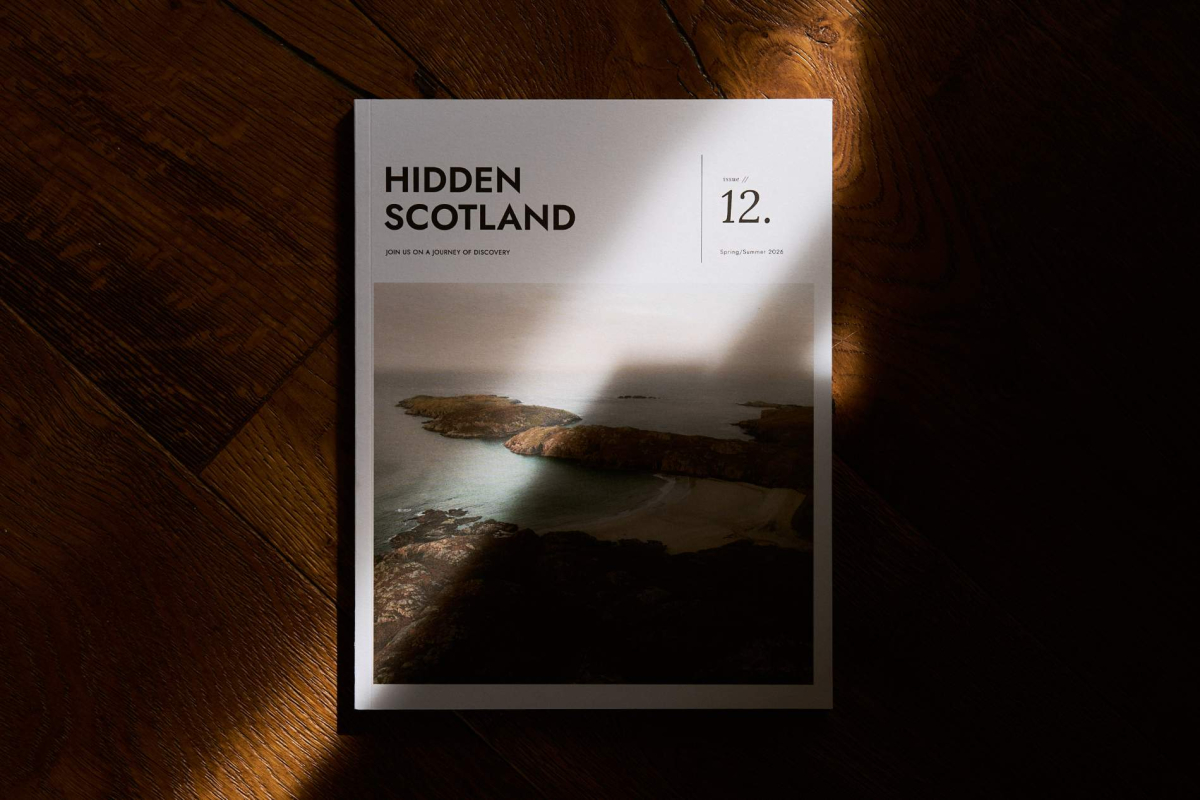
Issue 12 is now shipping worldwide from Scotland.
Issue 12 is now shipping worldwide from Scotland.





 Sign in with Google
 Sign in with Email