
James Wilson on Exploring Scotland Through Golf
James Wilson’s connection to golf begins in Scotland, grounded in long days on links courses and the kind of conditions that demand adaptability. After years in the professional game, his focus has shifted, not away from golf, but deeper into it. Through writing, design and travel, he now explores the country’s lesser-known courses and the journeys that connect them.
His work centres on a more grounded view of the game, one that values remote fairways, honesty boxes and the character of places often overlooked. We spoke with him about growing up playing golf in Scotland, how the game has changed, and the routes he recommends for those looking to experience it beyond the well-known names.
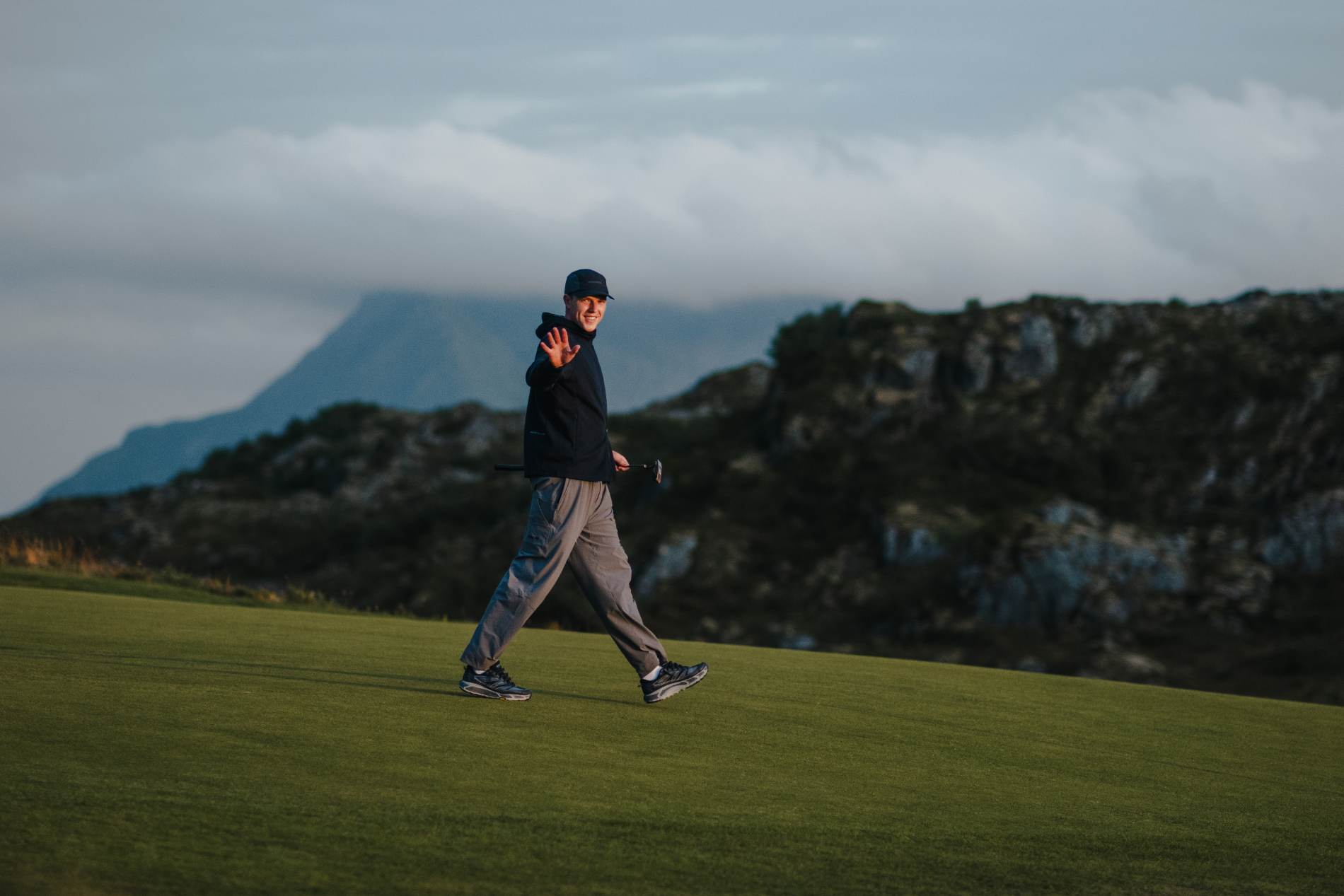
For readers discovering you for the first time, how would you introduce yourself?
An ex-professional golfer who has since realised the endless adventures that the game can offer when you stop focusing so much on your score.
How did you go from playing professional golf to becoming someone who documents and explores the game in this way?
I’ve been obsessed with golf for as long as I can remember, I blame Tiger Woods for that. It was always my goal to compete with the world’s best in the big leagues but through 20 years of grafting to get there I always found myself needing to scratch a creative itch. Whether it was writing or drawing or graphic design I would always reach for it in my downtime. When I eventually hung up my professional golf hat, I met a group of guys who run a golf brand called MANORS. I started doing some work for them and travelling to document the obscure golf destinations that made up the foundation of their brand. As time went on I realised that my key interests of writing, design and golf could actually work in harmony.
What was it like learning the game on Scottish links courses?
I would often curse the weather in Scotland as I tried to hone my golf game, especially during long winters where I was trying to prepare for the season ahead. And my grumbling was, in part, well founded. Flooded practice greens and sideways rain made it objectively difficult to do constructive work. But for all that the elements took away, they gave a lot back. High winds and cold wet mornings force you to adapt, to figure out ways to shape the ball and get the ball in the hole that you just wouldn’t have to consider if you grew up in California. At big events, I’d often prey for the wind to get up and the weather to turn, so I’d have a bit of an edge.
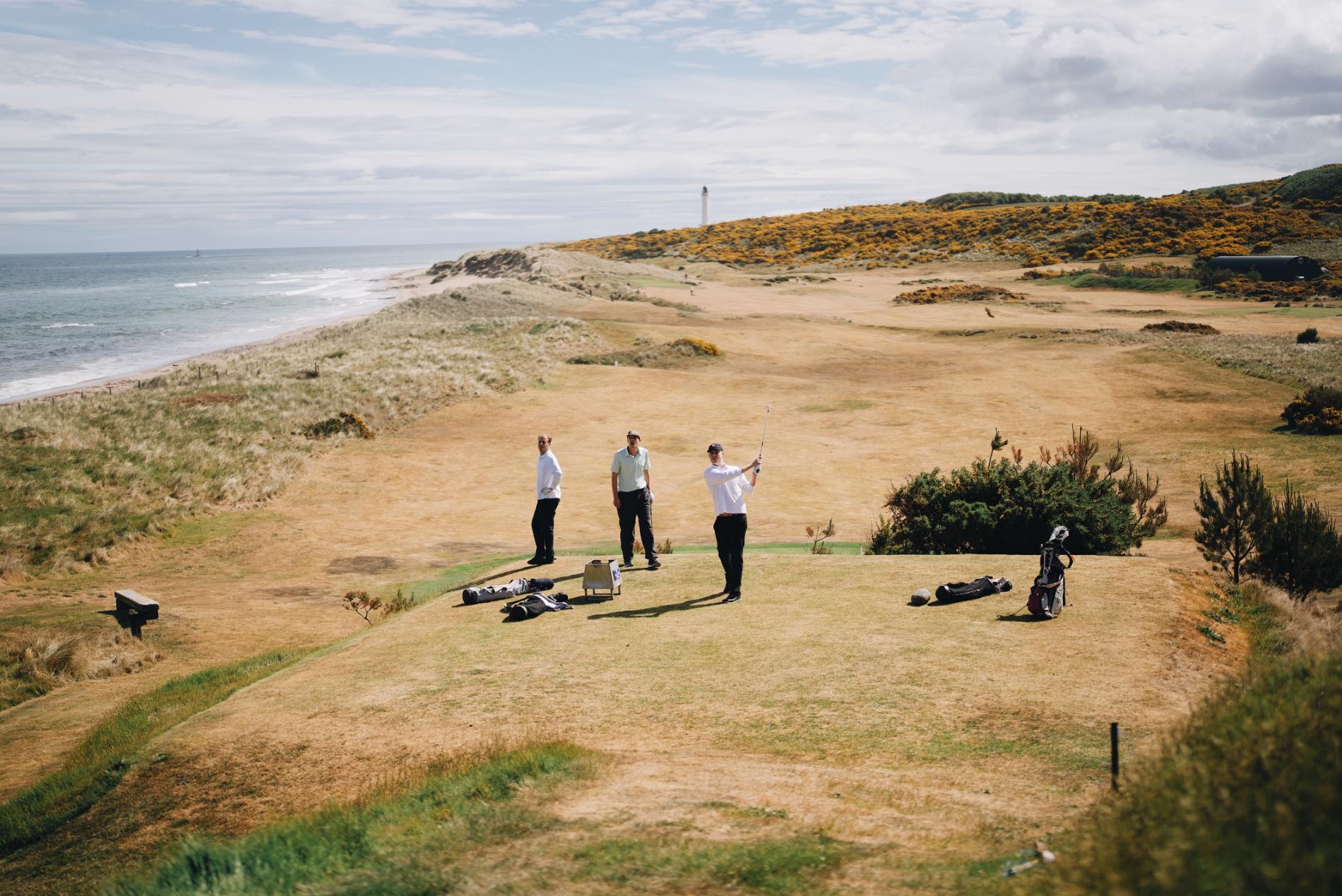
How has Scottish golf changed since you were growing up?
I think the same thing that’s happening with travel as a whole is also happening in golf: that people want to venture to lesser known places and experience something unique. I guess the more of the world we discover, the less of it carries that feeling of true adventure.
Askernish in the Outer Hebrides was the epitome of that for me, an arduous journey to a golf course once lost to nature. It had all the head spinning details of being totally off grid. Playing the golf course felt like being admitted into a secret club, except the only barrier to entry was some planning.
What do you think Scottish golf still does better than anywhere else in the world, beyond the famous courses?
Golf is a relatively expensive game to play, when you compare it to buying a football and kicking it around the park, for example. A lot of people in the UK have the perception that it’s an elite sport, and there are plenty examples of that. But there is nowhere in the world where golf is as democratised as it is in Scotland. I’ve played some of my favourite ever courses after slipping a £20 note into an honesty box and heading to the first tee.
When someone asks you for recommendations in Scotland, where do you usually send them?
I did a day breakdown of ‘the best golf trip in Scotland’ and whilst there are an endless amount of week long golf trips you could take in this country, I think this one had the best mix of on and off course beauty, as well as being the best bang for your buck. The trip in question took me, my dad and my brother along the north coast 500, playing every course along the way: Golspie, Helmsdale, Wick, Thurso, Reay, Durness, Ullapool, Gairloch. I think all of the green fees were under £50 when we visited in May 2024.
Are there Scottish courses that deserve more attention?
The ones I’ve listed above are some of the best I’ve played that rarely get mentioned. East of Inverness is another slightly more accessible area that has some ridiculously good golf courses at affordable prices: Cullen, Spey Bay, Covesea, Moray, Hopeman, Nairn Dunbar.
If you were putting together the perfect two or three-day golf trip in Scotland, what would it look like?
Blockbuster:
Aberdeenshire is pretty spectacular for top ranked courses: Cruden Bay, Royal Aberdeen, Trump International (politics aside), Murcar, Fraserburgh are all varying degrees of spectacular in a fairly small area.
Affordable:
The NC500 trip or the east of Inverness trip
Are there Scottish courses you still haven’t played but want to?
I’ve just flicked through the Top 50 of the Scotland rankings and the three I haven’t played are Boat of Garten, Loch Lomond and Skibo Castle. It’d be nice to tick those off the list!
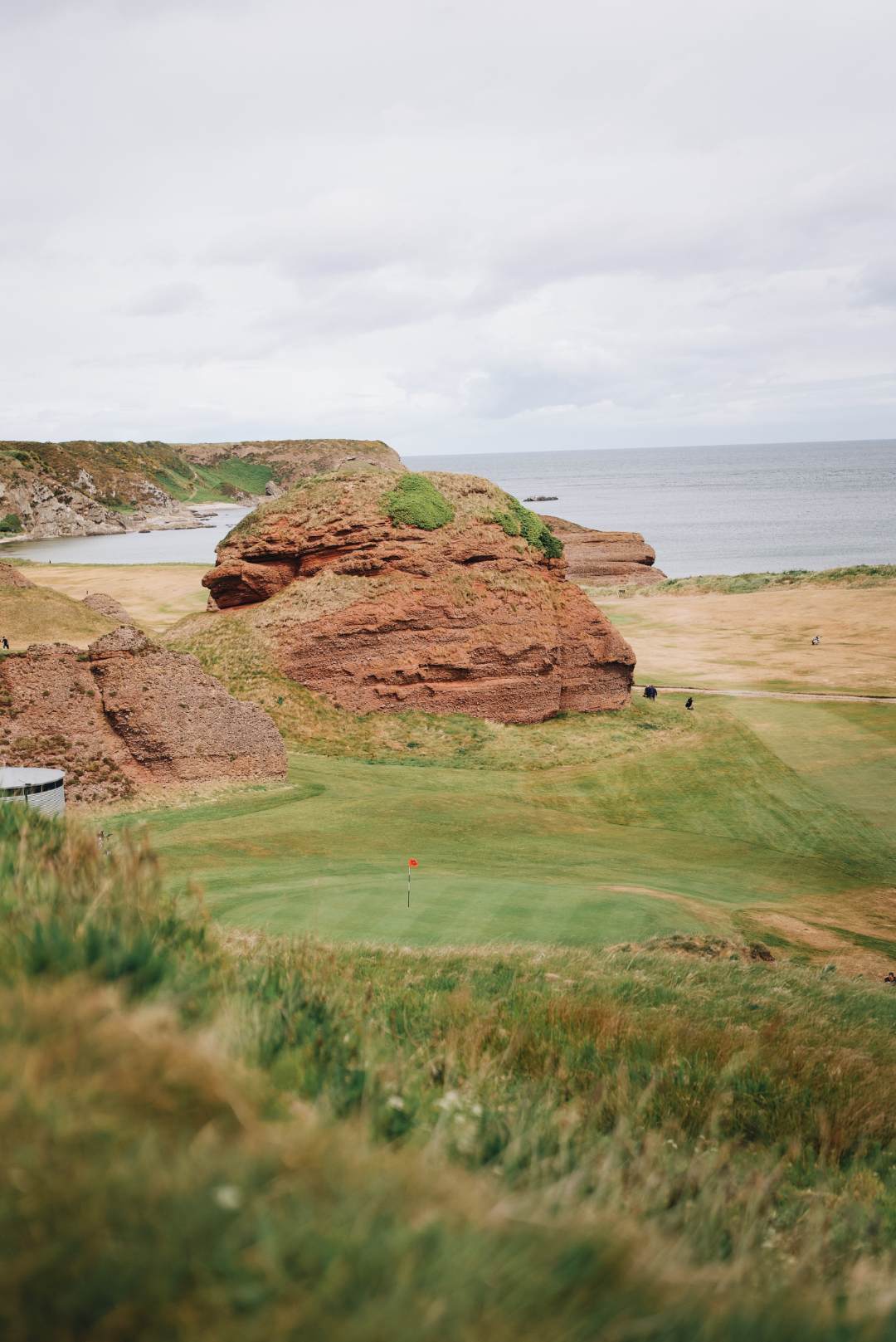
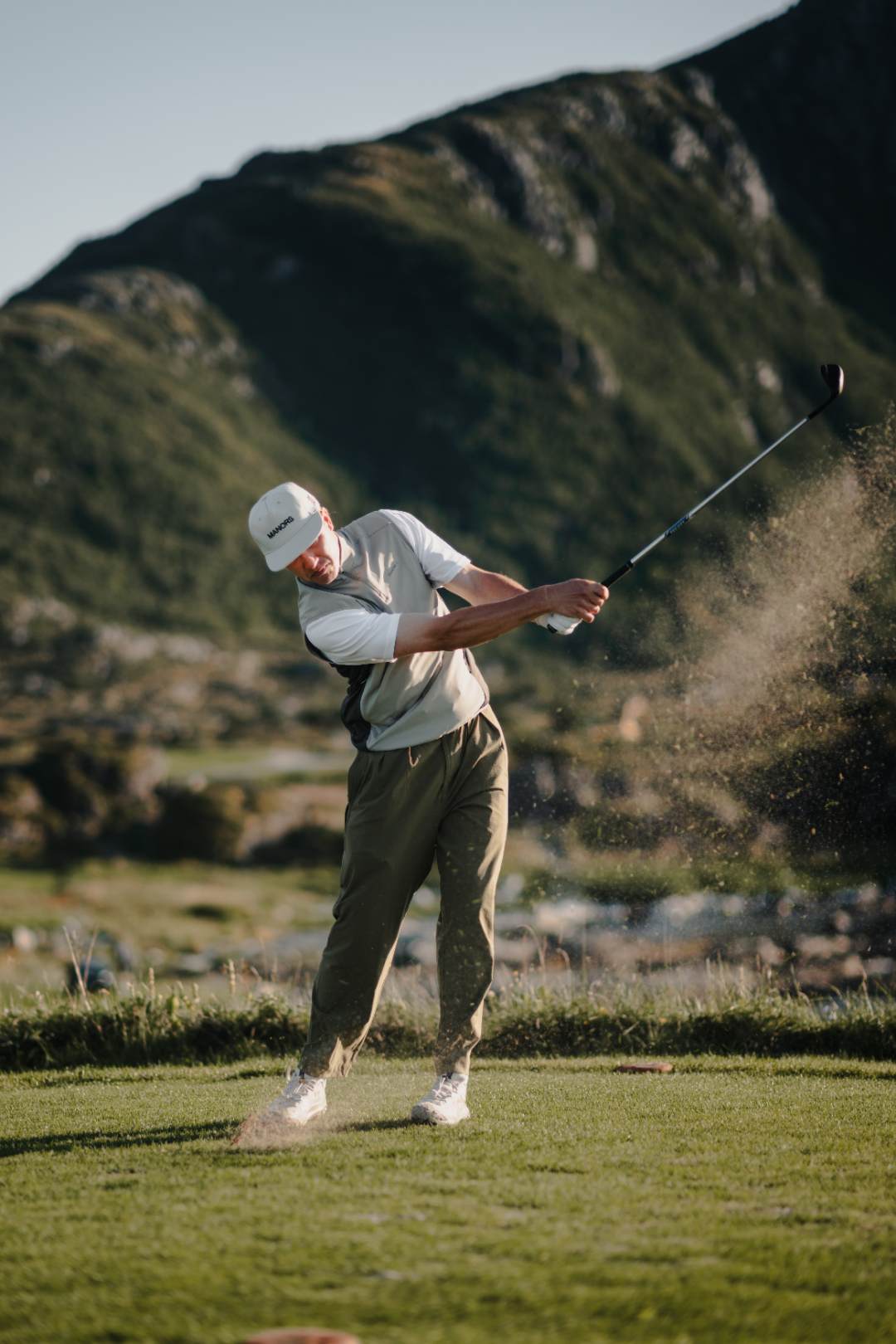
Quick-fire
One Scottish course you’d play tomorrow if you could? Askernish
Best post-round meal you’ve had in Scotland? There isn’t any clubhouse food that stands out for me, but I did go for dinner at Big Counter in Glasgow with my girlfriend after a round of golf last summer. Does that count?
Most underrated region in Scotland for golf? Inverness-shire
Favourite clubhouse atmosphere anywhere in the country? The benches at the front of Moray Golf Club at sunset
The most satisfying final hole you’ve played in Scotland? Moray could take the prize for that too, but without question it’s The Old Course, nothing beats it.
To find out more about James Wilson’s work, visit shortside.org or follow him on Instagram at @short.side, where he shares his latest projects and travels.
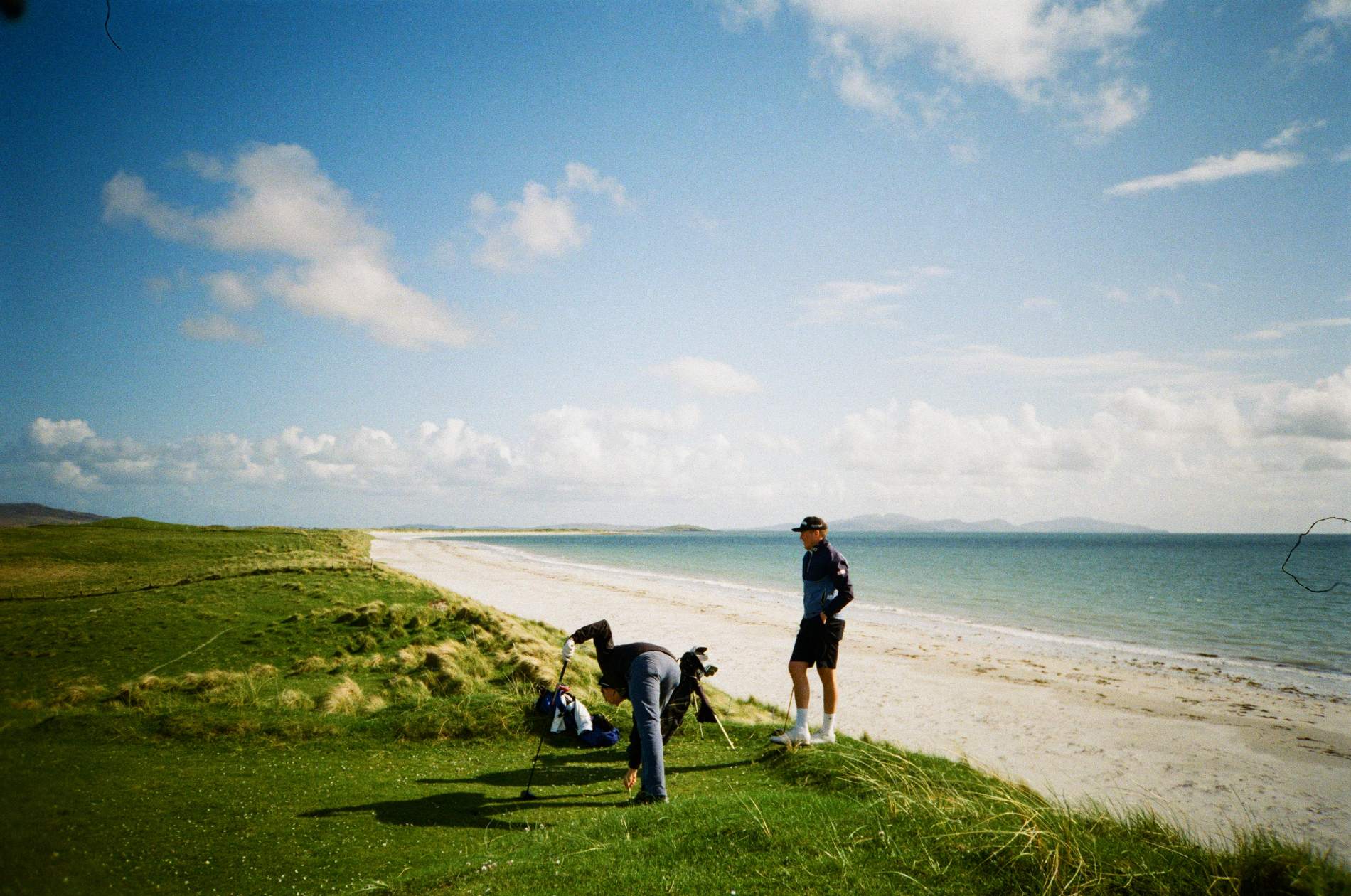
Askernish
Promoted Post
Issue 12 is now shipping worldwide from Scotland.
Issue 12 is now shipping worldwide from Scotland.






 Sign in with Google
 Sign in with Email