
From Scotland with Love
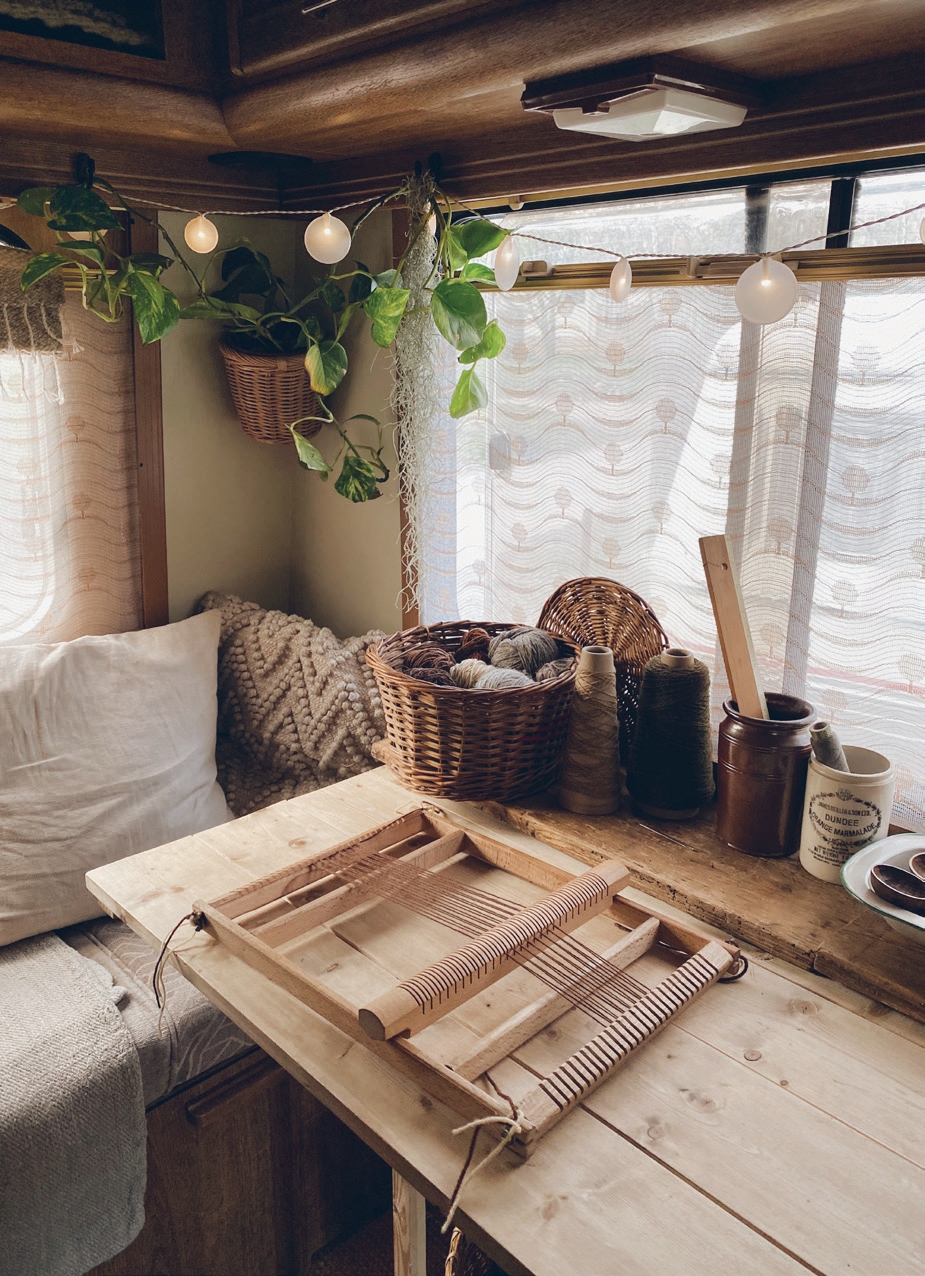
In a vintage camper van, nomadic crafts-couple This Cabin Van carve wood and weave yarn into beautiful pieces designed to be used, loved and kept for years. Their traditional methods are inspired by a simple lifestyle that they themselves seek in the slow.
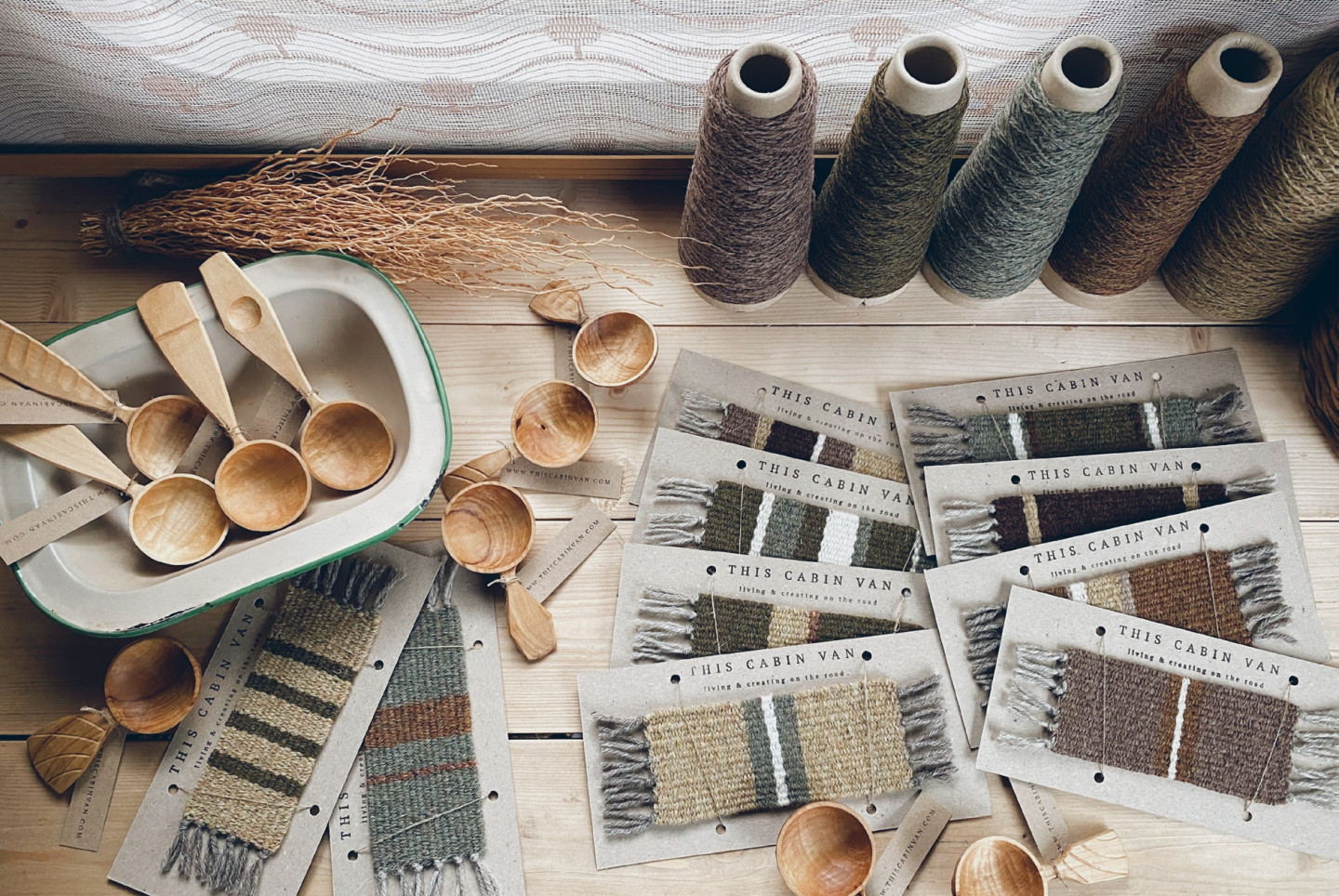
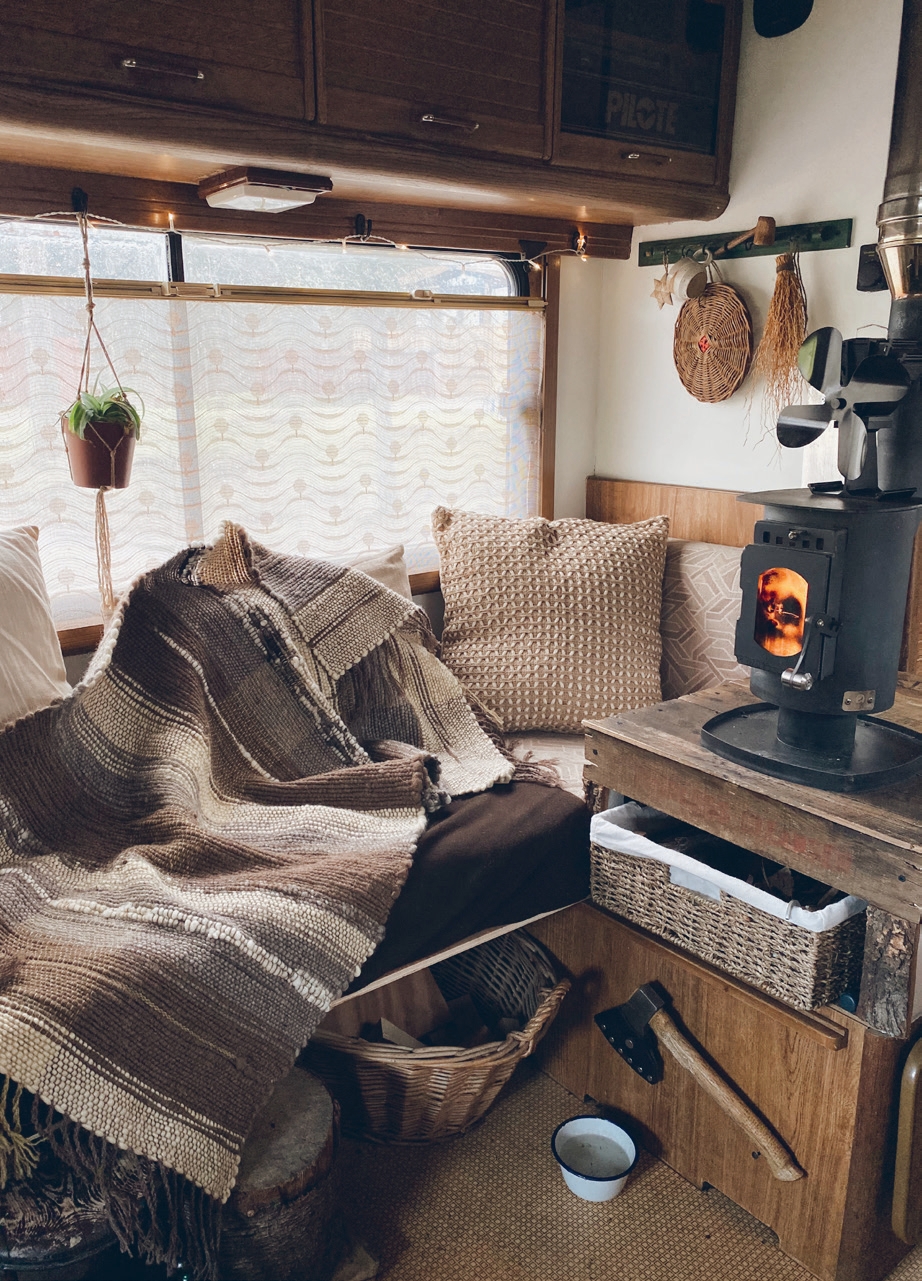
This particular setting is a Cairngorms wilderness with sweeping, snow-dusted mountains soaring skywards like the arching spines of ghostly dinosaurs. Creeping steadily through it - devil-may-care loud - rasping and rumbling as it struggles higher, is a vintage van, cream with russet and steel stripes: a 1989 Talbot Express, Pilote R470. Inside, rustic wood fittings splice white walls just so, and arranged around a woodburning stove is a neutral palette of textured linens, woven rugs, rattan baskets and galvanised pails that rattle as it travels. Neat shelves are stacked with clothes, books and firewood, not to mention the wood carving and yarn weaving tools that are where this story begins. The van is the peripatetic home and workspace of crafts-couple Steven Mackus and Amy Spires, aka This Cabin Van, who hand-produce covetable fabrics and wooden spoons from wherever they happen to be in Scotland.
They have been living and working on the road since soon after the pandemic hit. Before that, with Steven working as a postman and Amy running a speciality teashop in Newcastle Upon Tyne, they had been becoming increasingly miserable. “We both had creeping suspicions that our lifestyle was damaging our mental health… the jobs we were in, having no spare money after paying bills,” says Amy. “The pandemic made us realise that we weren’t invincible and that if we kept putting off making a change, it might never happen.”
Quickly, the fear of not doing it and regretting not doing it became bigger than the fear of doing it, and the young couple put their house on the market and started renovating their vintage camper van, bought on Facebook Marketplace. The original idea was to live in the van and tour around, getting campsite or coffee shop jobs, or simply “winging it” on the money-making front. The only requisite was that it had to be in Scotland – a country they had fallen in love with on holidays. “We absolutely love the way of living here,” says Amy. “We love exploring towns and villages in the Highlands and seeing the homes people live in and the work ethic of those who live in the hardier rural areas.”
Soon after setting out, for the first time in their adult lives they had more time on their hands. They started looking for a craft to “keep themselves entertained”. Having always been interested in interiors and more recently falling in love with the work of a weaver on Instagram who makes wall tapestries and rugs, Amy bought a little loom and started weaving small items like bookmarks. Steven’s moment of inspiration came when he saw a hand-carved spoon in a shop in Northumberland. He bought it and was mesmerised, and eventually decided to have a go at making one himself. “We watched a few YouTube videos, but it was mostly trial and error and just lots and lots of practice,” he says.
With the techniques honed, they started to sell their work in a little Etsy shop. Support came from family, friends and the camper van community, and it quickly took off. These days they have a shop on their website, and items sell almost as soon as they are uploaded. Their designs are exquisite, made for the conscious consumer; the kind of thing you can imagine in a modern take on the traditional croft. Amy’s weaves play out in Merino, Shetland, Corriedale and Wensleydale wools in a neutral palette of coffee, stone and cream that take their finishing soak in local rivers. Amy also spins her own yarn, spending a couple of days spinning up a big batch, and then another few weaving to make wall hangings, rugs, blanket wraps and shawls. She depicts them on Instagram layered over chunky knits for her evening walks – a rural Highlands chic reminiscent of Claire from cult television series Outlander. They are bought up by customers all over the world, where Amy hopes they will be loved and worn for years.
It takes Steven around 40 minutes to make a classic coffee scoop from a block of wood, using no power tools, only an axe and a knife, his hand expertly peeling out fine layer after fine layer of beech, oak or lime. It takes longer for a more intricate design – his sapele feather scoops, for example, which are his absolute favourite piece of work so far, or characterful ‘big mouth’ versions that depict a sort of yawning face.
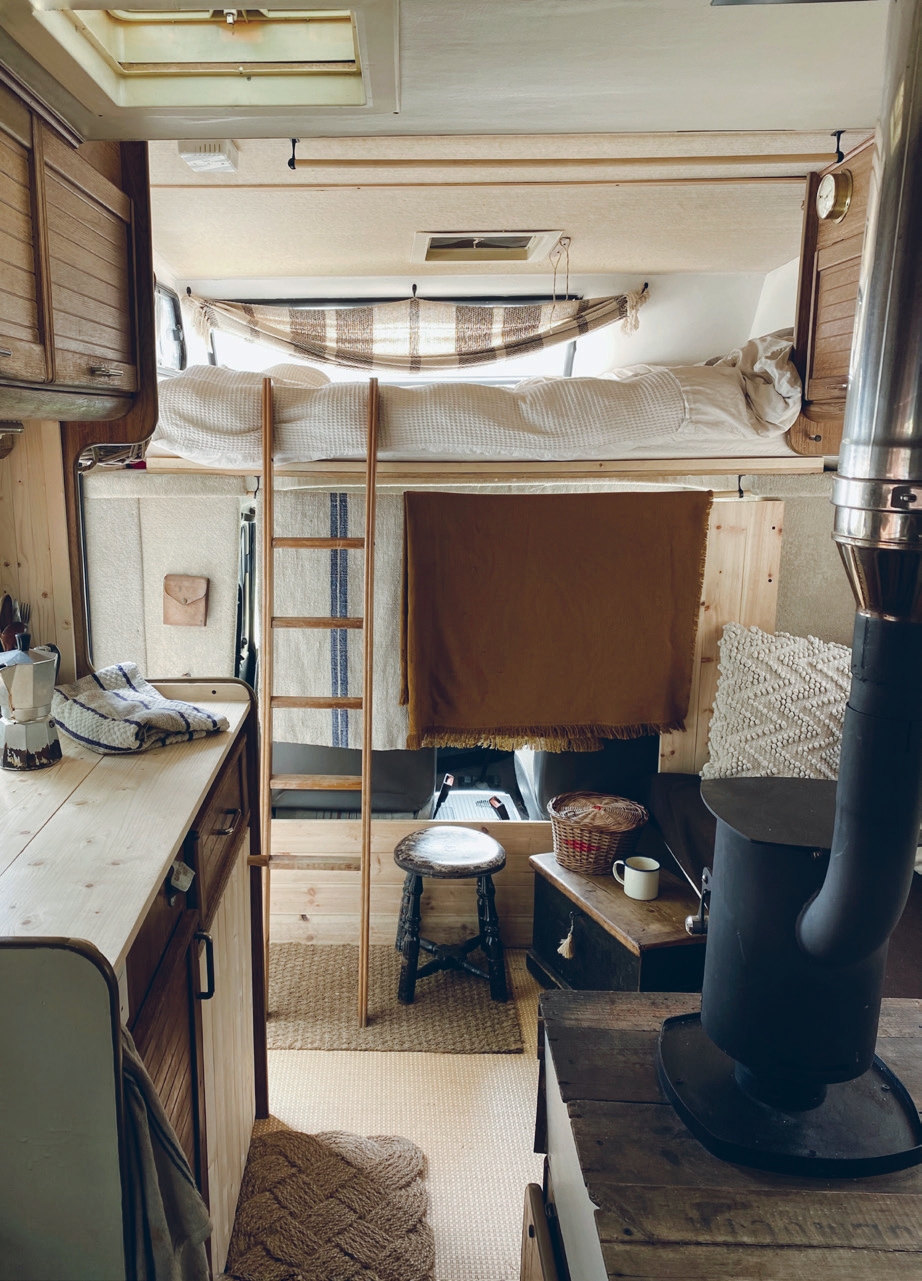
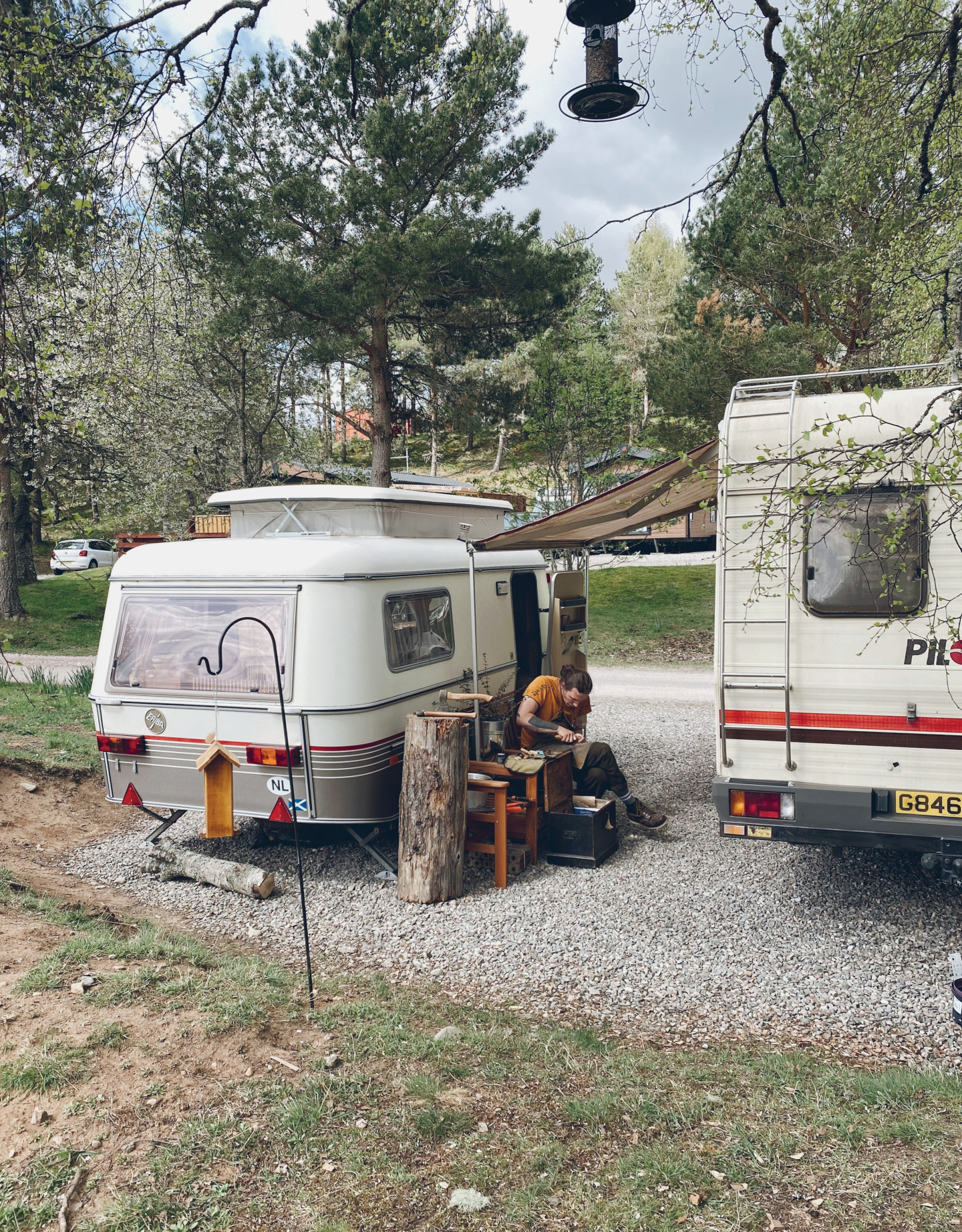
A typical day for the couple starts early, and always with a good coffee. They love coffee, and even have a section on their website where you can donate a coffee to support them on the road. Then there’s a quick walk, a post office trip and supply shopping, and maybe heading out to explore a nice village or to find a new forest or loch to wander. The rest of the day is spent working or doing any jobs on the van. “The layout of our van means that we both have our ‘separate’ spaces in work mode… Steven at the front carving and me at the back weaving,” says Amy. On the sofa you’ll usually find their lhasa apso Pim.
It’s quite remarkable to see how much they have fitted into the van. The trick is to just live in the space for a while, they say, “and then you’ll figure out what can live where and the best way to store things”. Lots of time outside helps as well. “It’s hard to feel cramped when you’ve got so much outside space to wander,” says the couple, who always finish a summer’s day with a long walk before bed. (“It’s the best time of day, when everything is quiet.”) In winter, they get in all their walks and jobs during daylight hours, then work through the dark evenings with fairy lights twinkling and the fire lit.
Living in tune with the seasons and taking life at a slower pace is just how they like it. A big part of life in the Talbot involves using lay bys and passing places. In their words, “it’s slow, it’s noisy, and it hates hills”. But they love it: they love its characterful design and its practical solutions for storing lots in little space. Steven and Amy tend to find an area they like and stay in it for weeks or even months, moving on frequently enough that they don’t become “part of the furniture”. Some of their favourite locations so far have been the Isle of Skye and the Rhins of Galloway, but most recently they’ve had a long-term pitch at a campsite in the northern Cairngorms. “We like to find the best little paths that locals have created to secret spots, to get to know the people in the local shops, and to know an area well enough that we can stop using the sat nav,” says Amy.
Recently, they expanded their set-up with the acquisition of a 30-year-old Eriba touring caravan – “practically brand new inside and so well designed”. With a retro sun awning strung between the two vehicles they can double their working space and create a small garden, which they decorate with hanging baskets and lanterns.
They’d never say never to a house – they’d love to spend years renovating a dilapidated rural cottage – but they both agree that never would they ever want to live in a built-up area again. They also think they’d struggle to work for anyone else in the future. “After owning your own time, it’d be very hard to go back to a regular job,” says Steven. Amy agrees: “This lifestyle has definitely shown us that big changes aren’t as scary as they seem, and that people can adapt to anything. We have never been happier. We live a slower, simpler life and spend our days creating, walking our dog and exploring new places.”
Promoted Post
Stormhouse
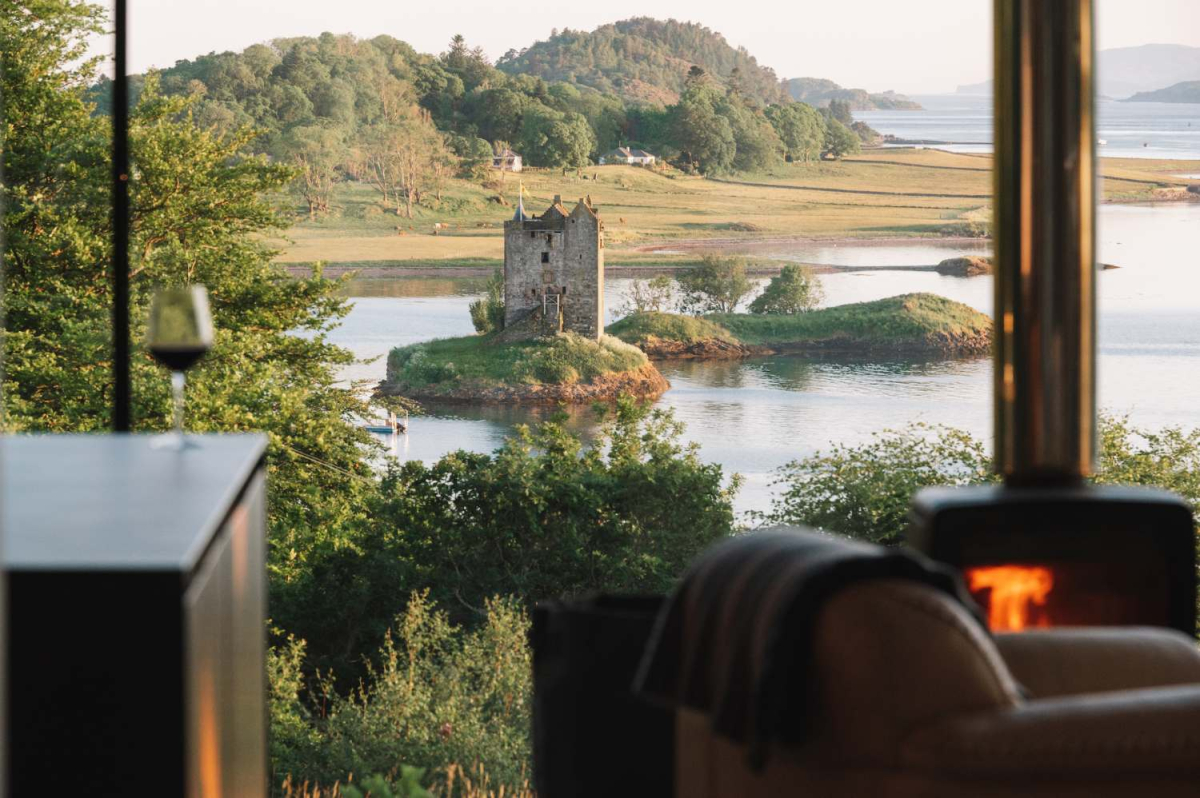
Escape to the wild, rugged landscape of Scotland’s west coast, perfectly located between mountain and sea






 Sign in with Google
 Sign in with Email