
From Issue Five of Hidden Scotland Magazine
Behind the Lens with Robert Andrew
Robert Andrew’s photographs of the people who build Scotland’s mountain paths.
Words by Robert Andrew

Printed in Issue Five of Hidden Scotland Magazine, Autumn and Winter 2022–23.
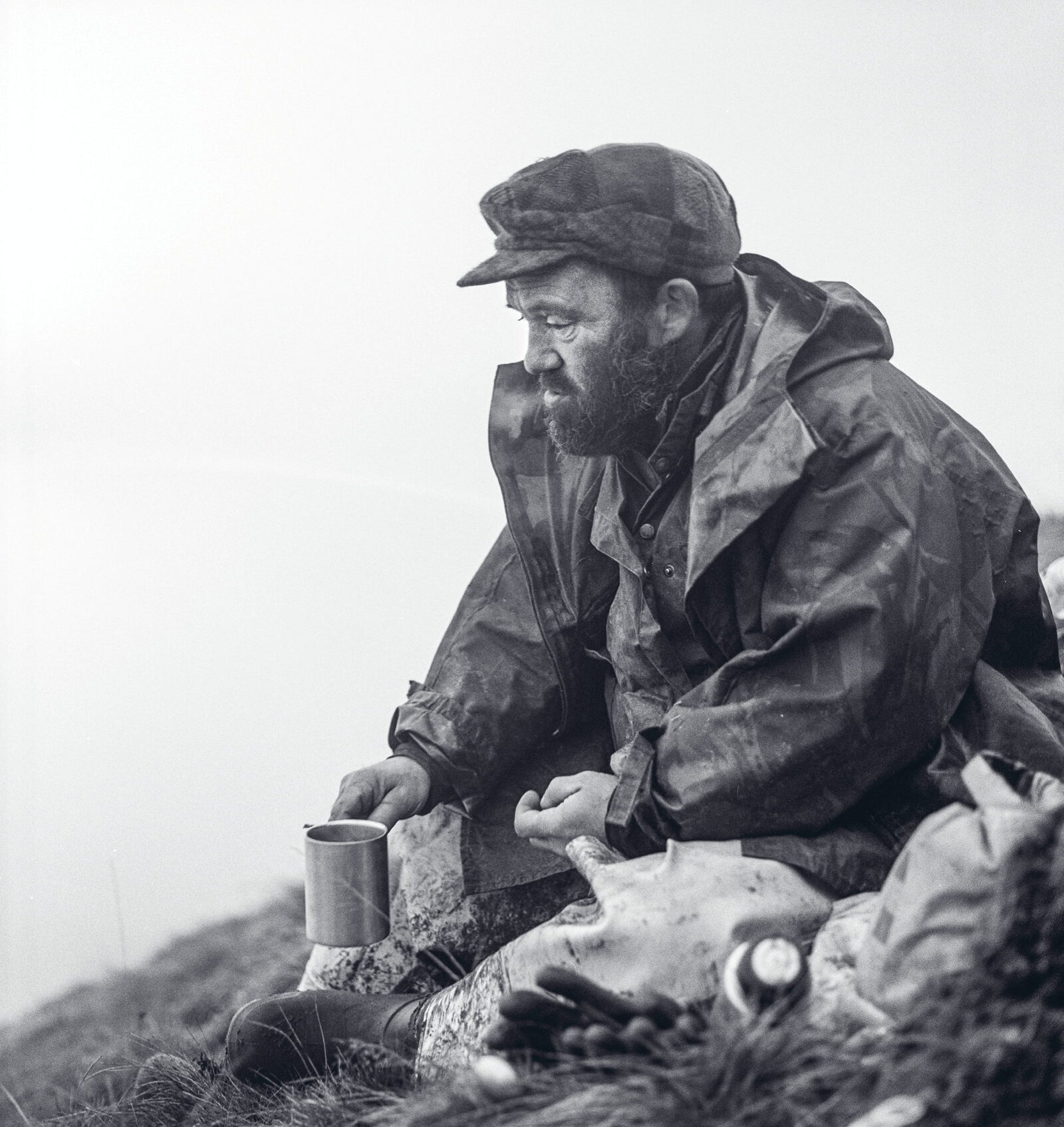
Photographer Robert Andrew has spent over a decade working in Scotland’s mountains, documenting the labour-intensive craft of upland path building. Armed with a manual Hasselblad and a deep respect for the terrain and the people who work it, his work captures a demanding, often overlooked world shaped by weather, effort, and endurance.
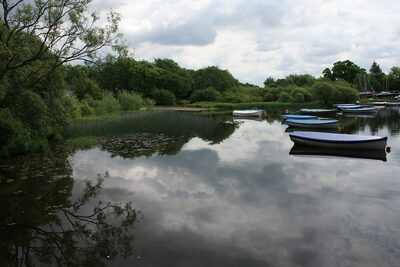
For just over ten years, I’ve lived and worked all over the Scottish mountains with a small close-knit team of men and women who toil their hearts out to construct, maintain, and improve a network of safe upland routes for all who enjoy the wilderness of the Scottish landscape. I’m a trained photographer, among other things. My first photograph of these characters was made shortly after being handed a pair of gloves on a cold morning in February 2012 on a snow-covered field in Balmaha, Stirlingshire, with the task of bagging 180 tonnes of quarried rock for the path rebuild on Conic Hill. In pursuit of these photographs, I stick to using an analogue 6 x 6cm Hasselblad camera – a system that has neither electronics nor batteries to succumb to the cold, wet, harsh environments of the mountain altitudes.
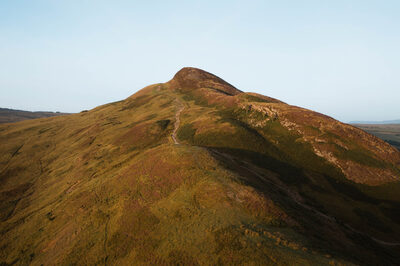
In many ways it has been a very rewarding experience. Learning the craft of upland path construction has afforded an excellent opportunity to build up an extensive archive of photographic material that, I hope, will offer viewers a unique insight into a little-known occupation, considered to be one of the most physically demanding out there. The photographs I’ve made are inseparably threefold in genre - landscape, portrait, and documentary. A 1st place award I received from the 2020 Scottish Portrait Awards may be some testament to the interesting portraiture aspect of these photographs.
For members
Keep reading with membership
The rest of Behind the Lens with Robert Andrew is for members. Printed in Issue 5, from page 120.
A year. Every issue and guidebook online, every article in full.
Join with DigitalA year. All of Digital, and two new issues posted to your door.
Join with PrintAlready a member? Sign in · Read the opening pages of Issue 5 free
 Recycled Decorations
 Design Disrupters: Timorous Beasties
 Documenting the Small Isles