
From Issue Eight of Hidden Scotland Magazine
Gardens
Words by Ben Lerwill
Printed in Issue Eight of Hidden Scotland Magazine, Spring and Summer 2024.
The Scottish outdoors kindles the senses. The chill of a Highland wind, the earthy scent of heather, the rustle of underfoot leaves. To appease the eyes, meanwhile, Auld Mother Nature has moulded the contours of the countryside to dramatic effect: ridges here, lochans there, mountains ranging off into the distance. The wilds, however, are just one part of the picture. Our focus over the following pages is on those places where the shapers and sculptors of the land have been human; places that have been groomed purely for our own pleasure.
Scotland has hundreds of parks and gardens, found everywhere from salty-aired Hebridean islands to busy inner-cities. Sometimes expansive, sometimes compact, they showcase something special, blending native plants and trees with more exotic flowers and foliage, providing somewhere to stop, stare and slow down. Scents billow from the herb beds, colours spill from the borders, birdsong echoes through the canopy.
It can be easy to take gardens like this for granted – most have been with us well beyond living memory – so it can be humbling to pause and think of the decades’ worth of cultivation and labour that have gone into creating them. In the chaos of today’s world, what price a beautiful park or garden in which to lose yourself? Here are ten of our favourites around the country.
01
Royal Botanic Garden Edinburgh
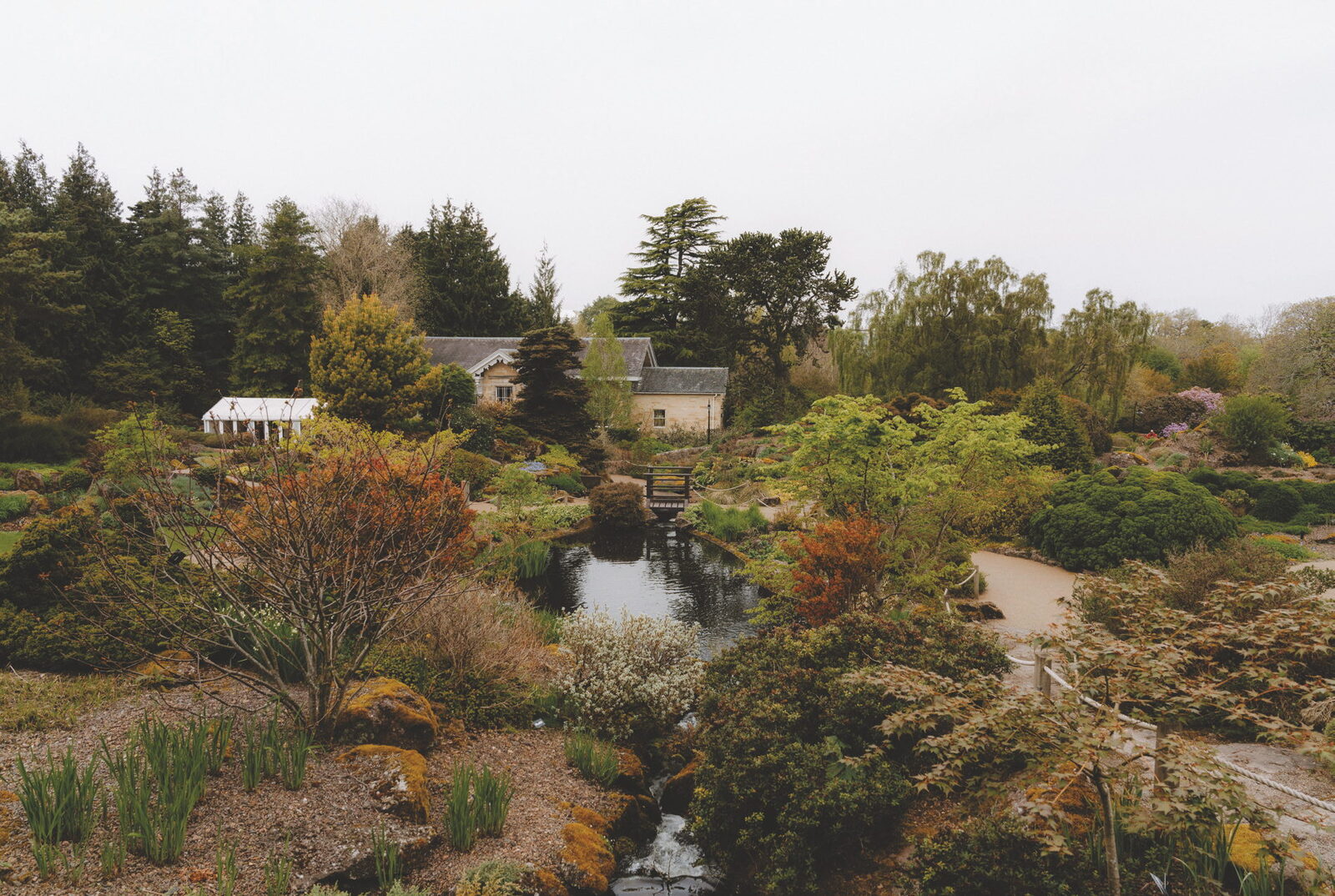
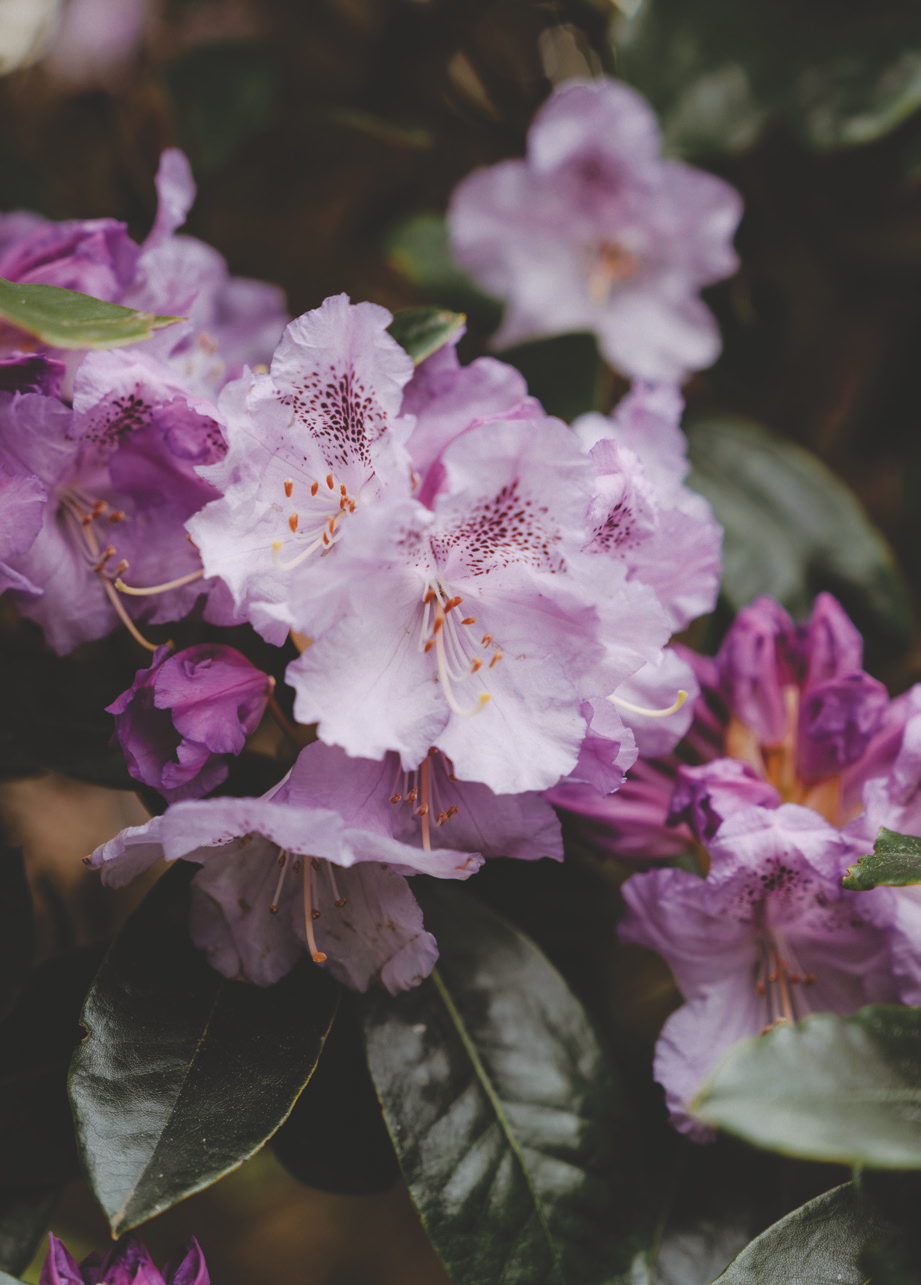
GARDEN Edinburgh It was 1670 when Andrew Balfour and Robert Sibbald planted a physic garden near Holyrood Palace in Edinburgh. Their ambition stretched not far beyond growing medicinal herbs, so we can only speculate how wide-eyed they would be at the garden’s modern incarnation. More than 350 years later, it occupies 72 acres of land – having moved to its current Inverleith site in the 1820s – and boasts, in its own words, “one of the largest and richest plant collections on Earth”.
-full-1749383090.jpg)
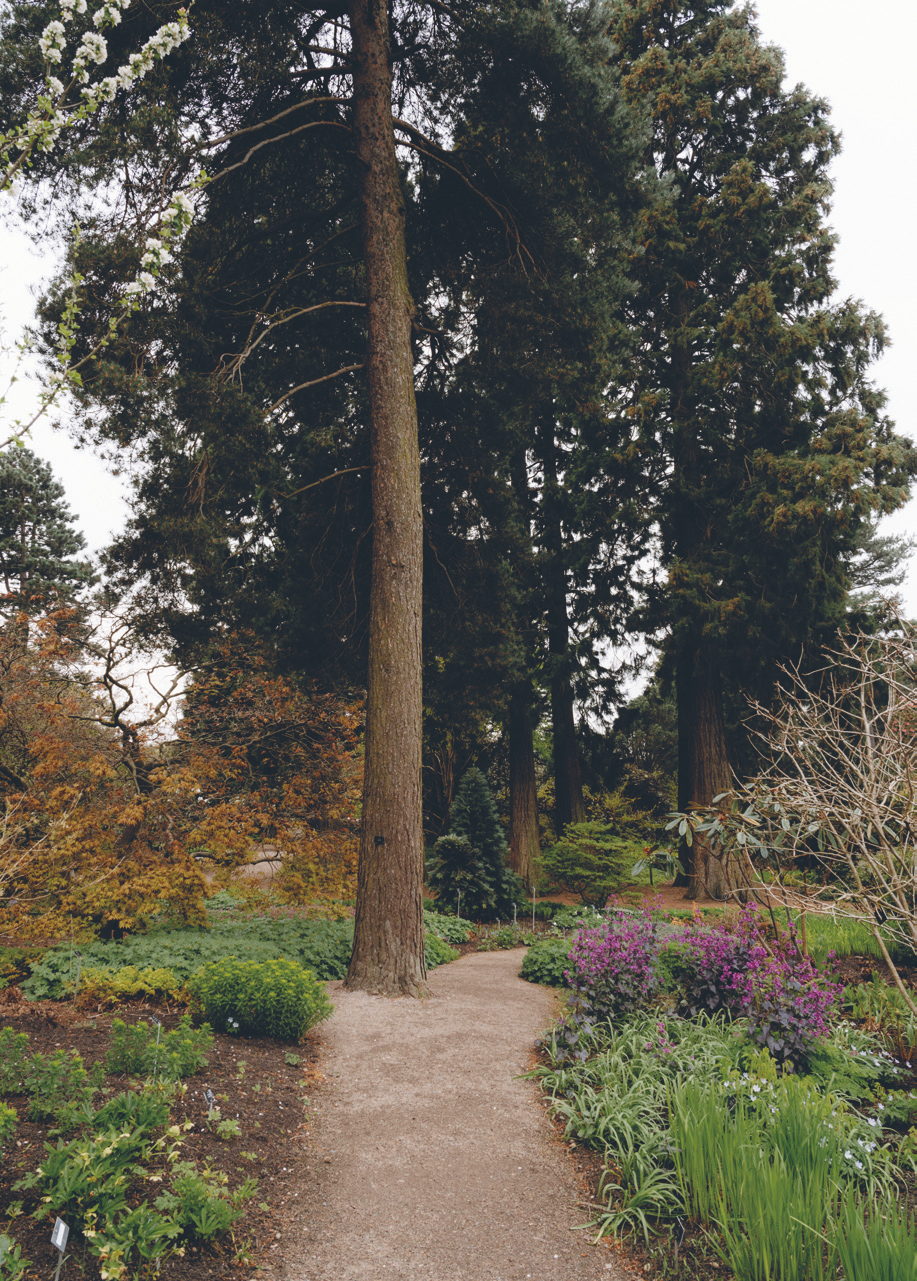
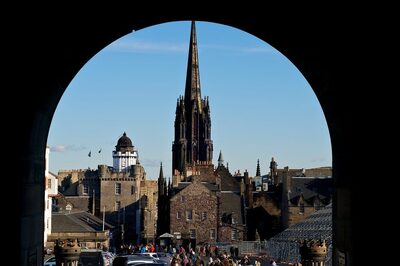
Known locally as “The Botanics”, it stands today as one of the capital’s most immersive visitor attractions. Here, barely a mile from the gift-shop throng of the Royal Mile, mature trees hang over manicured lawns, thrushes flit over handsome flowerbeds and grey squirrels scamper between oak trunks.
Among all this are some extraordinary set-piece features: the delicate, rhododendron-dotted Chinese Hillside; the alpine plants and snowdrops of the Rock Garden; the towering giant redwoods of the Woodland Area.
Also on site are the Tropical and Temperate Palm Houses, large-scale marvels of Victorian architecture finished in 1834 and 1858 respectively. Both are currently undergoing restoration, with a view to recapturing their original dazzling magnificence, but their presence alone still brings a sense of weight and history to the setting.
Elsewhere, among countless other points of interest is the Queen Mother’s Memorial Garden, an intricate labyrinth of native myrtle that prompted Queen Elizabeth II herself to pay a visit here in 2010. Given that the Botanics were good enough for Her Majesty, you might expect to be paying a hefty ticket fee – conversely, entrance to the gardens is not only year-round, but free.
And here’s a final fact to get your head around. Across the Edinburgh site and its three smaller regional gardens, there are some 273,000 plants being looked after. That’s a lot of greenery.
Stay near Royal Botanic Garden Edinburgh
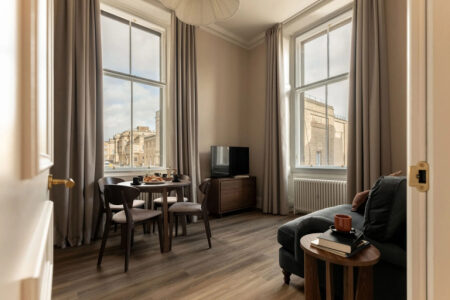
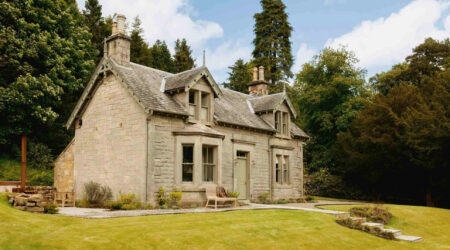
Our places to stay, nearest first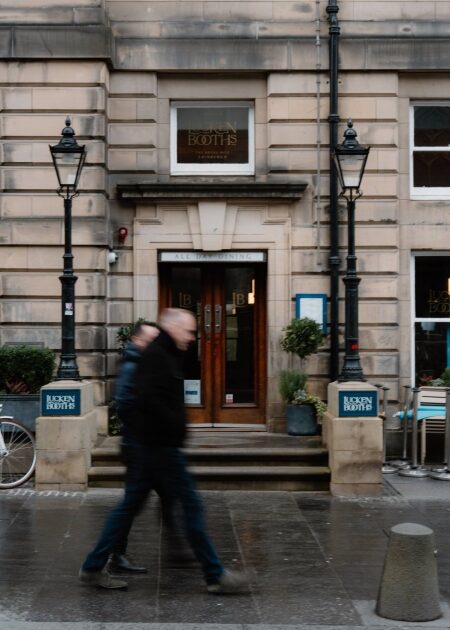

(1)-listable-card-1778448486.jpg)
02
Harmony Garden
GARDEN Scottish Borders Never was a garden more fittingly named. Providing a pocket of leisurely calm in the Borders town of Melrose – a charming historical destination which isn’t exactly breakneck itself – the high-walled Harmony Garden has been drawing admirers for over two centuries. Set virtually in the heart of the town, it covers just 3.5 acres but still feels like a world apart, with lush lawns and copious fruit and veg being grown.
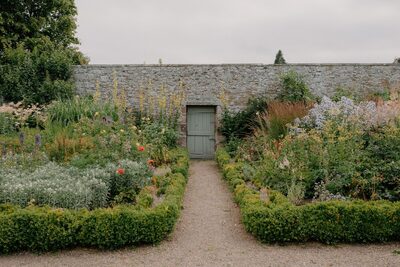
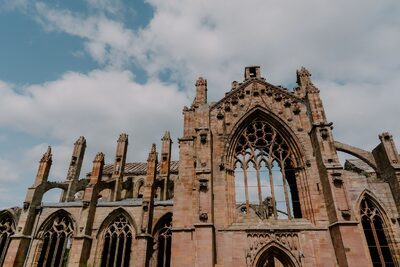
It barely needs saying that it bursts to life over spring, when a profusion of bulbs come into bloom across the beds, although the fact that the garden only shuts for three months a year (between January and March) tells you plenty about its wider appeal. On a summer afternoon, with bees drowsing over the flowers and views opening out to Melrose Abbey and the Eildon Hills, it’s a memorable place to be. enclosed beer garden.
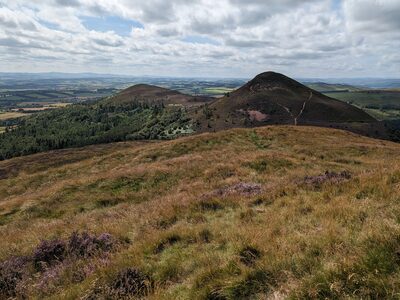
If you’re here in mid-June, meanwhile, the garden spends four days hosting the annual Borders Book Festival, regularly drawing some of the brightest names in literature, with comedy and live music thrown into the mix too. It brings a different flavour to somewhere more commonly known for its tranquillity – but what use is a garden if it can’t throw a party every now and then?
It bears pointing out that both the garden and the Georgian manor house that overlooks it were founded on the ill-gotten gains of slave owner Robert Melrose, back in 1807. Almost 220 years later, the garden’s current guardians are the National Trust for Scotland and the manor house is now rented out as holiday accommodation, with eight bedrooms over three floors.
03
Culzean Castle
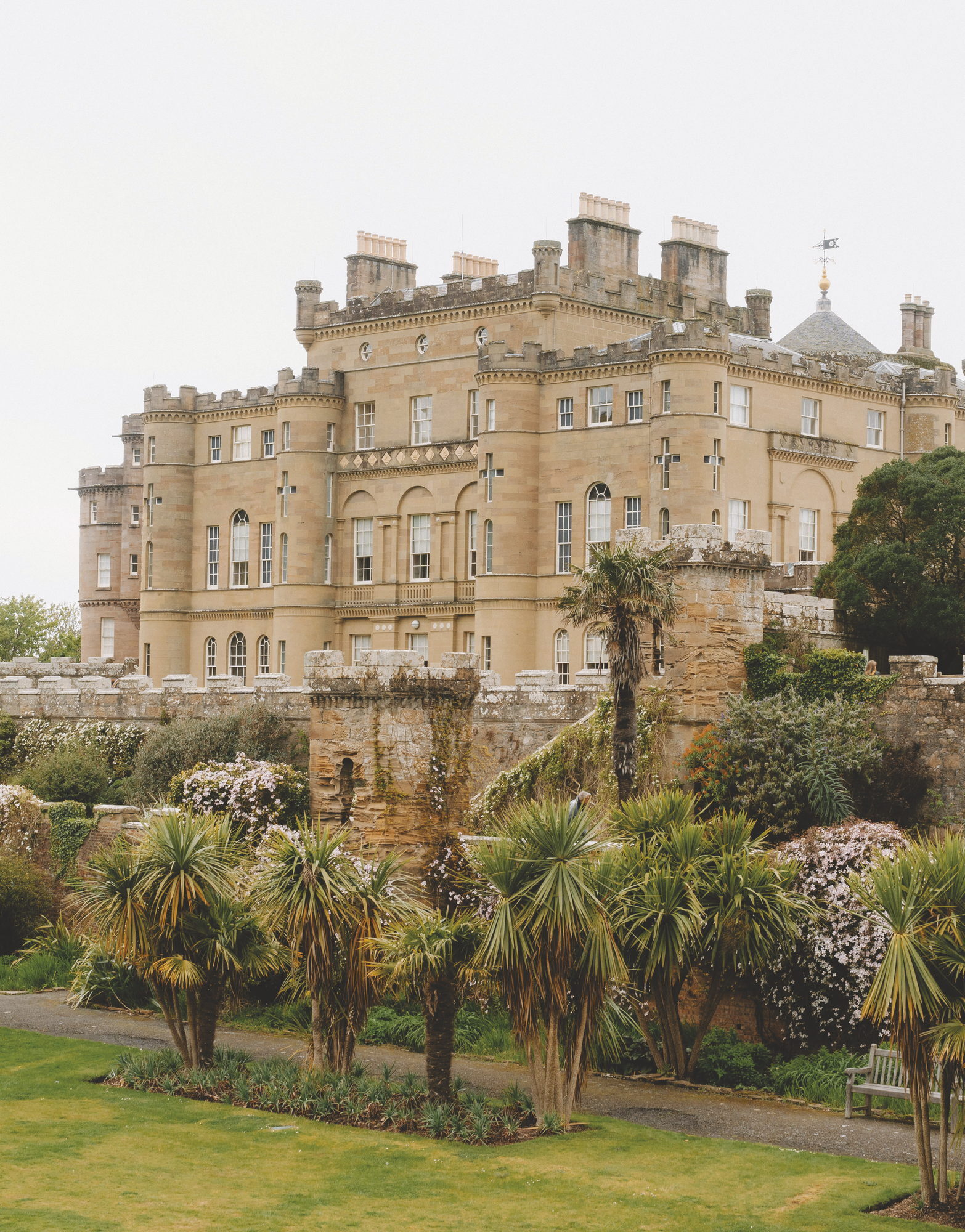
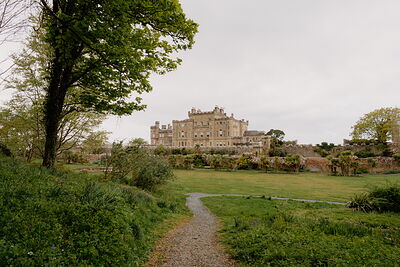
CASTLE Ayrshire Now here’s a storybook setting. Culzean Castle sits on the craggy clifftops of the Ayrshire coastline, gazing out across the Firth of Clyde. The fortress itself is a vision of turrets and crenelations, a stronghold still stuffed with treasures and stories. When the makers of cult 1970s film The Wicker Man were looking for somewhere grand and brooding to serve as the castle of Lord Summerisle, Christopher Lee’s character, this is where they chose. You can understand why.
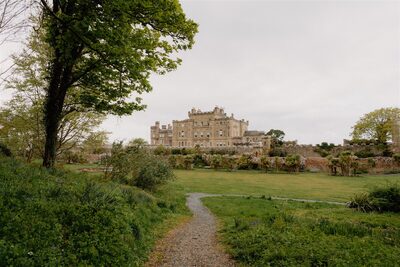
-full-1750069216.jpg)
In many ways, however, it’s pipped as a spectacle by the 260-hectare estate that surrounds it. Thick belts of mixed woodland stretch across the grounds, with conifers and beech trees both dominant, providing the perfect habitat for everything from red deer and tawny owls to hares and woodpeckers. Down on the seafront, meanwhile, the cliffs plunge down to a coastline pocked with natural caves.
It’s a wonderful estate to walk around, not only for its wooded areas but for the more manicured elements. These include a swan pond, an 18th-century pagoda, glasshouses and a large walled garden, where willow sculptures share the space with fruit trees and beds of fresh produce. There’s even an ersatz ruined arch, meant to represent the fact that the family who first commissioned the castle, the Kennedys, have a long lineage.
There are, in total, some 40 buildings and follies scattered around the park – adding to the sense of it being part forest, part working estate and part pleasure palace – with particular mention going to the area known as Home Farm, where the cow byres and piggeries of yesteryear have been converted into a modern gift shop and café.

04
Brodick Castle
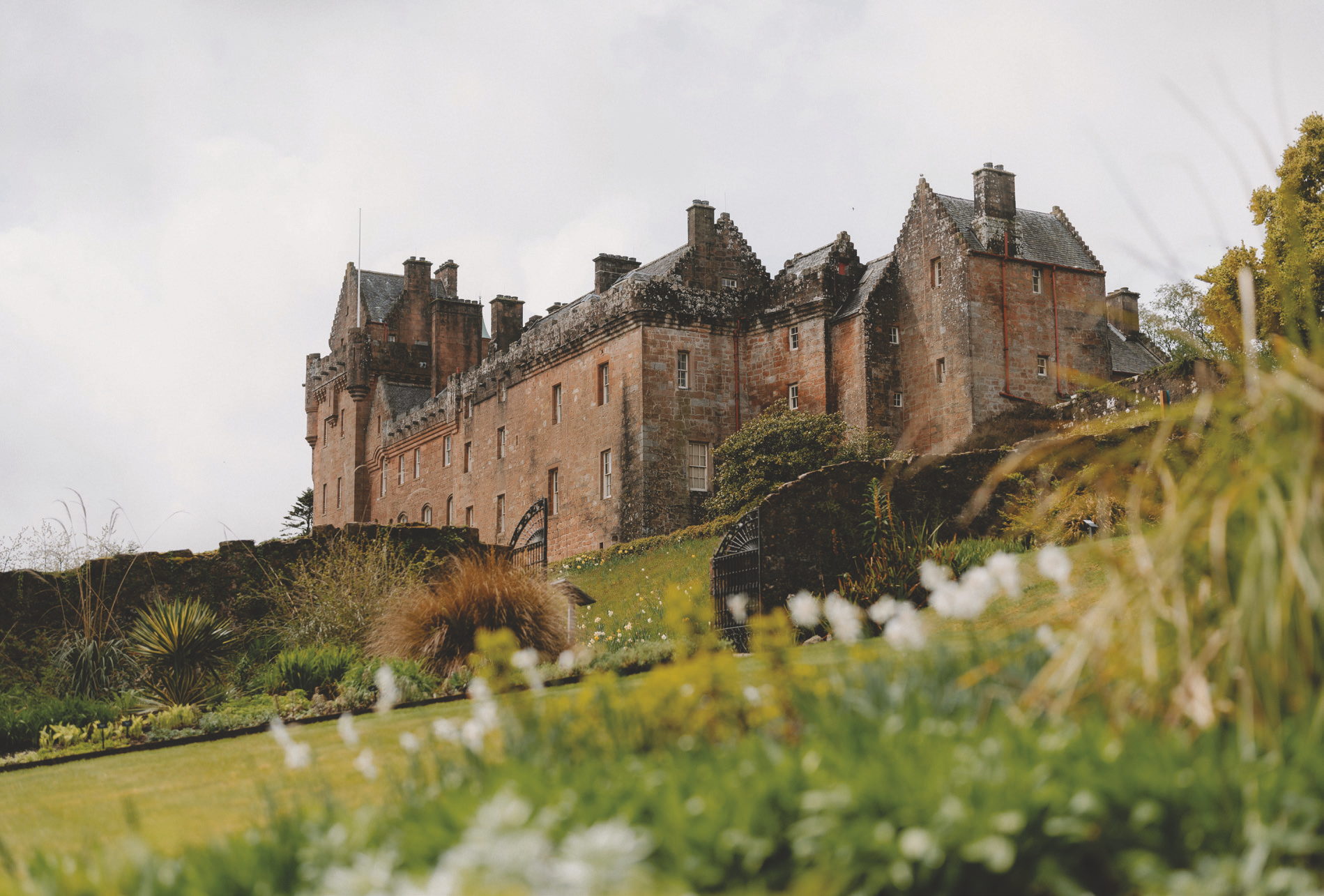
CASTLE Isle of Arran On the east coast of the Isle of Arran is the mighty Brodick Castle, built some 500 years ago but occupying a site which has been prized since at least the 5th century. And while the castle itself has countless tales to tell – many of them violent – the surrounding grounds serve up drama of their own.
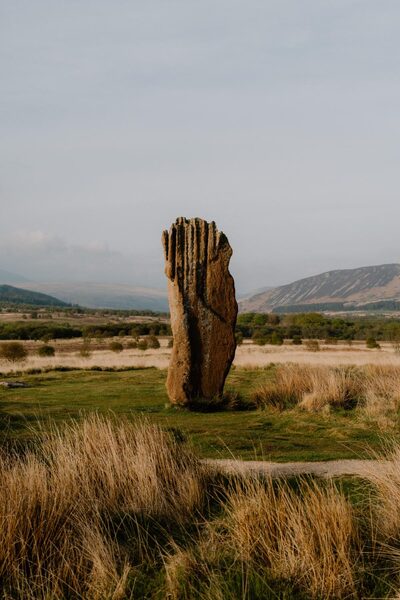
Brodick Castle Country Park is a rambling, rolling realm of winding paths and clustered woodland. Azalea and rhododendrons are both prolific in season, but you’ll also find bridges, waterfalls, formal gardens and no less than ten miles of waymarked trails. Factor in the local red squirrels and the reasons to come calling are manifold.
The location alone is spectacular enough, with the muscular peak of Goatfell to the west and the Firth of Clyde to the east, but the real charm is in the close-at-hand details: the leafy hush of the woods, the secretive splash of an otter, the buttery shine of a springtime wildflower. This is
The attraction has been owned since 1958 by the National Trust for Scotland and, in more modern times, has received a Green Tourism award. This is thanks in part to its remarkable gardens, which feature a Fairies & Legends trail for kids, a Plant Hunters’ Walk for budding botanists, a sculpture-studded Silver Garden Trail, and a walled garden full of delicate, exotic flora.
Explore further and you’ll discover a Bavarian summerhouse dating back to 1845, overlooking the landscape and built as a wedding present for Princess Marie of Baden. As marriage gifts go, it beats a dinnerware set hands-down.
05
Dunrobin Castle
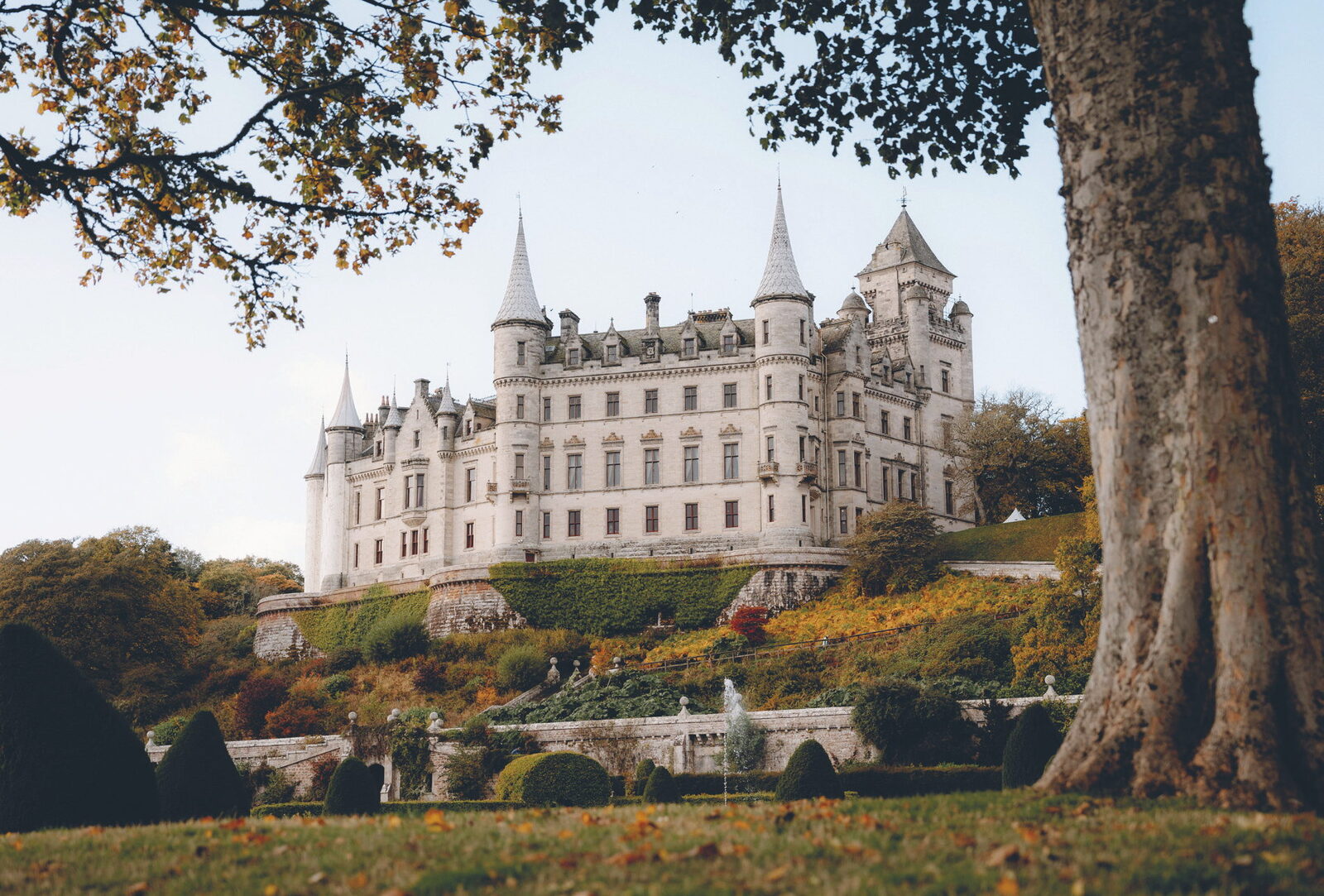
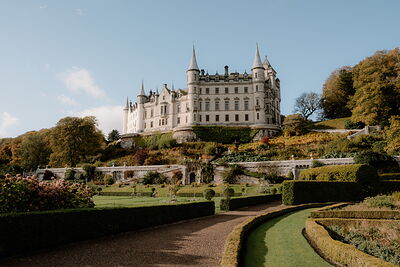
& GARDENS Sutherland The Palace of Versailles lies some 900 miles away from the rumpled folds of the Northern Highlands, but you feel its presence here nonetheless. When Dunrobin Castle’s stunning grounds were laid out in 1850 by architect Sir Charles Barry – whose CV also includes the rebuilding of the Houses of Parliament – Versailles’ luxuriant grounds served as inspiration.
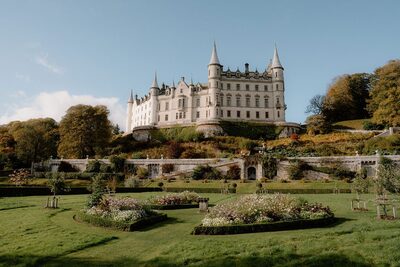
Despite the gardens’ location above the wet and wild Moray Firth, they were designed to be sheltered, resulting in an astonishing array of plants both native and introduced, among them scarlet hawthorns, topiarised whitebeams and a South American rhubarb specimen with eight foot leaves.
But what’s growing here is just half the story. With a layout that incorporates fountains, parterres and even a croquet lawn, the Versailles influence is thick – something helped, of course, by the presence of a whopping great Disney castle overlooking the whole thing. Louis XIV, eat your heart out.
Depending on when you time your visit, you might encounter displays of tulips, dahlia, Californian lilies or even Mexican orange blossom. Just off the main parterre, meanwhile, is an area dedicated to falconry displays, with peregrines and Harris hawks swooping within feet of the garden’s quince and lime trees.
Sir Charles’ original vision is largely intact, almost 175 years after it was first conceived, although the castle’s current gardeners have introduced some impressive innovations of their own, including eye-catching pyramidal plant supports and an avenue of Tuscan laurels.
The whole place was actually requisitioned as a naval hospital in World War One and later spent seven years as a boys’ boarding school. Happily, it’s now very much open to the public.
06
Glasgow Botanic Gardens
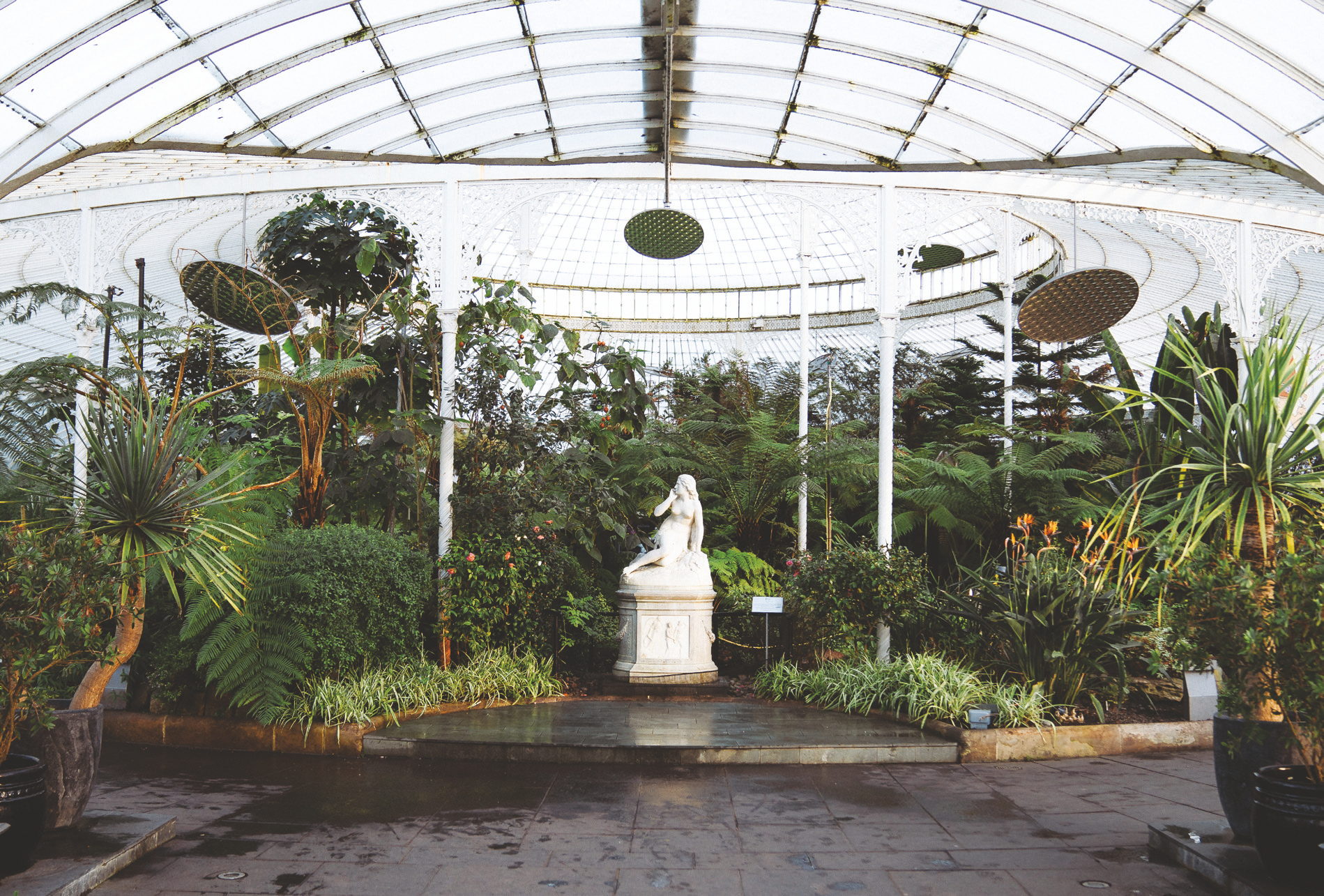
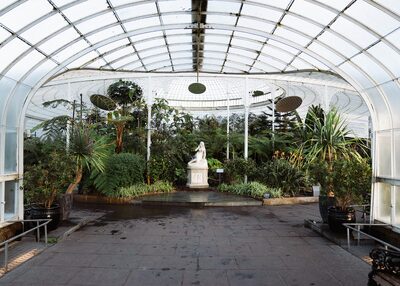
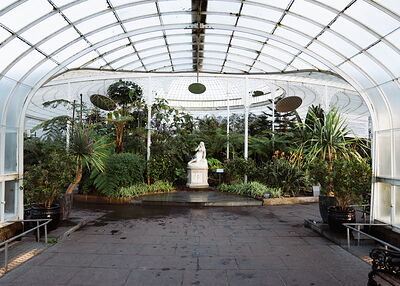
GARDENS Glasgow The Kibble Palace is a spectacle. A soaring, constructed in 1873 and topped by a vast glass dome, it covers more than 2,000 square metres. It was used initially as a concert and event space, hosting high-profile political speakers such as William Ewart Gladstone and Benjamin Disraeli. Today, however, it’s home to a veritable jungle of ferns, orchids and carnivorous plants, many of which hail from the furthest-flung corners of the world and have been growing here for well over a century.
This dazzling piece of Victorian mega-architecture – dotted with sculptures from the same period – forms a centrepiece of the Glasgow Botanic Gardens, which began its life back in 1817 on an eight-acre site at the end of Sauchiehall Street. An initial 3,000 plants formed the core of the collection; this had quadrupled by 1825, and after further growth the gardens moved to their present site in 1842. whisky, cocktails and more.
Now long ensconced on the banks of the River Kelvin in the city’s West End, the gardens are open from 7am until dusk year-round, with free entrance as standard. As well as the Kibble Palace, they also hold a palm glasshouse, numerous other plant collections, riverside walks, wooded copses, an arboretum and open lawns, making it a popular hang-out on a sunny day.
The whole site covers well over 20 acres, with guided tours at certain times of year. For independent exploration, a dedicated tree walk leads you past Chinese mahoganies, Corsican pines, ginkgoes and more, while if you’ve got kids in tow, they can get stuck into the Minibeasts, Birds & Trees of the Botanics trail. There’s also a children’s play area to enjoy.
Stay near Glasgow Botanic Gardens
Our places to stay, nearest first
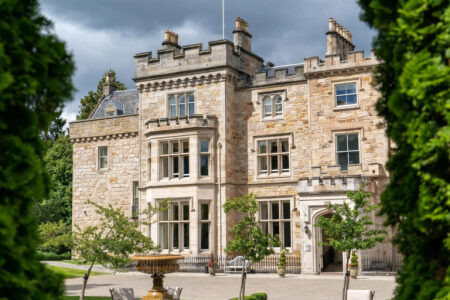
07
Cluny House Gardens
GARDENS Perthshire Sitting pretty on the slopes of the sweeping Strathtay Valley, the Cluny House Gardens were started in the 1950s by Bobby and Betty Masterson, a far-sighted couple with a special interest in Himalayan flora. They set about planting primulas, lilies, trilliums and meconopsis, as well as various shrubs and specimen trees. Decades later, when the Mastersons passed away, their daughter and her husband took up the running of the gardens, continuing to nurture and cultivate the site with the same care and attention.
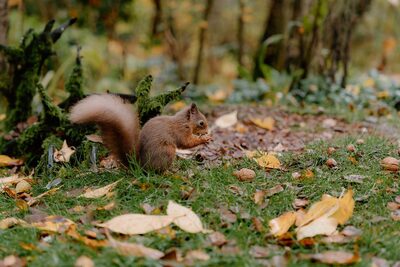
That’s the history. The result of their collective toil is a gem of a garden – a peaceful, secluded woodland hideaway set across six scenic acres, with a stone farmhouse at its heart and red squirrels in its branches. Stoats and pine martens dwell in the undergrowth, and birds as varied as nuthatches, sparrowhawks and coal tits can be spotted too.
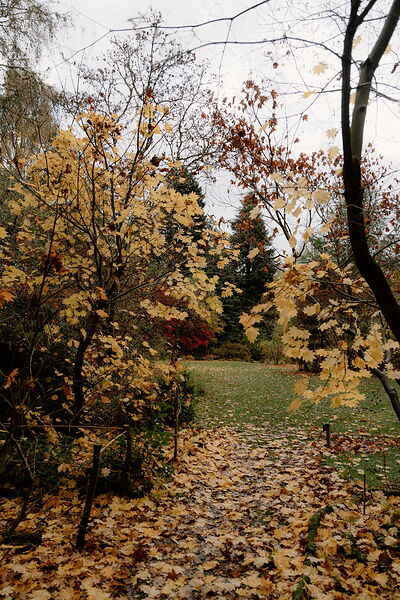
On a larger scale, two huge sequoias stand tallest among the garden’s many conifers, while large Tibetan cherry trees bring a splash of seasonal colour. Some of its Himalayan lilies, meanwhile, tower to a height of over four metres. Together with the myriad other plants on site, they provide year-round interest, from snowdrops pushing through the soil over winter to spindle tree berries and Chinese honeysuckle in late autumn.
The garden is small compared to some but has a hefty reputation, something which saw it awarded the Queen Mother Memorial Medal from the Royal Caledonian Horticultural Society, in recognition of outstanding service to Scottish horticulture. Adding further to its appeal is the fact the whole garden is planted and sustained on organic principles – proof, were it needed, that chemicals don’t need to play a part in creating somewhere truly special. Note that there’s a cash-only £5 entrance fee.
Stay near Cluny House Gardens
Our places to stay, nearest first
The House at Dun Aluinn
Aberfeldy
Little Pheasant
Pheasant Cottage
Kincraigie
Charlottefield
Tulliemet
Milton of Kincraigie
Blair Atholl
Juniper
Dunkeld-listable-card-1774895978.jpg)
Garden Cottage
West Tempar Bothy
08
Kailzie Gardens
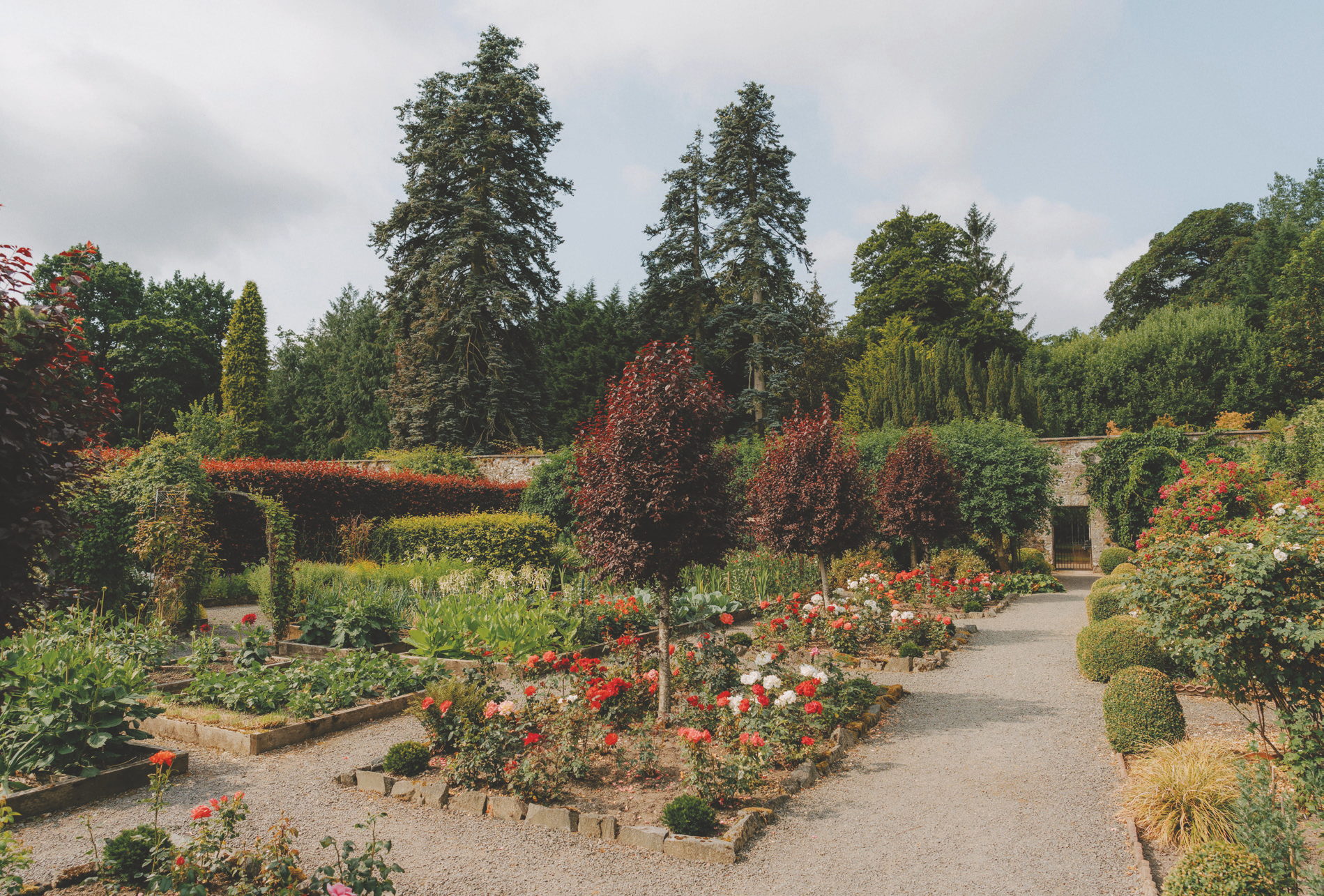
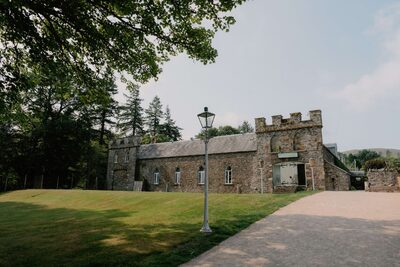
GARDENS Scottish Borders For more than 200 years, there’s been a little slice of paradise ensconced near the banks of the River Tweed. Kailzie Gardens sit a mile east of the town of Peebles, deep in the Scottish Borders. The site itself is a pleasing size, serving up some 20 acres of carefully managed gardens and woodlands, all of which have been pruned, coaxed and nurtured by two centuries’ worth of patient gardeners.
-full-1750072241.jpg)
Their collective work has left a magnificent legacy. It was 1812 when Kailzie’s walled garden was first laid out – then as now, providing a focal point at the heart of the estate – and its 5.5-metre-high walls still hold a cornucopia of botanical treasures. Among them are a formal rose garden, copper beech hedging, some venerable old apple trees and a much-photographed laburnum arch, the latter offering a rich froth of yellow flowers when in bloom.
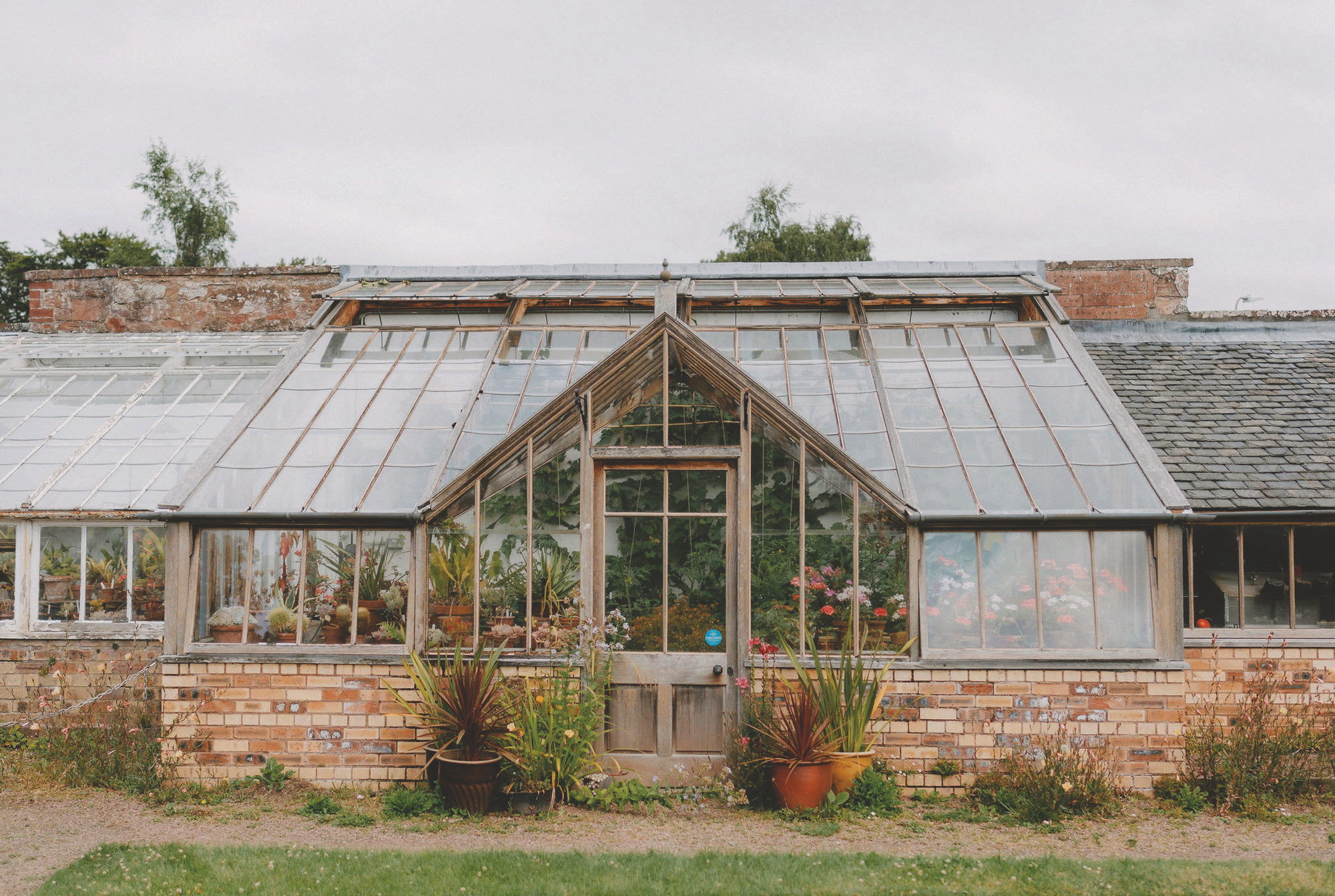
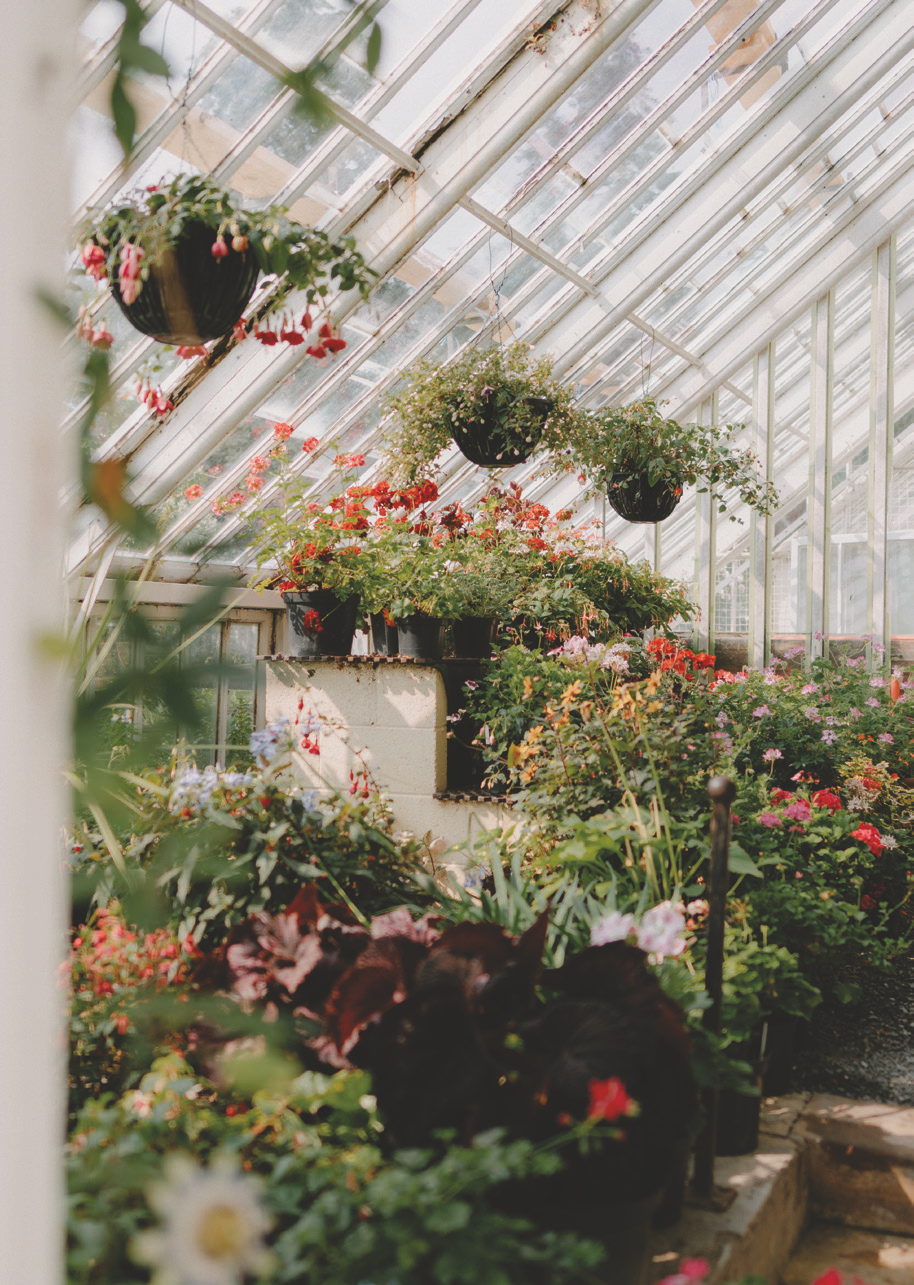
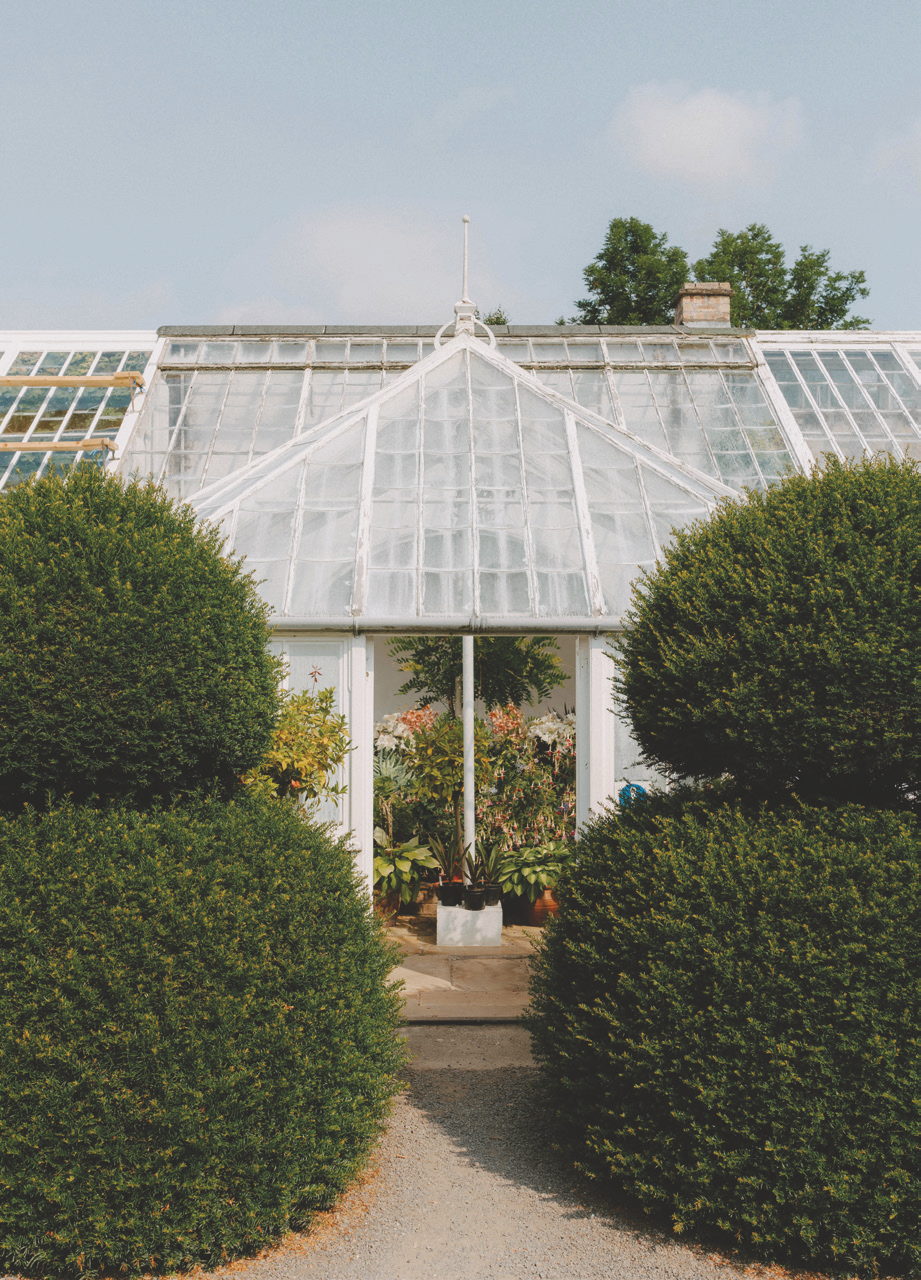
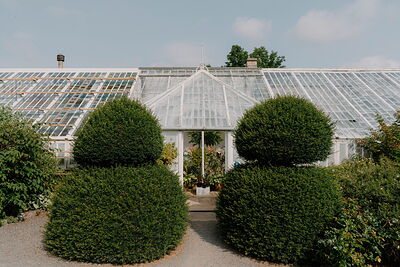
As if to further underline the garden’s age, it also plays home to one of the earliest ever glasshouses to be constructed by the celebrated Edinburgh firm Mackenzie & Moncur. Venture here in summer and you’ll find its balmy interior filled with geraniums, fuchsias and other exotics.
Beyond the walls, meanwhile, there are further riches to uncover. The surrounding various champion trees, not least Scotland’s oldest larch, as well as areas that have been deliberately given over to displays of seasonal wildflowers. Among its tall trunks and wildlife-rich undergrowth, trails and burnside walks have been laid out for visitors – they’re to be relished at any time of year, but not least when Kailzie’s famous snowdrops carpet the ground in the latter stages of winter.
09
Broughton House
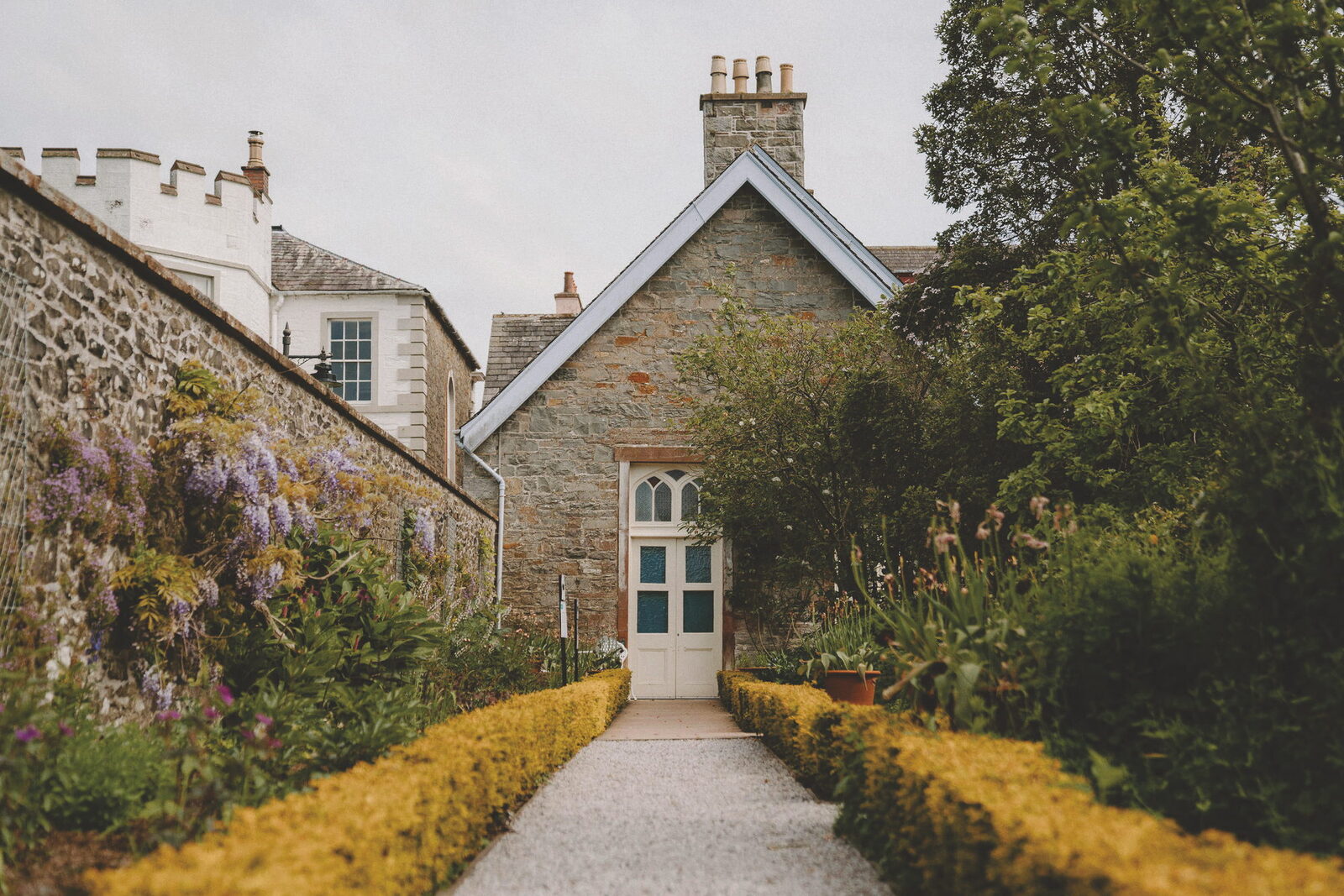
& GARDEN Dumfries & Galloway Edward Atkinson Hornel knew all about aesthetics. The Australia-born landscape painter – who moved to Scotland as a toddler and went on to become part of the influential 19th-century art circle known as the Glasgow Boys – was renowned for his sensuous, flower-heavy artworks. But it wasn’t just on canvas that he had an eye for beauty.
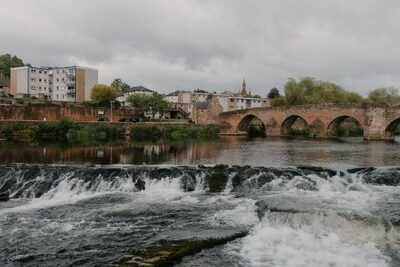
When he spent 18 months in Japan as part of a sponsored trip, it had a profound impact on both his tastes and his work. Back at his home in Kirkcudbright on the Galloway Coast, he and his sister set about designing a splendid garden, borrowing from Japanese traditions but combining them with Edwardian horticultural know-how. The end product – a spectacle both inside and out – is Broughton House & Garden, which during Hornel’s life served as his studio, showroom and al fresco retreat, but which is now open for public enjoyment.
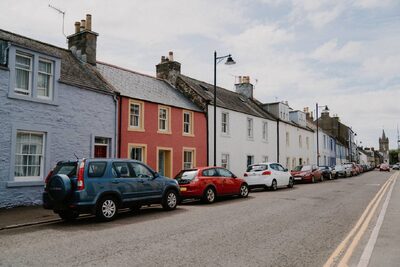
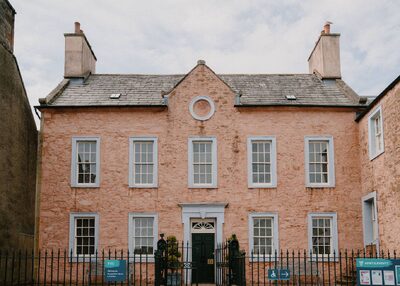
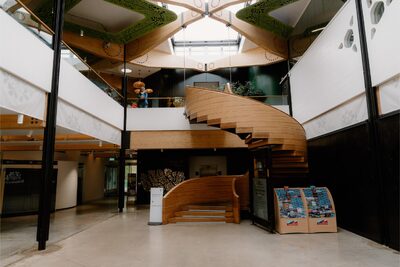
It’s some gift. The house is special enough – playing home to the artist’s own paintings and his extensive personal collection of works by Robert Burns – but the now-mature garden is every bit as impressive. With views across the River Dee and Kirkcudbright Harbour, it packs in over 1,000 different plants and trees, from climbing hydrangea and drooping wisteria to Japanese snowbells and full moon maples, as well as beds of peonies, lilies and camellia.
Winding paths and stepping stones add to the sense of having landed in some strange Scottish version of Japan. Later in his life, in the summer of 1927, Hornel was elected a Fellow of the Botanical Society of Edinburgh at the Royal Botanic Garden Edinburgh – proof, were it needed, that he knew his stuff where gardens were concerned.
10
Armadale Castle Gardens
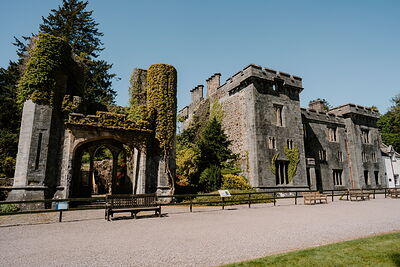
& GARDENS Isle of Skye The ancient coastal home of the Clan Donald, at virtually the southern tip of the Isle of Skye, provides the unforgettable setting for this 40-acre spread of castle ruins, handsome gardens and roaming woodland. Benefitting from a sheltered, flora-friendly microclimate – not to mention wide views across the waves of the Sound of Sleat – the grounds were first laid out in the 1790s and remain in fine fettle over 230 years later.
-full-1750069865.jpg)
It’s telling, in fact, that while the castle itself is now reduced to photogenic ruins – despite being constructed only in 1815, complete with a great marble staircase – the gardens themselves have stood the test of time. Bluebells, rhododendrons and orchids are here in abundance over spring and summer, while the Victorian arboretum flames with colour over autumn.
No less impressively, the gardening team here have also embarked on a Trees for the Future programme, protecting some of the planet’s most
Adding to the overall spectacle, various specially commissioned sculptures are dotted around the grounds, with young visitors routinely making a beeline for The Homecoming, a bronze statue depicting a pair of perky-eared, shaggy-coated Skye Terriers on their namesake isle.
The history of the estate, of course, is very much a pull in its own right. Clan Donald chiefs settled here in a much older house back in 1650, and the mansion that still abuts the castle ruins was built in 1790, at the time the gardens were laid out. Over the centuries, various pivotal figures from Scottish history have made their way here, not least Flora MacDonald – helper of Bonnie Prince Charlie – who married here.
Stay near Armadale Castle Gardens
Our places to stay, nearest first

 Issue Eight
Read it as it was printed
Laid out as the magazine ran it, with the photographs at full size. Members read every page of every issue since 2020 on any screen. The printed one is £15, posted anywhere.
Already a member? Sign in and the pages open here.
The Daily
Arrives at 5am every day.
A free morning email to see what’s on this week, catch up on what’s happening in Scotland and find somewhere new to go.
 Fishing Towns and Villages
 The Last Stop Before Nowhere
 A Weekend Exploring the Isle of Mull