
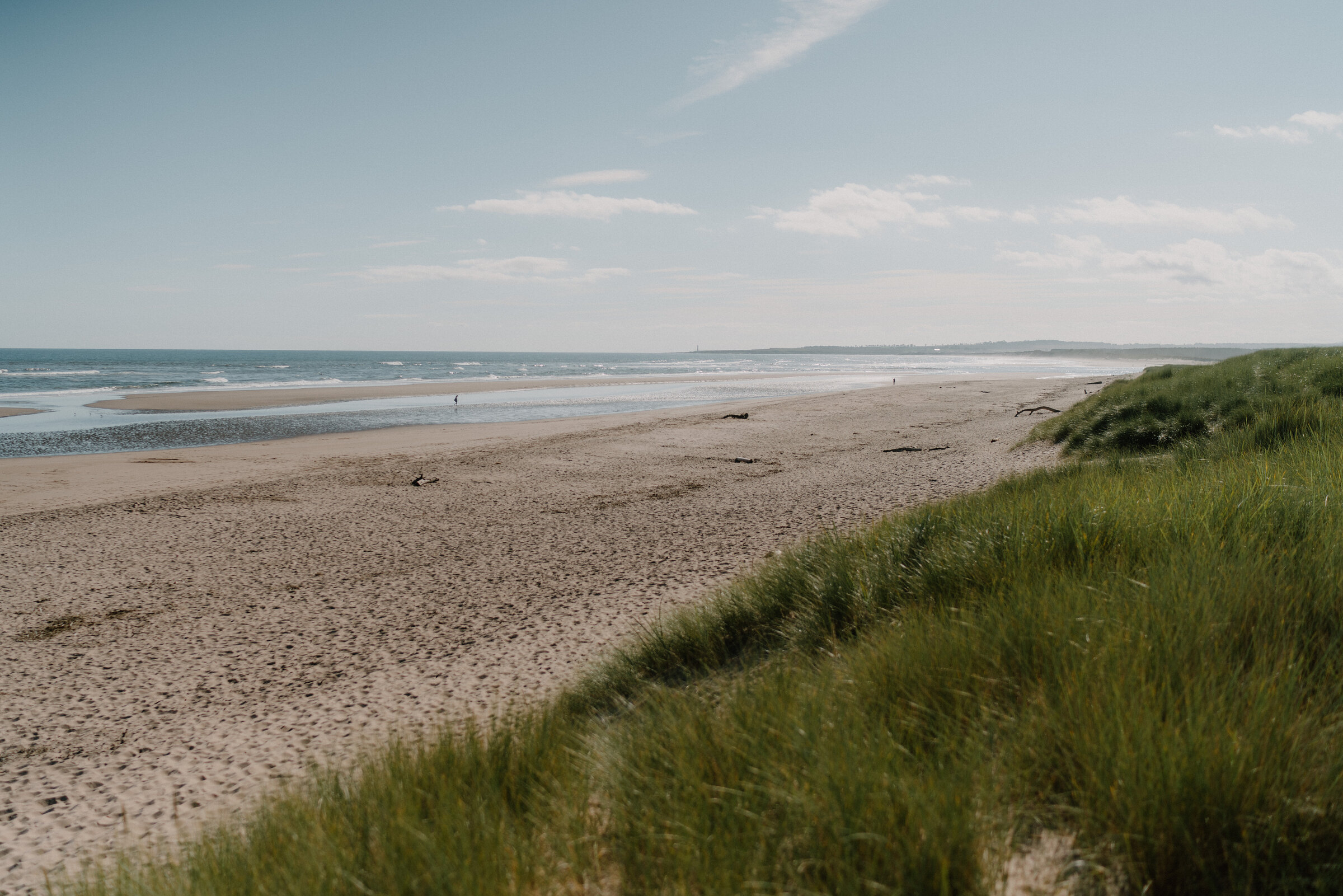
St Cyrus – Sand, Dunes and Old Sea Cliffs North of Montrose
About 3.1 miles on foot.
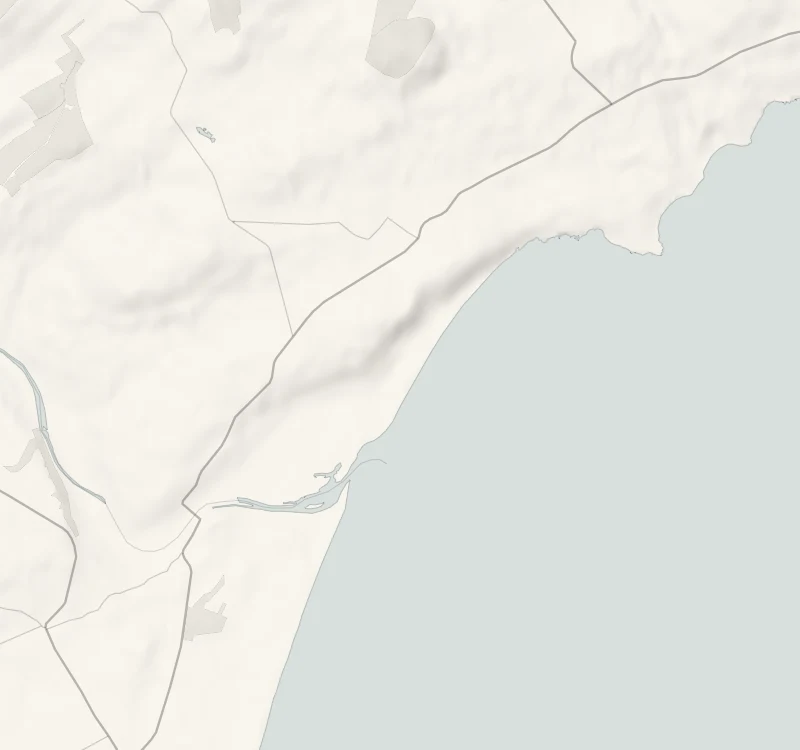
St Cyrus is one of the great beaches of the east coast, a long sweep of sand backed by dunes.
A line of old volcanic cliffs stands well back from the sea, with a strip of flowery grassland sheltered between the two. The whole of it is a national nature reserve, and one of the richest in Britain. A walk here takes in the sands, the dunes and the foot of the cliffs, and autumn and winter bring geese, waders and big seas.
- Time
- Two to three hours: about 5 km (3.1 miles) round the beach and the cliffs by Walkhighlands' figure, on soft sand, boardwalk and grass paths.
- The path
- A boardwalk over the dunes, then soft sand and grass paths.
- Where to start
- The reserve car park beside the visitor centre, in the old lifeboat station at Nether Warburton, DD10 0AQ. Free.
- When to go
- All year in daylight. Geese, waders and seals in autumn and winter; wildflowers and butterflies in summer. From November to March the toilets are open Monday to Friday only. From November to January set off by 11.30am.
- Dogs
- On a lead near the cattle and the birds: read the signs at the visitor centre.
- Children
- A big sandy beach and a boardwalk. Keep children well back from the sea in rough weather.
- Toilets
- At the visitor centre by the car park: every day from April to October, Monday to Friday from November to March.
- Before you set out
- Check a tide table before a long walk on the sands. Cattle graze parts of the reserve from April to October.
The walk
Park at the reserve's own car park beside the visitor centre, which is in the old lifeboat station at Nether Warburton, down below the village of St Cyrus. DD10 0AQ is the postcode, and parking is free. The toilets at the visitor centre are open every day from April to October and Monday to Friday from November to March. A boardwalk crosses the dunes to the beach, and paths run through the grassland under the cliffs. Walkhighlands gives the walk round the beach and the cliffs as 5 km, about three miles.
Visit Aberdeenshire suggests allowing around three hours for the reserve, and binoculars are well worth bringing. The cliffs are old volcanic rock, and they stand inland now, with a ridge of dunes on the seaward side. Between the two the grassland stays warm and sheltered, which is why St Cyrus is so rich in wildflowers, butterflies and moths in summer. Peregrines hunt along the cliffs, with ravens and buzzards for company. In autumn and winter the south end of the reserve, by the river mouth, draws waders, ducks and pink-footed geese, and common and grey seals bask on the sandbanks there.
Dolphins and porpoises are seen offshore. The beach is soft sand, so it's slower going than it looks, and it's wise to check a tide table before a long walk on the sands. Cattle graze parts of the reserve from April to October. From November to January, set off by 11.30am.
If it rains
There's no shelter on the beach, and an east wind comes straight off the North Sea, so wrap up or keep it for a dry day. The paths under the cliffs are more sheltered than the sands.
Before you go
Book accommodation nearby
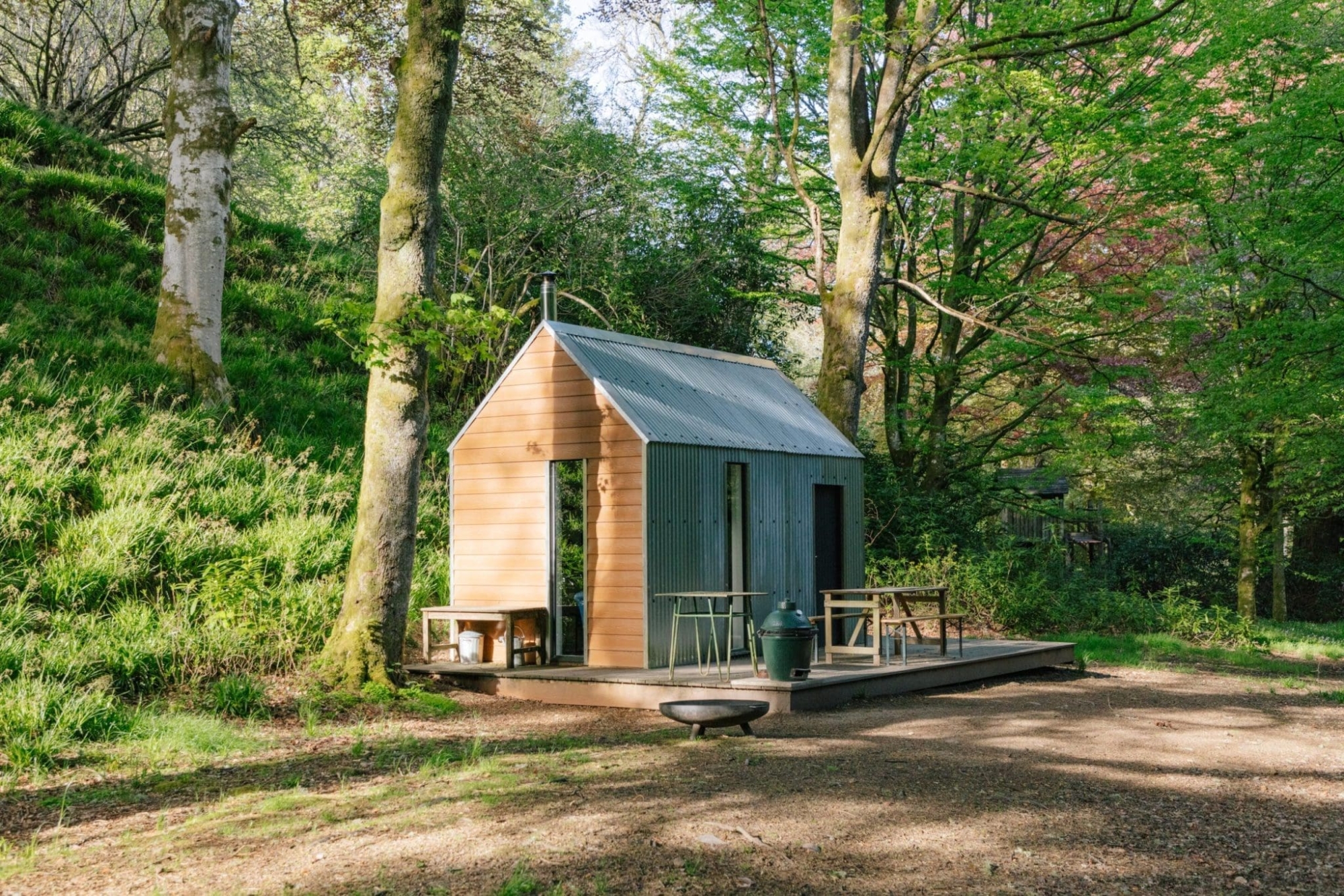
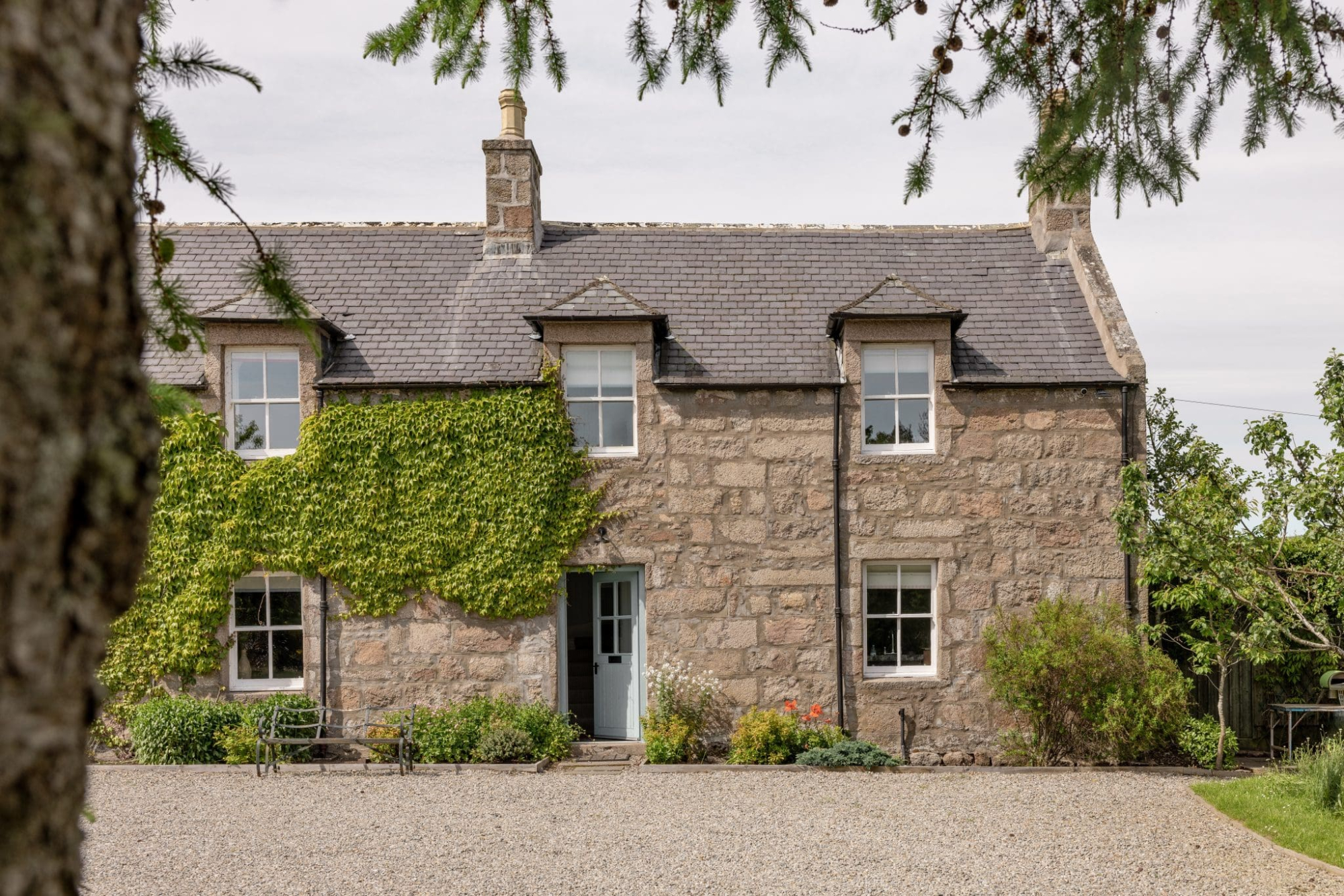
If you are staying over: here are ours nearest where the day starts and ends.
For further reading, before you go.