
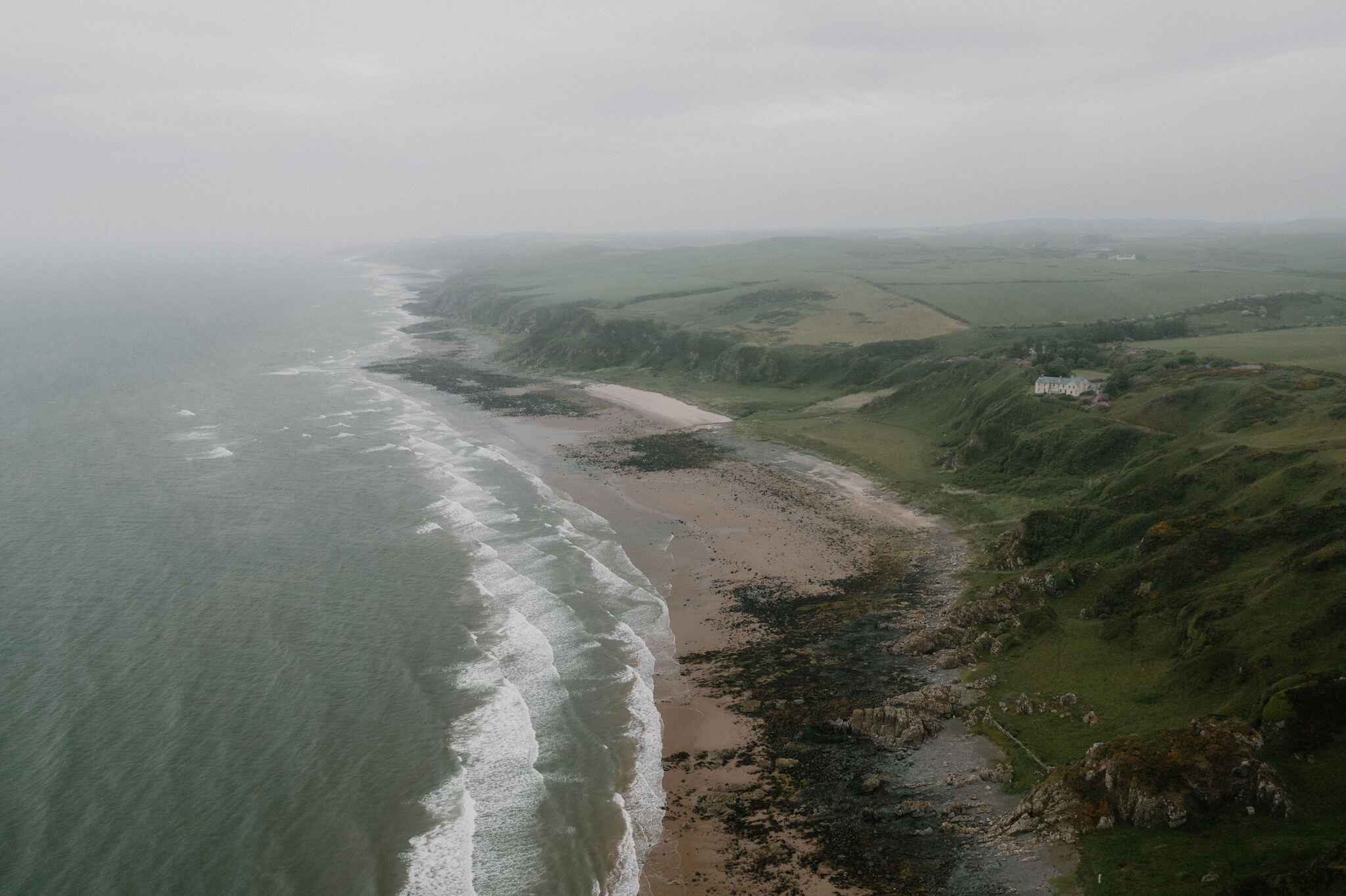
Secret Scuttling In Scapa Flow
Over 70 German warships held in Orkney, and the admiral who sank them in June 1919.
Words by Hidden Scotland · Photographs by Hidden Scotland
During the build-up to the First World War, the British authorities realised that Scapa Flow’s sheltered waters were a perfect natural harbour. It was far enough away from the dangers of enemy airfields and close enough to guard against attempts to sail around Scotland’s north coast. Soon, Orkney was home to Britain’s primary naval base.
Scapa Flow was also the surprising scene for the war’s final engagement. After the Armistice on 11th November 1918, the official peace treaty wouldn’t be signed at Versailles for another seven months. While negotiations were taking place, over 70 German warships had been temporarily placed under the care of the Royal Navy.
Still the property of the German government, they were manned by their own crews under close guard all the way to Scapa Flow. There the demoralised sailors were forced to wait while Allied nations squabbled over how they would split these prizes of war. As the treaty was deliberated, the time limit for the Armistice was steadily running out.
The German Admiral Ludwig von Reuter wasn’t happy about the prospect of his fleet being handed over once the Treaty of Versailles had been signed. On 21st June 1919, he ordered his men to scuttle their ships, preferring them to sink rather than be used against Germany in the future. His crews had all been secretly sabotaging their vessels for days, welding doors open and boring holes in walls, ready for the signal.
Over the next five hours, 52 ships disappeared beneath the waves, another 18 were successfully beached after the interventions of British sailors and only four German destroyers remained afloat. Nine crewmen were killed by the furious British guards and the survivors became prisoners of war for breaching the Armistice agreement.
The majority of the sunken ships were eventually refloated and salvaged for scrap during an operation that lasted until World War II. However, seven remain beneath the waves, now a popular diving site and a reminder of Orkney’s important role during the Great War.
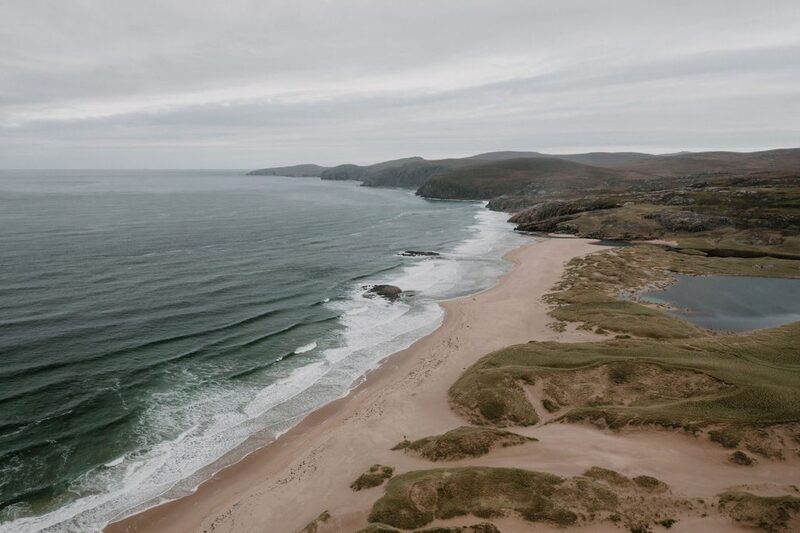 The Legends of Sandwood Bay
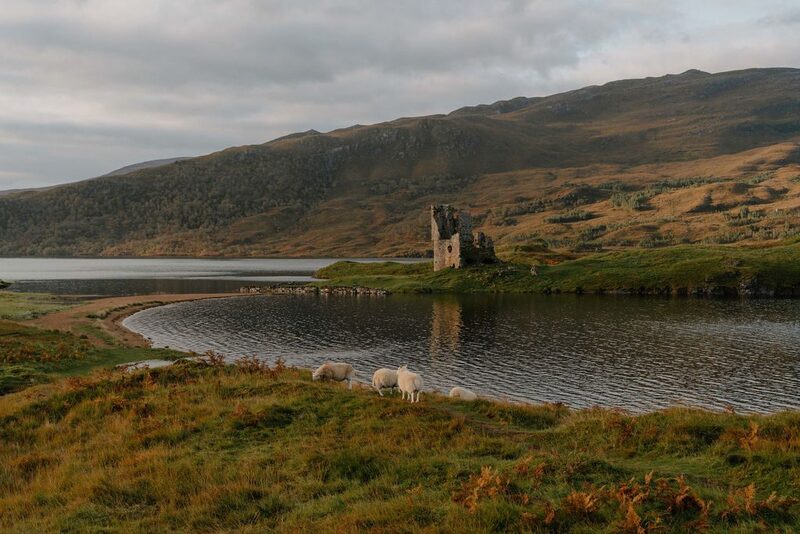 The Weeping Mermaid of Loch Assynt
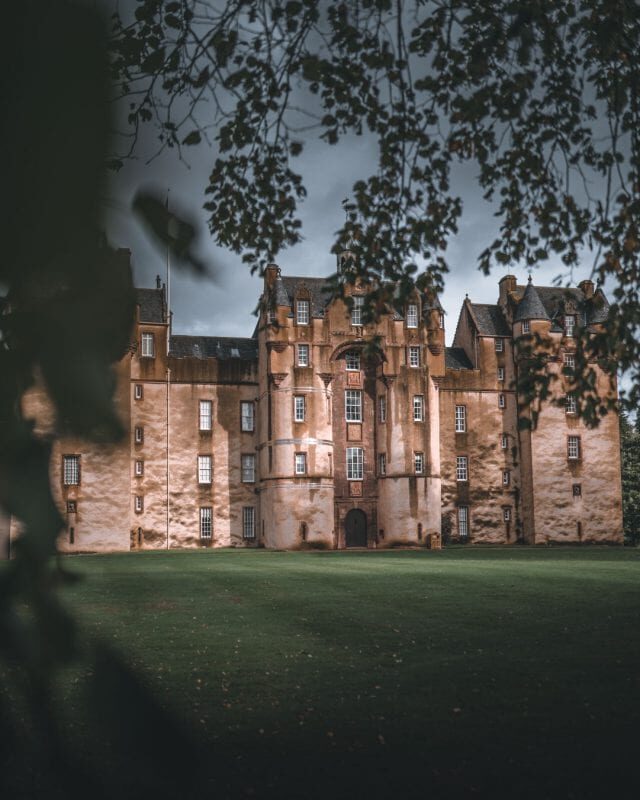 The Weeping Stones of Fyvie Castle