
The Isle of Skye, located off Scotland's west coast, is celebrated for its dramatic landscapes, rugged mountains, and picturesque villages. Known for its striking natural beauty, the island offers iconic sites like the Old Man of Storr and the Quiraing. Skye's rich Gaelic heritage and outdoor adventures make it a must-visit destination for nature lovers and cultural enthusiasts alike.
Isle of Skye Guide
Our Magazine
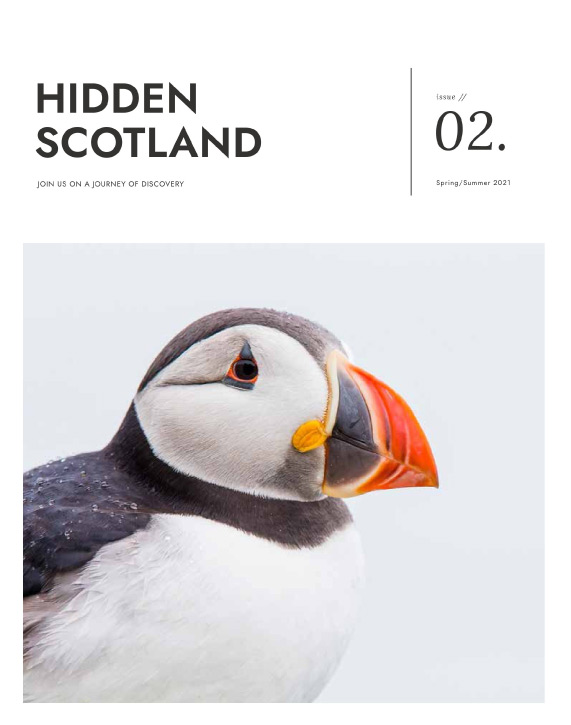
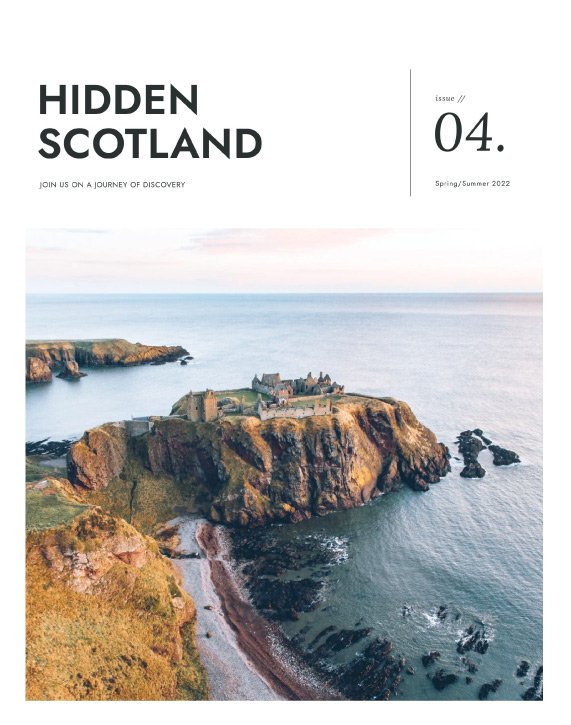
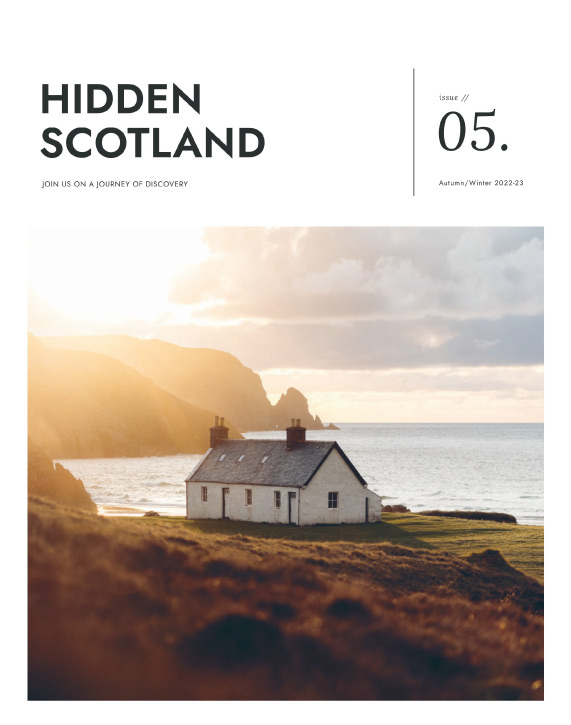
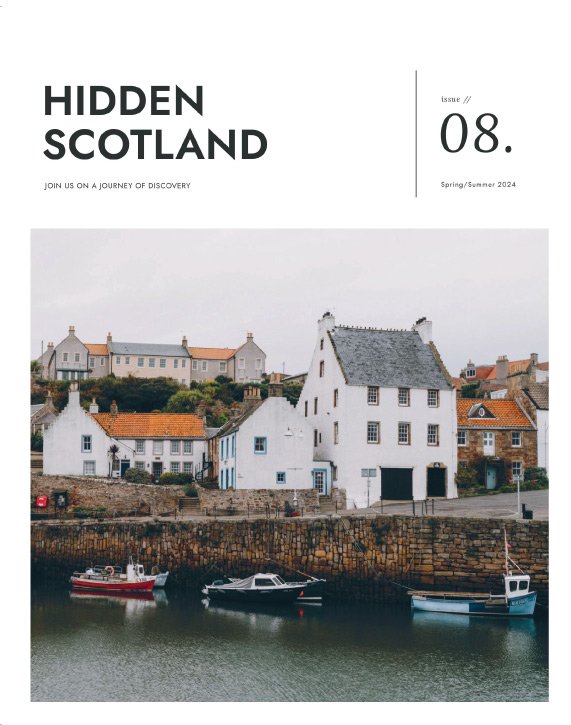
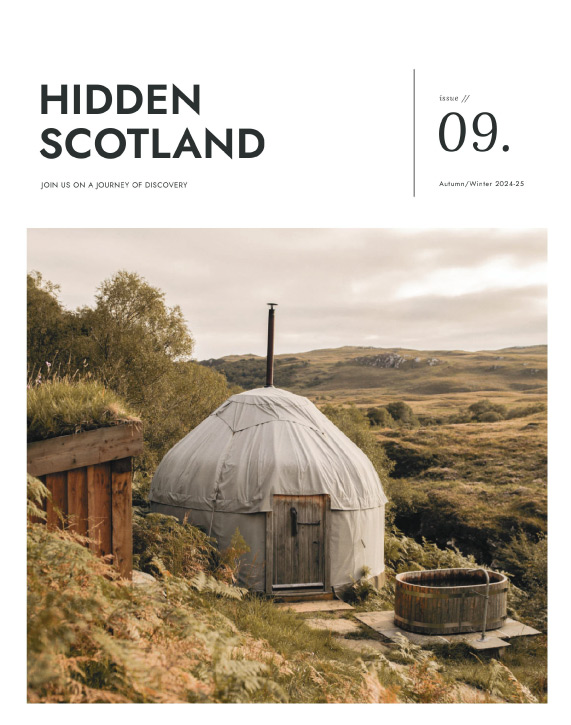
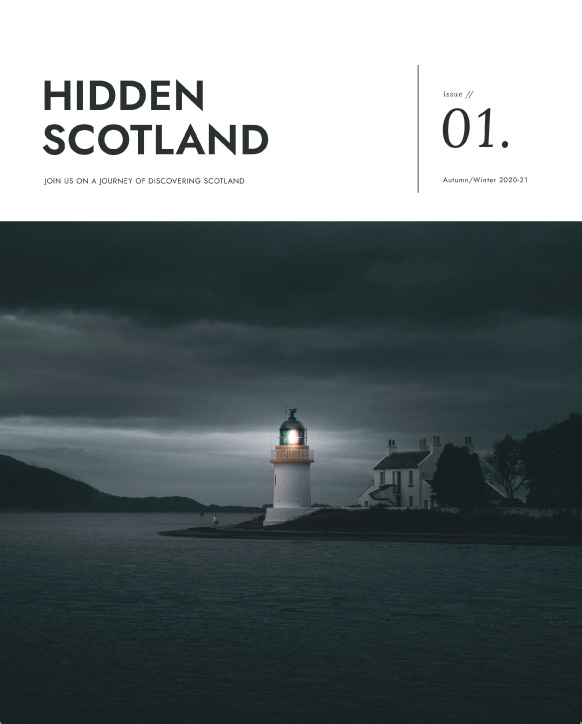
Subscribe to the Hidden Scotland Magazine to receive two beautiful issues per year.
SubscribeAt its heart, Hidden Scotland is dedicated to showcasing the essence of Scotland in all its diversity-popular landmarks, secluded spots, captivating stories, and unforgettable experiences. Our bi-annual magazine serves as a curated guide to the blend of the wild and artistic that defines this unique country.
Browse by category
Promoted Post
Glen Glack Cabins
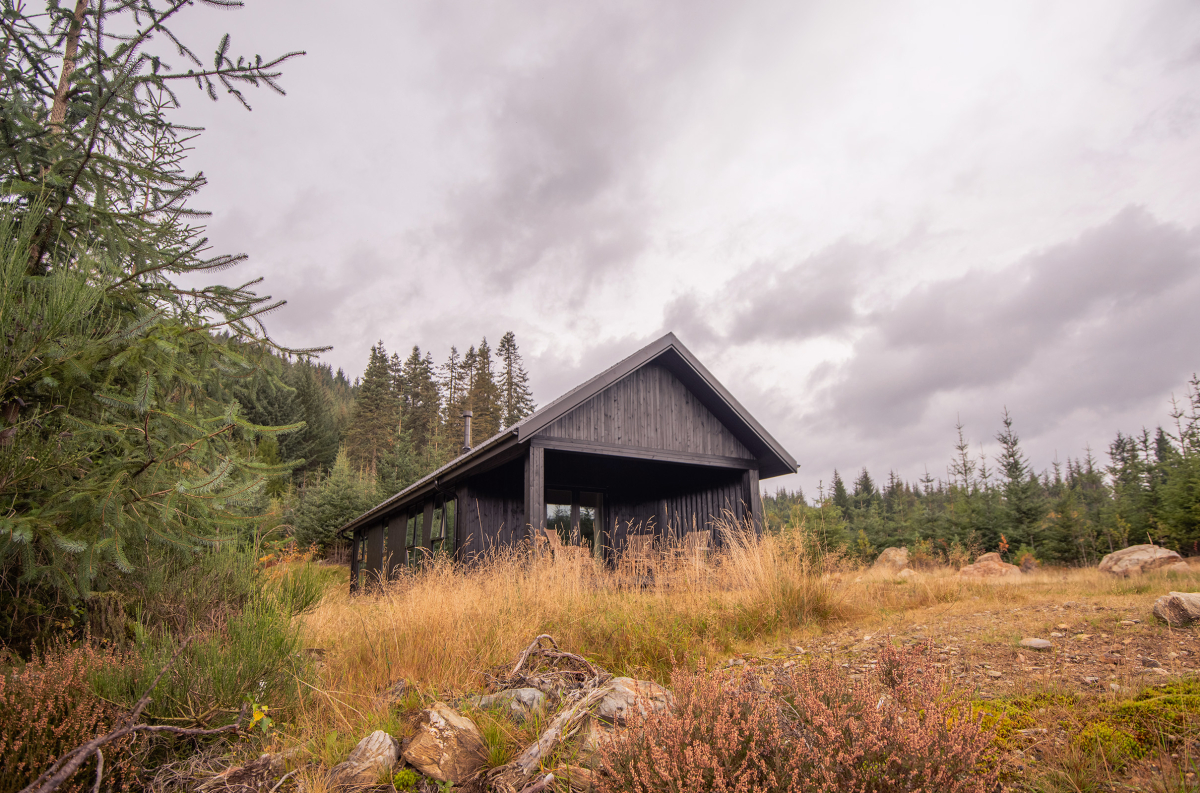
Five luxury, bespoke, new cabins sitting on the edge of Cally Loch, in the picturesque town of Dunkeld.
Where to stay
Skye does accommodation well. Design-led cabins, restored crofts, a few proper restaurants with rooms. The places below are the ones we'd book ourselves. Some are remote, a fair drive from the nearest shop. Others put you within walking distance of a harbour and a pint. All of them make the most of where they are, which on Skye is the whole point.
Isle of Skye Dinosaur Footprints
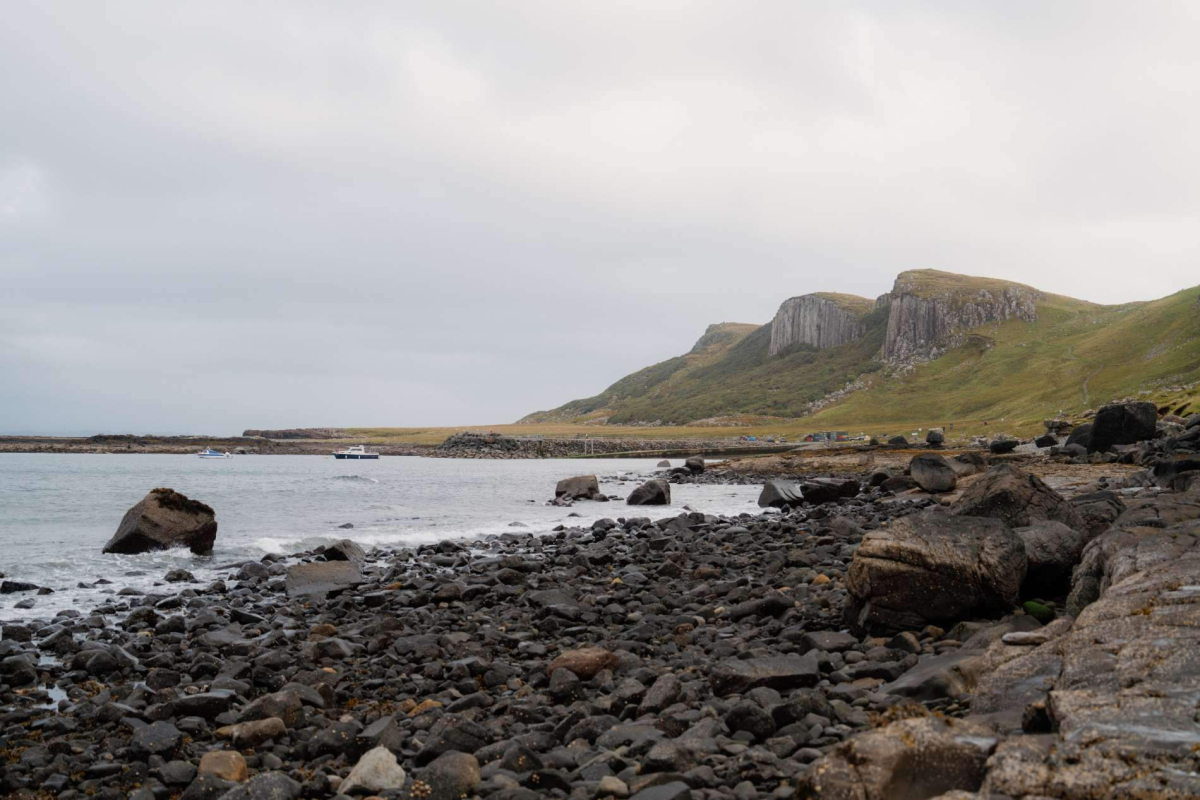
Skye’s been popular with visitors for ages – around 170 million years, in fact. Up on the Trotternish Peninsula, jutting into the sea is a nose of land known as Brothers' Point, or Rubha nam Brathairean, and it’s here that researchers have found dinosaur footprints dating back to the Middle Jurassic period. The headland’s ancient coastal mudflats hold evidence of around 50 different footprints, including those of a stegosaurus-type dinosaur and the three-toed imprints of meat-eating theropods. The whole landscape looked radically different back then, of course – there were far fewer cafes, for a start – but when people talk about Skye’s wildlife being something special, you can reflect on the fact that it’s always been this way.
Isle of Skye Dinosaur Footprints
Skye’s been popular with visitors for ages – around 170 million years, in fact. Up on the Trotternish Peninsula, jutting into the sea is a nose of land known as Brothers' Point, or Rubha nam Brathairean, and it’s here that researchers have found dinosaur footprints dating back to the Middle Jurassic period. The headland’s ancient coastal mudflats hold evidence of around 50 different footprints, including those of a stegosaurus-type dinosaur and the three-toed imprints of meat-eating theropods. The whole landscape looked radically different back then, of course – there were far fewer cafes, for a start – but when people talk about Skye’s wildlife being something special, you can reflect on the fact that it’s always been this way.
Walks, Nature and Wildlife
For many visitors, Skye’s natural attractions are its chief draw, with world-class scenery, incredible marine life and some seriously good walks for all fitness levels. And did someone mention eagles?
Giant MacAskill Museum
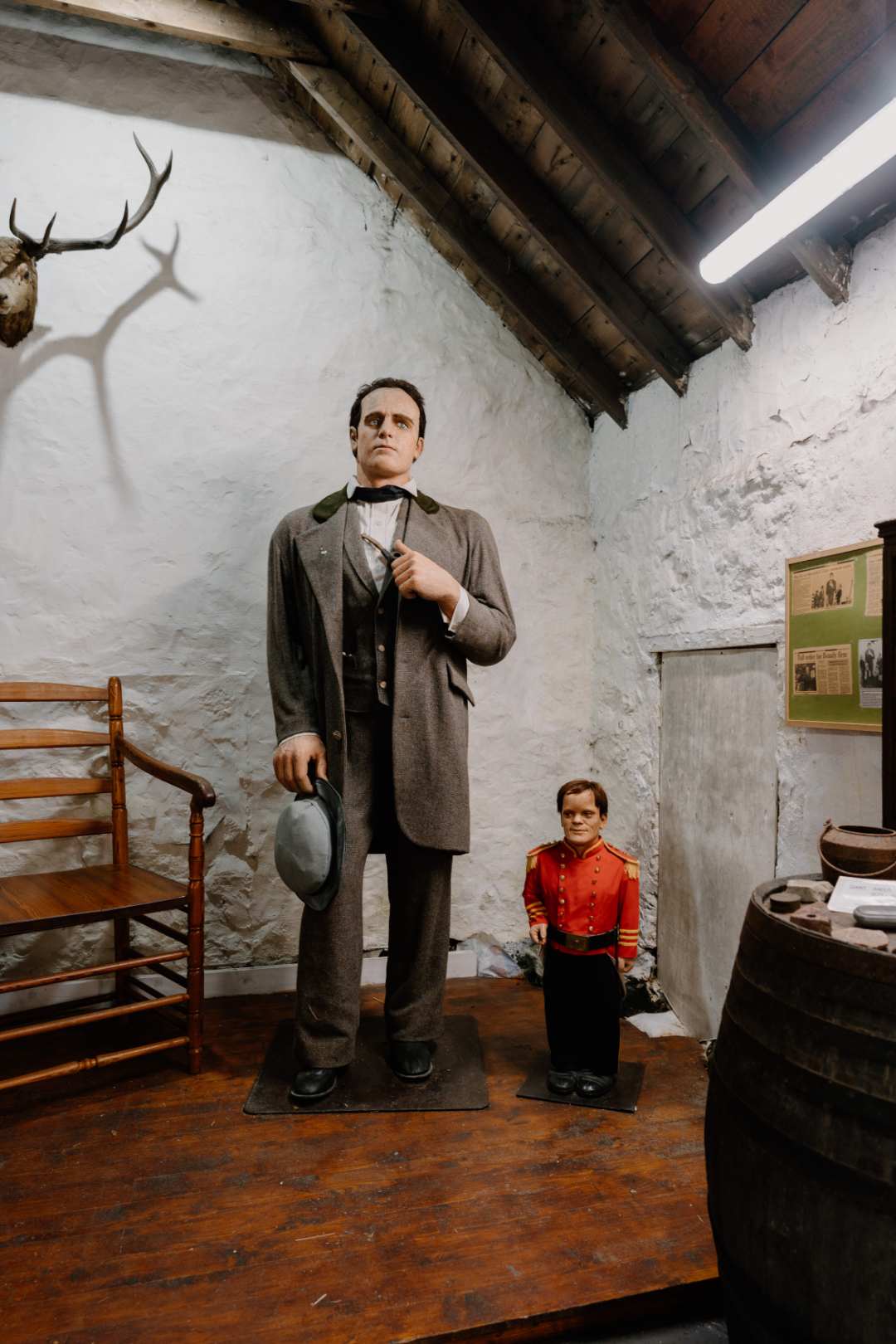
‘Giant’ Angus MacAskill was a man and a half. Born in 1825 in the Western Isles, he grew to a height of 7 feet 9 inches (2.36m), weighed around 510 pounds (230kg) and was once described by the Guinness Book of Records as the strongest man who ever lived. He moved to Canada as a young boy, eventually joining PT Barnum’s infamous touring circus on the back of feats of strength that saw him pick up barrels and ship’s anchors with apparent ease (some have gone so far as to claim he also lifted horses over fences, but we give that neeeigh credence). More certain is the fact that he performed at Windsor Castle in front of a suitably awed Queen Victoria, living into his late thirties before passing away at home in Nova Scotia. Today, the (ironically rather small) Giant MacAskill Museum in Dunvegan remembers a man with one heck of a story to tell – you’ll find a scale model of Angus himself, as well as replicas of his oversized furniture.
-full-1748901366.jpg)
History & Heritage
With thousands of years of history to its name, Skye’s landscapes are dotted with some incredible remnants of the past, be they crumbling castles, quirky museums or proud old lighthouses.
Battle of the Braes
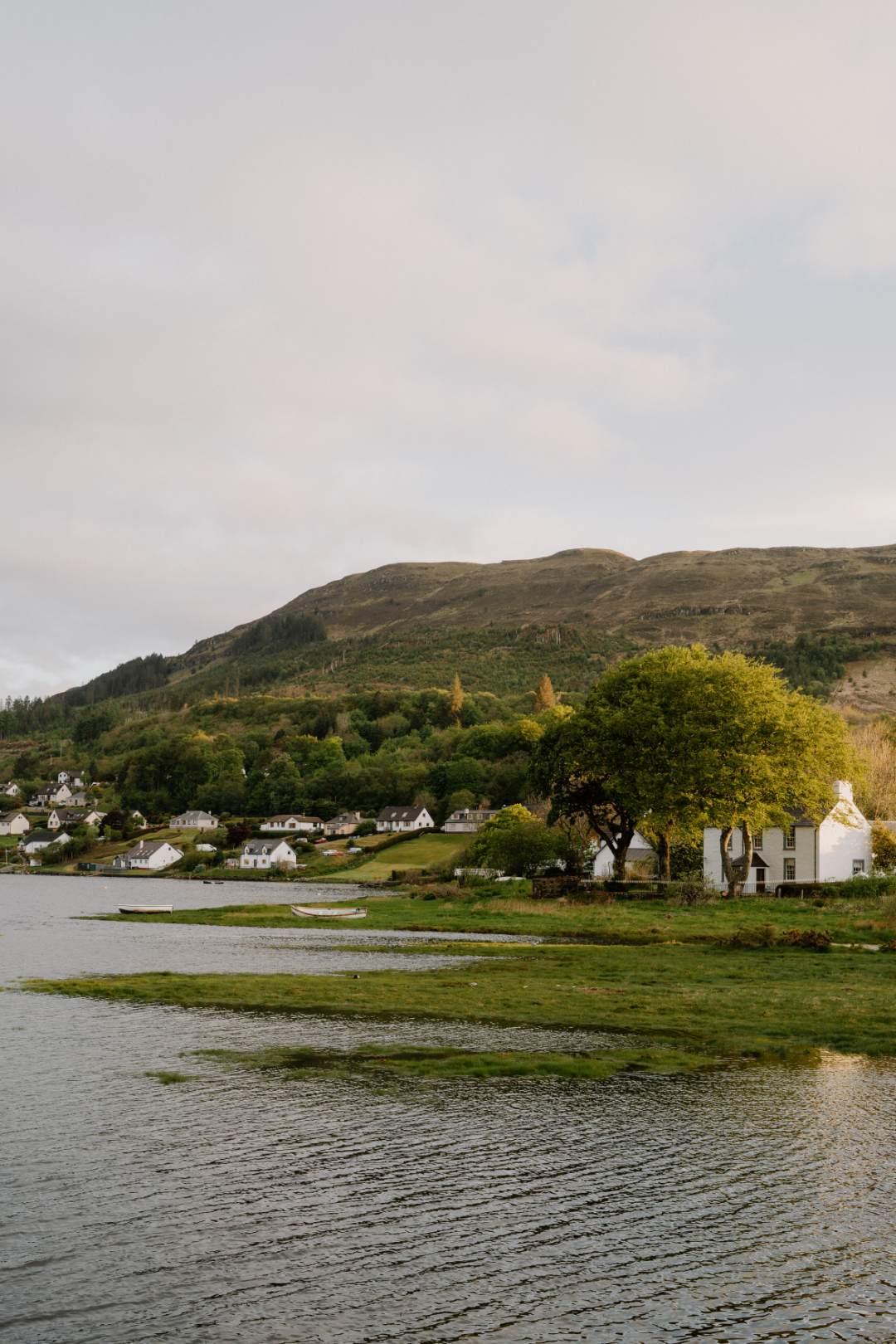
Rewind back to 1882. The islanders of Skye had for centuries made (or more often scraped) a living through crofting and kelp-farming, obliged to pay rent on their patches of land to Lord MacDonald, who ‘owned’ 150,000 acres. When the landlord made the decision to shift into the more lucrative business of sheep-farming, his crofting tenants were simply evicted as an inconvenience. This story was played out endlessly during the so-called Highland Clearances – but in Skye, as in many places, the locals didn’t go quietly. The tension culminated in a violent confrontation between crofters and police officers, a showdown now known as the Battle of the Braes, in which five men were arrested and many more injured. A memorial cairn still stands near Portree.
Activities
Skye has been called a playground for outdoor enthusiasts – and for good reason. Whether you’re in search of high-octane fun or expert tuition, it has a great range of active options, many of them family-friendly.
Arts & Crafts
There’s something about Skye’s landscapes and coastscapes that seems to kindle creativity, and as such it plays home to a fabulous array of different galleries, artists and makers.
Did you know…
Dunvegan Castle is the oldest inhabited castle in Scotland, still lived in by the Chiefs of Clan MacLeod after 800 years.
Did you know…
Dunvegan Castle is the oldest inhabited castle in Scotland, still lived in by the Chiefs of Clan MacLeod after 800 years.
FOOD & DRINK
Skye is no stranger to top-notch gastronomy, from gourmet dining to loch-fresh seafood. Traditional dishes, local produce and innovative chefs all feature heavily, while the island’s whisky has a pull of its own.
Interesting news from Isle of Skye
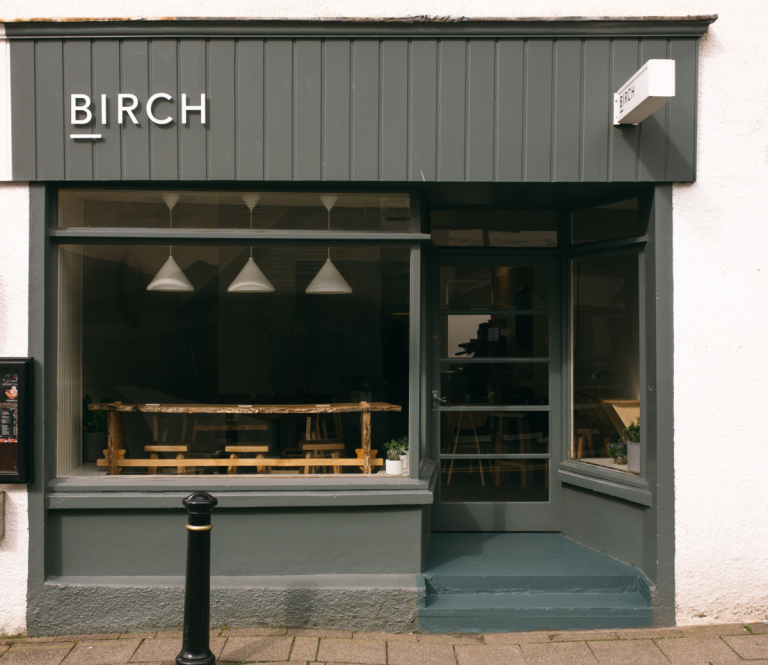
Isle of Skye’s Birch Named Among World’s 100 Best Coffee Shops
Speciality coffee roastery Birch, based on the Isle of Skye, has been ranked #50 in the World’s 100 Best Coffee Shops 2026, making it one of only two UK cafés to feature on the prestigious global list. The rankings were unveiled at CoffeeFest in Madrid following nominations from 15,000 coffee shops worldwide and combined public and expert judging. Founded in 2020 by Skye local Niall Munro, Birch draws inspiration from Melbourne’s café culture while championing Highland produce and island-roasted speciality coffee. With cafés in Portree and Inverness, Birch has built a reputation for curated pour-overs, house-made viennoiserie and locally sourced brunch dishes.
Island Whisky Scores 99/100 to Claim “World’s Best” Title
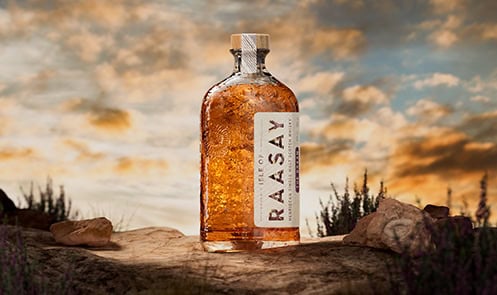
Isle of Raasay Distillery on the Isle of Raasay has been named the World’s Best Scotch Whisky at the 2025 Global Spirits Awards, with its Cask Strength single malt receiving an extraordinary 99 out of 100. Founded in 2017, the distillery has quickly built an international reputation with its lightly peated Na Sia six-cask recipe, which combines Rye, virgin Chinkapin oak, and Bordeaux wine casks. This award recognises the exceptional quality of the whisky as well as the craftsmanship and heritage of the island. The accolade highlights both the innovation and tradition of Scotland’s whisky scene.
Ancient Volcanic Fissure Discovered on Mull Reveals Scotland’s Fiery Past
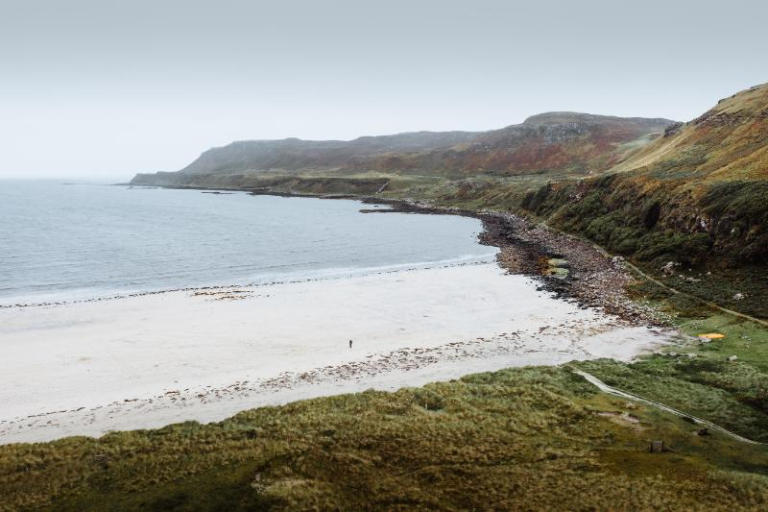
Geologists from the University of Aberdeen have uncovered a 5km-long volcanic fissure near Calgary Bay on the Isle of Mull—offering the clearest evidence yet that parts of the Inner Hebrides were formed by Iceland- and Hawaii-style eruptions. The preserved vent, revealed through drone surveys and fieldwork, confirms that lava once surged through multiple fissures rather than a single central volcano. This breakthrough settles a century-old geological debate and deepens our understanding of how islands like Skye, Mull, and Eigg were formed during the birth of the Atlantic Ocean, around 60 million years ago. The discovery is being hailed as exceptionally rare.
Tools Dating Back 11,000 Years Found on Skye
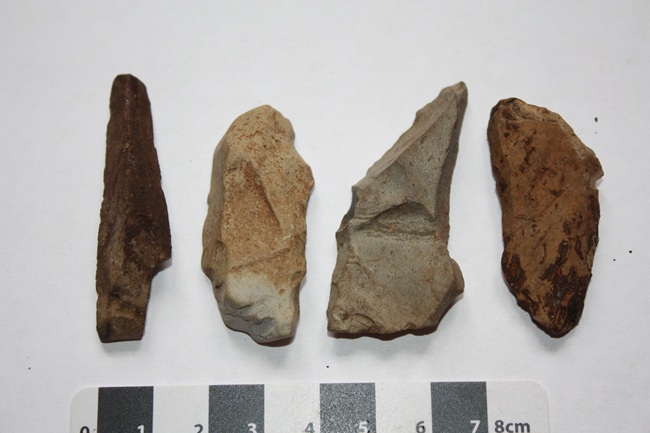
Archaeologists from the University of Glasgow have uncovered stone tools on the Isle of Skye that date back more than 11,000 years, making it the most northerly Late Upper Palaeolithic site discovered in Britain. The find challenges long-held assumptions about the reach of early hunter-gatherer communities following the last Ice Age. Recovered near Camas Malag, the tools suggest that humans ventured into the region much earlier than previously thought. It’s a rare glimpse into post-glacial life on Skye and a significant contribution to understanding how early people spread across Scotland’s now-familiar but once-hostile terrain.






 Sign in with Google
 Sign in with Email