
Before you go to Isle of IslayPart 1 of 3
History
1 minute read
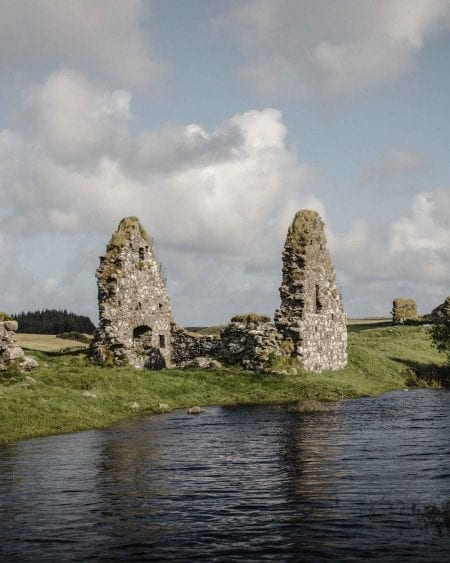
Long before it was known for whisky, Islay was the political and ancestral heart of the Scottish isles. The island is rich in prehistoric sites, but its golden age began in the medieval period when it became the home of the MacDonalds, the Lords of the Isles. From their administrative centre at Finlaggan, on a loch in the island's northeast, these powerful Gaelic-Norse rulers commanded a huge territory of islands and coastlands, acting as independent princes who often challenged the authority of the Scottish Crown. The magnificent 8th-century Kildalton High Cross, one of the finest early Christian crosses in Europe, speaks to the island’s long-standing spiritual importance.
Following the forfeiture of the Lordship of the Isles in the 15th century, the island’s story became one of clan rivalry and, eventually, agricultural development. It was in the 18th and 19th centuries that whisky production, long a local craft, became a legal and commercial enterprise. Distilleries were founded, many in secluded coastal spots ideal for receiving barley by sea and, according to local lore, for evading the excise man. This industry shaped the island’s modern economy and gave it its most famous global identity.