
Dumfries and Galloway, in the heart of southwestern Scotland, is a region known for its rolling hills, scenic coastline, and rich cultural heritage. From historic castles to tranquil forests and charming villages, the area offers a diverse array of attractions. It's a haven for art lovers and outdoor enthusiasts alike, making it a must-visit destination.

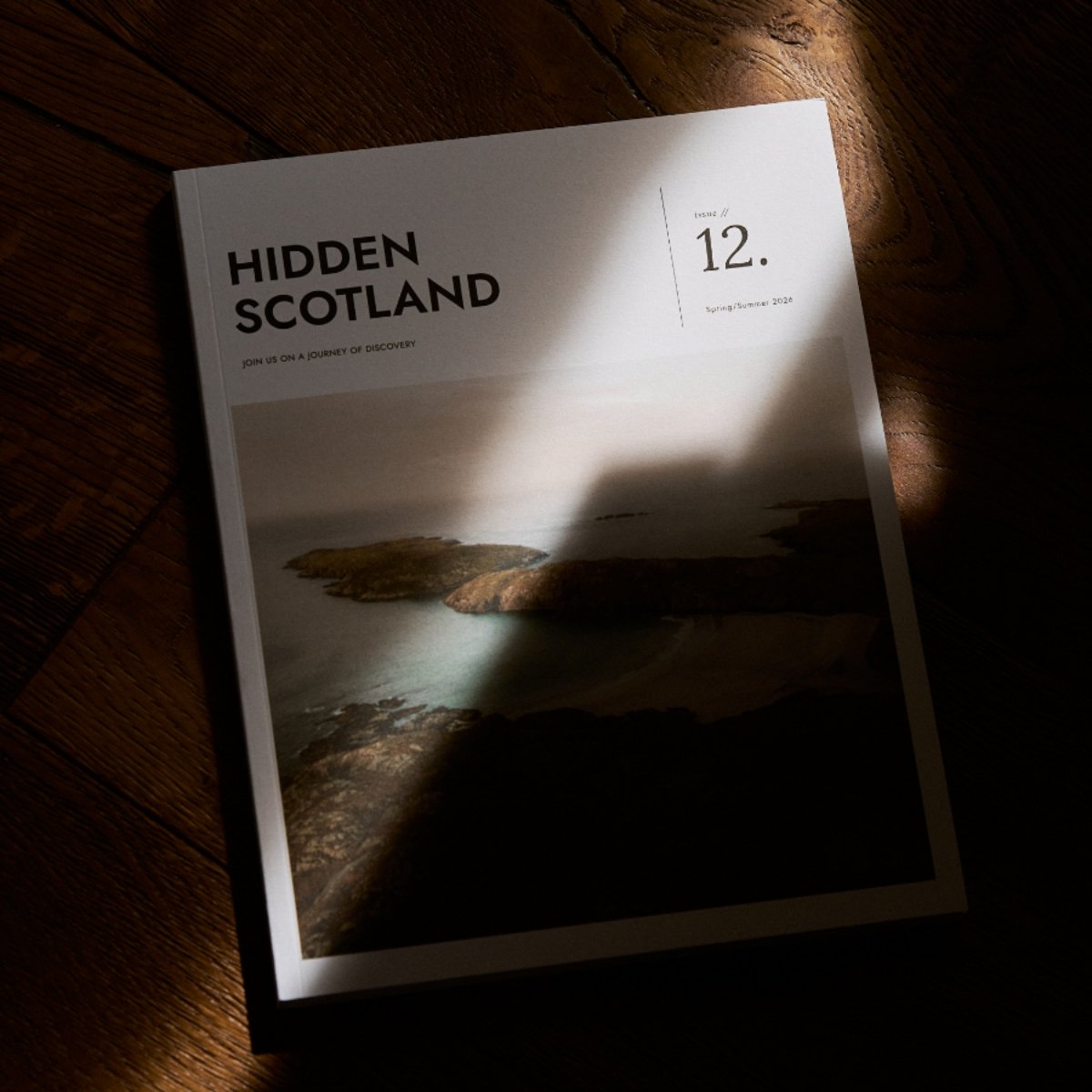
Our Magazine
Subscribe to the Hidden Scotland Magazine to receive two beautiful issues per year.
SubscribeAt its heart, Hidden Scotland is dedicated to showcasing the essence of Scotland in all its diversity-popular landmarks, secluded spots, captivating stories, and unforgettable experiences. Our bi-annual magazine serves as a curated guide to the blend of the wild and artistic that defines this unique country.
Browse by category
Promoted Post
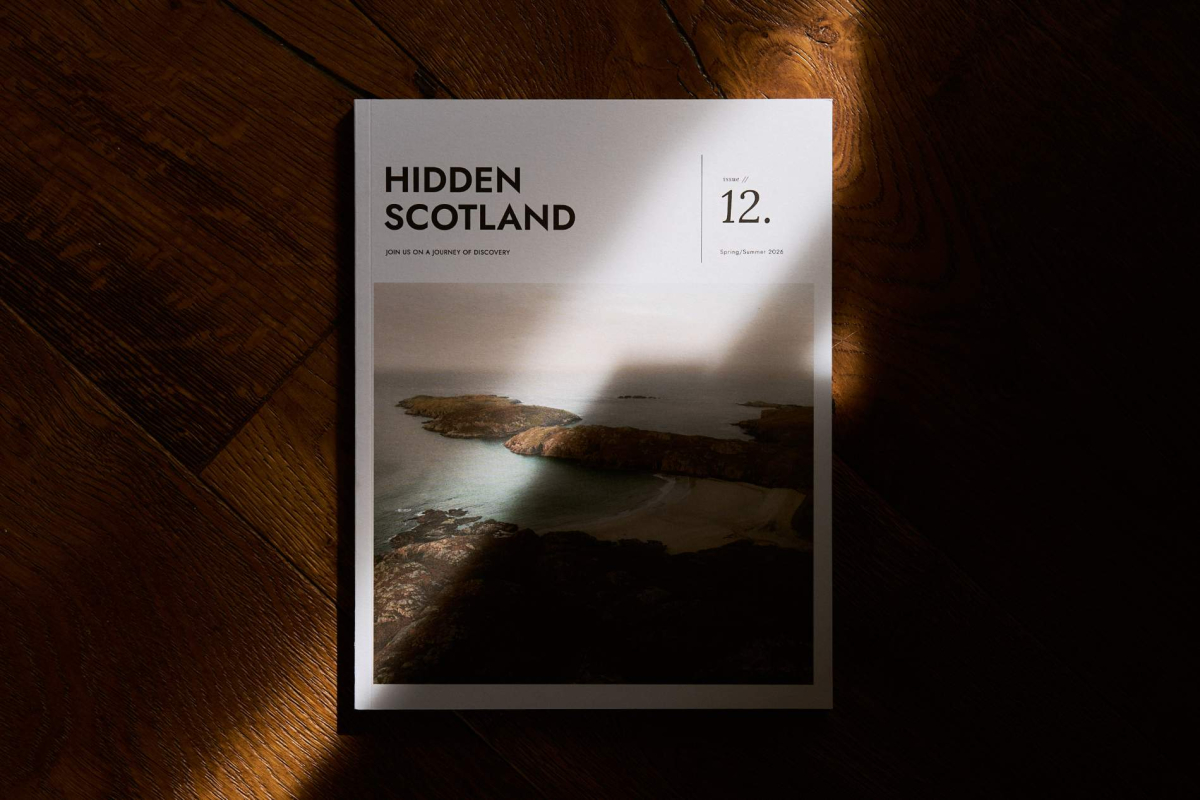
Issue 12 is now shipping worldwide from Scotland.
Issue 12 is now shipping worldwide from Scotland.
Where to stay
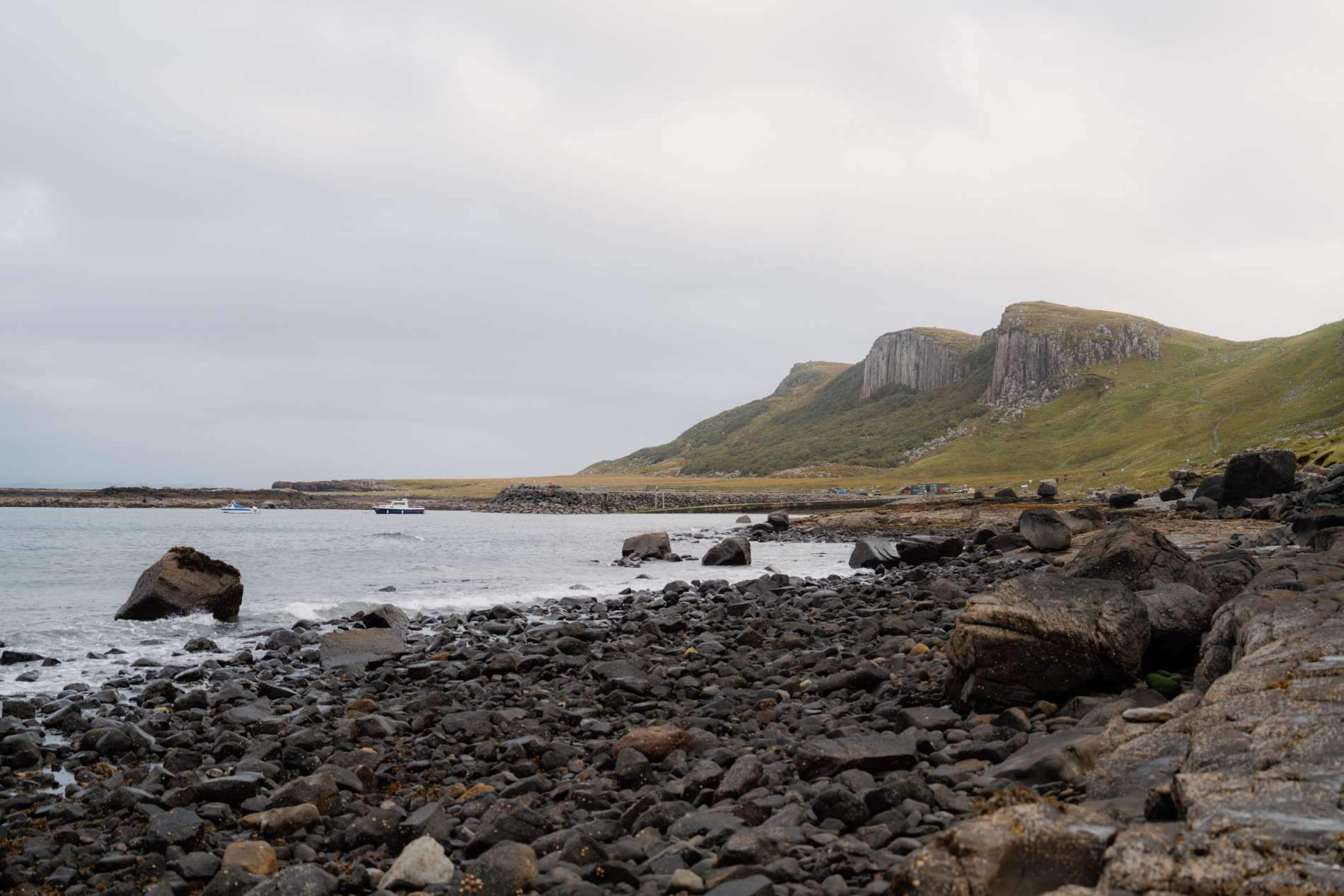
Dumfries and Galloway Dinosaur Footprints
Dumfries and Galloway Dinosaur Footprints
Walks, Nature and Wildlife
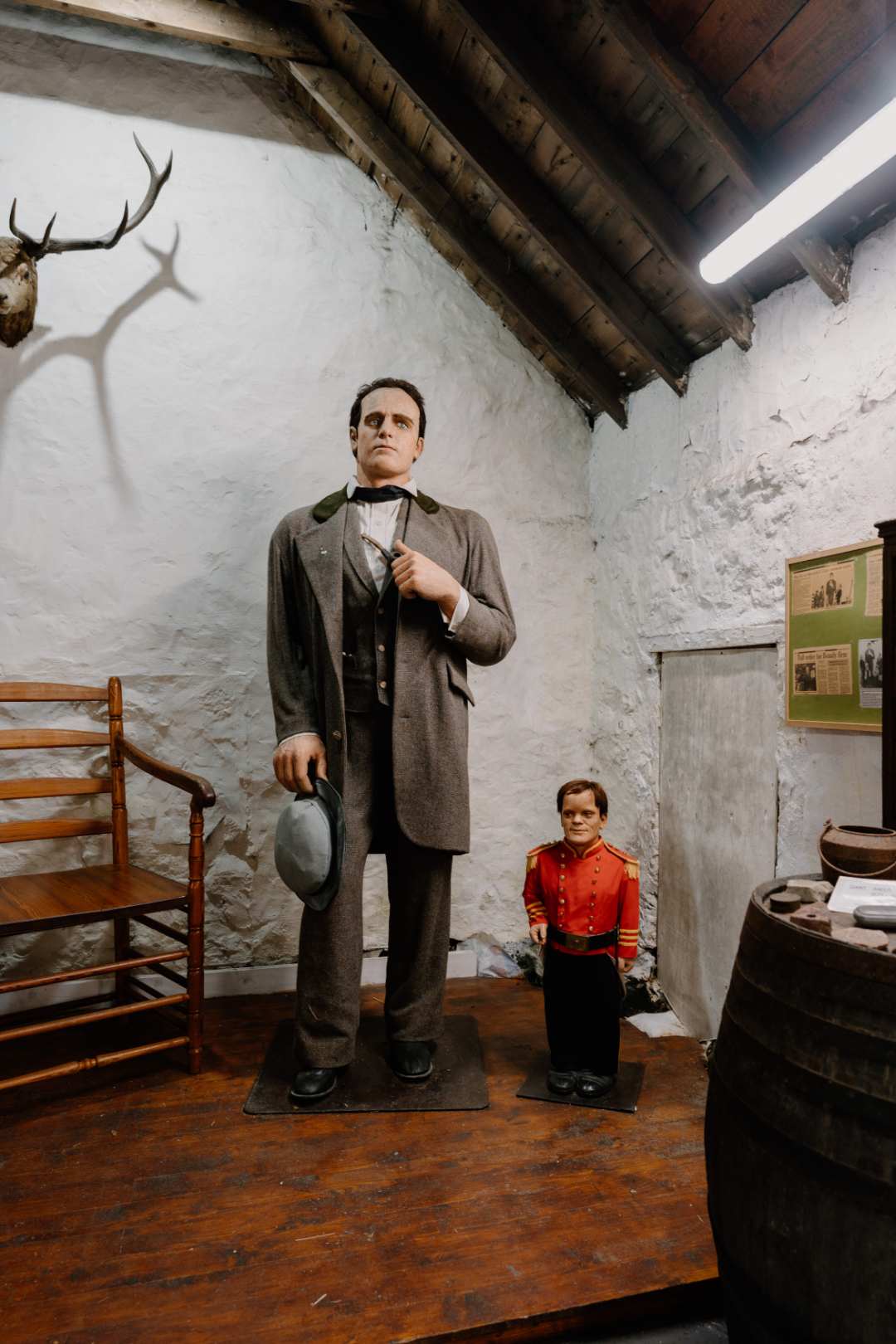
Giant MacAskill Museum
-full-1748901366.jpg)

History & Heritage
Battle of the Braes
Activities
Arts & Crafts
Did you know…
Did you know…
FOOD & DRINK
Interesting news from Dumfries and Galloway
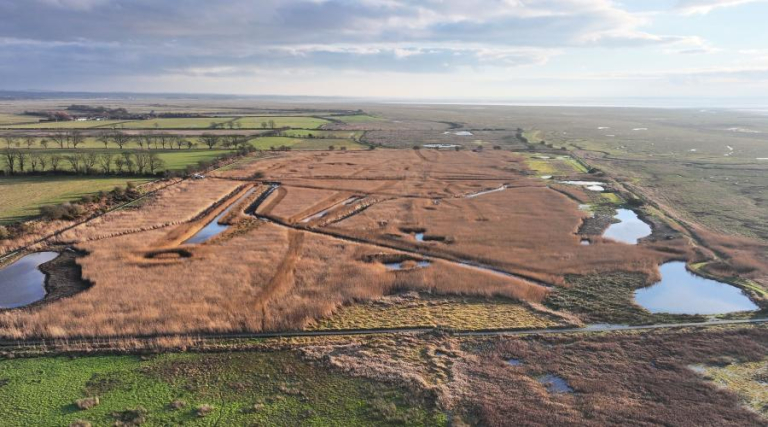
Reedbed reboot leads to rare raptor return
A four‑year habitat restoration project at NatureScot’s Caerlaverock National Nature Reserve has successfully encouraged the return of marsh harriers, a rare raptor in Scotland, to the site. Conservation staff improved and expanded seven hectares of reedbed—marsh harriers’ preferred breeding habitat—by raising the water table, cutting old reeds, creating open water, and extending reed‑edge areas. Monitoring and adaptive management gradually increased biodiversity, with dragonflies and snipe also thriving. Last summer the efforts paid off when a pair of marsh harriers nested in the restored habitat, marking a significant conservation milestone and demonstrating the benefits of targeted reedbed restoration
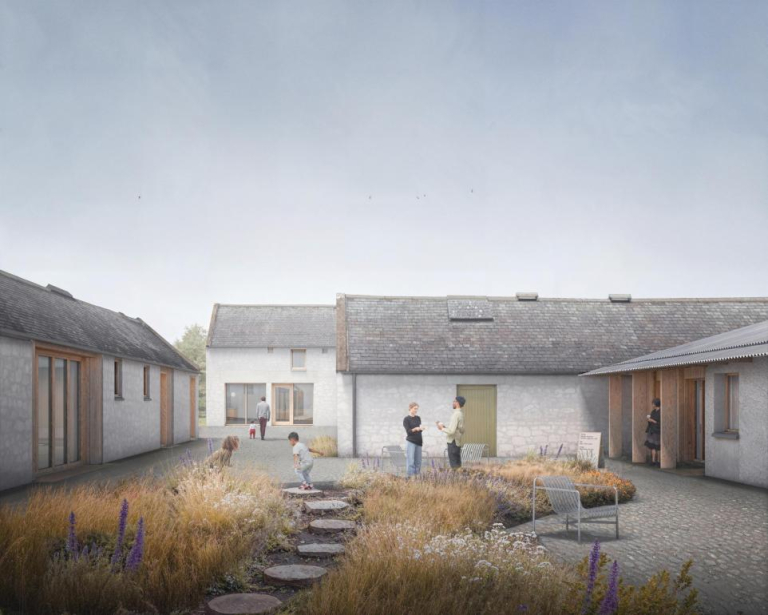
Restoration Plans Unveiled for Robert Burns’s Family Home at Ellisland Farm
Plans are progressing to restore Ellisland Farm, the historic family home of Scotland’s national poet Robert Burns, in Dumfriesshire. The Category A‑listed site, where Burns wrote Auld Lang Syne, Tam o’ Shanter and other major works, has suffered years of decay but now stands at the centre of an international £12 million fundraising campaign. Conservation proposals aim for a “quiet and sensitive restoration” that reflects Burns’s original 18th‑century design and opens more of the house to the public for the first time. Trust leaders hope the project will preserve the property’s heritage and transform it into a world‑class cultural destination.
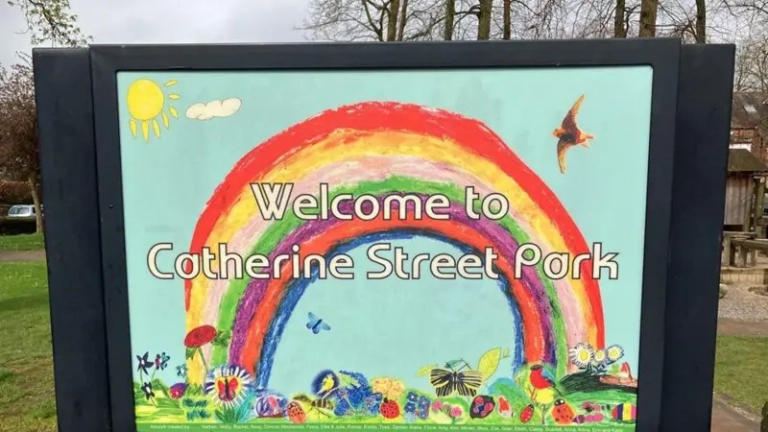
Dumfries Play Park Gains Global Recognition for Inclusion
Catherine Street Inclusive Park in Dumfries has received international recognition as a model for creating accessible and inclusive urban play spaces for children. Highlighted in a joint report by the WHO, UNICEF, and UN-Habitat, the park is celebrated for its community-led design, sensory-rich play areas, and wheelchair-accessible features, including swings and a roundabout. The park’s development, which began nearly a decade ago, aimed to provide children with disabilities opportunities to play alongside their peers. Organisers emphasise that the park demonstrates how small-scale, high-impact community projects can influence global thinking on inclusive, equitable public spaces for children.
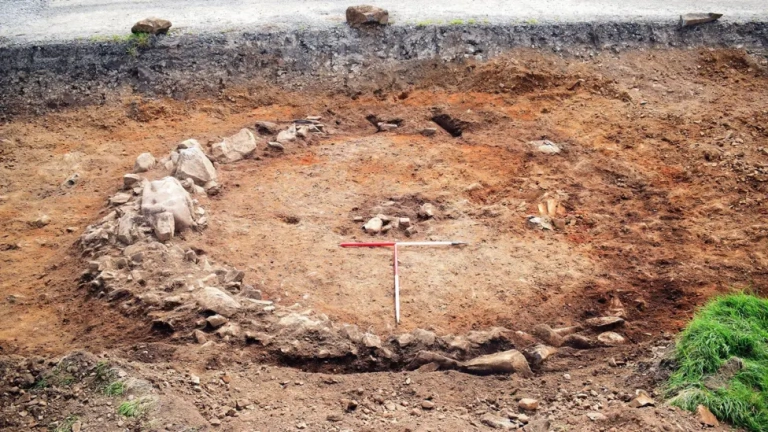
Archaeologists uncover 3,000-year-old mysterious mass burial site
Archaeologists have uncovered a mass burial site dating back around 3,300 years near Sanquhar in Dumfries and Galloway. Excavations at the Twentyshilling site revealed a Bronze Age burial mound containing five tightly packed urns holding the cremated remains of at least eight people. All were buried at the same time, suggesting a single catastrophic event such as famine. The remains were cremated and interred almost immediately, an unusual practice for the period. The discovery points to a time of significant stress for Bronze Age communities in the region.
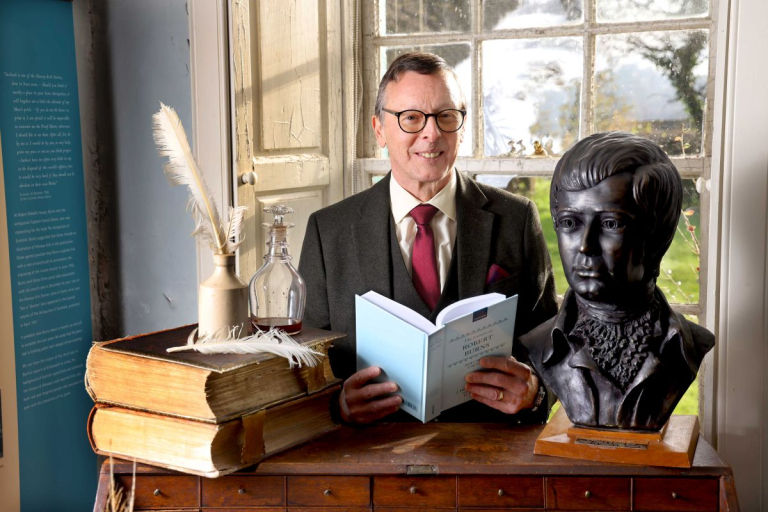
Campaign to raise £12m to save farm where Robert Burns wrote Auld Lang Syne
The historic farm where Robert Burns wrote “Auld Lang Syne” is the focus of a new campaign to raise £12 million to secure its future. The home, Ellisland Farm, near Dumfries, was built by Burns himself and served as his residence while producing some of his greatest work. The fundraising appeal aims to restore the Category A listed farmhouse, protect a nationally important collection, and develop the site into a cultural destination. Supporters hope the effort will preserve an important part of Scotland’s literary heritage for future generations.






 Sign in with Google
 Sign in with Email