
The Scottish Borders, located in southeastern Scotland, is renowned for its rolling hills, historic abbeys, and scenic river valleys. The region offers a wealth of attractions, from ancient castles and stately homes to charming market towns. Known for its rich history and beautiful landscapes, the Scottish Borders is an ideal destination for those seeking both cultural heritage and outdoor activities.
Our Magazine
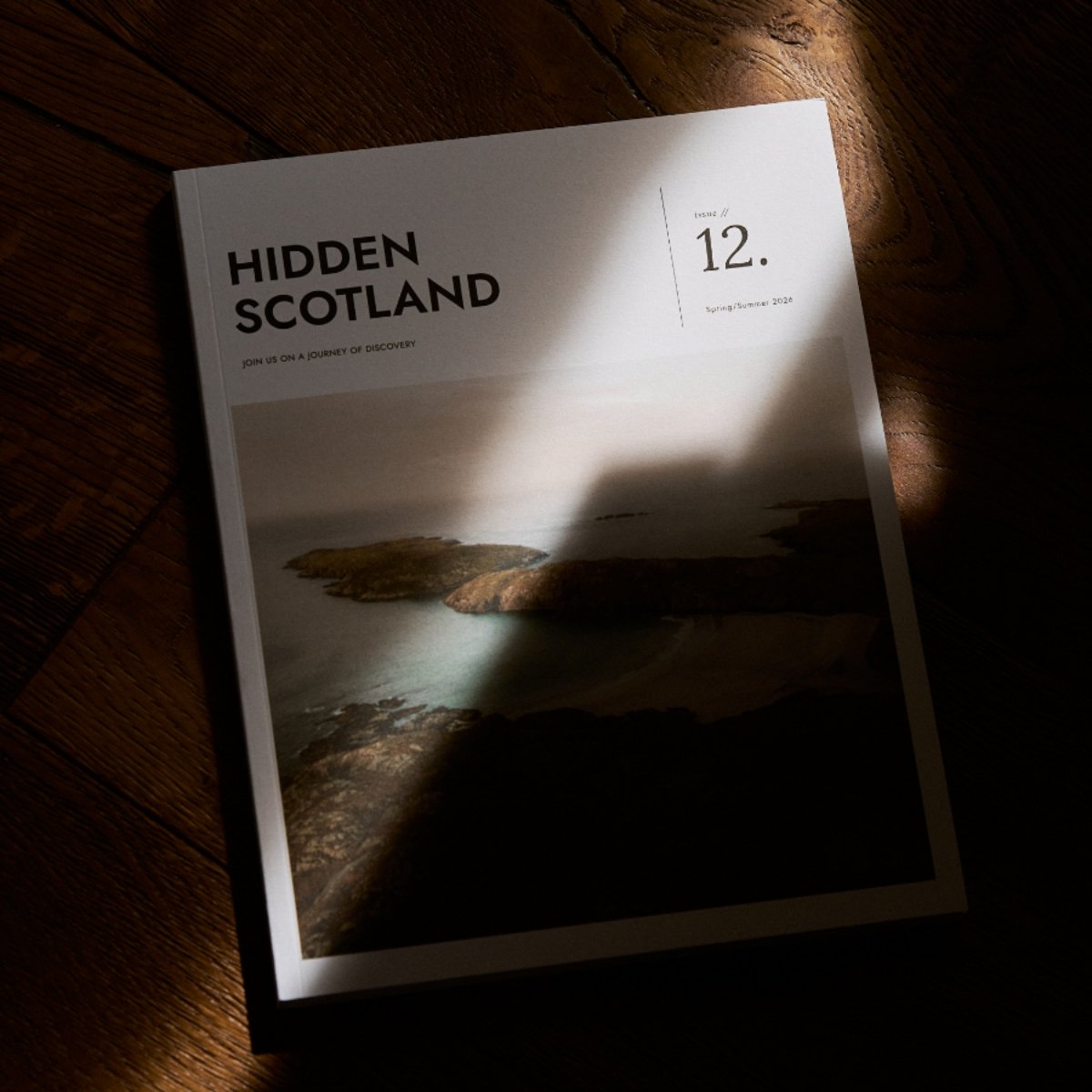
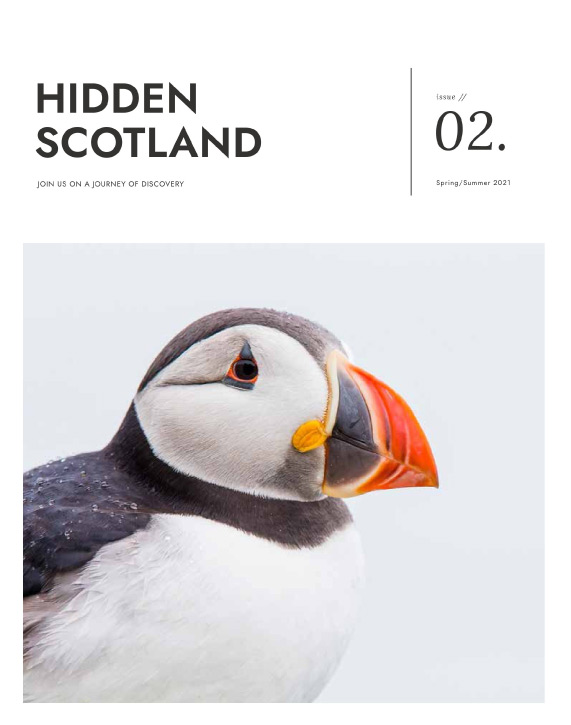
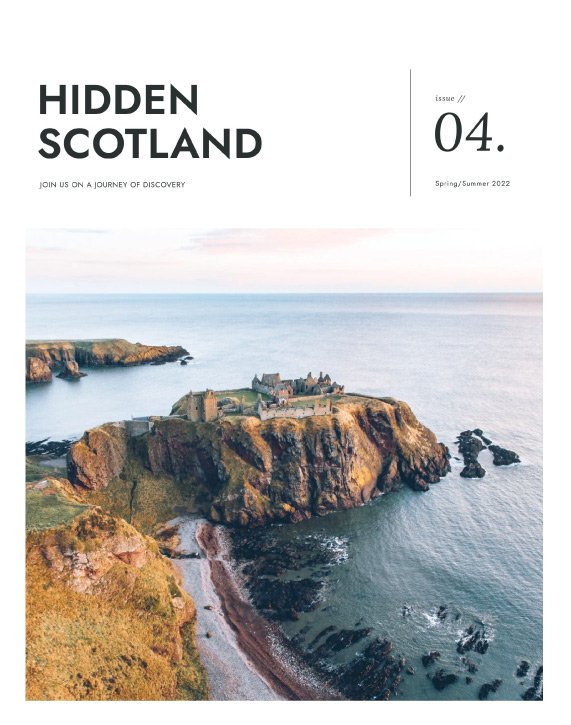
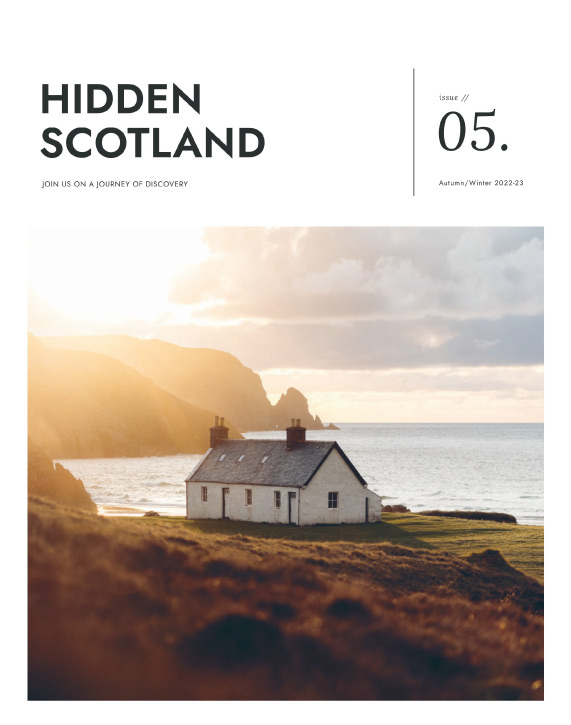
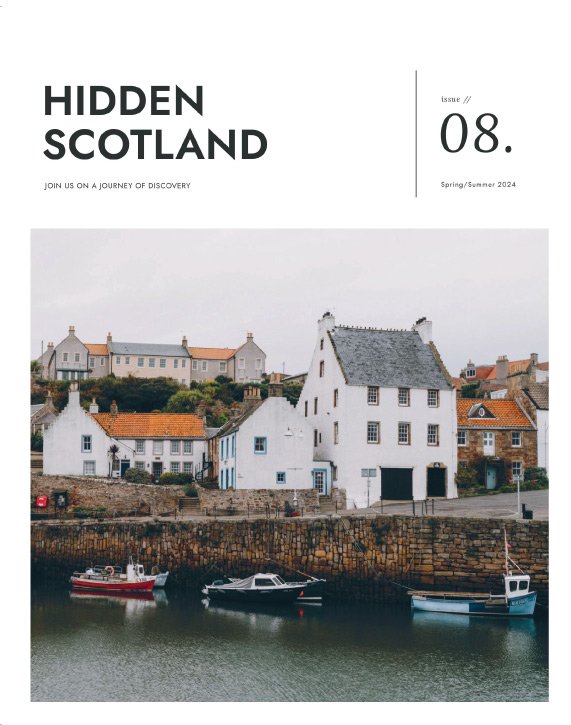
Subscribe to the Hidden Scotland Magazine to receive two beautiful issues per year.
SubscribeAt its heart, Hidden Scotland is dedicated to showcasing the essence of Scotland in all its diversity-popular landmarks, secluded spots, captivating stories, and unforgettable experiences. Our bi-annual magazine serves as a curated guide to the blend of the wild and artistic that defines this unique country.
Browse by category
Promoted Post
Eagle Brae
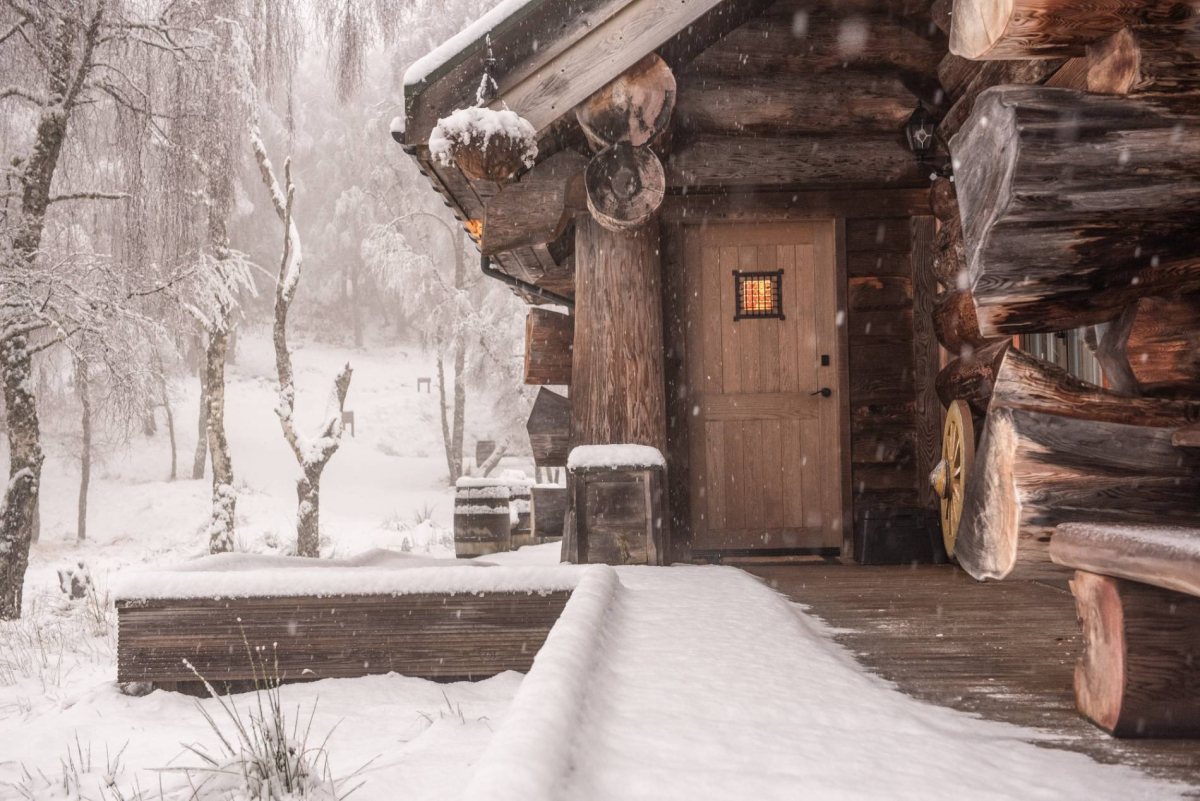
Escape to Eagle Brae, a secluded collection of Highland log cabins near Beauly. Handcrafted cedar, big skies, and deer on the hillside, with a fireside welcome that makes it easy to slow down.
Where to stay
Scottish Borders Dinosaur Footprints
Scottish Borders Dinosaur Footprints
Walks, Nature and Wildlife
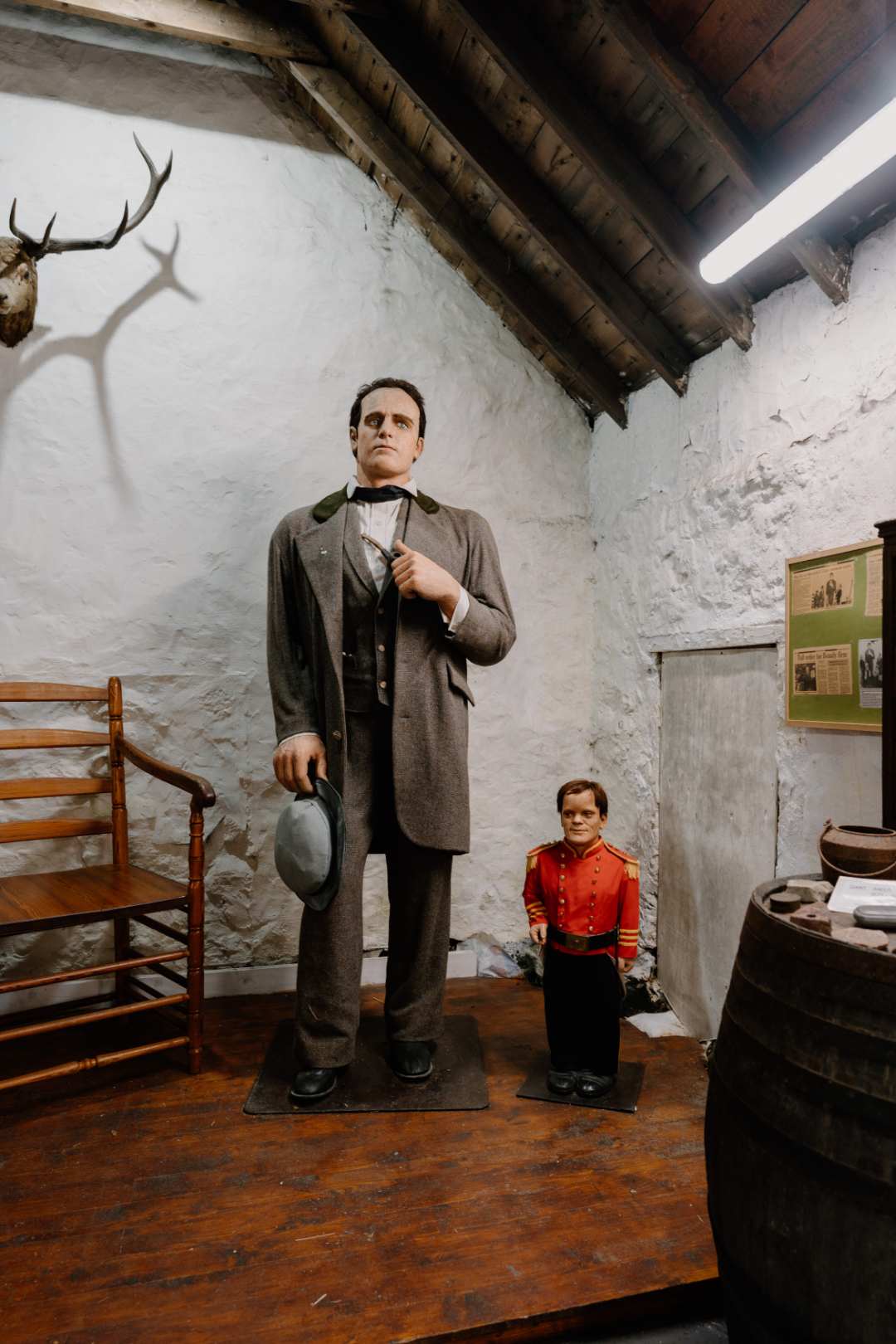
Giant MacAskill Museum
-full-1748901366.jpg)

History & Heritage
Battle of the Braes
Activities
Arts & Crafts
Did you know…
Did you know…
FOOD & DRINK
Interesting news from Scottish Borders
Mountain bike centre construction to start within weeks
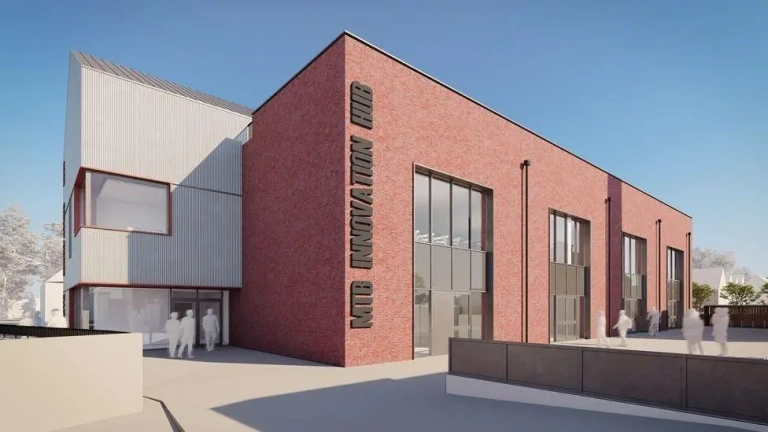
Construction of a new mountain bike innovation centre in Innerleithen will begin within weeks after a £15.5m funding package was approved through the Borderlands Inclusive Growth Deal. Backed by the UK government, the project is being led by South of Scotland Enterprise in partnership with Edinburgh Napier University and Scottish Borders Council. The former Caerlee Mill site has been cleared to make way for the new facility, with completion expected next year. The centre aims to boost the local economy, support research and development, and create more than 225 jobs across southern Scotland over the next decade.
Historic Scottish Textile Mill Restored and Celebrated by Royalty and Pop Icons
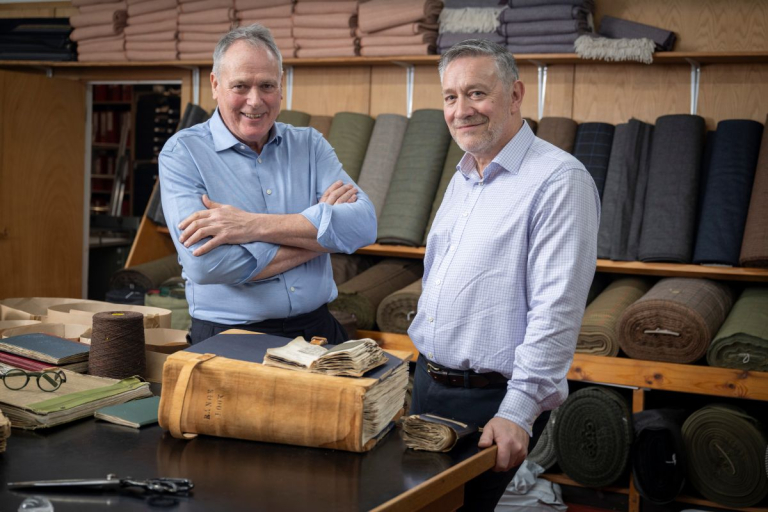
A once‑derelict Scottish textile mill has been lovingly restored and transformed into a thriving hub for traditional craftsmanship, attracting high‑profile visitors including Taylor Swift and King Charles III. The historic mill saved from ruin through careful conservation and community‑focused investment, now produces handcrafted woollens and textiles that celebrate Scotland’s rich textile heritage. Its revival has not only preserved an important piece of industrial history but also put Scottish weaving on the global stage. Visitors and collectors alike are drawn by its unique blend of heritage, quality and contemporary cultural relevance, making it a standout success story in rural revitalisation.
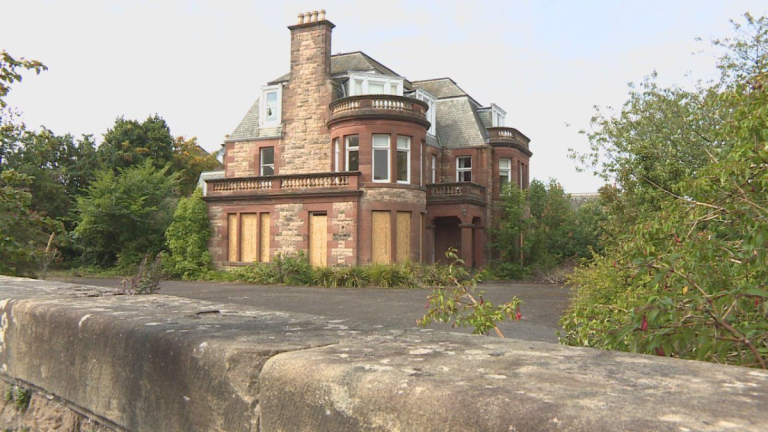
Historic North Berwick hotel saved from demolition
Scottish Ministers have intervened to stop the demolition of the former Golf Hotel in North Berwick, overturning East Lothian Council’s earlier decision. Built in 1900, the hotel was slated to be replaced by 14 flats, but officials agreed with campaigners that its loss would harm the character of the conservation area. A government reporter reviewed the site and found no evidence of significant structural issues, noting the building could be restored rather than destroyed. Ministers concluded that demolition was not essential, signalling the famous seaside town will retain one of its architectural landmarks.
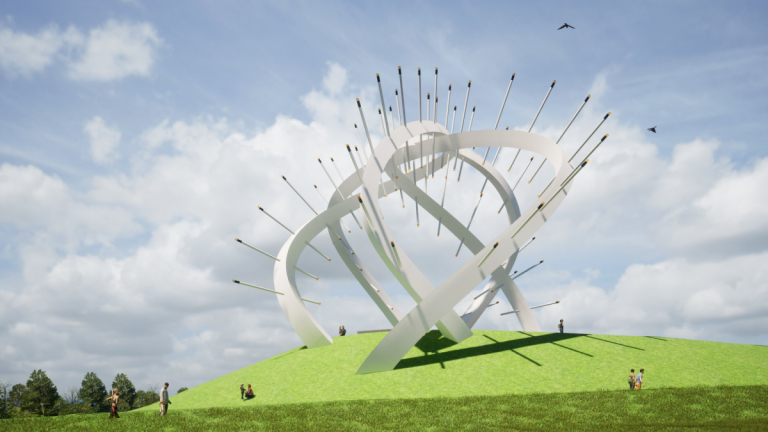
Work to Begin on £12 Million ‘Star of Caledonia’ Sculpture
Construction will begin in March 2026 on the ‘Star of Caledonia’, a 33-metre illuminated structure set to become Scotland’s largest sculpture on the Anglo-Scottish border. Designed by artist and engineer Cecil Balmond, the sculpture honours Scottish scientist James Clerk Maxwell. The 39-acre site near Gretna Green will include a visitor hub, landscaped grounds and a viewing platform, and is expected to open in spring 2027.
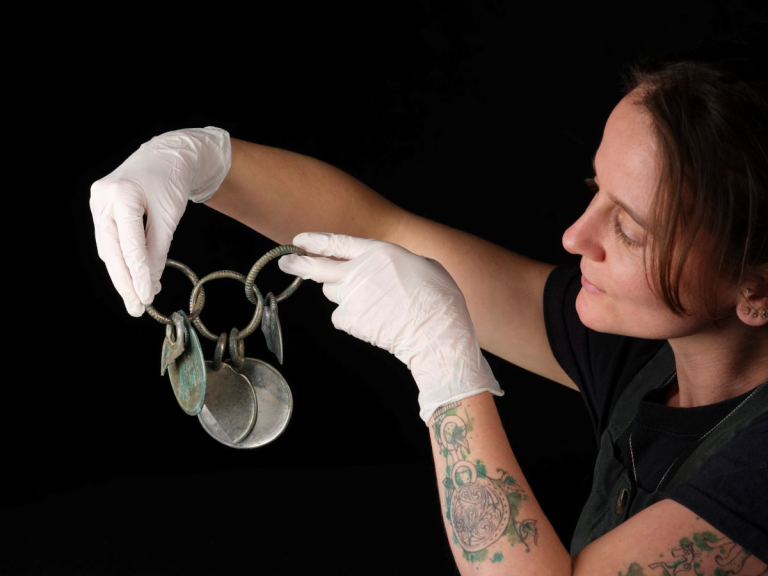
3,000‑Year‑Old “Silver” Secret of Peebles Hoard Unearthed
Conservation work on the Peebles Hoard—buried between 1000 and 800 BCE and discovered in the Scottish Borders—has unveiled a startling secret: many of the bronze artefacts now display a silvery sheen, despite silver being unknown at the time. This effect turns out to be the result of a deliberate surface enrichment, with high levels of tin driven to the exterior of the metal. The hoard, comprising over 500 bronze and organic items, was removed intact in a single block and is being carefully cleaned and studied under laboratory conditions. The project is ongoing, expected to take three years to complete.






 Sign in with Google
 Sign in with Email