
The islands are a great attraction for visitors each with something different to offer, sandy beaches, stunning scenery, remoteness, wildlife, seabirds and island hospitality.
Our Magazine
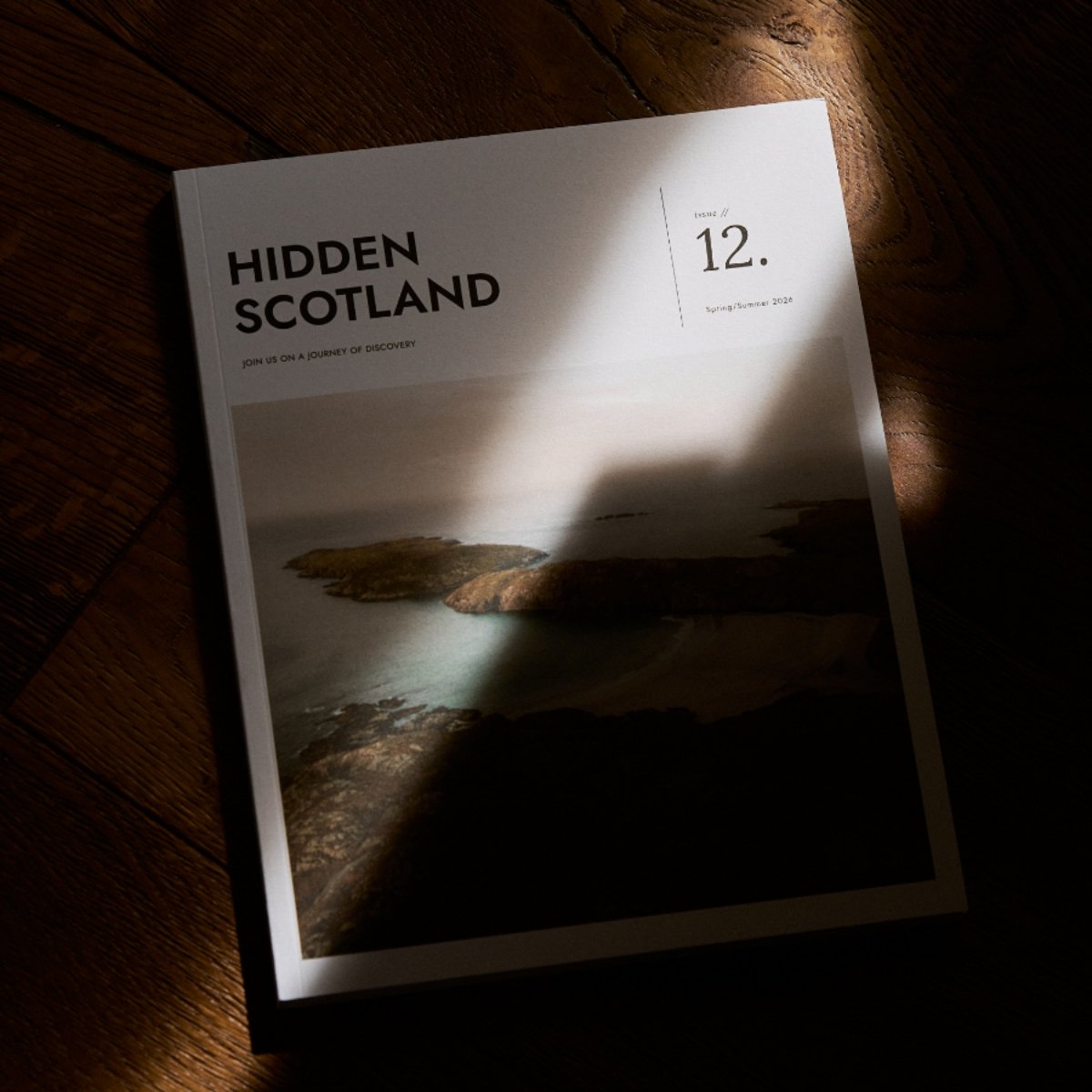
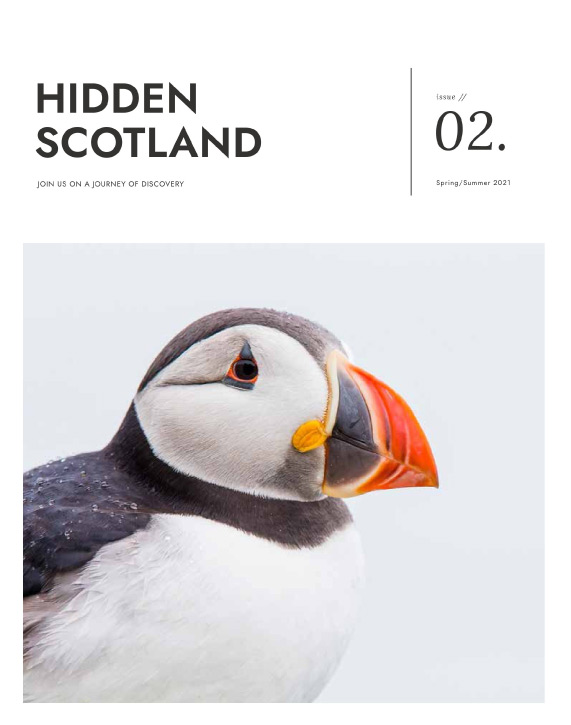
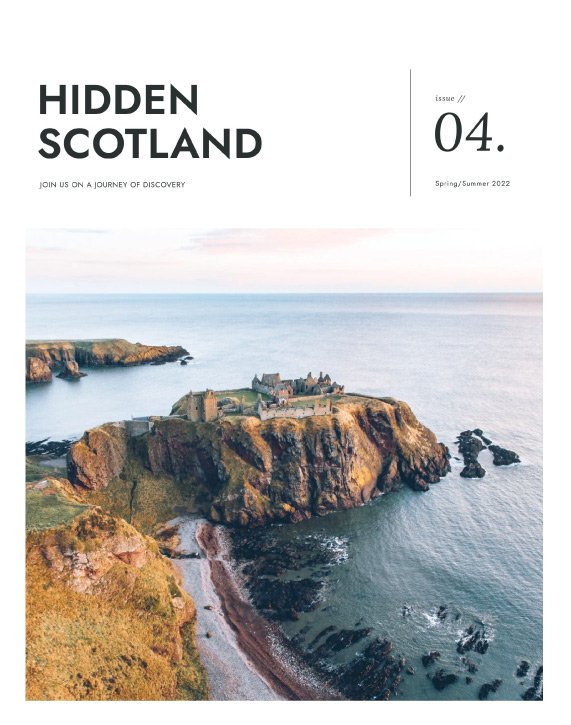
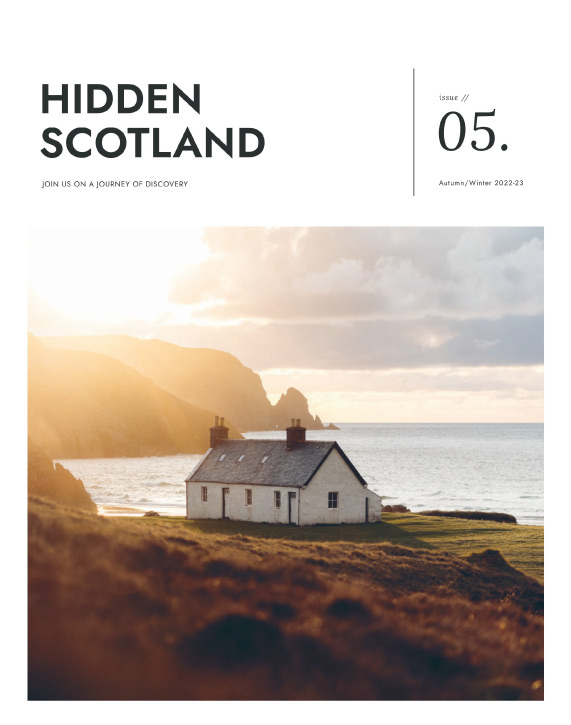
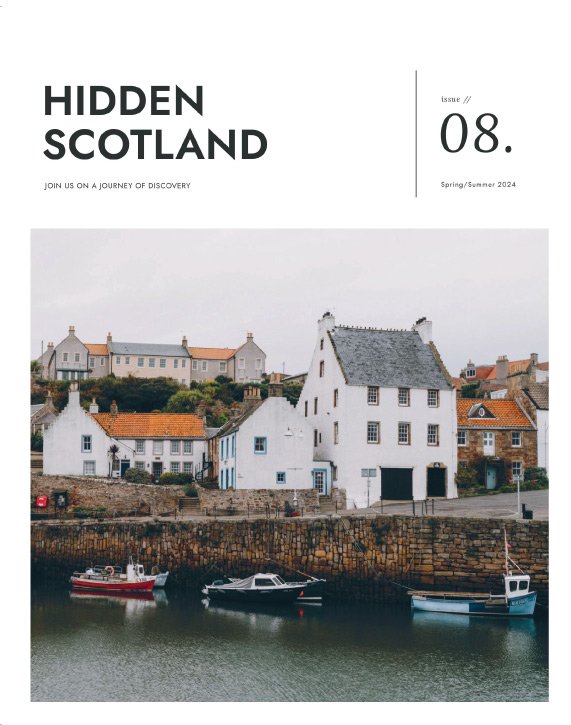
Subscribe to the Hidden Scotland Magazine to receive two beautiful issues per year.
SubscribeAt its heart, Hidden Scotland is dedicated to showcasing the essence of Scotland in all its diversity-popular landmarks, secluded spots, captivating stories, and unforgettable experiences. Our bi-annual magazine serves as a curated guide to the blend of the wild and artistic that defines this unique country.
Browse by category
Promoted Post
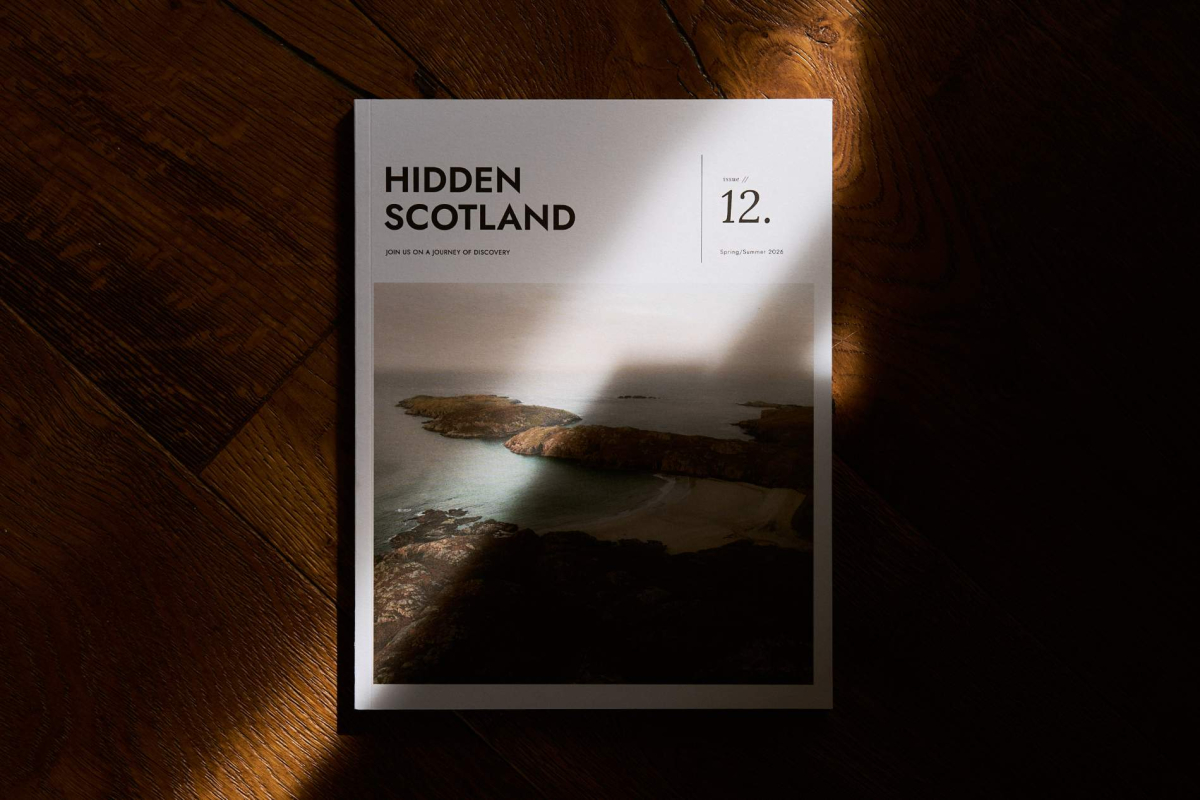
Issue 12 is now shipping worldwide from Scotland.
Issue 12 is now shipping worldwide from Scotland.
Where to stay
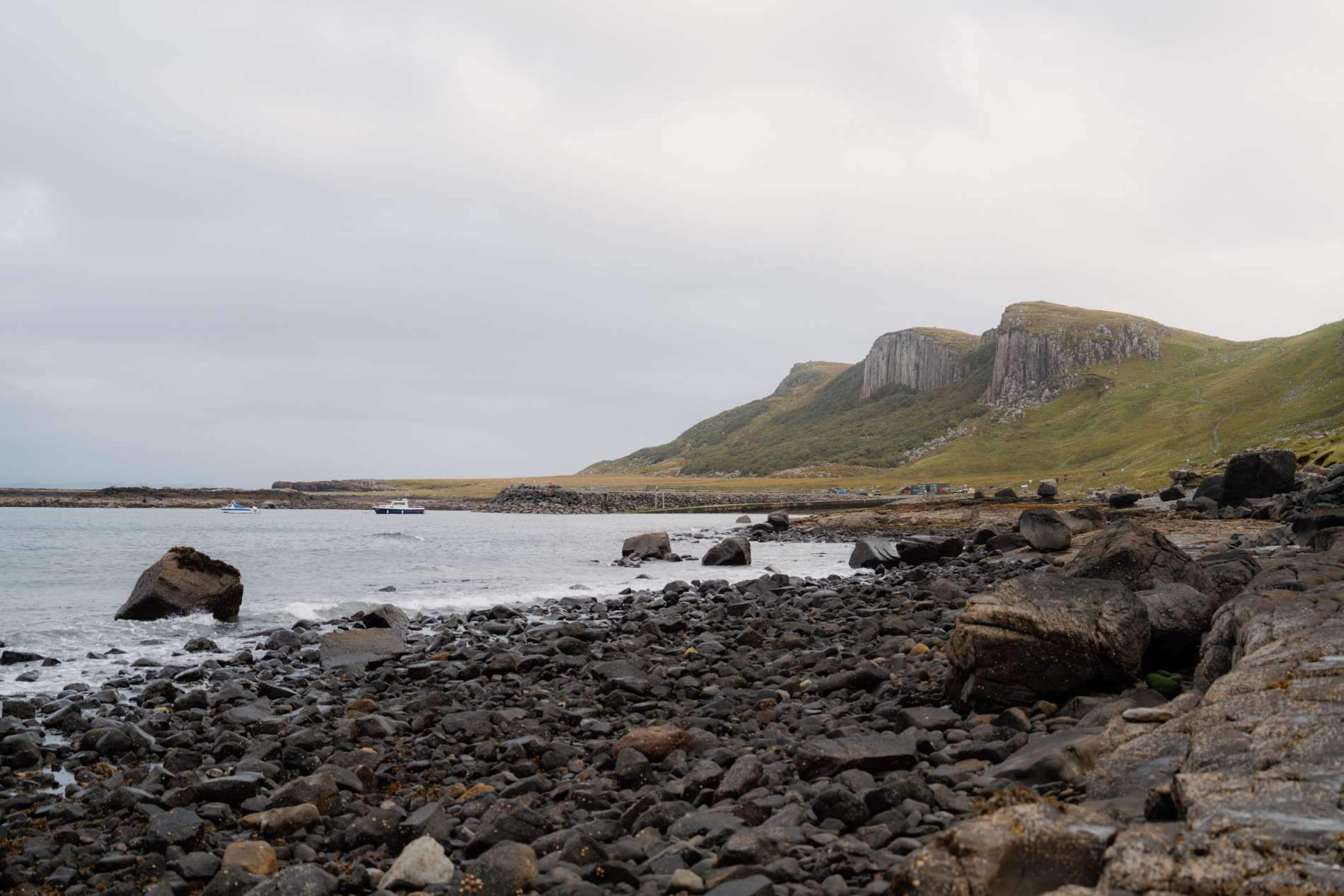
Argyll and Bute Dinosaur Footprints
Argyll and Bute Dinosaur Footprints
Walks, Nature and Wildlife
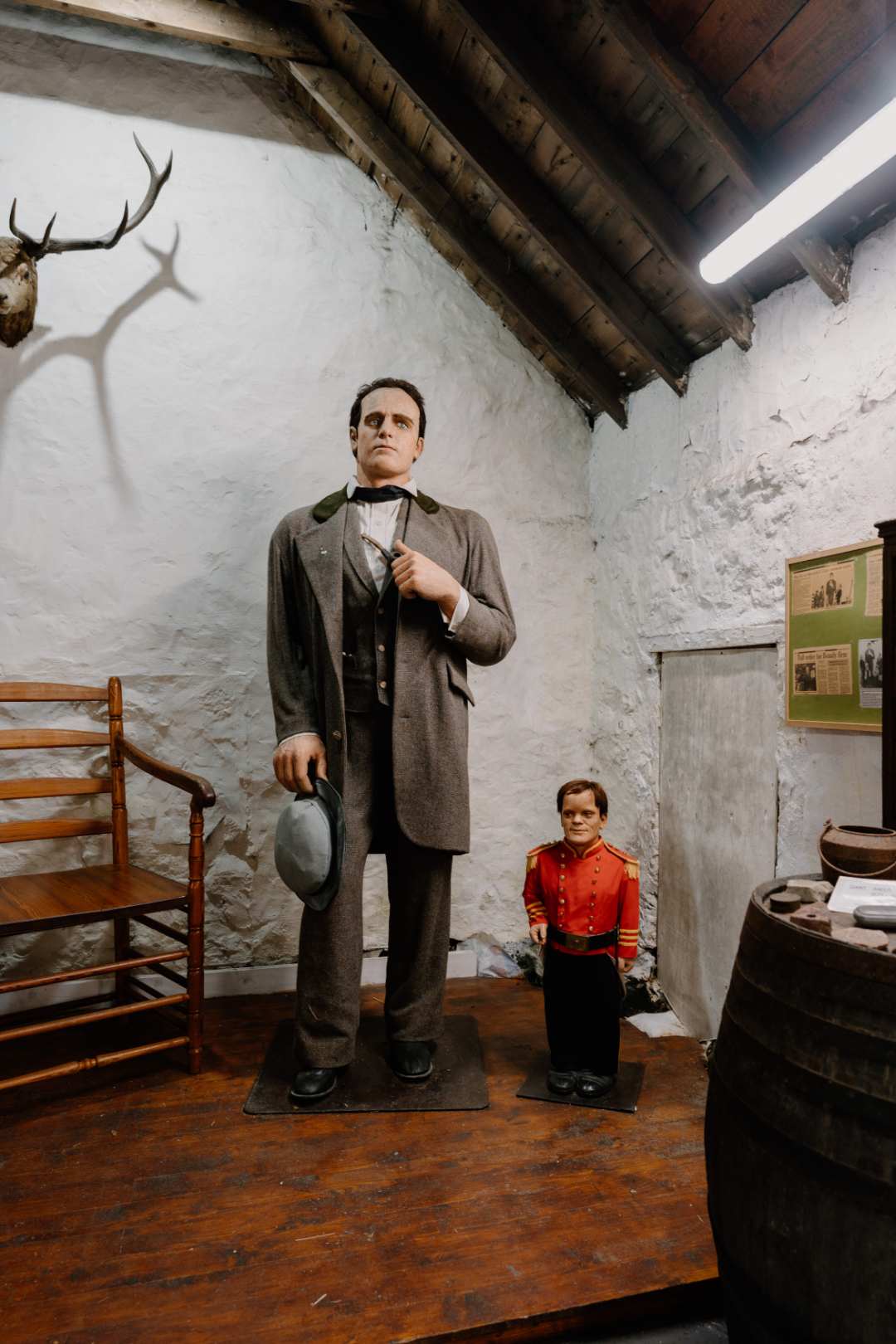
Giant MacAskill Museum
-full-1748901366.jpg)

History & Heritage
Battle of the Braes
Activities
Arts & Crafts
Did you know…
Did you know…
FOOD & DRINK
Interesting news from Argyll and Bute
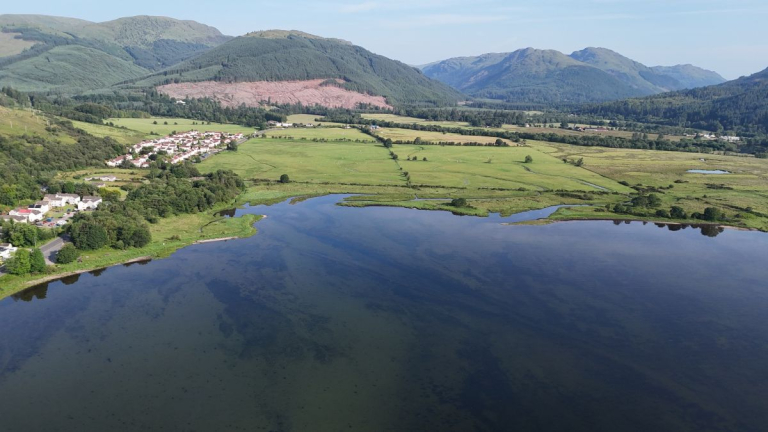
Seagrass Makes Unexpected Comeback in Holy Loch
Native seagrass in Holy Loch, Argyll, is rebounding after decades of decline linked to industrial damage. Researchers say this natural recovery shows ecosystem resilience and highlights the plant’s role in marine health.
'Milestones' reached for two of Scotland's new electric ferries
Construction milestones have been reached for two new electric ferries being built for Scotland’s west coast routes. The keel has been laid for the first vessel and steel cut for the second at a shipyard in Gdansk. Seven electric ferries are being built in total and are due to arrive in Scotland from 2027. Once in service, they will operate on routes across Argyll and Bute and the Hebrides. Each vessel will carry up to 150 passengers and 24 vehicles, supporting improved reliability for island ferry connections.

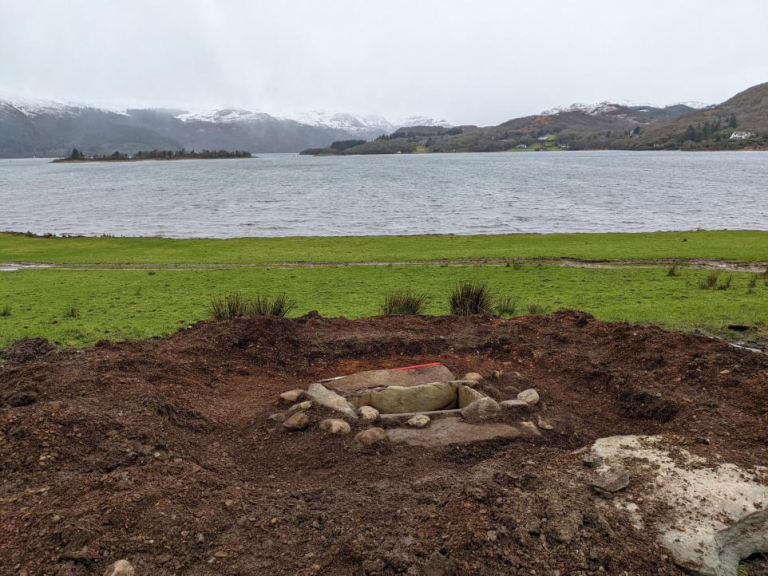
Bronze Age Burials Unearthed on Isle of Bute
Ancient remains of two people from the Bronze Age have been found in a long-lost burial chamber on the Isle of Bute. A farmer uncovered the cist while ploughing a field at Rhubodach. Archaeologists later excavated the site and confirmed the presence of two individuals dating back around 4,000 years. The upper burial was an adult male and beneath was a female thought to be an adolescent or young adult. Their remains, along with pottery and grave goods, are now being cared for at a specialist facility for archaeological human remains in Edinburgh.
Tree-Planting Project Begins to Stabilise Hillside at Rest and Be Thankful
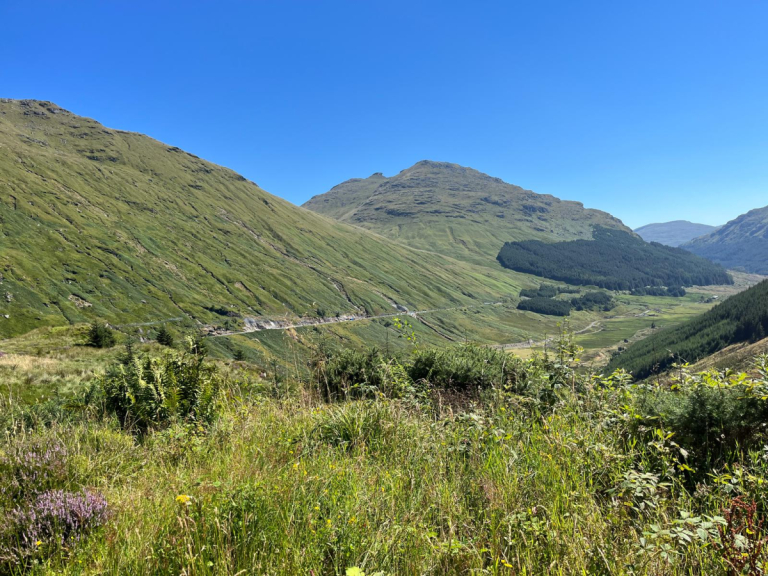
A large-scale woodland creation initiative has commenced on the steep slopes above the famed Scottish pass known as the Rest and Be Thankful. The project, led by Forestry and Land Scotland in collaboration with Transport Scotland, aims to plant hundreds of thousands of native trees over several years to help bind the hillside and reduce the risk of landslips that have repeatedly disrupted the A83 trunk road. The scheme also delivers ecological benefits, enhancing habitat diversity, improving water quality, and capturing carbon — merging infrastructure protection with nature-based solutions.
Plans for Geilston House Progress
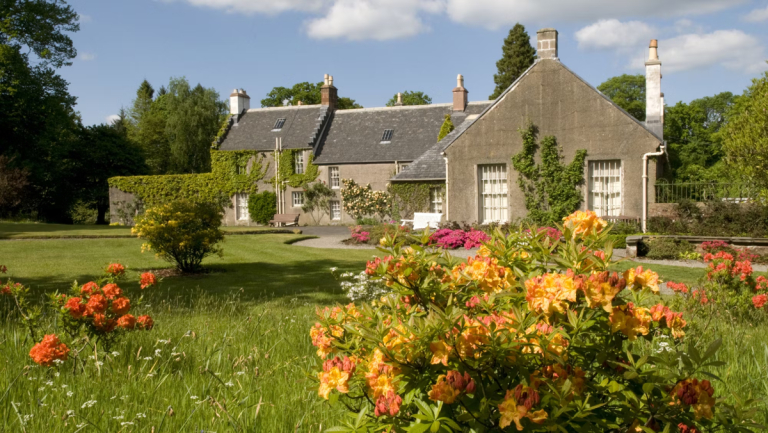
A £2.5 million restoration of Geilston House in Cardross is underway. The National Trust for Scotland has submitted a planning application for extensive repairs and refurbishment of the 18th-century B-listed property, which has been uninhabited since 1997. The project aims to restore the house as part of the Trust’s holiday accommodation portfolio, incorporating spaces for small-scale events and exhibitions. The works are expected to take around 12 months, with the garden continuing its usual opening hours during the refurbishment. The Trust is committed to retaining as much of the house's historic fabric as possible while making necessary safety improvements. Geilston Garden, which has been in the care of the Trust since 1989, is celebrated for its landscaping and welcomes around 14,000 visitors annually. The garden is set to reopen in March 2026 after closing to visitors on 31 October 2025.






 Sign in with Google
 Sign in with Email