Aberdeenshire

Aberdeenshire Guide

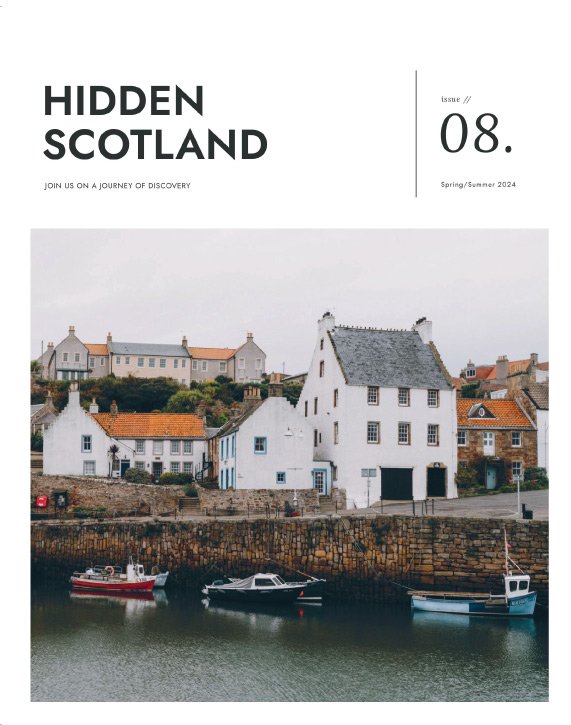
Aberdeenshire covers some 2,500 square miles of fine, fertile country, hemmed in by a 165-mile coastline on one side and the Cairngorms on the other. There are 30 Munros to climb, more castles than you could sensibly fit into a week, and a string of old fishing villages clinging to the cliffs along the north coast. Royal Deeside runs through the middle of it, following the River Dee west towards Balmoral, where Queen Victoria fell for the place back in 1848. It's a varied, quietly remarkable corner of the country. Worth taking your time over.

Our Magazine

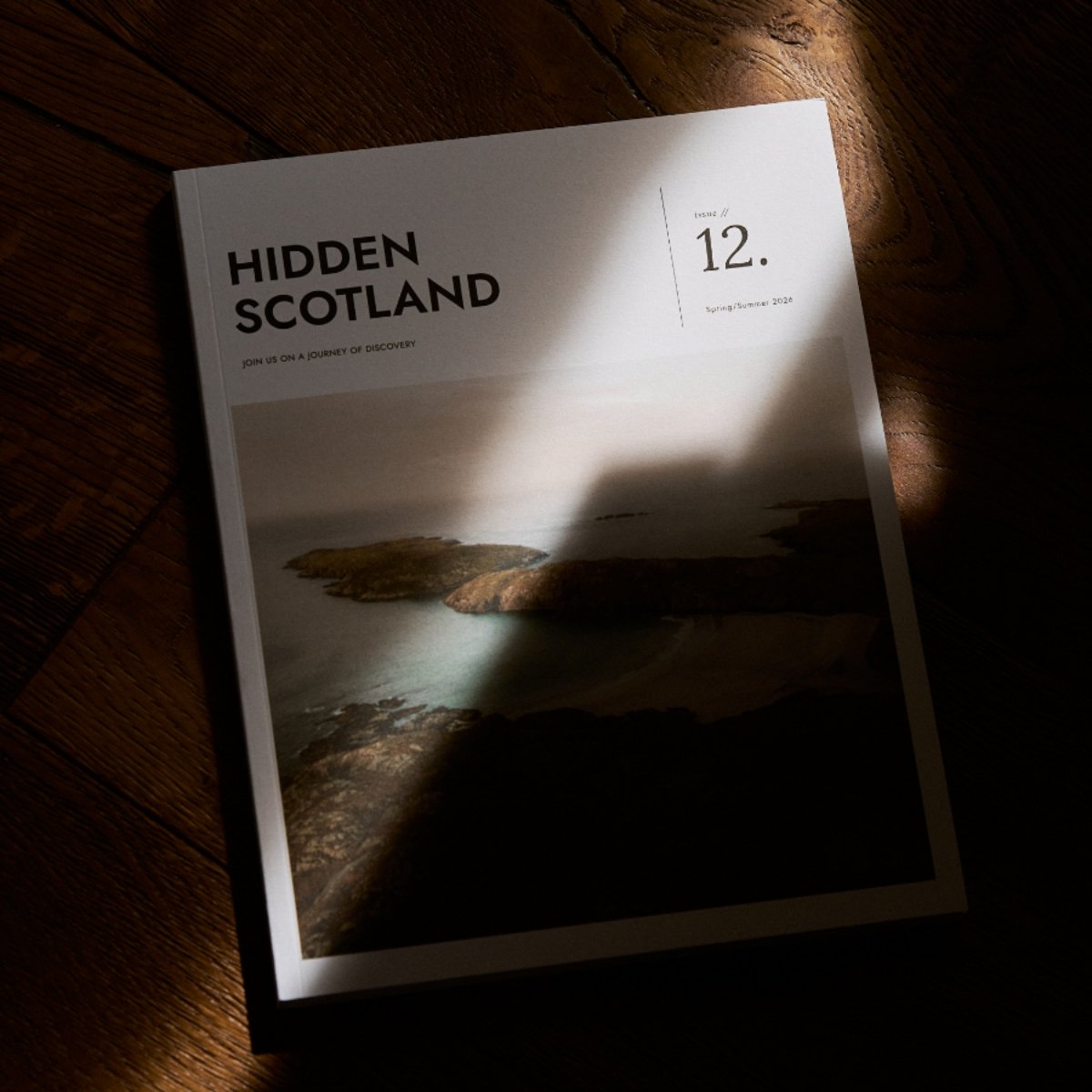
Subscribe to the Hidden Scotland Magazine to receive two beautiful issues per year.

Subscribe

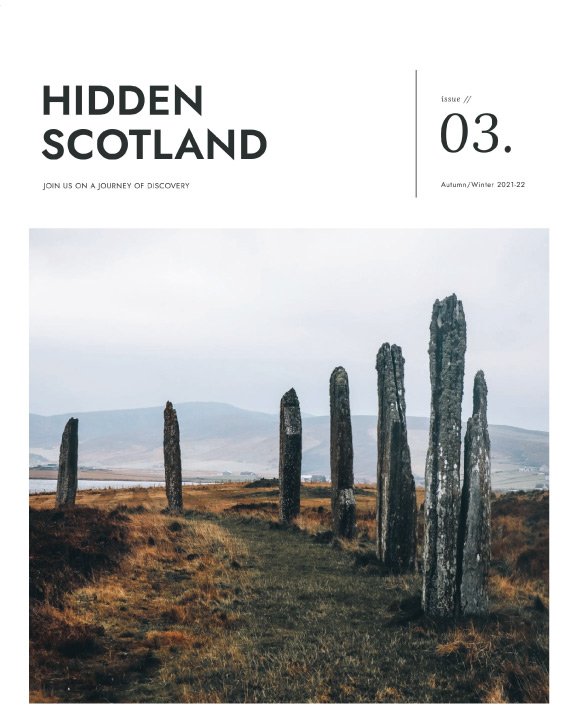
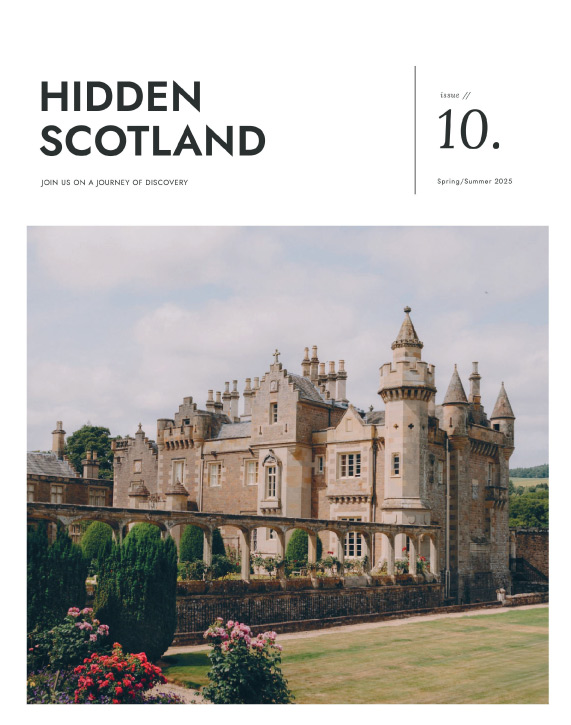
At its heart, Hidden Scotland is dedicated to showcasing the essence of Scotland in all its diversity-popular landmarks, secluded spots, captivating stories, and unforgettable experiences. Our bi-annual magazine serves as a curated guide to the blend of the wild and artistic that defines this unique country.

Where to stay

Castles, cabins, shepherd's huts, a 1955 Airstream. Aberdeenshire doesn't do things one way. You can hole up in a former royal log cabin built for Queen Mary, or take over an entire Victorian hunting lodge for a big gathering. There's a gatehouse on the Glen Tanar estate with an outdoor hot tub and a panoramic terrace, and a clutch of tin bothies near Huntly filled with upcycled bits and king-size beds. Some of these places sit deep in the Cairngorms. Others are minutes from the coast. Wherever you land, the landscape does a fair bit of the work.

Scotland's Castle Country

Aberdeenshire has more castles than anywhere else in Britain. Over 300 of them, give or take, if you count the stately homes and the ruins alongside the great fortified houses. That's roughly one for every 750 people. The region trades on it, the nickname is Castle Country, and there's a signed driving route, the Castle Trail, that links the pick of them.

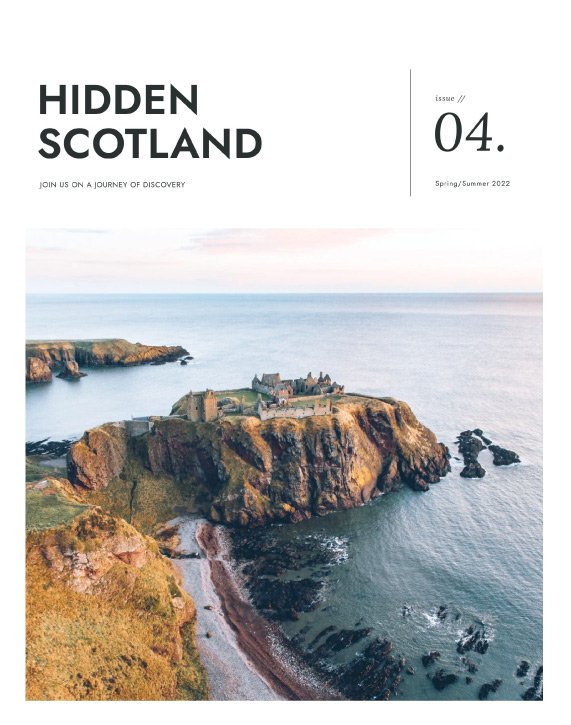
There's a reason they cluster here. The farmland was some of the richest in Scotland, which made the lairds wealthy, and the local granite gave them something hard enough to build with that lasted. So you get the pink tower of Craigievar, the painted ceilings at Crathes, Dunnottar on its cliff above the sea, and Drum, one of the oldest tower houses in the country.

Scotland's Castle Country

Aberdeenshire has more castles than anywhere else in Britain. Over 300 of them, give or take, if you count the stately homes and the ruins alongside the great fortified houses. That's roughly one for every 750 people. The region trades on it, the nickname is Castle Country, and there's a signed driving route, the Castle Trail, that links the pick of them.

There's a reason they cluster here. The farmland was some of the richest in Scotland, which made the lairds wealthy, and the local granite gave them something hard enough to build with that lasted. So you get the pink tower of Craigievar, the painted ceilings at Crathes, Dunnottar on its cliff above the sea, and Drum, one of the oldest tower houses in the country.

Walks, Nature and Wildlife

With almost 2,500 square miles of prime Scottish land to call its own – including moorland, forests, no less than 30 Munros and a glorious, cliff-edged, 165-mile coastline – Aberdeenshire has tough-as-rock outdoor credentials. Naturalists, hikers, bikers and water-sport nuts all welcome.

Heartland of the Picts

Long before the castles, before Scotland was even a country, this was Pictish ground. Aberdeenshire sat at the heart of the northern Picts from around the 4th to the 9th century, and they left their mark in carved stone. The symbol stones cluster thicker here than almost anywhere, incised with beasts, mirrors, combs, crescents and Z-rods.

Nobody's cracked what the symbols mean. The best guess is they record names, of people or families, but it's still argued over. That's half the appeal.

The village of Rhynie is the place to see them. Eight stones have turned up around it, including the Rhynie Man, a six-foot figure carrying an axe, dug out of a field in 1978. You'll find a cluster in the old kirkyard, free to visit, standing where they've stood for a very long time.

History & Heritage

Far-flung? Not a bit of it. Until some 8,500 years ago, northeast Scotland was still connected to continental Europe by way of Doggerland, a land bridge stretching across what is now the North Sea. Evidence of early hunter-gatherers still remains, and by the time of the Bronze Age – with water levels long since having risen – settlers were leaving behind cairns and stone circles. Later, the Picts and the Romans were both present here, as were Celtic monasteries.

The region witnessed clan warfare in the Middle Ages, and then later played a part in the Wars of Independence. Castles appeared in numbers. It also saw its fair share of religious conflict after the Reformation, although by 1600 it had three universities in place, two of them in the burgeoning settlement of Aberdeen, which began life as two separate burghs – Old and New Aberdeen.

The city grew to become an important one, thriving on the back of the 19th-century fishing and shipbuilding industries, and using local granite to create a series of imposing municipal buildings, a legacy that still stands today. An 1848 visit by Queen Victoria to the riverside lands west of Aberdeen, meanwhile, saw the emergence of the name Royal Deeside. In later decades, Aberdeen’s North Sea location saw oil, gas and renewable energies become the city’s leading industries, bringing considerable prosperity in their wake, despite the market decline of recent years.

Did you know one family lit up Scotland's coast?

Scotland has over 200 lighthouses, and most were built by four generations of the same family, the Stevensons. Robert Stevenson started it, his masterpiece the Bell Rock off Arbroath, finished in 1810 on a reef that's only above water at low tide. His sons and grandsons carried it on for about 150 years, lighting the worst rocks in Britain. Several stand on the Aberdeenshire coast, Buchan Ness, Girdle Ness, Rattray Head among them. The odd footnote: Robert's grandson trained as an engineer, then gave it up to write. His name was Robert Louis Stevenson, of Treasure Island.

Activities

A region this varied naturally comes stuffed with different activities, whether you’re looking for a pursuit to get the pulse racing or something more sedentary (hello, distilleries). Here are nine ways to get the most from your time in Aberdeenshire, whatever the weather.

Did you know…

Did you know Balmoral has been a royal home for over 170 years?

The royal family have summered on Deeside since Prince Albert bought Balmoral for Queen Victoria in 1852. Victoria adored the place, more so after Albert died, and the habit stuck. Every monarch since has kept it on, passed down privately from one to the next rather than through the Crown. It runs to about 50,000 acres now, with seven Munros on it, Lochnagar the highest.

It was Queen Elizabeth II's favourite of all her homes, the one place she could ride, walk the dogs and drive herself about without much fuss. She was there for her summer break when she died, in September 2022, the first monarch to die in Scotland since James V in 1542. King Charles still heads up every summer.

Did you know Balmoral has been a royal home for over 170 years?

The royal family have summered on Deeside since Prince Albert bought Balmoral for Queen Victoria in 1852. Victoria adored the place, more so after Albert died, and the habit stuck. Every monarch since has kept it on, passed down privately from one to the next rather than through the Crown. It runs to about 50,000 acres now, with seven Munros on it, Lochnagar the highest.

It was Queen Elizabeth II's favourite of all her homes, the one place she could ride, walk the dogs and drive herself about without much fuss. She was there for her summer break when she died, in September 2022, the first monarch to die in Scotland since James V in 1542. King Charles still heads up every summer.

Food & Drink

Aberdeenshire eats well, and it has the land to thank for it. This is some of the most fertile ground in the country, which means the producers round here aren't short of good raw material. You'll find Cullen Skink in the village that gave it its name, Aberdeen Angus on plenty of menus, and a strawberry season worth planning a trip around. The cafés and restaurants make the most of all of it. From a Michelin-recommended seafood spot at the harbour mouth in Aberdeen to a chip shop in Stonehaven once named the best in the UK, the choice is broad. Come hungry.

Planning FAQs

May through September is your best bet. Summer brings the longest days, with daylight stretching close to 18 hours around the solstice on account of how far north you are. July's the warmest month, though warm is relative up here: highs of around 17 or 18°C. The trade-off is that July and August are also the busiest and, oddly enough, among the wettest. May and September are quieter, a bit cheaper, and often drier. September in particular tends to be one of the driest months, and you'll catch the Braemar Gathering on the first Saturday. Winter is cold, dark and wet, but if you're after skiing at Glenshee or the Lecht, that's the time to come.

By train, Aberdeen is about two hours twenty from Edinburgh and roughly the same from Glasgow, with direct ScotRail services running through the day. There are also direct trains from London King's Cross, Newcastle and Birmingham. If you're flying, Aberdeen Airport sits in Dyce, about six miles northwest of the city, with flights to London, a handful of European cities and elsewhere in the UK. The Stagecoach Jet 727 bus runs between the airport and the city centre every 10 minutes on weekdays. You can also arrive by ferry from Orkney and Shetland.

Honestly, yes, for most of it. Aberdeen itself is compact and walkable, and you can reach it by train or plane no problem. But the castles, distilleries and coastal villages are scattered across 2,500 square miles of countryside, and public transport out there is patchy at best. If you want to do Royal Deeside, the stone circles, the north coast villages and the like, a car gives you the freedom to actually reach them. Day tours run from Aberdeen if you'd rather not drive.

You can visit the grounds, gardens and exhibitions, which open daily from late March to early August. General adult admission is £18.50, with parking £6 on top. For 2026 there's also the option of an interior guided tour, the first time the public has been able to see inside the castle since it was built in 1856. Those are limited to twelve people a tour and book up fast, so sort it well ahead. The estate's been owned by the royals since 1852, and they're usually in residence in late summer, which is why public access closes in August.

Depends what you're after. You could see the best of Aberdeen in a couple of days: the art gallery, the maritime museum, Old Aberdeen and the beach. But to do the wider region justice, give it the best part of a week. Royal Deeside alone could eat up two or three days once you factor in the castles, the walks and a distillery or two. The north coast villages are a fair drive from Deeside, so if you want both ends you'll need the time.

Very. There's a lot more here for kids than you might expect. Aberdeen Science Centre has more than 60 interactive exhibits, there's an Olympic-sized open-air pool at Stonehaven heated to 29°C, and a string of farms, country parks and soft-play spots scattered about. Add castles to clamber round, seals to spot at Newburgh and beaches all along the coast, and you'll struggle to run out of things to do.

Castles, mainly. There are more here than anywhere else in Scotland, from fairytale pink Craigievar to the cliff-edge ruin of Dunnottar. Then there's Royal Deeside and the Balmoral connection, the granite buildings of Aberdeen itself, and a serious run of whisky distilleries. Food-wise it gave the world Cullen Skink and Aberdeen Angus beef. And the coastline is a quiet highlight: 165 miles of it, dotted with old fishing villages and seabird colonies.

No, that's a common mix-up. The North Coast 500 loops around the northern Highlands, starting and ending in Inverness, and doesn't come into Aberdeenshire at all. A few of the properties up on the far north coast sit on or near it, but the route itself is well to the west. If you're set on the NC500, you'd pair it with a separate trip rather than fold it into an Aberdeenshire one.

Changeable, and you'll want to be ready for that. This is the northeast coast of Scotland, so expect cool temperatures, a fair bit of wind off the North Sea and rain at any time of year. Summer highs sit around 17 or 18°C, winter hovers near freezing. The wind is the thing people underestimate; it cuts through anything thin, especially on the coast. The upside is the region is drier than the west of Scotland, sitting in the rain shadow of the Highlands, so you'll often get better weather here than over towards the Atlantic side.

Layers, and a proper waterproof. Even in July a light rain jacket earns its place, since showers turn up roughly a third of the time in summer. If you're walking the hills or the coast paths, decent boots and something windproof are worth the suitcase space. Come in winter and you'll want a heavy coat, gloves and a hat for the North Sea wind. And bring layers you can peel off, because Scottish weather can give you all four seasons before lunch.

Some, but nothing like the west coast. Aberdeenshire's drier, breezier climate keeps the worst of them off, and the east coast generally sees far fewer midges than places like the western Highlands or Skye. You'll still meet them on still, damp evenings inland, particularly near water in high summer between roughly June and August. A bit of repellent sorts it. Don't let it put you off.

About as dog-friendly as anywhere in Scotland, which is to say very. Loads of the self-catering cottages welcome dogs, plenty of cafés and pubs do too, and the beaches and hill walks are made for them. Even Balmoral lets you walk dogs in the grounds, as long as they're on a lead. Always worth checking individual places before you book, but you won't be short of options.

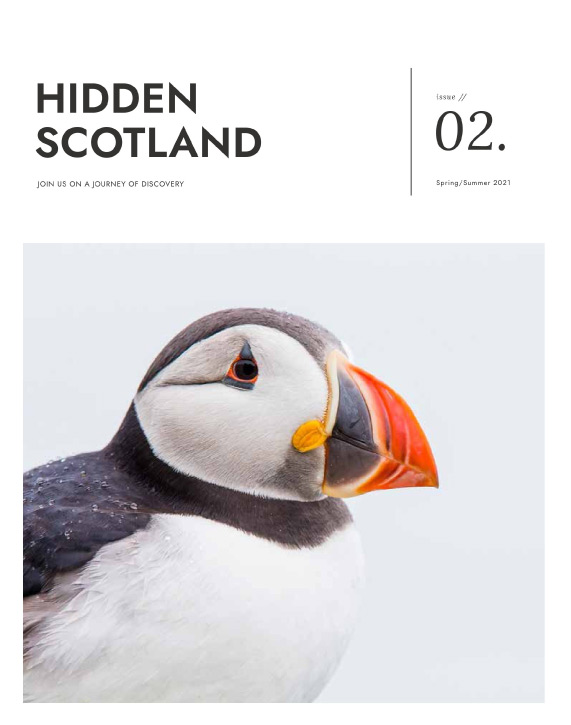
A good amount, if you keep your eyes open. The cliffs at Bullers of Buchan and Fowlsheugh fill with seabirds in spring and summer, puffins included. There's a 400-strong seal colony at Newburgh, dolphins regularly off the coast near Stonehaven and Aberdeen, and the odd minke whale if you're lucky. Inland, the Cairngorms estates hold red squirrels, red deer, pine martens and golden eagles. Glen Tanar and Muir of Dinnet are both solid bets.

The Braemar Gathering is the big one, the most famous of all Scotland's Highland Games, held on the first Saturday of September and usually attended by the Royal Family. Beyond that there's the Stonehaven Fireball Festival at New Year, which is exactly what it sounds like, NuArt street art across Aberdeen, the Scottish Traditional Boat Festival at Portsoy each June, and the Aboyne Games in early August. Plenty going on through the warmer months.

Fair question, and a bit of a technicality. Aberdeen the city has its own council, so strictly speaking it isn't part of Aberdeenshire, which is the surrounding county. Most people use "Aberdeenshire" loosely to mean the whole lot, city included, and that's how this guide treats it. For trip-planning purposes the distinction barely matters: you'll likely use the city as a base and head out into the shire for the castles, hills and coast.

Interesting news from Aberdeenshire

New book tells the 22,000-year story of Glen Dye

Charlie Gladstone, who's owned the Glen Dye estate in Aberdeenshire since 1982, has self-published a new book called Real Wild Heaven: 22,000 Years of Glen Dye. It's part historical fiction, part geography lesson, part meditation on how short life is, and part opinion piece on land ownership. The landscape of Glen Dye sits at its heart, and is a very real character in the book. Gladstone and his wife Caroline have spent decades creatively restoring Glen Dye, which now offers one of the most creative places to stay in the area, all log cabins and cottages, plus the new shop, Gladstone's Luxury Dry Goods. The idea struck him in January and the book was written in a flurry of inspiration. There are listening recommendations dotted through it too, reflecting his other great passion, music. "This book has been gestating for forty years and then when it was ready it was born very quickly," he said. 

There's a hardback with eight pages of photos, 22 illustrations and a map at £29.99, and a paperback at £19.99. 

The book launch is at the Glen Dye shop, Gladstone's Luxury Dry Goods, on 9 July.
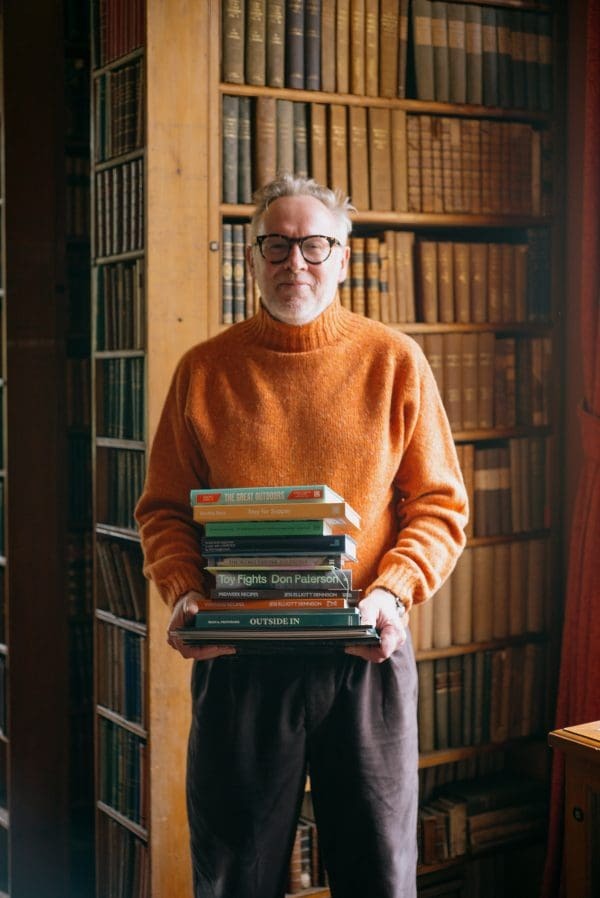
New book tells the 22,000-year story of Glen Dye

Aberdeen's Kirsty Muir finishes fourth in the women’s big air final at the 2026 Olympics

British freestyle skier Kirsty Muir finished fourth in the women’s big air final at the 2026 Winter Olympics in Livigno, narrowly missing out on a medal. She delivered one of the highest individual jump scores with a double cork 1620 but was overtaken in the final round by competitors from Canada, China and Italy. This was the second time at these Games that the 21-year-old from Aberdeen narrowly missed the podium, having also placed fourth in the slopestyle final. Muir said her result was “bittersweet” after going for a trick she had not landed before and giving her best effort.
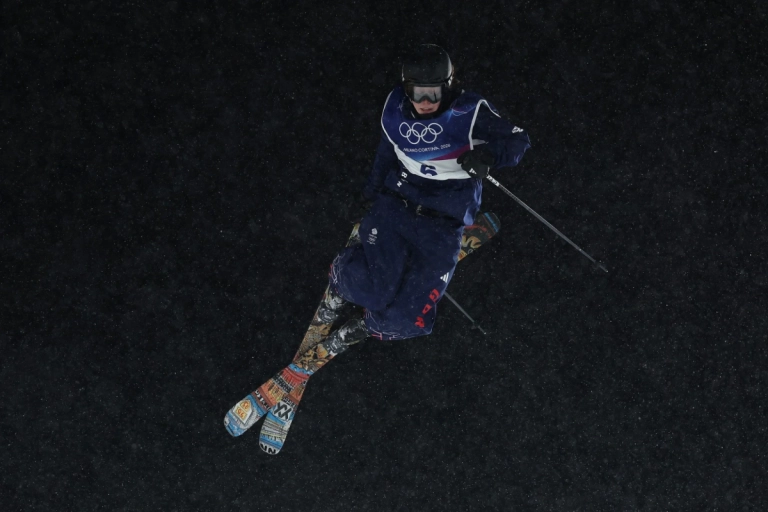
Aberdeen's Kirsty Muir finishes fourth in the women’s big air final at the 2026 Olympics

Dog walkers discovered 2,000-year-old beach footprints

Dog walkers at Lunan Bay in Angus discovered 2,000-year-old human and animal footprints exposed by winter storms, prompting a rapid archaeological response from the University of Aberdeen. The prints, previously buried beneath sand dunes, included humans as well as red and roe deer. Archaeologists worked in extreme winds to document the site using 3D models, physical casts, and drone photography before the storms destroyed it. Radiocarbon dating confirmed the markings’ age, offering a rare glimpse into Iron Age life on what was once a lush salt marsh. The discovery provides valuable insight into human-environment interaction in ancient Scotland.
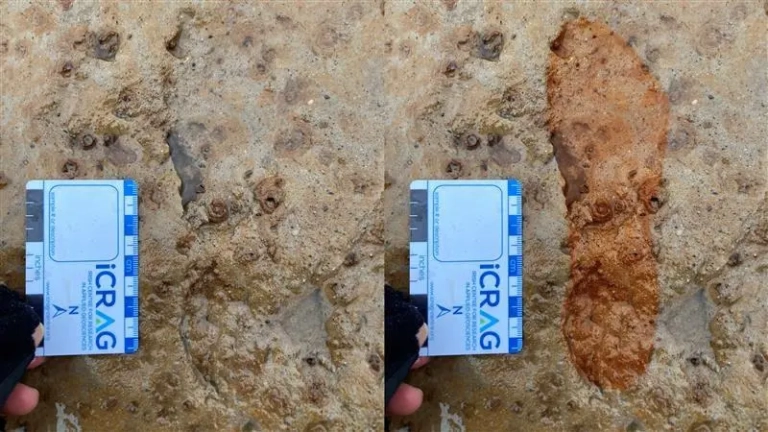
Dog walkers discovered 2,000-year-old beach footprints

Fossil dating back 410 million years joins museum collection

A 410 million year old fossil of Prototaxites has been added to the national collection at National Museums Scotland. The specimen was discovered near Rhynie in Aberdeenshire, an area known for its rich prehistoric deposits. Prototaxites was a giant organism that once grew up to eight metres tall, towering over early plants and animals. Long thought to be a type of fungus, new research suggests it belonged to a completely distinct and now extinct branch of life. Scientists say the find offers important insight into early life on land and Scotland’s role in palaeontological research.
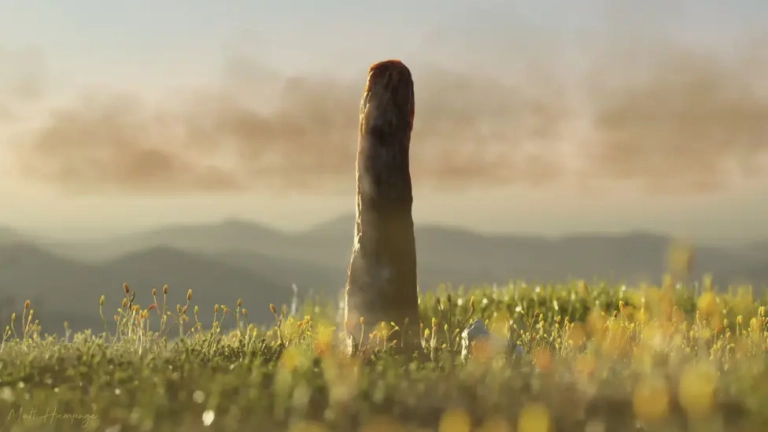
Fossil dating back 410 million years joins museum collection

University of Aberdeen to open India campus this year

The University of Aberdeen has confirmed it will open a new campus in India later this year. The branch campus will be based in the Powai area of Mumbai, with admissions now open and teaching expected to begin in September. Initial courses will focus on artificial intelligence, management, computing and data science. The university received approval from the Indian government last year to progress the plans. The move marks the institution’s first overseas campus and is intended to strengthen international academic links and attract students from across India and the wider region.


University of Aberdeen to open India campus this year
Create a trip